
Related News
- 00
0000-00
What Affects Ebike Energy Efficiency? Battery Size, Rider Weight, Terrain, and Speed - 00
0000-00
How to Choose an Electric Bicycle for City Commuting: Range, Motor, and Weight Explained - 00
0000-00
E-Bike Technology Explained: Motor Types, Battery Range, and Control Systems - 00
0000-00
Electric Bike Technology Solutions for Urban Fleets: Connectivity, BMS, and Service Data - 00
0000-00
Electric Bicycles ODM: How to Evaluate Design, MOQ, and Customization Capabilities
Micro-Mobility Strategist
Weekly Insights
Stay ahead with our curated technology reports delivered every Monday.
Electric Bike Components That Affect Maintenance Cycles





For after-sales maintenance teams, understanding which electric bike components most directly influence service intervals is essential to reducing downtime, warranty risk, and repeat repairs.
From motors and batteries to drivetrains, brakes, and controllers, each part affects maintenance cycles in different ways.
This guide explains how major electric bike components shape service timing, inspection priorities, and long-term reliability across urban mobility applications.
Which electric bike components have the biggest impact on maintenance cycles?
Not all electric bike components age at the same speed.
Some parts follow predictable wear patterns, while others fail early because of heat, moisture, vibration, rider load, or software mismatch.
The most influential electric bike components usually include:
- Battery packs and battery management systems
- Hub motors or mid-drive motors
- Controllers, displays, and wiring harnesses
- Chains, cassettes, chainrings, and derailleur parts
- Brake pads, rotors, and hydraulic assemblies
- Tires, wheels, bearings, and suspension contact points
These electric bike components define whether service cycles are calendar-based, mileage-based, or condition-based.
In shared fleets, delivery use, and steep urban terrain, inspection intervals become shorter because stress accumulates faster.
For service planning, it helps to separate consumables from diagnostic parts.
Consumables wear visibly.
Electronic systems often degrade silently before causing performance complaints or hard failures.
How do batteries and motors shorten or extend service intervals?
Battery packs are among the most maintenance-sensitive electric bike components.
Their condition affects range, charging stability, thermal behavior, and controller stress.
A battery with repeated deep discharge often ages faster than one used within a moderate state-of-charge window.
Heat is another decisive factor.
High ambient temperature, poor enclosure ventilation, and aggressive fast charging can reduce cycle life and trigger earlier diagnostics.
Battery-related maintenance should focus on:
- Cell balance deviation
- Connector corrosion
- Charge port wear
- Water ingress signs
- Abnormal voltage drop under load
Motors also drive maintenance cycles, but through different mechanisms.
Hub motors typically reduce drivetrain wear, yet they can hide bearing issues until noise or drag appears.
Mid-drive motors improve climbing efficiency, but they place more torque through chains and cassettes.
That means electric bike components in the drivetrain may need earlier replacement on mid-drive platforms.
Routine motor checks should include sound changes, axle play, overheating history, and firmware fault logs.
When battery and motor data are reviewed together, service intervals become more predictable.
Why do drivetrain electric bike components often determine repeat repair frequency?
Drivetrain parts are the fastest-wearing mechanical electric bike components in many commuter and cargo applications.
The chain stretches gradually, but cassette and chainring wear accelerate once elongation passes acceptable limits.
If chain replacement is delayed, the full drivetrain usually needs service sooner.
That creates avoidable repeat repairs and higher lifetime cost.
Derailleur alignment matters as much as wear depth.
Bent hangers, dirty pulleys, and cable drag can look like chain issues, even when the root cause is indexing instability.
For electric bike components under motor assist, lubrication discipline becomes critical.
Dry chains increase friction, noise, and heat.
Over-lubricated chains attract grit and speed up wear.
Useful service triggers include:
- Chain wear gauge readings
- Skipping under load
- Delayed shifting response
- Uneven tooth profiles
- Abnormal drivetrain noise during assist
Among all electric bike components, the drivetrain often offers the clearest opportunity for preventive maintenance savings.
What brake, tire, and wheel issues should be inspected first?
Braking systems are high-priority electric bike components because vehicle mass and assisted speed increase stopping demands.
Brake pads can wear rapidly in wet cities, hilly routes, or cargo use.
Rotor glazing, heat discoloration, and hydraulic contamination all shorten maintenance cycles.
A simple pad check may not be enough.
Teams should also inspect lever feel, rotor true, caliper alignment, and hose condition.
Tires are another major factor.
Low pressure increases rolling resistance, battery draw, and sidewall stress.
That means electric bike components beyond the tire itself may wear faster.
Wheel integrity also influences service intervals.
Loose spokes, rim dents, and bearing roughness can create vibration that affects controllers, displays, and connectors over time.
First-check items should include:
- Pad thickness and rotor wear
- Tire pressure and tread condition
- Spoke tension consistency
- Hub bearing smoothness
- Visible sidewall cuts or rim deformation
How do controllers, sensors, and wiring affect maintenance planning?
Electronic electric bike components often decide whether a bike is serviceable immediately or requires deeper troubleshooting.
Controllers, torque sensors, cadence sensors, speed sensors, displays, and harness connectors can fail intermittently.
Those faults are harder to detect than worn pads or stretched chains.
Moisture is one of the biggest risks.
Even sealed electric bike components can develop contact oxidation after repeated washdowns, rain exposure, or temperature cycling.
Sensor misalignment is another common issue.
A speed sensor gap that shifts slightly may create cutout complaints that resemble battery or motor faults.
Good maintenance planning should combine physical inspection with diagnostic review.
That includes firmware version checks, connector seating verification, and event-code tracking.
When electronic electric bike components are checked only after failure, downtime usually increases.
Preventive inspection points include:
- Harness abrasion near frame exits
- Loose display mounts and buttons
- Sensor magnet position
- Controller heat marks or odor
- Recurring software error records
How can service teams judge maintenance cycles more accurately?
The best maintenance cycles are built from usage conditions, not generic mileage alone.
Electric bike components behave differently in courier fleets, leisure riding, rental systems, and dense urban commuting.
A practical approach is to combine three signals:
- Mileage or ride hours
- Environment, load, and terrain
- Condition data from inspection and diagnostics
This helps separate normal wear from abnormal failure patterns.
It also improves parts stocking for critical electric bike components.
Below is a useful reference table for planning.
Quick FAQ on electric bike components and service timing
Electric bike components do not fail on a single schedule.
Their maintenance cycles depend on torque load, weather exposure, surface quality, charging behavior, and inspection discipline.
The most effective strategy is to rank electric bike components by safety impact, wear speed, and downtime risk.
Then build a service matrix that links each part to clear triggers, fault signs, and replacement thresholds.
With better tracking of batteries, motors, drivetrains, brakes, and electronics, maintenance becomes more predictable and less reactive.
For stronger service outcomes, review failure records regularly and update inspection intervals according to real operating conditions.
Related News
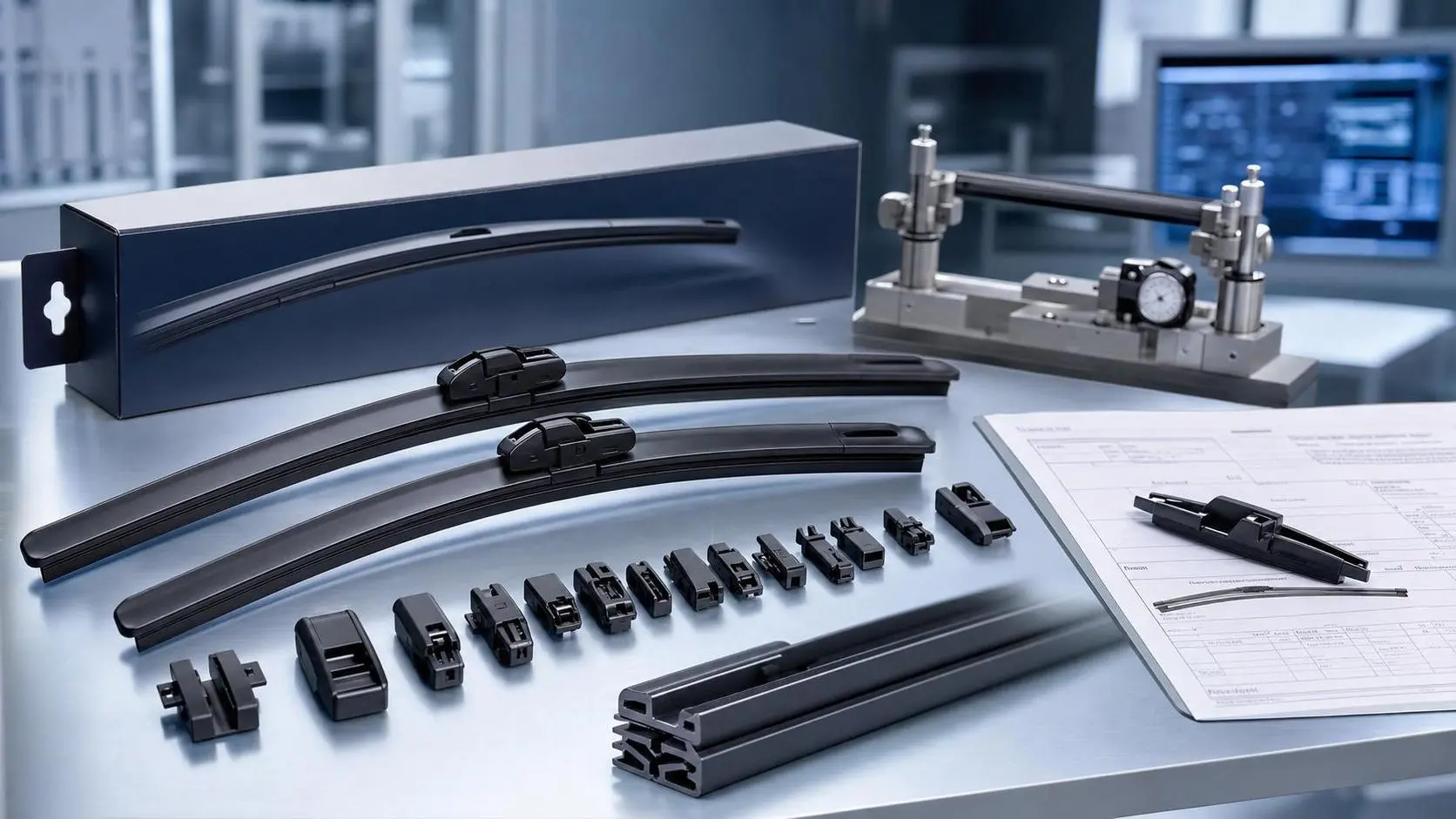
Flat Wiper Blades Wholesale Buying Guide: MOQ, Rubber Quality, Fitment, and Supplier Checks
Flat wiper blades wholesale buying guide covering MOQ, rubber quality, fitment accuracy, and supplier checks to reduce risk, improve margins, and choose reliable bulk partners.
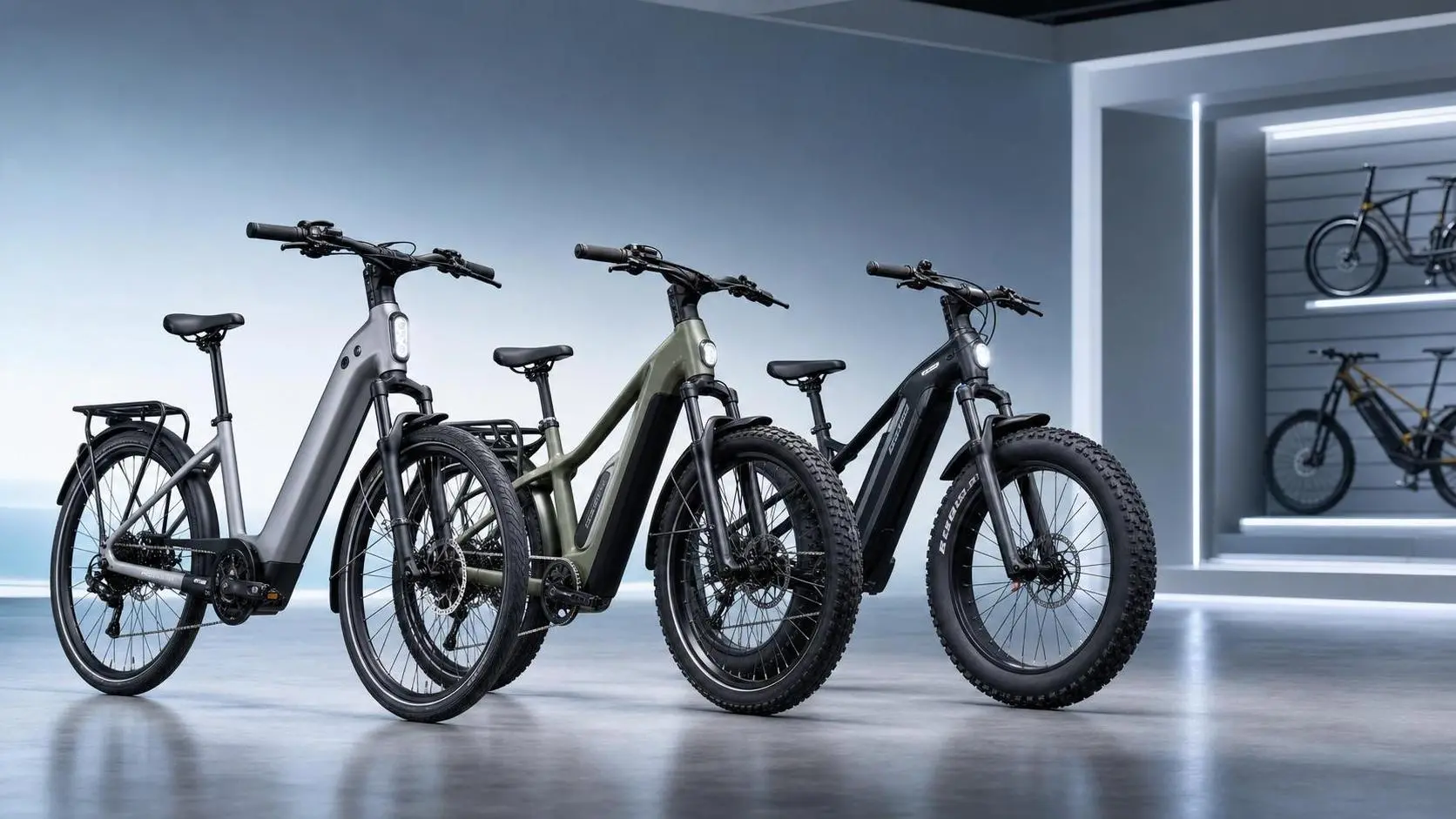
Ebike Market USA: What Dealers Should Know About Demand Shifts, Pricing, and Product Mix
ebike market USA is shifting fast. Discover how demand segmentation, pricing pressure, and smarter product mix decisions can help dealers protect margins and grow.
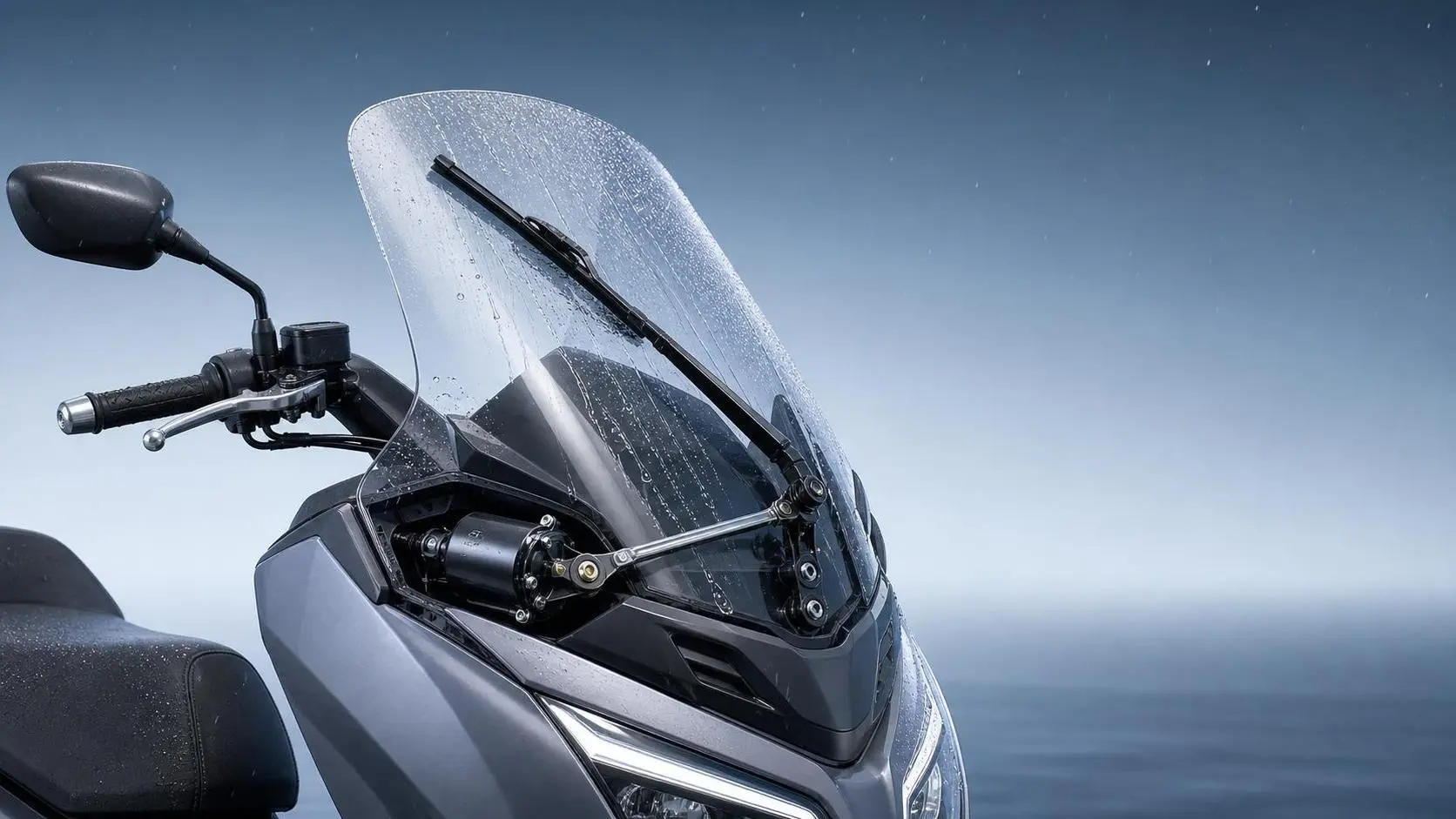
Wiper Systems for Scooters: Common Failure Points, Maintenance Tips, and Replacement Signs
Wiper systems for scooters: learn the most common failure points, smart maintenance tips, and clear replacement signs to improve visibility, reduce repeat repairs, and keep riders safer.
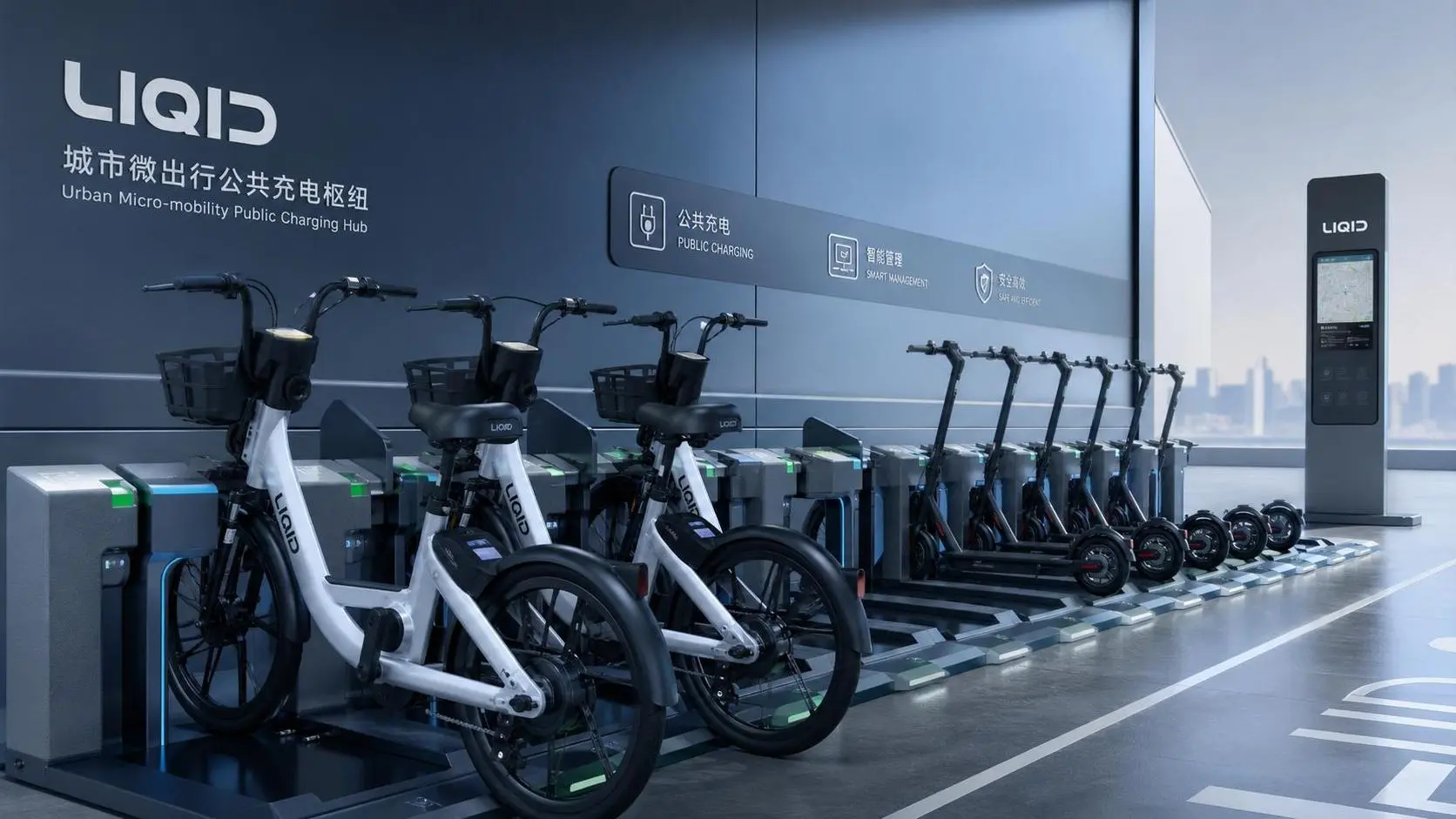
How to Choose Micro-Mobility Docking Stations for Shared Fleets and Public Charging Hubs
Micro-mobility docking stations: learn how to compare charging, locking, software, and site-fit factors to choose safer, smarter hubs for shared fleets and public use.
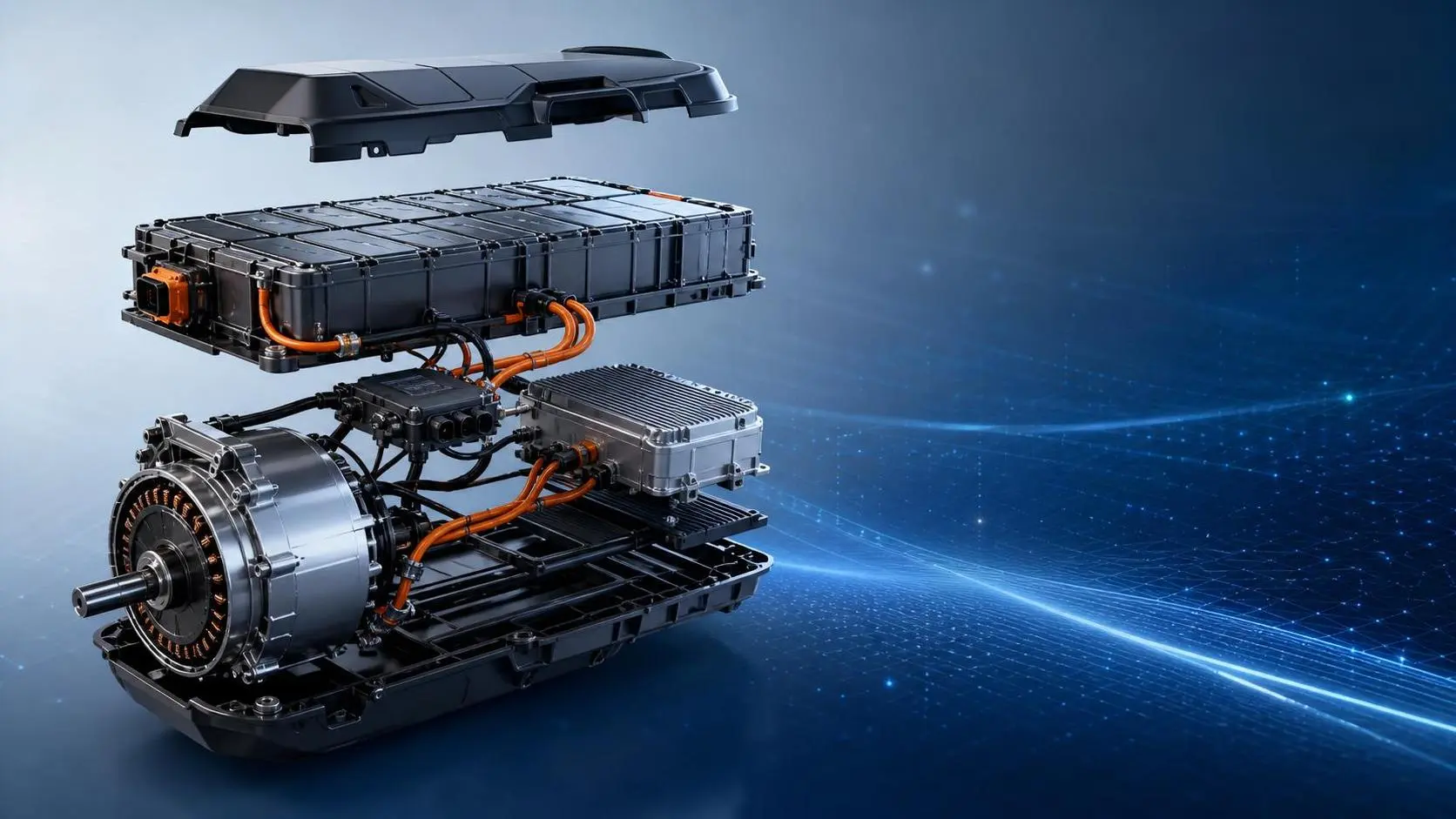
Powertrain Heat Management Explained: Key Design Factors for EV Efficiency and Battery Life
Powertrain heat management explained for EVs: discover how thermal design boosts efficiency, protects battery life, improves safety, and sustains real-world performance.
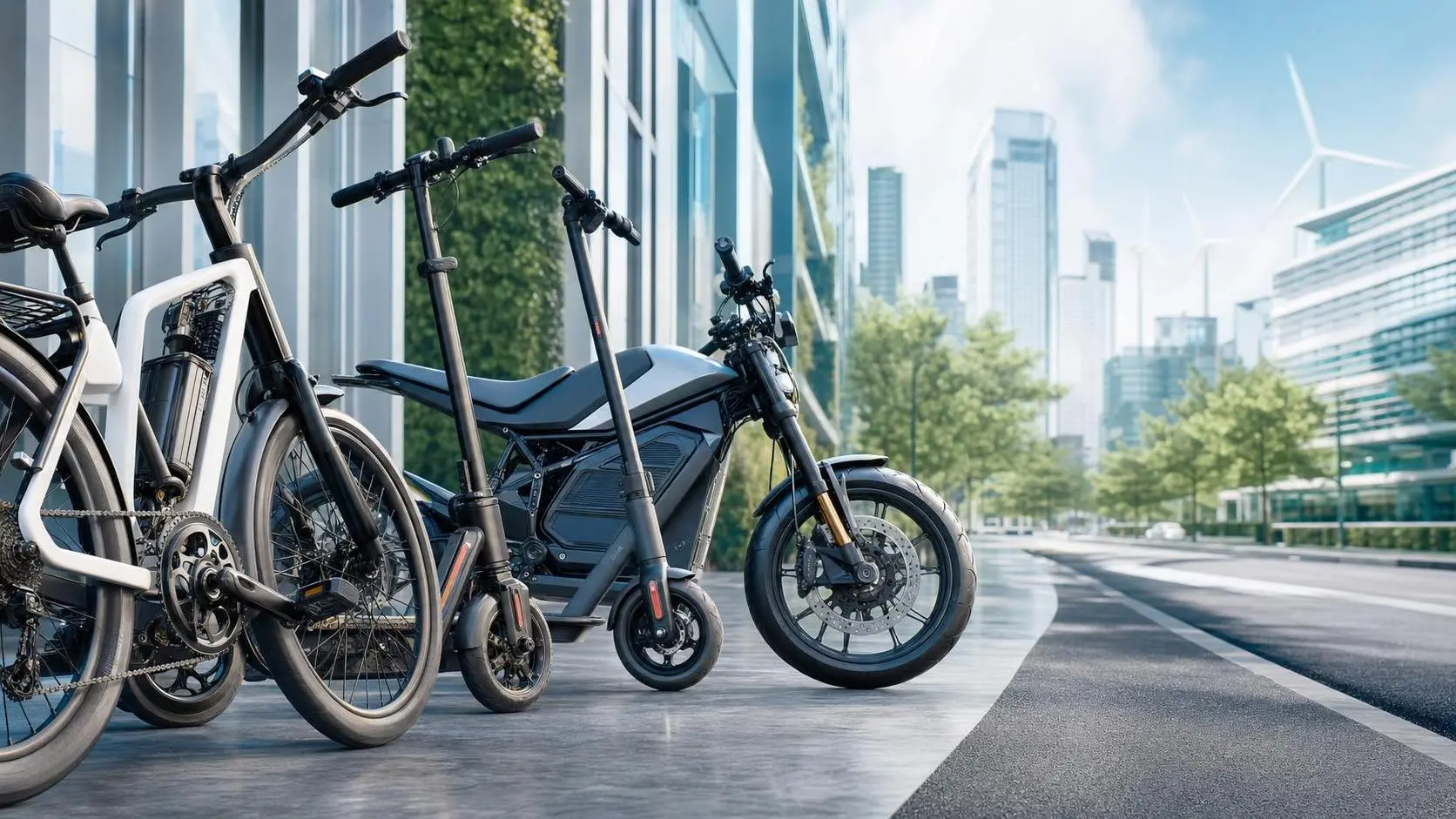
Urban Mobility Market Analysis: Demand Drivers, Policy Risks, and Revenue Models Compared
Urban mobility market analysis compares demand drivers, policy risks, and revenue models across e-bikes, scooters, and e-motorcycles to reveal where growth is durable.

Shared Mobility Compliance Checklist: Permits, Safety Rules, and Fleet Data Requirements
Shared mobility compliance made simple: explore a practical checklist for permits, safety rules, and fleet data requirements to launch faster, reduce risk, and stay audit-ready.
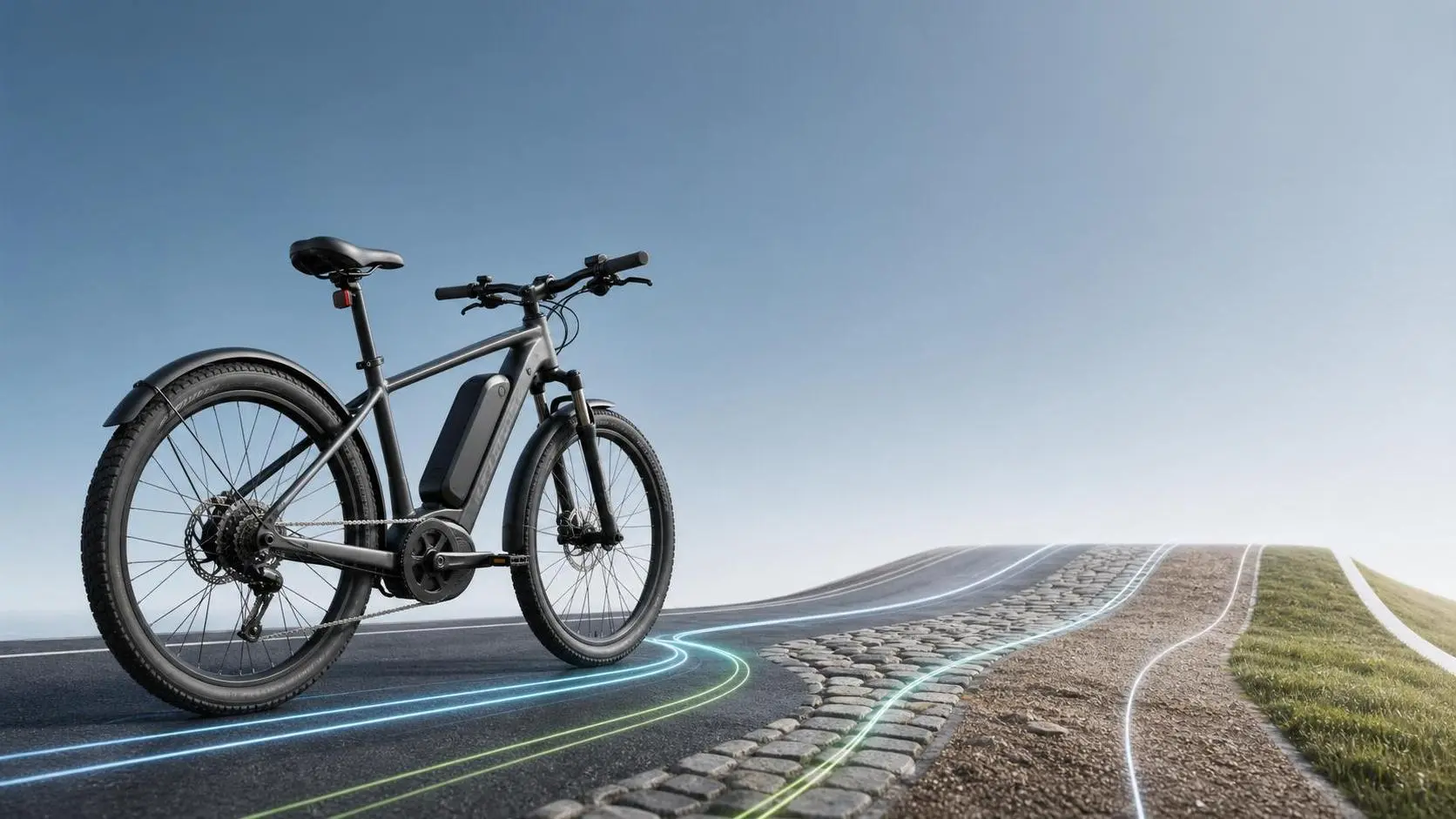
What Affects Ebike Energy Efficiency? Battery Size, Rider Weight, Terrain, and Speed
Ebike energy efficiency explained: learn how battery size, rider weight, terrain, and speed shape real-world range, lower Wh/km, and smarter buying or commuting decisions.
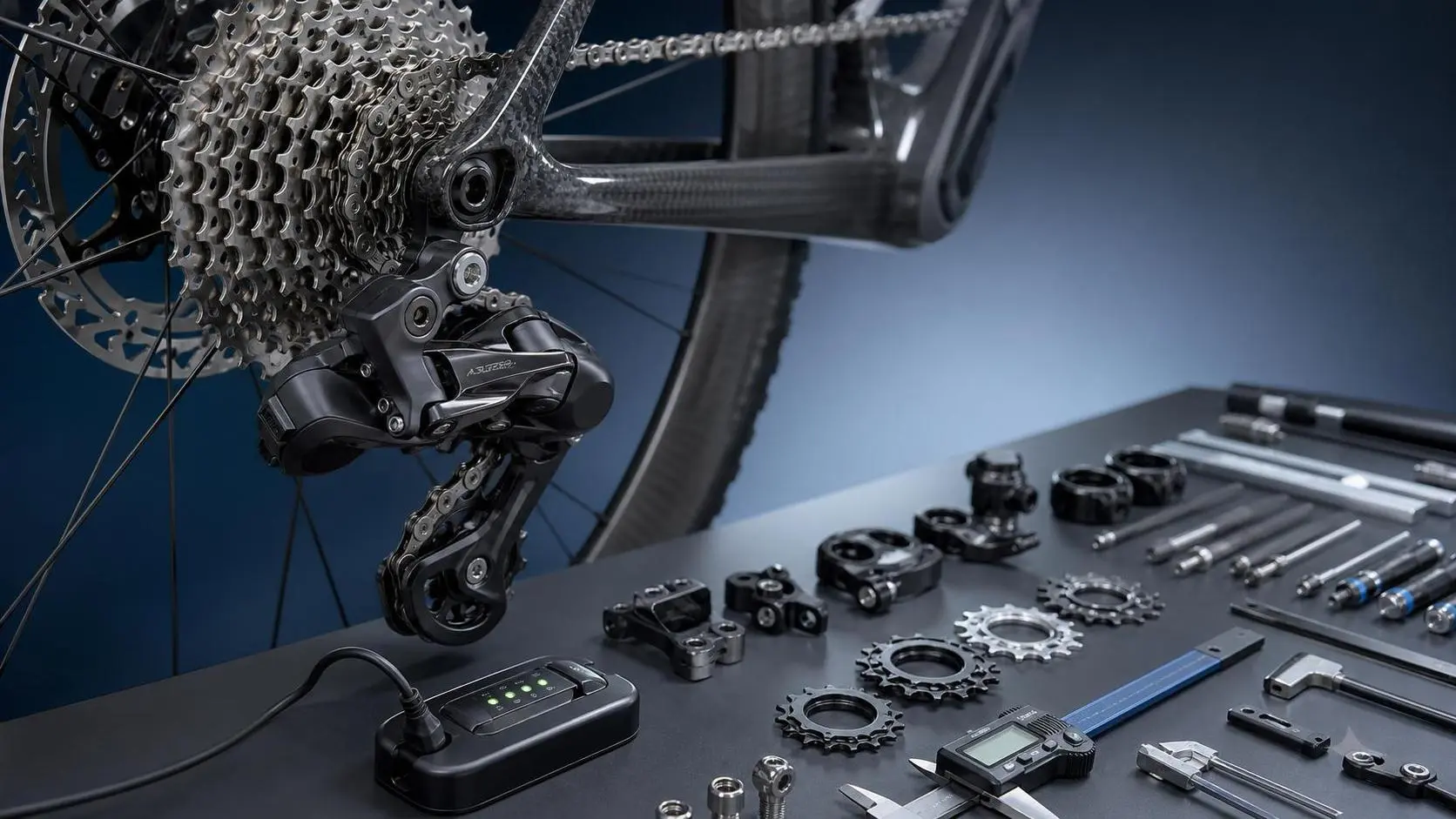
Wireless Electronic Shifting in North America: Compatibility, Standards, and Upgrade Limits
Wireless electronic shifting North America explained: compare compatibility, FCC/ISED standards, retrofit limits, and upgrade risks before choosing the right platform.