
Related News
- 00
0000-00
What Affects Ebike Energy Efficiency? Battery Size, Rider Weight, Terrain, and Speed - 00
0000-00
How to Choose an Electric Bicycle for City Commuting: Range, Motor, and Weight Explained - 00
0000-00
E-Bike Technology Explained: Motor Types, Battery Range, and Control Systems - 00
0000-00
Electric Bike Technology Solutions for Urban Fleets: Connectivity, BMS, and Service Data - 00
0000-00
Electric Bicycles ODM: How to Evaluate Design, MOQ, and Customization Capabilities
Micro-Mobility Strategist
Weekly Insights
Stay ahead with our curated technology reports delivered every Monday.
Electric Bike Trends 2026: Features That Matter Most on Daily Rides





Electric bike trends in 2026 are becoming practical, not theatrical. Daily riders care less about novelty and more about what improves range, safety, comfort, maintenance, and city usability.
That shift matters across the wider micro-mobility industry. It affects battery systems, drivetrain choices, connected safety features, and component reliability in real urban riding conditions.
For anyone evaluating the next e-bike, the smartest approach is scenario-based. The best model for a flat commute may fail on mixed weather, heavy cargo, or long daily mileage.
This guide examines electric bike trends through everyday use cases. It focuses on the features that matter most on daily rides and explains how to match them to real needs.
Why daily riding scenarios now define electric bike trends
The biggest electric bike trends no longer come from showroom styling. They come from repeated friction points: charging anxiety, unstable braking in rain, awkward carrying weight, and uneven power delivery.
As cities become denser, riders need e-bikes that integrate into routine life. That means easier parking, faster charging, theft resistance, cleaner cable routing, and dependable electronics.
In the broader UMMS view, these changes connect directly with urban low-carbon mobility. Better battery logic, lighter components, and smarter controls improve both efficiency and rider confidence.
So when discussing electric bike trends, the key question is simple: which upgrades reduce daily stress and increase useful riding time?
Scenario one: short urban commuting favors lightweight efficiency
For short city trips, lighter weight is one of the strongest electric bike trends. A lighter frame makes stairs, elevators, storage, and tight parking much easier.
Compact motors also matter here. Smooth assist at traffic lights is more valuable than top speed. Riders want natural acceleration, low noise, and minimal drag when pedaling unassisted.
Core decision points for short commutes
- Bike weight under daily carrying conditions
- Fast, predictable pedal assist in stop-and-go traffic
- Removable battery for apartment charging
- Integrated lights and fenders for all-weather readiness
- Puncture-resistant tires for lower downtime
Among electric bike trends for city riders, hidden wiring and integrated displays are growing. They improve durability and reduce visual clutter without adding operational complexity.
Scenario two: longer daily mileage makes battery quality the priority
If daily riding distance is high, battery range becomes more than a marketing number. Real-world range depends on terrain, rider weight, assist mode, wind, and temperature.
That is why one of the most important electric bike trends is better battery management. Smarter systems protect cell health, improve charging consistency, and provide more trustworthy range estimates.
What to evaluate beyond headline range
- Battery capacity in Wh, not only claimed miles
- Charging time from low to practical daily level
- Thermal stability during repeated use
- Availability of replacement packs
- Battery lock security and weather sealing
For this scenario, electric bike trends clearly favor efficient motors paired with intelligent battery software. The aim is not only longer range, but less uncertainty on every ride.
Scenario three: mixed weather riding raises the value of safety technology
Daily commuting rarely happens in perfect weather. Rain, poor visibility, slick roads, and early darkness change what features deserve priority.
This is where electric bike trends overlap with wider mobility safety systems. Better lighting optics, stronger braking performance, and sensor-based alerts are becoming practical upgrades.
Safety features that matter in real conditions
- Hydraulic disc brakes with consistent wet stopping power
- Wide-beam front lights and bright rear visibility
- Reflective sidewall tires or reflective frame details
- Stable geometry for wet turns and uneven roads
- Water-resistant connectors and sealed electronics
Some premium electric bike trends also include brake-activated lighting, GPS tracking, and crash notifications. These features matter most when the bike is used frequently in high-traffic environments.
Scenario four: carrying cargo or passengers changes the ideal setup
An e-bike used for groceries, child transport, or work gear needs different priorities. Motor torque, frame stiffness, braking capacity, and rack integration become critical.
In this segment, electric bike trends are moving toward purpose-built utility designs. Riders want stability at low speed, easy mounting, and predictable handling under load.
Utility-focused feature checklist
- Higher torque for hill starts with cargo
- Long-tail or front-load frame architecture
- Reinforced wheels and higher load ratings
- Dual-leg kickstand for safe loading
- Integrated rack and accessory ecosystem
In everyday use, comfort also matters. Upright positioning, suspension seatposts, and wider tires often improve utility riding more than performance-focused geometry.
How electric bike trends differ by daily riding scenario
Practical selection advice based on 2026 electric bike trends
The smartest buying decision starts with ride pattern, not product hype. Estimate weekly distance, storage access, road quality, weather exposure, and carrying needs before comparing specifications.
- List your real daily distance, not your occasional longest ride.
- Decide whether you must carry the bike upstairs.
- Check if charging happens indoors, outdoors, or at work.
- Prioritize braking and lights if weather is unpredictable.
- Choose torque and frame strength if cargo is frequent.
- Confirm service support and spare battery availability.
These steps align with the most durable electric bike trends: practical integration, system reliability, and component choices that reduce friction over time.
Common mistakes when interpreting electric bike trends
A common mistake is overvaluing peak power and undervaluing tuning. Smooth assist delivery often improves daily rides more than aggressive output numbers.
Another error is trusting ideal range claims without context. Hills, cold weather, and frequent stops can significantly change real battery performance.
Some riders also ignore total ownership ease. Battery removal, software updates, replacement parts, and local service support may matter more than display size or styling details.
Finally, electric bike trends should not be read in isolation. The best choice often reflects wider micro-mobility design logic: energy efficiency, urban safety, and dependable component integration.
What to do next before choosing your next e-bike
Use electric bike trends as a filter, not a shortcut. Match the trend to the scenario, then test whether the feature improves real commuting convenience.
Create a short comparison list using weight, battery quality, braking system, weather readiness, cargo capacity, and service support. Those categories reveal true long-term value quickly.
For ongoing insight into e-bikes, smart mobility systems, precision components, and two-wheeler electrification, UMMS continues tracking the technologies shaping better urban rides.
In 2026, the most meaningful electric bike trends are the ones riders feel every day: less effort, less uncertainty, and more confidence from door to destination.
Related News
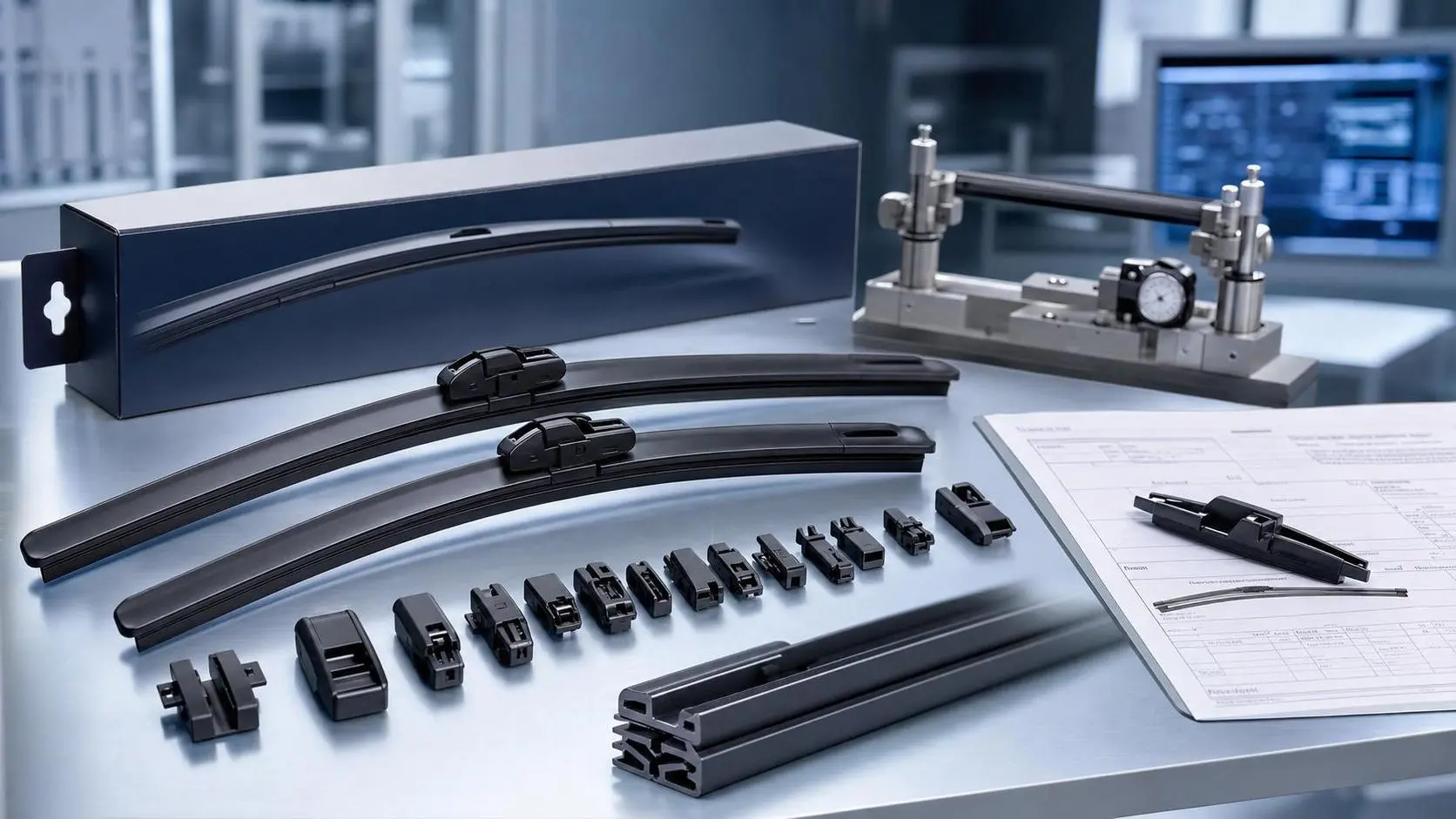
Flat Wiper Blades Wholesale Buying Guide: MOQ, Rubber Quality, Fitment, and Supplier Checks
Flat wiper blades wholesale buying guide covering MOQ, rubber quality, fitment accuracy, and supplier checks to reduce risk, improve margins, and choose reliable bulk partners.
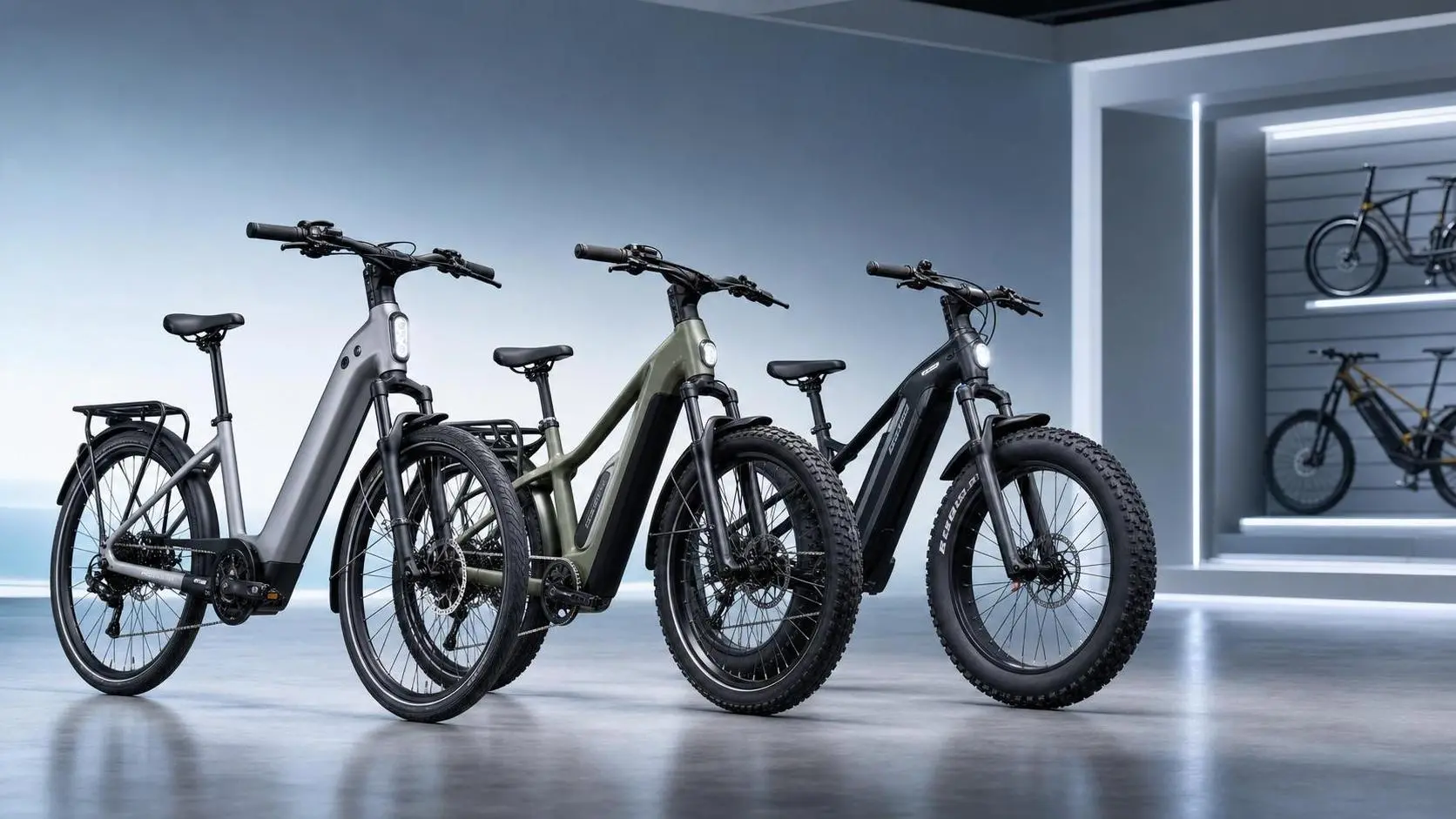
Ebike Market USA: What Dealers Should Know About Demand Shifts, Pricing, and Product Mix
ebike market USA is shifting fast. Discover how demand segmentation, pricing pressure, and smarter product mix decisions can help dealers protect margins and grow.
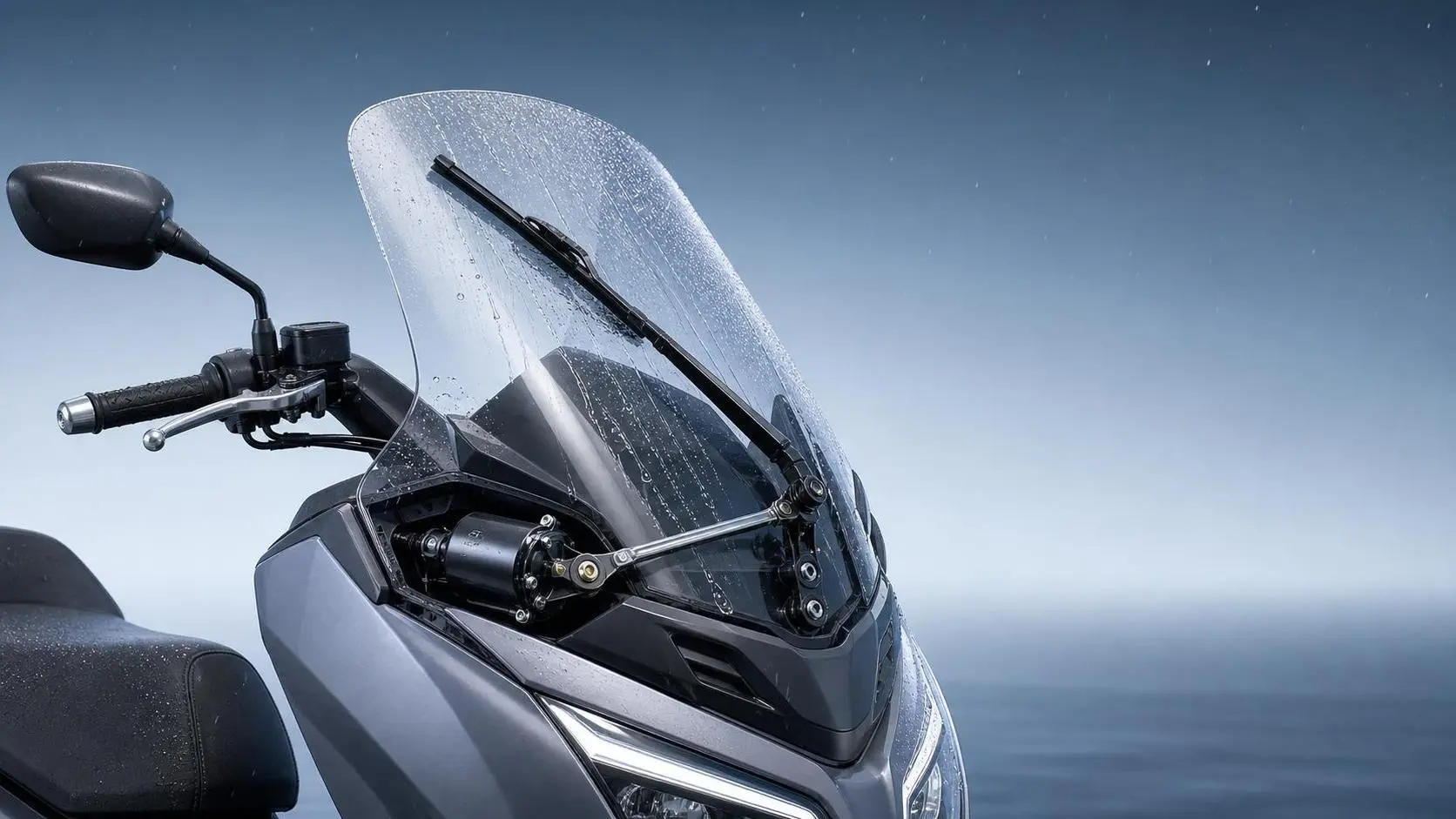
Wiper Systems for Scooters: Common Failure Points, Maintenance Tips, and Replacement Signs
Wiper systems for scooters: learn the most common failure points, smart maintenance tips, and clear replacement signs to improve visibility, reduce repeat repairs, and keep riders safer.
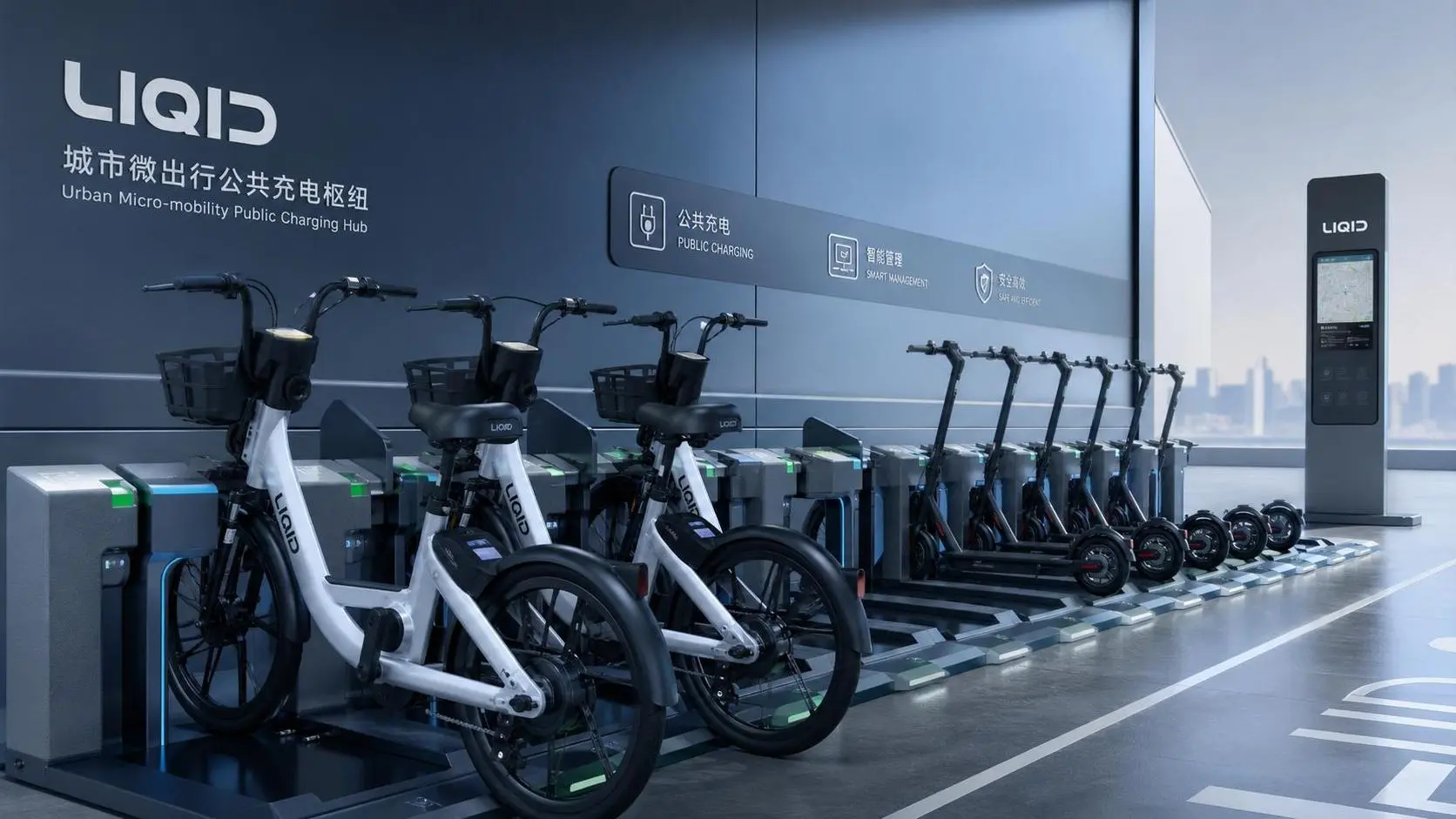
How to Choose Micro-Mobility Docking Stations for Shared Fleets and Public Charging Hubs
Micro-mobility docking stations: learn how to compare charging, locking, software, and site-fit factors to choose safer, smarter hubs for shared fleets and public use.
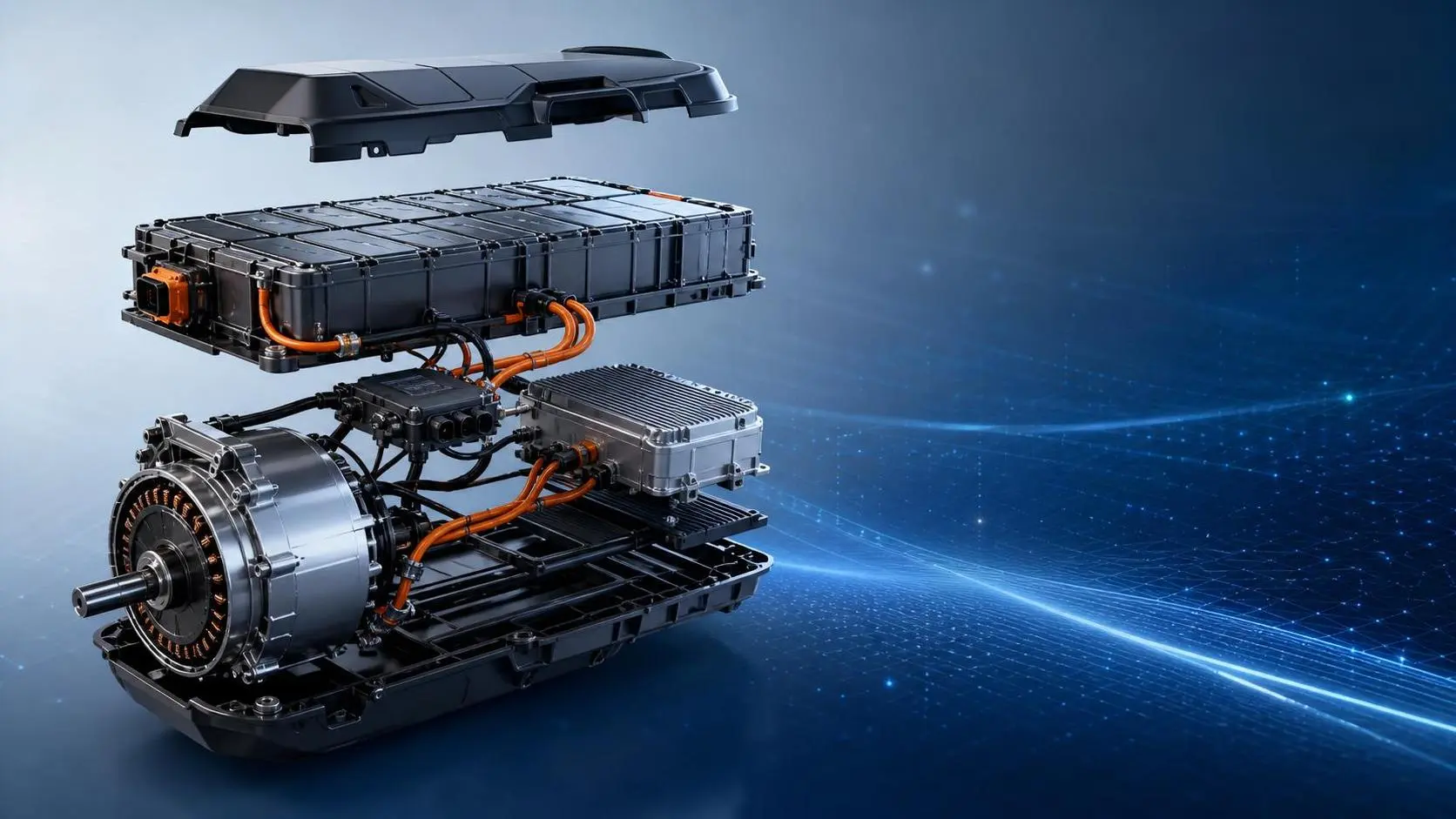
Powertrain Heat Management Explained: Key Design Factors for EV Efficiency and Battery Life
Powertrain heat management explained for EVs: discover how thermal design boosts efficiency, protects battery life, improves safety, and sustains real-world performance.
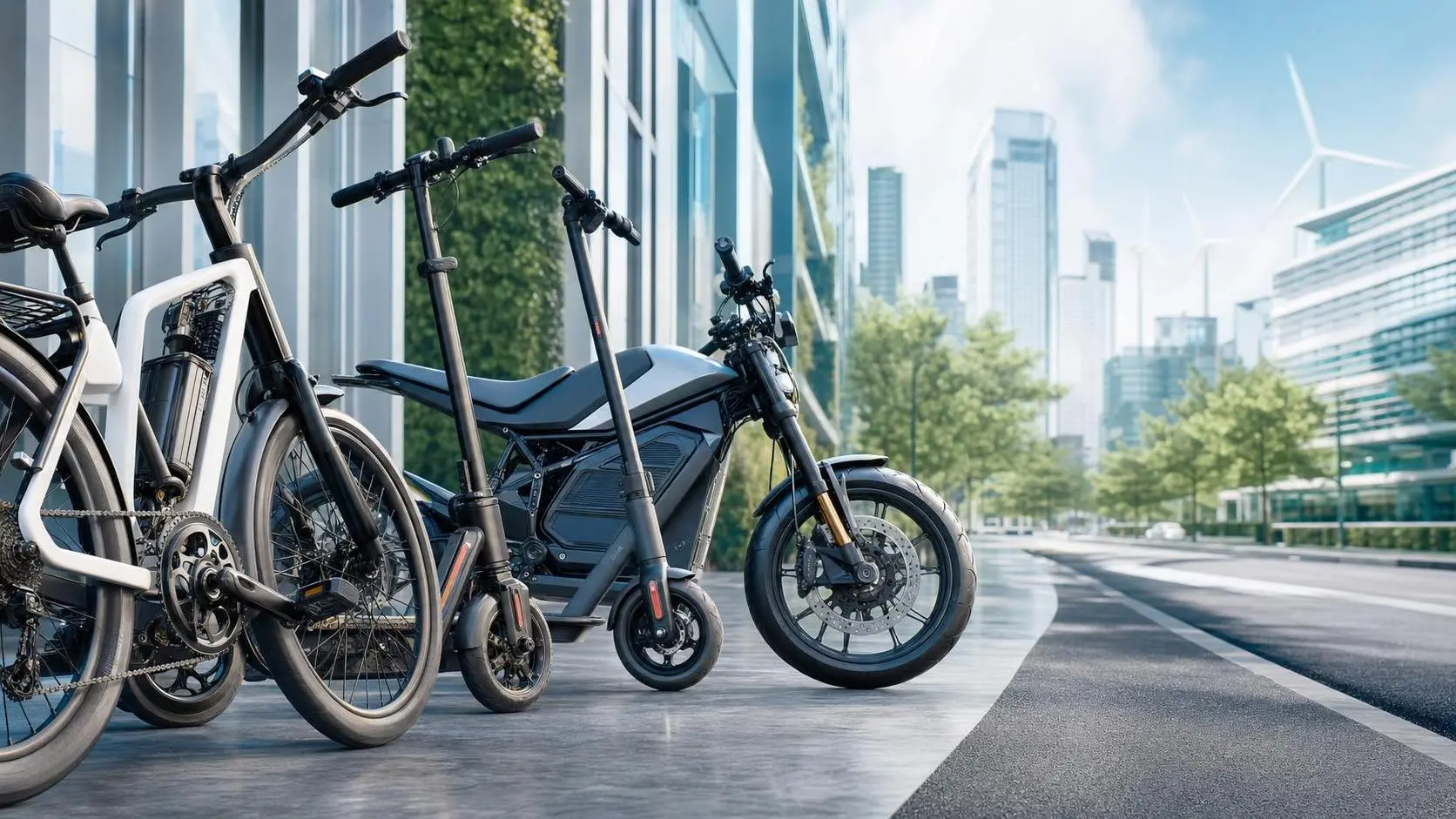
Urban Mobility Market Analysis: Demand Drivers, Policy Risks, and Revenue Models Compared
Urban mobility market analysis compares demand drivers, policy risks, and revenue models across e-bikes, scooters, and e-motorcycles to reveal where growth is durable.
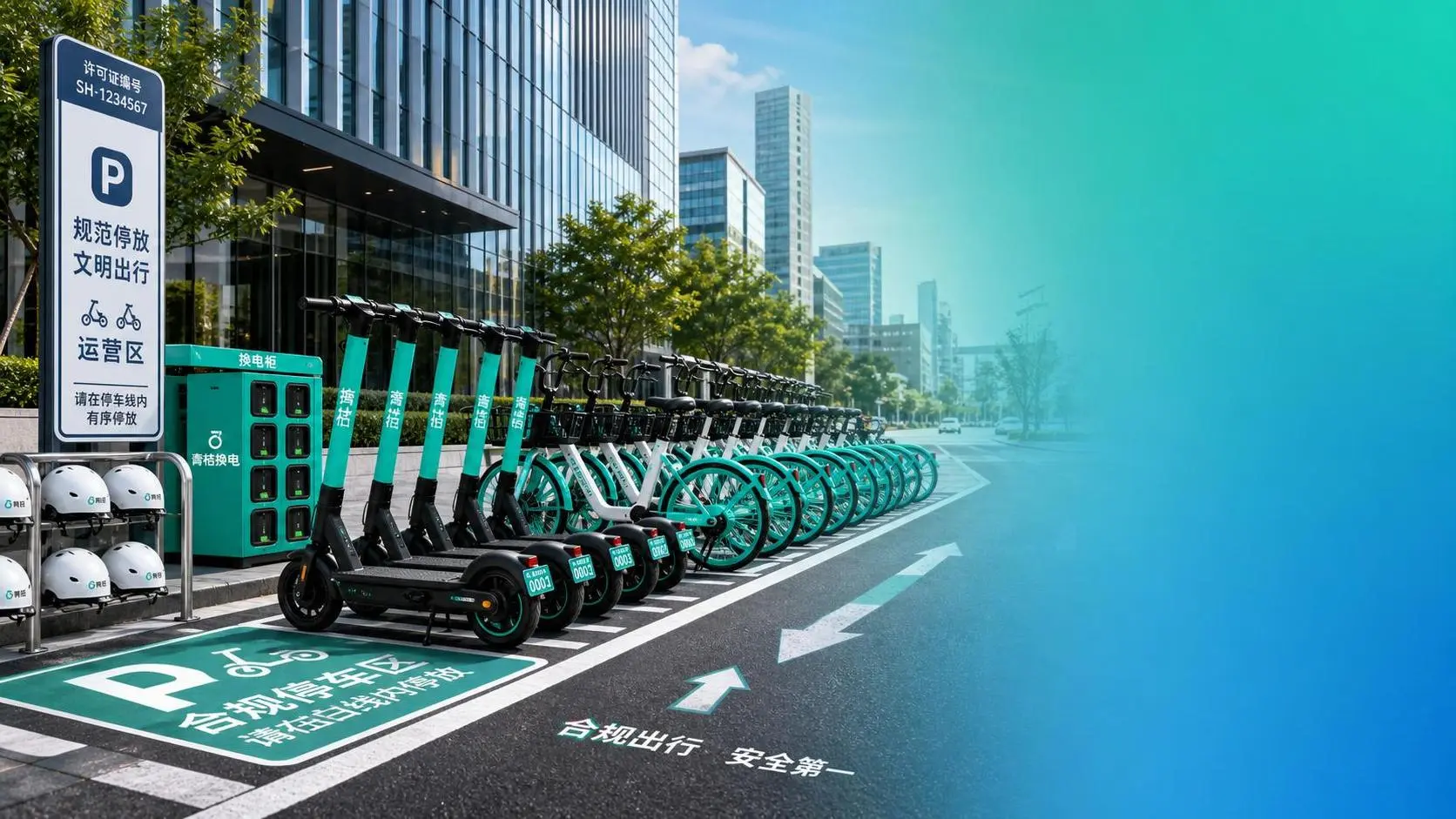
Shared Mobility Compliance Checklist: Permits, Safety Rules, and Fleet Data Requirements
Shared mobility compliance made simple: explore a practical checklist for permits, safety rules, and fleet data requirements to launch faster, reduce risk, and stay audit-ready.
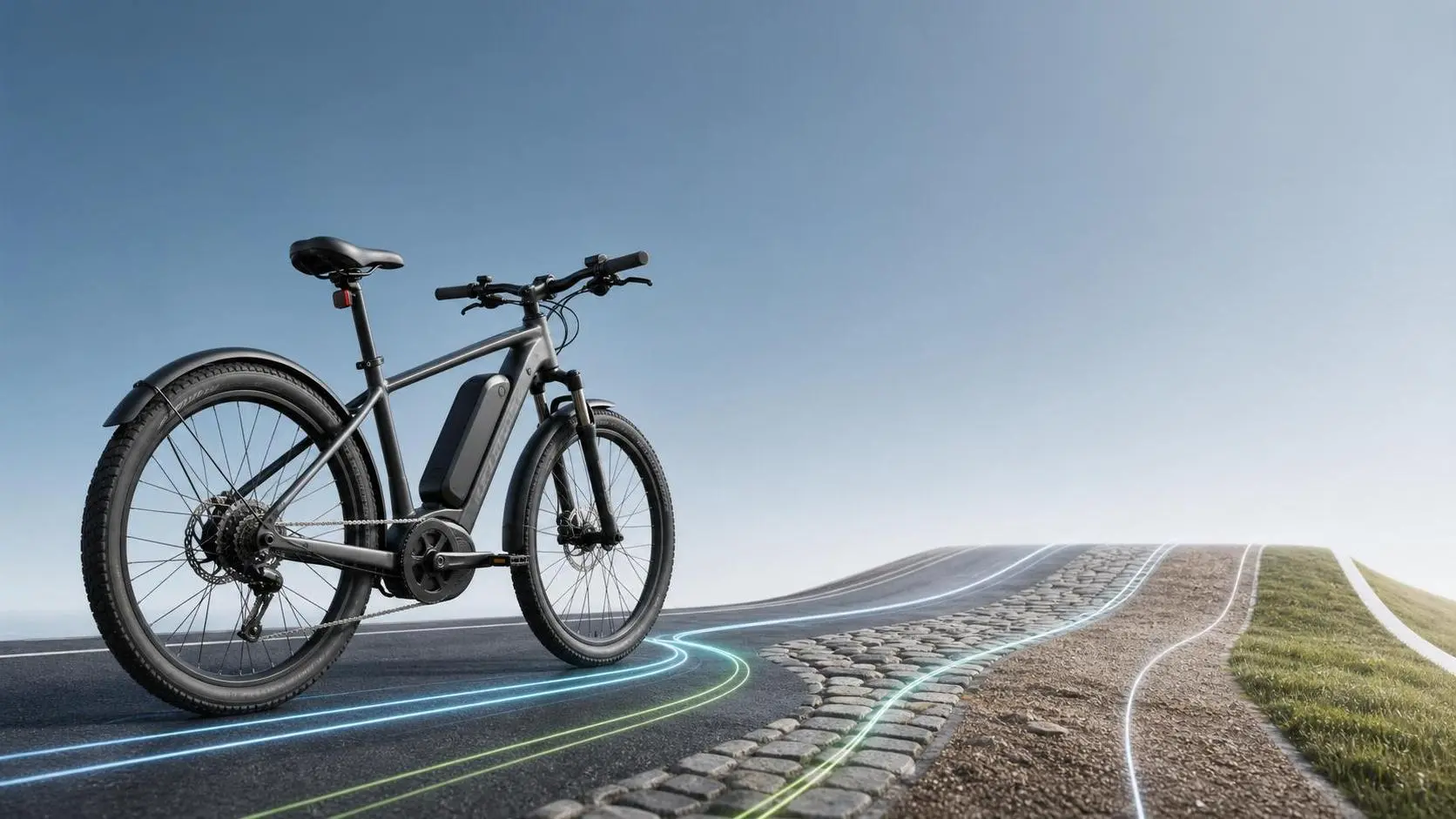
What Affects Ebike Energy Efficiency? Battery Size, Rider Weight, Terrain, and Speed
Ebike energy efficiency explained: learn how battery size, rider weight, terrain, and speed shape real-world range, lower Wh/km, and smarter buying or commuting decisions.
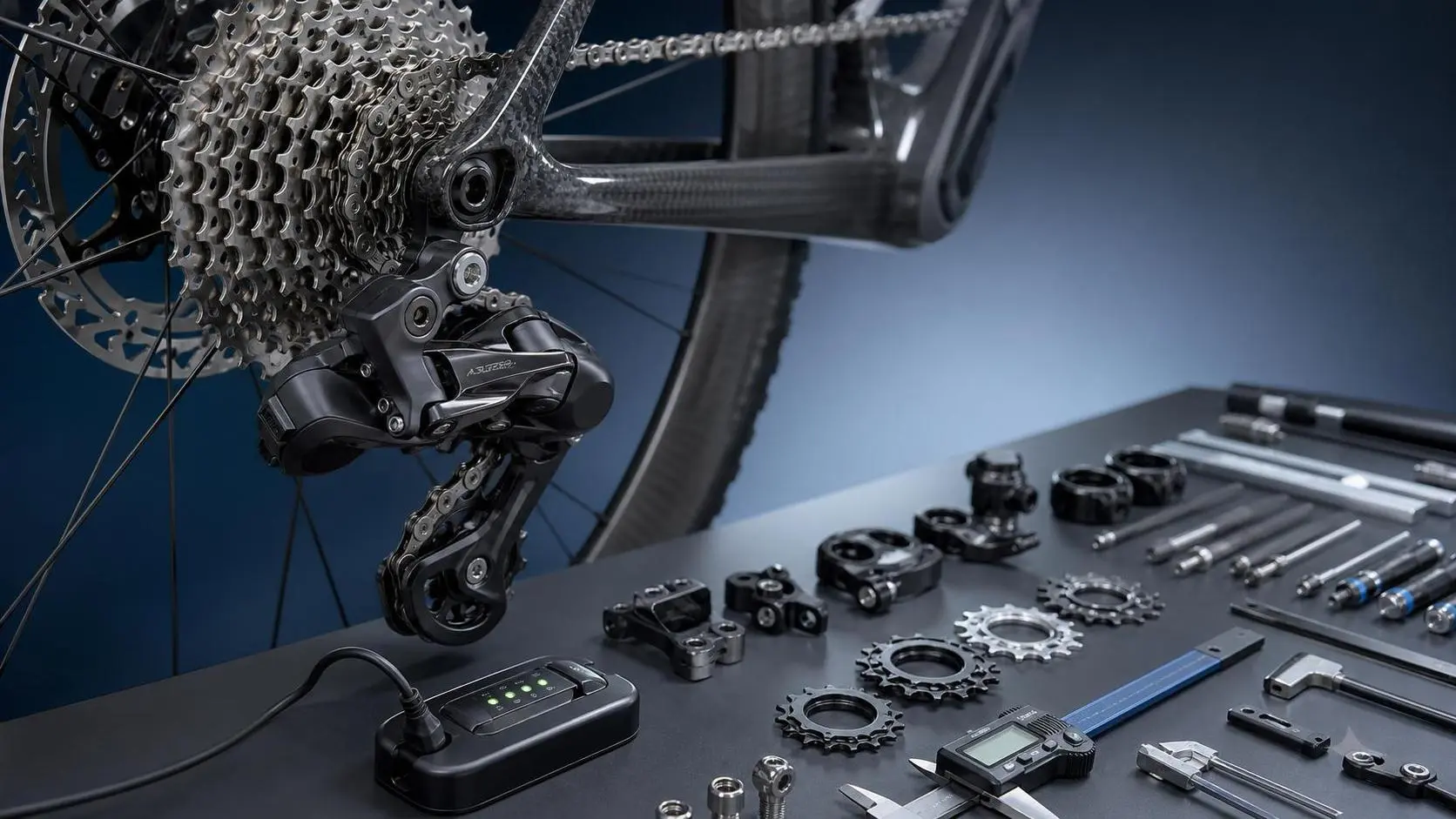
Wireless Electronic Shifting in North America: Compatibility, Standards, and Upgrade Limits
Wireless electronic shifting North America explained: compare compatibility, FCC/ISED standards, retrofit limits, and upgrade risks before choosing the right platform.