
Related News
- 00
0000-00
How to Choose Urban Commuting E-bikes for Rental Fleets by Range, Durability, and Serviceability - 00
0000-00
E-Bike Component Selection: How to Evaluate a Torque Sensor for Commuting and Cargo Use - 00
0000-00
What Drives Low Carbon E-bike Price: Materials, Battery Specs, and Compliance Costs - 00
0000-00
Utility Maximization in E-bikes: Which Motor, Battery, and Range Trade-offs Matter Most? - 00
0000-00
Brushless Motor for Scooters: How to Compare Power, Torque, and Efficiency
Micro-Mobility Strategist
Weekly Insights
Stay ahead with our curated technology reports delivered every Monday.
Utility Maximization in City Commuter E-bikes





For city riders, utility maximization in commuter e-bikes means getting more useful value from every ride, every charge, and every dollar spent. In practice, that means choosing an e-bike that delivers dependable range, easy handling, low maintenance, strong safety features, and everyday convenience for real urban trips rather than idealized test conditions.
Most people searching for utility maximization are not looking for economic theory. They want to know which e-bike features actually improve commuting, which specifications matter most, and how to avoid paying for technology that sounds impressive but adds little to daily usefulness.
For urban consumers, the best commuter e-bike is rarely the one with the highest peak power or the biggest battery. It is the model that fits route length, traffic conditions, storage limits, weather exposure, cargo needs, and charging habits while staying comfortable and reliable over time.
What Utility Maximization Really Means for City Commuter E-bikes
In the context of city riding, utility maximization means optimizing the total benefit you get from an e-bike across a normal week. That benefit includes travel time saved, physical effort reduced, parking flexibility, safety confidence, carrying capacity, and predictable operating cost.
It also means minimizing trade-offs that hurt daily use. An e-bike may look stylish, but if it is too heavy to carry upstairs, too large for apartment storage, or too underpowered for stop-and-go streets, its real utility drops quickly.
For commuters, utility is practical rather than abstract. A useful e-bike starts every morning, handles potholes, brakes well in wet weather, keeps enough charge for detours, and makes routine errands possible without stress.
That is why utility maximization in commuter e-bikes should be judged by lived experience. The right bike improves daily mobility in a measurable way. It shortens travel friction, increases schedule freedom, and reduces dependence on cars, taxis, or crowded transit.
What City Riders Care About Most Before Buying
Most end consumers focus on a small group of questions. Will the battery really last for my commute? Is the bike comfortable in traffic? Can I trust it in rain or on rough streets? How much maintenance will it need?
They also worry about theft, charging convenience, replacement costs, and whether the bike feels manageable in dense urban settings. These concerns matter more than marketing language about futuristic mobility or aggressive performance numbers.
A smart buying decision begins by matching an e-bike to actual use patterns. A five-kilometer flat commute creates different needs than a fifteen-kilometer route with hills, bridges, mixed bike lanes, and unpredictable weather.
Buyers should also think beyond the ride itself. Carrying groceries, locking the bike outside work, transporting a laptop, and bringing the battery indoors for charging can strongly affect whether a model truly supports everyday city life.
Range Matters, but Real-World Range Matters More
Range is one of the biggest drivers of utility maximization, but published figures can be misleading. Many brands advertise ideal range under low assist, light rider weight, flat roads, and favorable temperatures. Urban commuting rarely matches those conditions.
Actual range depends on rider weight, cargo, wind, terrain, stop frequency, tire pressure, assist level, and battery age. Cold weather can also reduce battery performance, making winter range significantly lower than summer expectations.
For most city riders, the goal is not maximum distance. It is confidence. A commuter e-bike should complete your round trip with a healthy energy buffer, especially if your daily route includes traffic delays, detours, or extra stops.
A practical rule is to buy more battery capacity than your minimum math suggests. If your daily commute uses around half the rated range, you gain flexibility, longer battery life through gentler charging cycles, and less anxiety on busy days.
Utility maximization improves when range supports routine without requiring constant planning. A bike that needs nightly charging for a short commute may be less useful than one that can go several days between charges.
Motor Performance Should Match Urban Conditions, Not Racing Fantasies
Many shoppers overfocus on top speed or headline wattage. For city commuting, what matters more is smooth acceleration from stops, consistent assistance on inclines, and predictable power delivery in traffic and crowded bike lanes.
Torque is often more important than raw speed because commuters frequently start from red lights, climb ramps, or merge through intersections. A motor that responds naturally at low speeds can make a city ride feel safer and less tiring.
Mid-drive systems often provide balanced hill-climbing and efficient power use, while hub motors can be simpler and quieter with lower maintenance in some cases. Neither is universally better. The best choice depends on your route and maintenance expectations.
For utility maximization, riders should prioritize control and efficiency over excitement. A powerful motor that drains the battery quickly or feels jerky in slow traffic may reduce real commuting value despite sounding attractive on paper.
Comfort Is Not a Luxury Feature; It Is a Daily Performance Feature
Comfort directly affects whether you will ride consistently. A commuter e-bike that causes wrist pain, back strain, or an awkward posture can become an expensive object rather than a useful transportation tool.
Key comfort factors include frame geometry, saddle quality, handlebar position, tire width, suspension design, and step-through accessibility. Urban riders who wear work clothes or carry bags often benefit from an upright riding position and easier mounting.
Wider tires can improve shock absorption and stability on uneven pavement, rails, and patched roads. That extra comfort often increases utility because it makes the bike usable across more conditions and less physically draining over repeated trips.
Do not ignore vibration and ride feel during test rides. Even small discomforts become large issues when repeated twice a day, five days a week. Utility maximization is strongly linked to fatigue reduction and rider confidence.
Safety Features Add More Utility Than Many Premium Upgrades
For urban consumers, safety is one of the most valuable forms of utility. A commuter e-bike is more useful when it helps riders feel secure in mixed traffic, poor weather, dawn departures, and evening returns.
Hydraulic disc brakes, integrated front and rear lights, reflective tire sidewalls, puncture-resistant tires, and reliable fenders all contribute to practical safety. These are not secondary features. They shape whether the bike remains dependable year-round.
Brake quality matters especially in wet streets and emergency stops. A fast or heavy e-bike with weak braking creates stress rather than convenience. Good visibility systems are equally important because many commuters ride during low-light hours.
Some riders also benefit from turn signals, brake-activated rear lights, or connected anti-theft alerts. These features may not be essential for everyone, but in dense cities they can meaningfully increase everyday utility and peace of mind.
Weight, Portability, and Storage Can Make or Break the Purchase
One of the most overlooked aspects of utility maximization in commuter e-bikes is weight. A bike may ride beautifully outdoors but become frustrating if you need to lift it into an apartment, onto a train, or over building steps.
Consumers should think carefully about where the e-bike will live. Is there a ground-floor garage, secure bike room, elevator access, or only a narrow staircase? Practical utility falls sharply when storage is inconvenient or physically demanding.
Foldable e-bikes can improve utility for riders mixing cycling with trains or limited apartment space. However, some folding models sacrifice ride quality, battery capacity, or stability. Compactness is useful only when it does not undermine core commuting performance.
Removable batteries also raise utility because they simplify indoor charging and reduce the need to move the entire bike near a power outlet. For many urban households, that single feature has a major impact on day-to-day convenience.
Cargo Capability Expands Real-Life Usefulness
An e-bike becomes far more valuable when it supports more than commuting alone. Carrying groceries, office gear, gym clothes, or a child seat can transform the bike from a niche mobility device into a genuine car alternative.
Built-in rear racks, front baskets, pannier compatibility, and frame stability under load all matter. Cargo capacity is especially important for riders trying to consolidate errands into the same trip rather than using separate transport options.
Utility maximization grows when an e-bike reduces multiple friction points at once. If one vehicle can handle commuting, shopping, and casual social trips, the ownership value becomes much higher than a bike used only for one narrow purpose.
Consumers should check rated load capacity and not assume every stylish commuter frame is cargo friendly. Real usefulness depends on how well the bike handles extra weight without unstable steering or reduced braking confidence.
Total Cost of Ownership Matters More Than Sticker Price
Price is important, but true utility comes from value over time. A cheaper e-bike with weak components, fast battery degradation, and frequent repair needs can become less economical than a better-built model with a higher initial cost.
End consumers should look at battery replacement cost, service availability, brake and tire wear, drivetrain maintenance, warranty terms, and spare parts access. These factors have direct influence on long-term commuting reliability.
If a bike uses proprietary components that are hard to source locally, downtime can erase much of its practical benefit. A commuter vehicle must be easy to keep in service, especially for riders depending on it for work schedules.
Utility maximization means asking not only what the bike costs today, but what it costs to keep useful for three to five years. Durability often delivers better value than flashy specifications.
How to Choose the Best E-bike for Your Own Utility Profile
The best buying method is to define your personal utility profile. Start with commute distance, route type, average speed needs, charging options, carrying needs, local weather, and storage constraints. These variables narrow the field quickly.
Next, rank your priorities. Some riders need maximum comfort. Others need low weight, strong anti-theft features, or longer winter range. Utility maximization is personal because not every commuter solves the same urban problem.
Then compare bikes by real-world fit instead of brand image. Test ride if possible. Pay attention to mounting ease, braking feel, acceleration smoothness, turning radius, display readability, and how the bike handles at low speed.
Finally, think about your likely behavior six months after purchase. Will you still charge it easily, store it conveniently, and ride it confidently in mixed conditions? A good commuter e-bike should remain practical after the novelty fades.
Common Mistakes That Reduce Utility
One common mistake is buying too much bike. Oversized frames, excessive power, or very heavy batteries may sound impressive but can reduce maneuverability, portability, and comfort in city environments.
Another mistake is buying too little battery for real conditions. Riders who choose based only on ideal range figures often discover that hills, cold temperatures, and daily assist use shrink usable distance faster than expected.
Some shoppers also ignore service support. A great specification sheet means little if local repair options are weak or if software and electrical issues require long wait times. Convenience is part of utility.
Finally, many people underestimate theft risk. A highly useful e-bike also needs secure locking strategy, insurance consideration, and where possible integrated tracking or alarm features. A bike you worry about constantly loses part of its everyday value.
Final Takeaway: Utility Maximization Is About Daily Fit, Not Feature Inflation
For city commuter e-bikes, utility maximization is the art of choosing the model that makes daily mobility easier, safer, and more flexible with the fewest hidden compromises. The right bike should serve your route, your schedule, and your living situation.
Consumers get the most value when they focus on real range, reliable braking, everyday comfort, manageable weight, easy charging, and practical cargo support. These factors usually matter more than top speed, bold styling, or exaggerated marketing claims.
If an e-bike reduces commuting stress, handles urban unpredictability, and stays dependable over time, it is maximizing utility in the way that truly matters. In modern city life, the best commuter e-bike is not the most extreme one. It is the one you will gladly use every day.
Related News
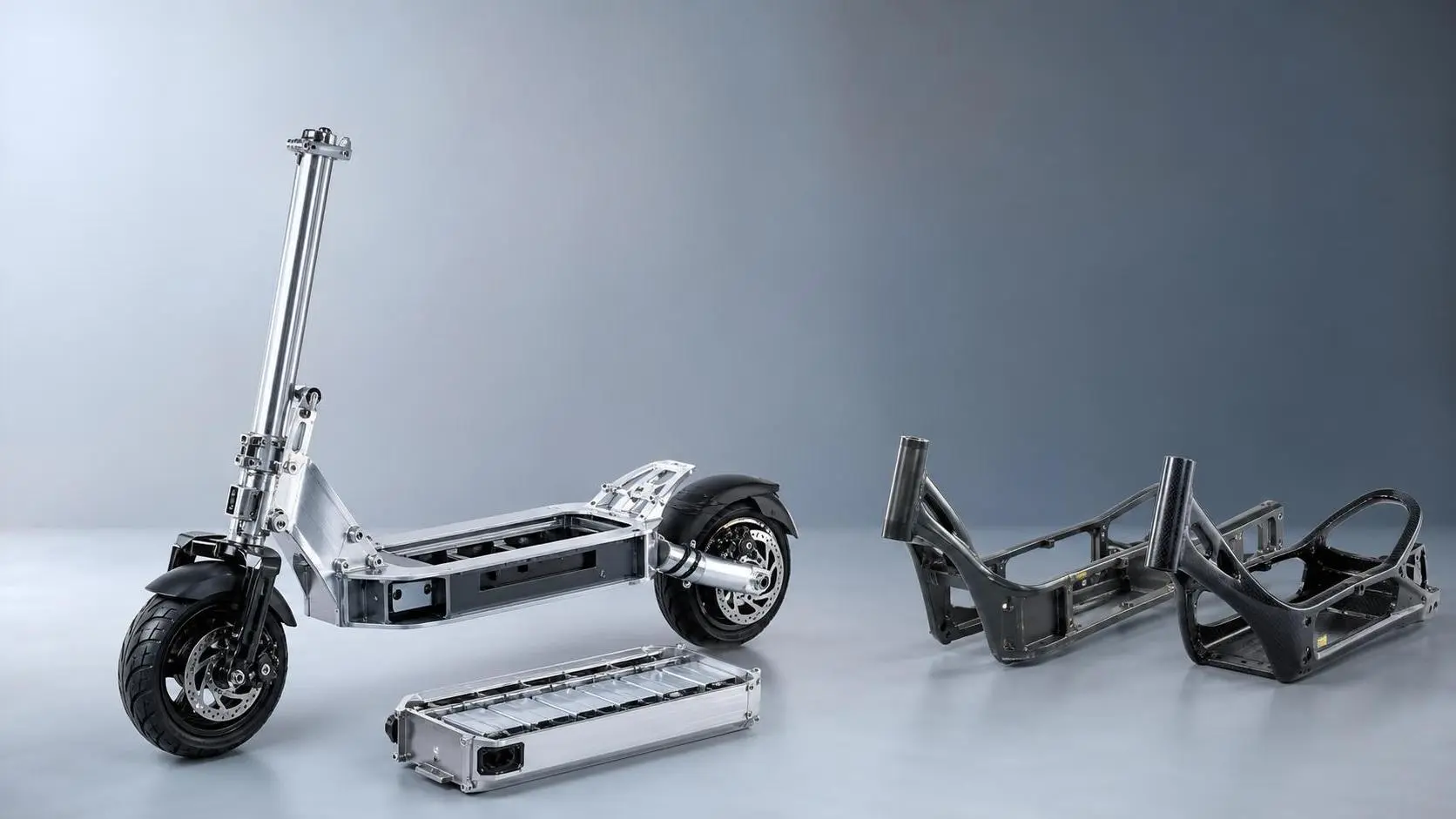
How to Choose Lightweight Scooter Frames in Europe: Materials, Standards, and Use Cases
Lightweight scooter frames Europe buyers need should balance materials, EN standards, durability, and real use cases. Discover how to choose safer, smarter, compliant frames.
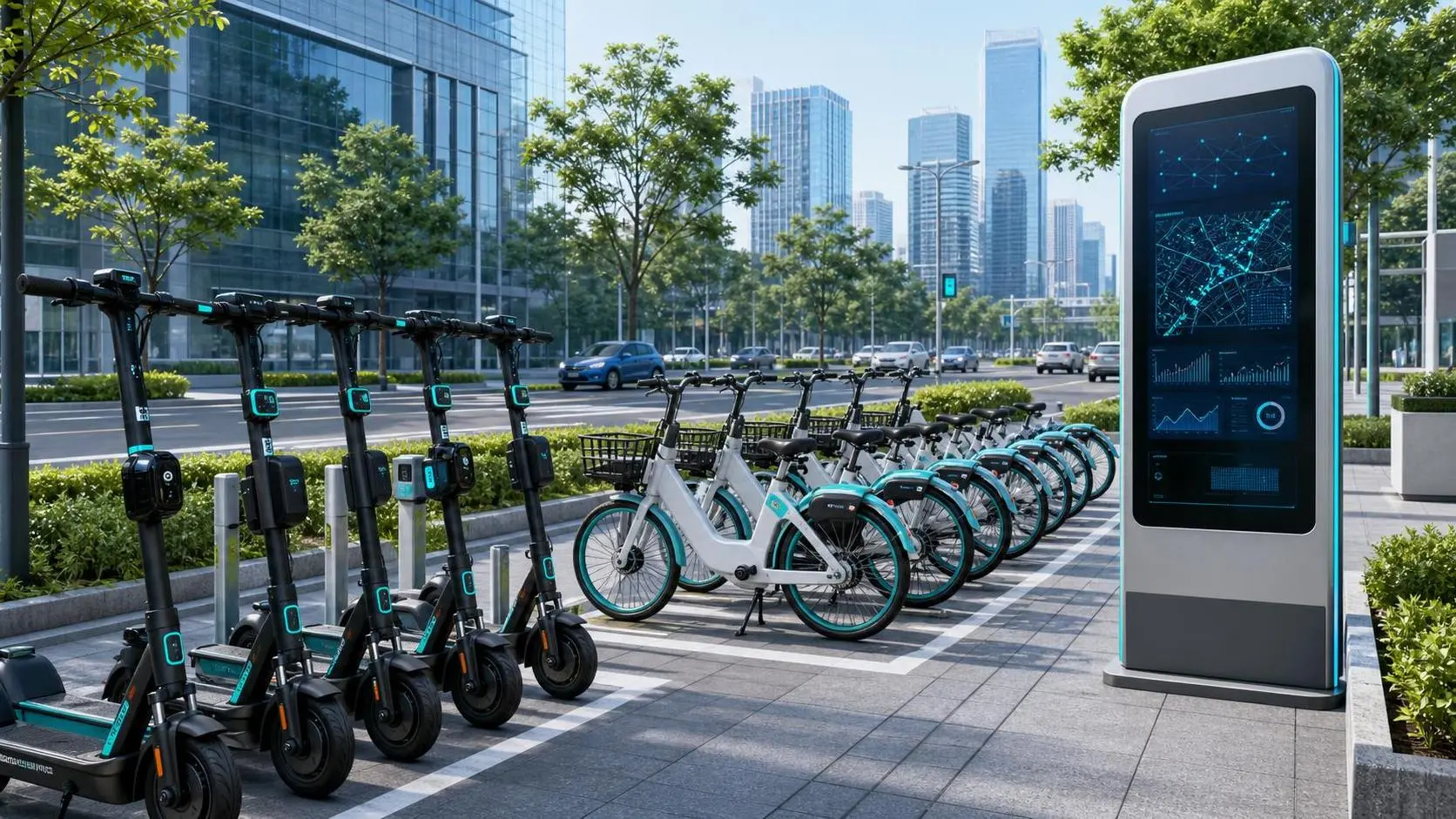
What Is the Intellectualization of Mobility Platform and How Is It Applied in Shared Fleets?
Intellectualization of mobility platform is reshaping shared fleets with real-time data, predictive maintenance, and smarter compliance—learn how it boosts safety, uptime, and urban mobility efficiency.
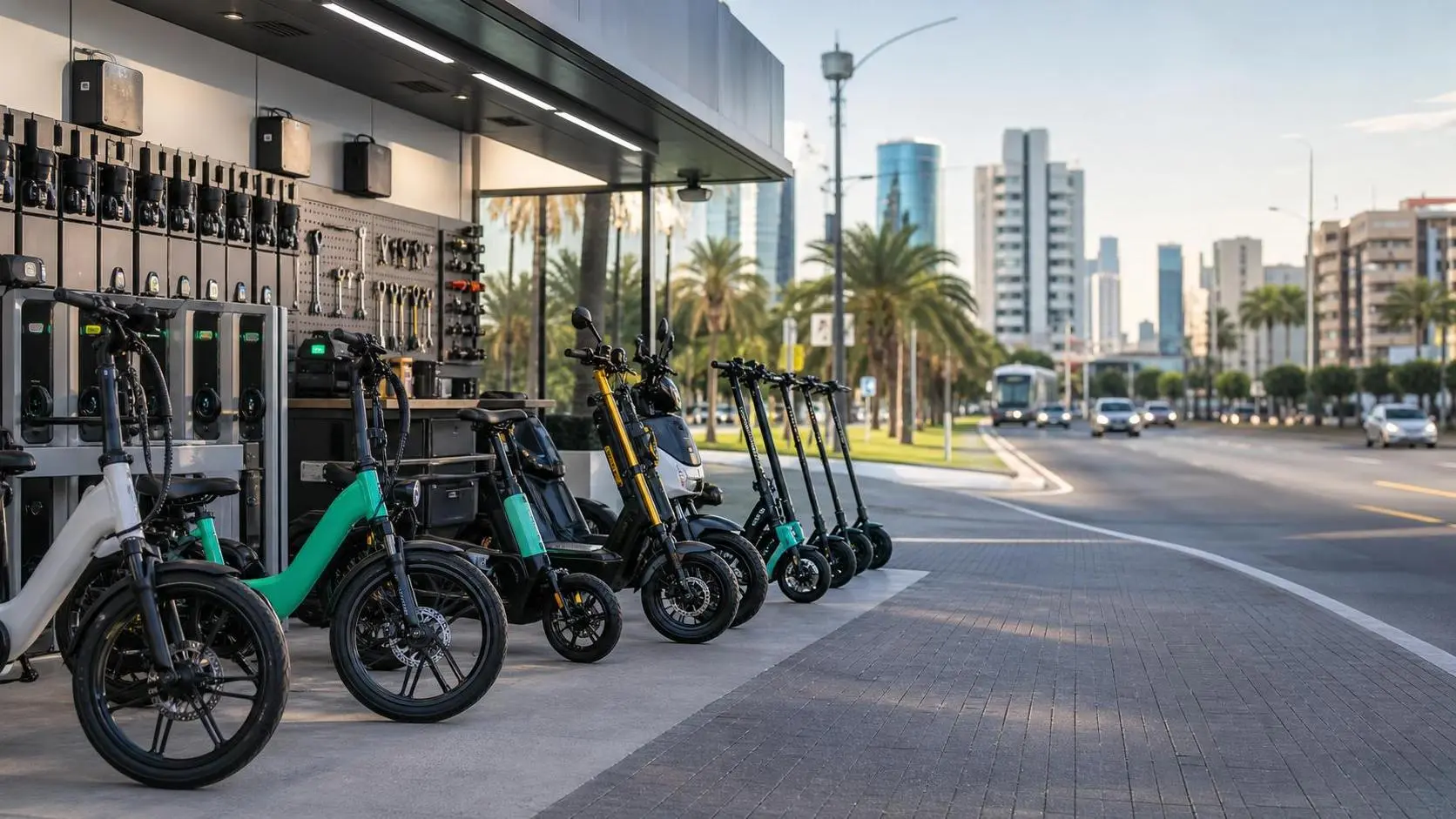
Urban Micro-Mobility Systems in Latin America: Key Market Drivers, Barriers, and Growth Segments
Urban micro-mobility systems Latin America are reshaping city transport. Explore key drivers, barriers, and high-growth segments to spot the region’s most investable opportunities.
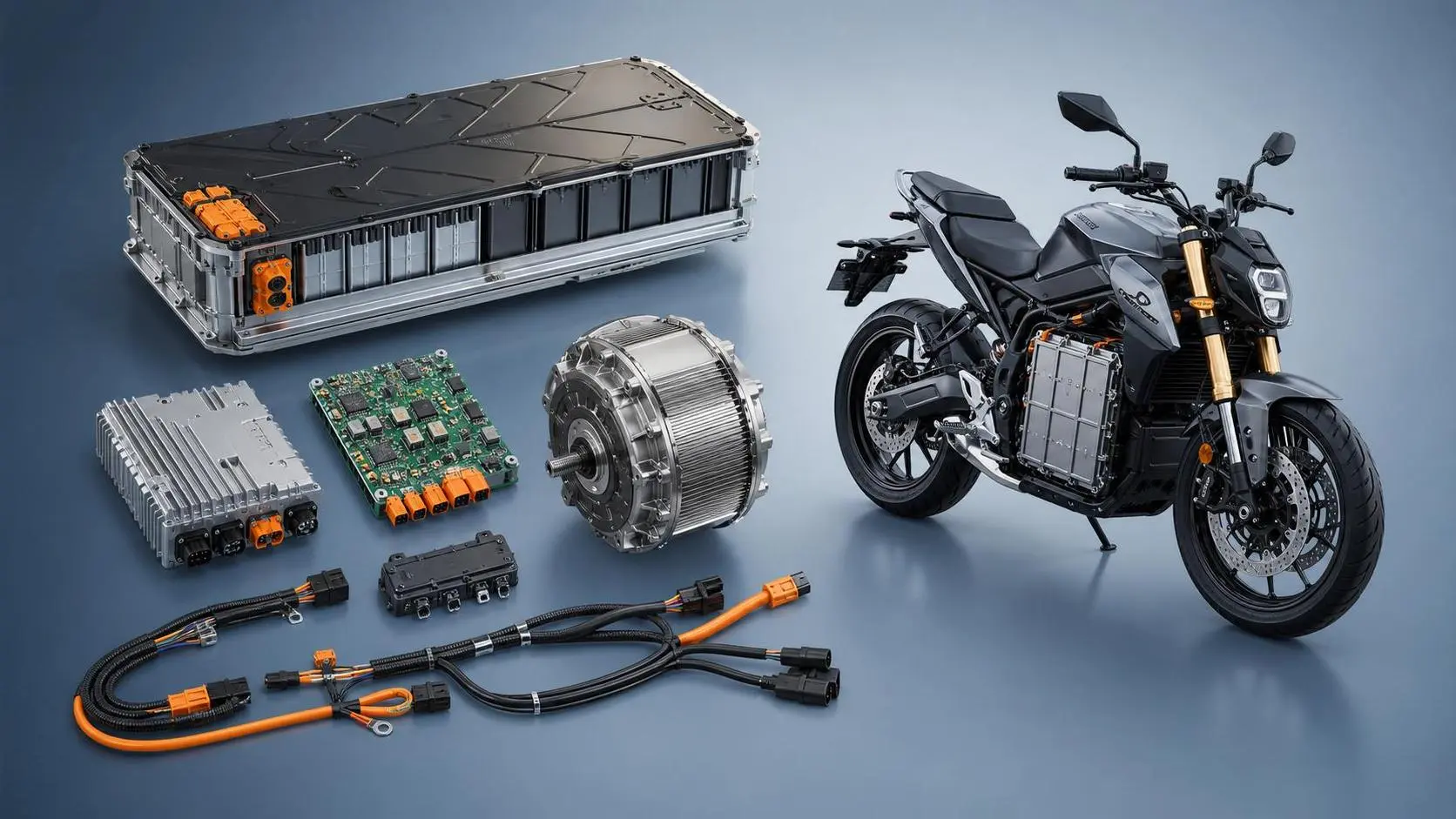
Electric Motorcycle Systems Price Breakdown: What Affects Cost From Battery to Controller?
Electric motorcycle systems price explained: see how battery, controller, motor, BMS, and wiring affect total cost, reliability, and sourcing value before you buy.
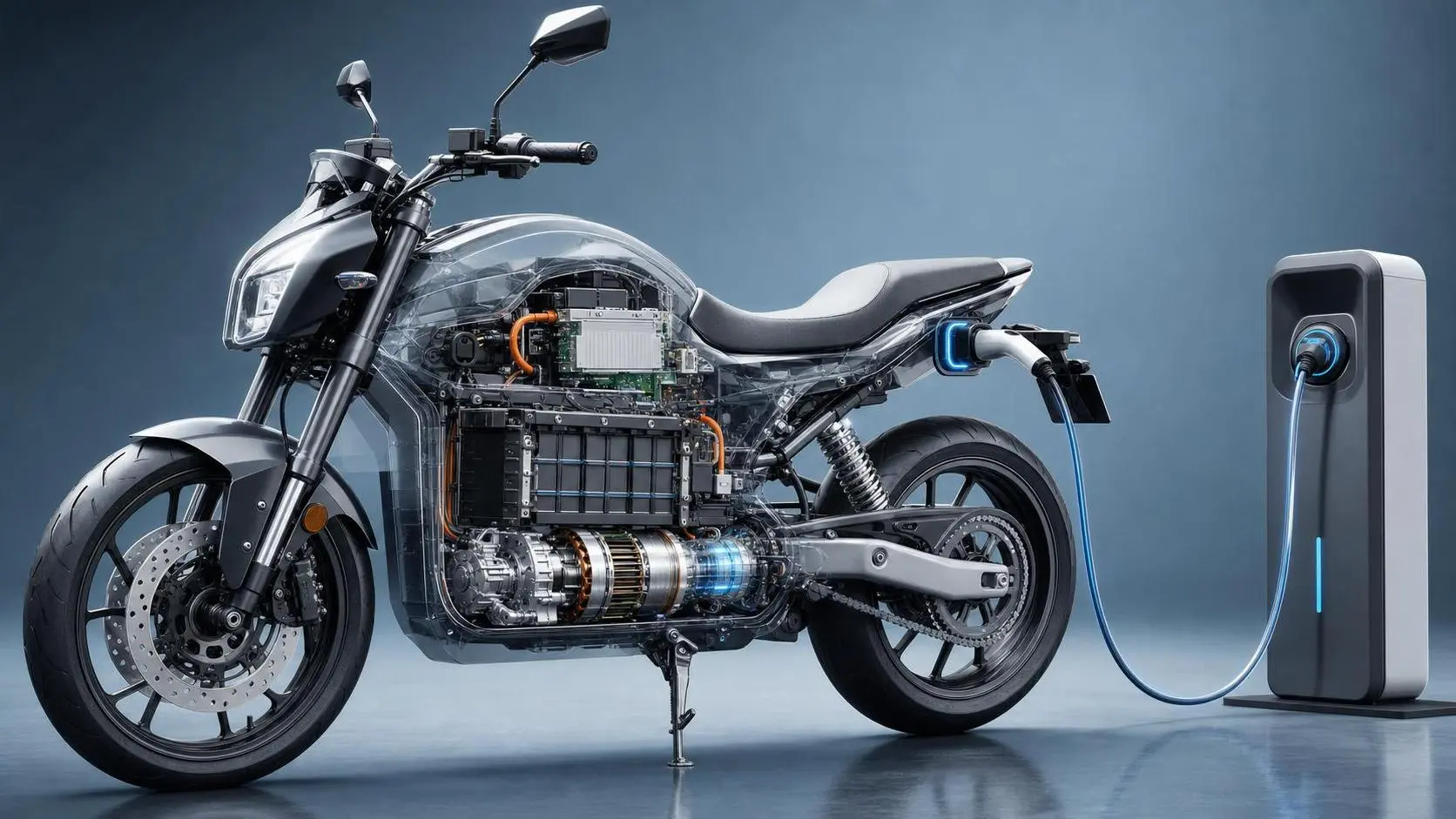
72V Electric Motorcycle Technology Explained: Motors, Controllers, Range, and Charging
Electric motorcycle technology 72V explained clearly: compare motors, controllers, range, battery design, and charging to choose a smoother, stronger, and smarter electric ride.
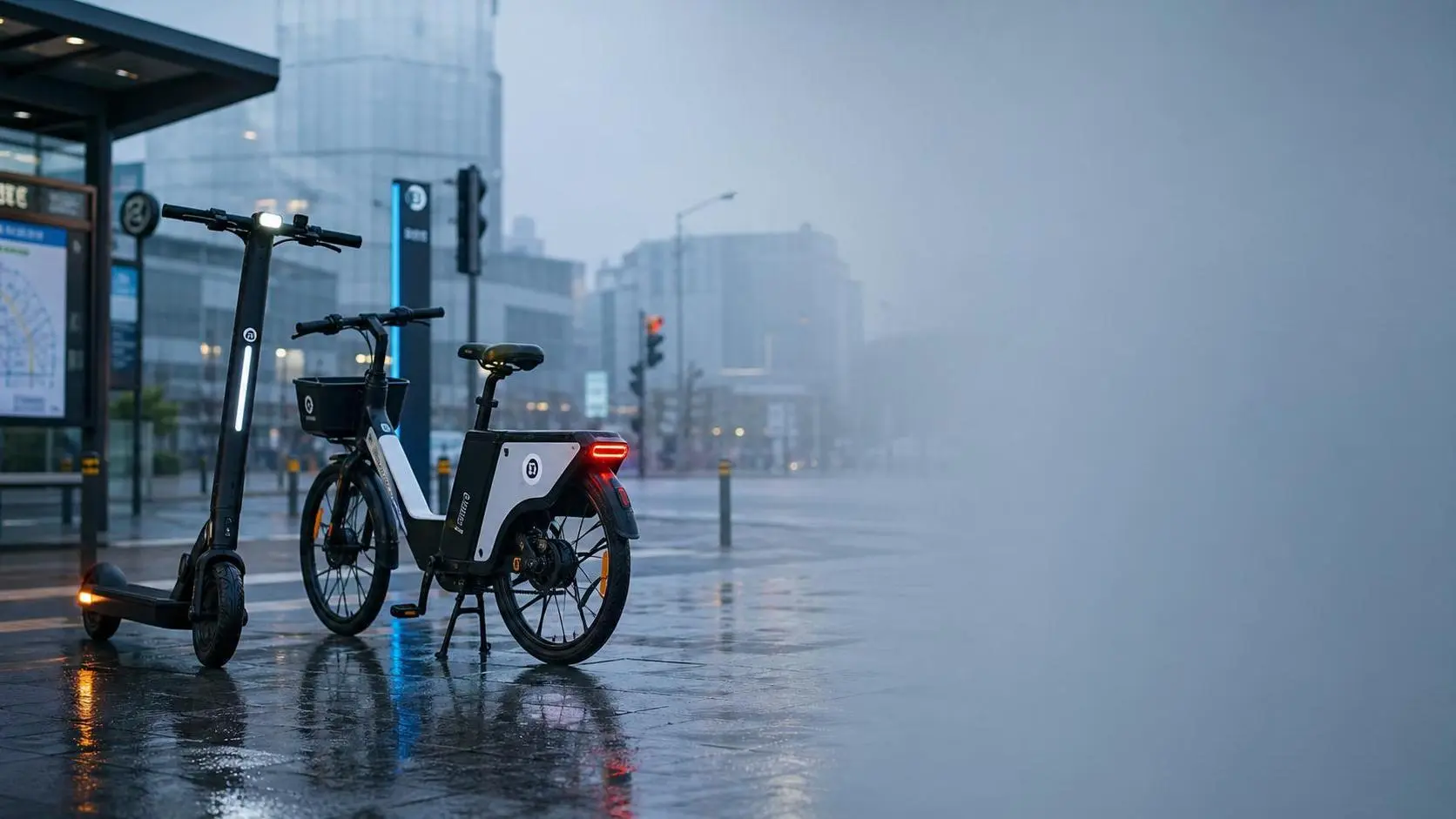
Where LED Urban Visibility Safety Systems Fit Best in Shared Scooters and City E-bikes
LED urban visibility safety systems deliver the most value in shared scooters and city e-bikes by improving multi-angle safety, fleet durability, and urban compliance across real-world routes.
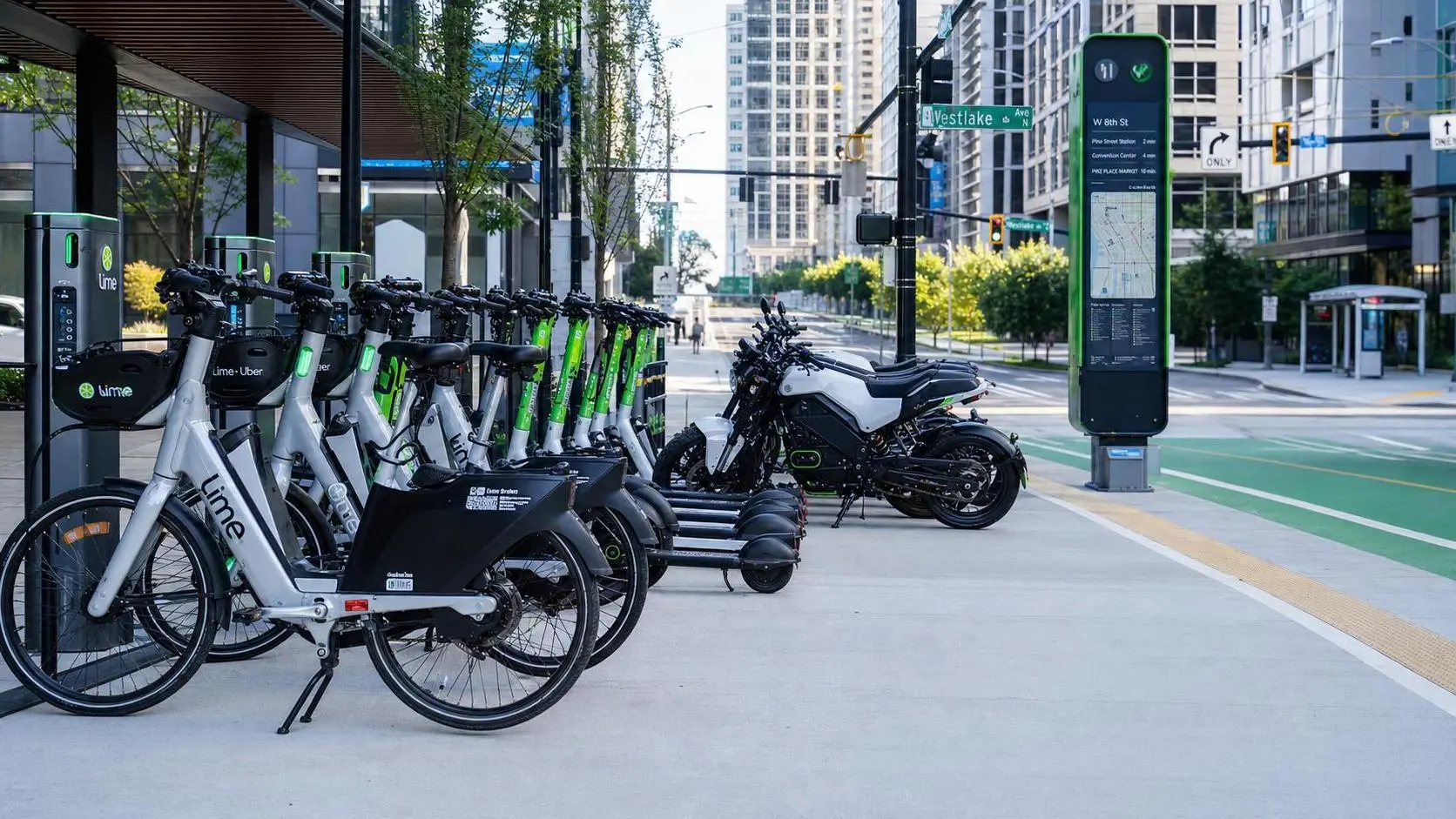
Intellectualization of Mobility in North America: What Is Driving Adoption Across Urban Transport?
Intellectualization of mobility North America is reshaping urban transport through data, smart fleets, and battery intelligence. Explore what is driving adoption and why cities and operators are accelerating now.
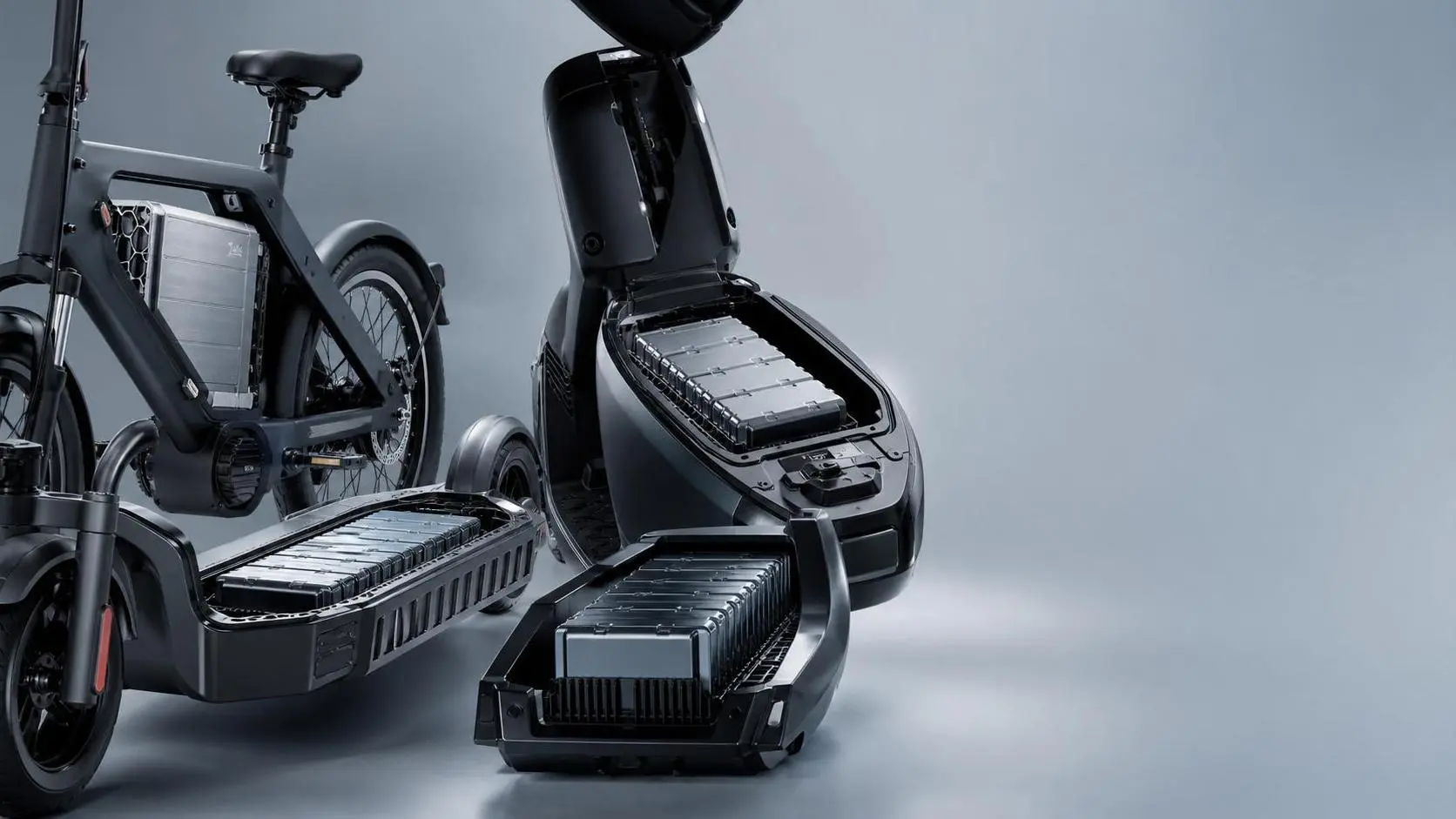
How to Choose a Compact Battery Pack: Size, Energy Density, Thermal Design, and Cycle Life
Compact battery pack selection starts with more than size. Learn how energy density, thermal design, and cycle life shape range, safety, and long-term value.
What Is Driving Green Two-wheelers Demand in Europe? Policy, Fuel Costs, and Buyer Segments
Green two-wheelers demand Europe is rising as policy support, fuel cost pressure, and diverse buyer segments reshape urban mobility. Explore the trends driving the next growth wave.