
Related News
- 00
0000-00
E-Bike Incentives Explained: How Riders Can Find Local Rebates and Tax Credits - 00
0000-00
How to Choose Urban Commuting E-bikes for Rental Fleets by Range, Durability, and Serviceability - 00
0000-00
E-Bike Component Selection: How to Evaluate a Torque Sensor for Commuting and Cargo Use - 00
0000-00
What Drives Low Carbon E-bike Price: Materials, Battery Specs, and Compliance Costs - 00
0000-00
Utility Maximization in E-bikes: Which Motor, Battery, and Range Trade-offs Matter Most?
Micro-Mobility Strategist
Weekly Insights
Stay ahead with our curated technology reports delivered every Monday.
Two-Wheeled Mobility Tools for Daily Commuting: Which Features Matter Most?





Daily commuting is reshaping what people expect from two-wheeled mobility tools
Urban travel has changed fast. Convenience still matters, but reliability now matters more.
That shift is pushing two-wheeled mobility tools beyond simple speed or price comparisons.
For many riders, the question is no longer whether to choose an e-bike or scooter.
The real question is which features make daily commuting easier, safer, and cheaper over time.
This is where the market has become more interesting.
Across the broader micro-mobility landscape, stronger batteries, smarter controllers, lighter frames, and connected systems are changing buyer priorities.
Observers such as UMMS have tracked this move closely.
Their focus on electrification, drivetrain efficiency, battery logic, and urban low-carbon travel reflects a wider reality.
People want two-wheeled mobility tools that work smoothly in real streets, not only on spec sheets.
The most visible change is a move from novelty to everyday utility
A few years ago, many purchases were driven by curiosity or short-term convenience.
Now daily use is the center of decision-making.
That changes how people compare two-wheeled mobility tools.
Battery range is still important, but honest usable range matters more than peak claims.
Motor power still attracts attention, yet controllable acceleration is often more useful than aggressive output.
Foldability sounds appealing, but everyday carrying weight can become the deciding factor.
This is especially clear in dense cities.
Commutes often include elevators, train transfers, uneven pavement, and sudden weather changes.
In that environment, comfort and consistency quietly outrank marketing language.
What riders are comparing more carefully now
- Real-world range under hills, stop-start traffic, and cold weather
- Brake feel and stopping control on wet surfaces
- Ride stability over potholes, curbs, and rough city streets
- Charging time and battery replacement cost
- Portability without sacrificing frame strength
- Visibility features, including lighting and weather-related safety details
Why these features matter more than they did before
Several pressures are arriving at the same time.
Cities remain congested, public transport feels less predictable, and fuel or parking costs keep rising.
Meanwhile, climate goals and local regulations are encouraging lighter electric transport.
Those changes increase demand, but they also raise expectations.
People expect two-wheeled mobility tools to handle everyday friction without becoming another problem to manage.
Technology is also influencing those expectations.
Battery management systems are getting better. Controllers are smoother. Connected dashboards are more common.
In premium categories, precision components and smarter drivetrains are improving efficiency and feel.
That is why buyers increasingly notice the gap between a machine that looks modern and one that performs calmly every day.
Battery and motor still lead the conversation, but the details have changed
Most people begin with battery and motor, and that still makes sense.
Yet the smarter comparison is more specific.
On an e-bike, assistance delivery matters almost as much as nominal power.
A jerky system can make traffic starts tiring. A smooth system reduces stress.
On a smart e-scooter, torque response and braking balance are often more meaningful than top speed.
For longer urban routes, removable batteries are becoming a stronger selling point.
They make apartment charging easier and reduce dependence on ground-floor storage.
This is one reason battery management has become central in the wider UMMS view of electrified commuting.
Good battery logic supports safety, lifespan, and energy efficiency at the same time.
That matters because replacement cost can change the true ownership story dramatically.
A practical way to judge power systems
- Ask how far the vehicle goes with a normal adult rider, not ideal conditions
- Check whether power delivery feels smooth at low speed
- Compare charging habits with your home or workplace routine
- Review battery warranty length and replacement availability
Comfort and safety are gaining ground because city riding is rarely ideal
More buyers now realize that daily commuting is a cumulative experience.
Minor discomfort on day one becomes fatigue by week three.
That is why wheel size, tire grip, deck or saddle design, and riding posture deserve more attention.
Braking systems deserve even more.
Disc brakes, regenerative braking support, and predictable lever response are especially valuable in crowded streets.
Visibility is another rising issue.
Integrated lights, reflective details, and weather-resistant electronics are no longer nice extras.
They are part of daily risk management.
In some advanced vehicle categories, even specialized visibility systems are drawing more attention.
UMMS highlights related safety engineering, including sensor-driven approaches and extreme-weather protection logic.
That broader safety mindset is beginning to influence consumer expectations too.
Smart features are useful when they remove friction, not when they add it
Connectivity is now common across two-wheeled mobility tools, but usefulness varies a lot.
The best smart features solve small daily problems quietly.
GPS tracking helps recover stolen vehicles. App diagnostics help identify battery or brake issues early.
Ride history can help estimate charging needs more accurately.
What matters less is flashy interface design without durable software support.
A connected product becomes frustrating if pairing fails, updates break functions, or data reporting feels unreliable.
This is where practical intelligence beats digital decoration.
As wireless controls and electronic shifting become more advanced in the broader cycling ecosystem, reliability under interference and daily wear becomes a real benchmark.
Even if a commuter never studies protocols, the benefit is simple: fewer interruptions and more confidence.
The right choice depends on commuting pattern more than category loyalty
Many people enter the market thinking they need a specific type.
In practice, route pattern should decide first.
A short, flat commute with elevator access may favor a compact scooter.
A longer route with hills may make an e-bike the better answer.
Mixed commutes often reward portability and easy charging over raw speed.
The strongest two-wheeled mobility tools are not always the fastest or most connected.
They are the ones that match distance, storage, road quality, weather, and local regulations.
That includes simple legal details.
Speed limits, lane rules, helmet expectations, and parking restrictions can change product suitability overnight.
This is another reason market intelligence matters in a space moving as quickly as urban micro-mobility.
What deserves closer attention before making a final decision
A strong decision usually comes from comparing use conditions, not just features in isolation.
- Measure your weekly distance, including detours and return trips
- Check whether you can charge safely at home or work
- Prioritize brake quality and visibility if weather is unpredictable
- Test low-speed handling, not only straight-line acceleration
- Estimate long-term cost, including battery replacement and maintenance parts
- Review app support, firmware stability, and spare part availability
That last point often gets overlooked.
Precision components, tires, brake pads, and electronic modules shape long-term satisfaction as much as first-day performance.
The next smart move is to compare two-wheeled mobility tools by lived experience
The market for two-wheeled mobility tools is maturing, and that is good news.
It means better technology is being judged by real commuter value.
Battery efficiency, motor refinement, safety engineering, comfort, and practical connectivity now work together.
No single feature decides everything.
Still, the strongest options usually share the same trait: they reduce uncertainty in everyday travel.
A sensible next step is to map your route, charging habits, and weather exposure before comparing models.
Then focus on the features that support that routine consistently.
That approach makes it much easier to choose two-wheeled mobility tools that feel right not just on purchase day, but every weekday after.
Related News
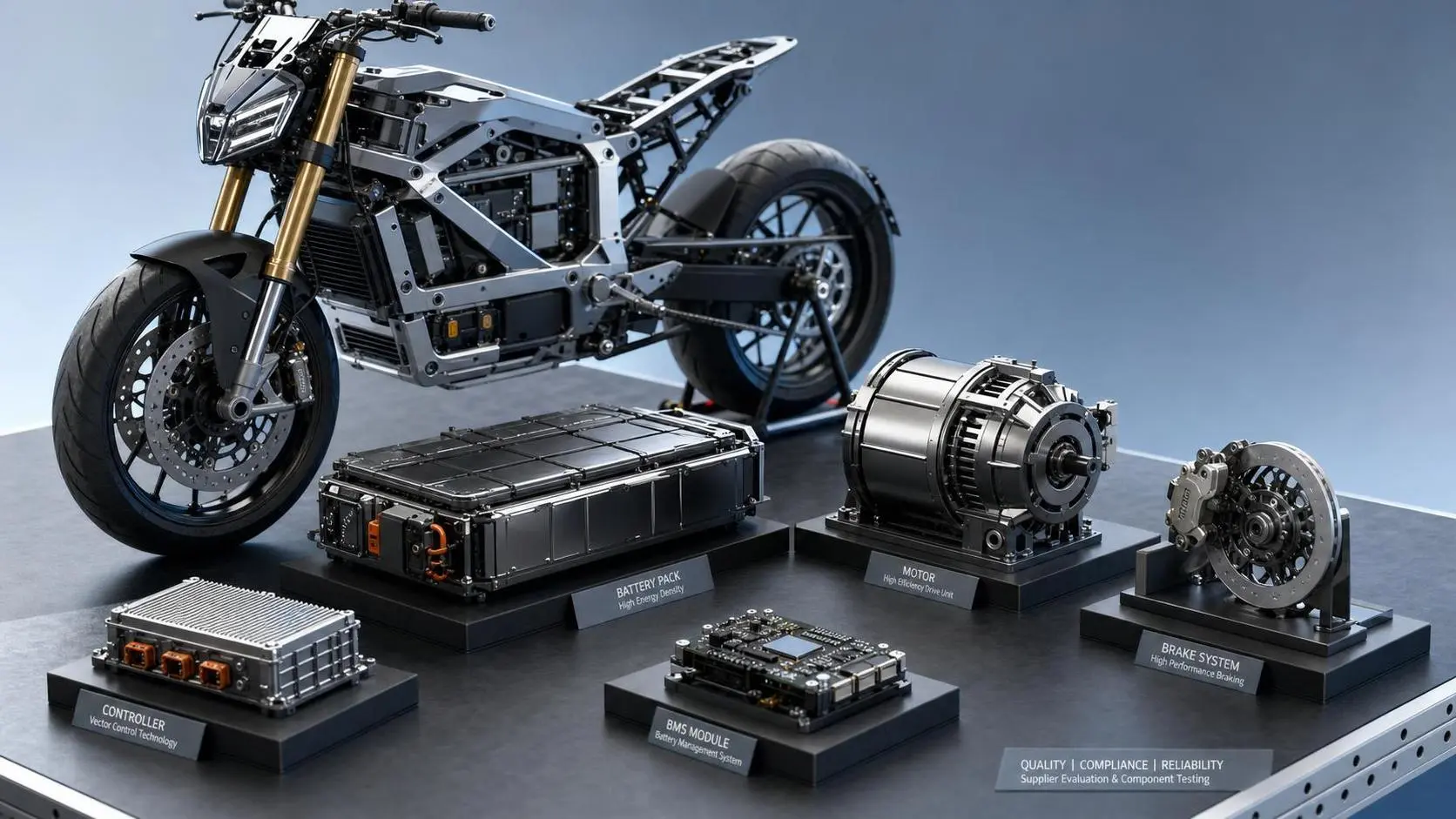
How to Evaluate Core Component Suppliers for Electric Motorcycles Before Sourcing?
Core component suppliers for electric motorcycles can make or break safety, compliance, and delivery. Learn how to assess technical strength, certifications, quality control, and hidden sourcing risks before you buy.
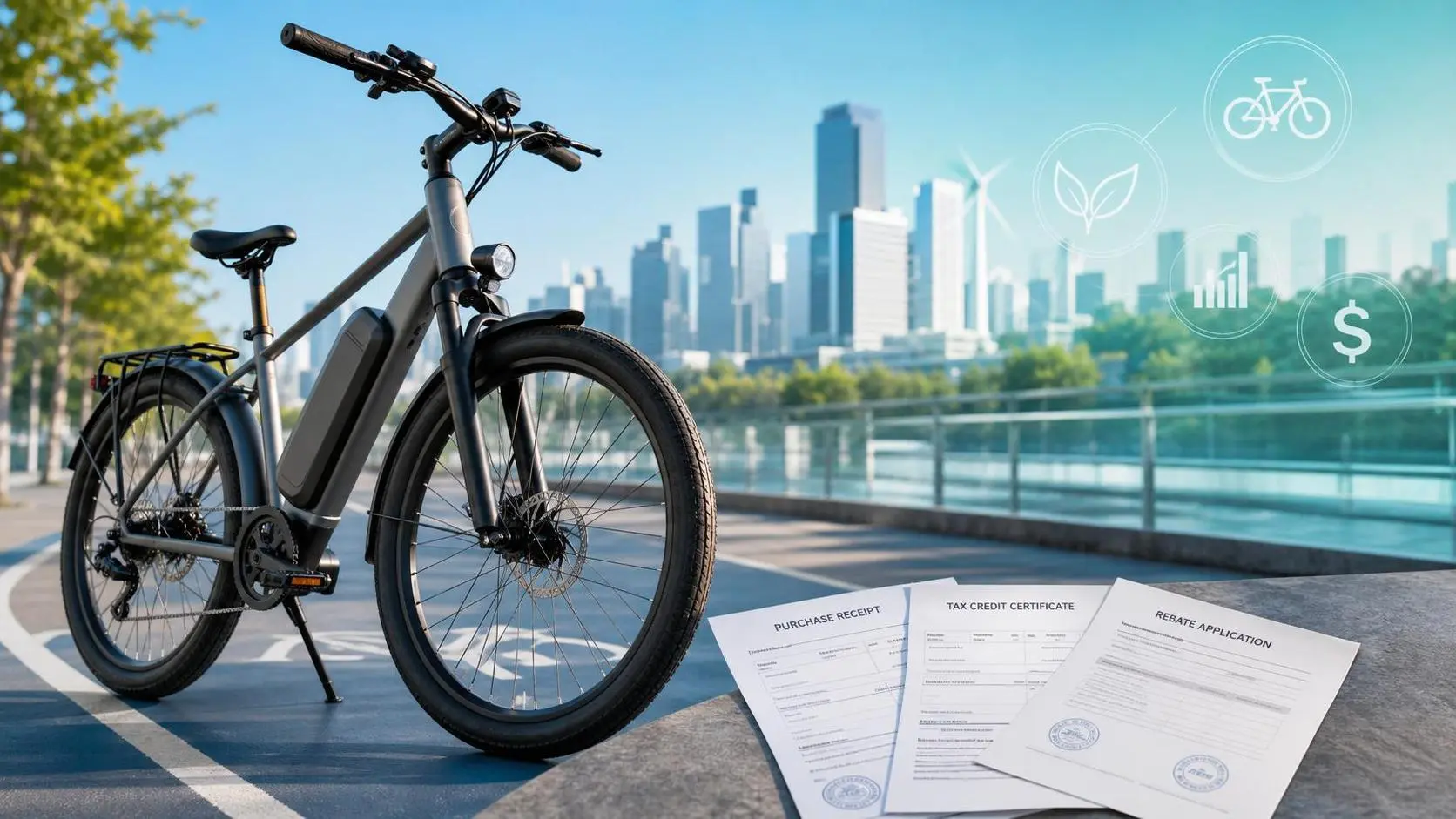
E-Bike Incentives Explained: How Riders Can Find Local Rebates and Tax Credits
E bike incentives explained: learn how to find local rebates, tax credits, and utility offers, avoid common mistakes, and cut the real cost of your next e-bike.
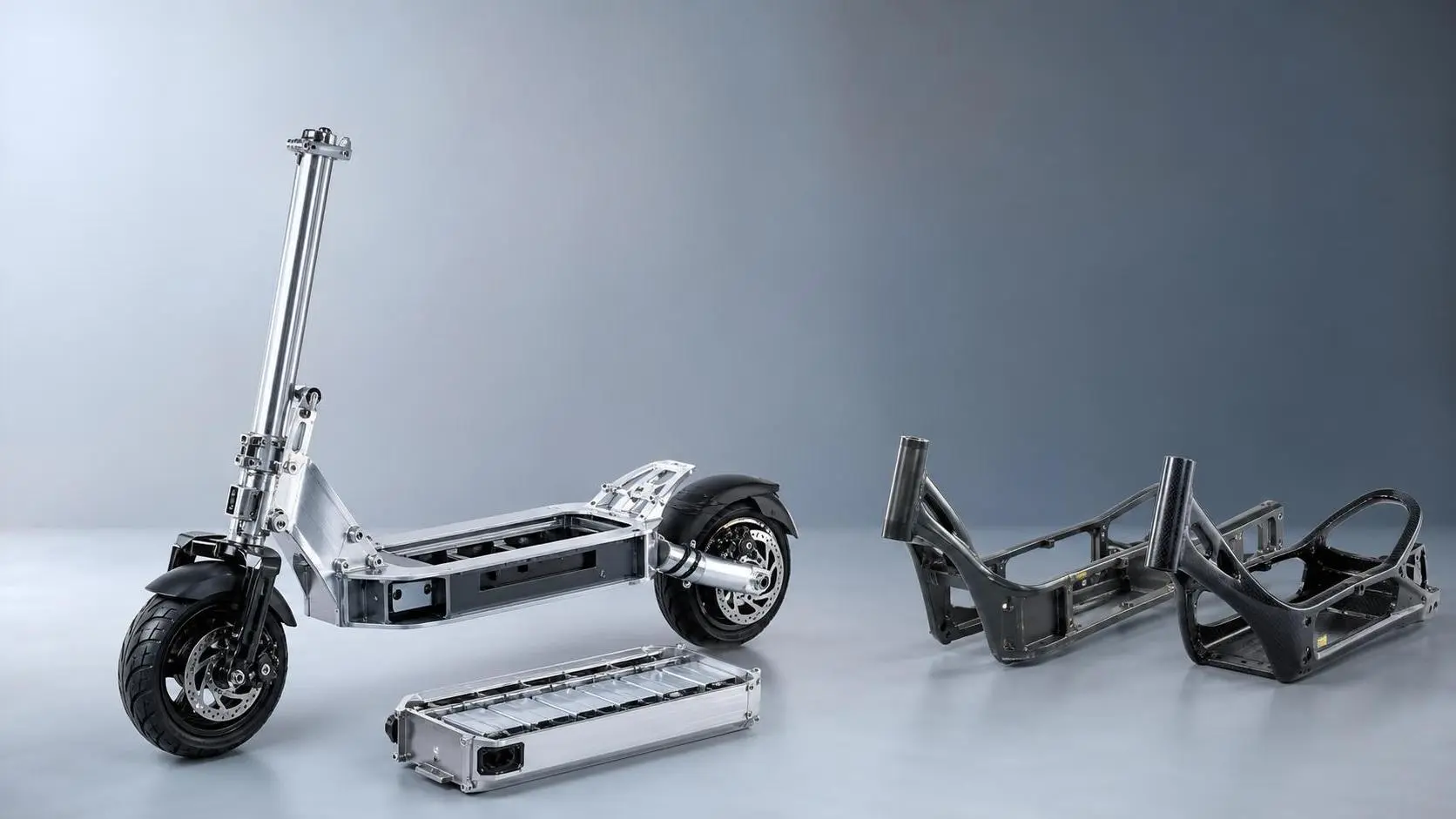
How to Choose Lightweight Scooter Frames in Europe: Materials, Standards, and Use Cases
Lightweight scooter frames Europe buyers need should balance materials, EN standards, durability, and real use cases. Discover how to choose safer, smarter, compliant frames.
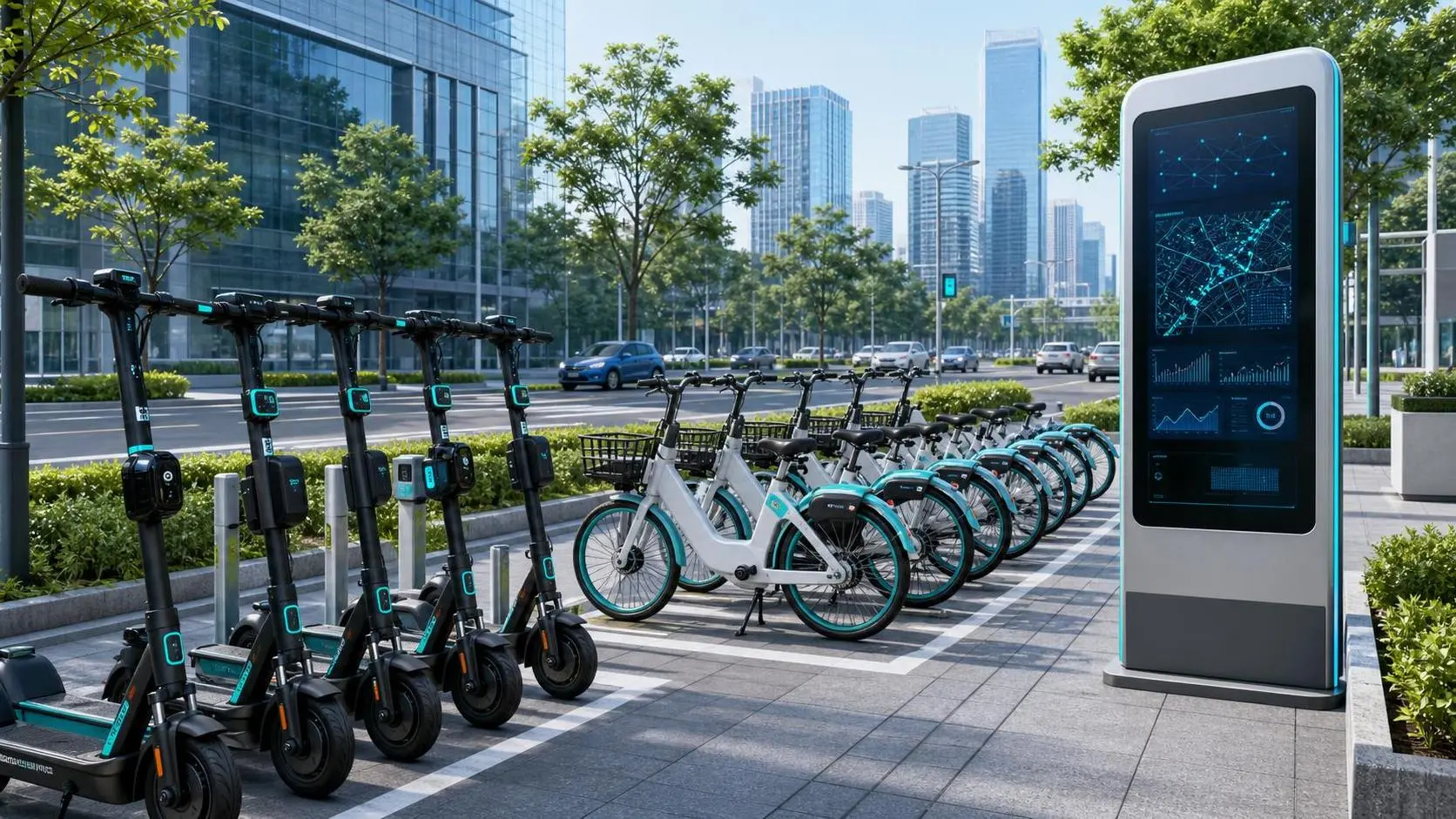
What Is the Intellectualization of Mobility Platform and How Is It Applied in Shared Fleets?
Intellectualization of mobility platform is reshaping shared fleets with real-time data, predictive maintenance, and smarter compliance—learn how it boosts safety, uptime, and urban mobility efficiency.
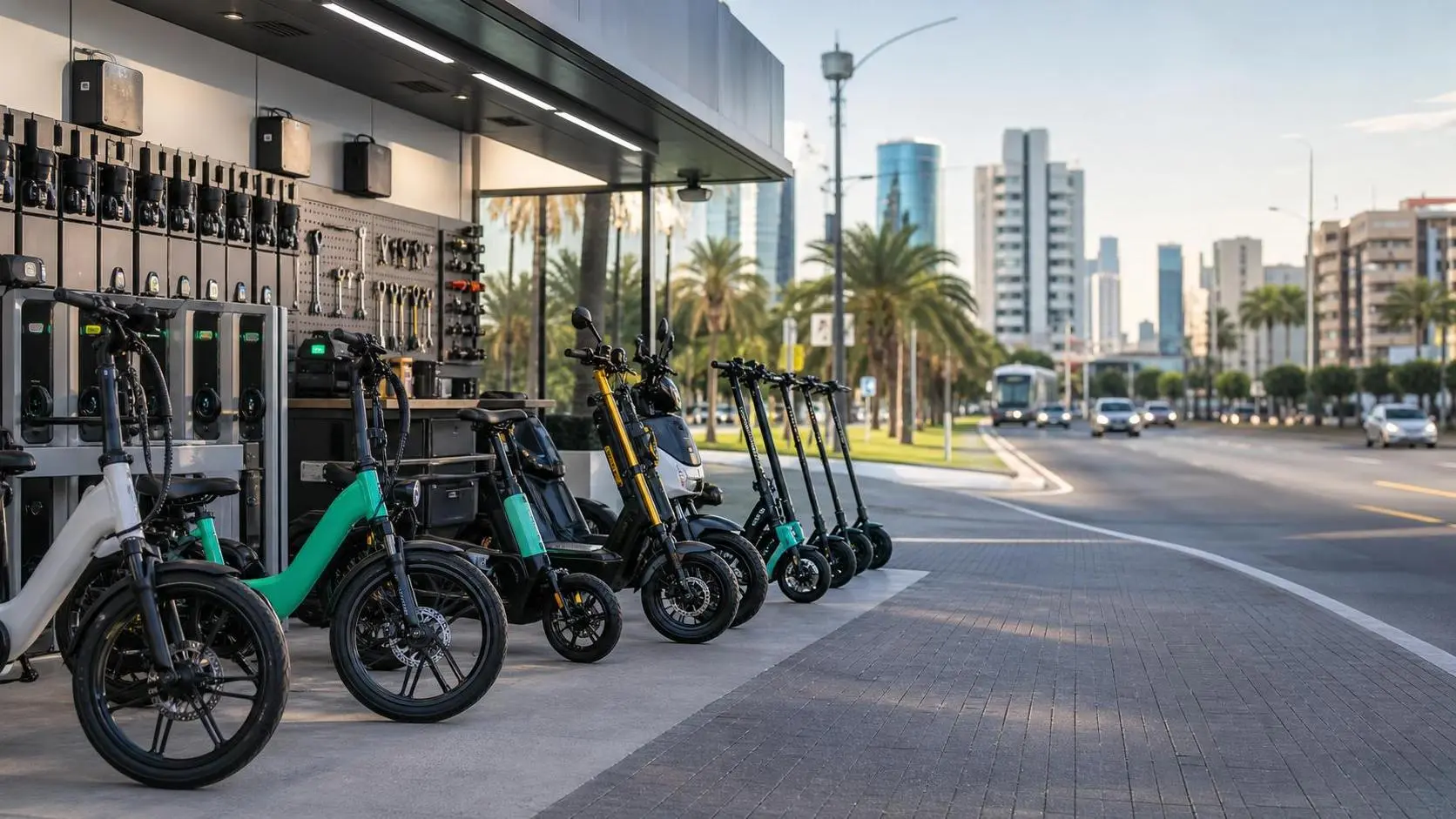
Urban Micro-Mobility Systems in Latin America: Key Market Drivers, Barriers, and Growth Segments
Urban micro-mobility systems Latin America are reshaping city transport. Explore key drivers, barriers, and high-growth segments to spot the region’s most investable opportunities.
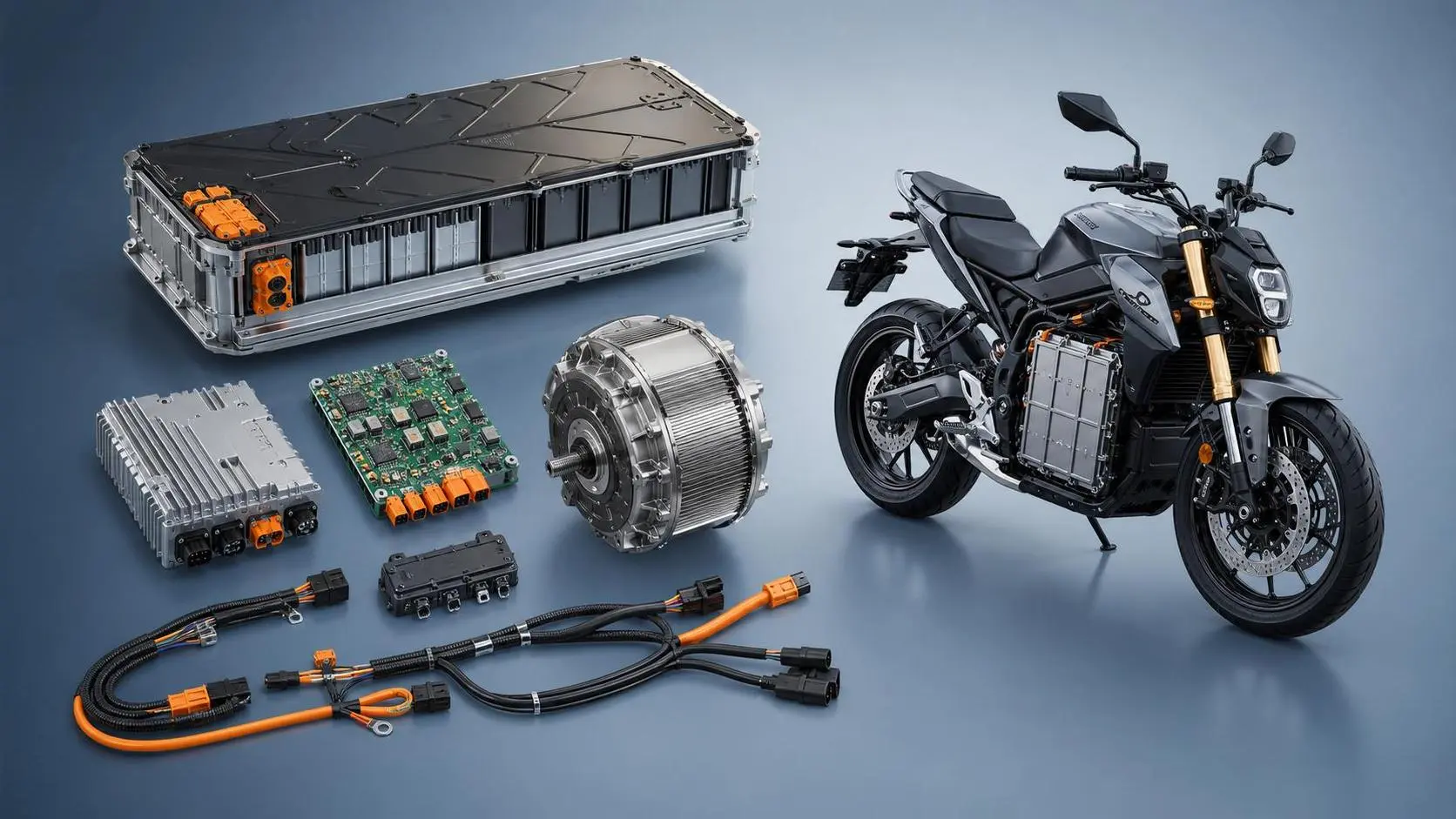
Electric Motorcycle Systems Price Breakdown: What Affects Cost From Battery to Controller?
Electric motorcycle systems price explained: see how battery, controller, motor, BMS, and wiring affect total cost, reliability, and sourcing value before you buy.
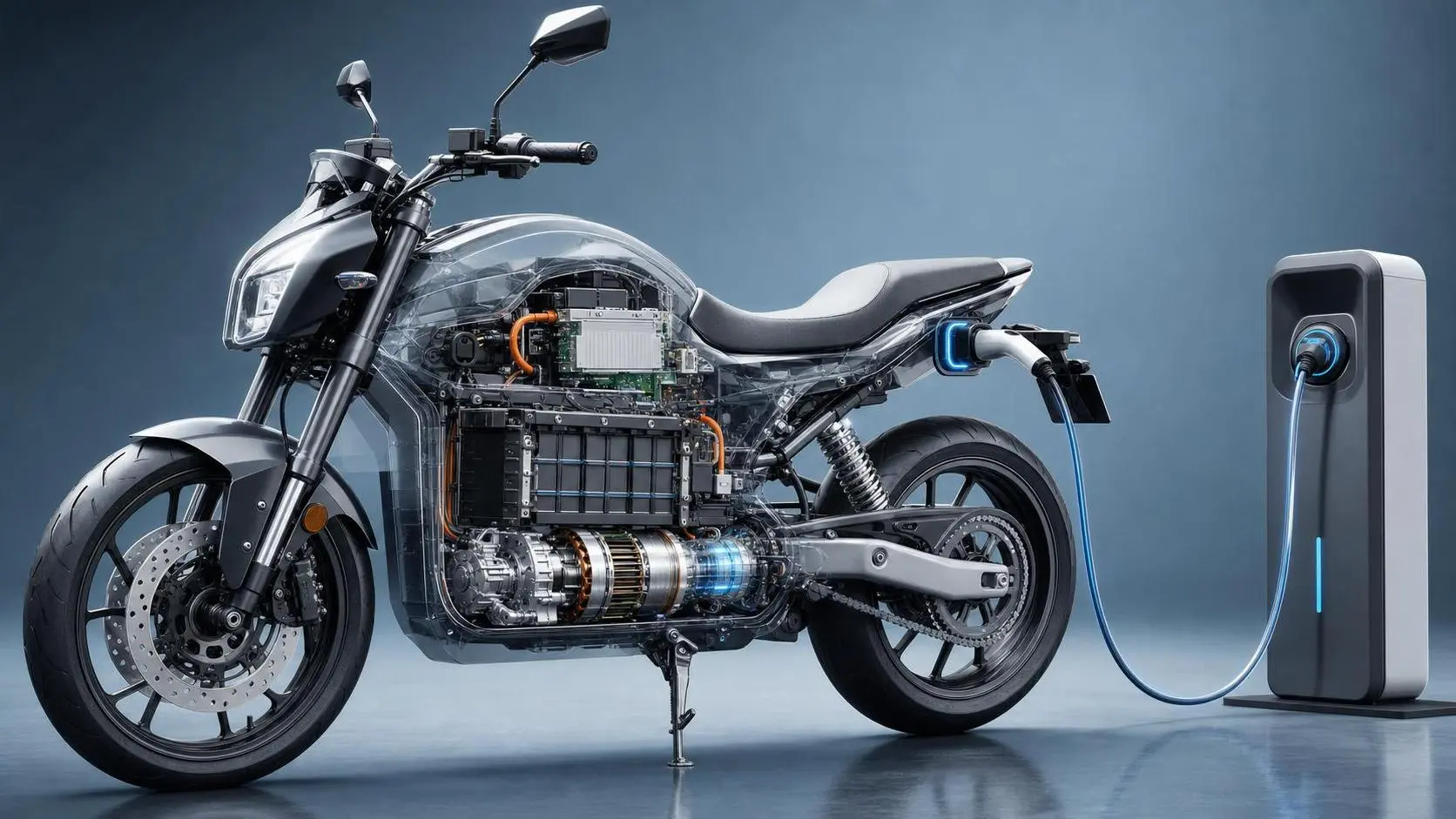
72V Electric Motorcycle Technology Explained: Motors, Controllers, Range, and Charging
Electric motorcycle technology 72V explained clearly: compare motors, controllers, range, battery design, and charging to choose a smoother, stronger, and smarter electric ride.
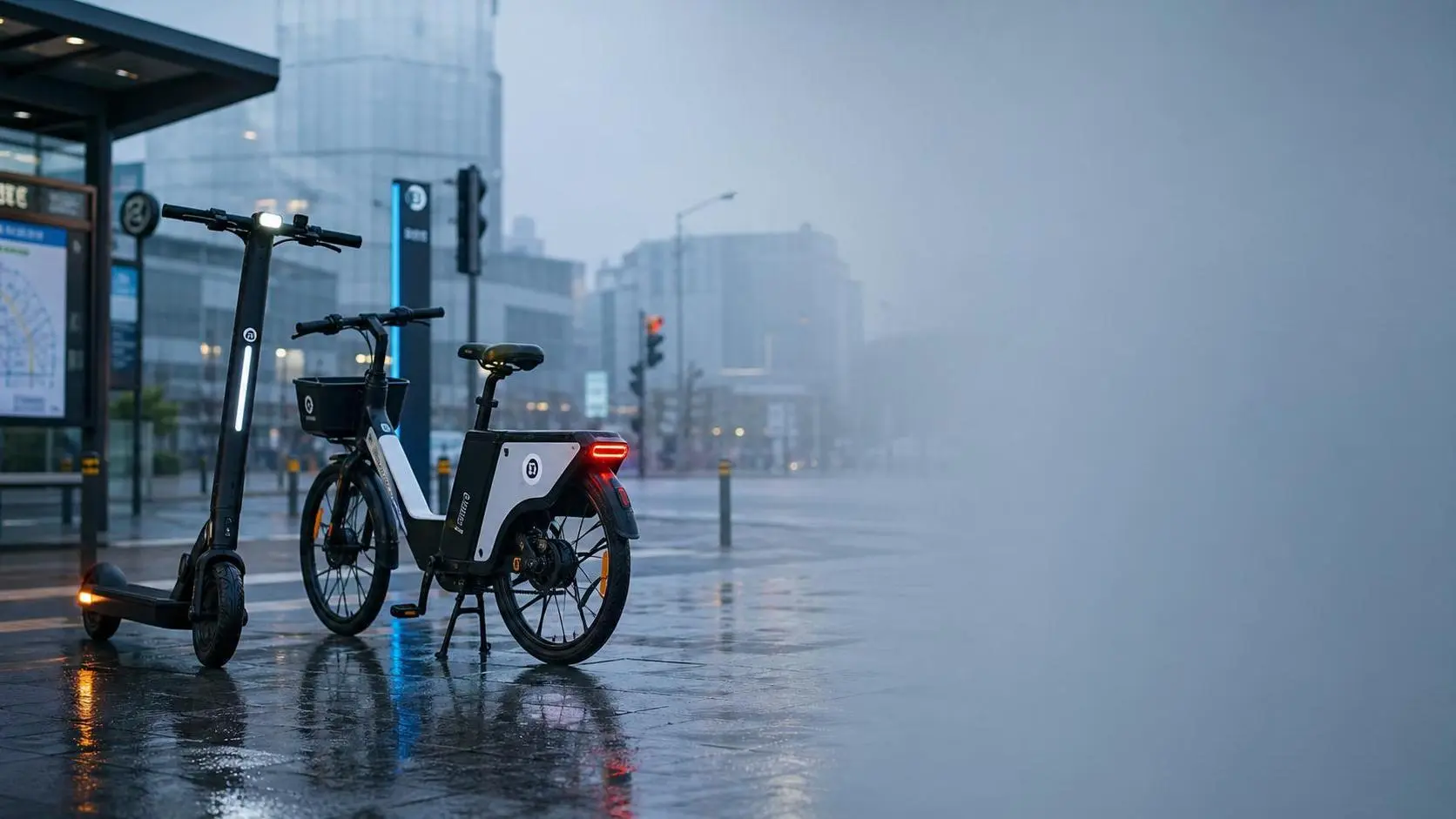
Where LED Urban Visibility Safety Systems Fit Best in Shared Scooters and City E-bikes
LED urban visibility safety systems deliver the most value in shared scooters and city e-bikes by improving multi-angle safety, fleet durability, and urban compliance across real-world routes.
Intellectualization of Mobility in North America: What Is Driving Adoption Across Urban Transport?
Intellectualization of mobility North America is reshaping urban transport through data, smart fleets, and battery intelligence. Explore what is driving adoption and why cities and operators are accelerating now.