
Related News
- 00
0000-00
How to Choose a Compact Battery Pack: Size, Energy Density, Thermal Design, and Cycle Life - 00
0000-00
Battery Management Systems Factory Capabilities: How to Compare Testing and Traceability - 00
0000-00
Swappable Battery Scooter Market: Key Growth Segments and Fleet Demand Signals - 00
0000-00
Fleet Battery Swap Solutions: How to Compare Throughput, Downtime, and Site Needs - 00
0000-00
Battery Swapping Network Cost: What Drives Setup and Operating Expenses?
Electric Powertrain Analyst
Weekly Insights
Stay ahead with our curated technology reports delivered every Monday.
Energy Efficiency Optimization in Swappable Scooters





For aftermarket maintenance teams, energy efficiency optimization in swappable scooters has become a daily operational priority.
It affects battery aging, range stability, charging cycles, fleet availability, and the cost of keeping vehicles roadworthy.
In urban micro-mobility, small losses multiply quickly across hundreds or thousands of rides.
A loose connector, underinflated tire, misaligned brake, or overheated controller can reduce efficiency long before total failure appears.
That is why energy efficiency optimization is not only an engineering target.
It is also a maintenance discipline that supports safer, smarter, and lower-carbon city transport.
Energy Efficiency Optimization in Swappable Scooters: Core Definition
In practical terms, energy efficiency optimization means reducing avoidable energy loss across the scooter system.
The goal is to turn more stored battery energy into useful wheel movement under real urban riding conditions.
For swappable scooters, this involves the battery pack, BMS logic, connectors, motor, controller, drivetrain, tires, brakes, and firmware settings.
Unlike fixed-battery vehicles, swappable platforms face additional efficiency risks from repeated battery exchange cycles.
Frequent pack removal increases exposure to connector wear, water ingress, dust contamination, and variable battery condition.
As a result, energy efficiency optimization must combine mechanical inspection, electrical validation, and software-based performance control.
Key loss points in daily operation
- Battery internal resistance growth from aging or poor balancing
- Contact resistance caused by dirty, oxidized, or damaged terminals
- Motor inefficiency linked to bearing wear or poor phase calibration
- Controller heat buildup that increases electrical losses
- Rolling resistance from low tire pressure or wheel misalignment
- Parasitic drain from always-on IoT modules and weak sleep strategies
Industry Background and Current Focus Areas
Global urban mobility is pushing swappable scooters into more demanding service environments.
Higher trip density, tighter unit economics, and stronger carbon targets all increase the value of energy efficiency optimization.
Within the wider micro-mobility ecosystem observed by UMMS, efficiency is now connected to system intelligence, not only hardware quality.
Maintenance data, battery analytics, telematics, and firmware updates increasingly shape fleet performance.
This shift makes energy efficiency optimization a cross-functional topic for fleet operations, field service, and technical intelligence teams.
Business Value of Energy Efficiency Optimization
The business impact is immediate because each watt-hour saved improves system economics.
Better energy efficiency optimization can extend practical range without changing battery size.
It can also reduce unnecessary battery swaps, lower charging demand, and improve route completion consistency.
From a service perspective, efficient scooters generate fewer complaints about weak acceleration, sudden range drops, or overheating.
That means lower maintenance burden and more predictable workshop planning.
Operational benefits
- Longer usable range per battery swap
- Lower battery replacement pressure
- Higher vehicle uptime across urban routes
- Reduced thermal failures in controllers and packs
- More reliable rider experience in dense stop-and-go traffic
In a broader sustainability context, energy efficiency optimization also supports decarbonization by lowering electricity waste across the fleet lifecycle.
Typical Maintenance Scenarios That Influence Efficiency
Not every workshop task changes efficiency equally.
The highest-impact actions usually appear in repeat service routines and battery handling procedures.
These scenarios show that energy efficiency optimization often depends on disciplined execution of basic service details.
Technical Priorities for Better Swappable Scooter Performance
Battery health and balancing
Battery condition is the starting point for energy efficiency optimization.
A pack with uneven cell balance wastes energy as heat and reaches voltage limits earlier under load.
Routine checks should include internal resistance trends, temperature history, and deviation between cell groups.
Connector integrity
Swappable architectures depend heavily on durable electrical interfaces.
Even minor oxidation raises contact resistance and reduces transfer efficiency during acceleration peaks.
Cleaning, torque verification, and terminal replacement schedules should be standardized.
Motor and controller tuning
Motor efficiency depends on correct phase behavior, sensor accuracy, and controller calibration.
If tuning is poor, the scooter may feel normal while still consuming excess energy.
Energy efficiency optimization should include current draw comparison across matched route tests.
Thermal management
Heat is a silent efficiency killer in dense urban operation.
Repeated climbing, stop-start riding, and high ambient temperatures raise losses in batteries and electronics.
Technicians should check ventilation paths, thermal interface materials, and abnormal heat signatures during diagnostics.
Practical Recommendations for Maintenance Teams
A repeatable workflow is the most effective way to sustain energy efficiency optimization over time.
- Create an efficiency inspection checklist for every major service event.
- Record battery SOH, connector condition, tire pressure, and brake drag together.
- Use telematics to flag sudden consumption changes by vehicle or route.
- Compare firmware versions before replacing healthy hardware.
- Separate thermal faults from battery faults during diagnosis.
- Retest scooters after service under consistent load conditions.
It is also useful to classify issues into electrical, mechanical, and software categories.
That structure helps identify the real source of energy loss faster.
Common mistakes to avoid
- Judging pack quality only by open-circuit voltage
- Ignoring light brake friction after reassembly
- Skipping connector inspection during fast turnaround service
- Assuming range complaints always come from battery aging
Next-Step Actions for Smarter Urban Mobility
Energy efficiency optimization works best when it becomes part of a long-term data and maintenance strategy.
Start with a baseline audit of battery condition, rolling resistance, thermal behavior, and controller performance.
Then rank the highest-loss points and convert them into standard service checkpoints.
In the UMMS view of urban micro-mobility, efficient swappable scooters are not created by one component alone.
They result from intelligent coordination between batteries, power electronics, mechanical condition, and field maintenance discipline.
With consistent monitoring and targeted workshop action, energy efficiency optimization can improve uptime, lower waste, and support better urban transport performance.
Related News

How to Choose Lightweight Scooter Frames in Europe: Materials, Standards, and Use Cases
Lightweight scooter frames Europe buyers need should balance materials, EN standards, durability, and real use cases. Discover how to choose safer, smarter, compliant frames.
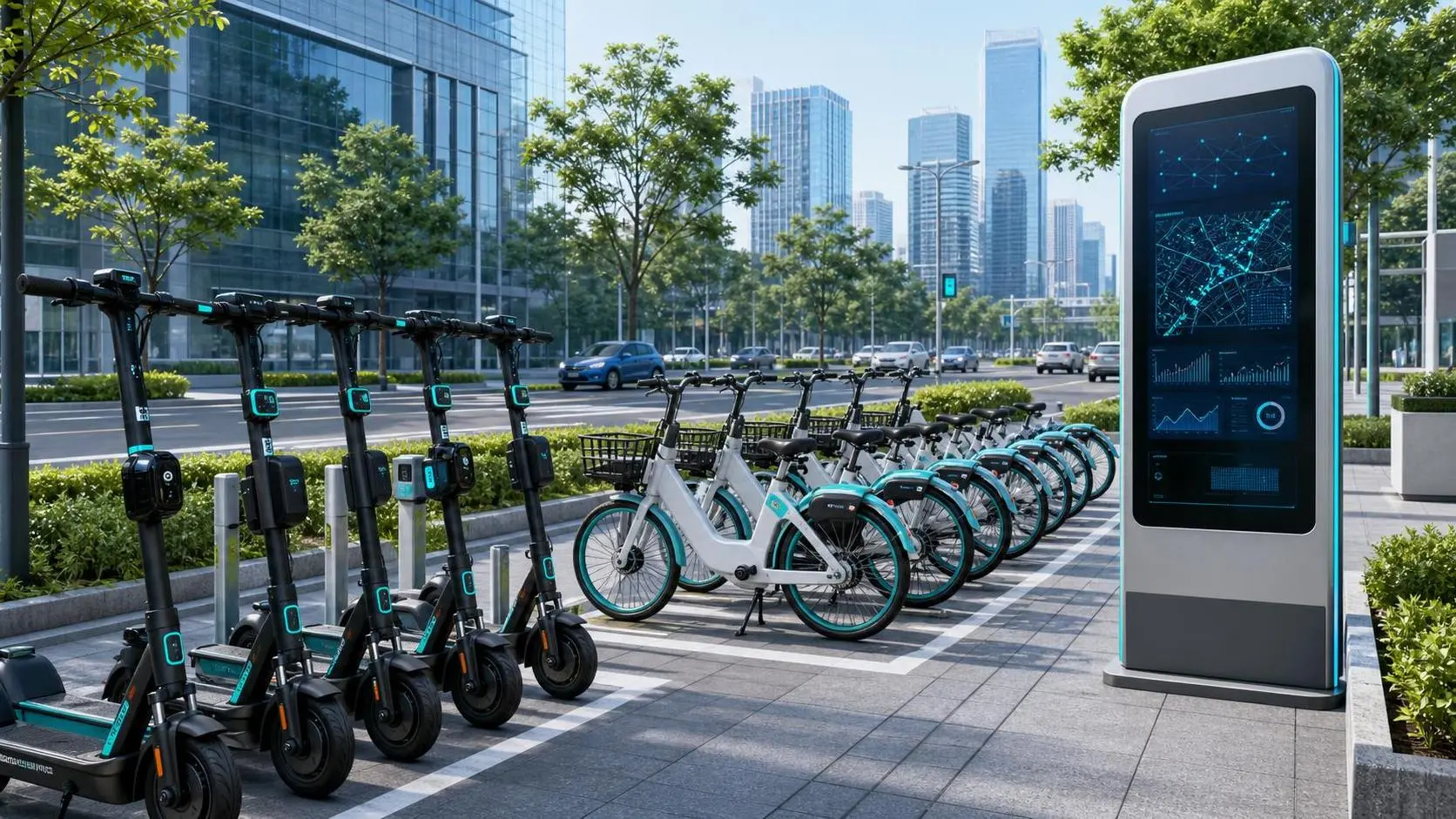
What Is the Intellectualization of Mobility Platform and How Is It Applied in Shared Fleets?
Intellectualization of mobility platform is reshaping shared fleets with real-time data, predictive maintenance, and smarter compliance—learn how it boosts safety, uptime, and urban mobility efficiency.
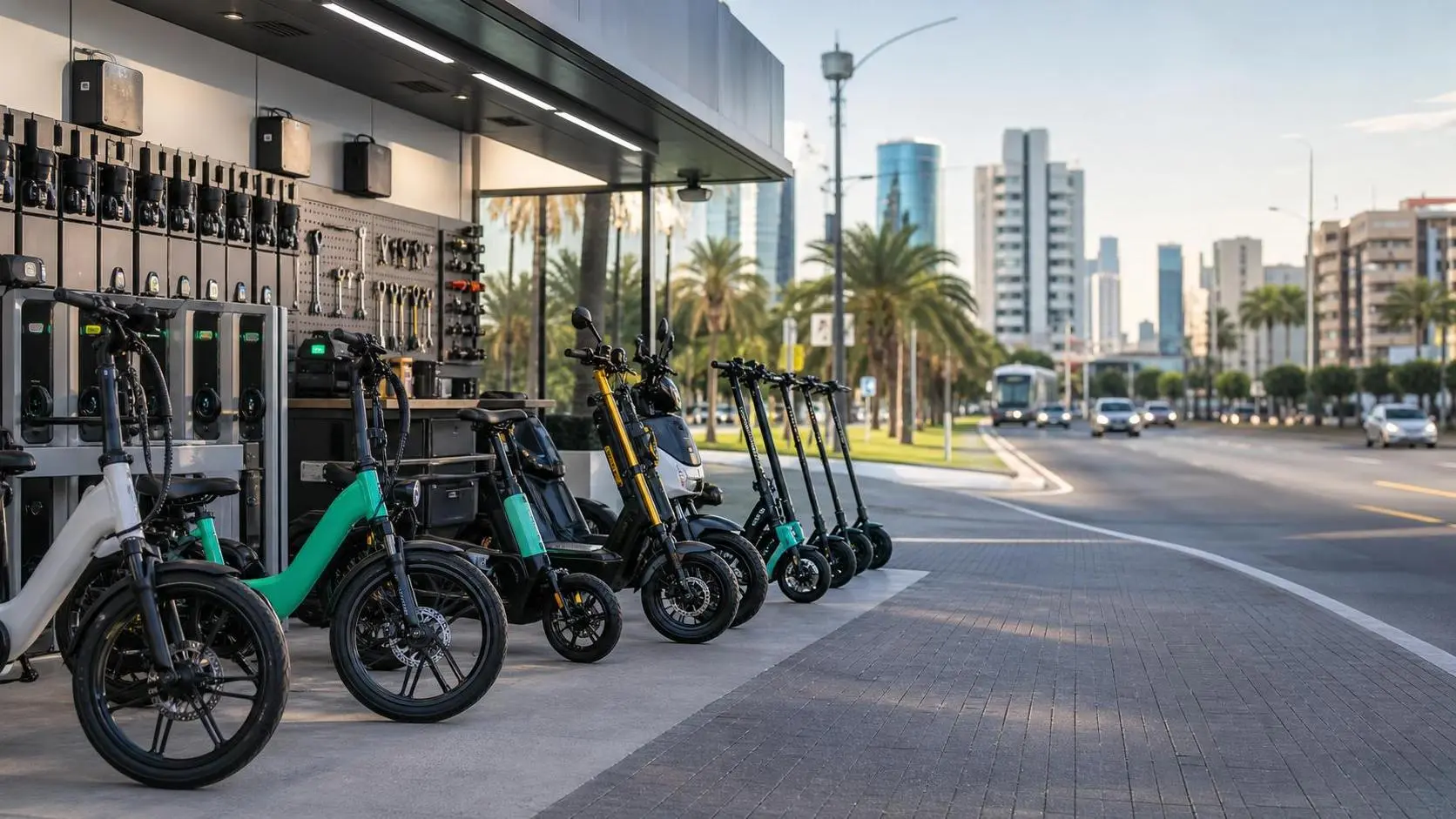
Urban Micro-Mobility Systems in Latin America: Key Market Drivers, Barriers, and Growth Segments
Urban micro-mobility systems Latin America are reshaping city transport. Explore key drivers, barriers, and high-growth segments to spot the region’s most investable opportunities.
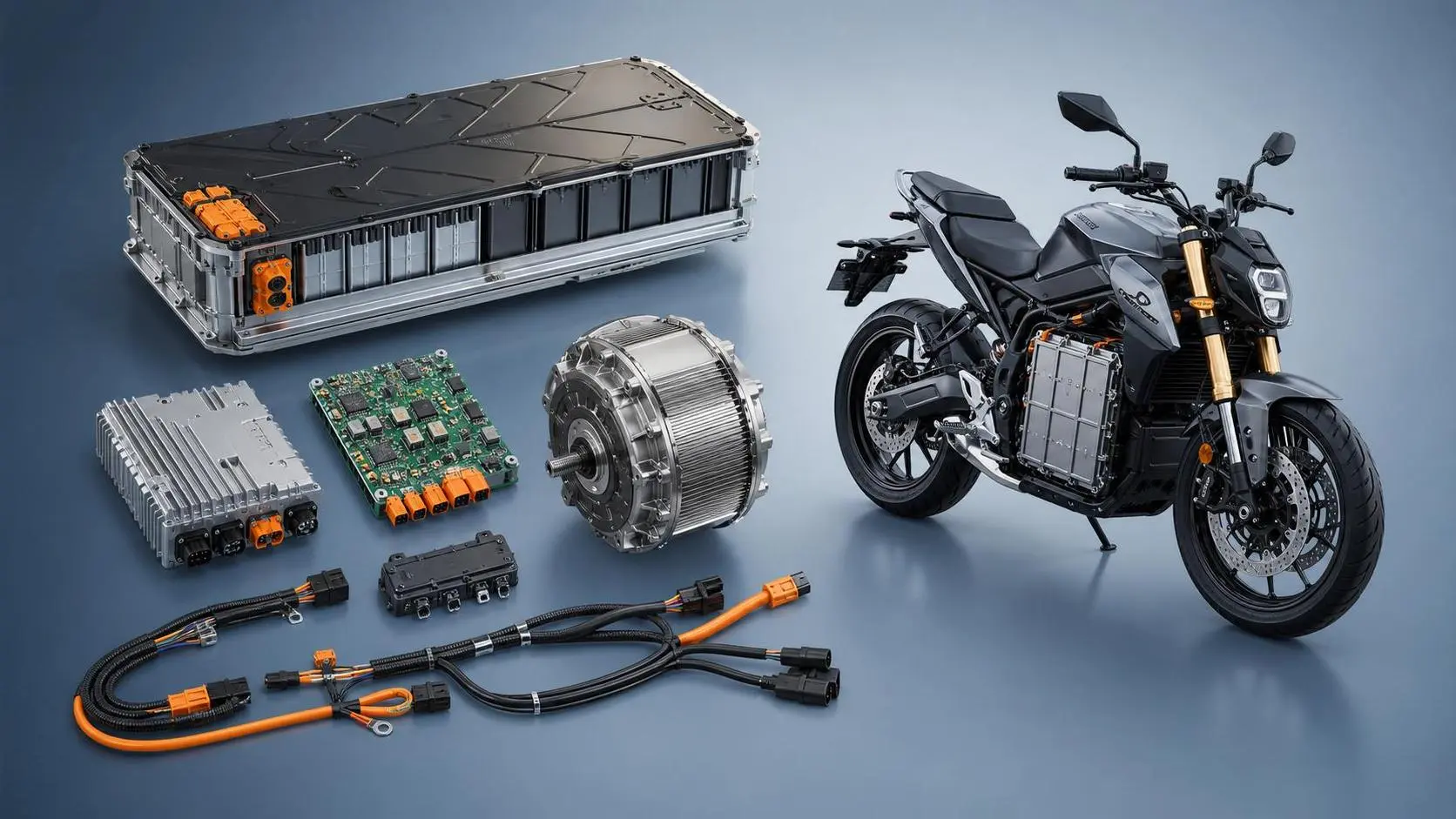
Electric Motorcycle Systems Price Breakdown: What Affects Cost From Battery to Controller?
Electric motorcycle systems price explained: see how battery, controller, motor, BMS, and wiring affect total cost, reliability, and sourcing value before you buy.
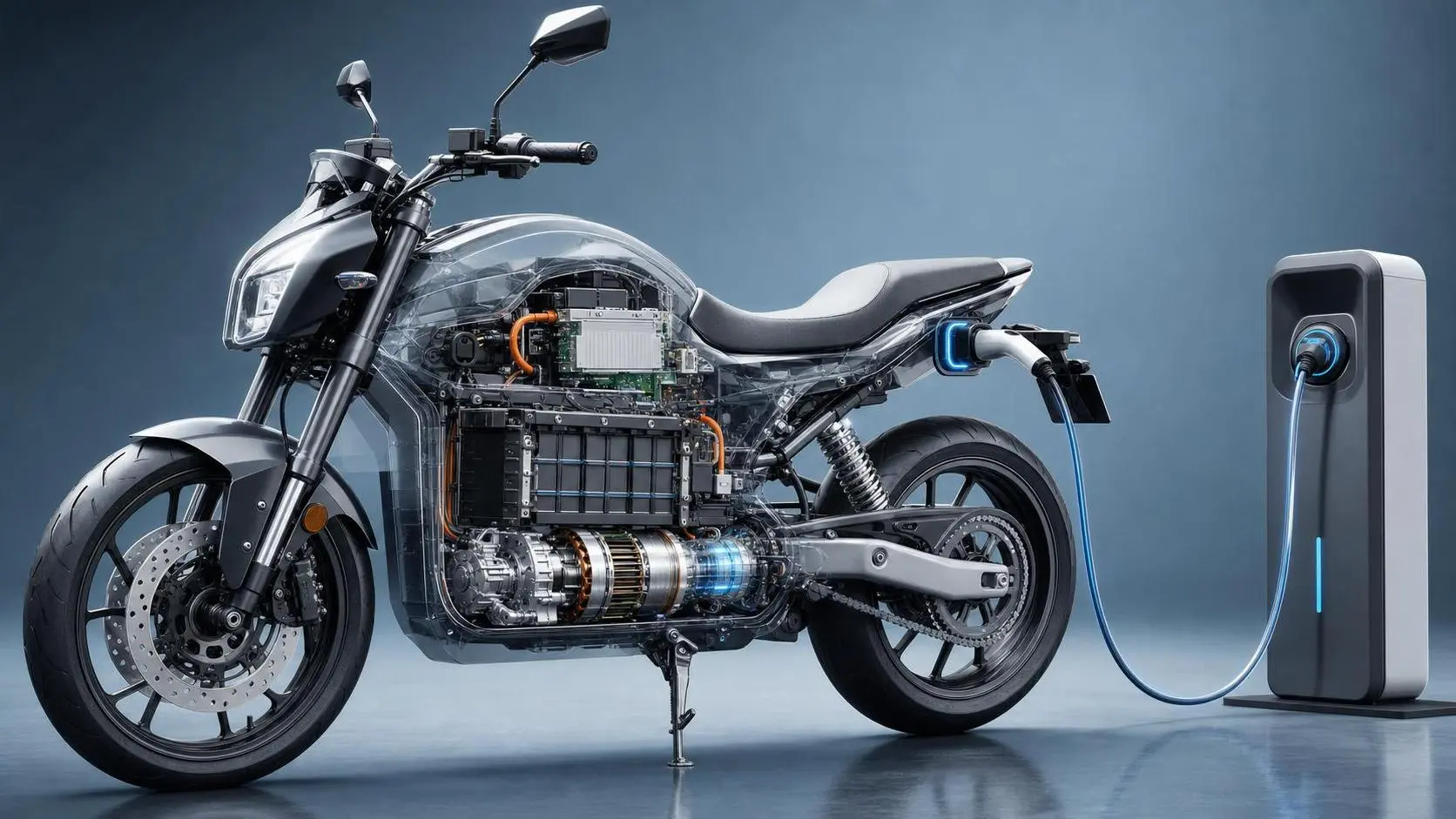
72V Electric Motorcycle Technology Explained: Motors, Controllers, Range, and Charging
Electric motorcycle technology 72V explained clearly: compare motors, controllers, range, battery design, and charging to choose a smoother, stronger, and smarter electric ride.

Where LED Urban Visibility Safety Systems Fit Best in Shared Scooters and City E-bikes
LED urban visibility safety systems deliver the most value in shared scooters and city e-bikes by improving multi-angle safety, fleet durability, and urban compliance across real-world routes.

Intellectualization of Mobility in North America: What Is Driving Adoption Across Urban Transport?
Intellectualization of mobility North America is reshaping urban transport through data, smart fleets, and battery intelligence. Explore what is driving adoption and why cities and operators are accelerating now.

How to Choose a Compact Battery Pack: Size, Energy Density, Thermal Design, and Cycle Life
Compact battery pack selection starts with more than size. Learn how energy density, thermal design, and cycle life shape range, safety, and long-term value.
What Is Driving Green Two-wheelers Demand in Europe? Policy, Fuel Costs, and Buyer Segments
Green two-wheelers demand Europe is rising as policy support, fuel cost pressure, and diverse buyer segments reshape urban mobility. Explore the trends driving the next growth wave.