
Related News
- 00
0000-00
Swappable Battery Scooter Market: Key Growth Segments and Fleet Demand Signals - 00
0000-00
Fleet Battery Swap Solutions: How to Compare Throughput, Downtime, and Site Needs - 00
0000-00
Battery Swapping Network Cost: What Drives Setup and Operating Expenses? - 00
0000-00
Battery Swapping in China vs Charging: Which Model Fits Shared Scooter Fleets? - 00
0000-00
Thermal Management for Swappable Battery Scooters: Key Design Factors to Compare
Electric Powertrain Analyst
Weekly Insights
Stay ahead with our curated technology reports delivered every Monday.
Battery Technology Choices for Swappable Scooter Fleets





For swappable scooter fleets, battery technology is no longer a back-end component decision.
It now determines route uptime, swap speed, fire safety, maintenance planning, and network expansion economics.
As cities push electrified last-mile transport, battery technology choices increasingly shape who scales efficiently and who absorbs avoidable operational risk.
This makes battery architecture, chemistry, software integration, and end-of-life strategy central to long-term fleet competitiveness.
Battery technology is moving from component selection to fleet strategy
Urban micro-mobility has entered a more disciplined phase.
Growth still matters, but investors and operators now focus more on utilization, asset life, and safe network standardization.
In this environment, battery technology affects every critical metric across a swappable scooter ecosystem.
Earlier fleet models often prioritized range claims and charging convenience.
Today, the market rewards battery technology that supports predictable swaps, robust diagnostics, and lower total cost of ownership.
The shift is especially visible in dense cities, where frequent stop-start riding, heat exposure, and heavy daily cycling punish weak battery design.
Several trend signals are reshaping battery technology decisions
Three years ago, many fleets could tolerate battery variation across vehicle models.
That flexibility is fading as swap systems become larger, smarter, and more regulated.
- Fire safety rules are tightening around storage, transport, and charging of removable packs.
- Insurance and compliance reviews increasingly examine cell chemistry and BMS traceability.
- Fleet software now expects battery technology to provide real-time health, location, and performance data.
- Battery swap stations require pack consistency to reduce failed insertions and balancing issues.
- Residual value calculations are becoming more important for large multi-city deployments.
These signals show a clear direction.
Battery technology must serve both electrochemical performance and system-level interoperability.
Chemistry choices reflect a broader trade-off between energy density and resilience
The most important battery technology choice often starts with chemistry.
For swappable scooter fleets, the leading comparison is usually NMC versus LFP.
NMC battery technology remains attractive where range, vehicle weight, and compact form factors are top priorities.
LFP battery technology is gaining attention where safety margins, cycle durability, and lower degradation matter more than maximum density.
Neither chemistry is universally better.
The right answer depends on route intensity, local climate, station design, and replacement economics.
The real differentiator is often battery management, not only the cells
A strong battery technology program is built around a capable BMS.
Without intelligent monitoring, even premium cells can perform inconsistently in a swap fleet.
What advanced battery technology should report
- State of charge and state of health with usable accuracy
- Cell temperature trends across ride, charge, and storage cycles
- Abnormal voltage spread between cells
- Charge throughput and cycle count history
- Tamper events, shock events, and failed swap attempts
- Firmware status and remote update capability
For network operators, this data transforms battery technology from a consumable part into an optimizable digital asset.
It enables predictive maintenance, better pack rotation, and more accurate retirement timing.
Battery technology standards now influence every operational link
Battery technology decisions affect more than the scooter itself.
They also influence warehouses, field logistics, software systems, and service workflows.
A pack with poor ergonomic design may slow swaps.
A pack without common connectors may raise repair complexity.
A pack with unstable communication may create station downtime and stranded vehicles.
Business areas most affected
- Vehicle design: frame space, weight distribution, and sealing requirements
- Swap stations: locking precision, connector wear, and thermal ventilation
- Field operations: replacement speed, handling safety, and staff training depth
- Data systems: API integration, exception alerts, and fleet health dashboards
- Compliance: transport labeling, battery traceability, and recycling documentation
This is why battery technology standardization increasingly matters across multi-city expansion plans.
The strongest market drivers are cost pressure, safety regulation, and circularity
Battery technology choices are being pushed by several forces at once.
Together, these drivers are shifting battery technology selection away from simple upfront price comparisons.
What deserves closer attention before locking a battery technology roadmap
- Validate usable energy, not only nominal capacity.
- Review cycle life under real swap frequency and partial-charge patterns.
- Assess thermal behavior in summer storage and rapid charging conditions.
- Check ingress protection, drop resistance, and connector durability.
- Confirm battery technology compatibility with station hardware and backend software.
- Require data transparency on cell origin, pack assembly, and quality testing.
- Model end-of-life value, refurbishment options, and recycling obligations.
These checkpoints reduce the risk of choosing battery technology that looks efficient in lab specifications but struggles in the field.
A practical response is to compare battery technology through scenario testing
The most reliable evaluation method is controlled operational testing.
Compare at least two battery technology options across matched vehicles, routes, climates, and swap cycles.
- Define critical metrics: downtime, swap failure rate, heat events, and range retention.
- Track battery technology performance for several hundred real cycles.
- Measure service burden, including repairs, balancing, and firmware interventions.
- Include station-level effects such as charging bottlenecks and slot compatibility.
- Convert findings into total cost per delivered kilometer.
This approach turns battery technology evaluation into a business-case exercise rather than a spec-sheet debate.
The next competitive edge will come from battery technology that is safer, smarter, and easier to scale
Swappable scooter fleets are entering a stage where execution quality beats headline claims.
The best battery technology will combine chemistry fit, robust BMS intelligence, stable interfaces, and clear lifecycle economics.
It should also support future regulation, second-life planning, and broader micro-mobility infrastructure integration.
A useful next step is to build a comparison matrix covering chemistry, safety, diagnostics, interoperability, and cost across multiple deployment scenarios.
That framework helps identify battery technology choices aligned with durable urban fleet growth, not short-term procurement convenience.
Related News

Urban Traffic Micro-Circulation Providers: Key Models, Deployment Scenarios, and ROI Factors
Urban traffic micro-circulation provider guide: explore key models, deployment scenarios, and ROI factors to choose scalable, compliant solutions that improve urban mobility and returns.
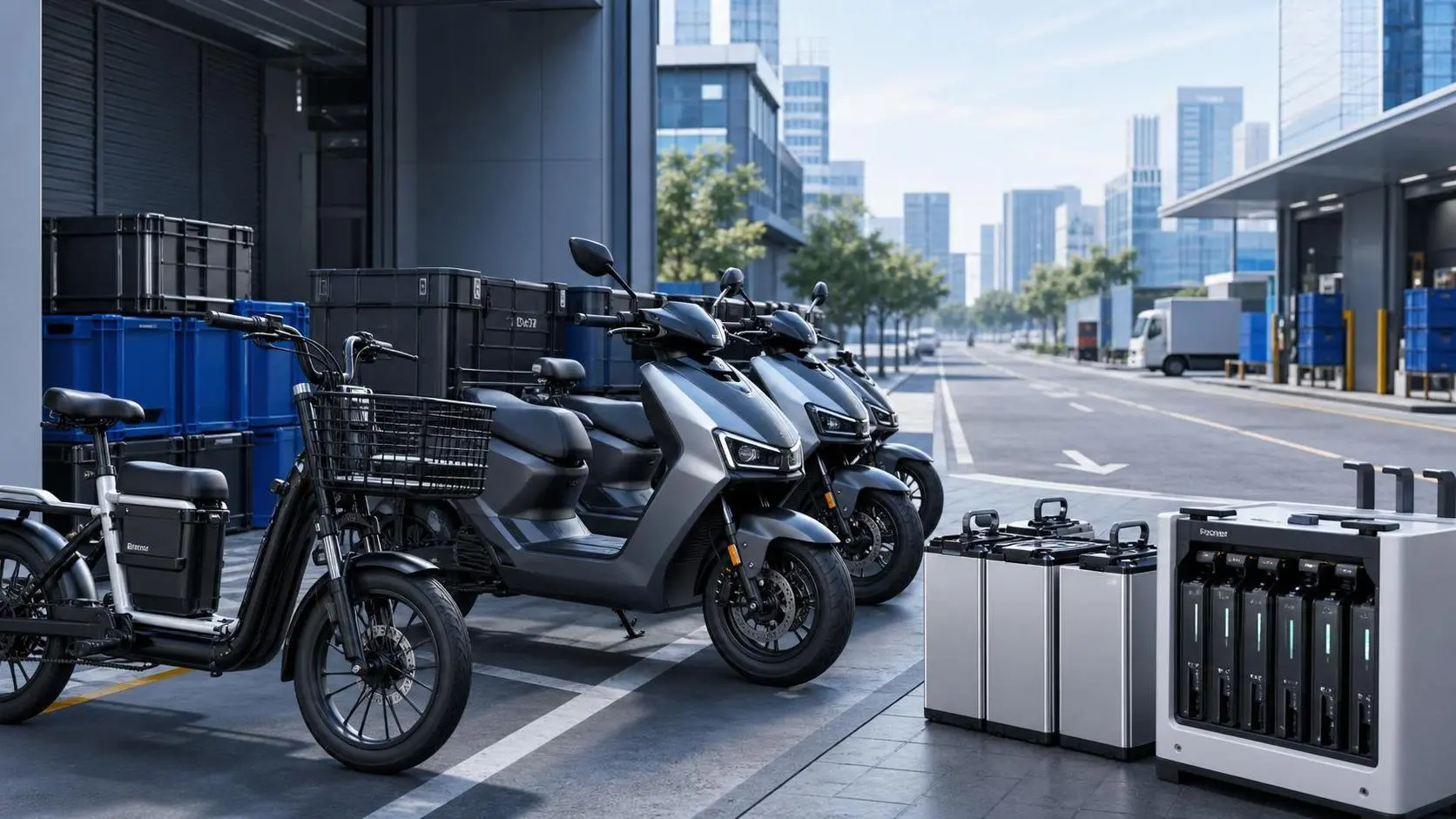
What Makes a Last-Mile Revolution Provider Worth Evaluating for Urban Delivery Projects?
Last-mile revolution provider evaluation starts with fleet fit, battery strategy, compliance, and uptime. Learn how to choose a partner that can scale urban delivery reliably.

E Scooter Resort Applications: Best Use Cases for Guest Mobility and Staff Transport
E scooter resort applications work best when matched to layout, terrain, and operations. Explore the best guest mobility and staff transport use cases for resorts.

How to Choose Shared Fleet Scooters for Operators: Range, Durability, and Service Needs
Shared fleet scooter for operators: learn how to compare real-world range, durability, and service needs to reduce downtime, improve ROI, and choose fleet-ready models with confidence.
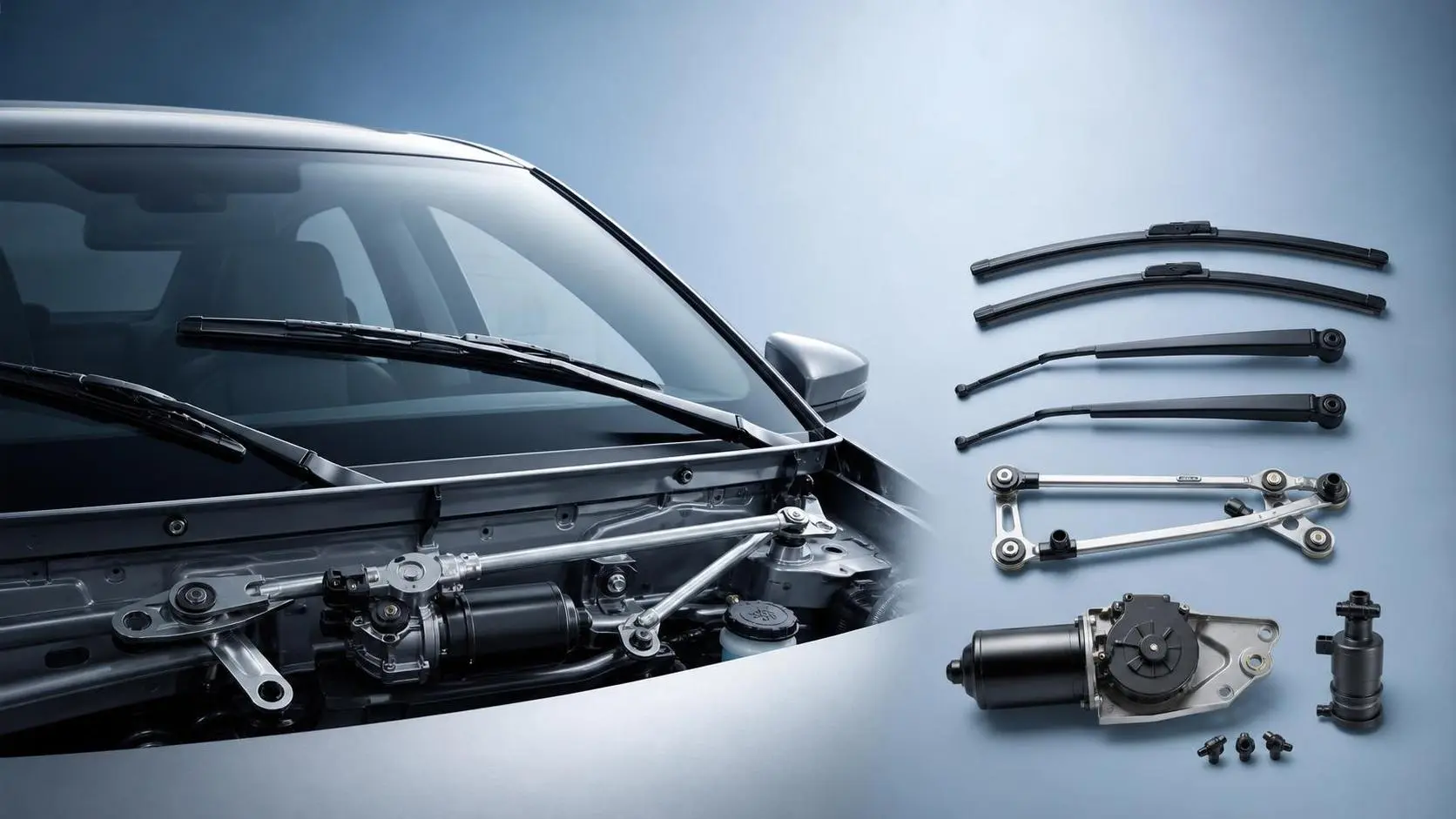
Replacement Wiper System Components Explained: Parts, Fitment, and When to Replace
Replacement wiper system components explained clearly: discover key parts, fitment checks, failure signs, and smart replacement tips to improve safety, reduce callbacks, and keep visibility reliable.
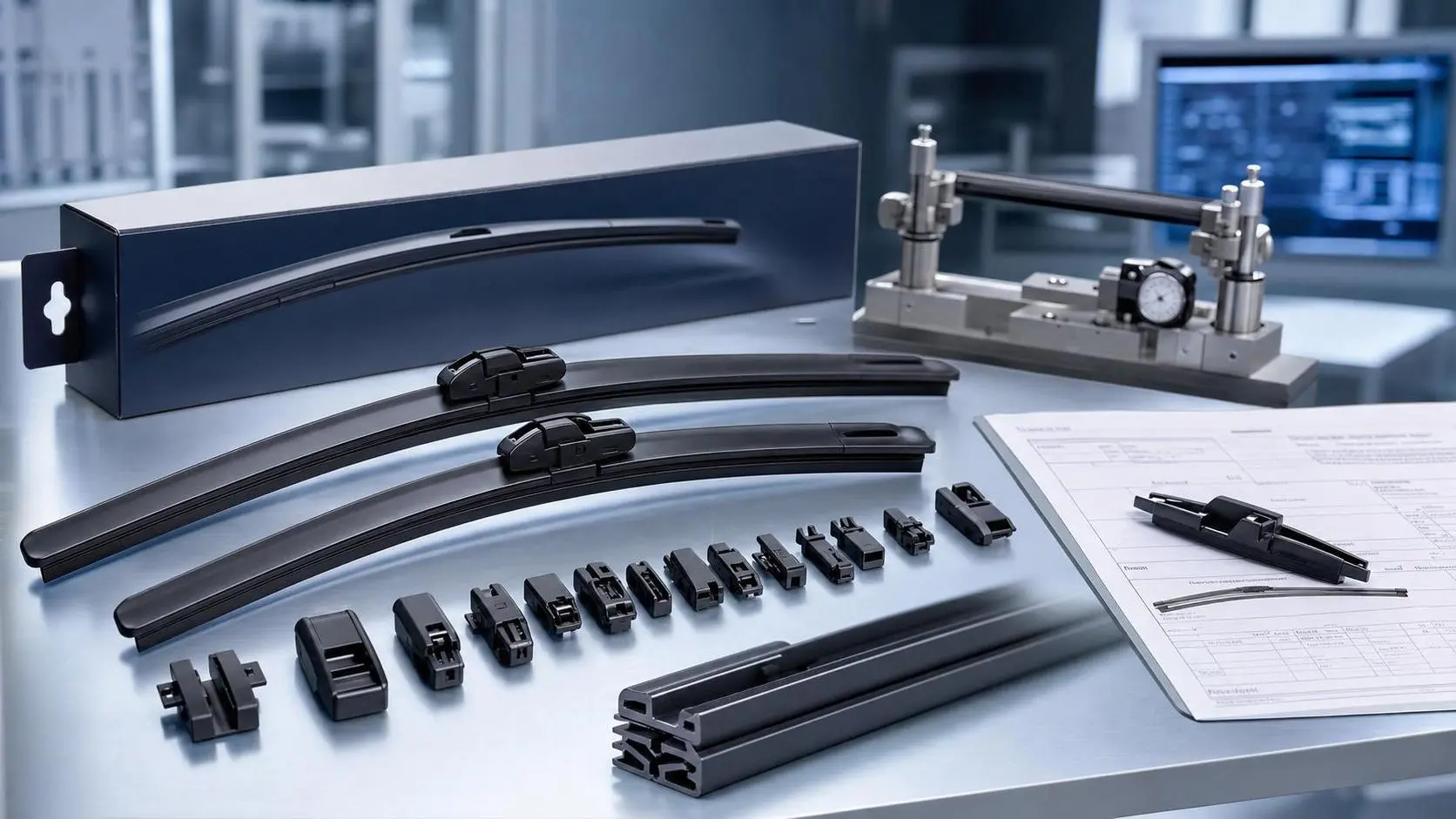
Flat Wiper Blades Wholesale Buying Guide: MOQ, Rubber Quality, Fitment, and Supplier Checks
Flat wiper blades wholesale buying guide covering MOQ, rubber quality, fitment accuracy, and supplier checks to reduce risk, improve margins, and choose reliable bulk partners.

Ebike Market USA: What Dealers Should Know About Demand Shifts, Pricing, and Product Mix
ebike market USA is shifting fast. Discover how demand segmentation, pricing pressure, and smarter product mix decisions can help dealers protect margins and grow.

Wiper Systems for Scooters: Common Failure Points, Maintenance Tips, and Replacement Signs
Wiper systems for scooters: learn the most common failure points, smart maintenance tips, and clear replacement signs to improve visibility, reduce repeat repairs, and keep riders safer.

How to Choose Micro-Mobility Docking Stations for Shared Fleets and Public Charging Hubs
Micro-mobility docking stations: learn how to compare charging, locking, software, and site-fit factors to choose safer, smarter hubs for shared fleets and public use.