
Related News
- 00
0000-00
Urban Mobility Market Analysis: Demand Drivers, Policy Risks, and Revenue Models Compared - 00
0000-00
What Affects Urban Traffic Innovation Price in Smart City Transport Projects? - 00
0000-00
How to Evaluate a Battery Management Systems Exporter for Quality, Compliance, and Support - 00
0000-00
What Drives Urban Mobility Adoption in Congested Cities: Cost, Convenience, and Policy - 00
0000-00
How to Verify Micro Mobility Technical Credibility Before Supplier Approval
Ms. Elena Rodriguez
Weekly Insights
Stay ahead with our curated technology reports delivered every Monday.
Last Mile Transportation Models That Cut Delivery Costs





For business evaluators under pressure to improve margins, the right last mile transportation model does more than move parcels faster. It changes route economics, labor utilization, energy costs, and service reliability.
In dense cities, rising fuel prices, curb congestion, and stricter emissions policies make traditional van-heavy delivery less efficient. That is why last mile transportation now includes e-bikes, smart e-scooters, cargo two-wheelers, micro-hubs, and software-led dispatch systems.
For UMMS, this shift matters because two-wheeler electrification and intelligent fleet coordination are becoming central to urban delivery design. The most cost-effective model depends on operating scene, order density, payload, range, and local infrastructure.
Why delivery cost outcomes change by last mile transportation scene
No single last mile transportation setup cuts costs everywhere. A crowded city center, a mixed residential district, and a suburban corridor create very different delivery constraints.
The most important variables are stop frequency, average drop distance, parking friction, parcel size, rider safety, and local charging access. Cost reduction comes from matching mobility format to those variables.
This is where micro-mobility systems outperform broad fleet assumptions. A smaller electric vehicle may reduce fuel and parking expenses, but only if route planning and package profiles also align.
Core decision factors before selecting a model
- Order density per square kilometer
- Average payload weight and parcel dimensions
- Urban access restrictions and parking time loss
- Weather exposure and road quality
- Battery charging or swapping availability
- Need for real-time fleet visibility and route optimization
Scene 1: Dense downtown routes favor e-bike last mile transportation
In compact urban cores, e-bike last mile transportation often delivers the strongest cost advantage. Travel distances are short, stops are frequent, and parking delays can destroy van productivity.
Electric bicycles lower energy spending, reduce curbside friction, and let riders complete more drops per hour in congestion-heavy districts. They also support low-emission goals without requiring large infrastructure investments.
This model works best when parcel sizes stay small to medium, route loops remain compact, and delivery windows reward agility over capacity. In many European and Asian city centers, this is the best first alternative to combustion vans.
When e-bikes cut costs most effectively
- High stop density within 3 to 8 kilometers
- Frequent parking restrictions or congestion charges
- Light commercial parcels or food delivery loads
- Strong cycling lane networks
Scene 2: Mixed neighborhood routes suit smart e-scooter and light fleet models
Some mixed-use districts need more flexibility than standard e-bike operations provide. Smart e-scooters and compact electric fleet models can perform well where routes are medium length and delivery speed matters.
The advantage is not only lower power cost. IoT tracking, battery monitoring, theft control, and dynamic dispatch make smart last mile transportation easier to manage at scale.
These models are valuable in restaurant delivery, pharmacy dispatch, urgent parts movement, and neighborhood retail replenishment. Their economics improve when software reduces idle time and balances route assignment by live traffic conditions.
Key judgment points for smart fleet use
- Need for real-time location and utilization data
- Short service windows with variable order spikes
- Moderate payloads and frequent trip reassignment
- Importance of remote diagnostics and battery health control
Scene 3: Larger payload corridors need cargo e-bikes or high-speed electric two-wheelers
When orders are heavier or service areas stretch farther, basic micro-mobility may become inefficient. In these scenes, cargo e-bikes and high-speed electric motorcycles offer a stronger balance of range, speed, and carrying capacity.
Cargo e-bikes work well for scheduled urban replenishment, parcel rounds, and business district restocking. High-speed e-motorcycles fit urgent routes that extend beyond central cores but still benefit from two-wheeler agility.
For UMMS sectors, this is where battery management, drivetrain durability, thermal performance, and component reliability become operational cost factors. Lower downtime often matters as much as lower energy cost.
Best-fit indicators for this scene
- Payloads exceed standard backpack or box limits
- Service area is too spread out for basic e-bikes
- Route speed affects service-level penalties
- Battery swapping or fast charging is available
Scene 4: Suburban and edge-of-city delivery works best with hybrid last mile transportation
Suburban zones usually expose the limits of single-format fleets. Delivery points are farther apart, road speeds are higher, and order clusters are less predictable.
Here, a hybrid last mile transportation model often cuts cost best. A van or truck feeds a micro-hub, then electric two-wheelers handle final neighborhood drops.
This structure reduces failed parking time in local streets while preserving trunk capacity for regional movement. It also helps organizations enter low-emission zones without redesigning the entire distribution network at once.
How different scenes change last mile transportation requirements
Practical recommendations for choosing a cost-cutting model
The best last mile transportation strategy usually starts with route segmentation, not vehicle preference. Separate deliveries by distance, parcel size, stop density, and service urgency before comparing equipment.
- Map delivery scenes into downtown, mixed urban, heavy-load, and suburban categories.
- Measure total cost per drop, including labor, downtime, parking, charging, and maintenance.
- Pilot one electrified two-wheeler model in the most route-dense zone first.
- Add telematics, route optimization, and battery analytics before scaling fleet count.
- Review weather exposure, rider safety, and local regulation before final rollout.
This stepwise method lowers transition risk and reveals where last mile transportation savings are structural rather than temporary. It also shows whether the real issue is vehicle mismatch or weak scheduling logic.
Common mistakes that weaken last mile transportation savings
A common error is choosing vehicles only by purchase price. A cheaper unit may create higher labor cost if it cannot complete enough drops per shift.
Another mistake is ignoring battery lifecycle and charging downtime. In electrified fleets, energy management strategy strongly influences real operating cost.
Some operations also overestimate speed and underestimate curb friction. In many cities, a slower-looking two-wheeler wins because it avoids parking loops, detours, and access delays.
Finally, many deployments fail to link hardware with software. Last mile transportation delivers better margins when route intelligence, asset tracking, and maintenance data work together.
Next steps for evaluating your best-fit last mile transportation model
Start with one question: which delivery scene is driving the most avoidable cost today? The answer usually points to the first model worth testing.
Use a short pilot to compare vans, e-bikes, smart e-scooters, cargo bikes, or hybrid hub systems on identical route metrics. Track cost per stop, completion time, maintenance events, and battery performance.
As urban mobility keeps electrifying, last mile transportation decisions will increasingly depend on micro-mobility intelligence, component reliability, and software visibility. Organizations that match model to scene will cut delivery costs faster and build more resilient urban operations.
UMMS continues to observe this transition across e-bikes, smart e-scooters, high-speed e-motorcycles, and connected system design, where the future of efficient last mile transportation is already taking shape.
Related News
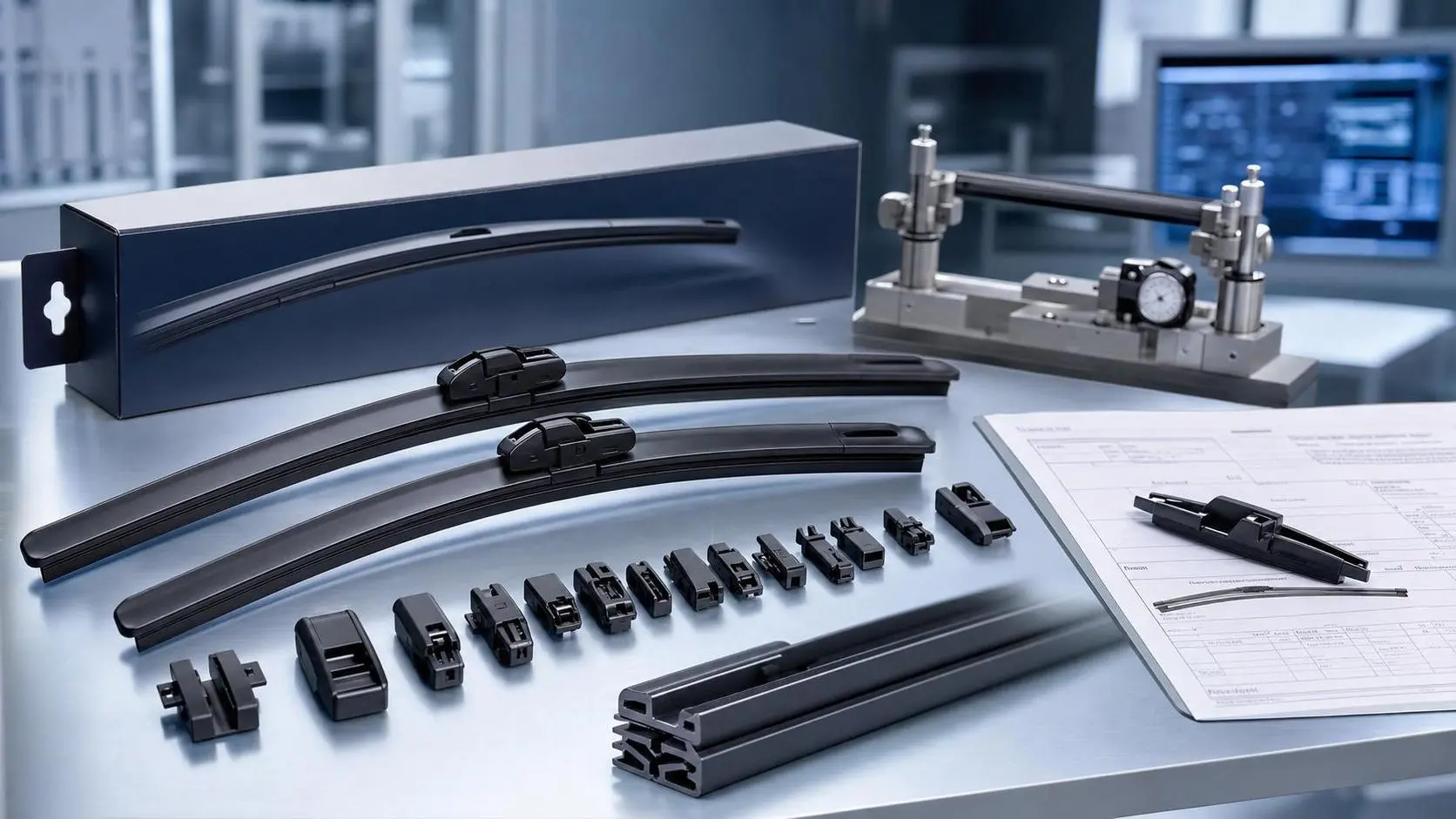
Flat Wiper Blades Wholesale Buying Guide: MOQ, Rubber Quality, Fitment, and Supplier Checks
Flat wiper blades wholesale buying guide covering MOQ, rubber quality, fitment accuracy, and supplier checks to reduce risk, improve margins, and choose reliable bulk partners.
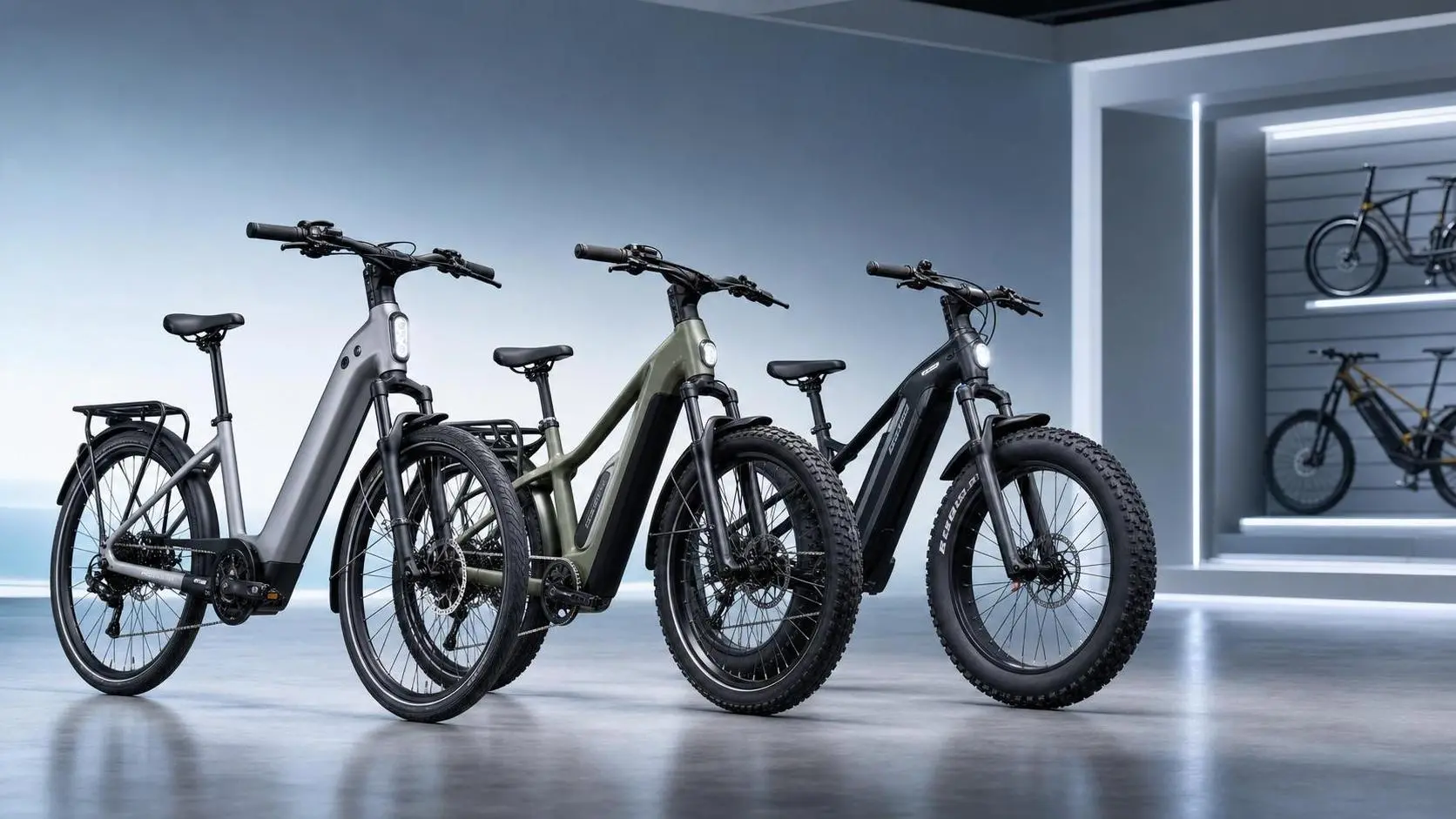
Ebike Market USA: What Dealers Should Know About Demand Shifts, Pricing, and Product Mix
ebike market USA is shifting fast. Discover how demand segmentation, pricing pressure, and smarter product mix decisions can help dealers protect margins and grow.
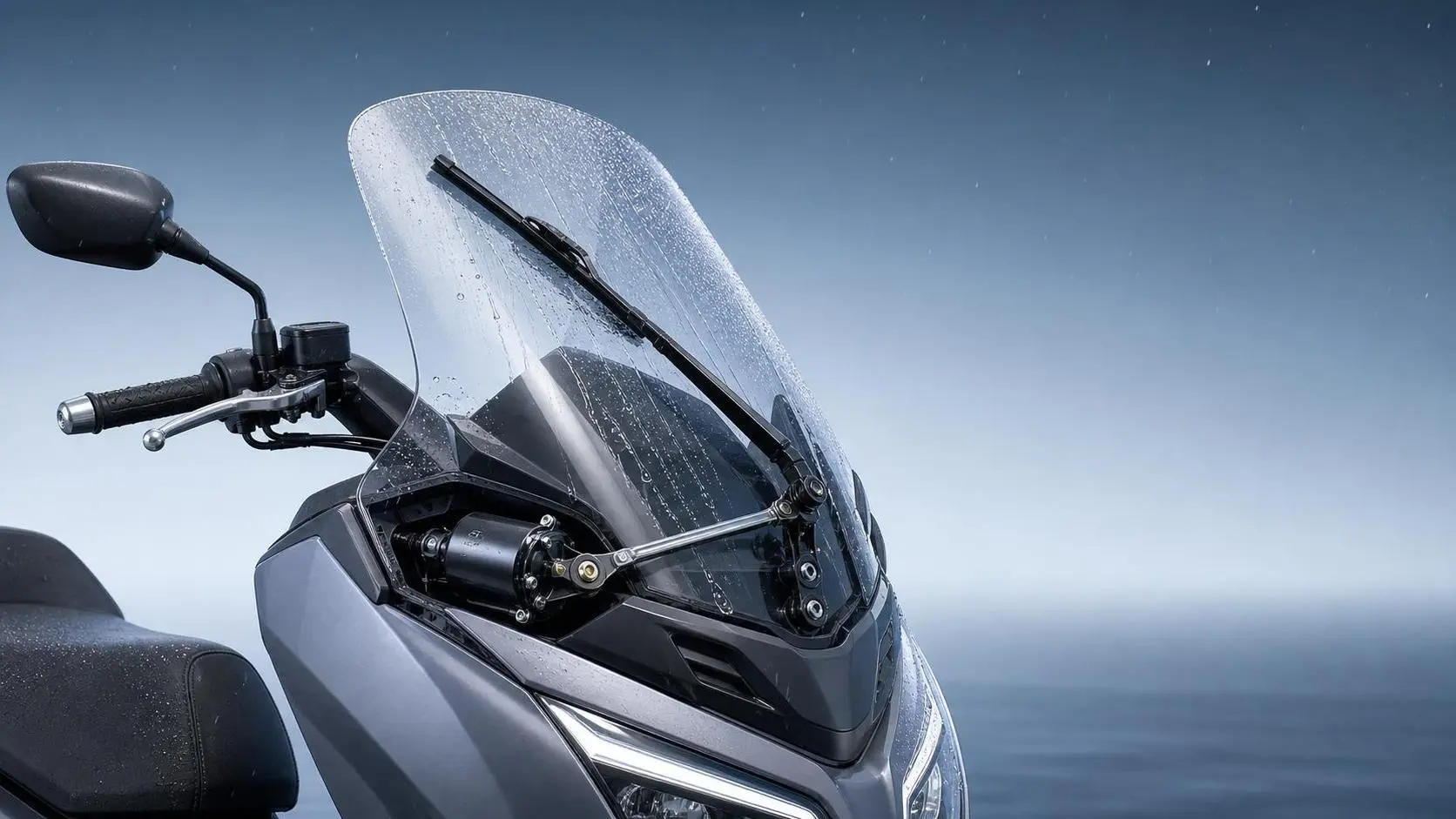
Wiper Systems for Scooters: Common Failure Points, Maintenance Tips, and Replacement Signs
Wiper systems for scooters: learn the most common failure points, smart maintenance tips, and clear replacement signs to improve visibility, reduce repeat repairs, and keep riders safer.
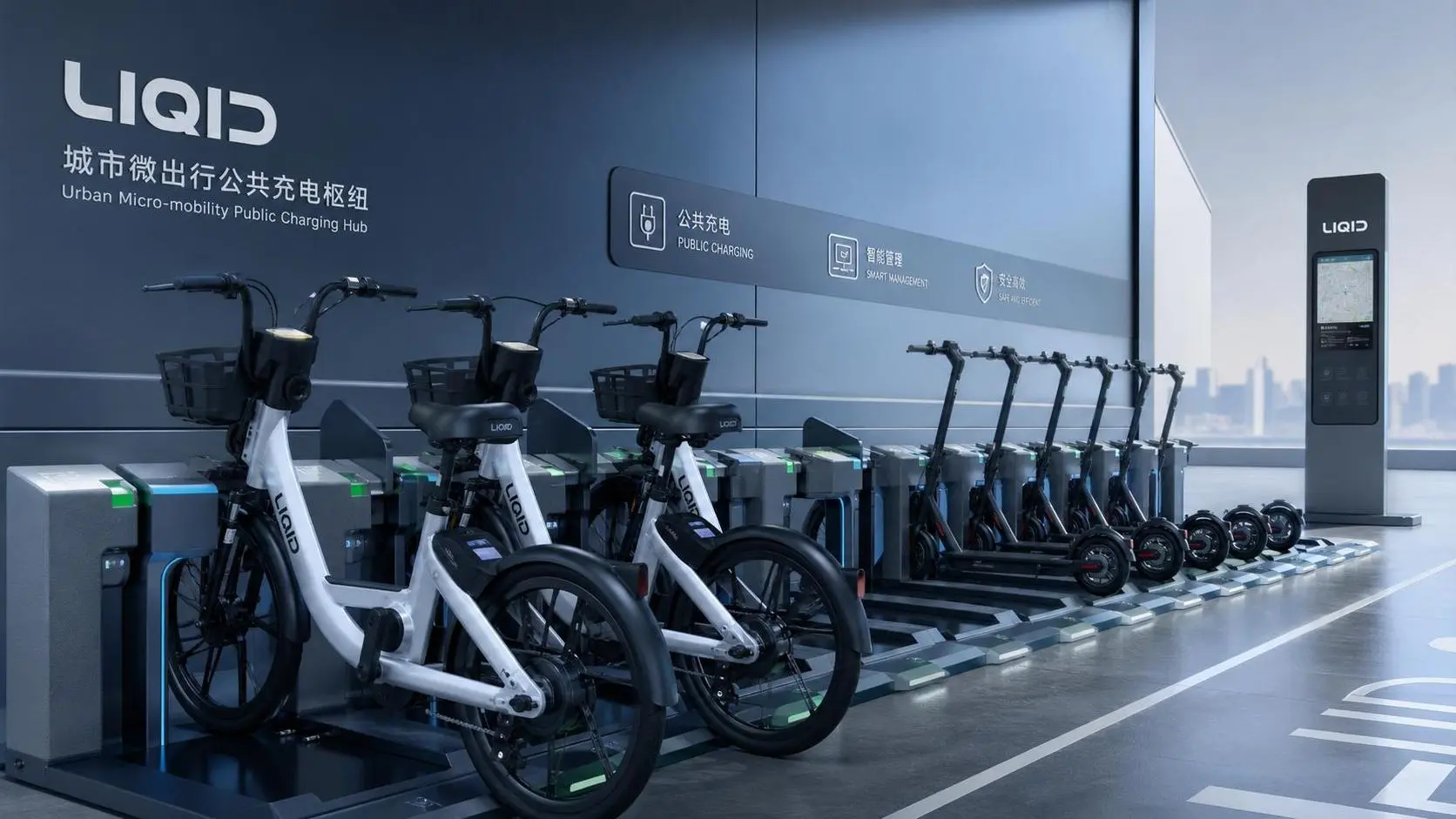
How to Choose Micro-Mobility Docking Stations for Shared Fleets and Public Charging Hubs
Micro-mobility docking stations: learn how to compare charging, locking, software, and site-fit factors to choose safer, smarter hubs for shared fleets and public use.
Powertrain Heat Management Explained: Key Design Factors for EV Efficiency and Battery Life
Powertrain heat management explained for EVs: discover how thermal design boosts efficiency, protects battery life, improves safety, and sustains real-world performance.
Urban Mobility Market Analysis: Demand Drivers, Policy Risks, and Revenue Models Compared
Urban mobility market analysis compares demand drivers, policy risks, and revenue models across e-bikes, scooters, and e-motorcycles to reveal where growth is durable.
Shared Mobility Compliance Checklist: Permits, Safety Rules, and Fleet Data Requirements
Shared mobility compliance made simple: explore a practical checklist for permits, safety rules, and fleet data requirements to launch faster, reduce risk, and stay audit-ready.
What Affects Ebike Energy Efficiency? Battery Size, Rider Weight, Terrain, and Speed
Ebike energy efficiency explained: learn how battery size, rider weight, terrain, and speed shape real-world range, lower Wh/km, and smarter buying or commuting decisions.
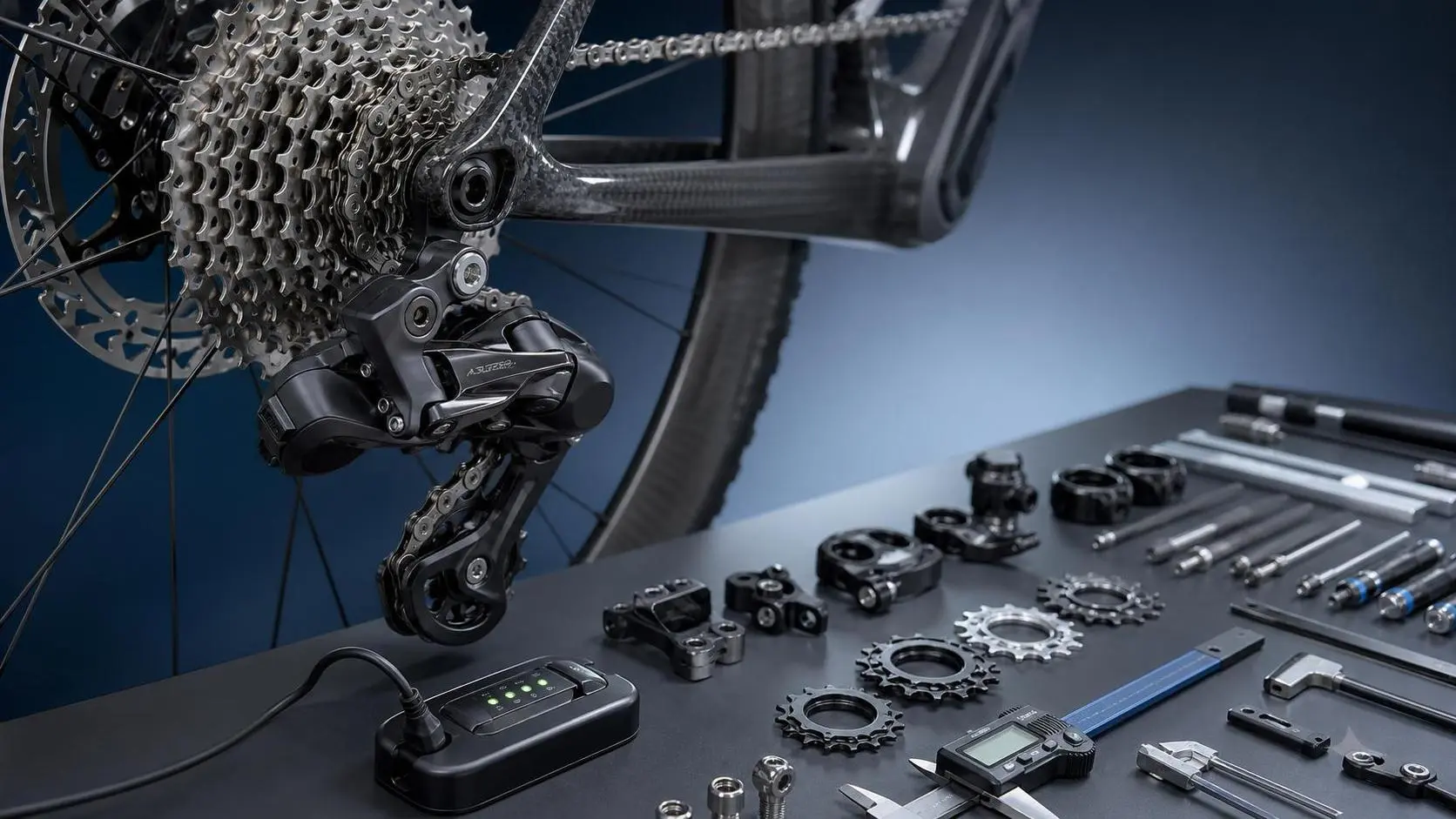
Wireless Electronic Shifting in North America: Compatibility, Standards, and Upgrade Limits
Wireless electronic shifting North America explained: compare compatibility, FCC/ISED standards, retrofit limits, and upgrade risks before choosing the right platform.