
Related News
- 00
0000-00
How to Evaluate Core Component Suppliers for Electric Motorcycles Before Sourcing? - 00
0000-00
Electric Motorcycle Systems Price Breakdown: What Affects Cost From Battery to Controller? - 00
0000-00
Micro-mobility Systems Explained: Core Components, Operating Models, and City Use Cases - 00
0000-00
Electrification Strategies in Europe: Policy, Charging, and ROI Factors for Fleet Planning - 00
0000-00
OEM Market Share in Electric Motorcycles: What It Reveals About Brand Positioning
Ms. Elena Rodriguez
Weekly Insights
Stay ahead with our curated technology reports delivered every Monday.
Carbon Neutrality in Mobility Projects: How to Evaluate Cost, ROI, and Compliance Priorities





Carbon neutrality has moved far beyond brand storytelling in mobility. In e-bikes, smart e-scooters, high-speed e-motorcycles, and connected component systems, it now shapes cost models, investment timing, and market access.
That is why carbon neutrality decisions should not start with slogans. They should start with data, asset life, energy use, supplier transparency, and the real compliance path across target regions.
For urban mobility projects, the best outcome is rarely the lowest upfront price. It is usually the option that protects margin, lowers operating risk, and stays compliant as regulations tighten.
UMMS tracks this shift closely through its Strategic Intelligence Center, linking drivetrain efficiency, battery logic, safety systems, and policy changes into practical signals for low-carbon investment decisions.
Start with total project cost, not unit price
A mobility project can look affordable on paper and still become expensive in operation. Carbon neutrality analysis works better when cost includes procurement, energy, maintenance, software updates, recycling, and reporting needs.
This matters especially in micro-mobility, where fleet utilization, charging cycles, weather exposure, and spare-part replacement quickly change the economics.
- Map five-year cost by vehicle, battery, charger, software, and service support to see whether a lower bid actually increases carbon neutrality costs later.
- Separate fixed and variable energy costs early, because charging profile, peak electricity pricing, and idle asset time can change ROI faster than hardware discounts.
- Check replacement intervals for brake systems, tires, battery modules, and electronic controls, since hidden service frequency often weakens carbon neutrality payback assumptions.
- Include data management costs for emissions tracking, supplier declarations, and compliance reporting, especially when projects span several cities or export markets.
- Stress-test the model with low utilization and high maintenance scenarios, because the safest carbon neutrality investment is one that survives weak operating months.
A quick reality check for two-wheeler programs
In e-bike and shared scooter deployments, battery swaps, charger compatibility, and downtime often matter more than a small difference in purchase price. A cheaper platform may drain value if it creates fragmented maintenance workflows.
The same logic applies to high-speed e-motorcycles. Better thermal management and stronger battery diagnostics usually improve both operating efficiency and carbon neutrality reporting quality over time.
Define ROI using operational outcomes
ROI in carbon neutrality projects should be practical, not abstract. It should connect carbon reduction to uptime, energy efficiency, subsidy access, resale value, and reduced compliance disruption.
That makes ROI easier to defend internally. It also prevents projects from relying on one weak metric, such as estimated emissions savings without operational validation.
- Use three ROI layers: direct savings, risk reduction, and revenue protection, so carbon neutrality is measured as a business system rather than a marketing add-on.
- Track energy per kilometer, battery degradation rate, and maintenance downtime together, because isolated efficiency numbers can hide poor real-world fleet performance.
- Count policy-linked gains such as subsidies, green procurement eligibility, and low-emission zone access when comparing standard and low-carbon mobility options.
- Model residual value carefully, since assets with traceable battery history and stronger carbon neutrality documentation often hold value better in secondary markets.
- Set a review point at 6 and 12 months, using actual utilization and service records to correct early ROI assumptions before expansion decisions.
Put compliance priorities on the table early
Many projects treat compliance as a final checkpoint. In carbon neutrality planning, that is risky. Regulations on battery traceability, recycling, product safety, right-of-way, and emissions disclosure can change the business case quickly.
UMMS regularly monitors subsidy rules, urban access policies, and technical evolution across micro-mobility categories. That kind of intelligence is useful because compliance priorities differ by vehicle type and target geography.
- List mandatory certifications, battery documentation, and recycling obligations before supplier comparison, otherwise low-price offers may fail carbon neutrality compliance later.
- Verify whether local rules affect shared scooters, e-bikes, or high-speed models differently, because one platform may not scale across all intended operating zones.
- Ask suppliers for auditable material, energy, and end-of-life data, since unsupported carbon neutrality claims can create legal and reputational exposure.
- Review software and IoT requirements together with hardware compliance, especially when usage data supports emissions reporting or public procurement eligibility.
- Build a compliance update rhythm every quarter, because policy movement can alter total cost, available incentives, and launch timing with little warning.
Where projects often misjudge risk
A common mistake is assuming that a technically efficient product automatically supports carbon neutrality targets. Without reliable upstream data, recycling pathways, and market-specific approvals, efficiency alone is not enough.
Another missed issue is fragmented sourcing. If battery packs, controls, sensors, and precision drivetrain components come from separate systems with weak traceability, compliance work becomes slower and more expensive.
Compare suppliers through a carbon neutrality lens
Supplier evaluation should show how each partner supports performance, documentation, and scale. This is especially important in mobility categories where technology and regulation are both moving fast.
For example, a supplier with strong battery management logic, efficient powertrain design, and better reporting discipline may outperform a cheaper option over the full asset lifecycle.
- Score suppliers on efficiency, failure rate, reporting quality, and upgrade support, not only purchase price, to make carbon neutrality comparisons more realistic.
- Request proof of battery safety, thermal management, and component durability, because these factors directly influence lifetime emissions and operating cost.
- Assess engineering responsiveness for firmware updates, sensor integration, and diagnostics, especially in smart e-scooter and connected fleet environments.
- Review component compatibility across motors, controllers, derailleurs, wiper systems, and charging infrastructure where relevant, since integration gaps increase hidden costs.
- Prefer partners with credible intelligence support on export rules and subsidy trends, because carbon neutrality value depends partly on future market fit.
Adjust the approach by mobility scenario
In urban e-bike programs, carbon neutrality value often comes from energy efficiency, service simplicity, and access to subsidy-friendly channels. Lightweight frames, dependable motors, and repairable battery systems usually matter most.
In shared smart e-scooter projects, the key checks are uptime, telematics reliability, vandalism resistance, and charging logistics. A solid carbon neutrality model here depends on asset survival, not just low electricity use.
For high-speed e-motorcycles, the decision usually shifts toward battery swapping readiness, thermal stability, and route intensity. Carbon neutrality gains rise when utilization is high and unplanned downtime stays low.
Even component-heavy categories like bicycle derailleur systems and smart wiper technologies should be reviewed through durability and power efficiency. Small component choices can still affect lifecycle cost and carbon neutrality claims.
A practical decision sequence
- Define operating scenario first, then align carbon neutrality targets with duty cycle, maintenance capability, and local compliance demands before choosing technology.
- Shortlist options only after lifecycle cost and documentation quality are visible, so procurement speed does not weaken long-term project resilience.
- Pilot with measurable KPIs, including uptime, energy use, failure frequency, and reporting accuracy, before scaling investment across regions or fleets.
- Use intelligence sources like UMMS to update assumptions on subsidy windows, component innovation, and policy shifts affecting carbon neutrality returns.
Move forward with fewer blind spots
The strongest carbon neutrality decisions in mobility do not chase a single number. They balance cost, ROI, and compliance in one clear framework, then pressure-test that framework against real operating conditions.
That is especially true in the micro-mobility space UMMS follows so closely, where batteries, powertrains, connected controls, and policy signals all interact. Small technical details can create large commercial consequences.
A useful next step is simple: compare current options using lifecycle cost, auditable carbon neutrality data, and market-specific compliance readiness on the same page. That usually makes the strongest choice much easier to see.
Related News
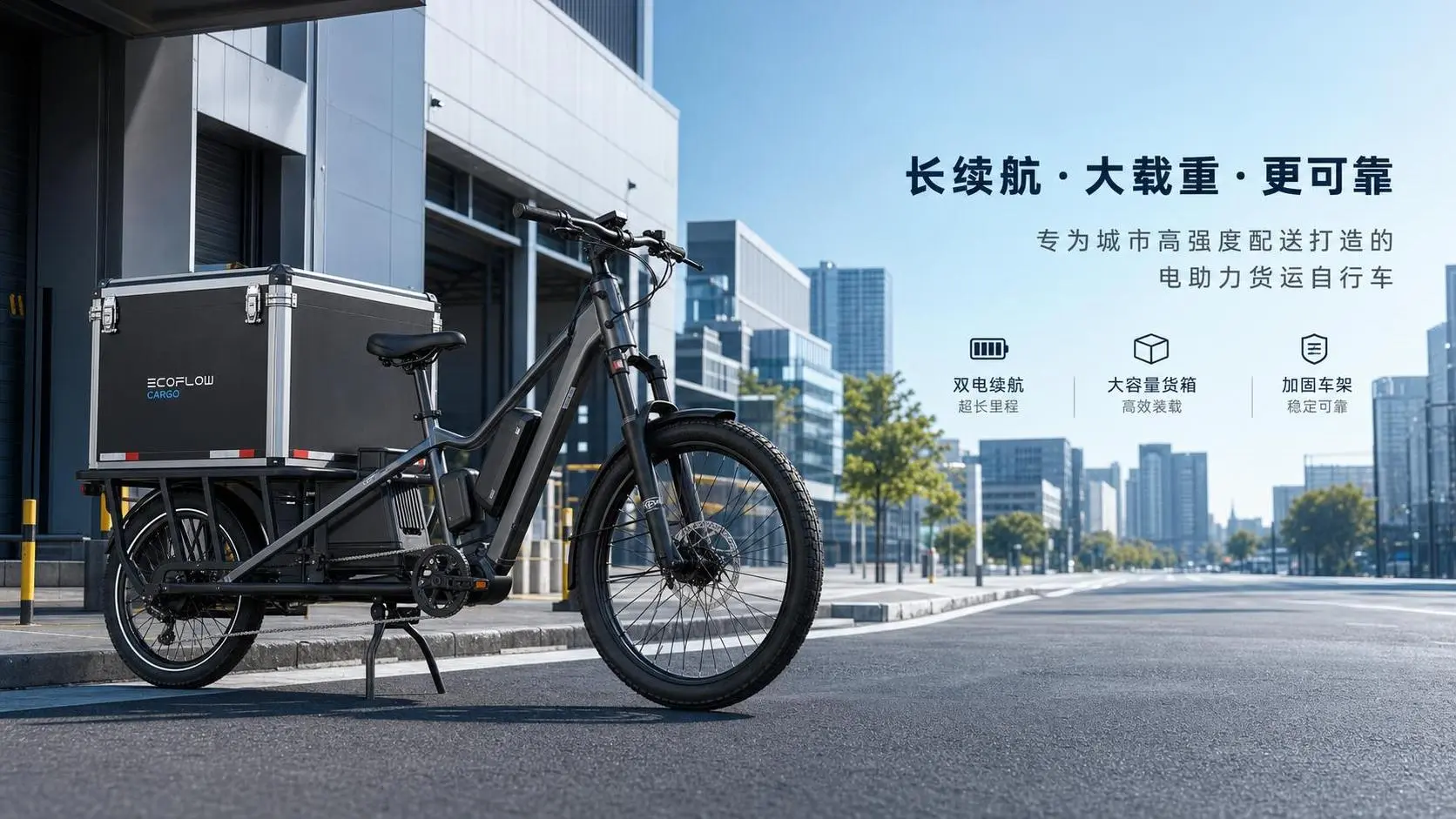
How to Choose a Long-Range Commercial Cargo E-Bike for Delivery Operations
Commercial cargo e-bike long range buying guide: learn how to assess battery, payload, route fit, and uptime support to choose a reliable delivery model with lower operating costs.
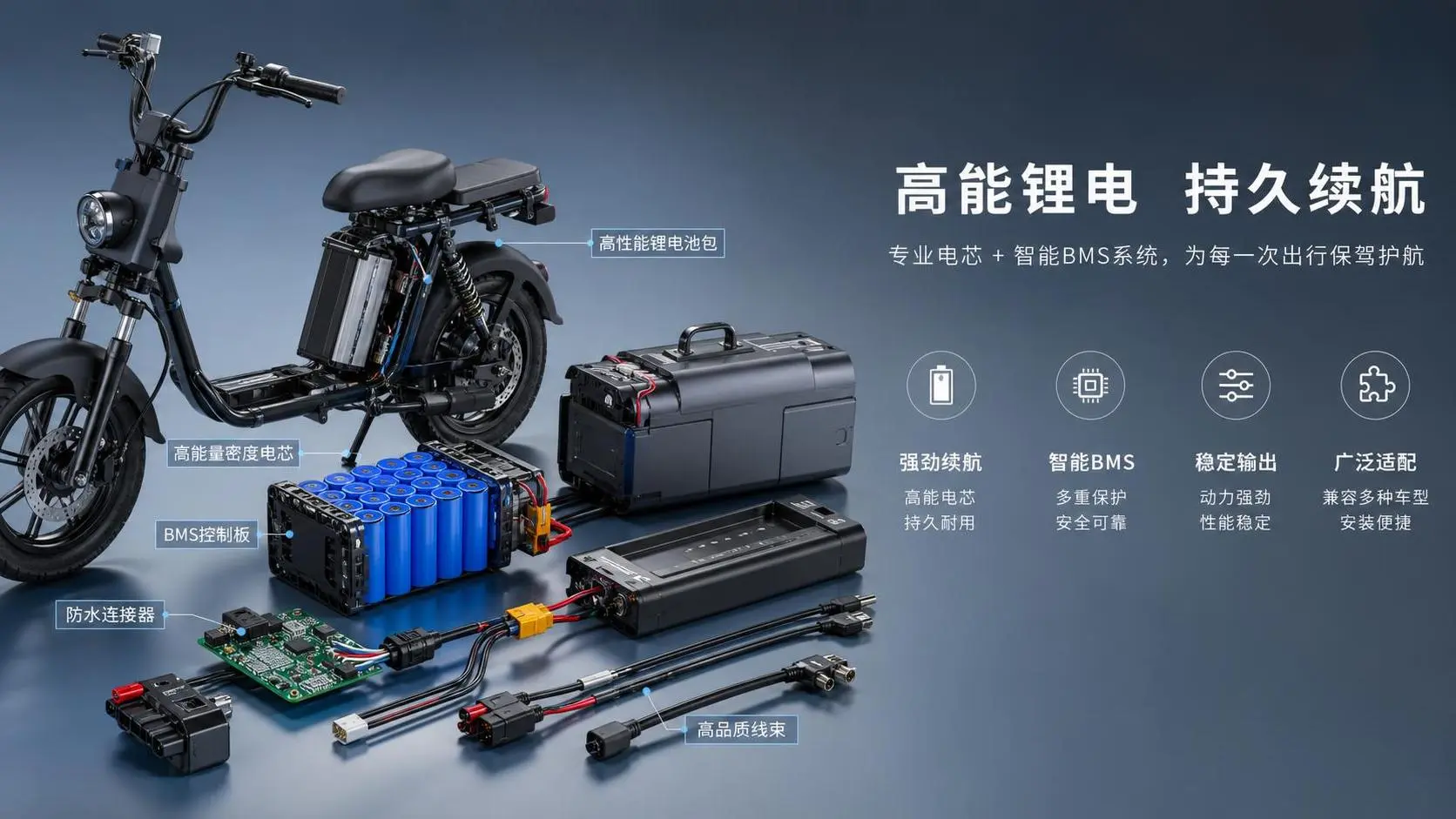
How to Select the Right E-Bike Battery Components for Range, Safety, and Fit?
E-bike component selection battery guide: learn how to choose the right battery components for better range, stronger safety, and perfect fit across modern e-bike platforms.
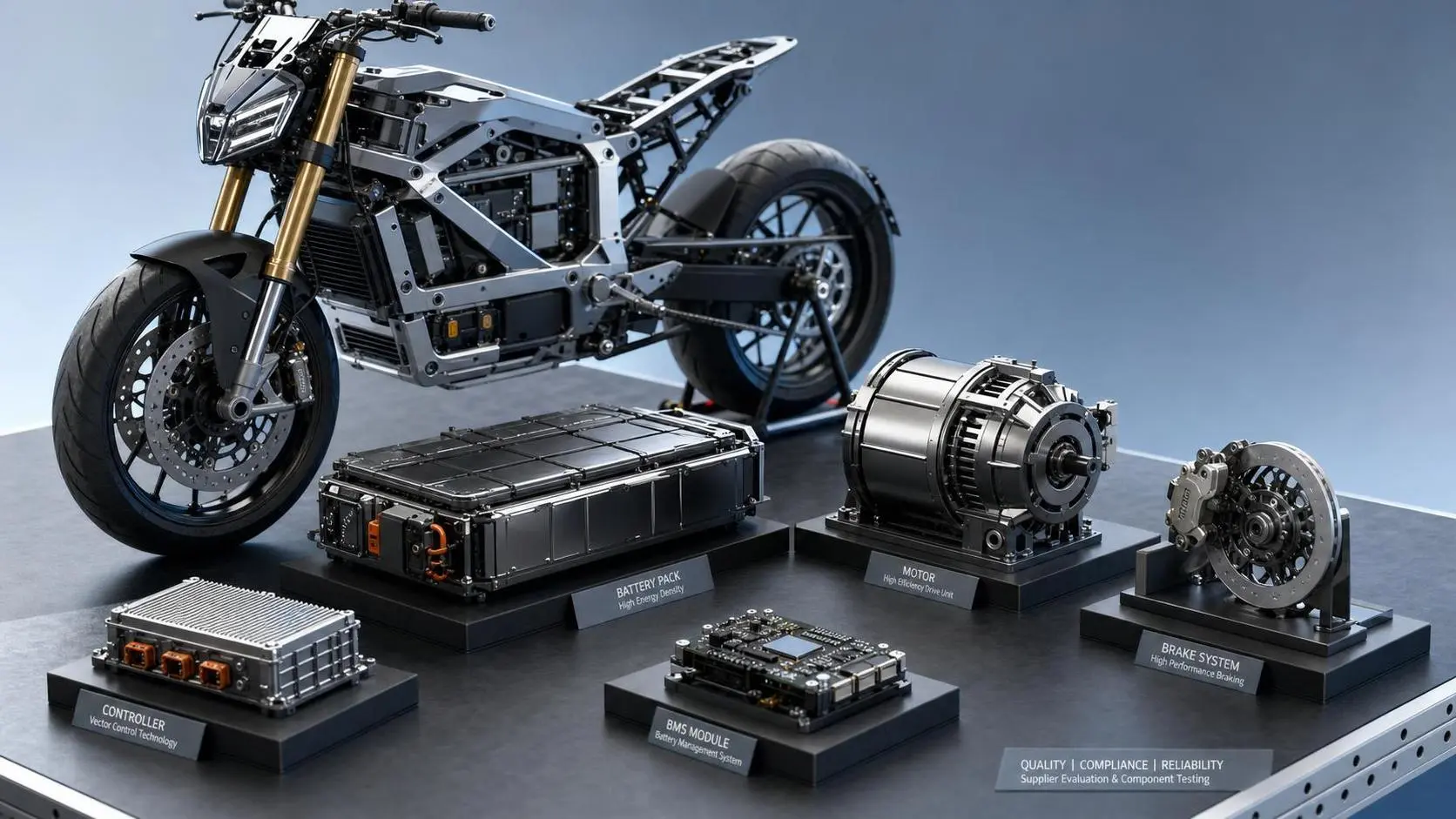
How to Evaluate Core Component Suppliers for Electric Motorcycles Before Sourcing?
Core component suppliers for electric motorcycles can make or break safety, compliance, and delivery. Learn how to assess technical strength, certifications, quality control, and hidden sourcing risks before you buy.
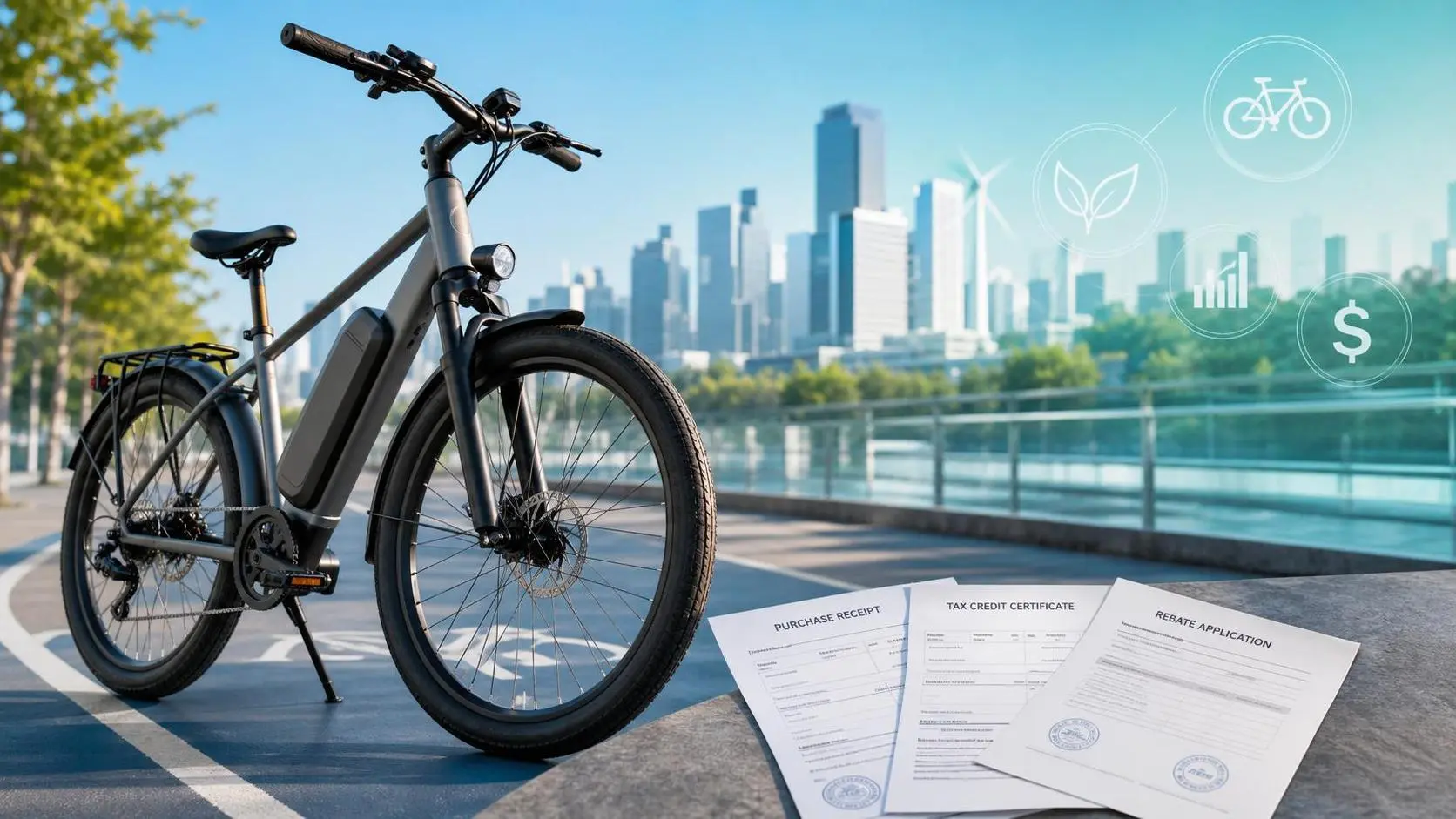
E-Bike Incentives Explained: How Riders Can Find Local Rebates and Tax Credits
E bike incentives explained: learn how to find local rebates, tax credits, and utility offers, avoid common mistakes, and cut the real cost of your next e-bike.

How to Choose Lightweight Scooter Frames in Europe: Materials, Standards, and Use Cases
Lightweight scooter frames Europe buyers need should balance materials, EN standards, durability, and real use cases. Discover how to choose safer, smarter, compliant frames.
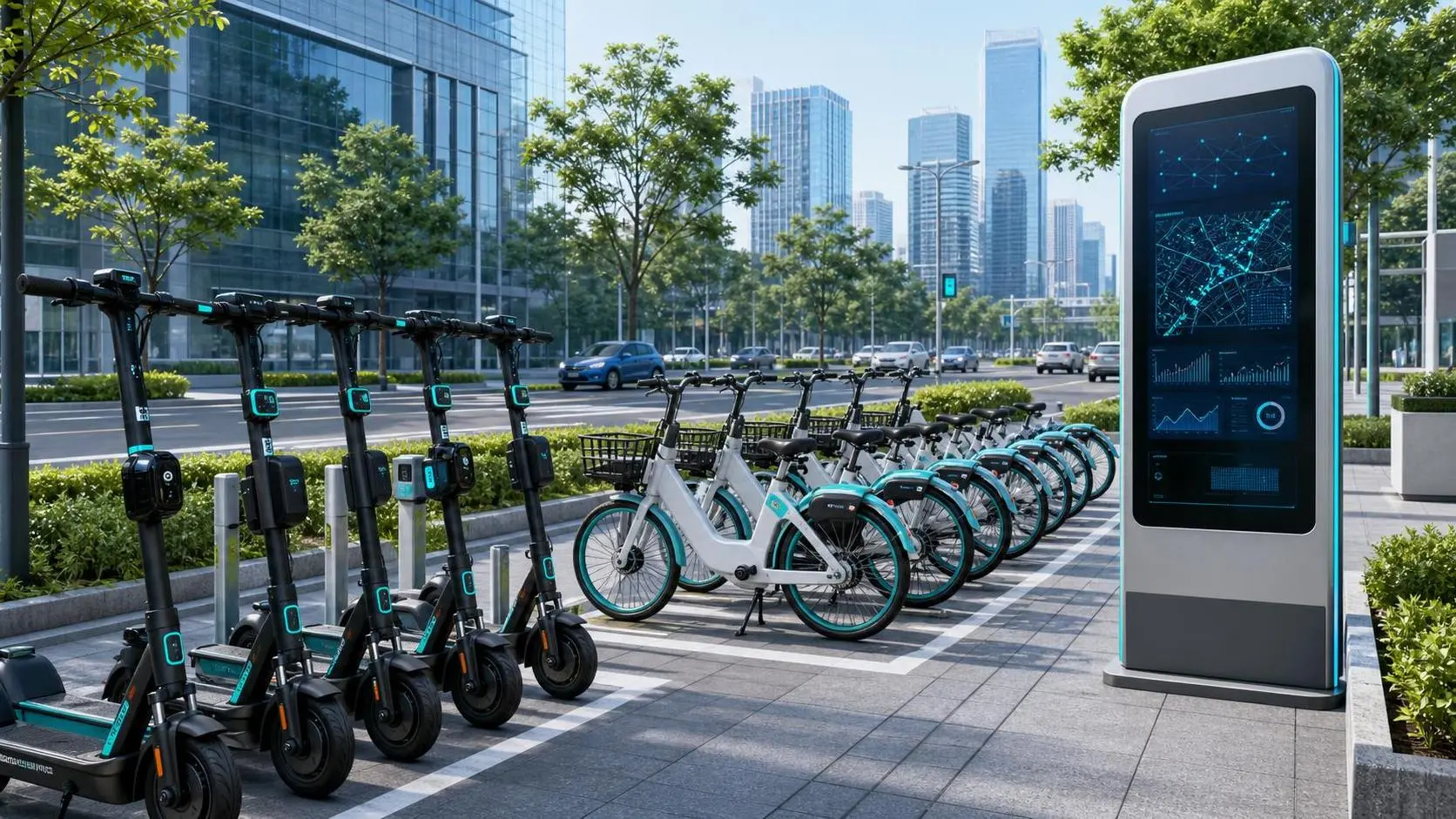
What Is the Intellectualization of Mobility Platform and How Is It Applied in Shared Fleets?
Intellectualization of mobility platform is reshaping shared fleets with real-time data, predictive maintenance, and smarter compliance—learn how it boosts safety, uptime, and urban mobility efficiency.
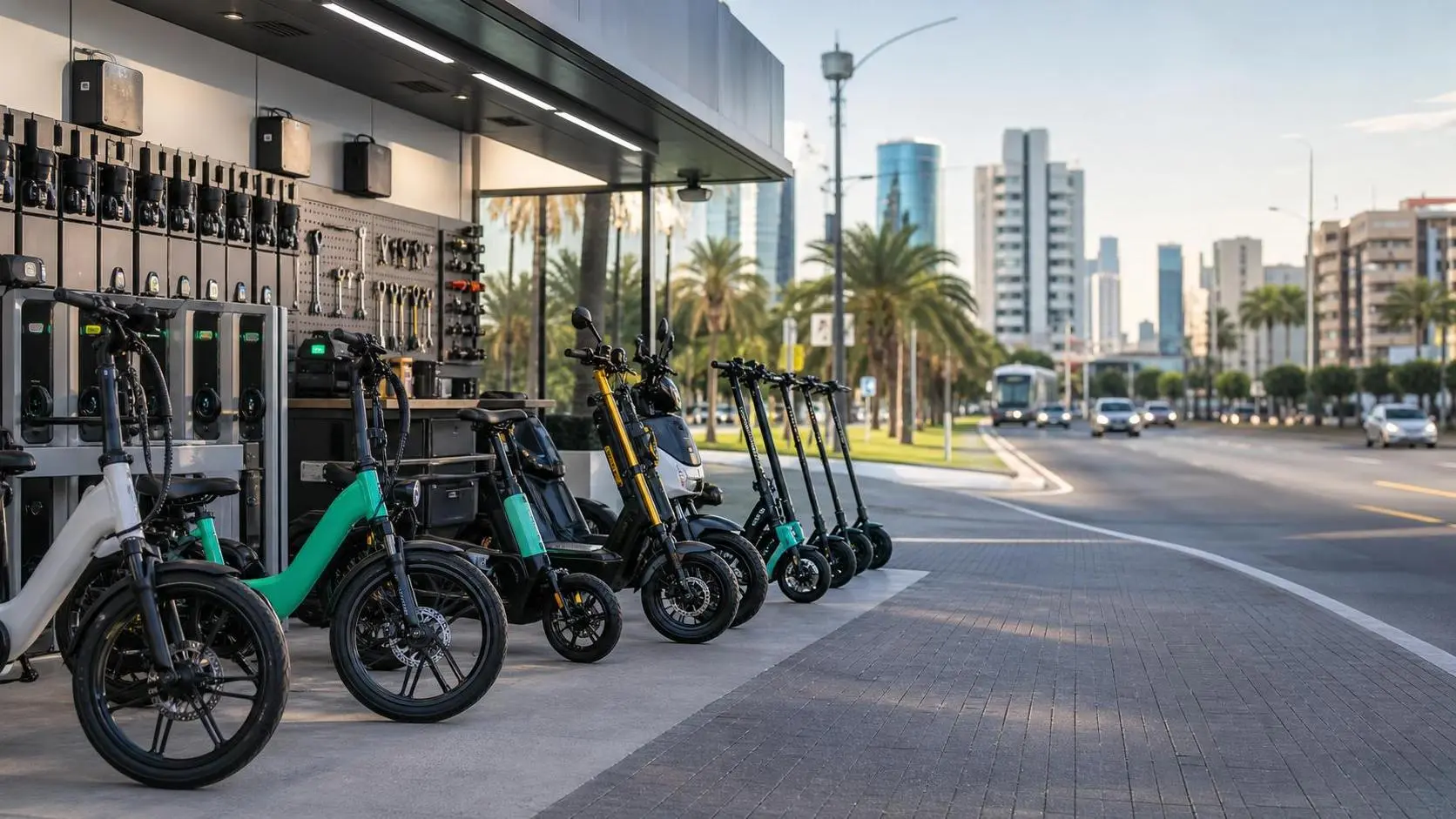
Urban Micro-Mobility Systems in Latin America: Key Market Drivers, Barriers, and Growth Segments
Urban micro-mobility systems Latin America are reshaping city transport. Explore key drivers, barriers, and high-growth segments to spot the region’s most investable opportunities.
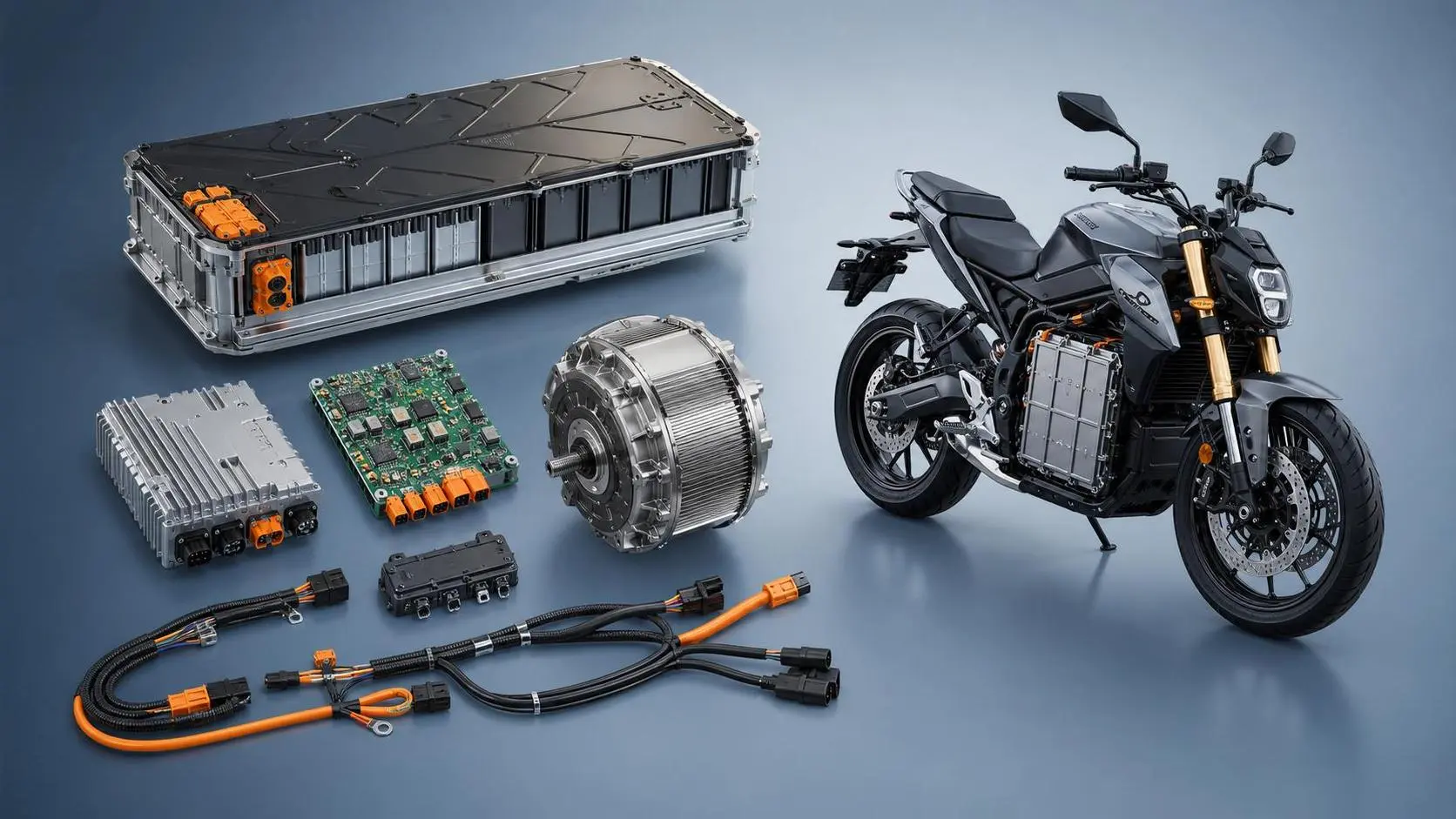
Electric Motorcycle Systems Price Breakdown: What Affects Cost From Battery to Controller?
Electric motorcycle systems price explained: see how battery, controller, motor, BMS, and wiring affect total cost, reliability, and sourcing value before you buy.
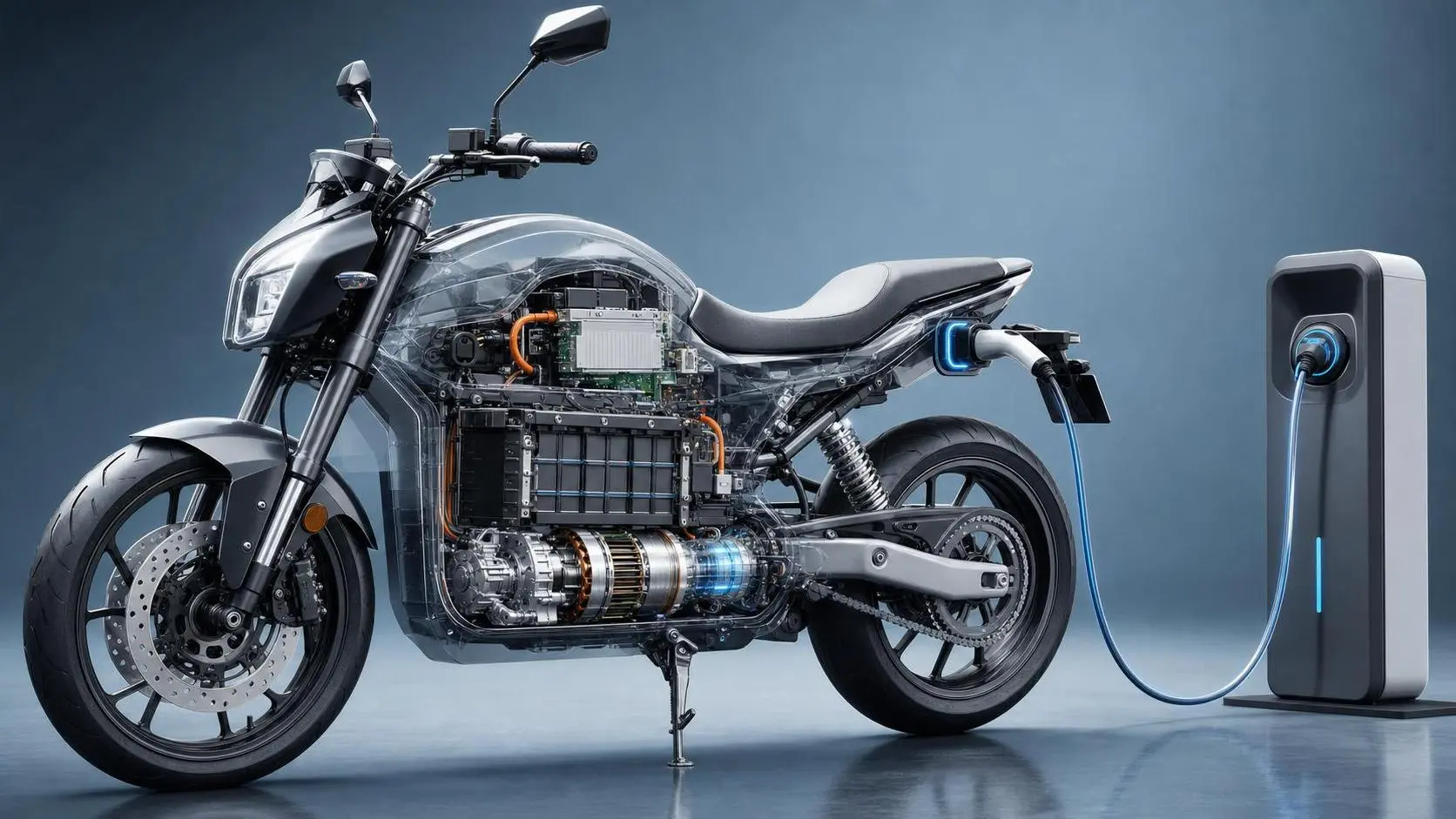
72V Electric Motorcycle Technology Explained: Motors, Controllers, Range, and Charging
Electric motorcycle technology 72V explained clearly: compare motors, controllers, range, battery design, and charging to choose a smoother, stronger, and smarter electric ride.