
Related News
- 00
0000-00
How to Evaluate Core Component Suppliers for Electric Motorcycles Before Sourcing? - 00
0000-00
Electric Motorcycle Systems Price Breakdown: What Affects Cost From Battery to Controller? - 00
0000-00
Micro-mobility Systems Explained: Core Components, Operating Models, and City Use Cases - 00
0000-00
Electrification Strategies in Europe: Policy, Charging, and ROI Factors for Fleet Planning - 00
0000-00
OEM Market Share in Electric Motorcycles: What It Reveals About Brand Positioning
Ms. Elena Rodriguez
Weekly Insights
Stay ahead with our curated technology reports delivered every Monday.
Two-Wheeled Mobility Tools Explained: Types, Use Cases, and Key Differences





Two-wheeled mobility tools now sit at the center of urban transport change. What once looked like a narrow category now spans commuting, delivery, recreation, fleet operations, and component innovation across global markets.
From e-bikes and smart e-scooters to high-speed e-motorcycles and advanced drivetrain systems, these products shape how cities handle congestion, energy use, and short-distance travel demand.
That is why understanding two-wheeled mobility tools matters beyond product labels. The real distinction lies in power architecture, use context, regulatory treatment, and the system-level value each category creates.
For a platform such as UMMS, which tracks electrification, drivetrain precision, battery logic, and micro-mobility policy, the topic is not simply about vehicles. It is about how technical decisions connect with low-carbon transport strategy.
What counts as two-wheeled mobility tools
In practical terms, two-wheeled mobility tools include both complete vehicles and critical systems that make those vehicles safer, smarter, and more efficient.
The vehicle side usually includes electric bicycles, shared or privately owned e-scooters, and high-speed electric motorcycles. Each serves a different travel radius, speed expectation, and infrastructure environment.
The systems side is equally important. Precision derailleur components, battery management logic, IoT modules, braking systems, and visibility technologies influence performance, service life, and rider confidence.
Even adjacent technologies such as compact wiper systems matter in specific use cases, especially where weather resilience and sensing accuracy support safer operation in dense urban conditions.
Why the category deserves attention now
Interest in two-wheeled mobility tools is rising because cities need transport options that are cleaner, lighter, and easier to deploy than traditional passenger vehicles.
Post-pandemic commuting patterns also changed demand. Many users now prefer flexible point-to-point travel instead of fixed transit schedules for short and medium distances.
At the same time, carbon targets and traffic pressure push governments toward subsidies, pilot programs, lane redesign, and new access rules for electric two-wheelers.
UMMS follows these signals closely because market growth does not depend on product novelty alone. It depends on regulation, charging ecosystems, component reliability, and total operating efficiency.
The main types and where each fits
Electric bicycles
E-bikes blend pedal input with electric assistance. They are usually the most versatile of the major two-wheeled mobility tools because they fit commuting, leisure riding, and light cargo movement.
They work well in cities where bicycle infrastructure already exists. Their appeal often comes from low energy use, lower ownership cost, and broad acceptance in daily travel.
Smart e-scooters
Smart e-scooters are built for short trips and dense urban circulation. Their strength is convenience, especially for first-mile and last-mile travel around transit stations, campuses, and business districts.
IoT connectivity is a major differentiator here. Fleet tracking, geofencing, remote diagnostics, and app-based access turn a simple scooter into a data-driven mobility node.
High-speed e-motorcycles
High-speed e-motorcycles serve a different purpose. They target longer travel, stronger acceleration, and performance expectations closer to conventional motorcycles.
This segment relies heavily on battery thermal management, safety engineering, and in some regions battery-swapping networks. The decision factors are less about convenience and more about power, endurance, and compliance.
Precision bicycle components
Not all two-wheeled mobility tools are complete vehicles. Derailleur systems, electronic shifting modules, and drivetrain parts shape ride quality and energy transfer in a very direct way.
This matters in both performance cycling and electric bicycles. A refined drivetrain can improve control, reduce wasted power, and support a better overall riding experience.
Key differences that change real-world decisions
The category may look unified from a distance, but the differences between two-wheeled mobility tools are commercially significant. Comparing them by price alone usually leads to poor decisions.
The first difference is power delivery. Pedal assist, throttle response, and full electric propulsion create very different riding behavior and infrastructure demands.
The second difference is data integration. Some two-wheeled mobility tools operate mainly as mechanical products, while others function as connected platforms with software, telemetry, and fleet intelligence.
The third difference is service environment. A personal commuter e-bike and a shared urban e-scooter may share components, yet their maintenance cycles, abuse exposure, and unit economics differ sharply.
Where business value really appears
The value of two-wheeled mobility tools is not limited to moving people. They influence operating models, export opportunities, infrastructure planning, and component specialization.
In retail markets, e-bikes benefit from lifestyle demand and practical daily use. In shared mobility, e-scooters create value through utilization rates, software control, and route density.
In higher-performance segments, e-motorcycles open room for battery platforms, thermal systems, and energy swapping services. In components, precision shifting and drivetrain technologies support premium positioning.
UMMS approaches this landscape as an intelligence network because the strongest opportunities often sit between categories. Policy, engineering, and market timing increasingly move together.
Signals worth tracking across the sector
Some trends deserve more attention than headline vehicle launches. They often explain why certain two-wheeled mobility tools scale faster than others.
- Battery management quality is becoming a trust indicator, not just a technical feature.
- Wireless and electronic drivetrain control is moving from niche innovation toward wider adoption.
- Shared mobility depends more on software governance than on hardware volume alone.
- Weather resilience and visibility safety can strongly affect fleet uptime and rider confidence.
- Subsidy policy and right-of-way rules still reshape demand faster than many product roadmaps.
This is where a strategic intelligence center adds value. It helps connect technical details, such as anti-interference protocols or sensor logic, with broader market outcomes.
How to evaluate two-wheeled mobility tools more effectively
A useful evaluation starts with scenario fit. The best product is rarely the one with the highest specification. It is the one that matches route length, speed needs, service conditions, and local rules.
It also helps to separate vehicle value from system value. A strong frame or motor may attract attention, but weak battery logic or poor component integration can undermine the whole platform.
When comparing two-wheeled mobility tools, focus on a few practical questions:
- What travel distance and speed profile does the product really serve?
- How dependent is performance on software, sensors, or connectivity?
- Which regulations affect classification, access, or subsidy eligibility?
- How robust are the drivetrain, battery, and safety systems under daily use?
- What service model supports uptime, replacement, and lifecycle cost control?
A practical way to move forward
Two-wheeled mobility tools should be read as a layered ecosystem, not a single product family. Vehicles, components, policy, data, and safety systems all influence which solutions win in real conditions.
That makes disciplined comparison more valuable than broad enthusiasm. Start by mapping use cases, then compare technical architecture, regulatory exposure, and supporting infrastructure.
From there, it becomes easier to judge whether an e-bike, a smart e-scooter, a high-speed e-motorcycle, or a precision component opportunity fits the market question at hand.
For ongoing analysis, it is worth tracking not only new models, but also the less visible signals around battery systems, drivetrain innovation, weather safety, and urban access policy. Those factors often decide the next phase of growth.
- e-bikes
- smart e-scooters
- high-speed e-motorcycles
- wiper systems
- battery management
- thermal management
- battery-swapping networks
- IoT modules
- electric two-wheelers
- shared mobility
- anti-interference protocols
- two-wheeled mobility tools
- bicycle components
- electronic shifting
- micro-mobility
- electric bicycles
- electric motorcycles
- battery thermal management
Related News
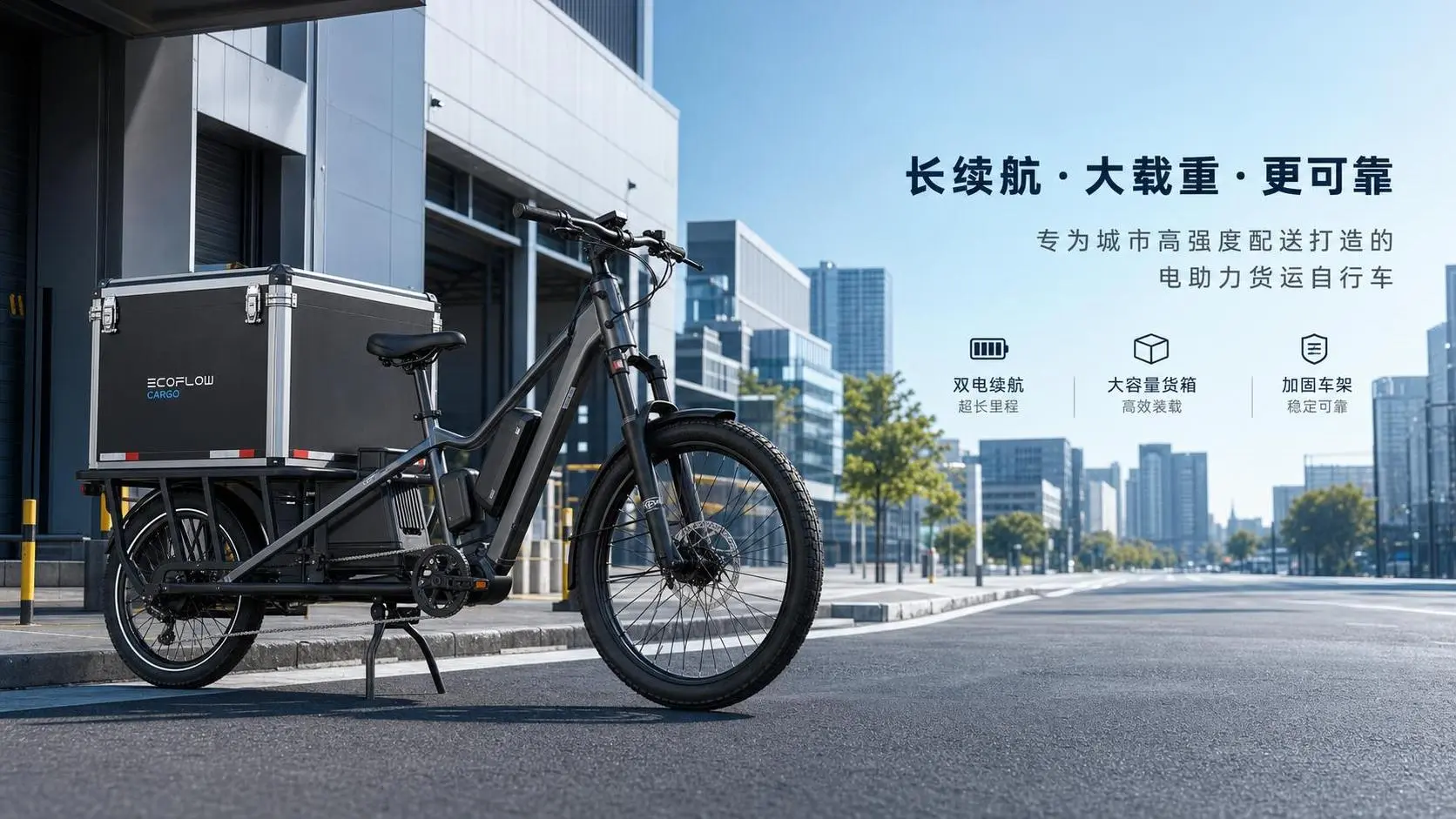
How to Choose a Long-Range Commercial Cargo E-Bike for Delivery Operations
Commercial cargo e-bike long range buying guide: learn how to assess battery, payload, route fit, and uptime support to choose a reliable delivery model with lower operating costs.
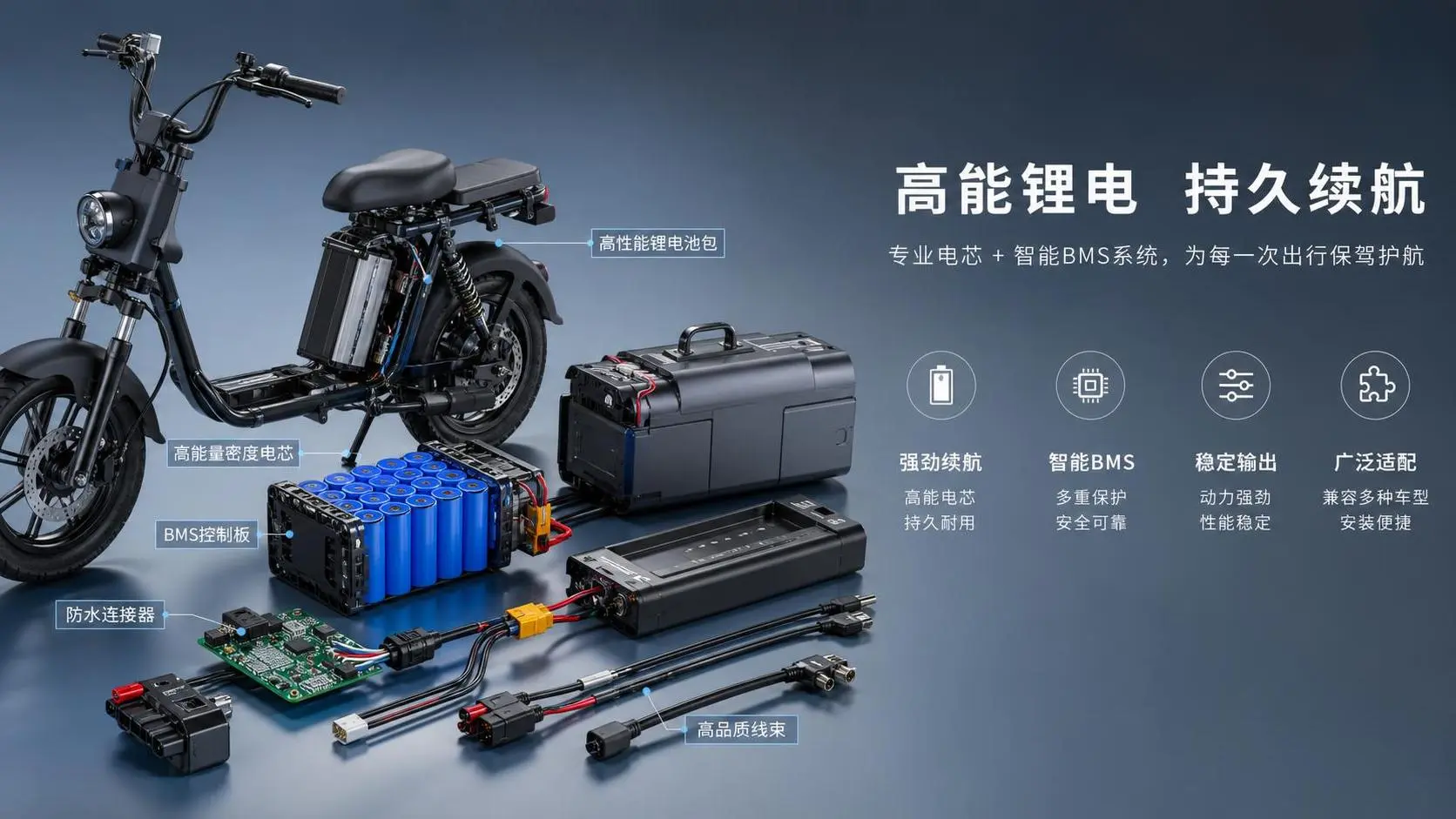
How to Select the Right E-Bike Battery Components for Range, Safety, and Fit?
E-bike component selection battery guide: learn how to choose the right battery components for better range, stronger safety, and perfect fit across modern e-bike platforms.
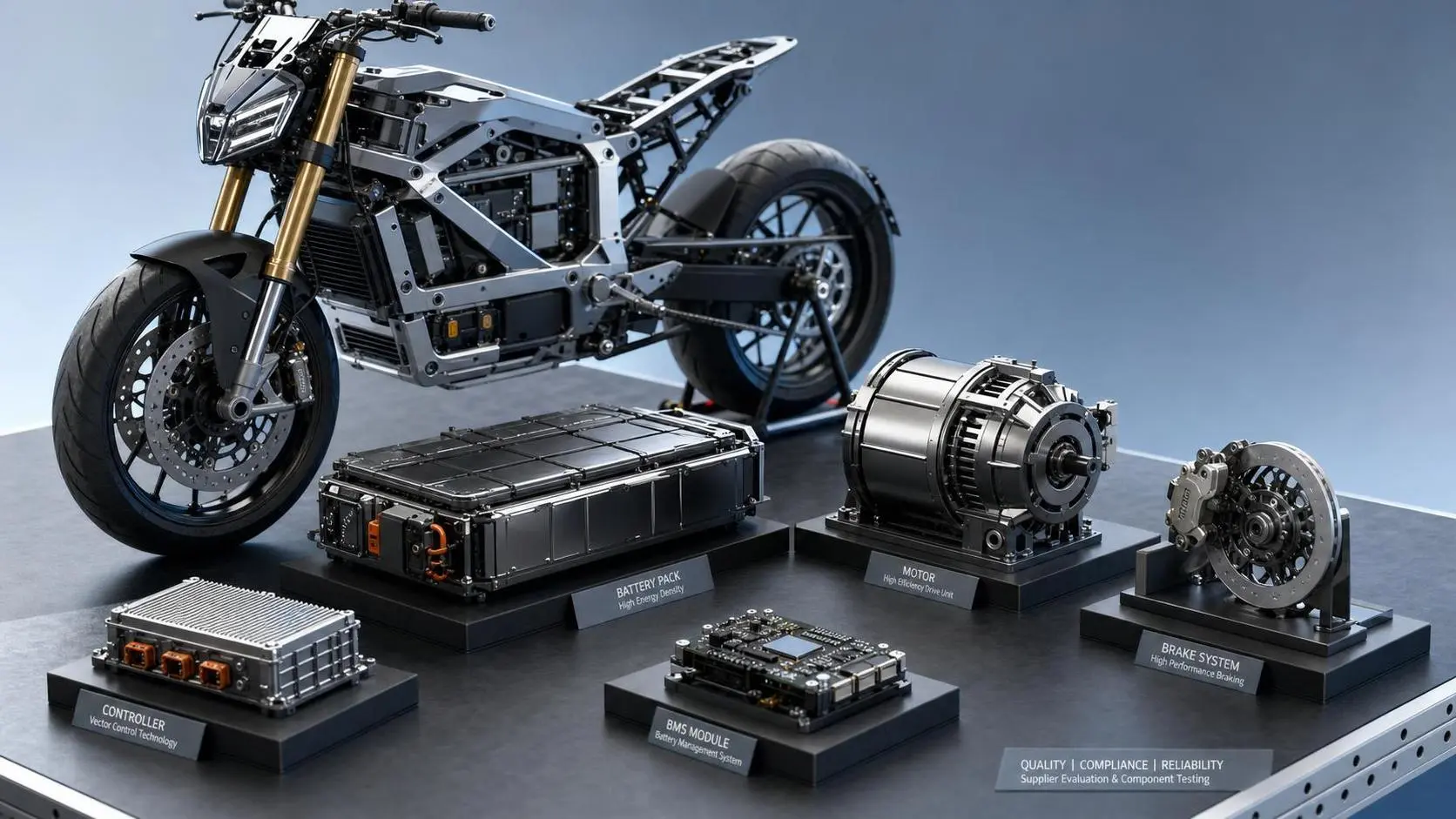
How to Evaluate Core Component Suppliers for Electric Motorcycles Before Sourcing?
Core component suppliers for electric motorcycles can make or break safety, compliance, and delivery. Learn how to assess technical strength, certifications, quality control, and hidden sourcing risks before you buy.
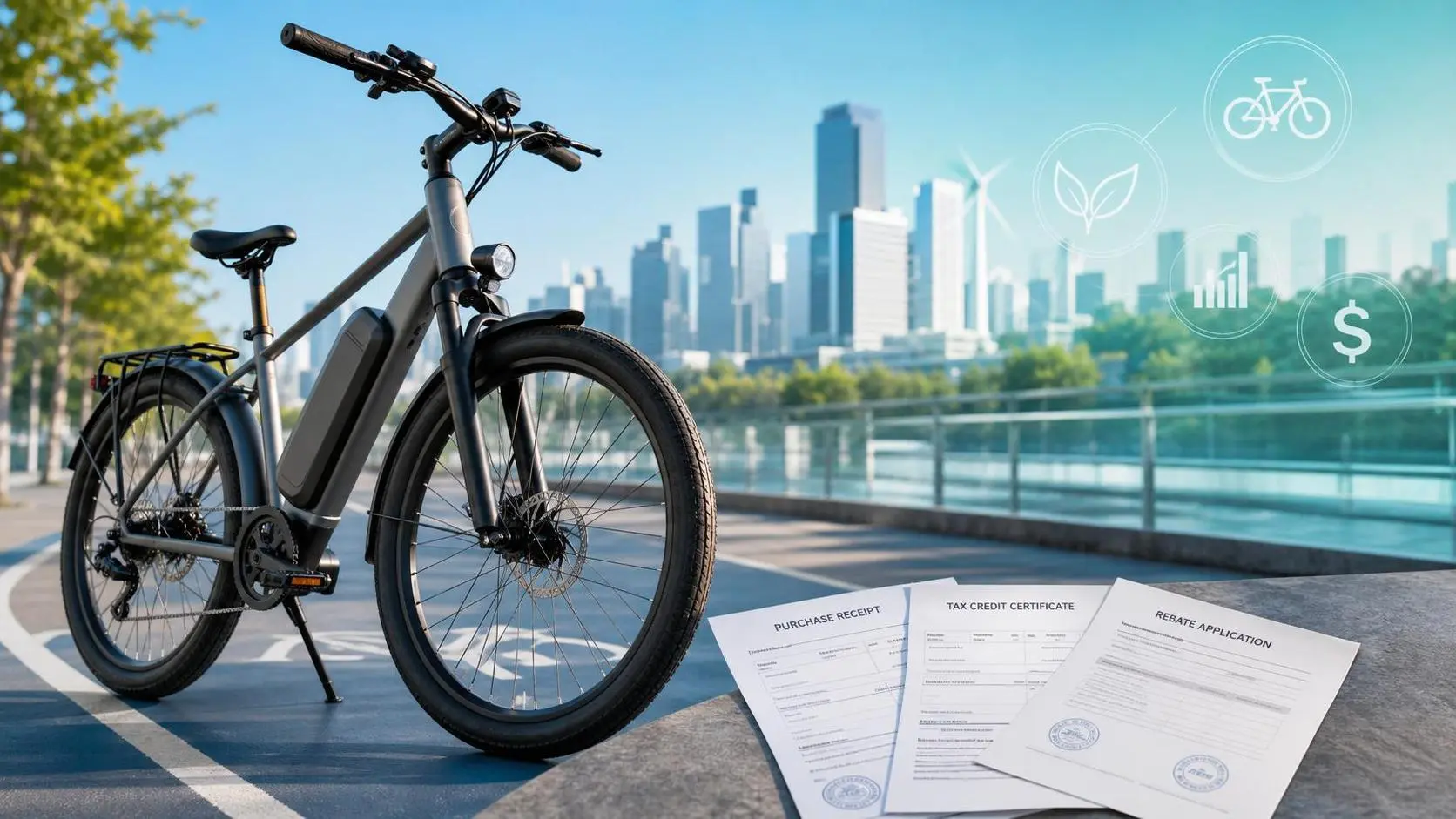
E-Bike Incentives Explained: How Riders Can Find Local Rebates and Tax Credits
E bike incentives explained: learn how to find local rebates, tax credits, and utility offers, avoid common mistakes, and cut the real cost of your next e-bike.
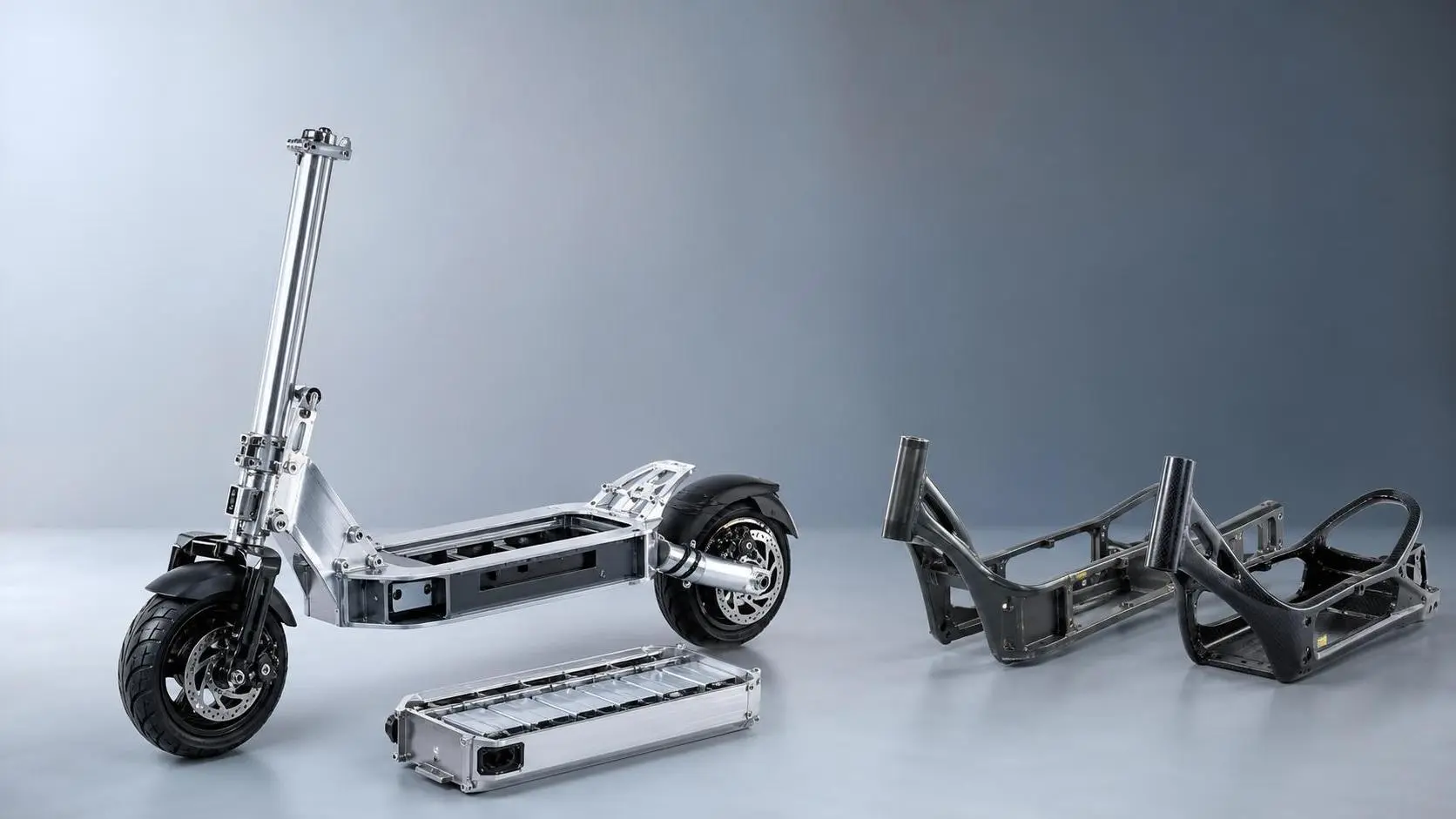
How to Choose Lightweight Scooter Frames in Europe: Materials, Standards, and Use Cases
Lightweight scooter frames Europe buyers need should balance materials, EN standards, durability, and real use cases. Discover how to choose safer, smarter, compliant frames.
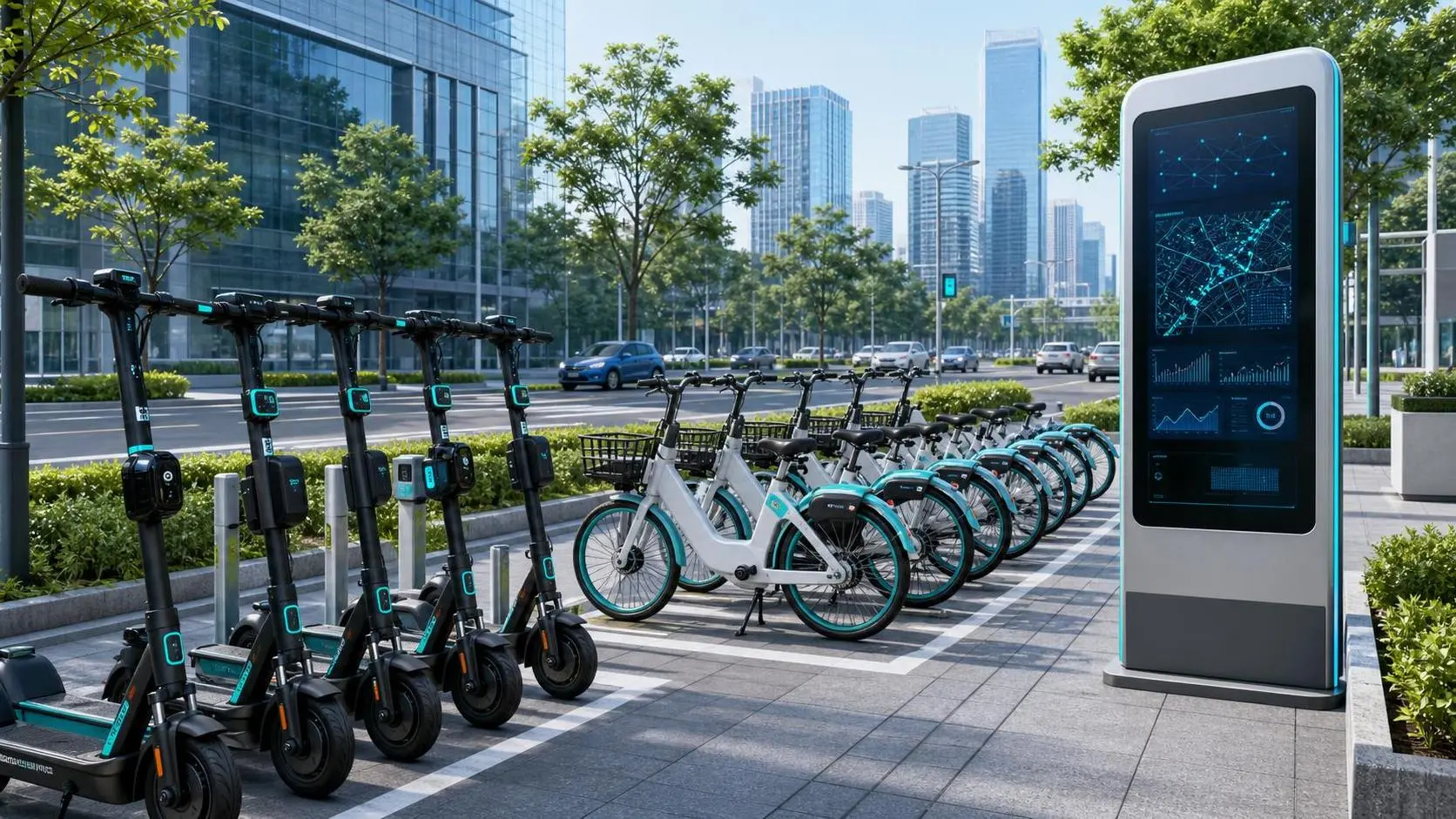
What Is the Intellectualization of Mobility Platform and How Is It Applied in Shared Fleets?
Intellectualization of mobility platform is reshaping shared fleets with real-time data, predictive maintenance, and smarter compliance—learn how it boosts safety, uptime, and urban mobility efficiency.
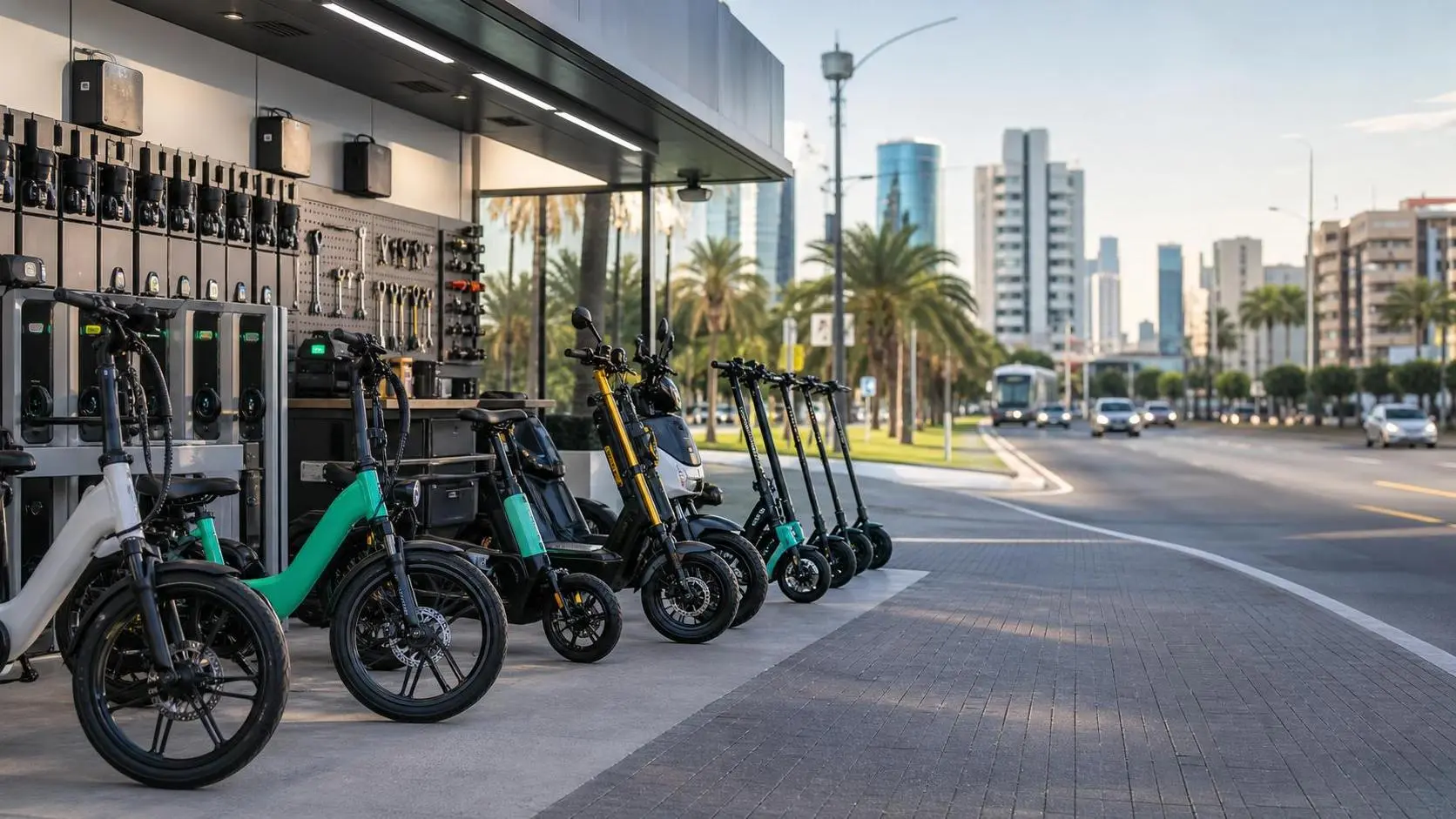
Urban Micro-Mobility Systems in Latin America: Key Market Drivers, Barriers, and Growth Segments
Urban micro-mobility systems Latin America are reshaping city transport. Explore key drivers, barriers, and high-growth segments to spot the region’s most investable opportunities.
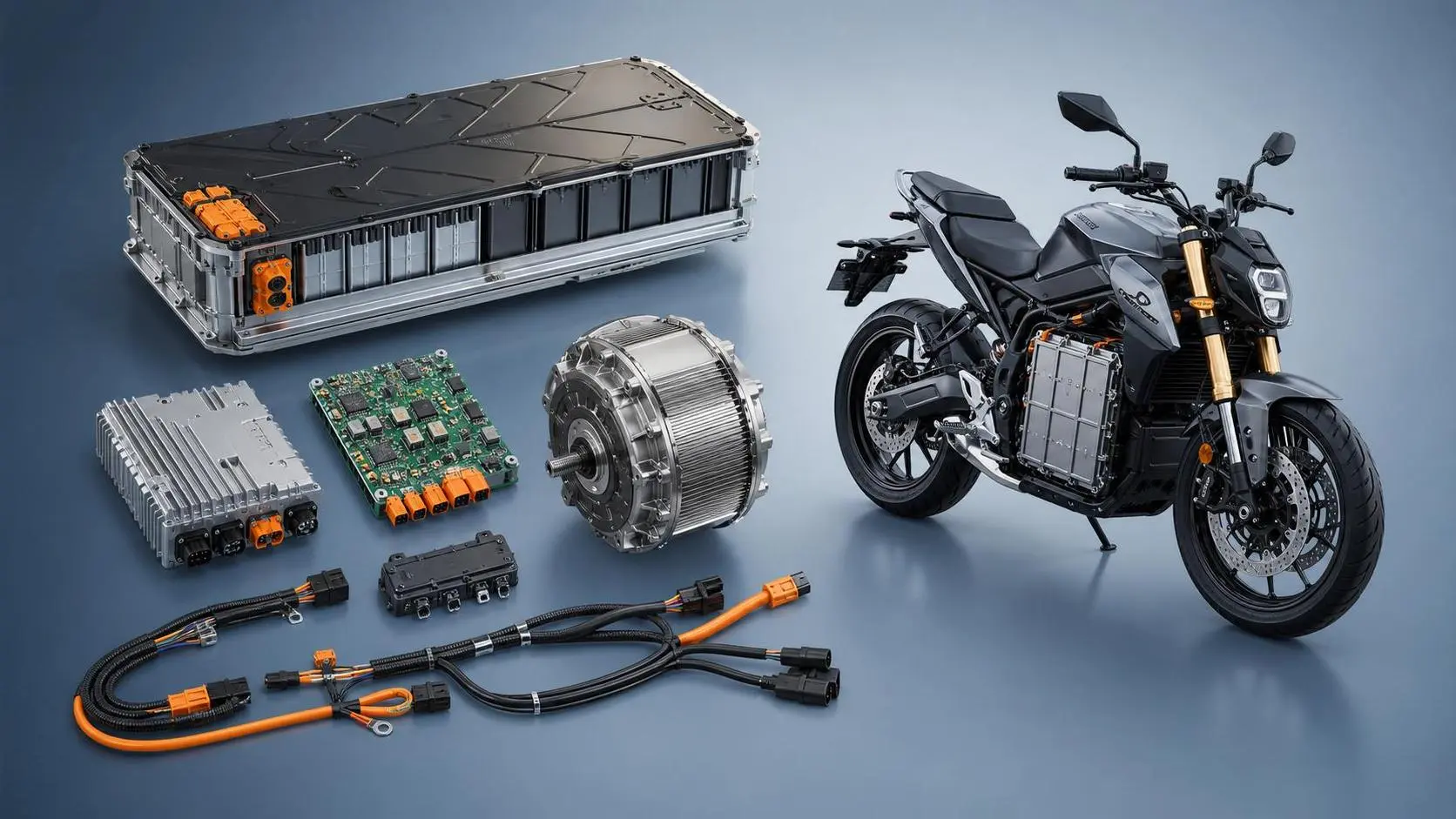
Electric Motorcycle Systems Price Breakdown: What Affects Cost From Battery to Controller?
Electric motorcycle systems price explained: see how battery, controller, motor, BMS, and wiring affect total cost, reliability, and sourcing value before you buy.
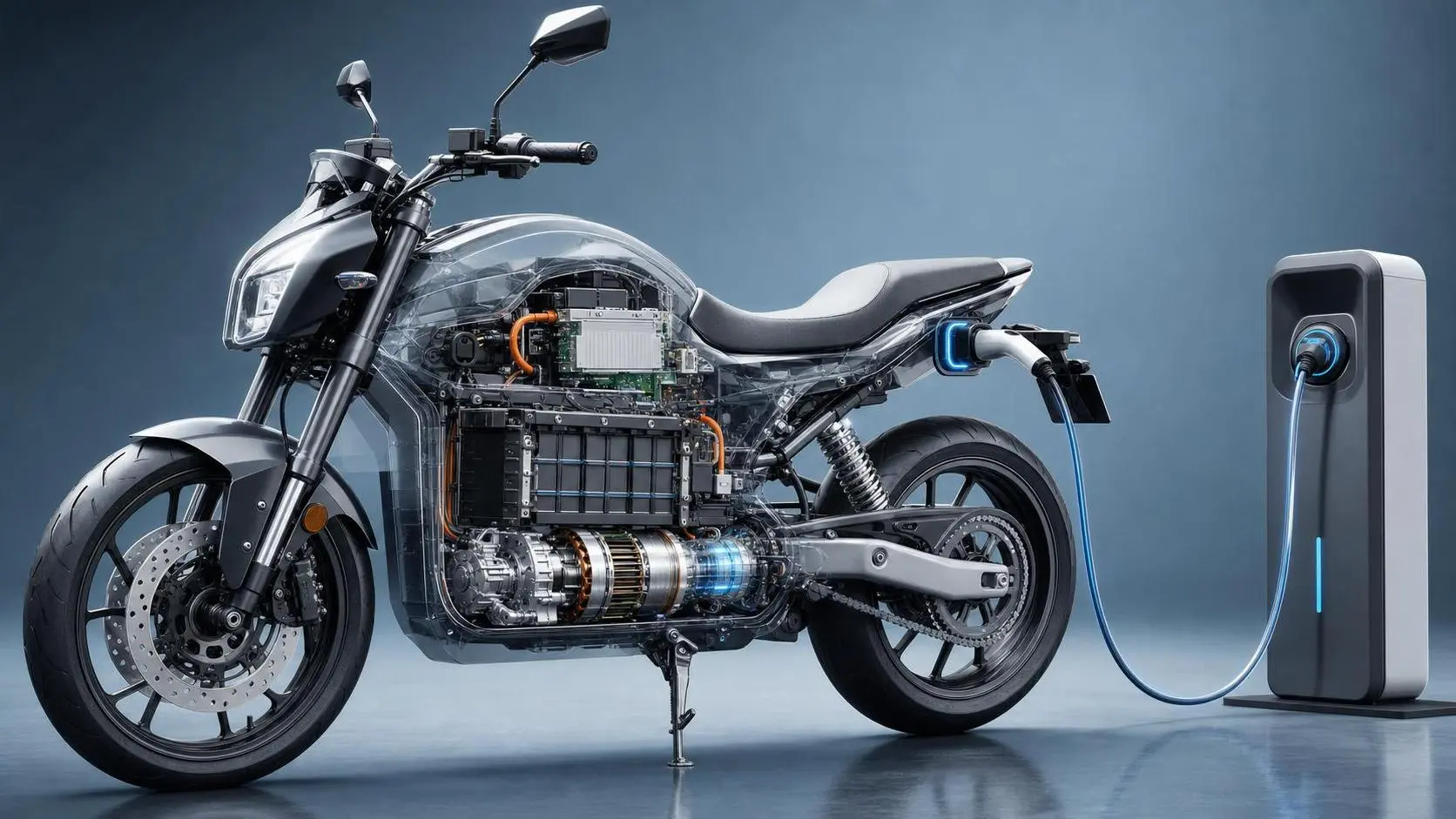
72V Electric Motorcycle Technology Explained: Motors, Controllers, Range, and Charging
Electric motorcycle technology 72V explained clearly: compare motors, controllers, range, battery design, and charging to choose a smoother, stronger, and smarter electric ride.