
Related News
- 00
0000-00
How to Evaluate Core Component Suppliers for Electric Motorcycles Before Sourcing? - 00
0000-00
Electric Motorcycle Systems Price Breakdown: What Affects Cost From Battery to Controller? - 00
0000-00
Micro-mobility Systems Explained: Core Components, Operating Models, and City Use Cases - 00
0000-00
Electrification Strategies in Europe: Policy, Charging, and ROI Factors for Fleet Planning - 00
0000-00
OEM Market Share in Electric Motorcycles: What It Reveals About Brand Positioning
Ms. Elena Rodriguez
Weekly Insights
Stay ahead with our curated technology reports delivered every Monday.
What Are Urban Mobility Devices? Types, Use Cases, and How to Choose One





Why are urban mobility devices getting so much attention?
Urban mobility devices are changing city travel because they solve a very practical problem.
People need something faster than walking, cheaper than driving, and more flexible than waiting for public transport.
That is where compact electric transport fits in.
In simple terms, urban mobility devices include small vehicles designed for short urban trips, daily commuting, and last-mile connections.
The most visible examples are e-bikes, smart e-scooters, and light electric two-wheelers.
Some cities also group cargo e-bikes and high-speed e-motorcycles into the broader urban mobility devices category.
Their appeal is not only about convenience.
Urban congestion, emissions targets, parking shortages, and changing commuting habits all push this market forward.
This is also why industry observers such as UMMS track micro-mobility so closely.
The real story is not just vehicles.
It is the wider system behind them, including battery logic, drivetrain efficiency, safety hardware, connectivity, and local regulation.
What counts as an urban mobility device, and how do the main types differ?
The term sounds broad because it is broad.
Still, most urban mobility devices fall into a few practical groups, each serving a different travel pattern.
E-bikes
E-bikes mix pedal power with electric assist.
They work well for medium-distance commuting, mixed-terrain travel, and riders who want exercise without arriving exhausted.
They also tend to carry groceries or work items more easily than scooters.
Smart e-scooters
These are often the first image people have when discussing urban mobility devices.
They are compact, foldable in many cases, and ideal for short trips.
Shared fleets also make them popular for one-way city movement.
High-speed e-motorcycles
This category sits at the more powerful end of urban electric mobility.
They suit longer commutes, ring roads, and riders replacing combustion motorcycles.
Battery swapping and thermal management become more important here.
Specialized and supporting systems
Not every urban mobility device discussion stops at the vehicle body.
Precision derailleur components, smart sensors, braking systems, and even advanced wiper technologies matter in real operating conditions.
That systems view is one reason UMMS looks beyond headlines and studies the full micro-mobility chain.
Which urban mobility devices fit daily life best?
The best choice depends less on trend and more on route reality.
A three-kilometer flat commute creates a very different answer than a fifteen-kilometer trip with hills and rain.
In actual use, the following patterns appear most often.
The table helps narrow the field, but daily conditions matter just as much.
Road quality, charging access, elevator availability, and local weather can completely change what feels practical.
For example, a scooter may look ideal on paper.
Yet rough pavement and frequent rain may make an e-bike the safer choice.
How do you choose urban mobility devices without regretting the purchase?
A good buying decision usually starts with five checks, not with brand hype.
- Trip distance: Match battery range to real weekly use, not ideal lab figures.
- Terrain: Hills demand more motor support, stronger brakes, and better battery management.
- Storage: Foldability, weight, and apartment access matter more than many expect.
- Traffic rules: Speed classes, helmet laws, and lane access differ widely by city.
- Maintenance: Tires, drivetrains, firmware, and spare parts affect long-term ownership.
One detail often missed is component quality.
Urban mobility devices may look similar at a glance, yet ride feel depends on transmission accuracy, frame strength, battery stability, and braking confidence.
That is especially true for e-bikes with precision derailleur systems.
Shifting performance affects efficiency, durability, and comfort far more than many buyers realize.
More advanced urban mobility devices also rely on smart control layers.
IoT modules, anti-theft tracking, electronic shifting, and battery analytics can improve ownership, but only when the system is reliable.
What mistakes do people make when comparing e-bikes, scooters, and electric motorcycles?
The most common mistake is comparing only price and top speed.
That leads to poor matches and higher costs later.
A cheaper device may need more repairs, offer less range in cold weather, or feel unsafe on broken streets.
Another mistake is ignoring weather resilience.
Visibility, traction, and water resistance matter in year-round commuting.
This is why the broader micro-mobility sector also pays attention to safety subsystems, including sensor-driven visibility solutions.
People also underestimate charging and service access.
If the battery is hard to remove, or local support is weak, ownership becomes inconvenient very quickly.
A final trap is assuming all urban mobility devices are equally legal everywhere.
Speed caps, registration requirements, and right-of-way rules can vary from one city block to the next policy zone.
That regulatory layer is one reason strategic intelligence matters in this market.
It affects what can be sold, where it can be ridden, and how useful it really is.
What should you watch next if urban mobility devices are part of your travel plan?
Urban mobility devices are no longer a niche curiosity.
They are becoming part of how cities manage short-distance movement, emissions pressure, and limited street space.
The next step is to evaluate them as a full mobility system, not as isolated gadgets.
Start with route length, speed needs, weather exposure, and storage limitations.
Then compare battery quality, drivetrain performance, safety hardware, and local legal fit.
If two models seem close, the better choice is often the one with stronger service support and more consistent component engineering.
That is where informed market tracking helps.
UMMS follows the technical and regulatory signals shaping e-bikes, smart e-scooters, high-speed e-motorcycles, and precision bicycle systems.
For anyone evaluating urban mobility devices, that wider perspective is useful.
It helps turn a simple purchase question into a smarter long-term mobility decision.
Related News
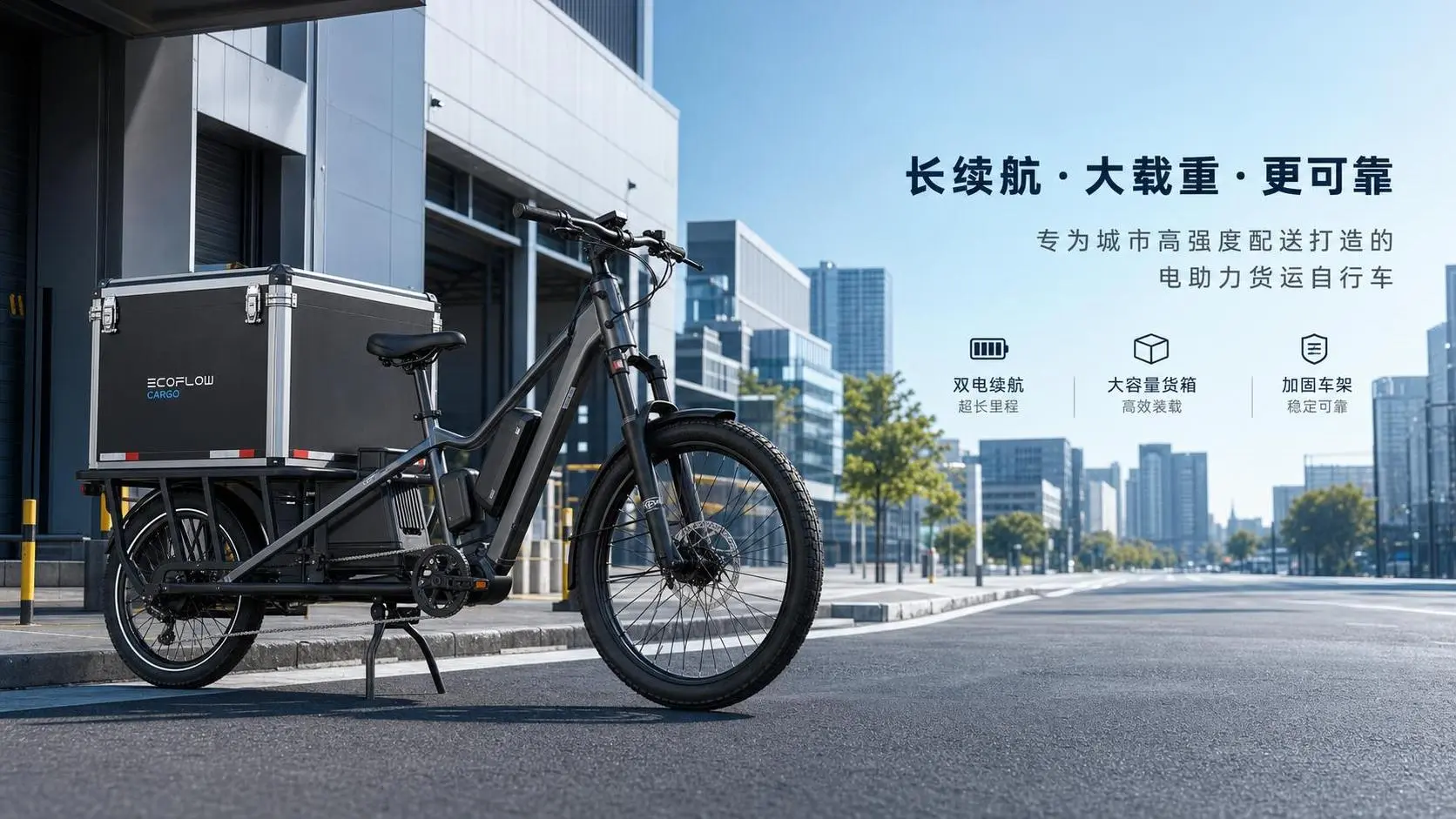
How to Choose a Long-Range Commercial Cargo E-Bike for Delivery Operations
Commercial cargo e-bike long range buying guide: learn how to assess battery, payload, route fit, and uptime support to choose a reliable delivery model with lower operating costs.
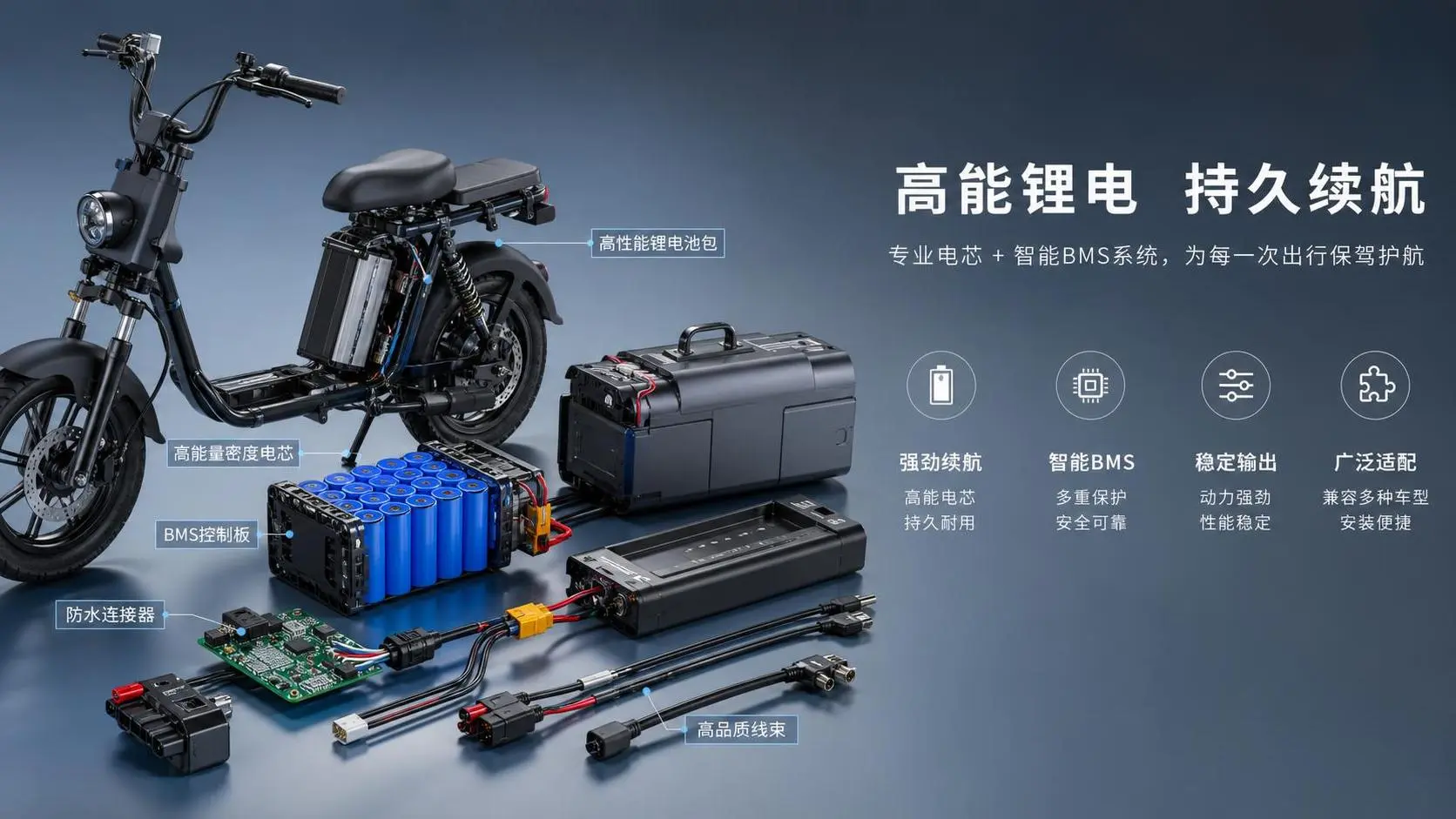
How to Select the Right E-Bike Battery Components for Range, Safety, and Fit?
E-bike component selection battery guide: learn how to choose the right battery components for better range, stronger safety, and perfect fit across modern e-bike platforms.
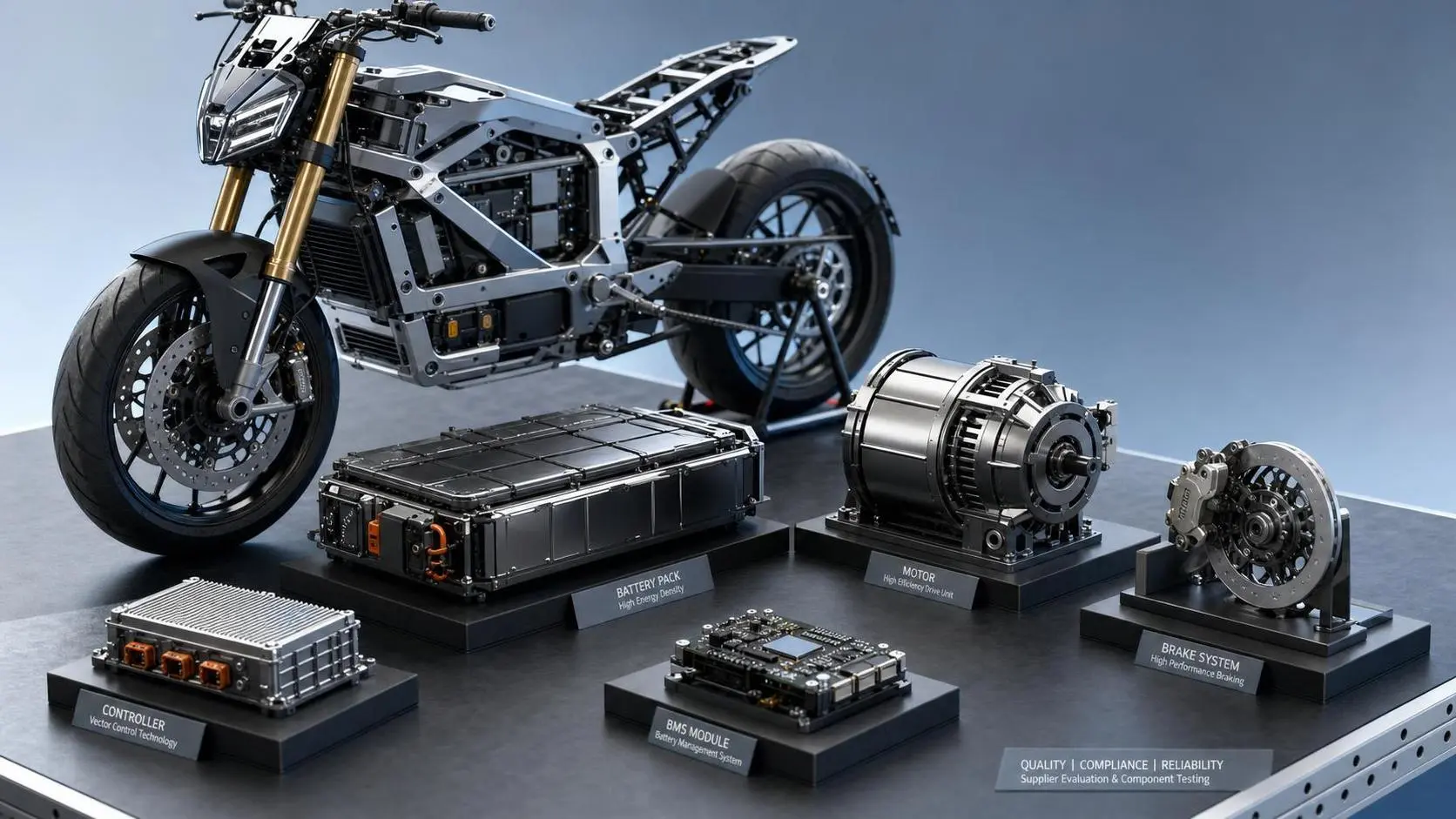
How to Evaluate Core Component Suppliers for Electric Motorcycles Before Sourcing?
Core component suppliers for electric motorcycles can make or break safety, compliance, and delivery. Learn how to assess technical strength, certifications, quality control, and hidden sourcing risks before you buy.
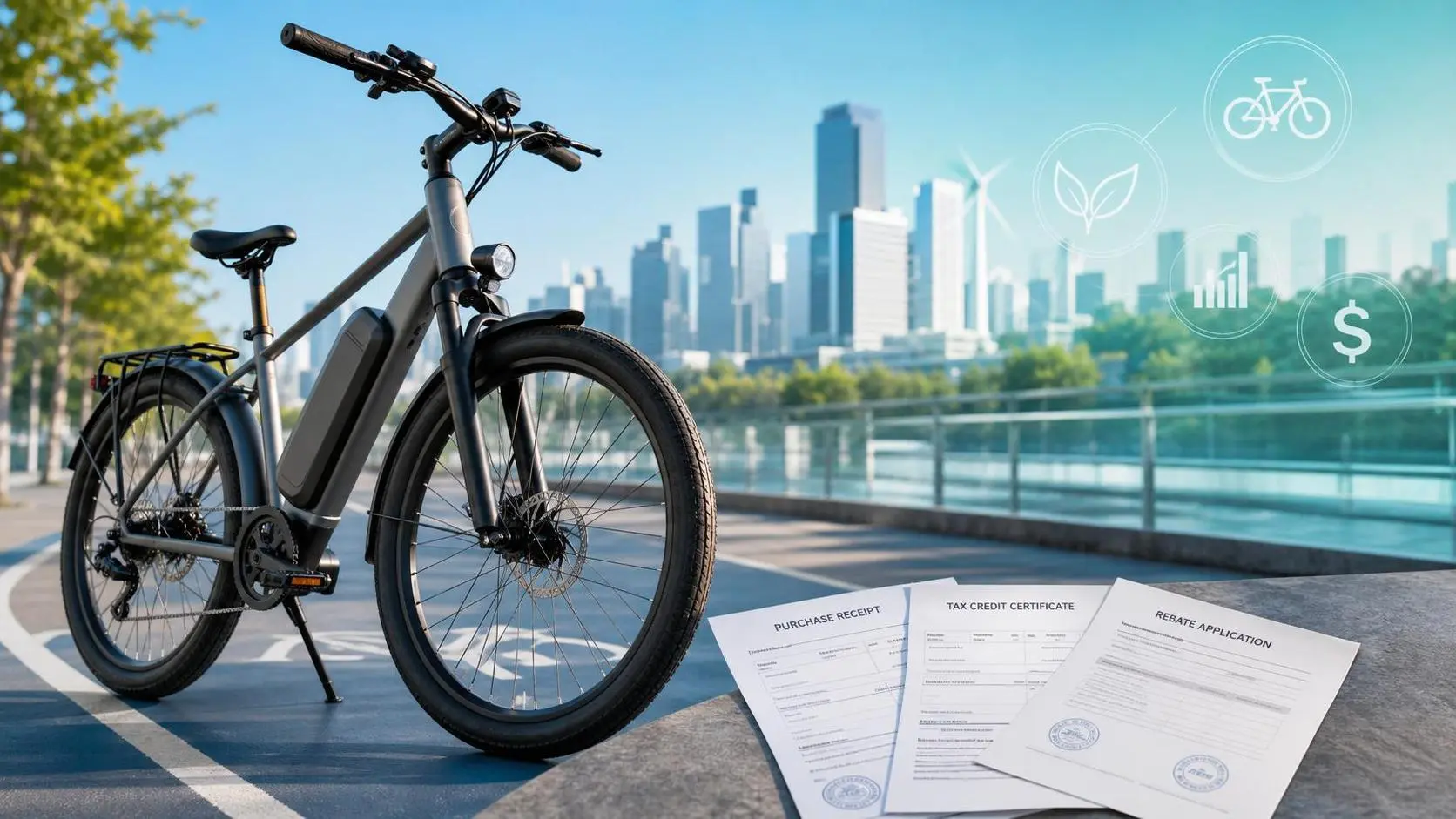
E-Bike Incentives Explained: How Riders Can Find Local Rebates and Tax Credits
E bike incentives explained: learn how to find local rebates, tax credits, and utility offers, avoid common mistakes, and cut the real cost of your next e-bike.
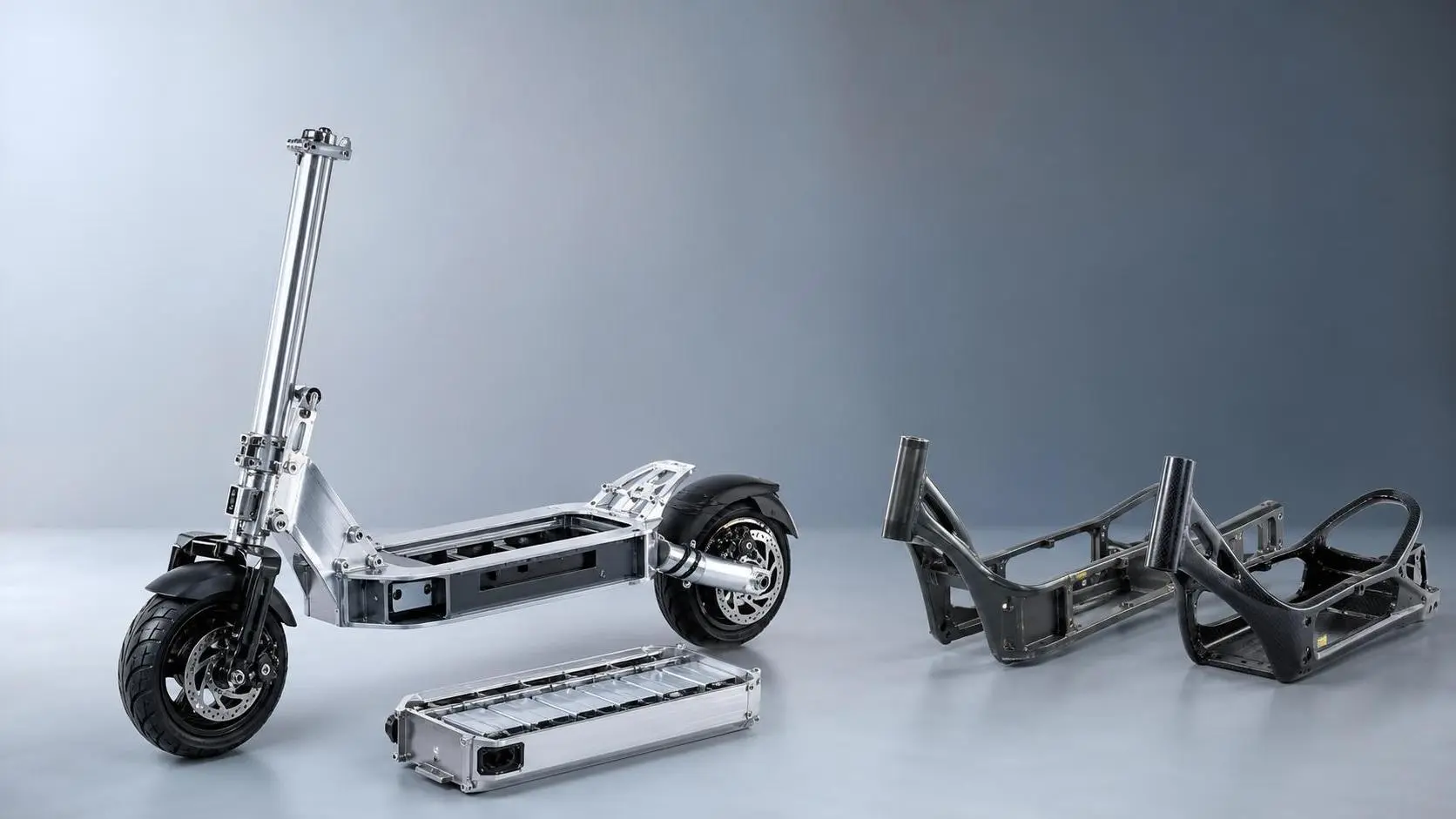
How to Choose Lightweight Scooter Frames in Europe: Materials, Standards, and Use Cases
Lightweight scooter frames Europe buyers need should balance materials, EN standards, durability, and real use cases. Discover how to choose safer, smarter, compliant frames.
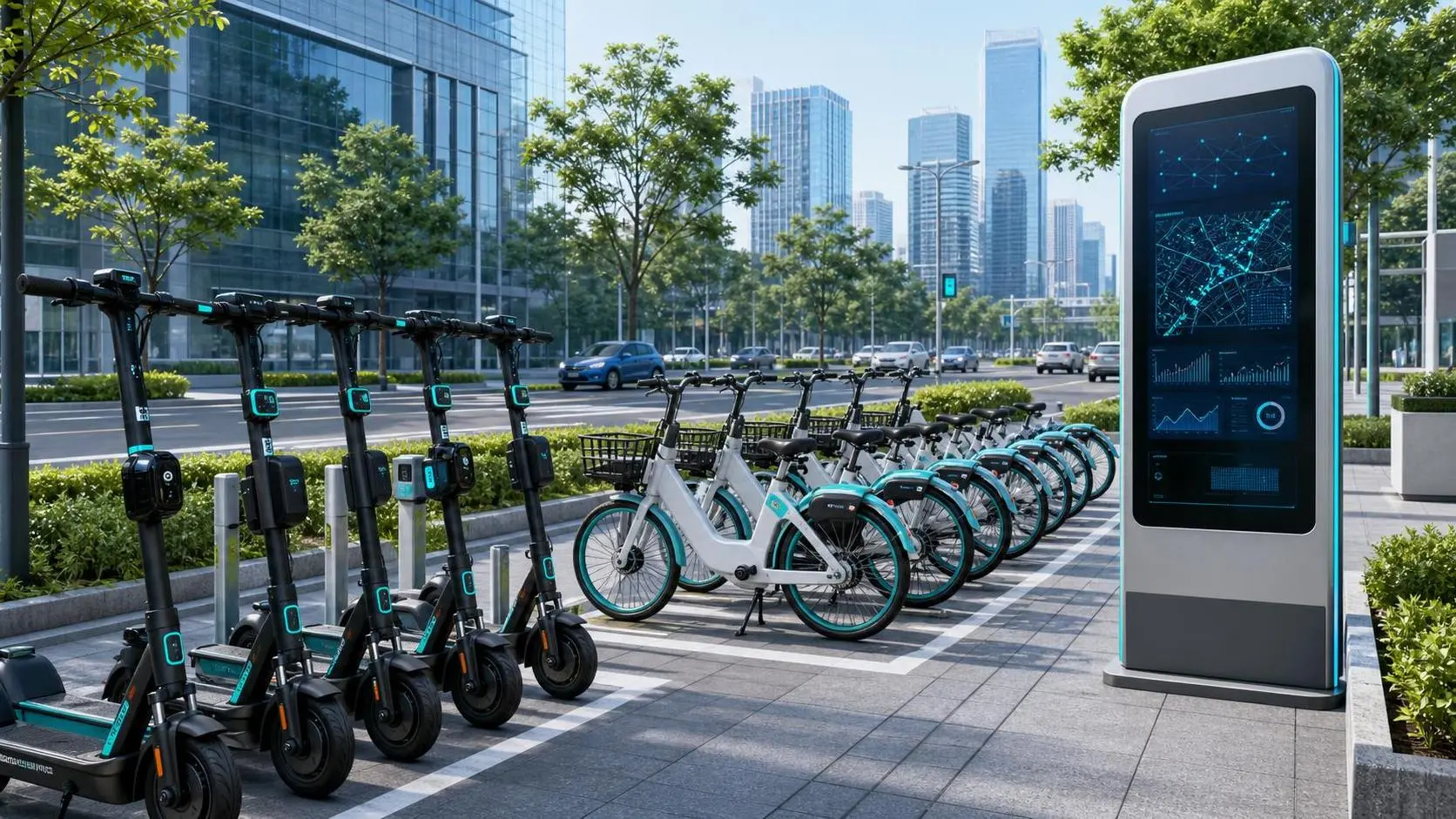
What Is the Intellectualization of Mobility Platform and How Is It Applied in Shared Fleets?
Intellectualization of mobility platform is reshaping shared fleets with real-time data, predictive maintenance, and smarter compliance—learn how it boosts safety, uptime, and urban mobility efficiency.
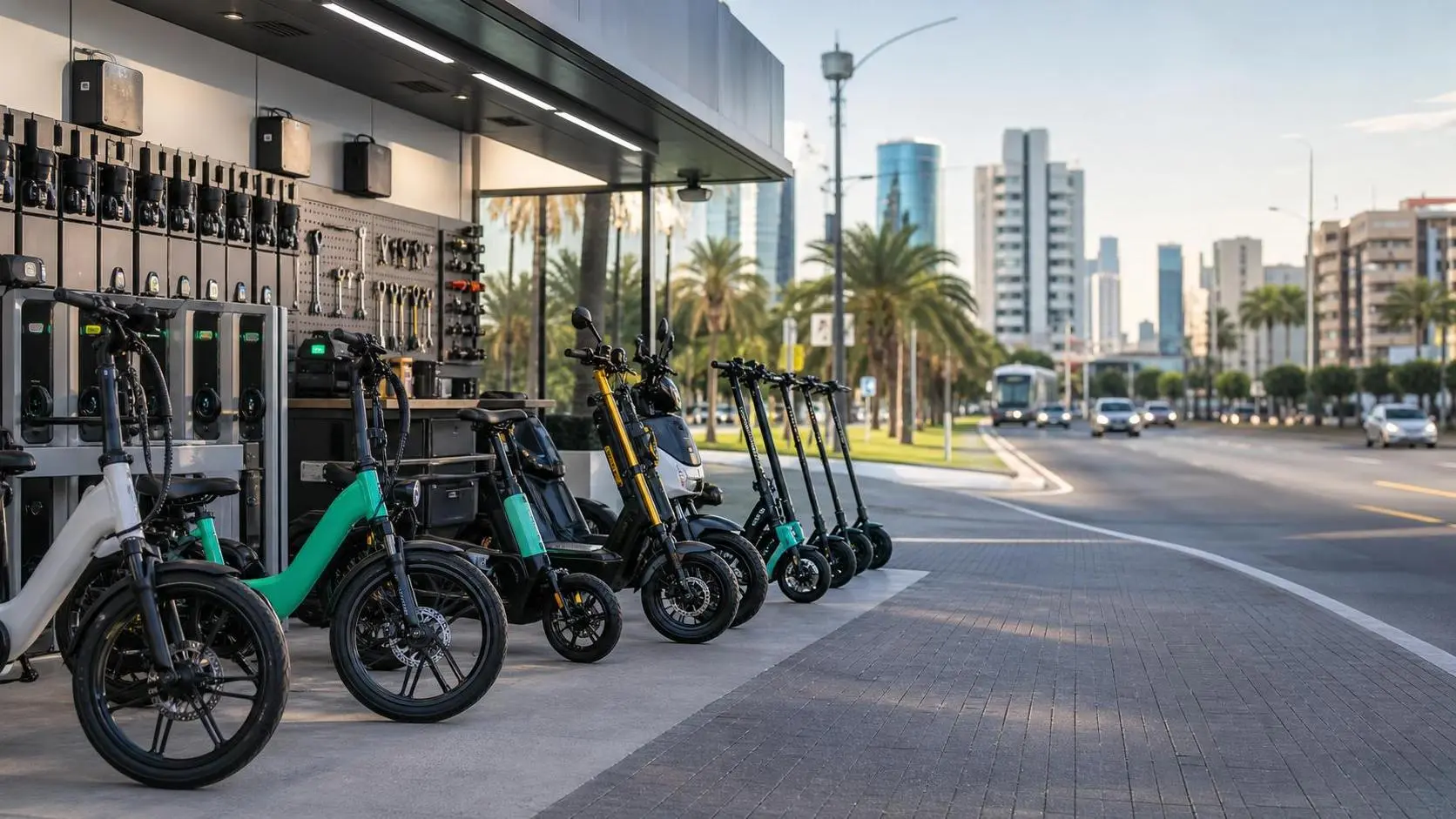
Urban Micro-Mobility Systems in Latin America: Key Market Drivers, Barriers, and Growth Segments
Urban micro-mobility systems Latin America are reshaping city transport. Explore key drivers, barriers, and high-growth segments to spot the region’s most investable opportunities.
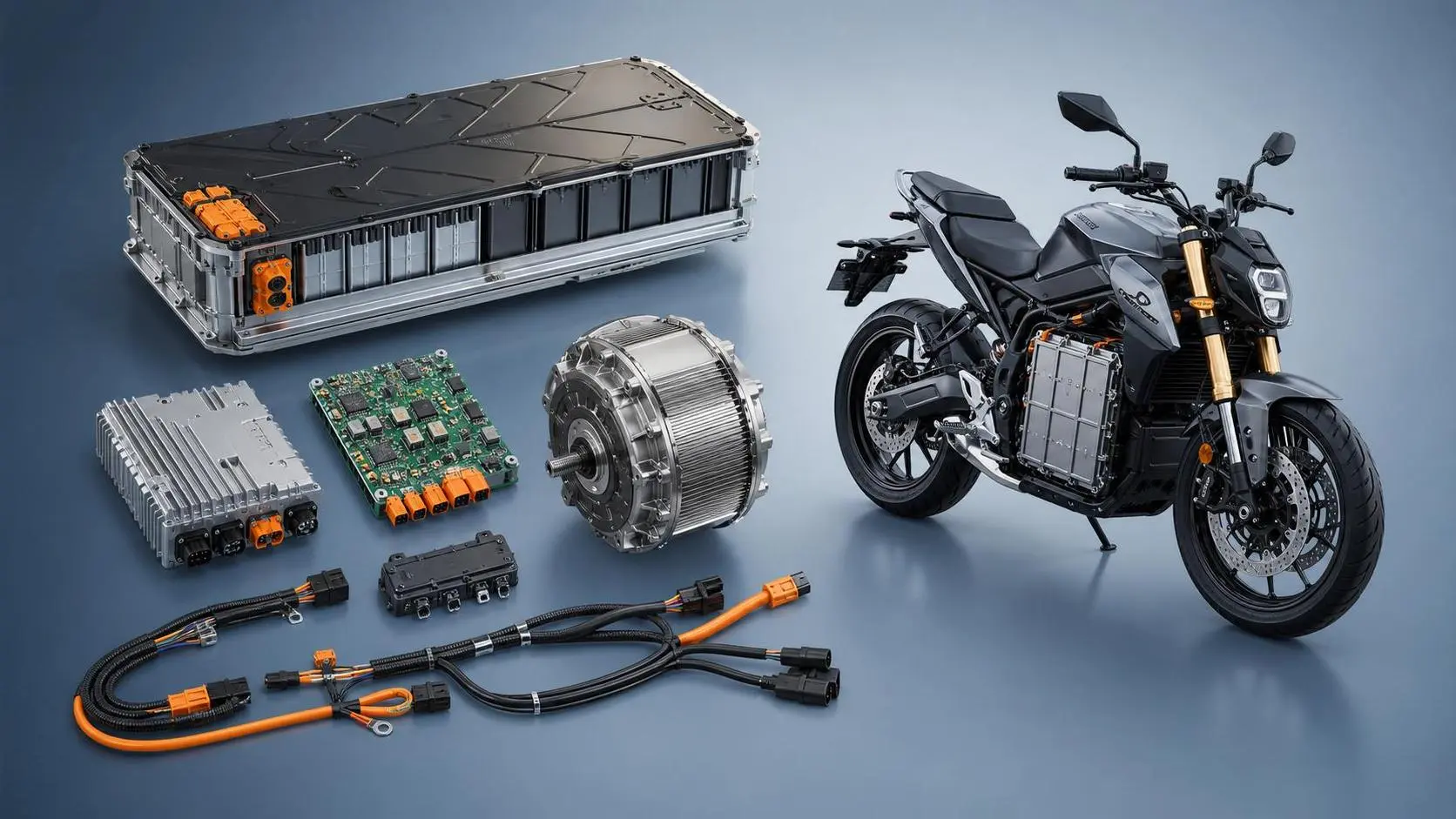
Electric Motorcycle Systems Price Breakdown: What Affects Cost From Battery to Controller?
Electric motorcycle systems price explained: see how battery, controller, motor, BMS, and wiring affect total cost, reliability, and sourcing value before you buy.
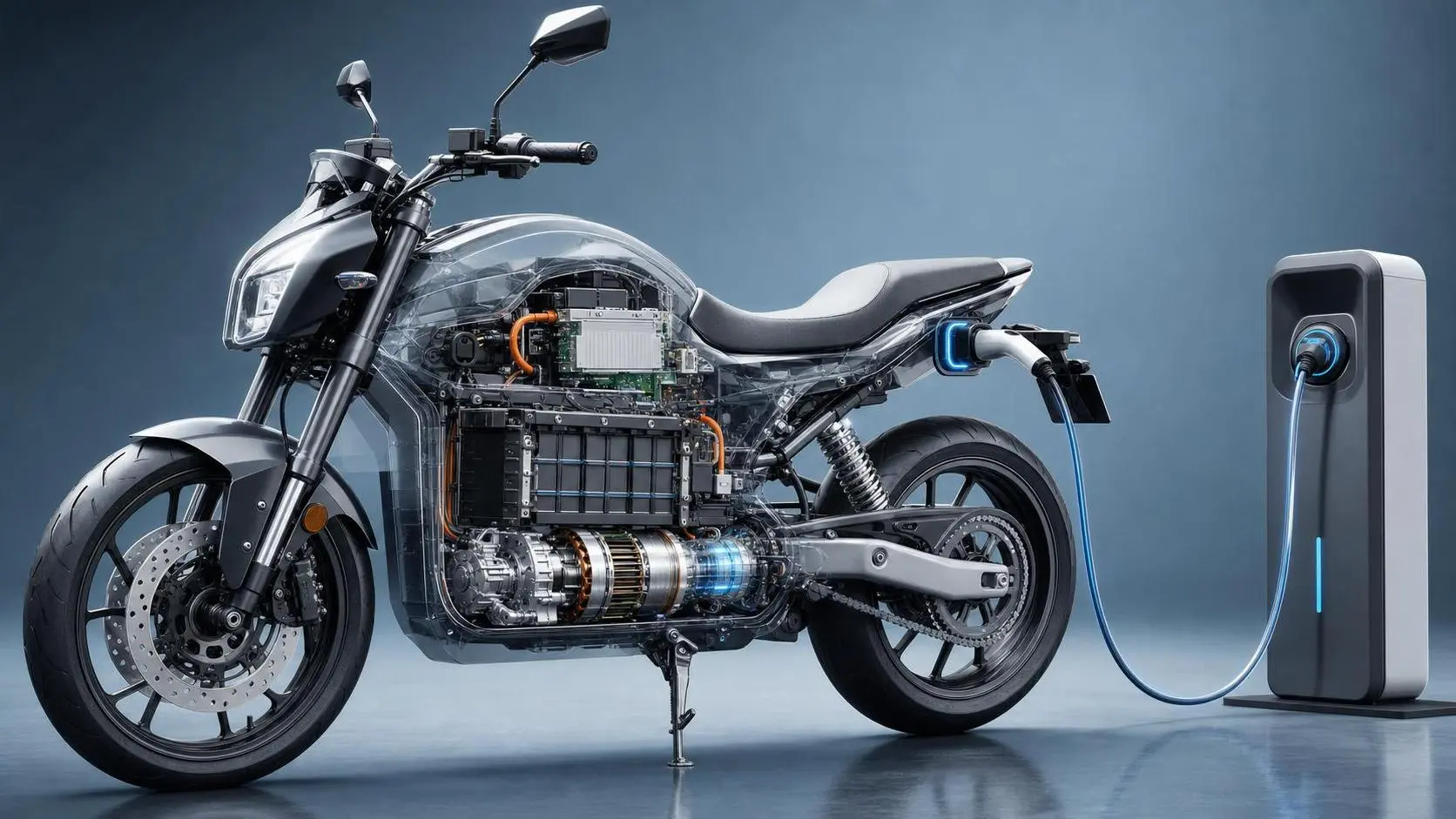
72V Electric Motorcycle Technology Explained: Motors, Controllers, Range, and Charging
Electric motorcycle technology 72V explained clearly: compare motors, controllers, range, battery design, and charging to choose a smoother, stronger, and smarter electric ride.