
Related News
- 00
0000-00
Electric Motorcycle Systems Price Breakdown: What Affects Cost From Battery to Controller? - 00
0000-00
Micro-mobility Systems Explained: Core Components, Operating Models, and City Use Cases - 00
0000-00
Electrification Strategies in Europe: Policy, Charging, and ROI Factors for Fleet Planning - 00
0000-00
OEM Market Share in Electric Motorcycles: What It Reveals About Brand Positioning - 00
0000-00
What Is a Smart Transportation Platform and Which Urban Mobility Use Cases Fit Best?
Ms. Elena Rodriguez
Weekly Insights
Stay ahead with our curated technology reports delivered every Monday.
Commercial insights that explain where e-bike demand is going





Commercial insights are now central to understanding where e-bike demand is moving next.
Urban congestion, carbon targets, and new mobility habits are changing demand patterns across cities, suburbs, and cross-border channels.
Short-term sales spikes no longer explain the market well.
Better commercial insights connect policy, pricing, infrastructure, rider behavior, and supply-chain resilience into a clearer demand map.
For the broader mobility ecosystem, this creates a more practical way to judge where future e-bike growth is credible, scalable, and defensible.
What do commercial insights reveal about future e-bike demand?
Commercial insights reveal not only where e-bike demand exists today, but where repeatable demand is likely to form tomorrow.
The strongest signals usually appear in five areas: regulation, commuting pressure, charging convenience, channel maturity, and product affordability.
When these conditions align, e-bike demand often shifts from niche adoption into a stable transport category.
In many cities, the market is no longer driven only by lifestyle riders.
It is expanding through commuters, delivery networks, tourism fleets, campus mobility, and mixed suburban transport use.
That shift matters because practical utility creates more durable replacement cycles and broader aftermarket opportunities.
High-quality commercial insights also distinguish between headline demand and usable demand.
A market may report growth, yet remain limited by weak service networks, battery concerns, or unstable rules.
That is why demand analysis should combine macro growth with operational readiness.
Which market signals best explain where e-bike demand is going?
The most useful commercial insights come from signals that change rider behavior at scale.
Several indicators are especially important when evaluating future demand direction.
- Bike-lane expansion and protected route density
- Purchase subsidies, tax benefits, or fleet electrification incentives
- Fuel cost pressure and public transit dissatisfaction
- Battery safety standards and certification enforcement
- Retail financing options and subscription models
- Local servicing capacity and parts availability
Among these, infrastructure and regulation often have the strongest compounding effect.
A city with safe routes and supportive policy reduces psychological friction for first-time riders.
Affordability is the next major trigger.
When financing, incentives, and lower operating costs work together, e-bikes become easier to justify than cars or second vehicles.
Commercial insights should also track channel quality.
Strong online visibility may create interest, but poor local maintenance can weaken long-term retention.
Demand follows trust, not just traffic.
Why do policy changes matter so much?
Policy can accelerate demand quickly because it changes both economics and legitimacy.
Subsidies lower entry barriers, while road-access rules define everyday usefulness.
Commercial insights that monitor policy timing often identify demand earlier than sales data alone.
Where is growth emerging most clearly: mature markets or developing ones?
The answer depends on how commercial insights define growth.
Mature markets often show slower percentage expansion, but stronger premium demand, replacement purchases, and service income.
Developing markets may grow faster in units, especially where motorcycles, public transport gaps, and delivery use create practical need.
Europe remains a benchmark for policy-supported commuting adoption.
Demand there is increasingly segmented into urban utility, cargo, trekking, and performance categories.
North America shows selective growth, often strongest in suburban mobility, recreation, and cargo applications.
Parts of Asia offer high-volume potential, but demand quality varies by infrastructure, affordability, and local competition.
Latin America and the Middle East may present emerging opportunities where congestion and delivery logistics are intensifying.
The best commercial insights compare not just country size, but urban fit.
Dense cities with short trip distances often produce the most immediate e-bike value proposition.
How should demand be judged across consumer, fleet, and utility applications?
Not all demand behaves the same.
Commercial insights are more reliable when they separate consumer enthusiasm from operational demand.
Consumer demand responds to brand, design, financing, and lifestyle positioning.
Fleet demand responds to uptime, battery management, maintenance simplicity, and route economics.
Utility demand, including municipal or campus use, depends heavily on safety compliance and lifecycle cost.
A market may look crowded in consumer retail yet remain underdeveloped in delivery or institutional use.
That creates hidden growth pockets.
For example, cargo e-bikes can outperform standard commuter models where urban delivery restrictions tighten.
Similarly, tourism zones may support rental fleets even when local ownership remains modest.
What does this mean for demand forecasting?
Forecasting should be segmented by use case.
A single growth estimate can hide major differences in replacement timing, service demand, and margin structure.
Good commercial insights compare trip purpose, ownership model, and maintenance intensity before drawing conclusions.
What risks can distort commercial insights on e-bike demand?
Several common mistakes can make the market appear stronger or weaker than it truly is.
- Confusing promotional spikes with sustained adoption
- Ignoring battery fire concerns and certification gaps
- Overvaluing web interest without local service support
- Assuming all cities adopt at the same pace
- Treating premium and entry-level segments as one market
Another distortion comes from supply-chain recovery.
Inventory normalization can look like weakening demand, even when end-user interest stays healthy.
The reverse is also true.
Temporary shortages can make demand look stronger than actual consumption.
Commercial insights should therefore balance sell-in data with sell-through, service rates, and rider retention patterns.
How can businesses use commercial insights to prepare for the next phase of demand?
The most practical use of commercial insights is decision prioritization.
Instead of chasing every growth story, focus on markets where policy support, product fit, and service capability align.
A disciplined evaluation framework helps turn trend awareness into action.
The next step is scenario planning.
Build separate outlooks for commuter growth, cargo adoption, and fleet electrification.
This avoids overreliance on one segment.
It also helps connect commercial insights with component strategy, battery standards, channel development, and regional expansion timing.
In summary, commercial insights explain where e-bike demand is going by turning broad mobility change into measurable business signals.
The most valuable insights combine policy, infrastructure, affordability, use-case segmentation, and service readiness.
Markets with real staying power rarely depend on a single trigger.
They develop through repeated daily utility and growing rider confidence.
Use commercial insights to compare markets carefully, test assumptions by segment, and identify where expansion can be sustained over time.
Related News
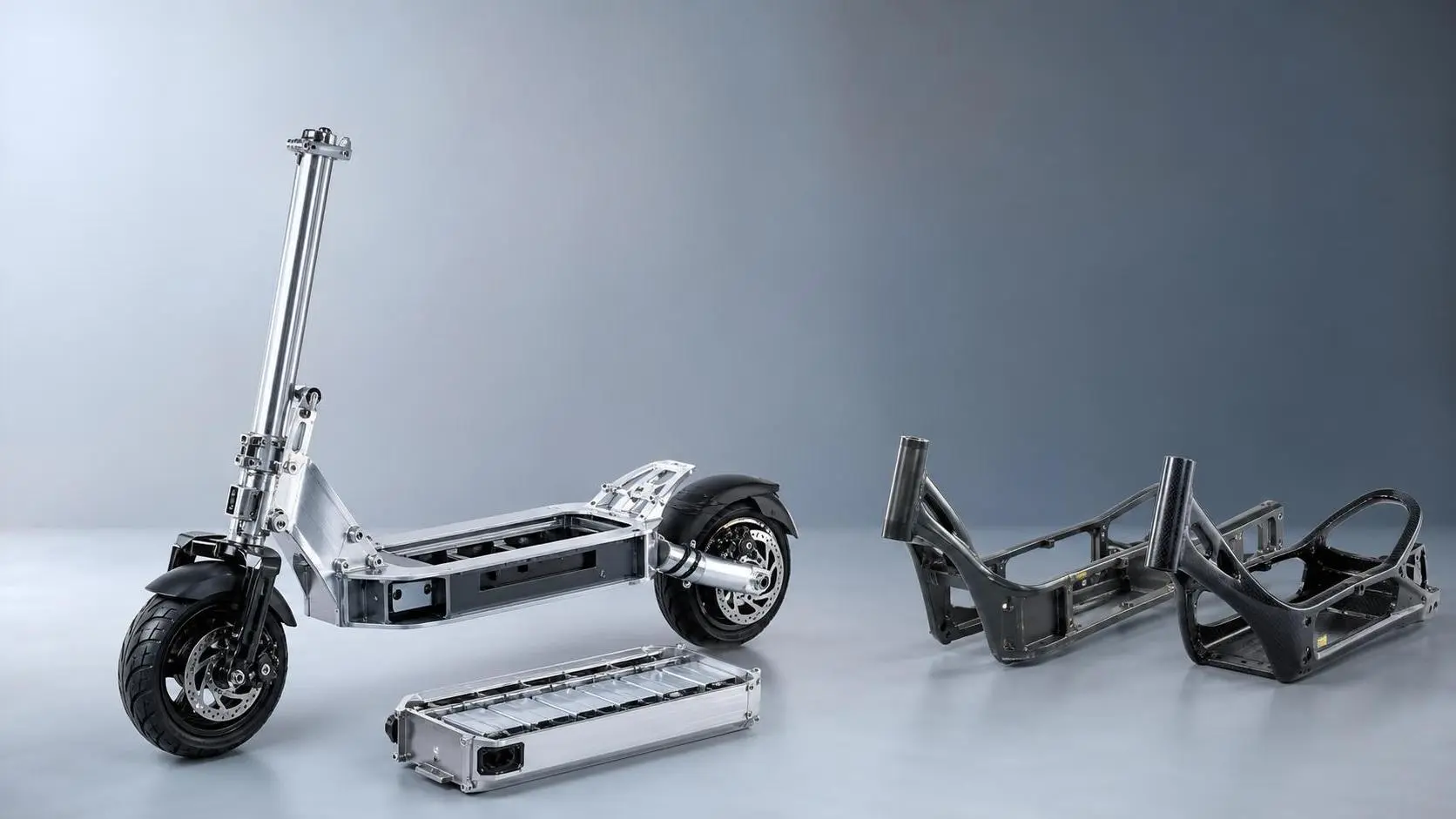
How to Choose Lightweight Scooter Frames in Europe: Materials, Standards, and Use Cases
Lightweight scooter frames Europe buyers need should balance materials, EN standards, durability, and real use cases. Discover how to choose safer, smarter, compliant frames.
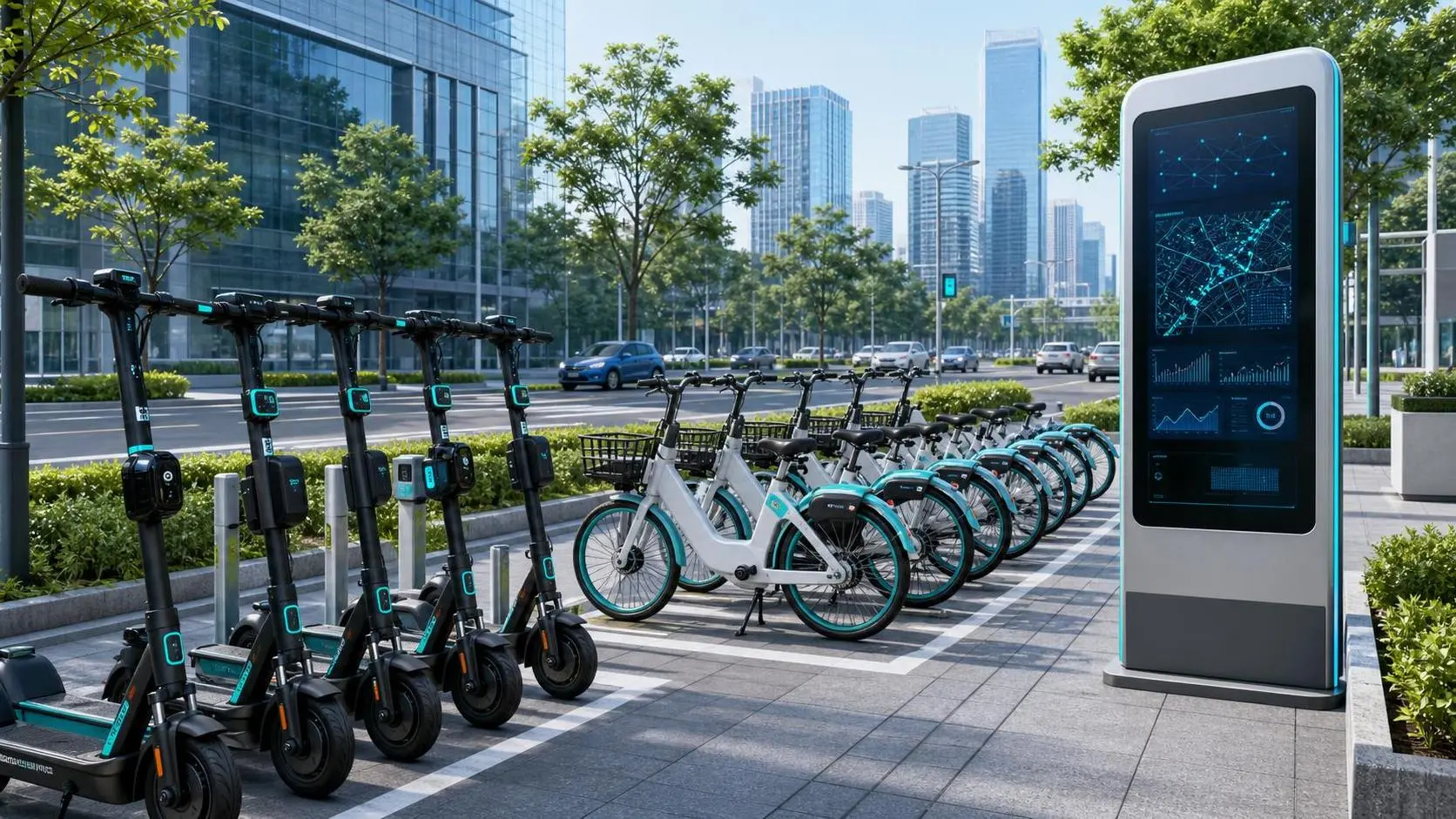
What Is the Intellectualization of Mobility Platform and How Is It Applied in Shared Fleets?
Intellectualization of mobility platform is reshaping shared fleets with real-time data, predictive maintenance, and smarter compliance—learn how it boosts safety, uptime, and urban mobility efficiency.
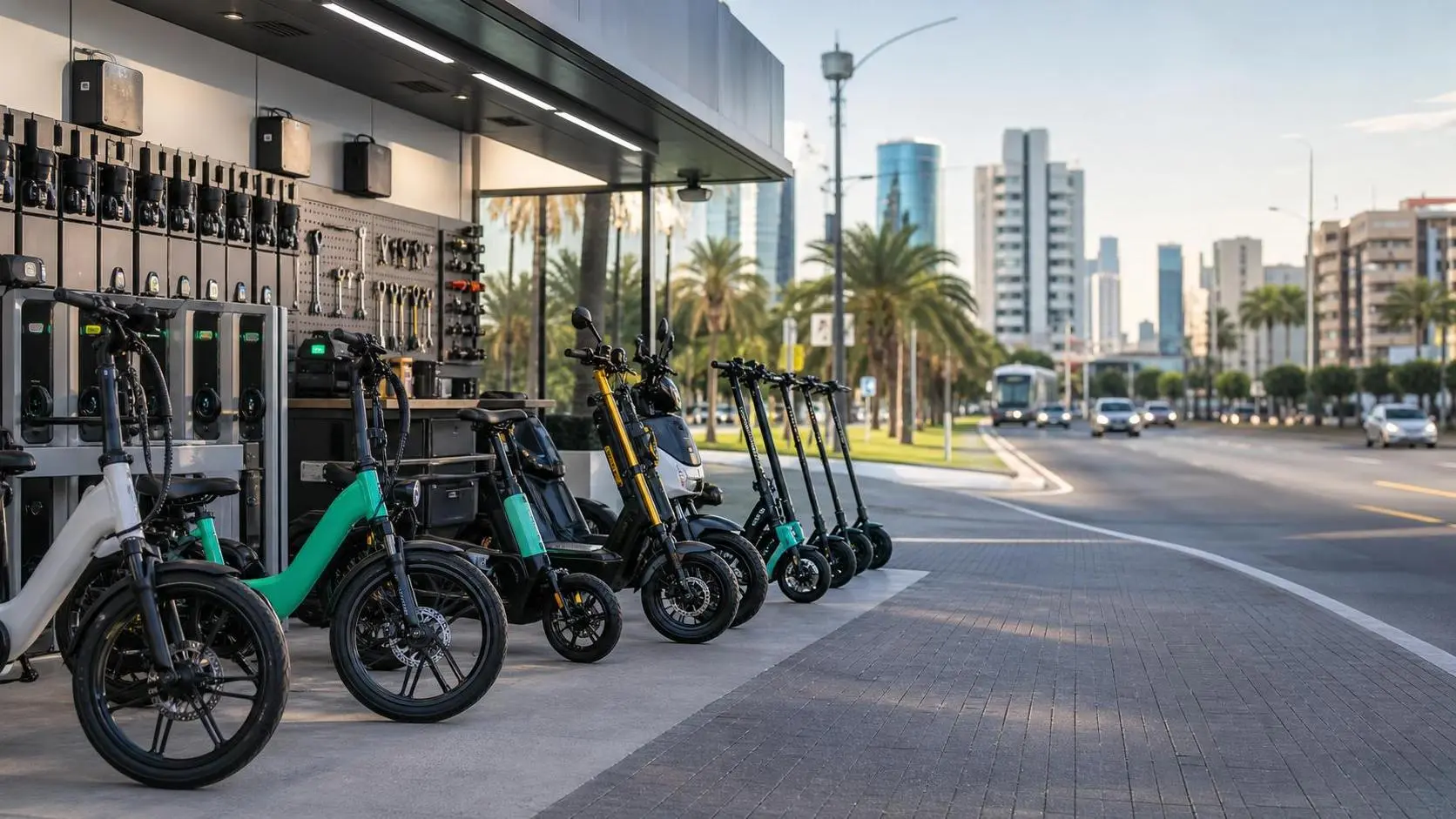
Urban Micro-Mobility Systems in Latin America: Key Market Drivers, Barriers, and Growth Segments
Urban micro-mobility systems Latin America are reshaping city transport. Explore key drivers, barriers, and high-growth segments to spot the region’s most investable opportunities.
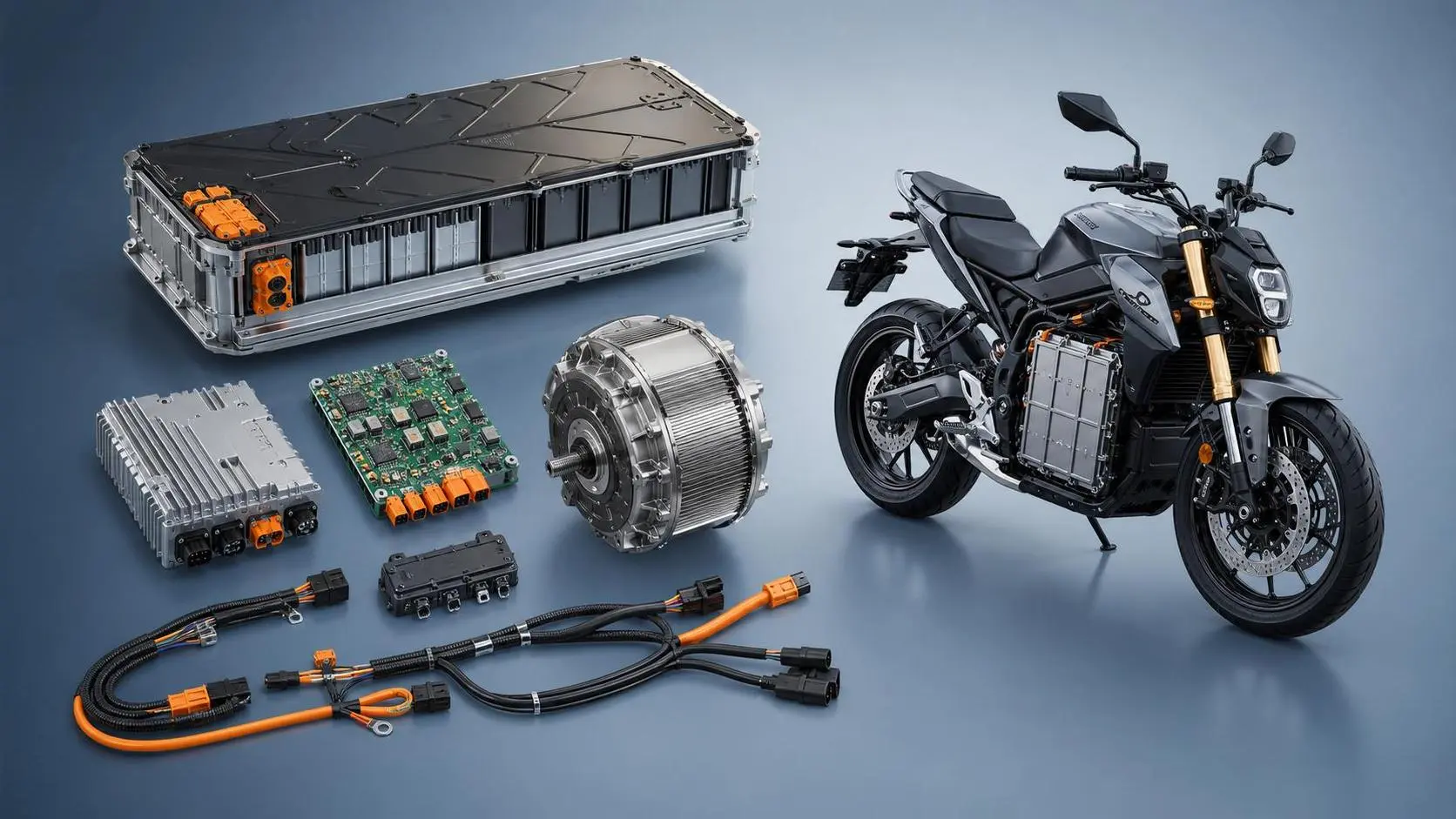
Electric Motorcycle Systems Price Breakdown: What Affects Cost From Battery to Controller?
Electric motorcycle systems price explained: see how battery, controller, motor, BMS, and wiring affect total cost, reliability, and sourcing value before you buy.
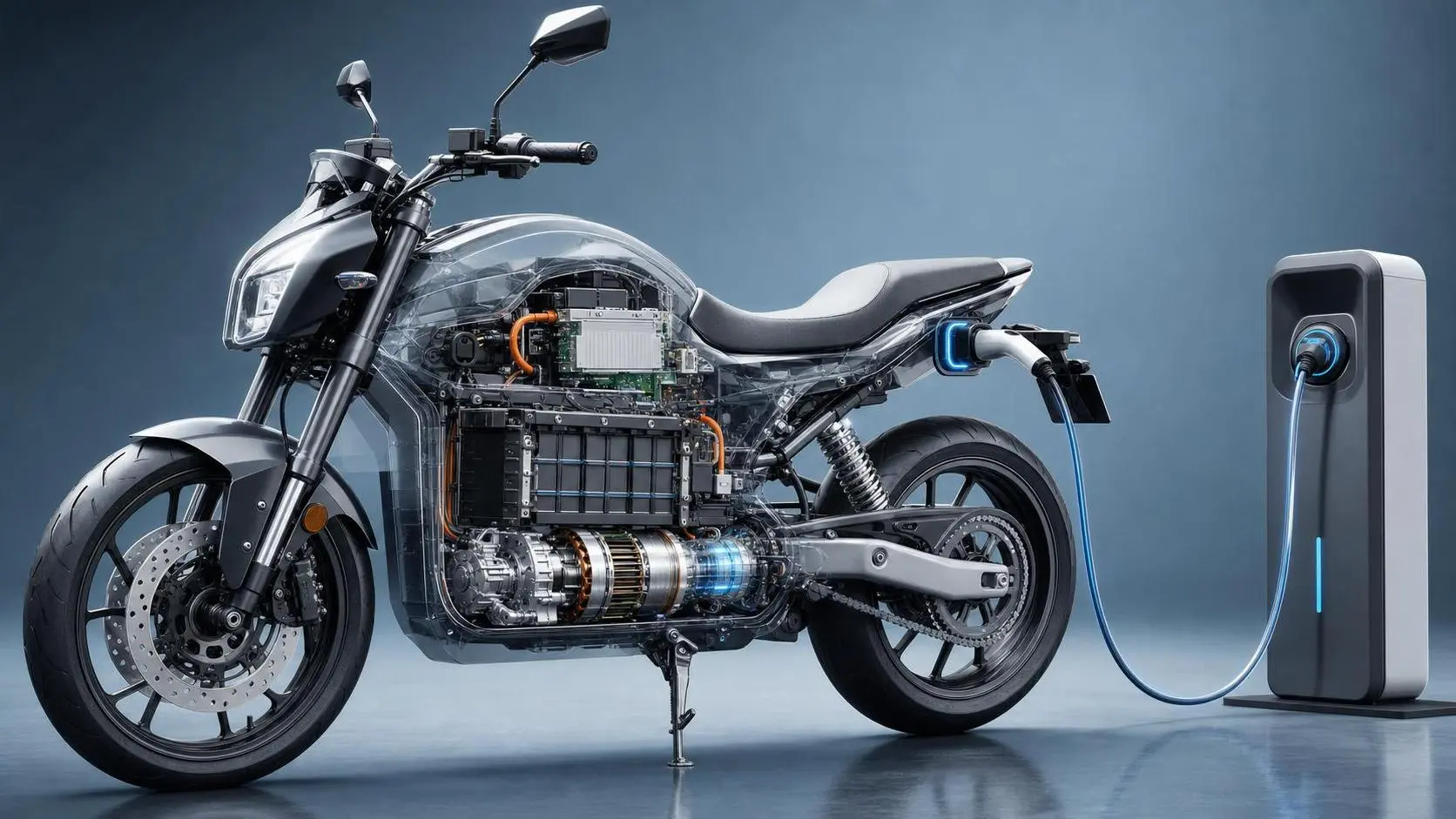
72V Electric Motorcycle Technology Explained: Motors, Controllers, Range, and Charging
Electric motorcycle technology 72V explained clearly: compare motors, controllers, range, battery design, and charging to choose a smoother, stronger, and smarter electric ride.
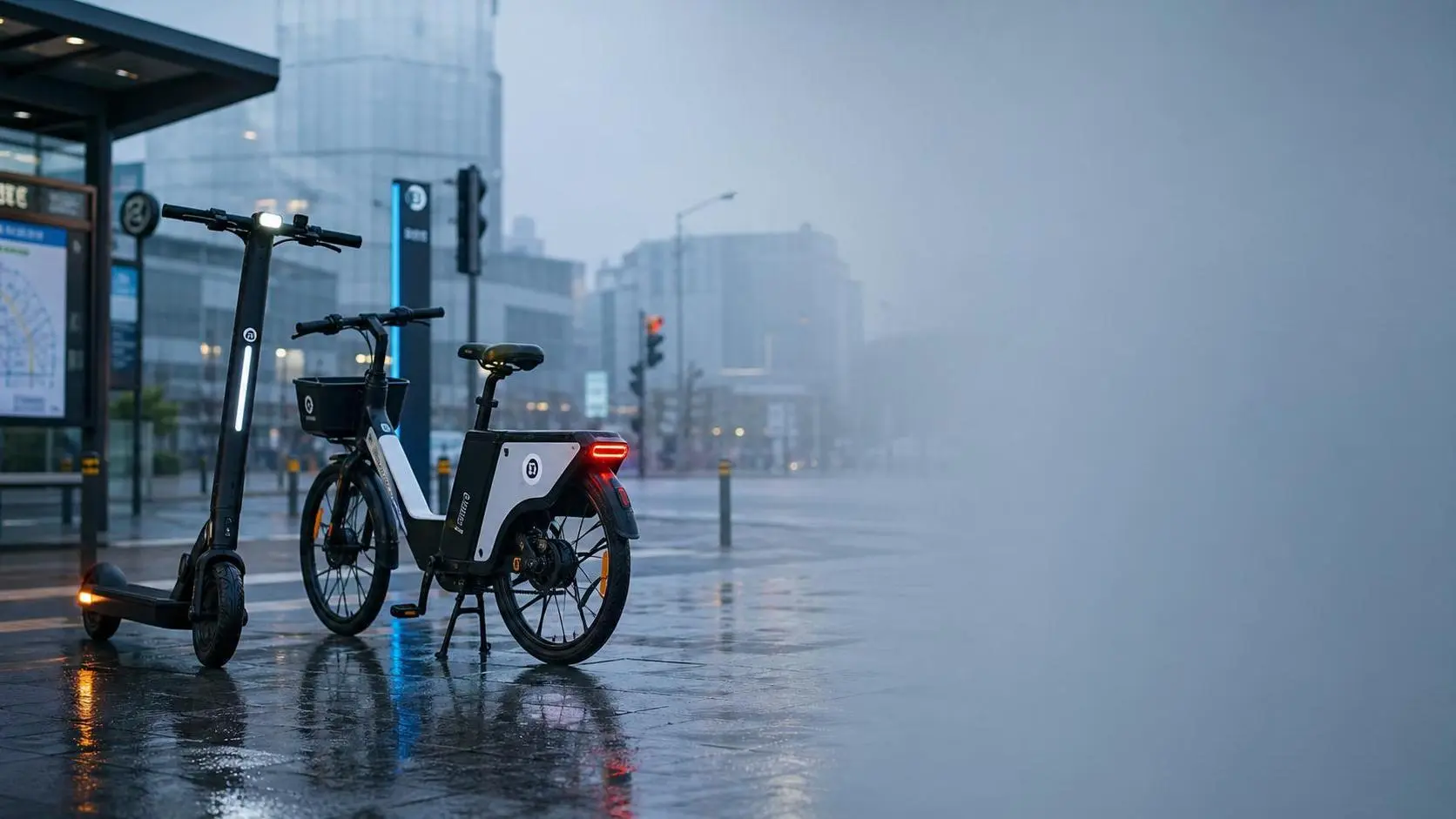
Where LED Urban Visibility Safety Systems Fit Best in Shared Scooters and City E-bikes
LED urban visibility safety systems deliver the most value in shared scooters and city e-bikes by improving multi-angle safety, fleet durability, and urban compliance across real-world routes.
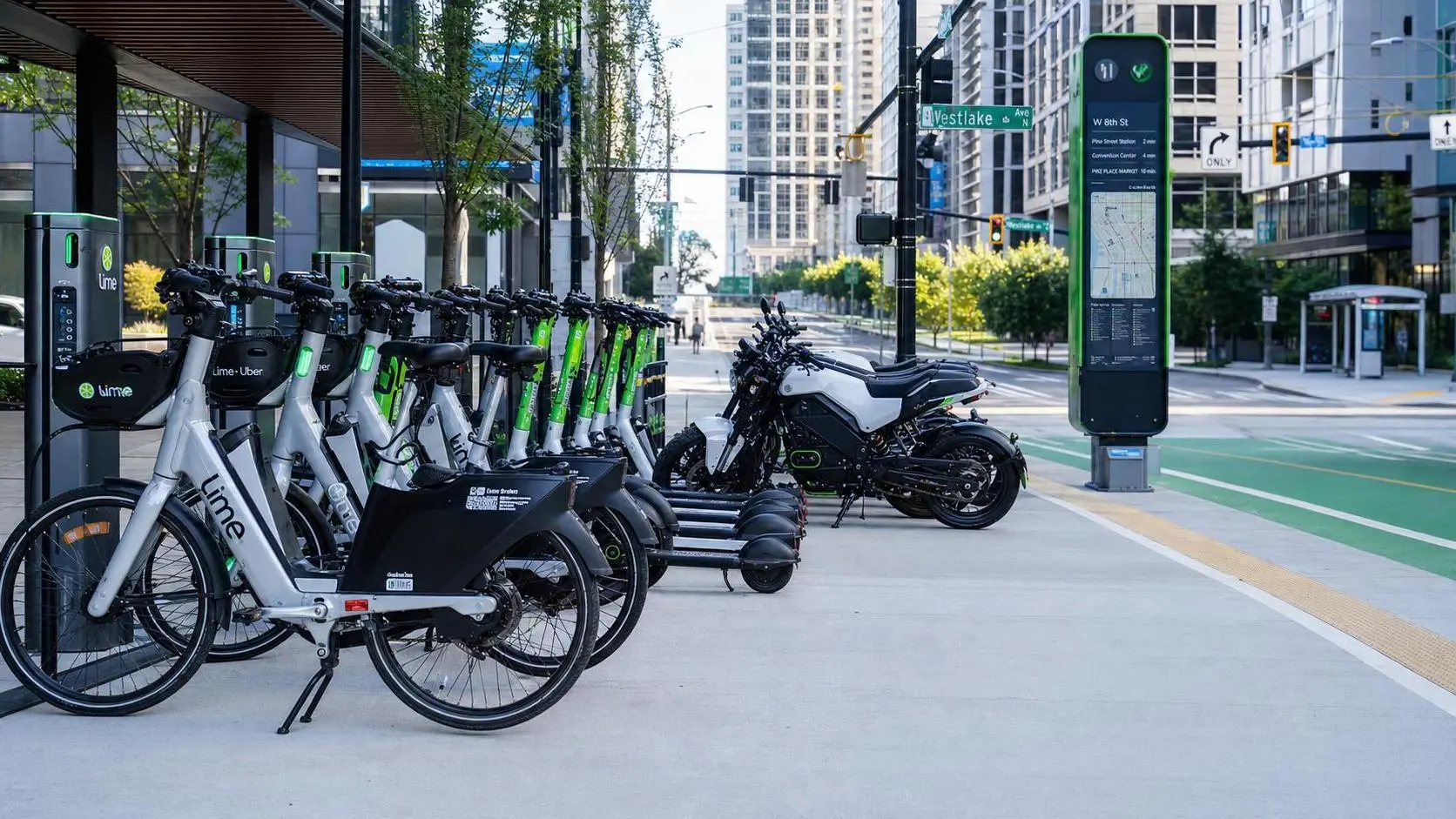
Intellectualization of Mobility in North America: What Is Driving Adoption Across Urban Transport?
Intellectualization of mobility North America is reshaping urban transport through data, smart fleets, and battery intelligence. Explore what is driving adoption and why cities and operators are accelerating now.
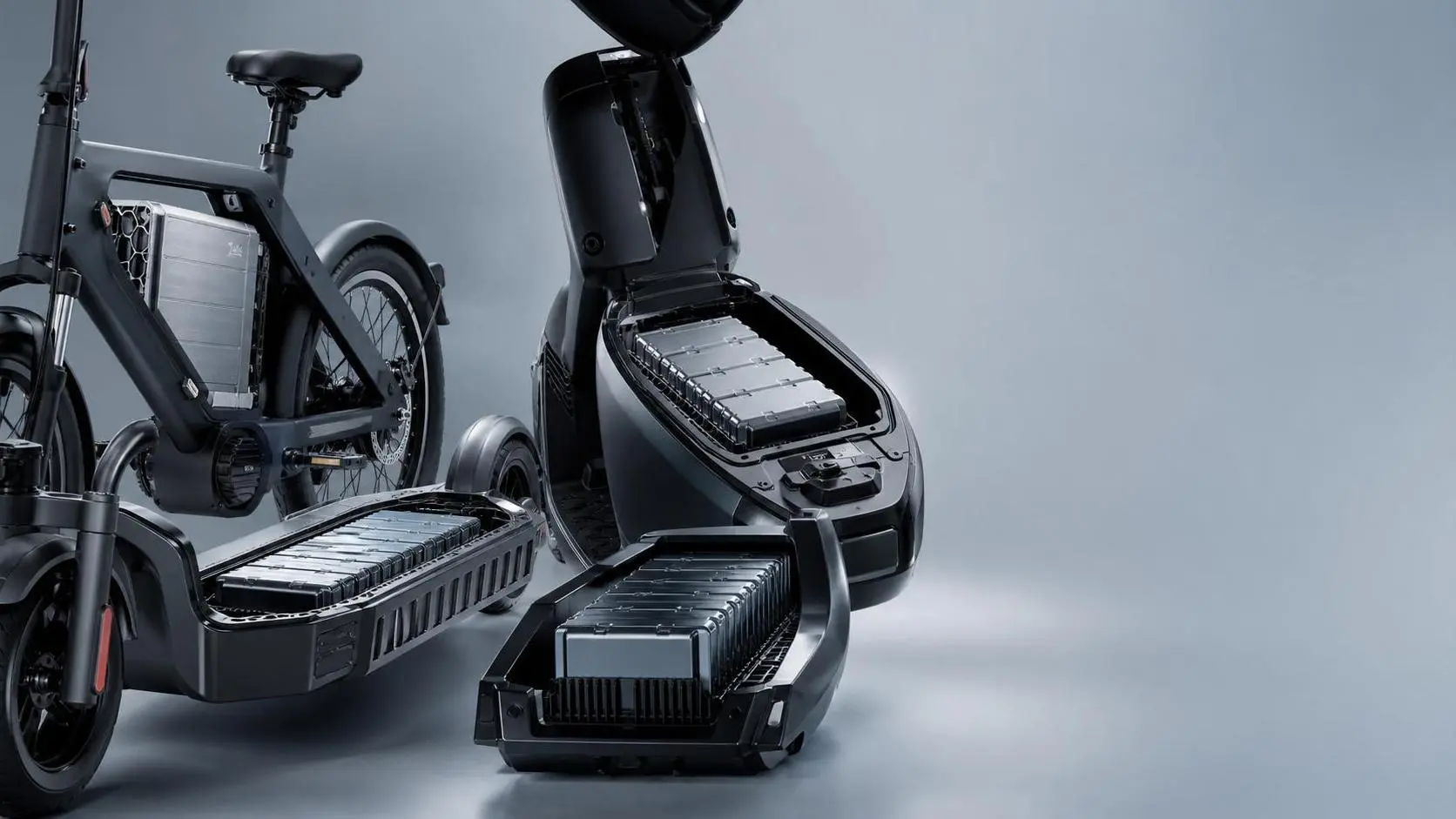
How to Choose a Compact Battery Pack: Size, Energy Density, Thermal Design, and Cycle Life
Compact battery pack selection starts with more than size. Learn how energy density, thermal design, and cycle life shape range, safety, and long-term value.
What Is Driving Green Two-wheelers Demand in Europe? Policy, Fuel Costs, and Buyer Segments
Green two-wheelers demand Europe is rising as policy support, fuel cost pressure, and diverse buyer segments reshape urban mobility. Explore the trends driving the next growth wave.