
Related News
- 00
0000-00
Electric Motorcycle Systems Price Breakdown: What Affects Cost From Battery to Controller? - 00
0000-00
Micro-mobility Systems Explained: Core Components, Operating Models, and City Use Cases - 00
0000-00
Electrification Strategies in Europe: Policy, Charging, and ROI Factors for Fleet Planning - 00
0000-00
OEM Market Share in Electric Motorcycles: What It Reveals About Brand Positioning - 00
0000-00
What Is a Smart Transportation Platform and Which Urban Mobility Use Cases Fit Best?
Ms. Elena Rodriguez
Weekly Insights
Stay ahead with our curated technology reports delivered every Monday.
Why last mile transportation costs vary more than expected





Why do last mile transportation costs vary so sharply, even between nearby neighborhoods? The short answer is that distance is only one input.
The real cost of last mile transportation is shaped by stop density, labor time, vehicle utilization, regulation, energy use, failed delivery risk, and customer expectations.
In dense cities, a one-kilometer route can cost more than a longer suburban route. Congestion, parking friction, elevator delays, and curb access all affect productivity.
For urban mobility, retail logistics, and micro-mobility operators, understanding these variables is essential. Better cost visibility supports stronger service design and more resilient expansion.
What last mile transportation really includes
Last mile transportation refers to the final movement of goods or people to the end destination. It covers parcel delivery, food delivery, shared vehicles, and short urban commutes.
The phrase sounds simple, but the operating model can differ widely. A cargo e-bike route, a van route, and a shared e-scooter fleet all face different cost drivers.
That is why comparing last mile transportation costs without context often leads to wrong assumptions. The same city may support several cost structures at once.
Core cost layers
- Direct labor for driving, riding, loading, unloading, and waiting
- Vehicle acquisition, leasing, depreciation, and maintenance
- Energy costs such as electricity, fuel, and charging downtime
- Insurance, compliance, software, and dispatch systems
- Service quality costs linked to speed, reliability, and redelivery
In micro-mobility ecosystems, the cost picture expands further. Battery swapping, fleet balancing, IoT connectivity, and component durability directly influence last mile transportation economics.
Why last mile transportation costs change more than expected
Cost variation usually comes from time inefficiency rather than route length. Minutes lost at each stop can destroy the economics of an otherwise short delivery cycle.
1. Labor productivity differs by route design
A worker completing 25 stops per hour creates a very different cost base from one completing 10. Entry barriers, gate codes, and customer contact attempts all matter.
2. Vehicle type changes cost logic
A van can carry more, but parking delays and congestion may reduce its advantage. An e-bike may complete dense urban routes faster with lower energy and parking costs.
Smart e-scooters and light electric motorcycles add further flexibility. Yet their economics depend on payload, weather tolerance, battery range, and local road rules.
3. Urban form creates hidden friction
High-rise buildings, narrow streets, restricted loading zones, and complex residential compounds increase dwell time. Dense demand does not automatically mean cheaper last mile transportation.
4. Regulation can raise or lower total cost
Licensing, right-of-way rules, speed limits, emissions zones, and parking enforcement all affect route efficiency. Compliance costs are often underestimated during market entry planning.
5. Service promises shape unit economics
Same-day or one-hour delivery models need spare capacity. That improves speed, but lowers asset utilization, making each last mile transportation trip more expensive.
6. Energy and maintenance are not stable everywhere
Electric fleets may reduce fuel exposure, yet battery degradation, charging access, and parts availability create new cost variables. Cheap energy alone does not guarantee low total cost.
Industry signals shaping current last mile transportation economics
Across the broader mobility industry, several trends are changing how last mile transportation is designed, measured, and financed.
UMMS closely tracks these shifts across e-bikes, smart e-scooters, high-speed e-motorcycles, and precision components. These technologies increasingly influence last mile transportation performance in real cities.
Business value of understanding last mile transportation cost variation
Better cost understanding helps avoid false comparisons. A lower advertised cost per trip may hide poor reliability, weak utilization, or unsustainable labor intensity.
A more useful view combines direct operating cost with service consistency and asset health. That approach creates a truer picture of last mile transportation efficiency.
Key business benefits
- More accurate pricing and contract design
- Stronger city-by-city expansion planning
- Better fleet mix decisions across vans, e-bikes, and scooters
- Improved maintenance budgeting and battery strategy
- Lower exposure to regulatory surprises and service failures
In other words, cost analysis is not only about saving money. It also supports better service architecture and more durable urban mobility operations.
Typical last mile transportation scenarios and cost profiles
Different use cases require different economics. Comparing them directly without matching route conditions can produce misleading conclusions.
This is why last mile transportation strategy should start with route reality, not with assumptions about a single ideal vehicle or network model.
Practical ways to control last mile transportation cost
Operators can improve economics without reducing service quality. The most effective actions usually focus on utilization, dwell time, and maintenance discipline.
Operational priorities
- Measure cost per successful stop, not only cost per kilometer.
- Match vehicle type to density, payload, and road access.
- Reduce failed deliveries through better time windows and proof systems.
- Use telematics to track idle time, battery health, and maintenance trends.
- Model local regulation before entering new districts or cities.
- Build spare parts and charging strategy into total cost planning.
For electric fleets, component quality matters more than many expect. Reliable drivetrains, battery systems, braking parts, and weather-resistant electronics reduce hidden downtime costs.
That is especially relevant in micro-mobility, where frequent daily cycles magnify every weakness in hardware, software, and maintenance execution.
A grounded next step for better decision-making
The biggest lesson is simple: last mile transportation costs vary because urban operations are shaped by time, complexity, and infrastructure, not distance alone.
A practical next step is to compare routes by stop success rate, dwell time, vehicle utilization, energy profile, and maintenance burden. This reveals where cost truly changes.
For organizations following the evolution of e-bikes, e-scooters, e-motorcycles, and intelligent fleet systems, this analysis is increasingly strategic, not merely operational.
As cities become denser and cleaner mobility gains momentum, last mile transportation will reward those who combine accurate intelligence, suitable vehicle architecture, and disciplined execution.
Related News
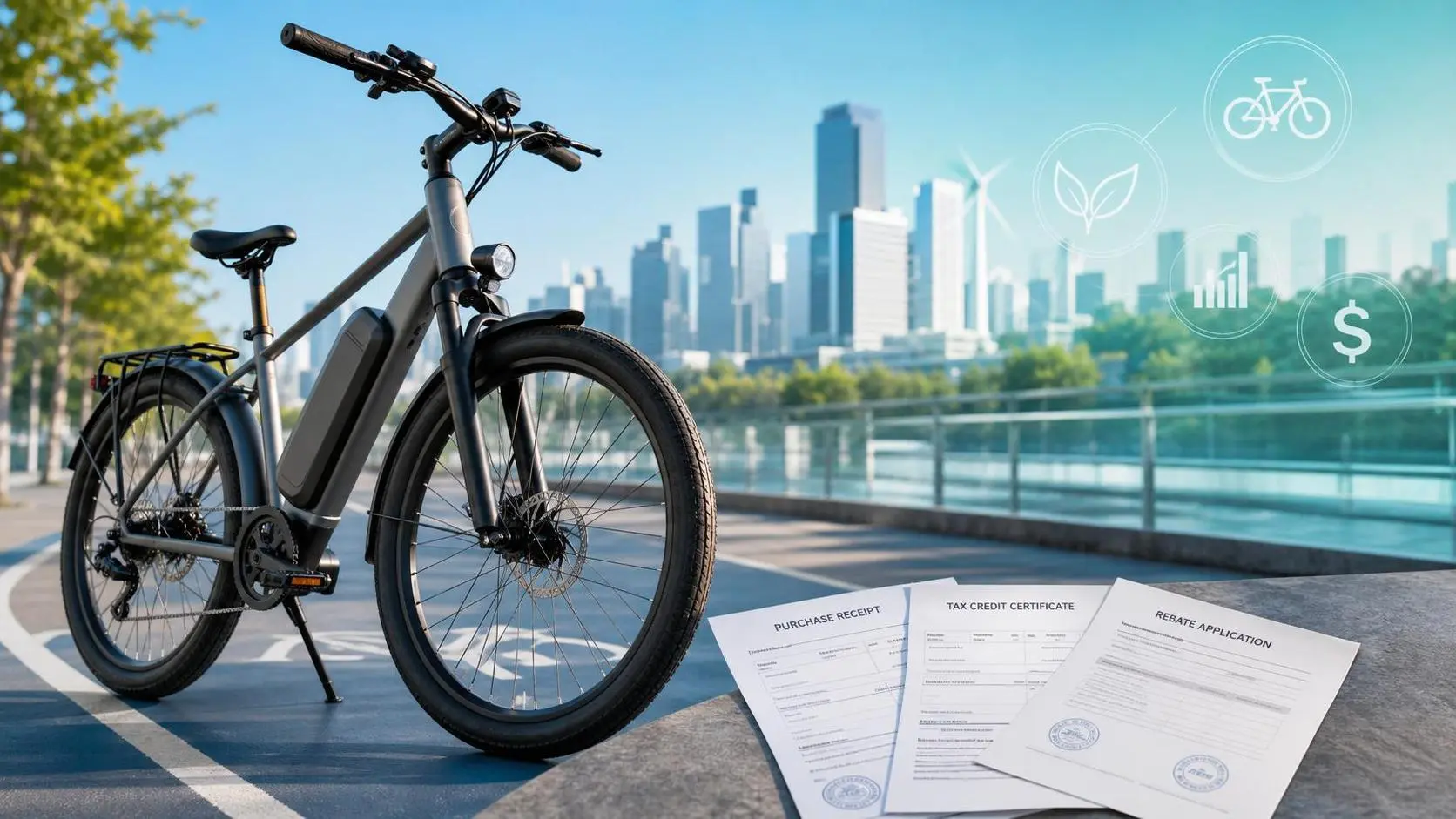
E-Bike Incentives Explained: How Riders Can Find Local Rebates and Tax Credits
E bike incentives explained: learn how to find local rebates, tax credits, and utility offers, avoid common mistakes, and cut the real cost of your next e-bike.
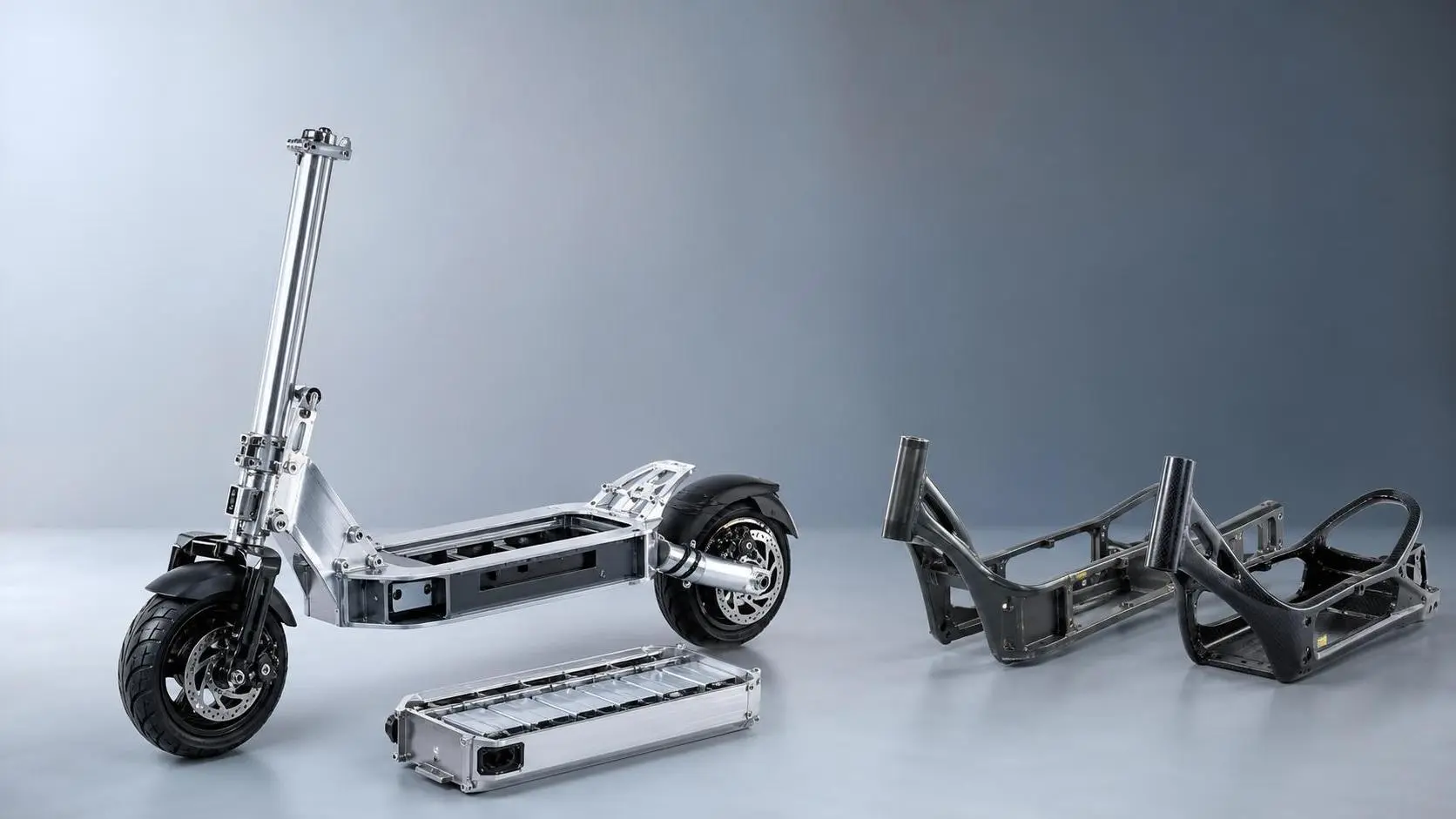
How to Choose Lightweight Scooter Frames in Europe: Materials, Standards, and Use Cases
Lightweight scooter frames Europe buyers need should balance materials, EN standards, durability, and real use cases. Discover how to choose safer, smarter, compliant frames.
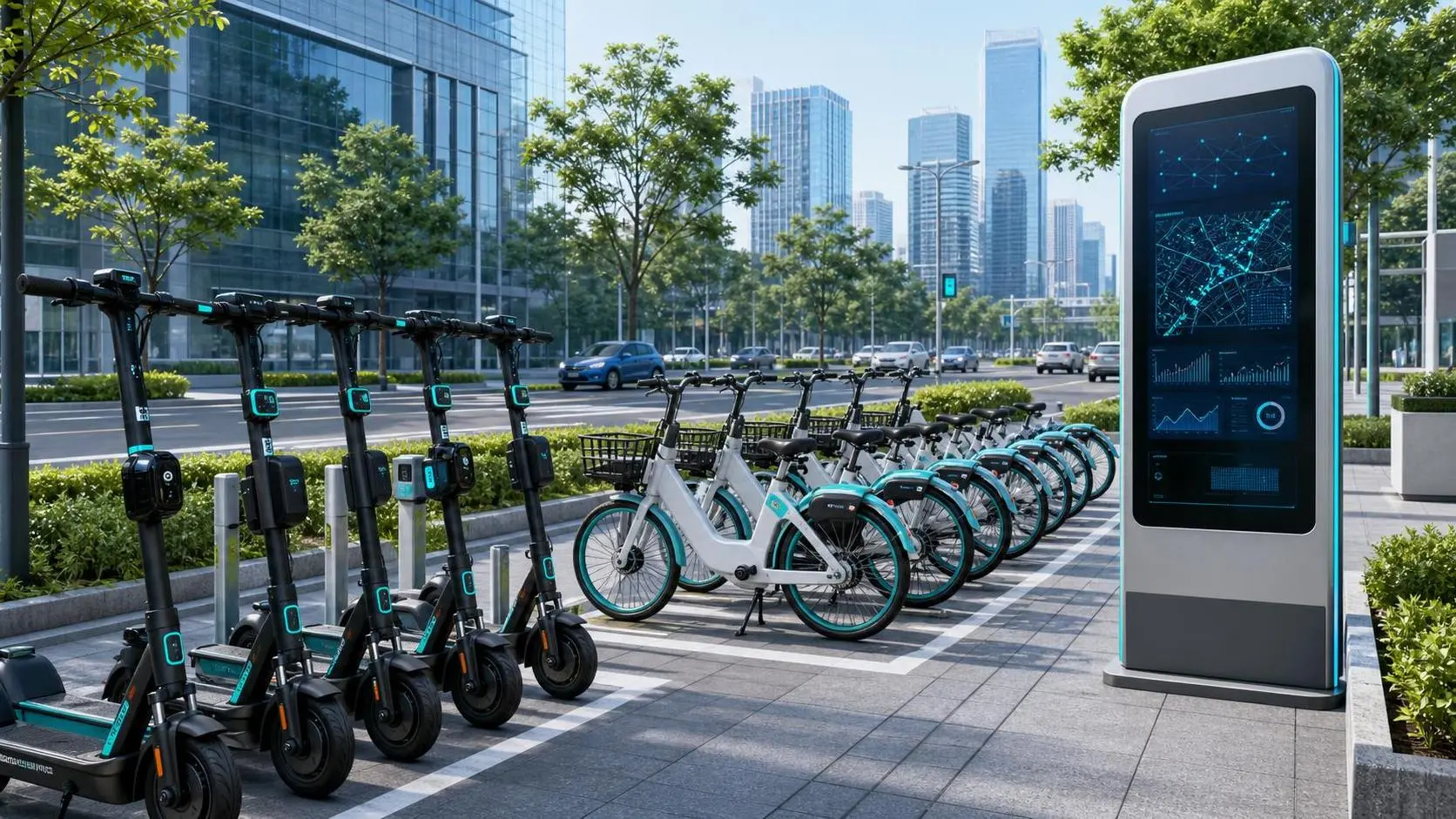
What Is the Intellectualization of Mobility Platform and How Is It Applied in Shared Fleets?
Intellectualization of mobility platform is reshaping shared fleets with real-time data, predictive maintenance, and smarter compliance—learn how it boosts safety, uptime, and urban mobility efficiency.
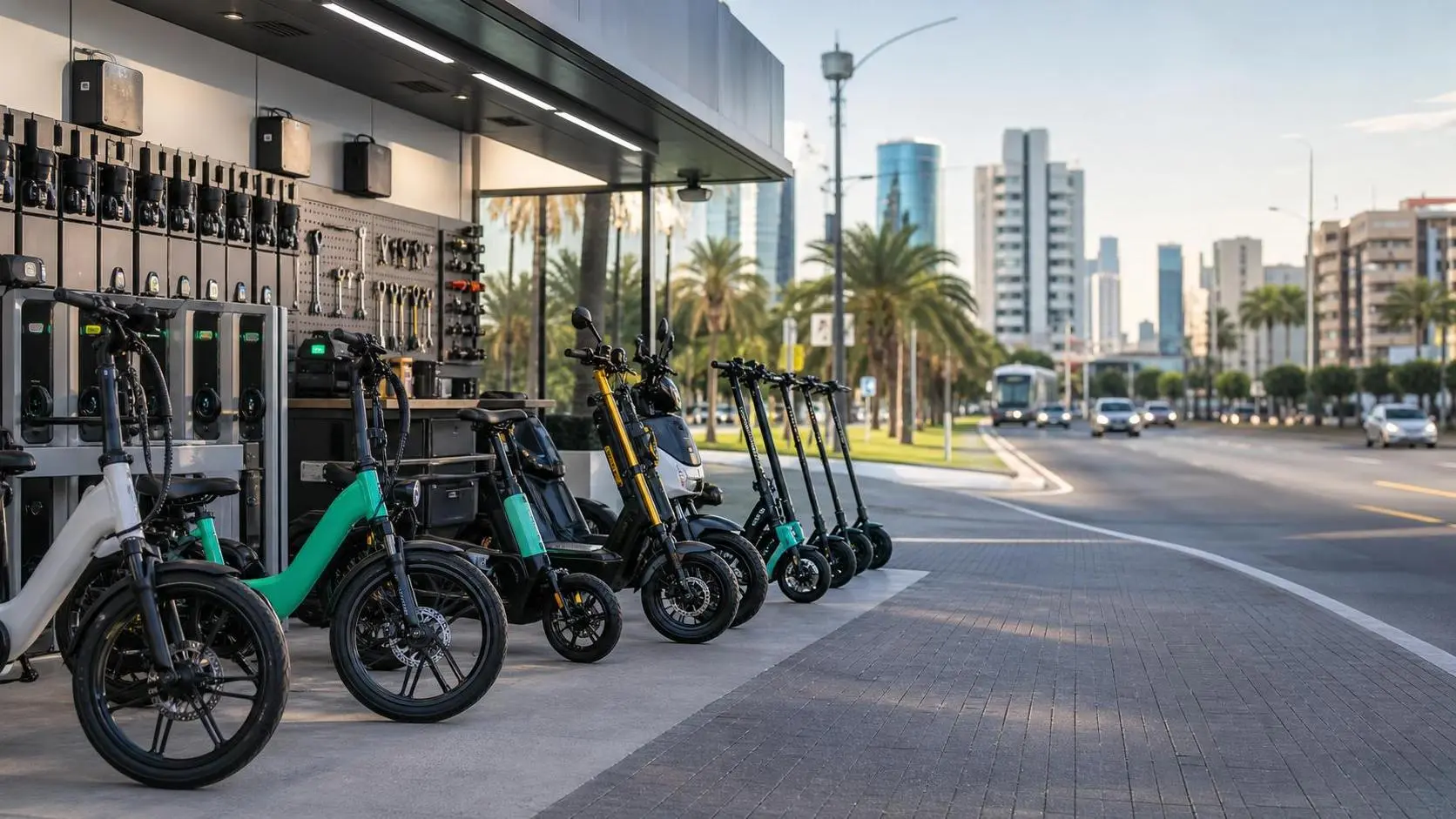
Urban Micro-Mobility Systems in Latin America: Key Market Drivers, Barriers, and Growth Segments
Urban micro-mobility systems Latin America are reshaping city transport. Explore key drivers, barriers, and high-growth segments to spot the region’s most investable opportunities.
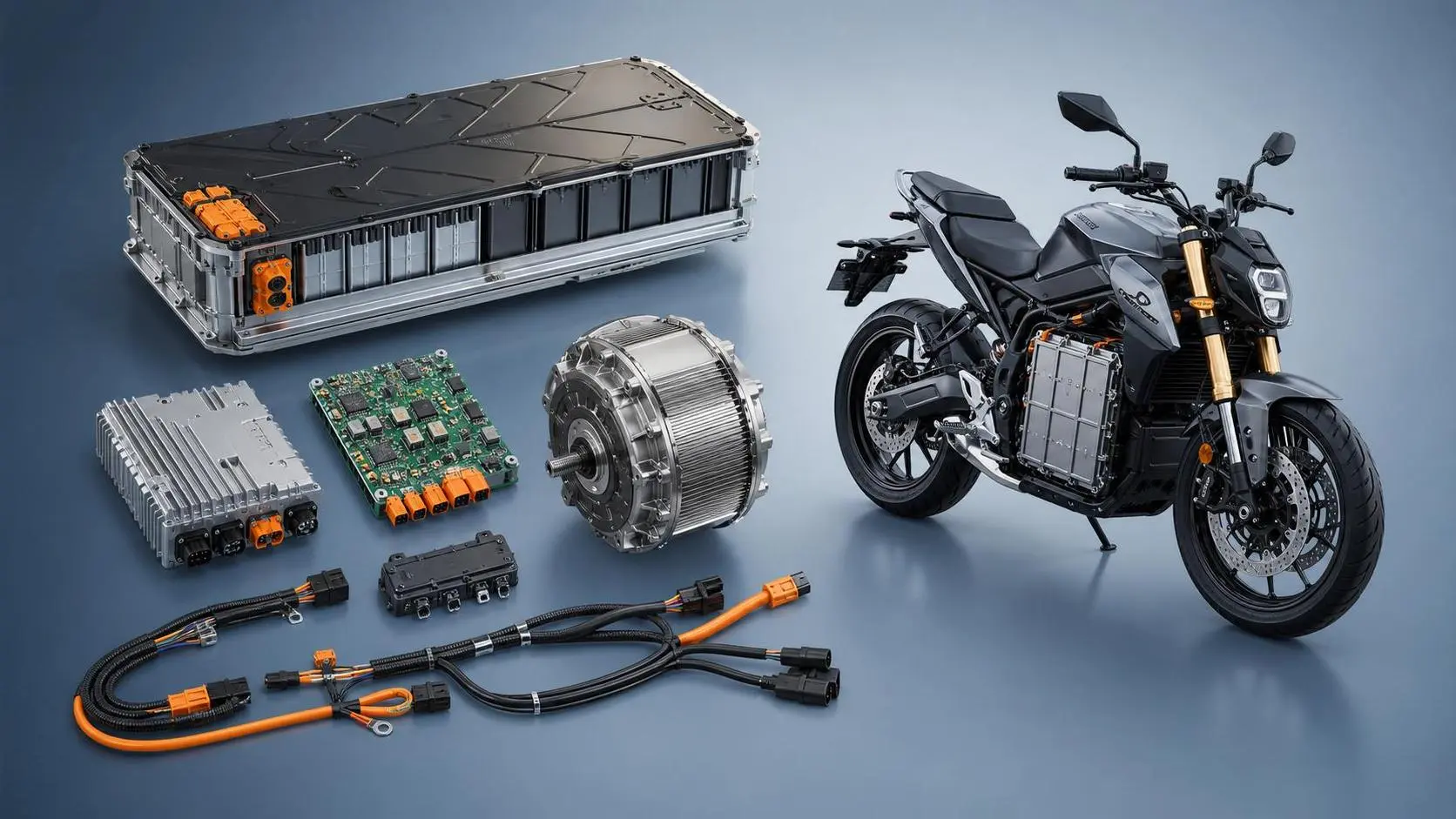
Electric Motorcycle Systems Price Breakdown: What Affects Cost From Battery to Controller?
Electric motorcycle systems price explained: see how battery, controller, motor, BMS, and wiring affect total cost, reliability, and sourcing value before you buy.
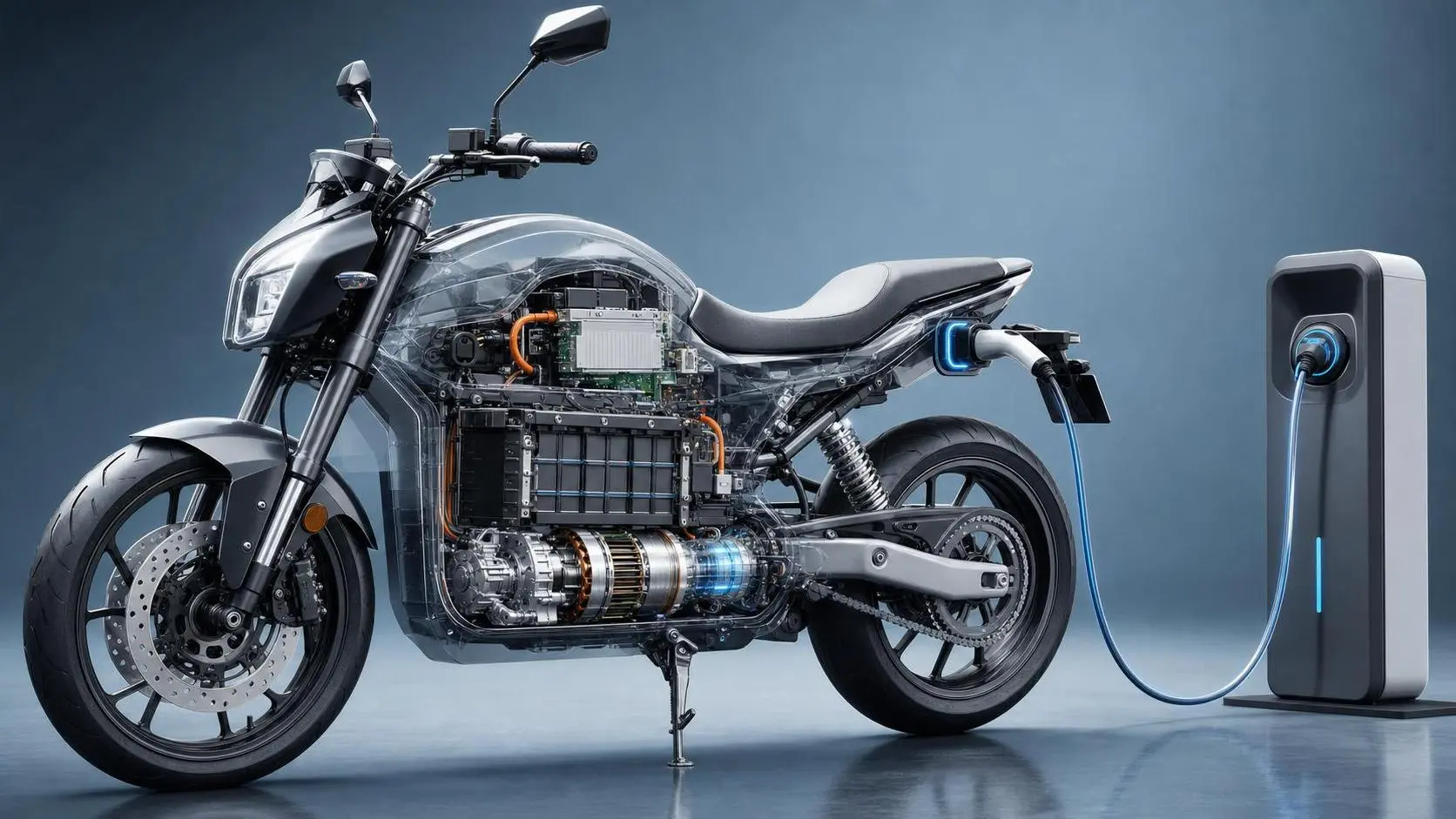
72V Electric Motorcycle Technology Explained: Motors, Controllers, Range, and Charging
Electric motorcycle technology 72V explained clearly: compare motors, controllers, range, battery design, and charging to choose a smoother, stronger, and smarter electric ride.
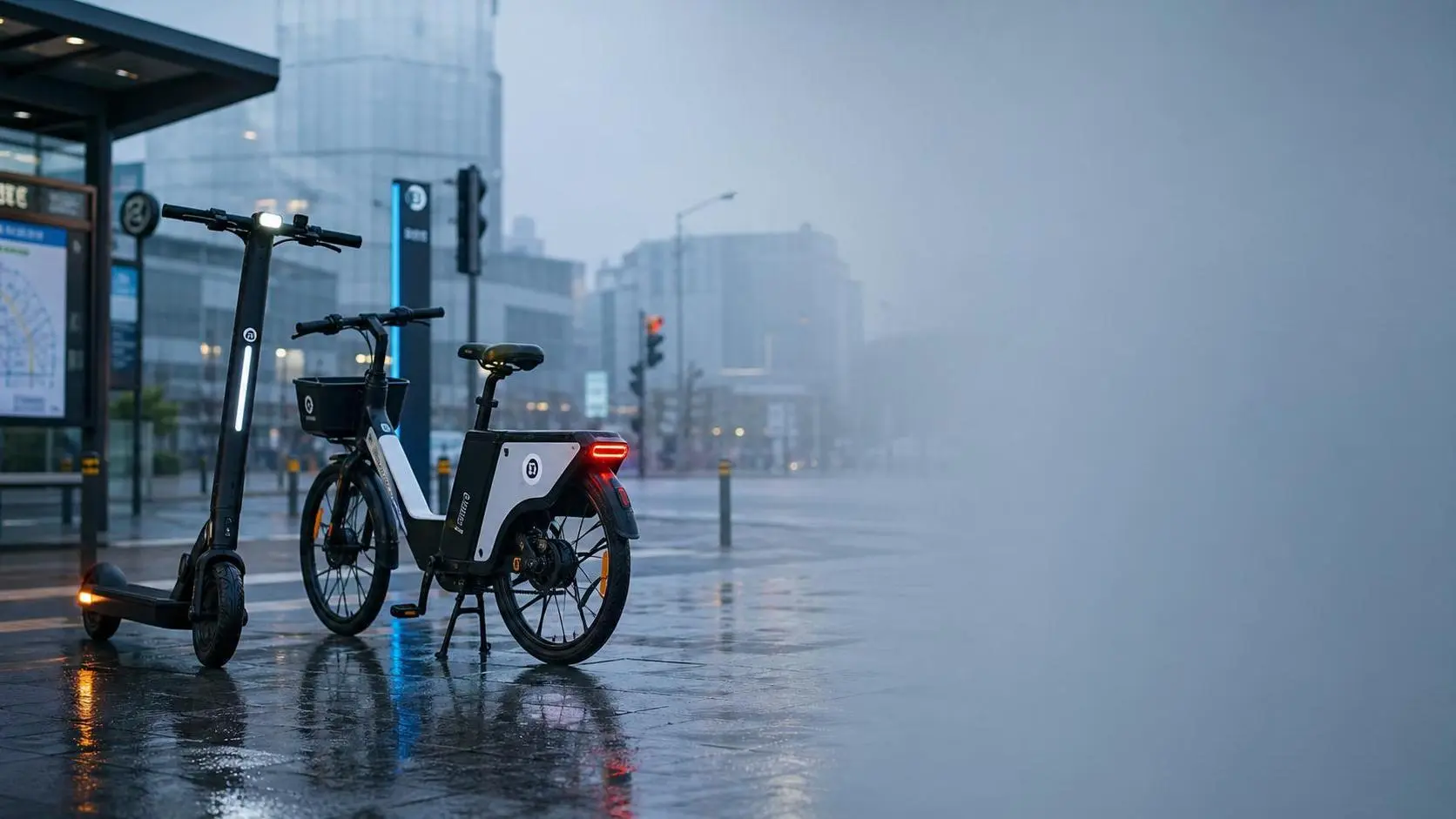
Where LED Urban Visibility Safety Systems Fit Best in Shared Scooters and City E-bikes
LED urban visibility safety systems deliver the most value in shared scooters and city e-bikes by improving multi-angle safety, fleet durability, and urban compliance across real-world routes.
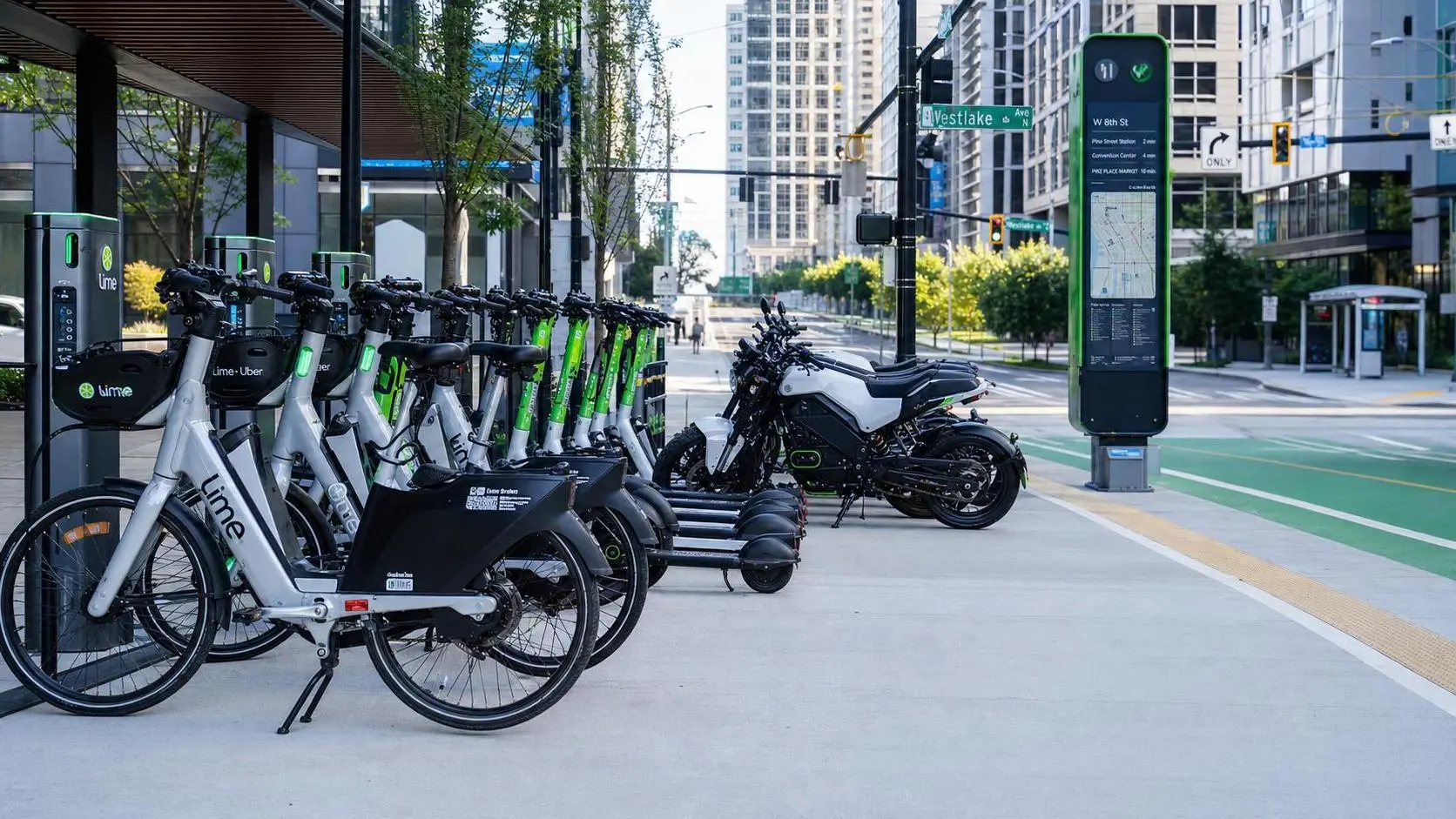
Intellectualization of Mobility in North America: What Is Driving Adoption Across Urban Transport?
Intellectualization of mobility North America is reshaping urban transport through data, smart fleets, and battery intelligence. Explore what is driving adoption and why cities and operators are accelerating now.
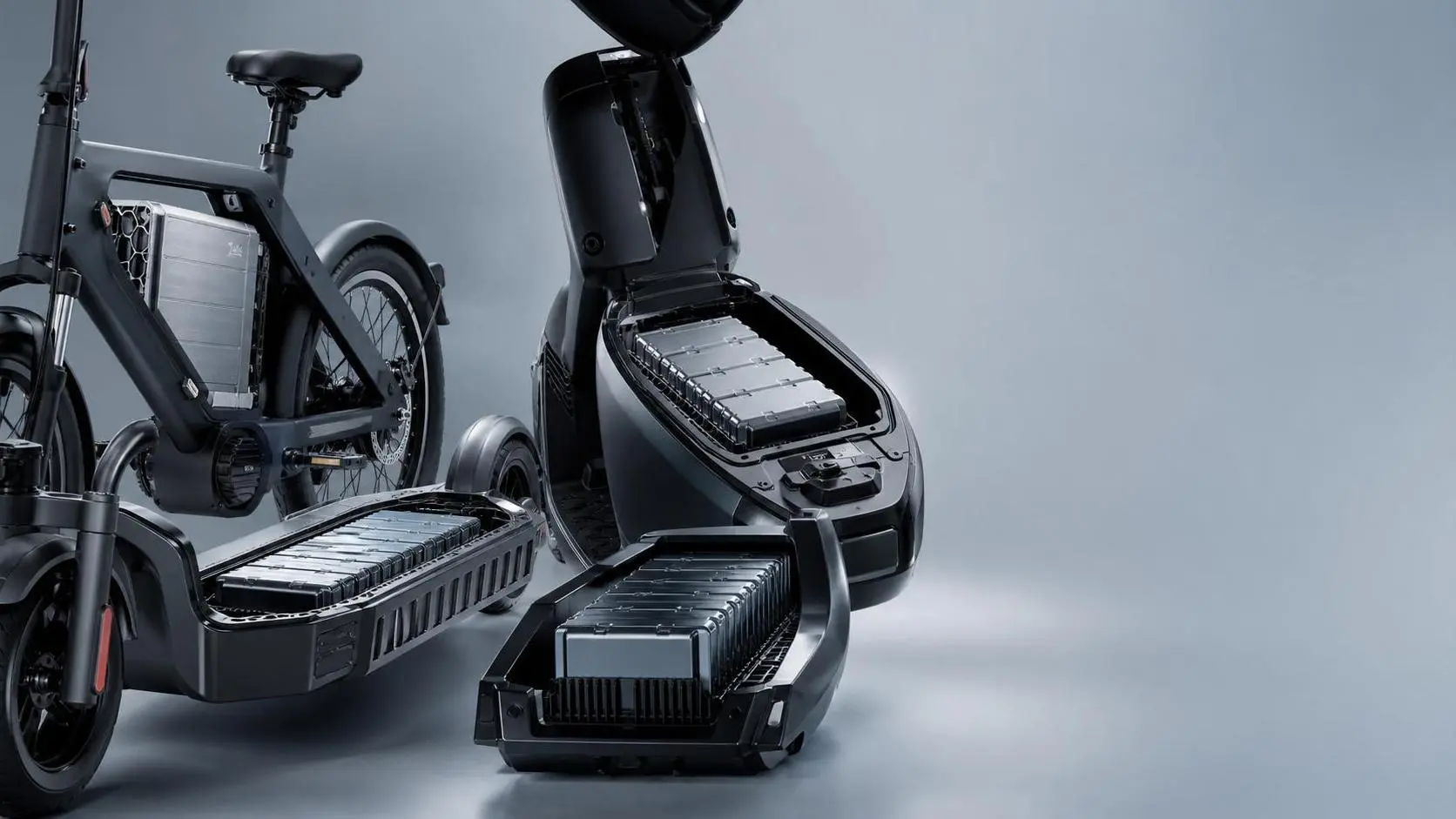
How to Choose a Compact Battery Pack: Size, Energy Density, Thermal Design, and Cycle Life
Compact battery pack selection starts with more than size. Learn how energy density, thermal design, and cycle life shape range, safety, and long-term value.