
Related News
- 00
0000-00
Urban Mobility Market Analysis: Demand Drivers, Policy Risks, and Revenue Models Compared - 00
0000-00
What Affects Urban Traffic Innovation Price in Smart City Transport Projects? - 00
0000-00
How to Evaluate a Battery Management Systems Exporter for Quality, Compliance, and Support - 00
0000-00
What Drives Urban Mobility Adoption in Congested Cities: Cost, Convenience, and Policy - 00
0000-00
How to Verify Micro Mobility Technical Credibility Before Supplier Approval
Ms. Elena Rodriguez
Weekly Insights
Stay ahead with our curated technology reports delivered every Monday.
Electric Mobility Solutions: Cost Tradeoffs Across Urban Use Cases





For procurement teams evaluating electric mobility solutions, cost is no longer a simple sticker-price question. Across urban use cases—from shared e-scooters and commuter e-bikes to high-speed e-motorcycles—total value depends on battery life, maintenance cycles, fleet uptime, component durability, and policy alignment. This article explores the key cost tradeoffs shaping purchasing decisions, helping buyers compare technologies with greater clarity and long-term commercial confidence.
In urban micro-mobility procurement, the same purchase budget can lead to very different operational outcomes over 12, 24, or 36 months. A low unit price may increase service calls, spare-part demand, and battery replacement frequency. A higher initial specification may reduce downtime, extend useful life, and improve rider satisfaction.
For buyers sourcing fleets, components, or platform-ready vehicles, electric mobility solutions must be assessed by use case rather than by category label alone. Shared fleets, commuter programs, delivery operations, and premium two-wheeler networks each place different pressure on motors, battery systems, drivetrains, frames, and connected modules.
Why Cost Tradeoffs Matter More Than Purchase Price
The first cost layer is visible: vehicle price, charger price, battery pack price, and shipping cost. The second layer is less visible but often larger over time: labor hours, failure rates, software support, warranty handling, and the effect of asset downtime on revenue or service coverage.
In many urban deployments, a vehicle that costs 15% more upfront can deliver 20% to 30% lower lifecycle cost if it reduces maintenance intervals from every 6 weeks to every 10 weeks, or if battery health remains commercially usable after 700 to 1,000 charge cycles instead of 400 to 600.
The 4 Procurement Variables That Usually Shift Total Cost
- Battery chemistry, pack design, and thermal management
- Mechanical durability of frames, suspensions, brakes, and drivetrain parts
- Telematics quality, diagnostics capability, and firmware support
- Local policy fit, including speed class, parking rules, subsidy eligibility, and right-of-way restrictions
For UMMS readers tracking the electrification of two-wheelers, these variables are especially important because micro-mobility assets operate in stop-start urban environments. Repeated curb impacts, short-trip charging behavior, rain exposure, and high-frequency rider turnover create a different cost profile from private leisure cycling or conventional motorcycle ownership.
Where Buyers Commonly Misread Cost
1. Underestimating battery replacement timing
A battery rated for attractive range on day one may lose commercial usefulness sooner if charging is unmanaged or if urban temperature swings exceed expected operating windows. In practical procurement terms, a 48V or 60V system with stronger battery management logic may outperform a cheaper pack even when nominal capacity looks similar on paper.
2. Ignoring maintenance access time
If a wheel motor, controller, or brake assembly requires 45 minutes of disassembly instead of 15 minutes, workshop cost compounds fast across a fleet of 500 or 1,000 units. Serviceability is a procurement variable, not only an engineering variable.
3. Treating connected features as optional extras
On shared e-scooters or managed commuter fleets, GPS, remote diagnostics, geofencing, and battery-state reporting can reduce misuse, optimize redeployment, and shorten fault isolation time. Those functions add cost upfront but can prevent larger losses linked to theft, idle inventory, or delayed repairs.
The table below compares core cost drivers across major electric mobility solutions used in cities. It is designed for procurement teams that need a quick framework before requesting quotations or technical submissions.
The main takeaway is that electric mobility solutions should be compared on operational profile, not on category alone. Two products in the same class may show similar list prices while producing sharply different maintenance and uptime curves over the first 18 months.
Cost Tradeoffs by Urban Use Case
Urban mobility systems are not costed in the same way because duty cycles differ. A shared scooter may face 8 to 15 rides per day. A commuter e-bike may run 10 to 25 kilometers daily with lower abuse. A high-speed e-motorcycle may need stronger cooling, higher-capacity packs, and compliance support from the start.
Shared E-Scooters: Lower Entry Cost, Higher Operational Exposure
Shared e-scooters often look attractive because unit acquisition cost is relatively low. However, they typically carry the highest exposure to impact damage, weather, theft attempts, and rider misuse. Procurement teams should model not only unit cost, but also average weekly retrieval, charging, and repair events.
Important thresholds include IP protection level, connector sealing quality, deck rigidity, and spare-part modularity. If brake levers, stems, wheel hubs, or IoT modules can be replaced in under 20 minutes, service cost can decline materially across large fleets.
Best-fit buying priorities
- Swappable battery design for faster turnaround
- Remote diagnostics to reduce field inspection hours
- Reinforced frame joints and weather-resistant electronics
- Predictable spare-parts availability within 2 to 6 weeks
Commuter E-Bikes: Higher Comfort Value, More Balanced Lifetime Economics
For commuter fleets, employer mobility programs, rental operators, and urban retailers, e-bikes often provide the most balanced cost-performance profile. They combine moderate battery size, lower charging stress than high-speed platforms, and user-friendly adoption across a wide rider base.
The cost tradeoff usually sits in the drivetrain, motor type, and battery cell quality. Mid-drive systems can offer better hill performance and weight distribution, but hub-drive layouts may simplify maintenance and lower initial procurement complexity. Precision bicycle components also matter because frequent chain, cassette, or derailleur replacement can erode savings.
Where hidden cost often appears
- Cheap drivetrain parts wearing out under torque-assisted commuting
- Battery packs with weak cold-weather performance below 5°C
- Limited charger interoperability across multiple product batches
- Inconsistent firmware support for display, controller, or battery systems
High-Speed E-Motorcycles: Higher Capex, Better Value in Intensive Duty Cycles
High-speed e-motorcycles demand the largest upfront investment, but they can be commercially rational in premium commuting, patrol, delivery, and urban logistics use cases where acceleration, range, payload, or road access matter. These vehicles usually operate with larger battery packs, stronger braking systems, and more robust thermal management architecture.
The major tradeoff is between charging strategy and operational continuity. Fixed charging can reduce infrastructure complexity at first, while battery swapping may improve uptime where daily utilization is high or where vehicles cannot sit idle for 4 to 8 hours.
The comparison below highlights how procurement priorities change by use case. It can help buyers define specification tiers before negotiating final pricing and support packages.
This matrix shows that the best electric mobility solutions are the ones aligned with usage intensity and regulatory fit. Overbuying specification can waste capital, but underbuying durability usually produces higher total cost within one to two operating seasons.
How Procurement Teams Should Evaluate Suppliers and Specifications
A disciplined sourcing process improves cost control more than a single aggressive price negotiation. For electric mobility solutions, buyers should build a 5-part assessment model covering hardware, software, supply continuity, serviceability, and policy fit.
1. Validate technical fit against duty cycle
Ask suppliers to map specification to real urban use. Daily distance bands, average payload, gradient range, charge frequency, and parking exposure should all be defined before final RFQ comparison. A 20-kilometer urban rental profile and a 70-kilometer logistics profile should never be assessed with the same cost assumptions.
2. Request service and parts detail early
Parts lead time often decides whether a low-price procurement remains profitable. Buyers should ask for replacement timelines for controllers, displays, brake systems, battery locks, chargers, and drivetrain consumables. A normal target in B2B operations is critical spare availability within 7 to 21 days, depending on region and stock model.
3. Review telematics and diagnostics as operating tools
For smart e-scooters and connected e-bikes, diagnostics can lower labor input and improve asset visibility. Procurement teams should compare data outputs such as location accuracy, battery state-of-health visibility, fault code depth, and firmware update process. These are not cosmetic features; they influence uptime and cost recovery.
4. Include mechanical detail in TCO analysis
UMMS closely tracks precision drivetrain evolution because small mechanical details create large commercial effects. Chain wear rates, derailleur accuracy, braking component lifespan, and bearing quality can determine whether a fleet remains smooth after 3,000 kilometers or enters high-frequency maintenance much earlier.
Minimum due-diligence checklist
- Battery cycle-life expectation under typical urban charging behavior
- Expected maintenance interval for brakes, tires, and drivetrain parts
- Software support period and update method
- Replacement parts stocking model by region
- Applicable local speed, lane, or registration restrictions
- Warranty boundaries for commercial use versus private use
Risk Control, Policy Alignment, and Long-Term Value
The final cost layer in electric mobility solutions is strategic rather than technical. Vehicles that meet operational needs but fail local policy conditions can lose commercial value quickly. This is especially relevant for shared scooters facing parking controls, e-bikes tied to subsidy frameworks, and high-speed e-motorcycles requiring registration compliance.
Policy-fit questions buyers should ask
- Does the vehicle fit local speed and power classifications?
- Will battery format or charger type affect public-space or facility approvals?
- Are connected functions needed for geofencing, parking enforcement, or anti-theft compliance?
- Is the product likely to remain deployable under rules expected in the next 12 to 24 months?
Procurement teams should also examine weather resilience and visibility-related accessory systems where relevant. In dense urban traffic, safety support components such as lighting, sensor integrations, and, for certain enclosed or specialty applications, reliable wiper systems can affect both compliance and operating continuity in extreme rain or winter conditions.
A practical TCO mindset for buyers
The most useful comparison window is rarely the first invoice. A better approach is to model cost over 18 to 36 months using 6 variables: acquisition, charging, maintenance labor, parts replacement, downtime loss, and compliance adaptation. This framework creates a more realistic basis for negotiations with OEMs, fleet integrators, and component suppliers.
For procurement leaders working across e-bikes, smart e-scooters, high-speed e-motorcycles, and precision components, the strongest suppliers are usually those that can explain not only price, but also maintenance logic, battery strategy, service workflow, and urban deployment constraints in operational terms.
Turning Cost Comparison Into Better Purchasing Decisions
Electric mobility solutions create value when specification, use case, and support model are matched with discipline. Shared fleets need rugged uptime economics. Commuter e-bikes need balanced efficiency and parts reliability. High-speed e-motorcycles need stronger planning around battery architecture, compliance, and daily utilization intensity.
For buyers, the key is to compare cost in layers: upfront spend, operational burden, replacement rhythm, and policy durability. That approach reduces sourcing risk and supports more resilient urban mobility programs in a market defined by electrification, connectivity, and tighter city regulation.
If your team is evaluating suppliers, fleet architectures, or component strategies across the urban two-wheeler landscape, now is the right time to refine your specification framework. Contact UMMS to get tailored procurement insight, discuss product details, or explore more electric mobility solutions built for real city operating conditions.
Related News
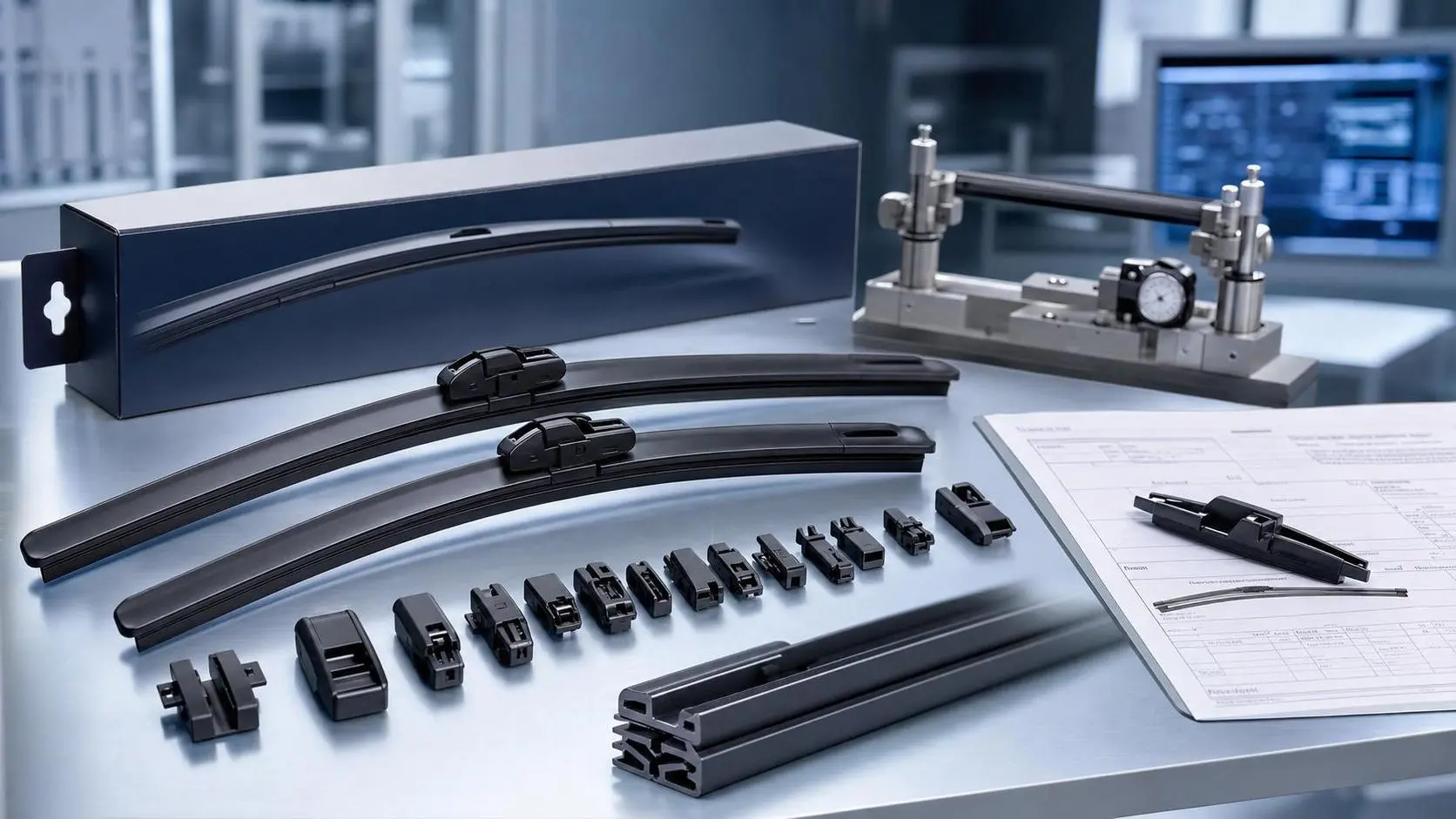
Flat Wiper Blades Wholesale Buying Guide: MOQ, Rubber Quality, Fitment, and Supplier Checks
Flat wiper blades wholesale buying guide covering MOQ, rubber quality, fitment accuracy, and supplier checks to reduce risk, improve margins, and choose reliable bulk partners.
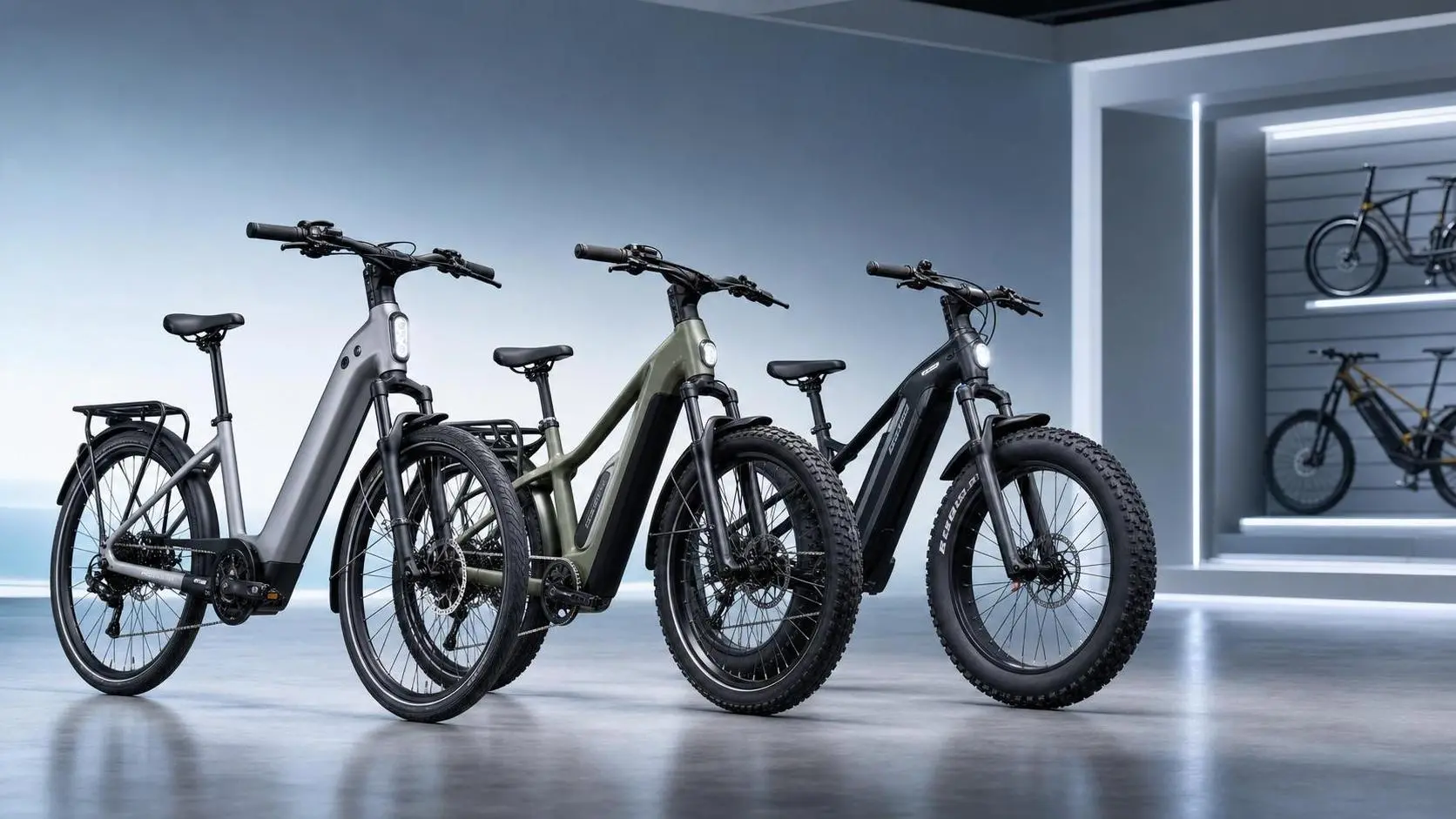
Ebike Market USA: What Dealers Should Know About Demand Shifts, Pricing, and Product Mix
ebike market USA is shifting fast. Discover how demand segmentation, pricing pressure, and smarter product mix decisions can help dealers protect margins and grow.
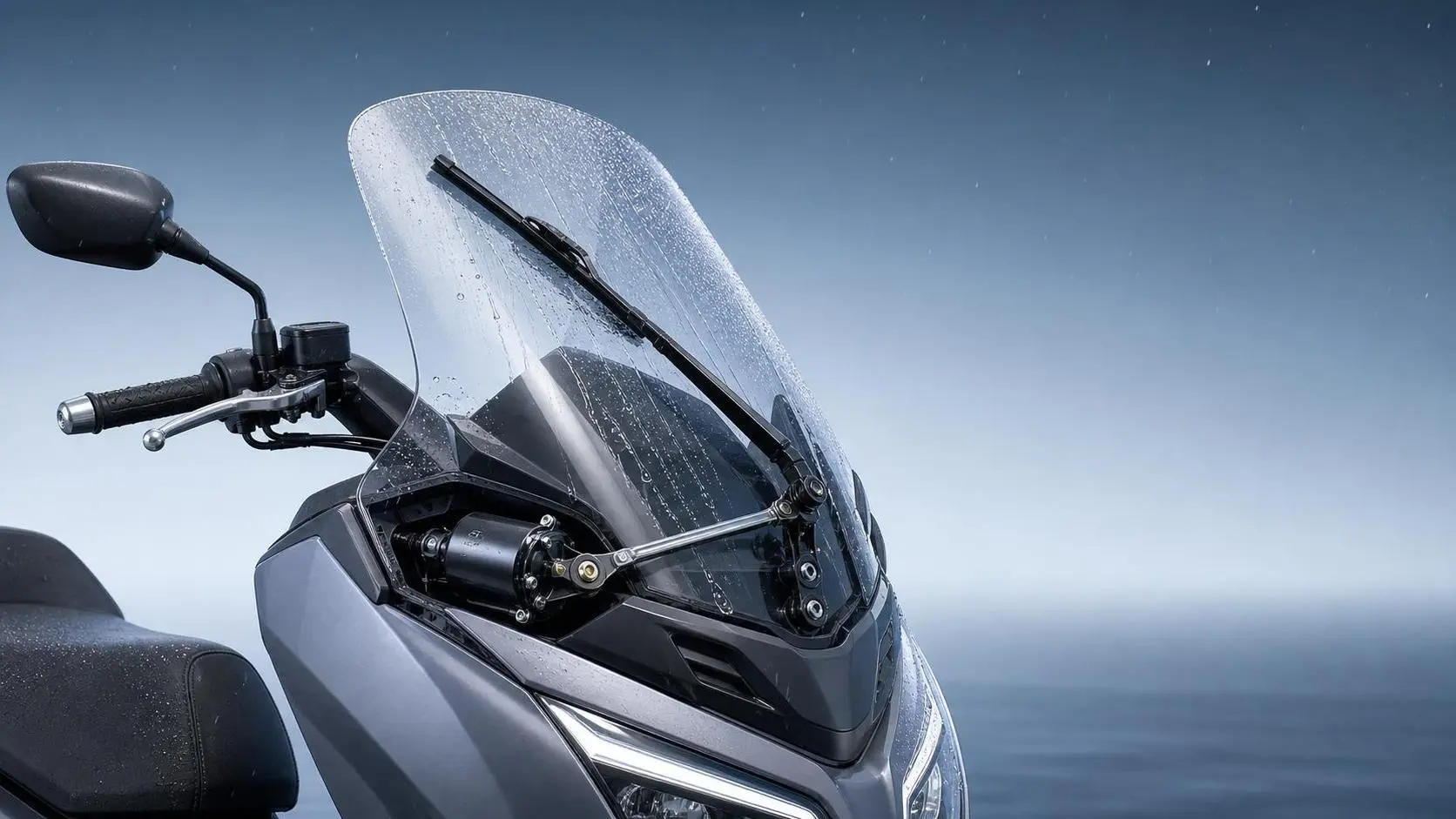
Wiper Systems for Scooters: Common Failure Points, Maintenance Tips, and Replacement Signs
Wiper systems for scooters: learn the most common failure points, smart maintenance tips, and clear replacement signs to improve visibility, reduce repeat repairs, and keep riders safer.
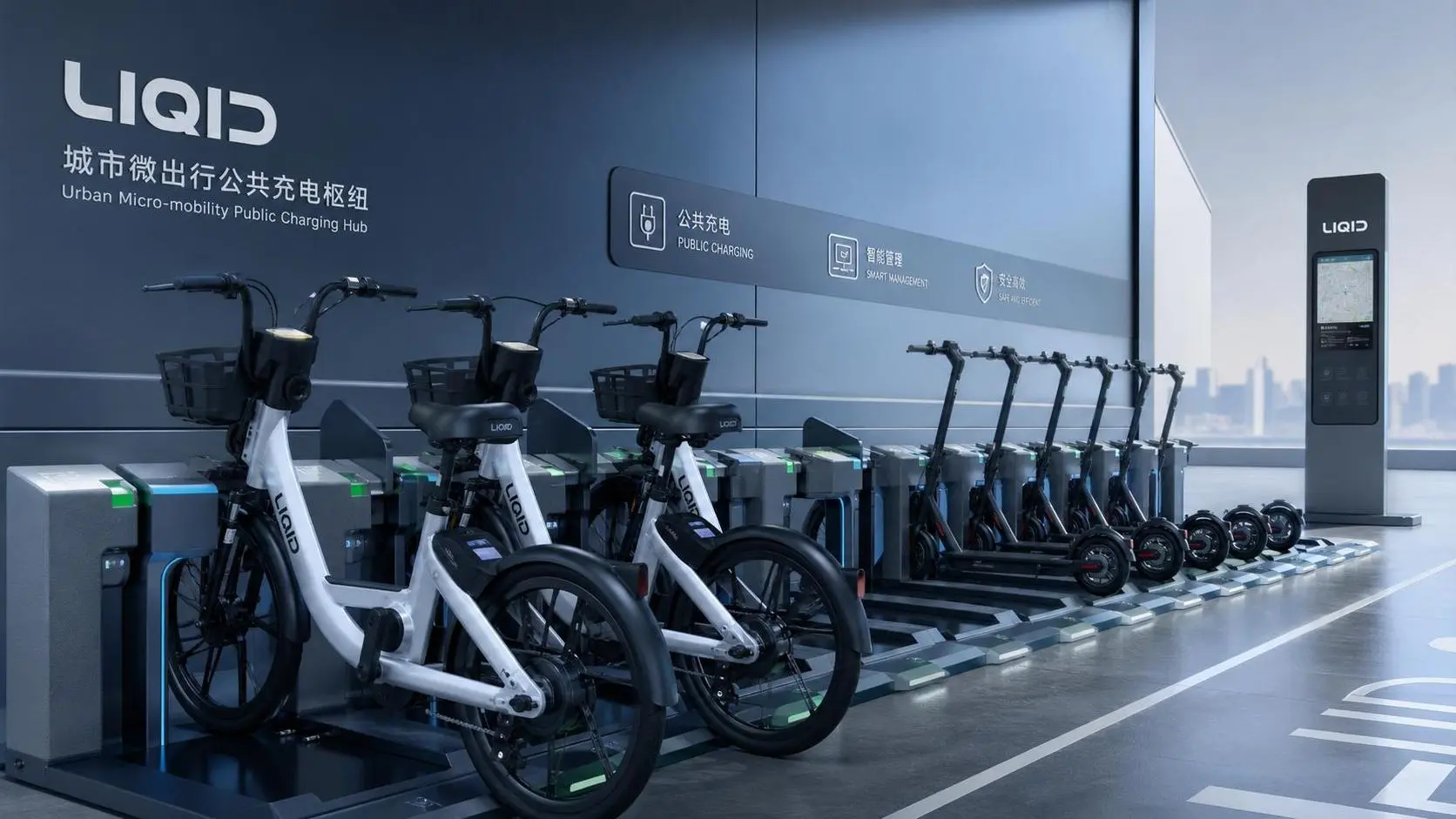
How to Choose Micro-Mobility Docking Stations for Shared Fleets and Public Charging Hubs
Micro-mobility docking stations: learn how to compare charging, locking, software, and site-fit factors to choose safer, smarter hubs for shared fleets and public use.
Powertrain Heat Management Explained: Key Design Factors for EV Efficiency and Battery Life
Powertrain heat management explained for EVs: discover how thermal design boosts efficiency, protects battery life, improves safety, and sustains real-world performance.
Urban Mobility Market Analysis: Demand Drivers, Policy Risks, and Revenue Models Compared
Urban mobility market analysis compares demand drivers, policy risks, and revenue models across e-bikes, scooters, and e-motorcycles to reveal where growth is durable.

Shared Mobility Compliance Checklist: Permits, Safety Rules, and Fleet Data Requirements
Shared mobility compliance made simple: explore a practical checklist for permits, safety rules, and fleet data requirements to launch faster, reduce risk, and stay audit-ready.
What Affects Ebike Energy Efficiency? Battery Size, Rider Weight, Terrain, and Speed
Ebike energy efficiency explained: learn how battery size, rider weight, terrain, and speed shape real-world range, lower Wh/km, and smarter buying or commuting decisions.
Wireless Electronic Shifting in North America: Compatibility, Standards, and Upgrade Limits
Wireless electronic shifting North America explained: compare compatibility, FCC/ISED standards, retrofit limits, and upgrade risks before choosing the right platform.