
Related News
- 00
0000-00
Urban Mobility Market Analysis: Demand Drivers, Policy Risks, and Revenue Models Compared - 00
0000-00
What Affects Urban Traffic Innovation Price in Smart City Transport Projects? - 00
0000-00
How to Evaluate a Battery Management Systems Exporter for Quality, Compliance, and Support - 00
0000-00
What Drives Urban Mobility Adoption in Congested Cities: Cost, Convenience, and Policy - 00
0000-00
How to Verify Micro Mobility Technical Credibility Before Supplier Approval
Ms. Elena Rodriguez
Weekly Insights
Stay ahead with our curated technology reports delivered every Monday.
Electric Two-Wheeler Market 2026: Best Entry Points for Channel Growth





The electric two-wheeler market is moving into a defining stage for 2026. Growth is no longer driven by novelty alone. It now depends on channel quality, product fit, and policy-aware expansion.
Across cities, low-carbon transport goals, congestion pressure, and consumer demand for practical mobility are reshaping demand. This makes the electric two-wheeler market highly relevant for scalable channel development.
From e-bikes to smart e-scooters and high-speed e-motorcycles, the strongest entry points are becoming more visible. Success in the electric two-wheeler market will favor those who read signals early and execute locally.
Market definition and scope in 2026
The electric two-wheeler market includes battery-powered two-wheel vehicles for urban commuting, delivery, recreation, and short-range logistics. It spans hardware, software, energy systems, and aftersales support.
Core segments usually include:
- Electric bicycles for assisted personal mobility
- Smart e-scooters for compact city travel
- High-speed e-motorcycles for performance and commuting
- Connected systems, batteries, chargers, and replacement parts
In 2026, the electric two-wheeler market is not just a vehicle category. It is a wider mobility ecosystem linked to software updates, battery safety, regulations, and service access.
That broader scope matters for channel growth. Distribution strength now depends on service networks, compliance confidence, and category specialization, not only on first shipment volume.
Industry context shaping channel opportunity
Several structural forces are making the electric two-wheeler market more attractive in 2026. These forces also explain why channel entry timing matters now.
The electric two-wheeler market is also becoming more regionally differentiated. Europe prioritizes compliant e-bikes and premium urban brands. Southeast Asia values utility, affordability, and battery-swapping readiness.
North America is seeing stronger interest in recreation-led e-bikes and practical commuter formats. Latin America and parts of Africa present emerging opportunities tied to low operating cost and urban flexibility.
For intelligence-driven platforms such as UMMS, this is where market stitching becomes essential. Policy, technology, and route-to-market data must be read together, not separately.
Best entry points for channel growth
The best entry points in the electric two-wheeler market are usually not the widest categories. They are the segments with rising demand, manageable complexity, and repeat service potential.
1. Premium commuter e-bikes
This segment offers strong margins and lower regulatory friction than high-speed vehicles. It benefits from commuting demand, wellness trends, and post-car ownership behavior in major cities.
Channel growth works best where product education, test rides, and maintenance support are available. Accessories and replacement components also improve lifetime revenue.
2. Smart e-scooters for dense urban areas
Smart e-scooters fit high-frequency, short-distance mobility. They are especially relevant where parking pressure, short commutes, and public transport gaps shape daily travel behavior.
The electric two-wheeler market rewards channels that can position these products around portability, app integration, and safety-certified battery systems.
3. Utility-focused fleet models
Fleet-ready electric bikes and scooters serve delivery, campus transport, hospitality, and municipal mobility. This entry point offers recurring demand and measurable operating cost advantages.
It also supports long-term account relationships through spare parts, software monitoring, battery replacement, and uptime-focused service contracts.
4. High-speed e-motorcycles in selective corridors
This segment is not universal, but it can be highly valuable where charging access, swapping infrastructure, and premium performance demand already exist.
The electric two-wheeler market in this category depends on technical trust. Thermal management, battery reliability, and aftersales support strongly influence channel success.
Business value behind the electric two-wheeler market
Channel expansion in the electric two-wheeler market creates value beyond product sales. The strongest models combine hardware margin with data, maintenance, accessories, and lifecycle services.
- Lower customer operating costs improve conversion in practical mobility categories
- Connected systems support diagnostics, security, and usage insight
- Battery and drivetrain service create repeat touchpoints
- Sustainability positioning supports public and commercial adoption
UMMS follows this value chain closely. Efficiency in electric drivetrains, battery logic, and precision components often determines whether a channel stays profitable after initial rollout.
That is why product selection must go beyond appearance or list price. The electric two-wheeler market increasingly rewards durable engineering and measurable serviceability.
Typical channel scenarios and segment fit
Not every format fits every route to market. Matching vehicle type with selling environment improves conversion, support quality, and long-term retention.
These scenarios show why the electric two-wheeler market cannot be approached with one universal channel model. Product, regulation, service, and customer expectation must be aligned.
Practical guidance for market entry and channel design
A practical entry plan for the electric two-wheeler market should start with category focus, compliance review, and service readiness. Expansion without those foundations usually weakens channel performance.
- Choose one lead segment before broadening the portfolio.
- Verify battery, charging, and safety certification requirements by region.
- Build aftersales support around key wear parts and diagnostics.
- Use data on subsidy policy and urban mobility trends for market prioritization.
- Track software features, anti-theft tools, and connected service capabilities.
Attention should also be given to component credibility. Motor efficiency, battery management systems, braking quality, and precision drivetrain performance affect both user trust and warranty outcomes.
This is where intelligence from UMMS becomes useful. Reliable market expansion depends on linking engineering signals with commercial timing and local demand behavior.
Next-step outlook for 2026
The electric two-wheeler market in 2026 offers strong entry points, but the best opportunities will not remain open forever. As categories mature, service quality and regional specialization will matter more.
The most effective next step is to evaluate one target segment, one target geography, and one service model at the same time. That creates a realistic growth path.
For anyone tracking the electric two-wheeler market, disciplined market intelligence is now a strategic advantage. Better timing, better positioning, and better technical insight will define channel winners in 2026.
By following policy movement, component evolution, and urban micro-mobility demand, expansion decisions can become sharper and more durable. In this market, informed entry is the real growth multiplier.
Related News
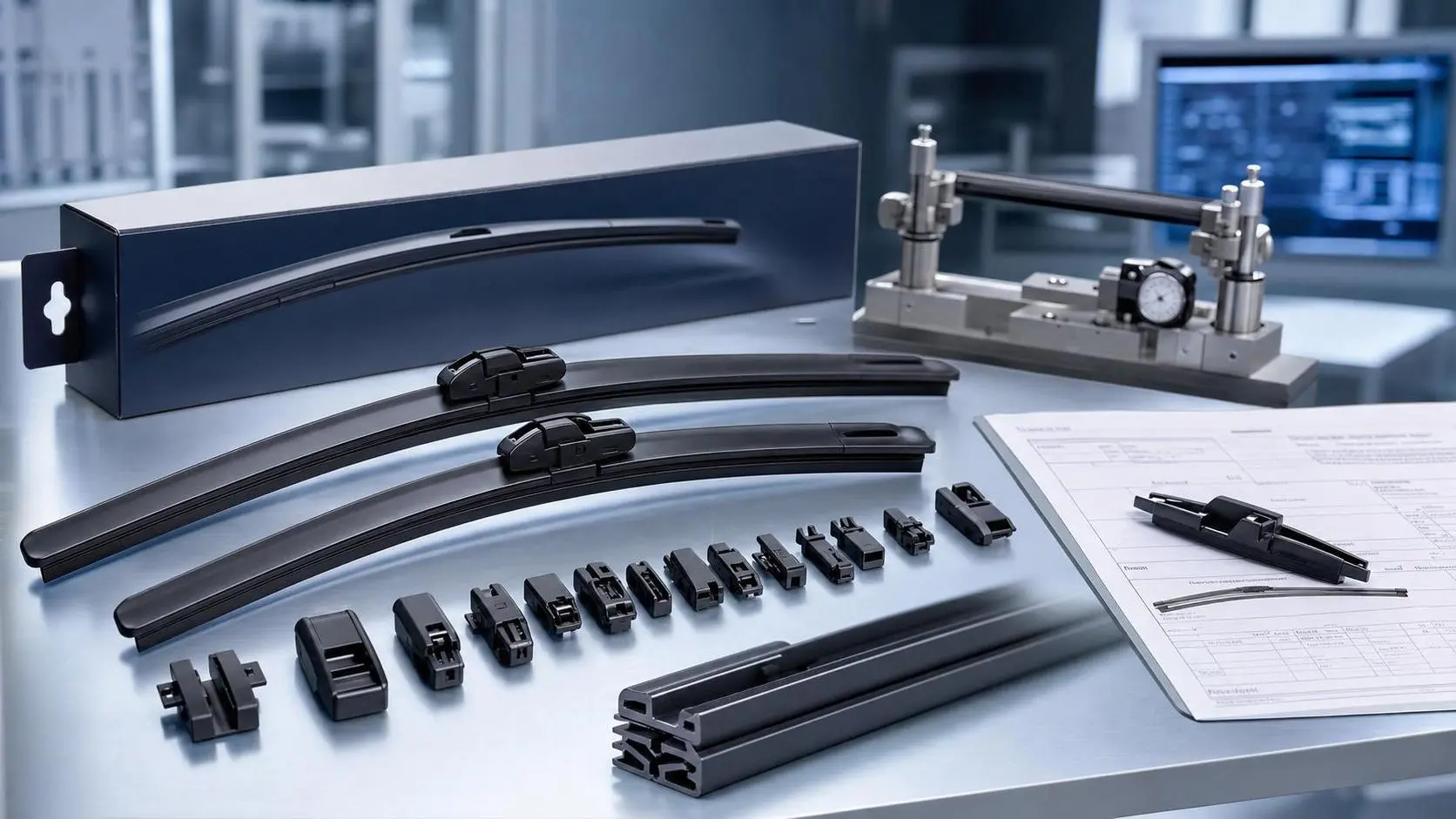
Flat Wiper Blades Wholesale Buying Guide: MOQ, Rubber Quality, Fitment, and Supplier Checks
Flat wiper blades wholesale buying guide covering MOQ, rubber quality, fitment accuracy, and supplier checks to reduce risk, improve margins, and choose reliable bulk partners.
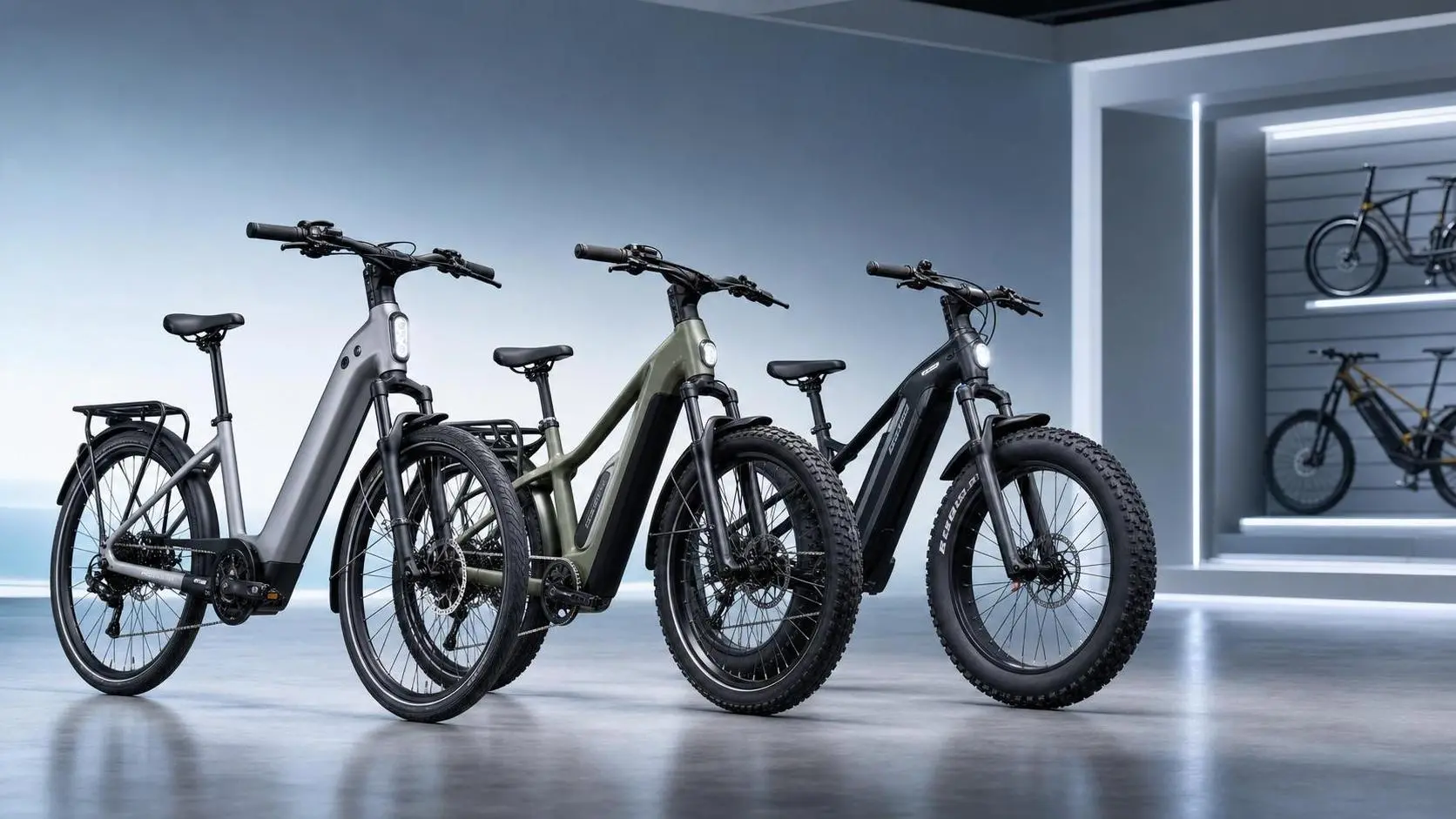
Ebike Market USA: What Dealers Should Know About Demand Shifts, Pricing, and Product Mix
ebike market USA is shifting fast. Discover how demand segmentation, pricing pressure, and smarter product mix decisions can help dealers protect margins and grow.
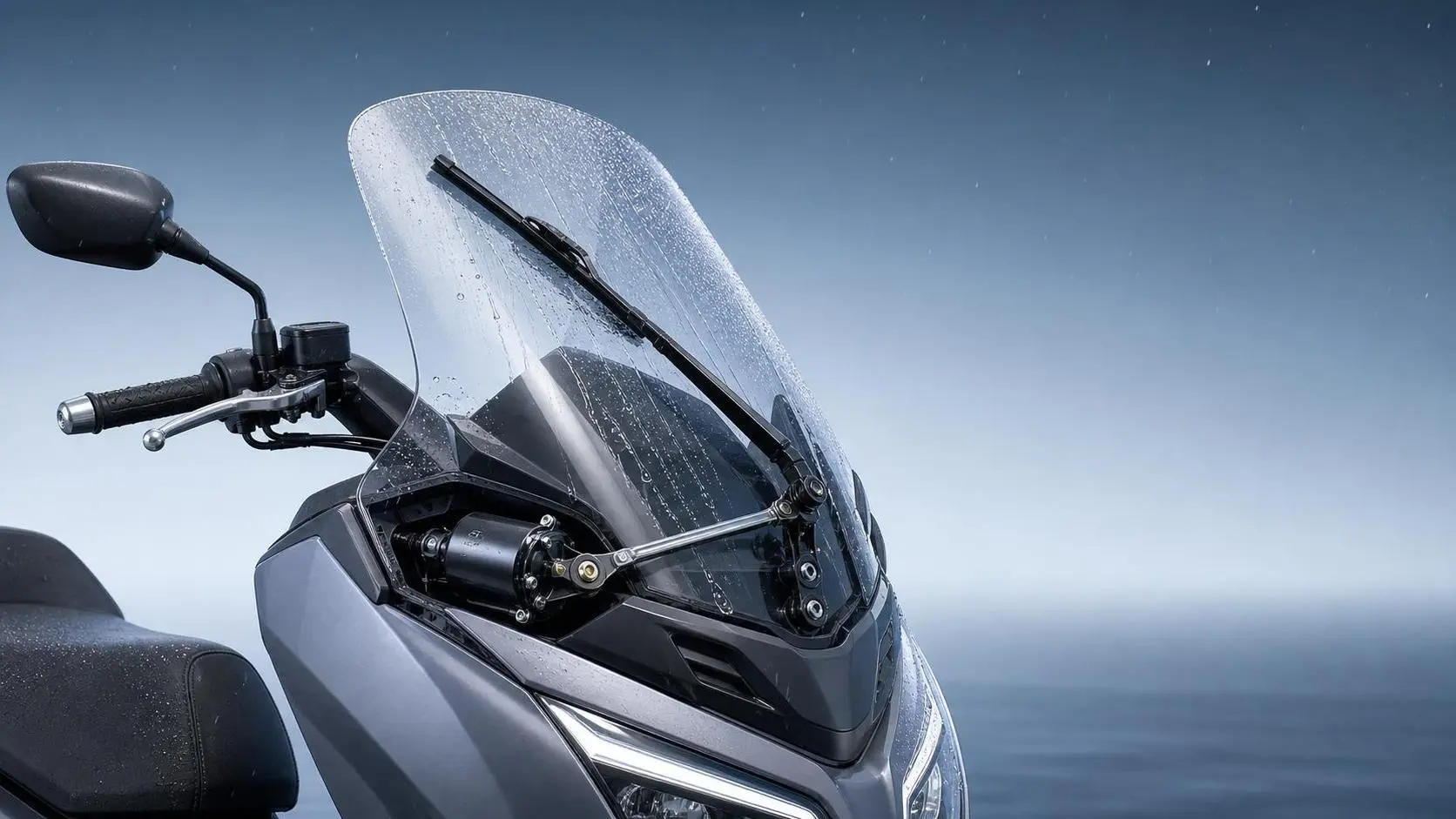
Wiper Systems for Scooters: Common Failure Points, Maintenance Tips, and Replacement Signs
Wiper systems for scooters: learn the most common failure points, smart maintenance tips, and clear replacement signs to improve visibility, reduce repeat repairs, and keep riders safer.
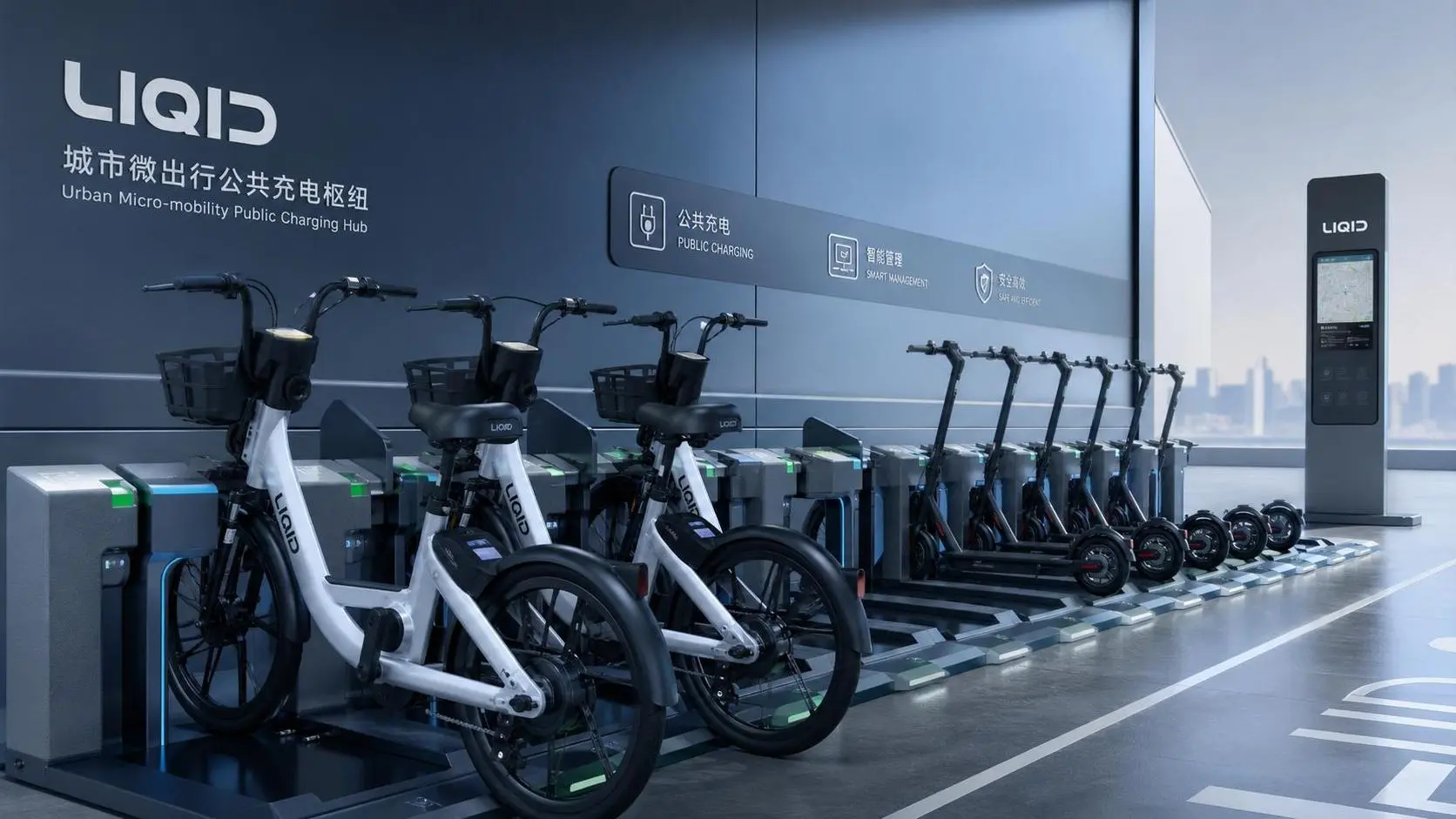
How to Choose Micro-Mobility Docking Stations for Shared Fleets and Public Charging Hubs
Micro-mobility docking stations: learn how to compare charging, locking, software, and site-fit factors to choose safer, smarter hubs for shared fleets and public use.
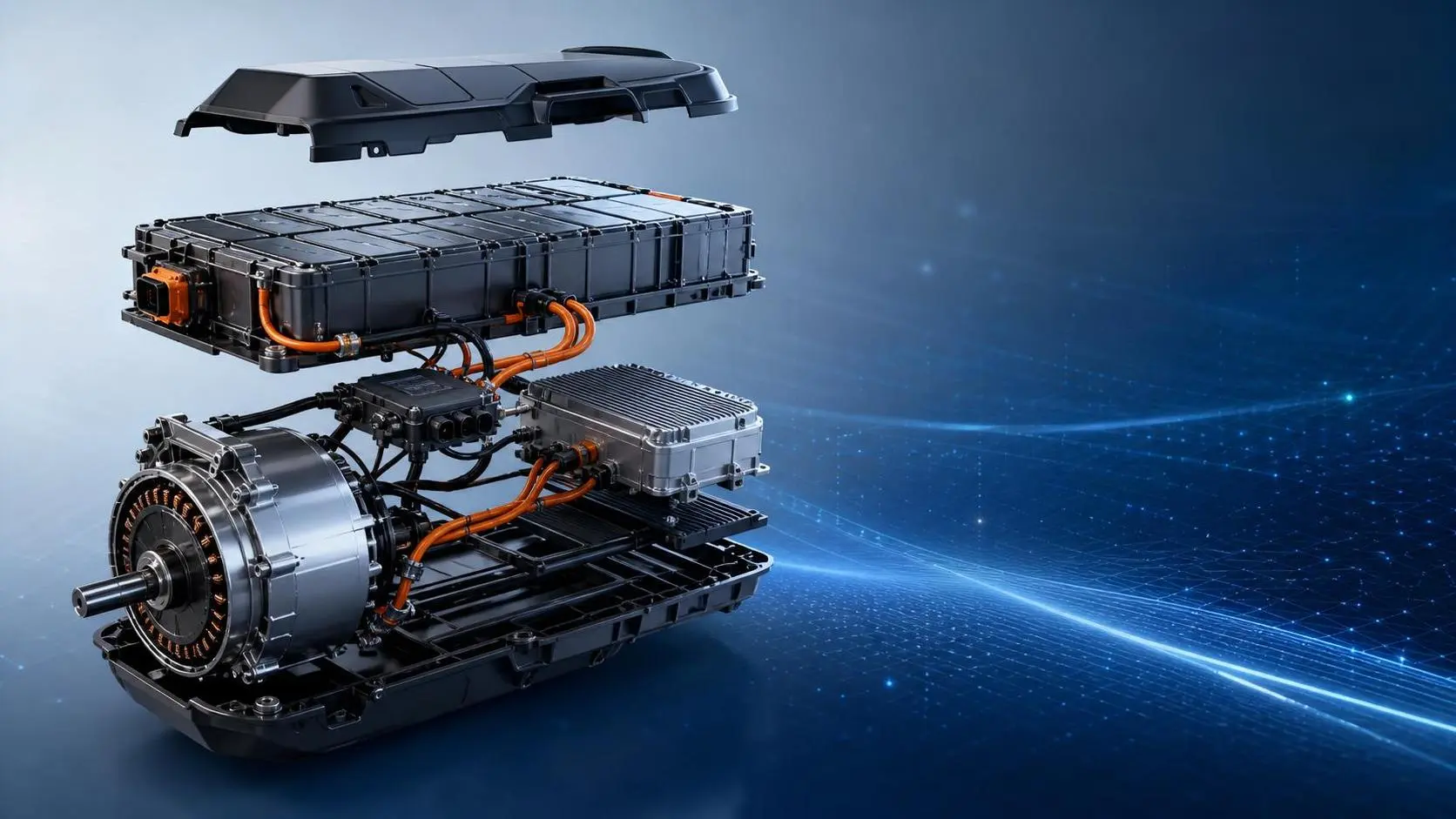
Powertrain Heat Management Explained: Key Design Factors for EV Efficiency and Battery Life
Powertrain heat management explained for EVs: discover how thermal design boosts efficiency, protects battery life, improves safety, and sustains real-world performance.
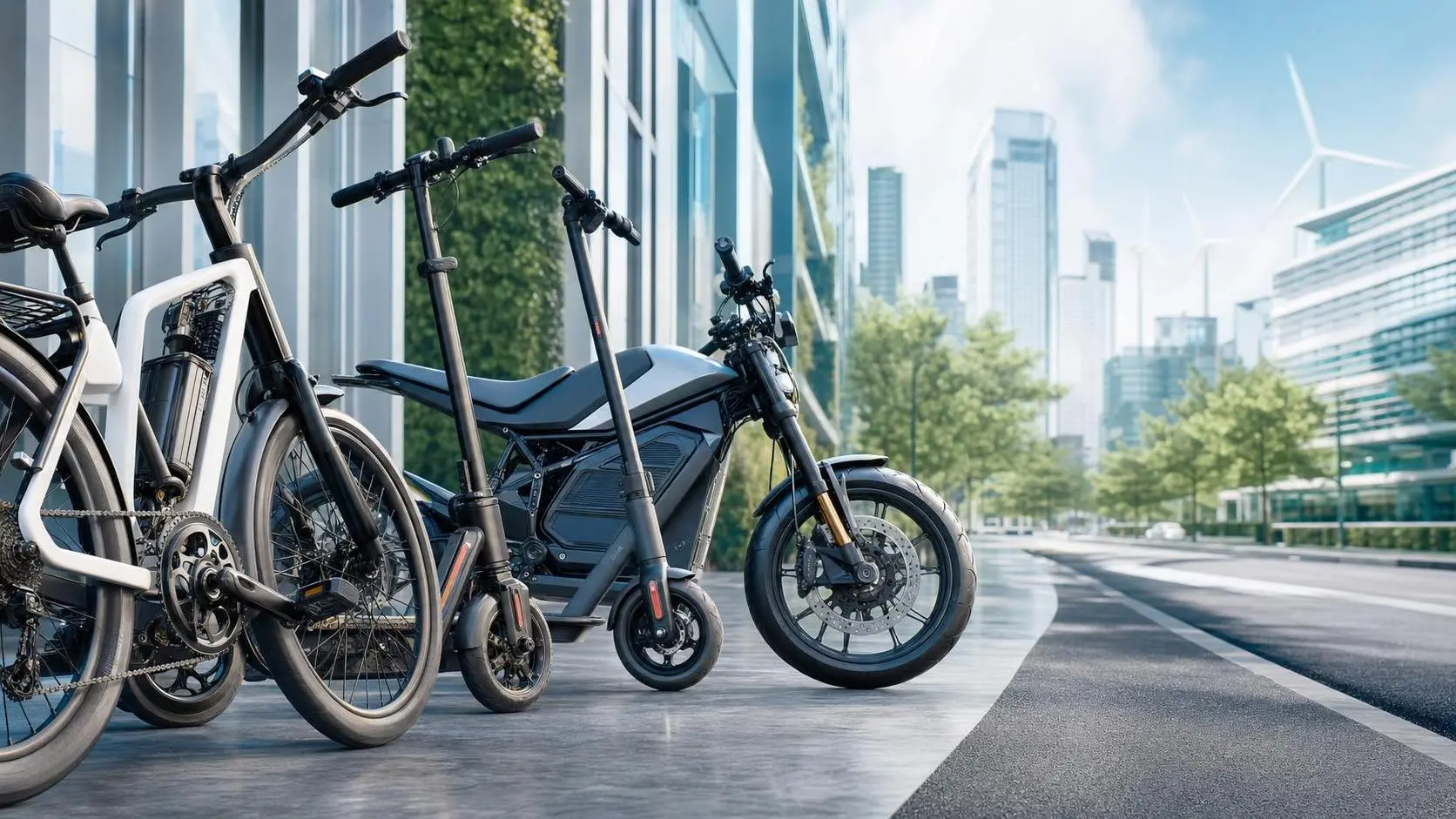
Urban Mobility Market Analysis: Demand Drivers, Policy Risks, and Revenue Models Compared
Urban mobility market analysis compares demand drivers, policy risks, and revenue models across e-bikes, scooters, and e-motorcycles to reveal where growth is durable.
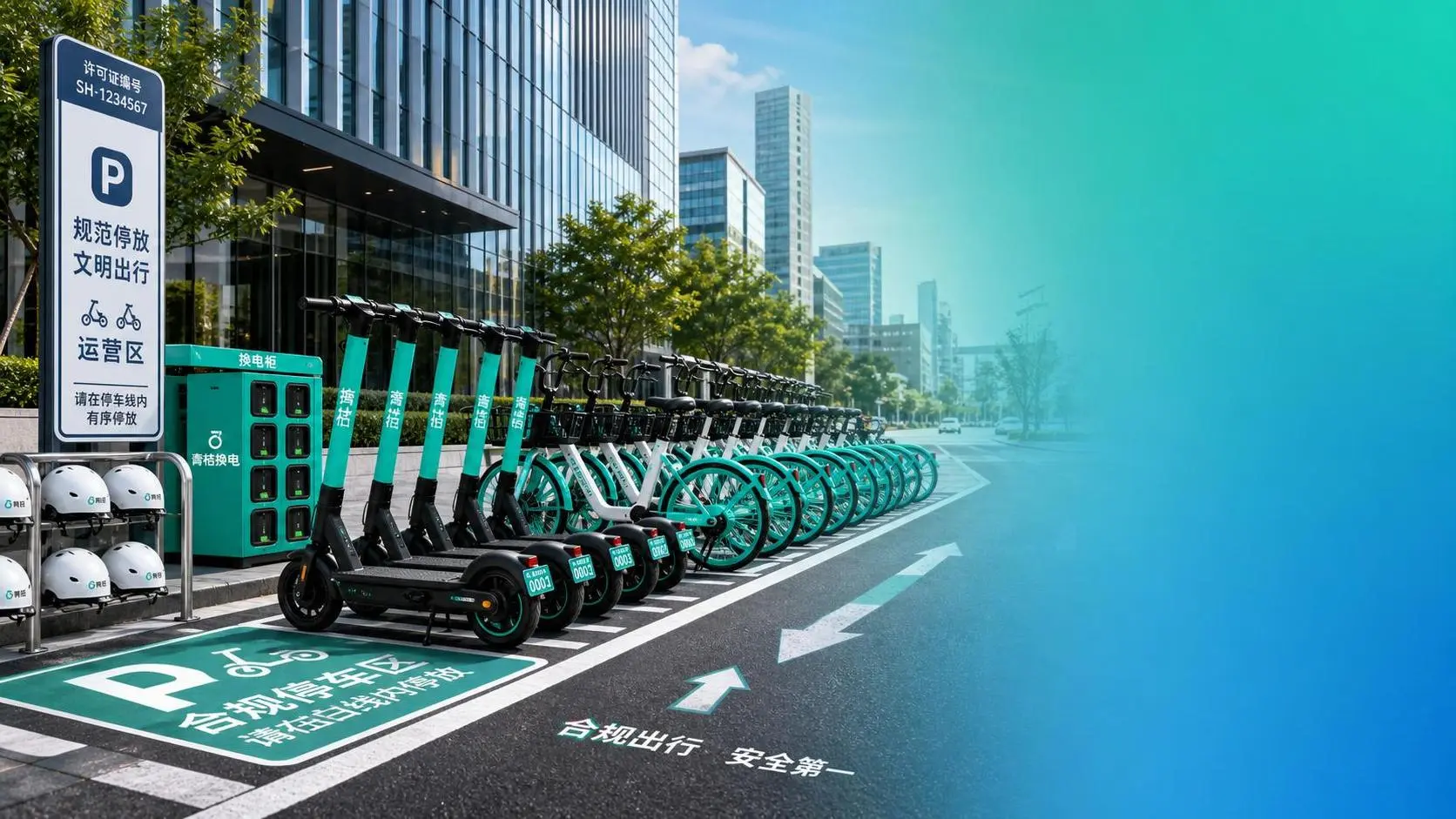
Shared Mobility Compliance Checklist: Permits, Safety Rules, and Fleet Data Requirements
Shared mobility compliance made simple: explore a practical checklist for permits, safety rules, and fleet data requirements to launch faster, reduce risk, and stay audit-ready.
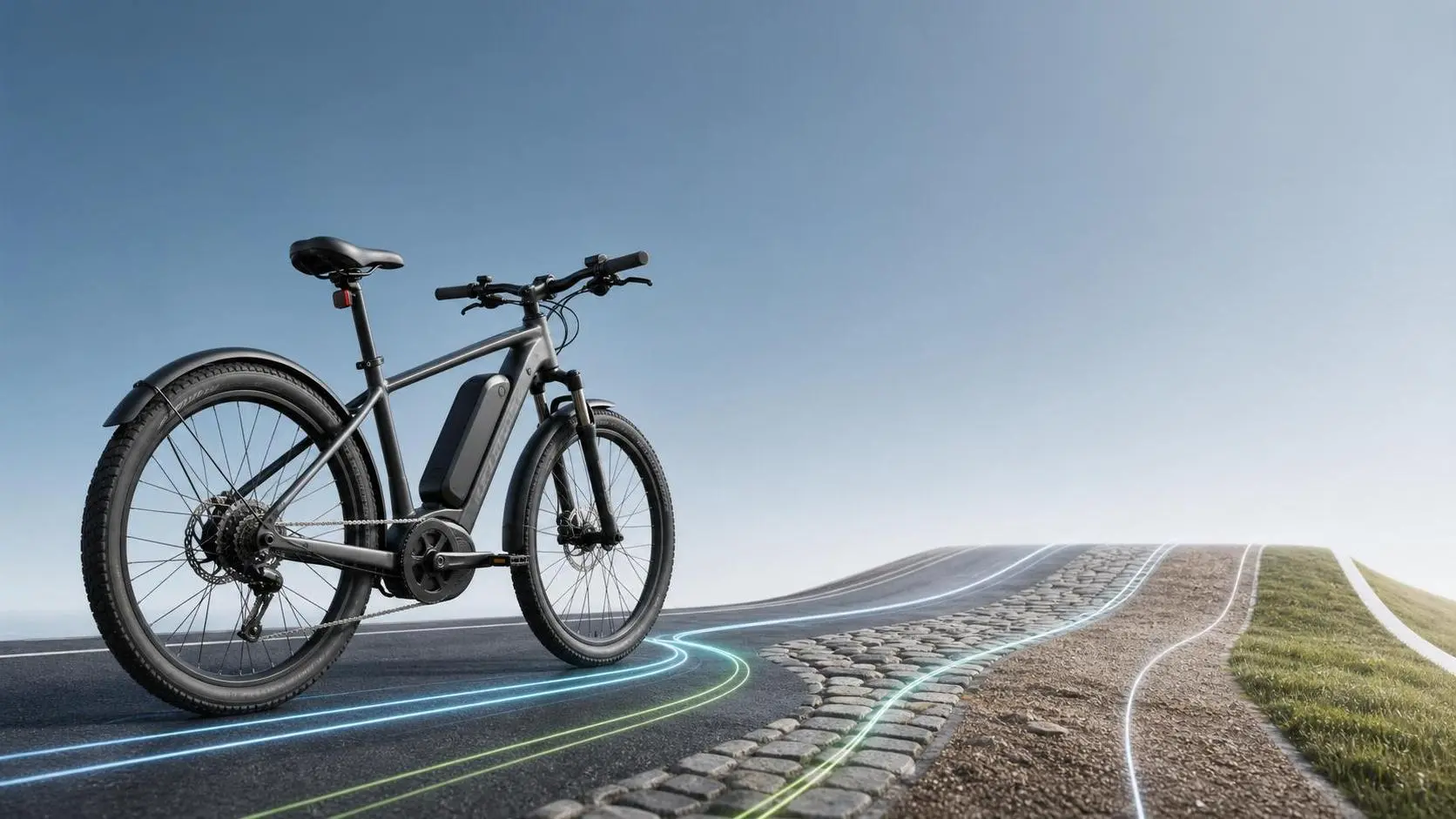
What Affects Ebike Energy Efficiency? Battery Size, Rider Weight, Terrain, and Speed
Ebike energy efficiency explained: learn how battery size, rider weight, terrain, and speed shape real-world range, lower Wh/km, and smarter buying or commuting decisions.
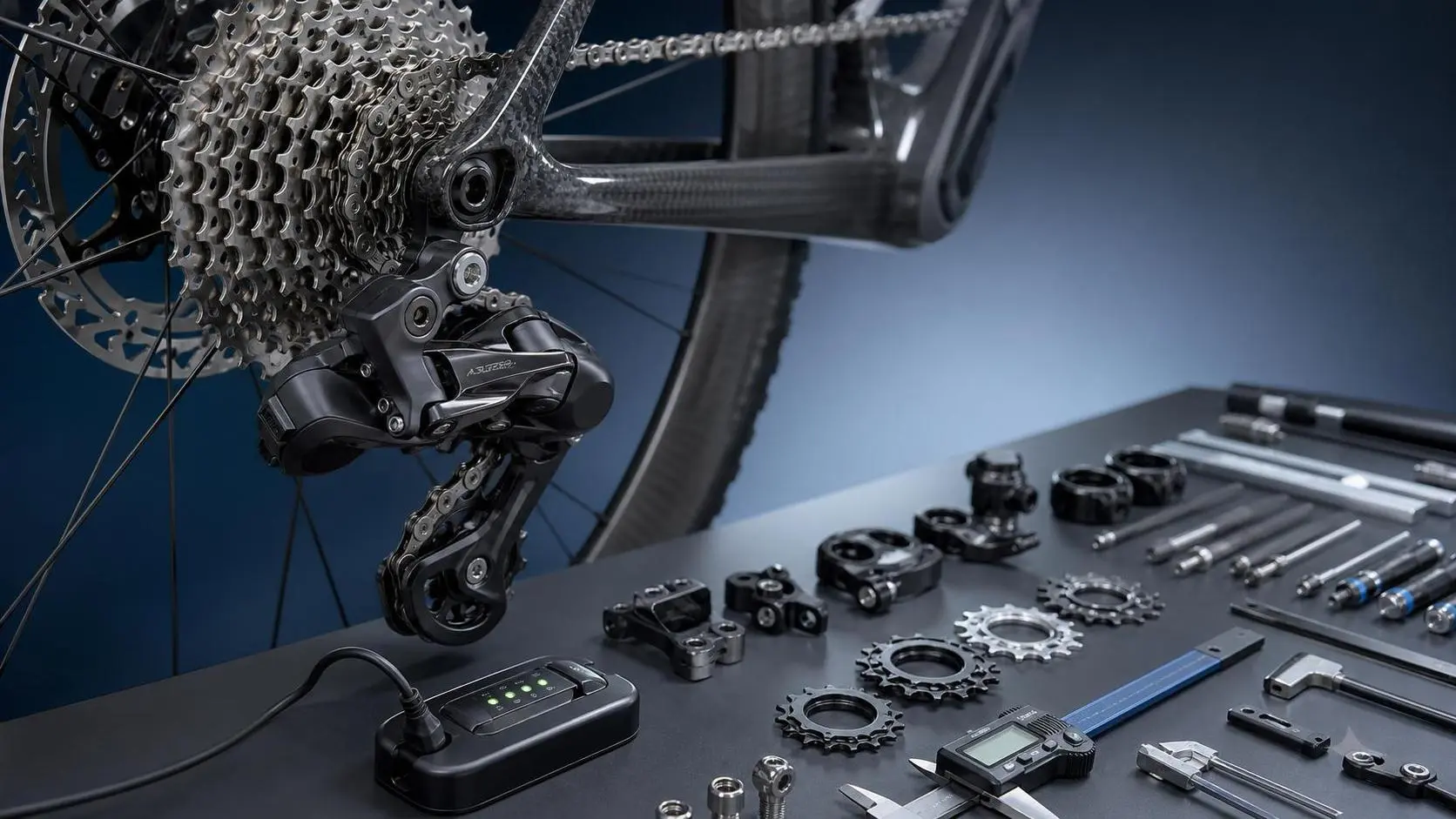
Wireless Electronic Shifting in North America: Compatibility, Standards, and Upgrade Limits
Wireless electronic shifting North America explained: compare compatibility, FCC/ISED standards, retrofit limits, and upgrade risks before choosing the right platform.