
Related News
- 00
0000-00
How to Evaluate Core Component Suppliers for Electric Motorcycles Before Sourcing? - 00
0000-00
Electric Motorcycle Systems Price Breakdown: What Affects Cost From Battery to Controller? - 00
0000-00
Micro-mobility Systems Explained: Core Components, Operating Models, and City Use Cases - 00
0000-00
Electrification Strategies in Europe: Policy, Charging, and ROI Factors for Fleet Planning - 00
0000-00
OEM Market Share in Electric Motorcycles: What It Reveals About Brand Positioning
Ms. Elena Rodriguez
Weekly Insights
Stay ahead with our curated technology reports delivered every Monday.
Electric Mobility Transition: Key Policy, Charging, and Cost Barriers for Cities





Electric mobility transition becomes practical only when city conditions are clear
The electric mobility transition is no longer a distant policy target. It is an operating decision shaped by streets, grids, fleet behavior, and local enforcement.
In urban micro-mobility, the barrier is rarely demand alone. Cities often see strong interest in e-bikes, smart e-scooters, and high-speed e-motorcycles.
What slows adoption is mismatch. Policy moves faster than infrastructure in one city, while charging grows faster than regulation in another.
That is why the electric mobility transition must be judged by application context. A commuter corridor, a tourism district, and a logistics zone rarely need the same rollout model.
UMMS follows this shift closely because two-wheeler electrification sits at the center of urban traffic micro-circulation. Battery density, drivetrain efficiency, safety systems, and right-of-way rules now influence market timing together.
For cities and industry ecosystems, the key question is not whether transition will happen. The real question is where friction is highest and which constraints can be unlocked first.
Why the same electric mobility transition looks different across urban settings
Different urban settings create different stress points. Dense downtown areas usually struggle with curb access, parking order, and charger placement.
Outer districts often have more space, yet weaker utilization. A charging asset may be easy to install there, but hard to justify financially.
Climate also matters more than many early plans assumed. Heavy rain, dust, slope, and seasonal peaks affect battery behavior, braking confidence, and maintenance cycles.
The electric mobility transition therefore depends on how local conditions interact with technology choices. This is especially visible in shared scooter fleets and high-rotation delivery e-bikes.
In practice, better decisions come from reading the city as a system. Charging logic, subsidy design, fleet uptime, and road safety standards must fit together.
Where policy barriers appear first
Policy barriers are often less about ambition and more about coordination. Transport departments, utilities, urban planners, and safety regulators may work on different timelines.
For e-bikes, a subsidy can stimulate demand quickly. But if parking control and fire safety rules remain unclear, adoption may become politically fragile.
For smart e-scooters, right-of-way rules are decisive. Cities that legalize operations without clarifying speed zones and parking discipline often face public resistance.
Commuter corridors and city centers rarely fail for the same reason
In commuter corridors, reliability is the first filter. Users will tolerate moderate cost, but they will not tolerate uncertain battery range or missing chargers near transfer points.
This makes the electric mobility transition highly sensitive to network continuity. A well-performing e-bike route loses value when charging or parking breaks at the final kilometer.
City centers present a different problem. Demand is concentrated, but curb space is scarce and political scrutiny is stronger.
In these locations, the winning model is usually controlled density. Fewer, better-managed charging points outperform aggressive hardware expansion that blocks sidewalks or overloads weak feeders.
This is also where precision matters in component selection. Efficient motors, stable braking, connected diagnostics, and weather-resistant visibility systems influence daily operating risk.
UMMS coverage of drivetrain efficiency and intelligent safety components is relevant here because small technical gains often determine whether a fleet performs smoothly under urban pressure.
Tourism districts and campus-style zones need another logic
Tourism districts usually face demand spikes rather than steady commuting patterns. The electric mobility transition in these zones depends on fast rebalancing and strong operational controls.
Campus-style zones are more predictable. There, charging can be simpler, but safety rules and mixed-traffic behavior become more important than raw battery size.
A common mistake is copying a downtown deployment model into these settings. Similar vehicle types do not mean similar infrastructure priorities.
Charging barriers change when fleets move from pilot scale to daily operations
Charging is often treated as a hardware issue, but operational rhythm matters just as much. A pilot may work with simple overnight charging and manual battery handling.
Once utilization rises, that model becomes expensive. Labor time, charger congestion, downtime windows, and safety inspections start driving the real economics.
For shared scooters, distributed charging may reduce distance losses, yet it raises control complexity. For high-speed e-motorcycles, battery swapping can improve uptime, but only if standardization is realistic.
The electric mobility transition often stalls here because infrastructure plans focus on unit count, not cycle intensity. More chargers do not always mean better availability.
The table shows why charging deployment should begin with operating patterns. Hardware planning without route and load data usually leads to poor utilization.
Grid readiness and total cost control are linked more tightly than expected
Grid readiness is not only a utility issue. It directly shapes the total cost of the electric mobility transition.
If a city installs chargers in locations with weak connection capacity, the project may require expensive upgrades, delayed permits, or restricted charging schedules.
That changes investment logic fast. A lower-cost charger in the wrong place can become more expensive than a higher-spec solution in a grid-ready zone.
For micro-mobility fleets, cost control also depends on component life. Battery thermal management, controller efficiency, and drivetrain precision affect replacement timing.
This is where UMMS intelligence on battery logic, transmission efficiency, and electric powertrain trends becomes commercially useful. Small losses at the component level accumulate into major fleet costs.
Another overlooked factor is maintenance access. Cities sometimes budget for charging cabinets but underestimate inspection intervals, software updates, and weather-driven repairs.
- Check grid connection lead time before selecting charger locations.
- Model battery degradation under local climate and duty cycle.
- Compare labor cost between plug-in charging and swap operations.
- Include software, safety inspection, and spare inventory in total cost.
Common misreads that slow the electric mobility transition
One common misread is treating all two-wheeler electrification as one market. E-bikes, shared scooters, and high-speed e-motorcycles solve different urban tasks.
Another is focusing on purchase price alone. The electric mobility transition is often won or lost through uptime, permitting speed, and maintenance discipline.
Cities also misjudge charger visibility. A charger that looks accessible on a planning map may be difficult to use because of lighting, parking conflicts, or unsafe traffic flow.
In logistics-heavy zones, operators may overvalue battery size and undervalue swapping speed. In compact downtown areas, the opposite mistake appears.
There is also a policy trap. Incentives can create a short-term adoption spike without solving storage safety, interoperability, or lifecycle disposal.
The stronger approach is to judge the electric mobility transition as a system decision. Vehicle performance, infrastructure, regulation, and service workflow must be tested together.
A more reliable way to match city scenarios with rollout decisions
A practical rollout begins with segmentation. Separate commuter use, shared short-hop trips, delivery duty cycles, and high-speed corridor demand before choosing technology pathways.
Then validate three layers at the same time: policy fit, charging fit, and cost fit. If one layer is weak, scale should wait.
In real projects, better results come from narrow pilots with hard operating data. Measure dwell time, failed charging events, battery health drift, and parking compliance early.
That evidence helps refine decisions on subsidy structure, charger mix, swap feasibility, and component durability. It also reduces the risk of expanding the wrong model.
The electric mobility transition works best when cities build scenario-based standards instead of generic targets. That means clear assumptions for usage density, safety exposure, and long-term service cost.
The next step is straightforward: map the actual operating scenarios, compare local constraints, and test where policy, charging, and cost barriers intersect first.
From there, decisions become more grounded. Market timing, infrastructure sequencing, and low-carbon competitiveness are easier to judge when the city context is no longer treated as generic.
- urban micro-mobility
- e-bikes
- smart e-scooters
- high-speed e-motorcycles
- two-wheeler electrification
- electric powertrain
- shared scooters
- thermal management
- urban traffic micro-circulation
- electric mobility
- battery swapping
- micro-mobility
- battery thermal management
- electric mobility transition
- shared scooter fleets
Related News
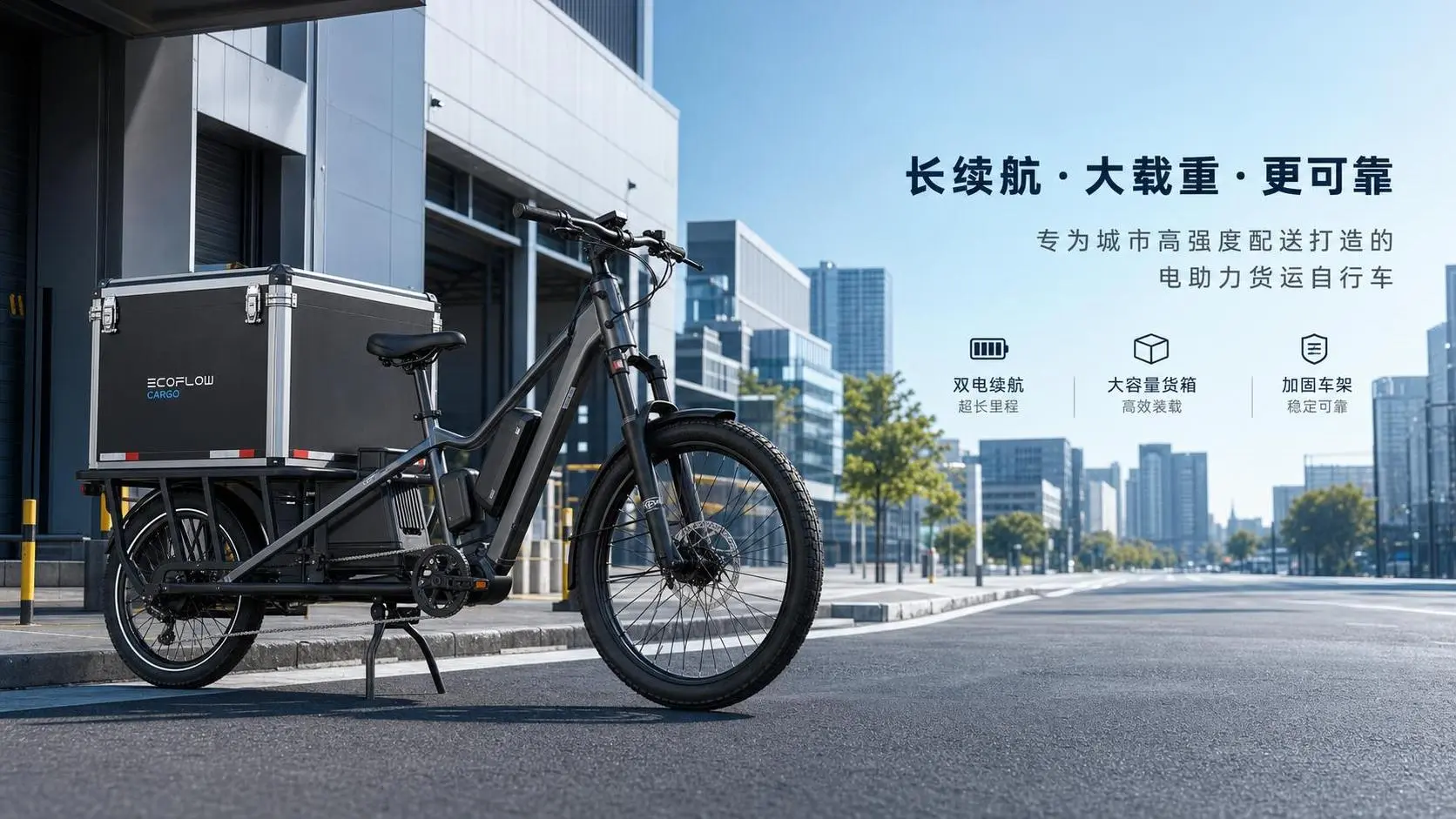
How to Choose a Long-Range Commercial Cargo E-Bike for Delivery Operations
Commercial cargo e-bike long range buying guide: learn how to assess battery, payload, route fit, and uptime support to choose a reliable delivery model with lower operating costs.

How to Select the Right E-Bike Battery Components for Range, Safety, and Fit?
E-bike component selection battery guide: learn how to choose the right battery components for better range, stronger safety, and perfect fit across modern e-bike platforms.
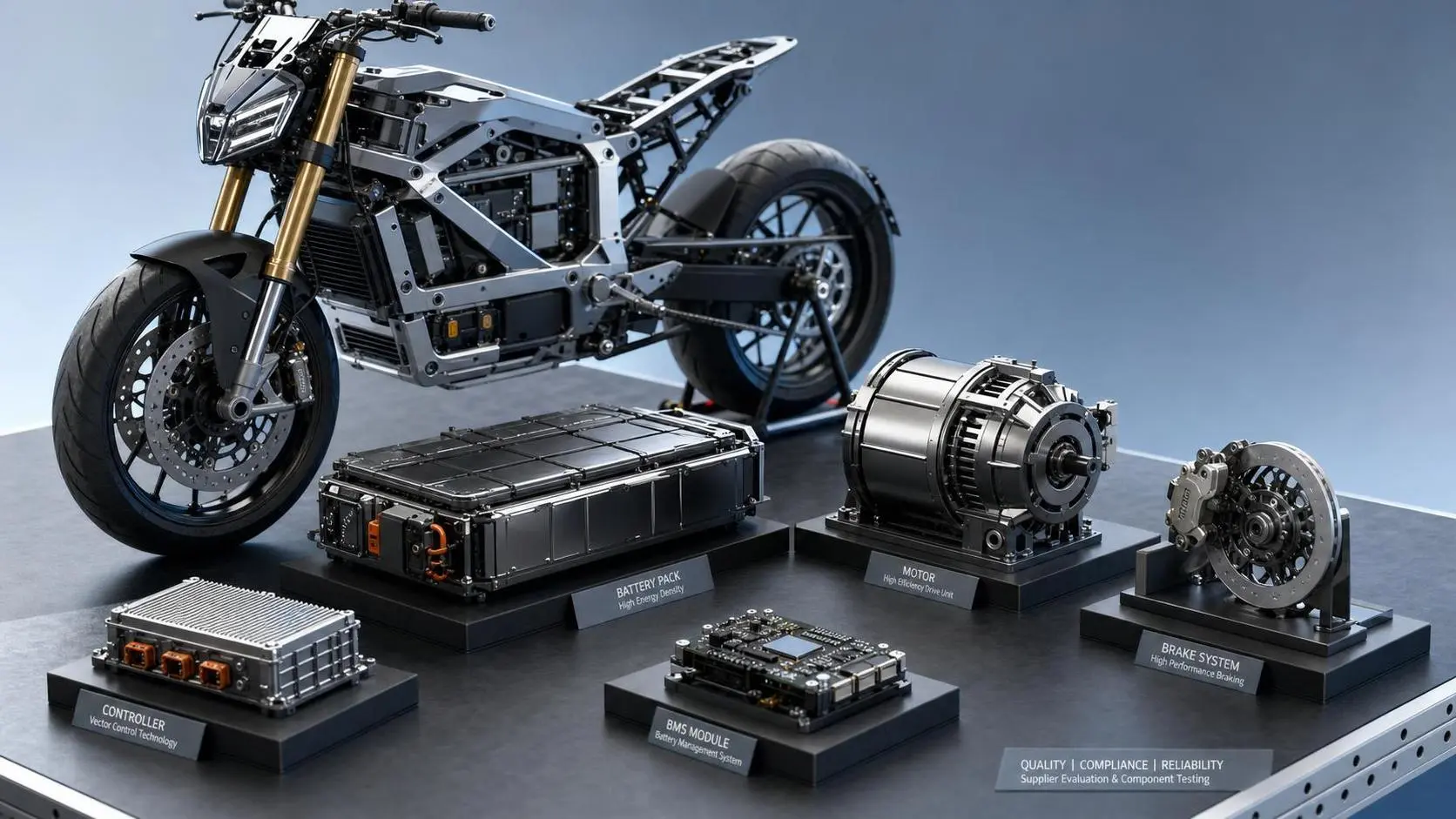
How to Evaluate Core Component Suppliers for Electric Motorcycles Before Sourcing?
Core component suppliers for electric motorcycles can make or break safety, compliance, and delivery. Learn how to assess technical strength, certifications, quality control, and hidden sourcing risks before you buy.

E-Bike Incentives Explained: How Riders Can Find Local Rebates and Tax Credits
E bike incentives explained: learn how to find local rebates, tax credits, and utility offers, avoid common mistakes, and cut the real cost of your next e-bike.
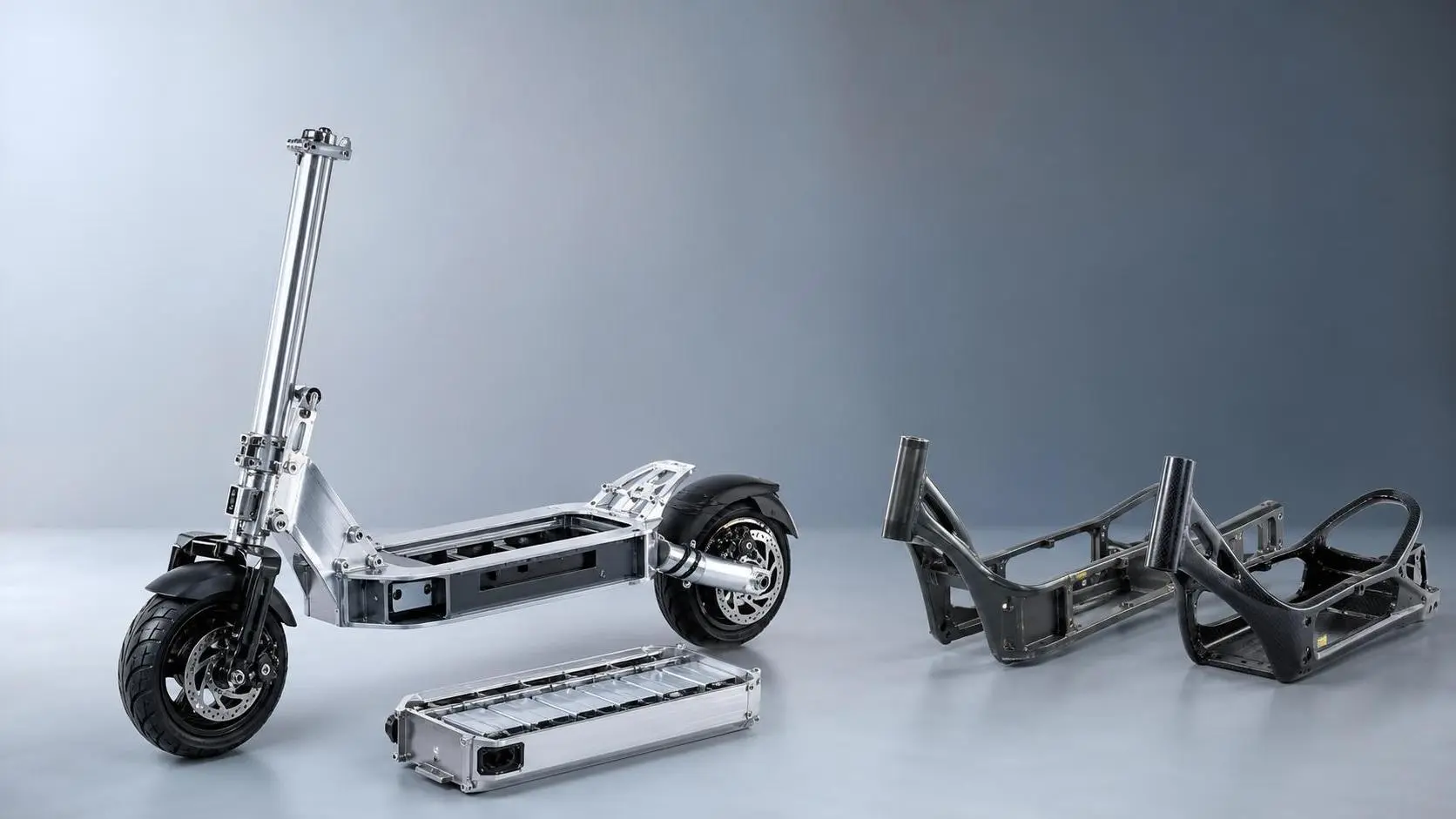
How to Choose Lightweight Scooter Frames in Europe: Materials, Standards, and Use Cases
Lightweight scooter frames Europe buyers need should balance materials, EN standards, durability, and real use cases. Discover how to choose safer, smarter, compliant frames.
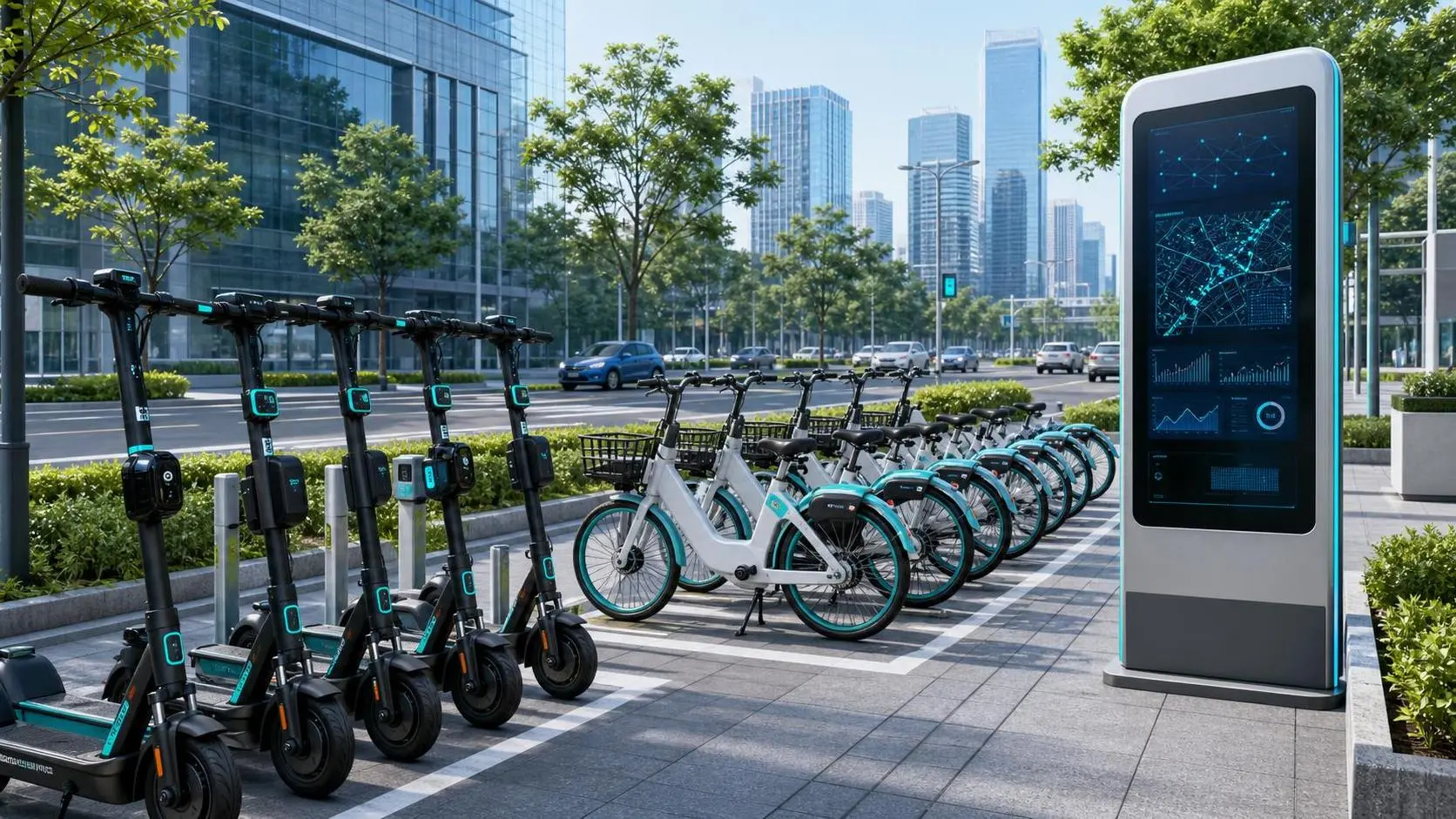
What Is the Intellectualization of Mobility Platform and How Is It Applied in Shared Fleets?
Intellectualization of mobility platform is reshaping shared fleets with real-time data, predictive maintenance, and smarter compliance—learn how it boosts safety, uptime, and urban mobility efficiency.
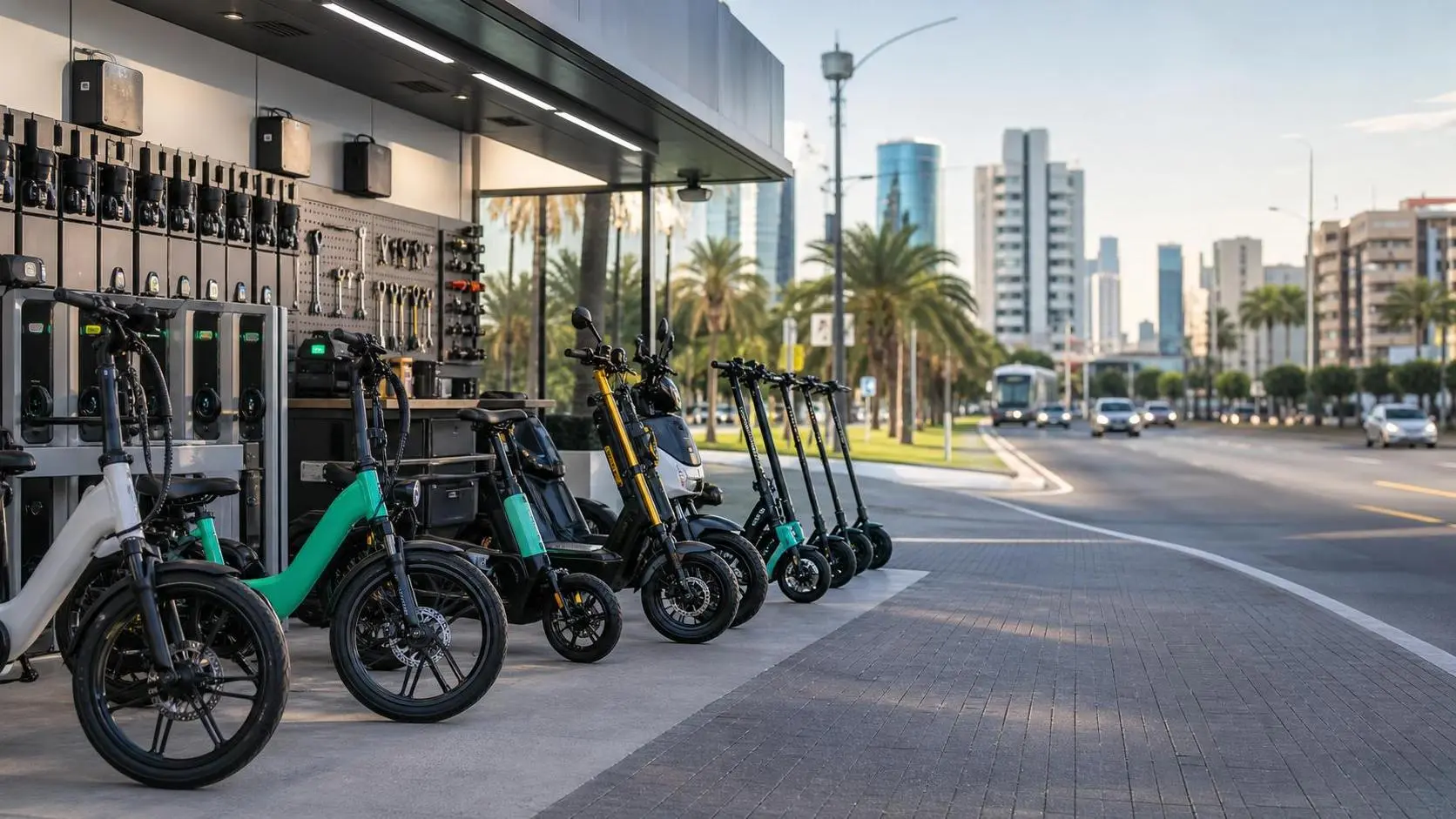
Urban Micro-Mobility Systems in Latin America: Key Market Drivers, Barriers, and Growth Segments
Urban micro-mobility systems Latin America are reshaping city transport. Explore key drivers, barriers, and high-growth segments to spot the region’s most investable opportunities.
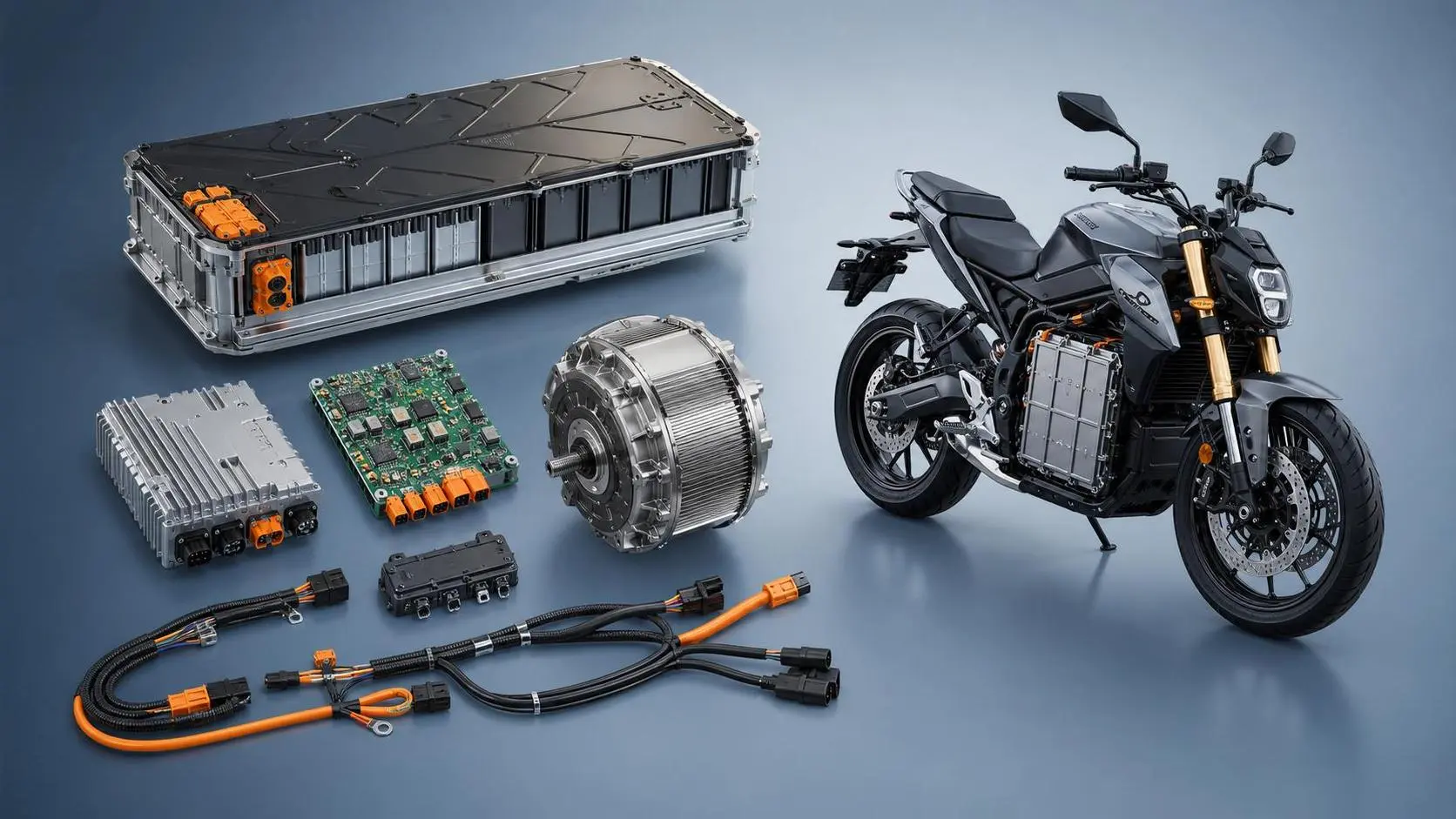
Electric Motorcycle Systems Price Breakdown: What Affects Cost From Battery to Controller?
Electric motorcycle systems price explained: see how battery, controller, motor, BMS, and wiring affect total cost, reliability, and sourcing value before you buy.
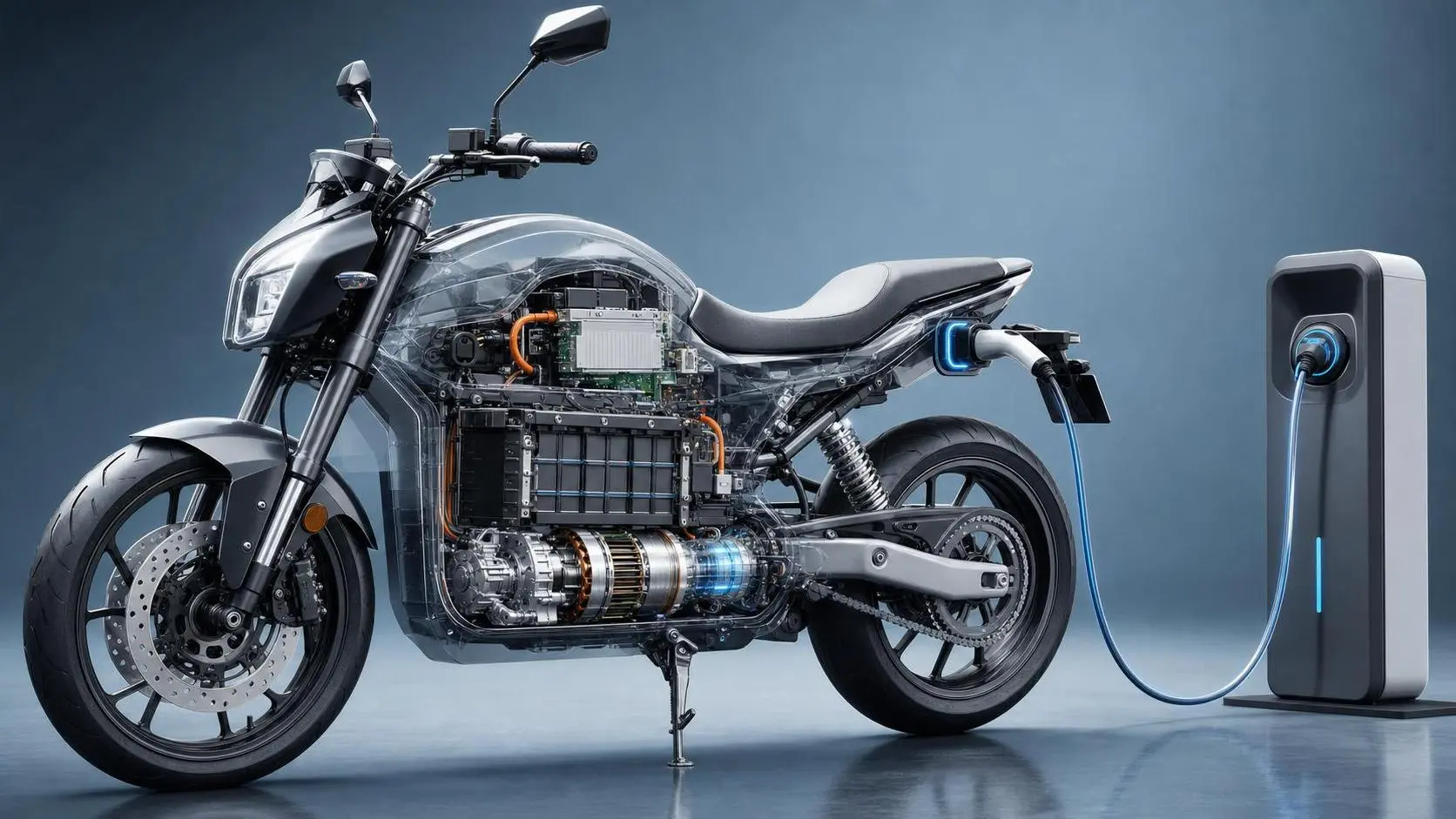
72V Electric Motorcycle Technology Explained: Motors, Controllers, Range, and Charging
Electric motorcycle technology 72V explained clearly: compare motors, controllers, range, battery design, and charging to choose a smoother, stronger, and smarter electric ride.