
Related News
- 00
0000-00
How to Evaluate Core Component Suppliers for Electric Motorcycles Before Sourcing? - 00
0000-00
Electric Motorcycle Systems Price Breakdown: What Affects Cost From Battery to Controller? - 00
0000-00
Micro-mobility Systems Explained: Core Components, Operating Models, and City Use Cases - 00
0000-00
Electrification Strategies in Europe: Policy, Charging, and ROI Factors for Fleet Planning - 00
0000-00
OEM Market Share in Electric Motorcycles: What It Reveals About Brand Positioning
Ms. Elena Rodriguez
Weekly Insights
Stay ahead with our curated technology reports delivered every Monday.
How Big Is the Electric Two-Wheeler Market? Size Drivers by Region and Segment





The electric two-wheeler market size is no longer a niche mobility story
The electric two-wheeler market size has moved beyond early adoption and into a more strategic phase of urban transport planning.
What changed is not just demand volume. The structure of demand is becoming more segmented, regional, and technology-sensitive.
Cities want lower emissions and less congestion. Households want practical mobility with lower operating costs. Operators want better fleet economics and higher uptime.
That mix is expanding the electric two-wheeler market size across e-bikes, smart e-scooters, and high-speed e-motorcycles, but not at the same speed.
From the UMMS perspective, the market also reflects a deeper industrial shift.
Battery management logic, drivetrain efficiency, connected modules, and precision components now shape market value as much as unit shipments do.
This is why the electric two-wheeler market size should be read through both mobility demand and systems capability.
Why growth looks stronger now than it did two years ago
Recent momentum comes from converging pressures rather than one single breakthrough.
Fuel volatility has sharpened interest in electric alternatives. Urban delivery intensity has lifted utilization expectations. Policy support remains important, but it is no longer the only trigger.
More noticeable is the improvement in product confidence.
Range is becoming more predictable. Controllers are smarter. Thermal management is improving. Lightweight frames and efficient motors are making daily use less compromised.
In practical terms, the electric two-wheeler market size benefits when total ownership cost becomes easier to explain than environmental virtue alone.
- Lower daily energy cost than ICE alternatives in many urban routes.
- Faster acceptance of micro-mobility for commuting and short logistics loops.
- Better battery density and charging logic, reducing user anxiety.
- Digital connectivity enabling fleet control, anti-theft, and maintenance alerts.
These drivers make the market broader, but also more competitive. Growth now depends on fit by use case, not just on electrification headlines.
Regional signals show that market size is expanding for different reasons
The electric two-wheeler market size looks global, yet each region is solving a different transport problem.
Europe: regulation, commuting, and premium e-bike demand
Europe remains one of the clearest examples of policy meeting lifestyle demand.
E-bikes have become normal for commuting, leisure, and cargo movement. The market is supported by bike-lane infrastructure, subsidy frameworks, and a stronger cycling culture.
What matters now is mix upgrade.
Mid-drive systems, better battery integration, and precision derailleur technologies are pushing value upward even when unit growth becomes less explosive.
Asia-Pacific: scale, affordability, and urban density
Asia-Pacific gives the electric two-wheeler market size its scale advantage.
Dense cities, large commuting populations, and two-wheeler familiarity create a strong base for adoption.
In China, electrified two-wheel transport already has deep penetration. In India and Southeast Asia, the next phase depends heavily on affordability, charging access, and local assembly economics.
This region also matters for battery supply, controller design, and manufacturing cost discipline.
North America: selective adoption with urban pockets
North America is less uniform, but the opportunity is still meaningful.
E-bikes are gaining traction in cities where commuting distance, recreation, and sustainability goals overlap. Shared scooter programs continue to influence awareness, even when regulation remains uneven.
The electric two-wheeler market size here grows faster where infrastructure, safety policy, and consumer education move together.
Latin America, Middle East, and Africa: utility-led adoption
These markets are often discussed later, but they deserve closer attention.
Delivery demand, fuel cost sensitivity, and urban expansion support two-wheeler electrification, especially for practical mobility rather than premium positioning.
The constraint is not relevance. It is ecosystem readiness, including finance, servicing, charging, and road conditions.
Segment by segment, the market is splitting into distinct growth tracks
Looking only at total volume can hide where the electric two-wheeler market size is gaining real quality.
E-bikes still offer the broadest commercial base. They fit both personal mobility and logistics adaptation.
Smart e-scooters remain important, but the market is becoming stricter about durability and regulation. Scale without compliance is losing appeal.
High-speed e-motorcycles may represent a smaller share today, yet they could reshape value concentration over time.
That is especially true where battery swapping and fleet utilization start solving downtime economics.
The next layer of competition is technical, not just commercial
A larger electric two-wheeler market size does not automatically reward every participant equally.
The market is shifting from basic electrification to system-level refinement.
This is where the UMMS lens becomes useful. It tracks how components and subsystems increasingly determine commercial resilience.
Battery management systems affect lifecycle economics. Precision drivetrain parts influence efficiency and ride quality. Connected sensors support safety, asset tracking, and maintenance timing.
Even adjacent technologies matter more than before.
In harsh urban conditions, visibility, weather protection, and durable electromechanical design can change fleet reliability. That is why micro-mobility analysis now extends beyond the vehicle shell itself.
- Battery intelligence is becoming a market differentiator, not a hidden subsystem.
- Wireless and electronic drivetrain upgrades are raising expectations in premium categories.
- Smart control layers are improving anti-theft, route efficiency, and service scheduling.
- Safety-oriented components gain importance as speeds and urban complexity increase.
What the changing market size means for planning and investment
The electric two-wheeler market size is expanding, but planning around averages can be misleading.
Some markets reward low-cost practicality. Others reward premium performance and integrated digital features. Some segments depend on consumer demand, while others depend on fleet economics.
This means attention should move toward a narrower set of market signals.
Signals worth tracking closely
- Subsidy redesign, especially where governments shift from purchase incentives to infrastructure support.
- Battery standardization and swapping models in high-use urban corridors.
- Right-of-way rules affecting shared scooters and low-speed urban vehicles.
- Component bottlenecks, especially for cells, controllers, and precision transmission parts.
- Insurance, safety, and thermal regulations as speeds and power outputs increase.
In actual business assessment, the more reliable question is not only how big the market becomes.
It is where value pools migrate, which technical standards harden, and which regional models prove repeatable.
A practical way to read the next phase
The electric two-wheeler market size will likely keep rising, but the next winners will not be defined by volume alone.
They will be shaped by product-market fit, policy timing, battery discipline, and the ability to serve real urban mobility patterns.
A useful next step is to compare regions by infrastructure maturity, segment economics, and regulatory stability rather than by headline growth claims.
It also helps to map category demand against technical depth.
E-bikes may still anchor scale. Smart e-scooters may define data-rich urban service models. High-speed e-motorcycles may capture the strongest transition away from ICE in specific corridors.
For ongoing judgment, keep watching the connection between mobility policy, battery architecture, drivetrain innovation, and actual usage intensity.
That is where the electric two-wheeler market size becomes more than a number. It becomes a readable signal of how cities and transport systems are being rebuilt.
- e-bikes
- smart e-scooters
- high-speed e-motorcycles
- two-wheeler electrification
- battery management
- shared scooters
- thermal management
- precision drivetrain
- lightweight frames
- electric two-wheeler market
- battery swapping
- micro-mobility
- electric two-wheeler market size
- urban transport planning
- torque delivery
Related News
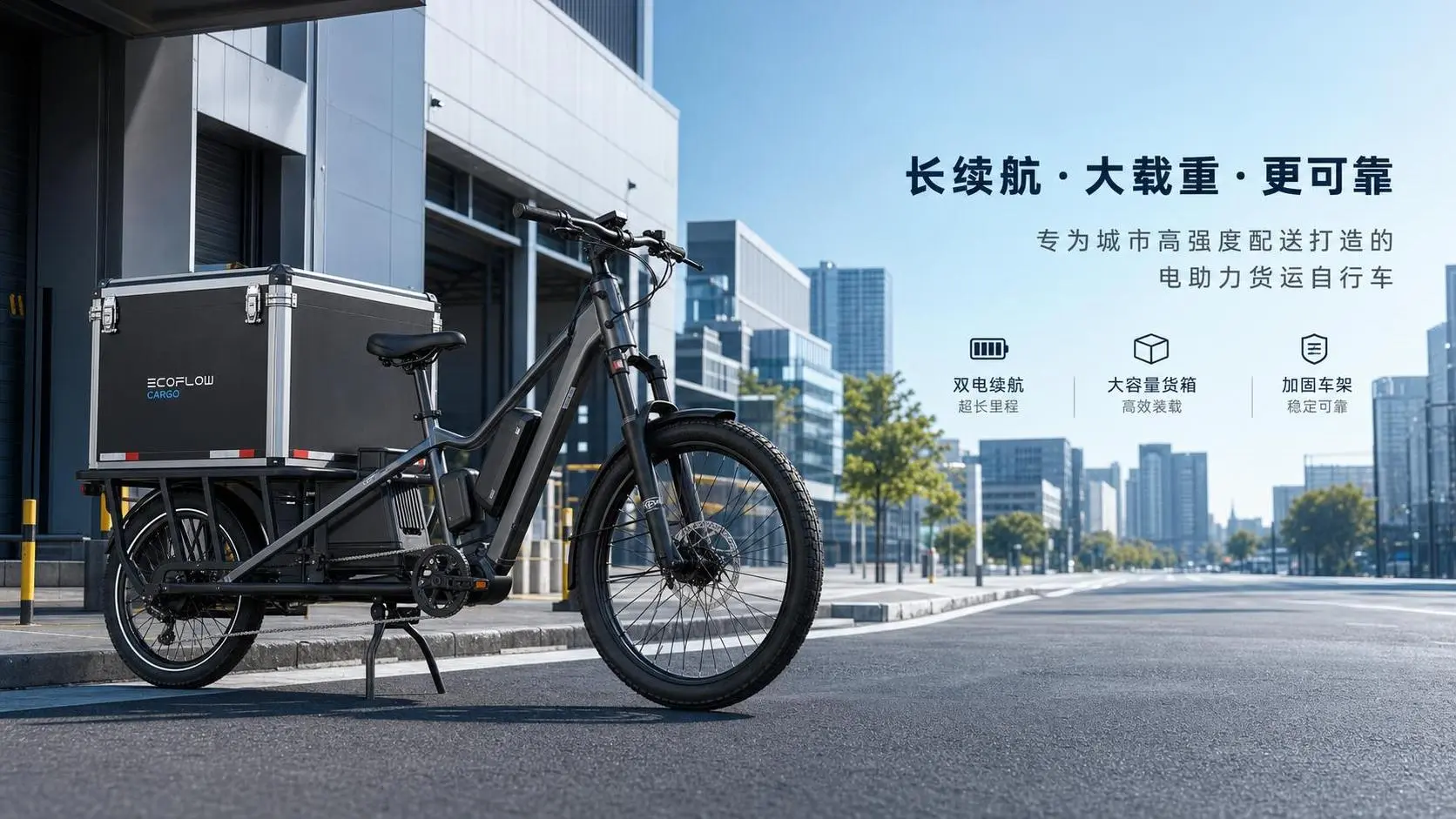
How to Choose a Long-Range Commercial Cargo E-Bike for Delivery Operations
Commercial cargo e-bike long range buying guide: learn how to assess battery, payload, route fit, and uptime support to choose a reliable delivery model with lower operating costs.
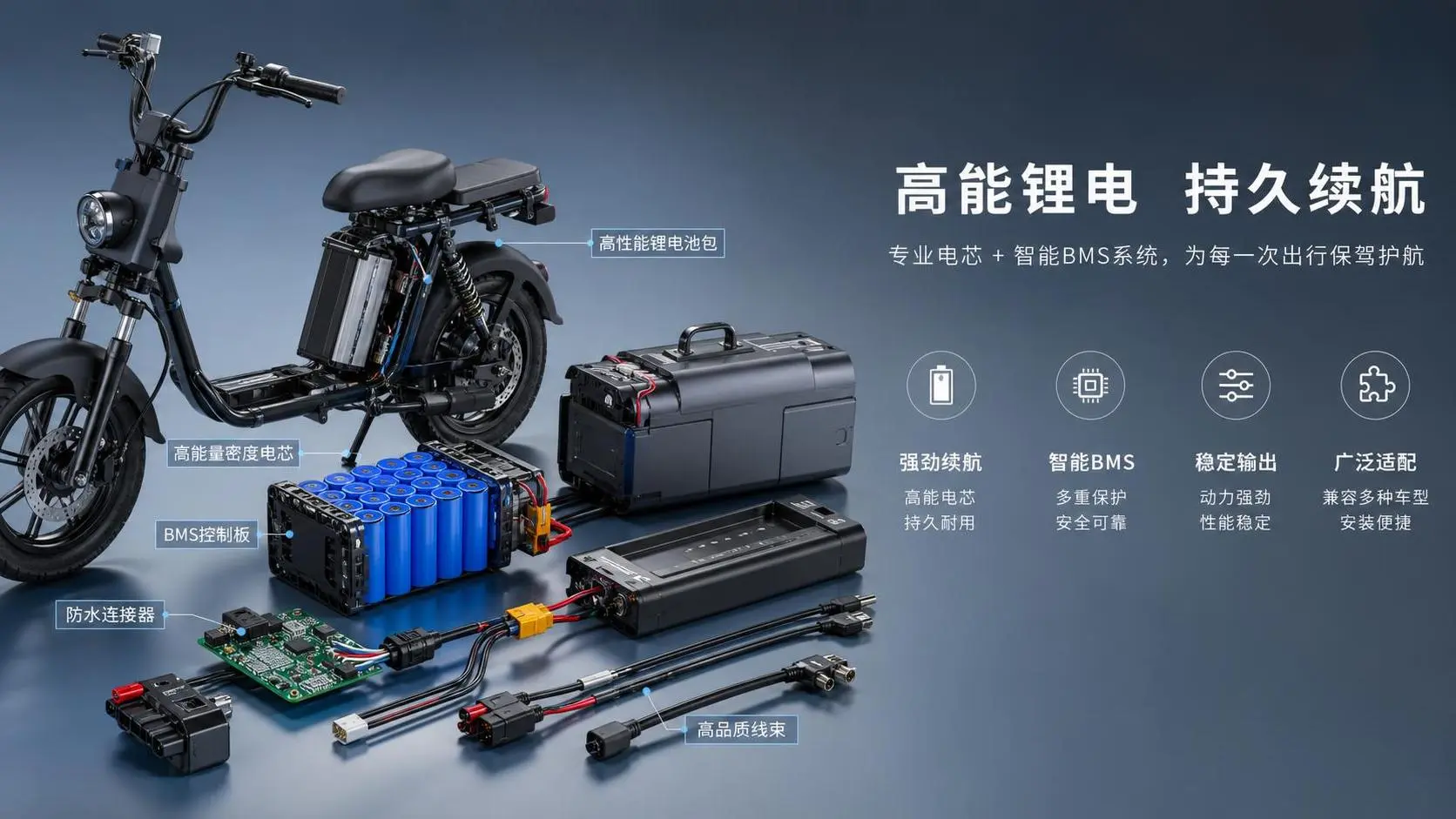
How to Select the Right E-Bike Battery Components for Range, Safety, and Fit?
E-bike component selection battery guide: learn how to choose the right battery components for better range, stronger safety, and perfect fit across modern e-bike platforms.
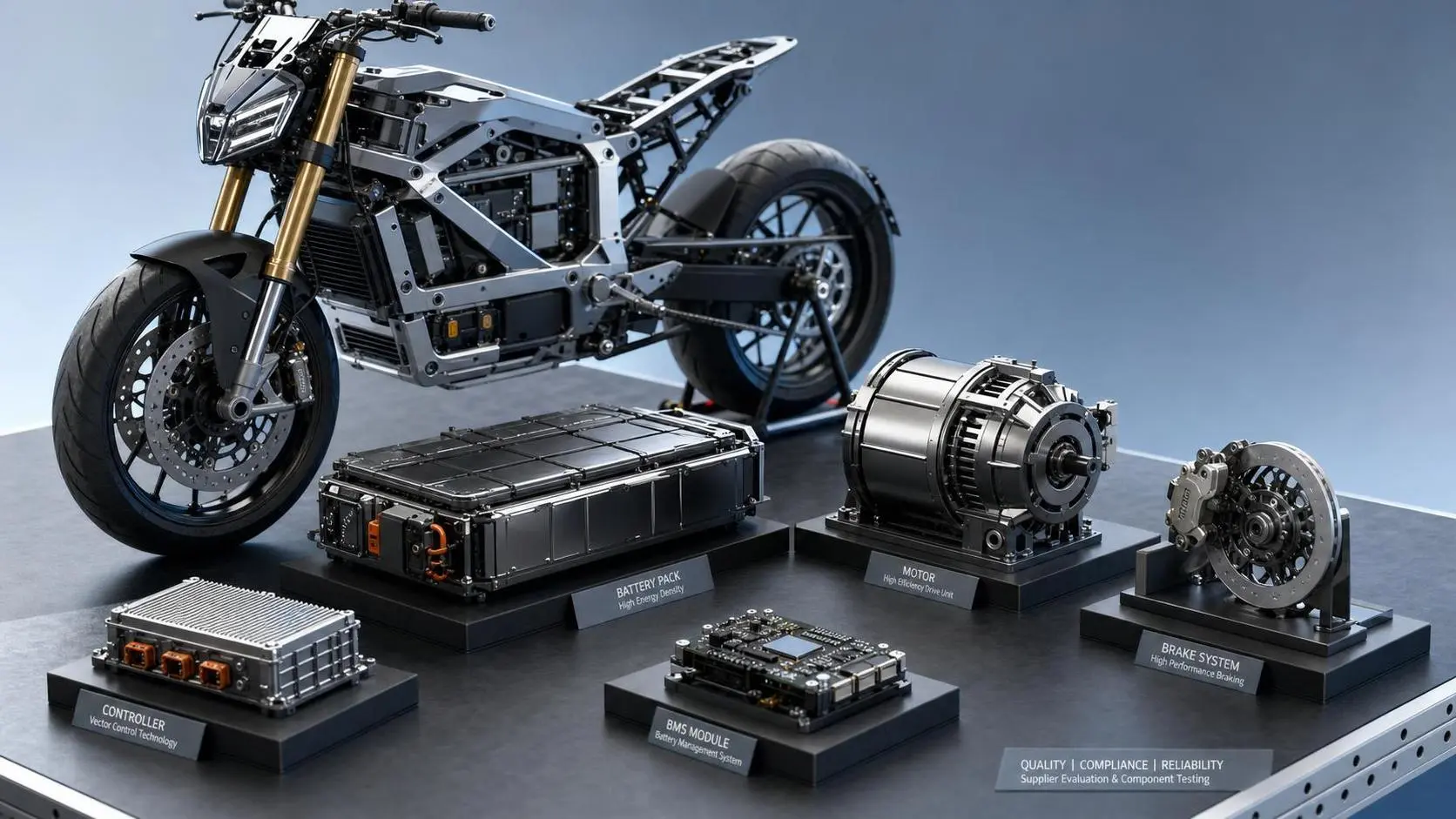
How to Evaluate Core Component Suppliers for Electric Motorcycles Before Sourcing?
Core component suppliers for electric motorcycles can make or break safety, compliance, and delivery. Learn how to assess technical strength, certifications, quality control, and hidden sourcing risks before you buy.
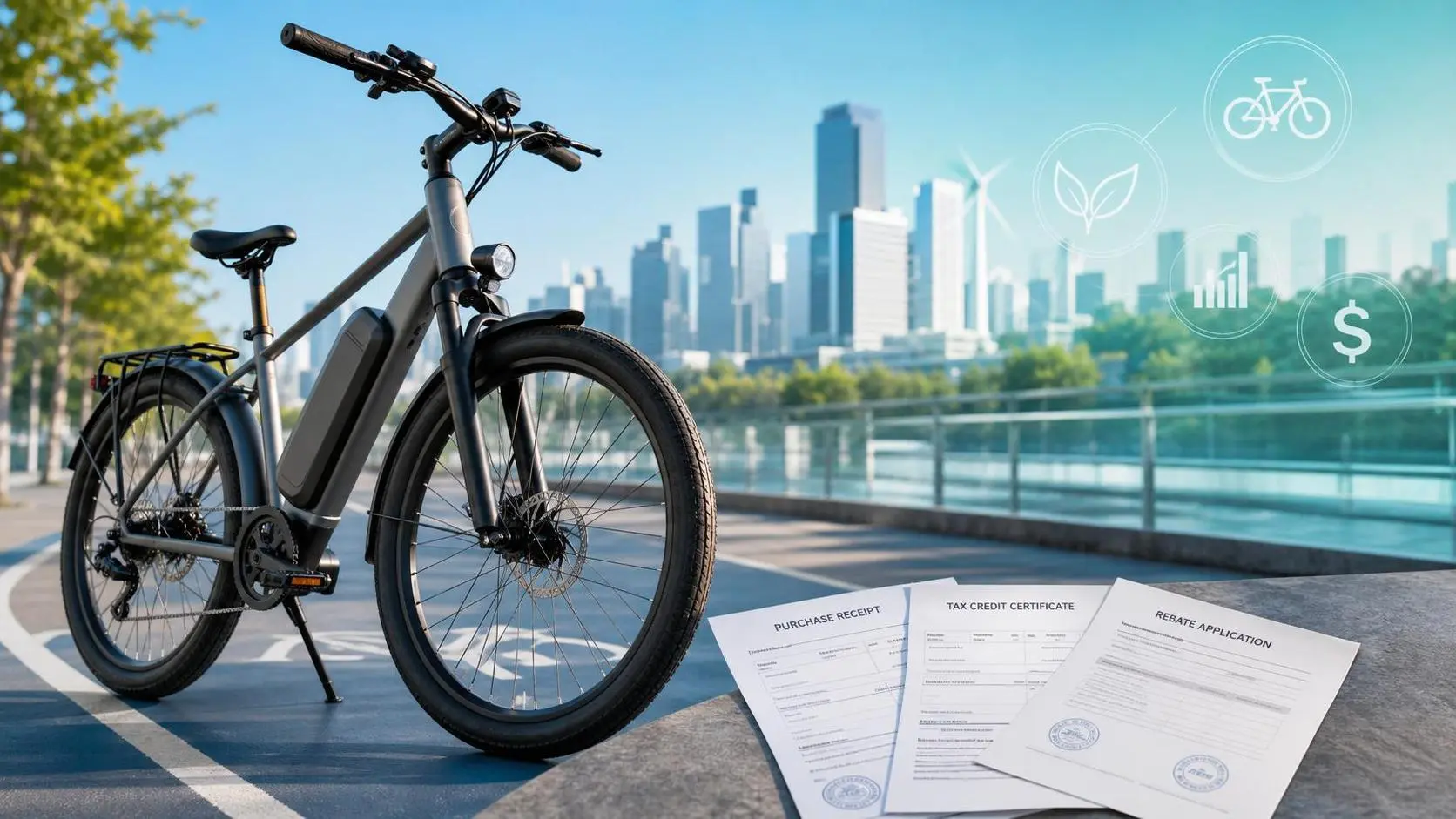
E-Bike Incentives Explained: How Riders Can Find Local Rebates and Tax Credits
E bike incentives explained: learn how to find local rebates, tax credits, and utility offers, avoid common mistakes, and cut the real cost of your next e-bike.
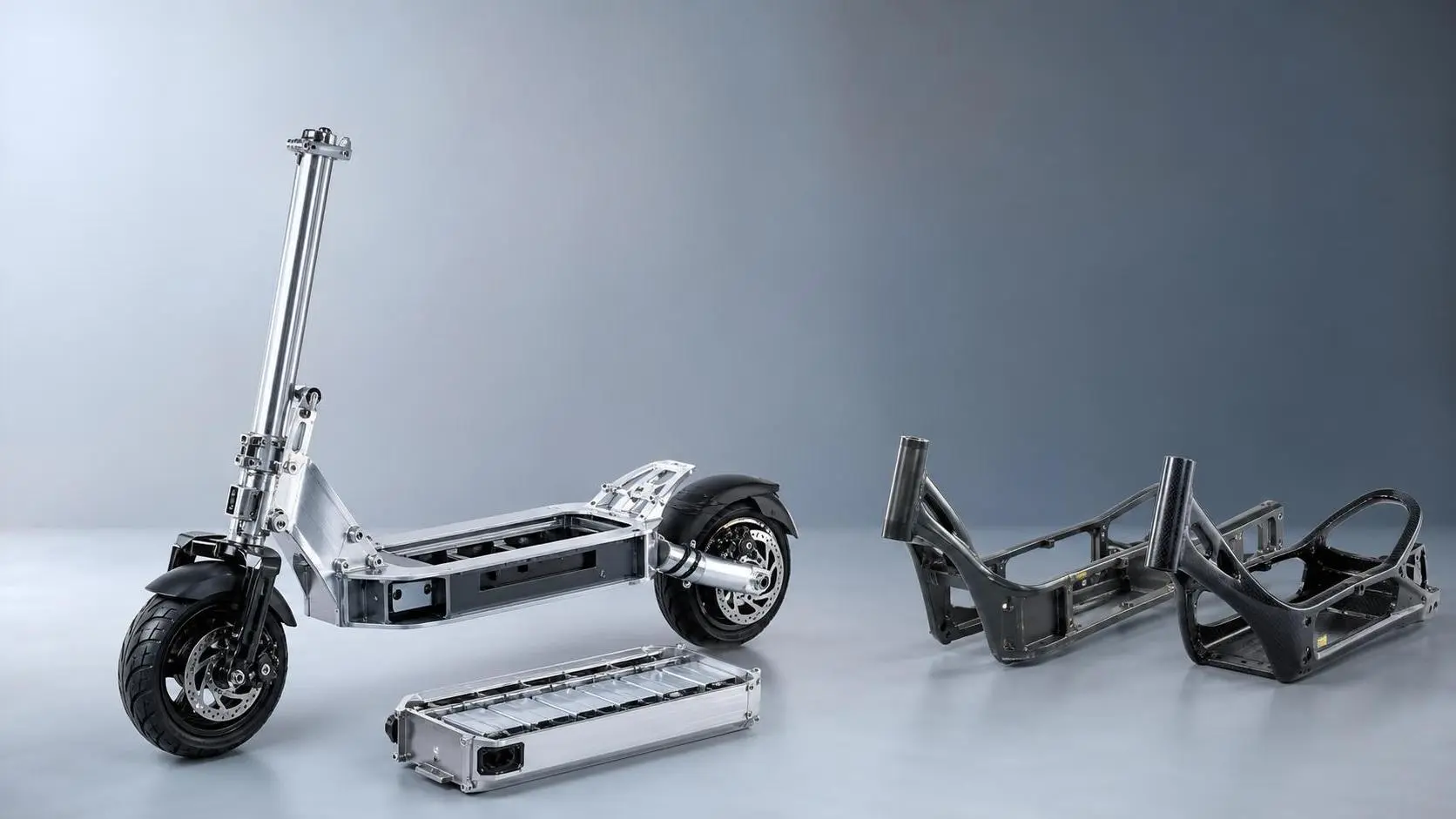
How to Choose Lightweight Scooter Frames in Europe: Materials, Standards, and Use Cases
Lightweight scooter frames Europe buyers need should balance materials, EN standards, durability, and real use cases. Discover how to choose safer, smarter, compliant frames.
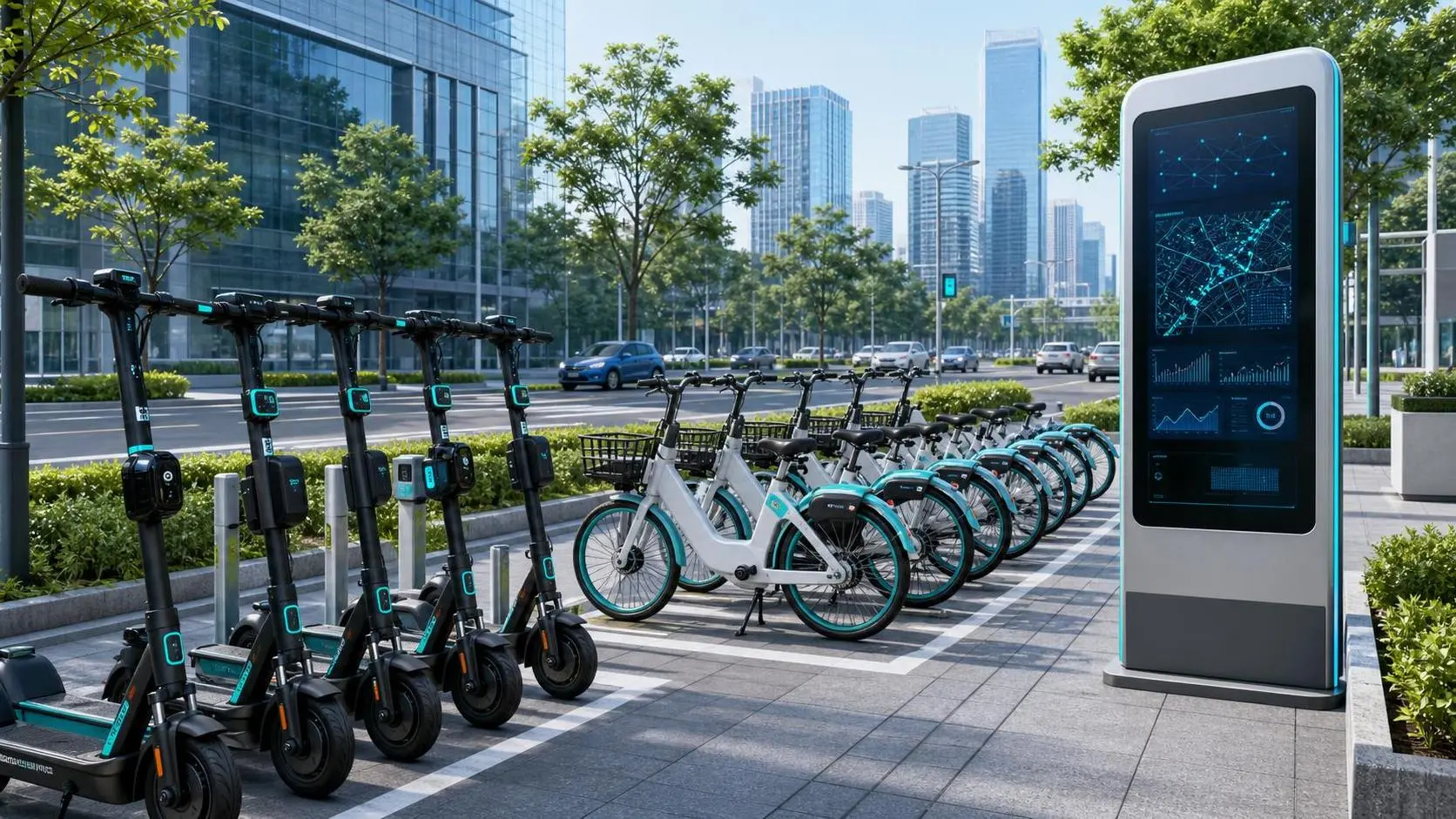
What Is the Intellectualization of Mobility Platform and How Is It Applied in Shared Fleets?
Intellectualization of mobility platform is reshaping shared fleets with real-time data, predictive maintenance, and smarter compliance—learn how it boosts safety, uptime, and urban mobility efficiency.
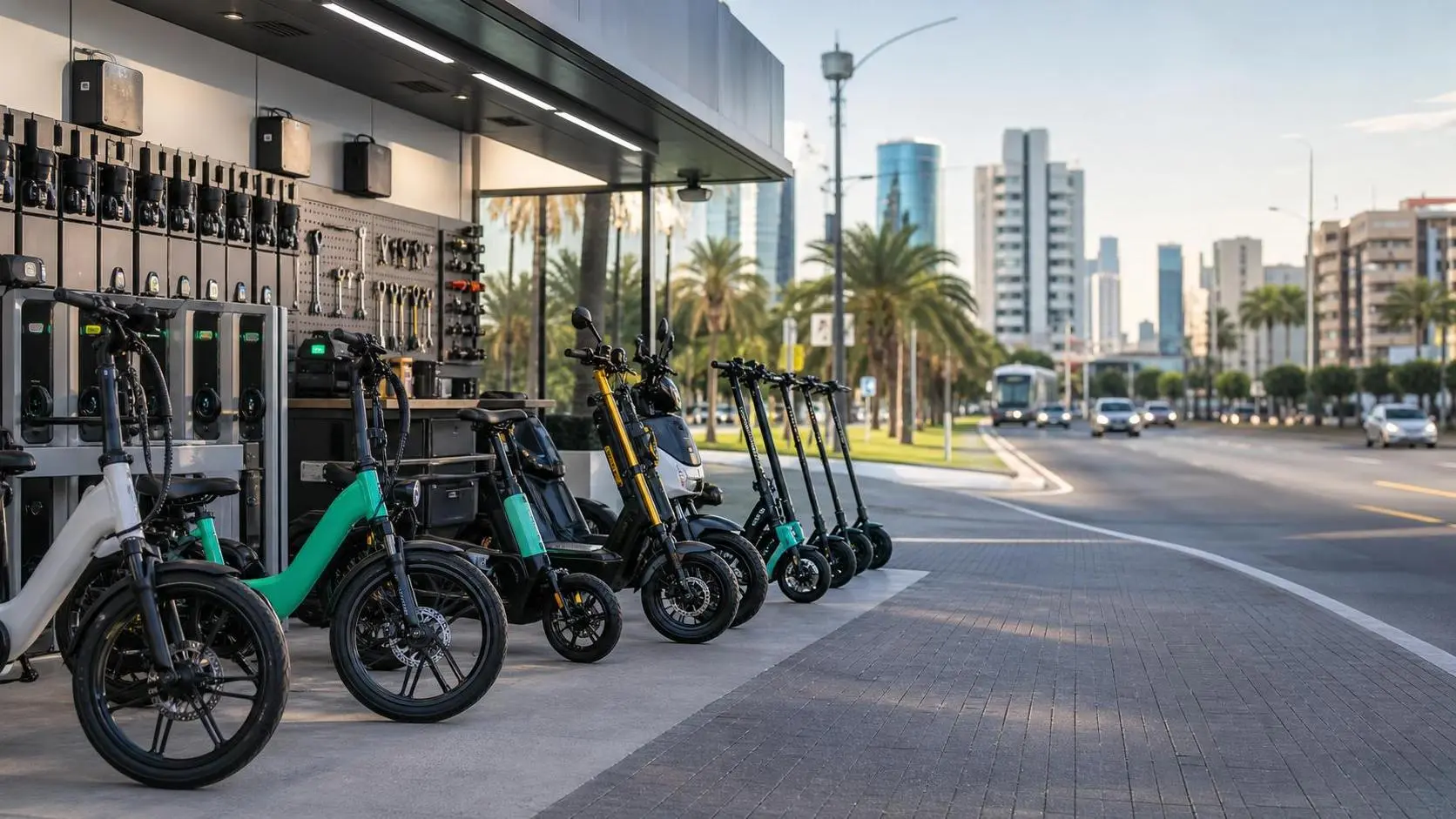
Urban Micro-Mobility Systems in Latin America: Key Market Drivers, Barriers, and Growth Segments
Urban micro-mobility systems Latin America are reshaping city transport. Explore key drivers, barriers, and high-growth segments to spot the region’s most investable opportunities.
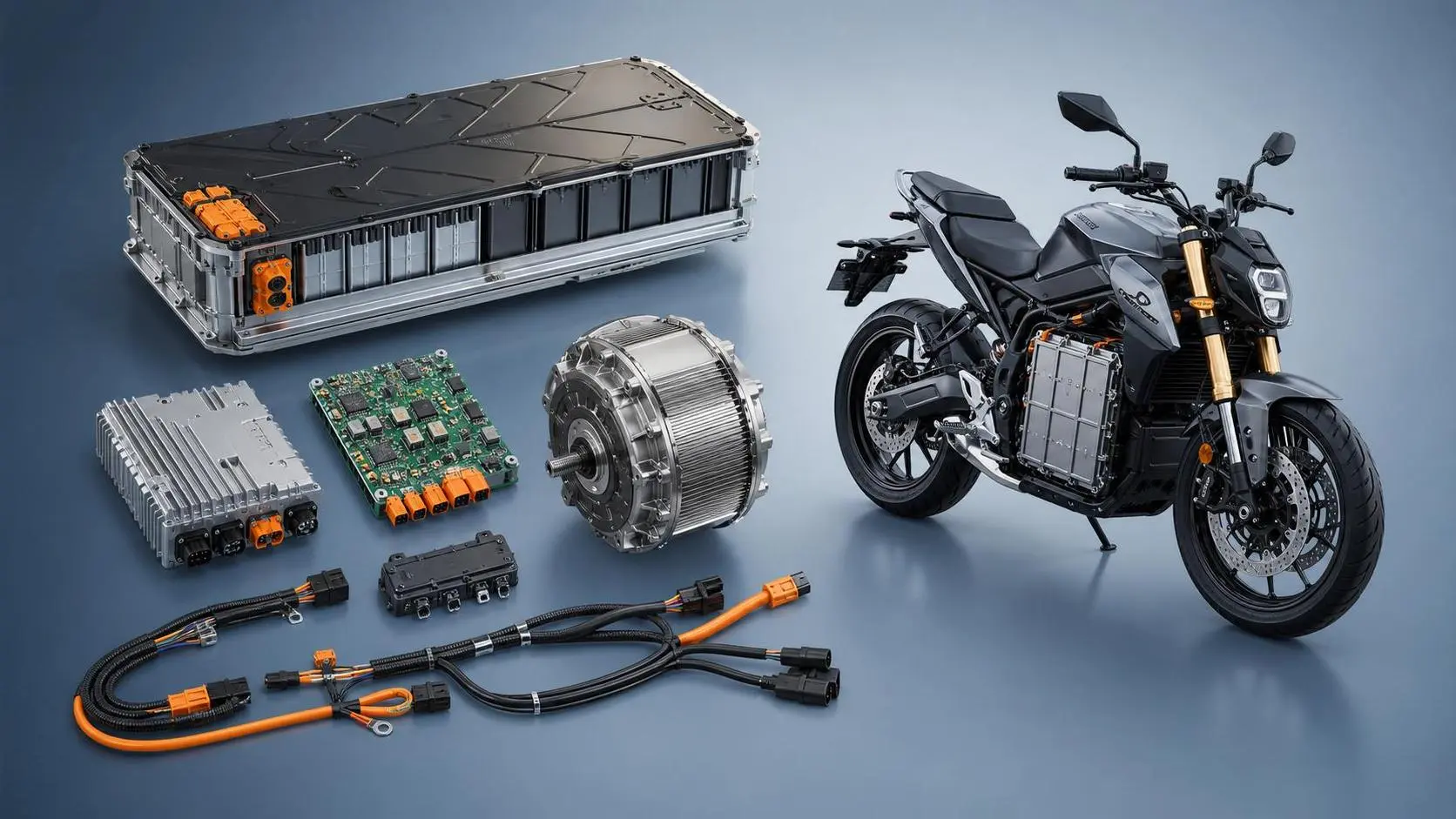
Electric Motorcycle Systems Price Breakdown: What Affects Cost From Battery to Controller?
Electric motorcycle systems price explained: see how battery, controller, motor, BMS, and wiring affect total cost, reliability, and sourcing value before you buy.
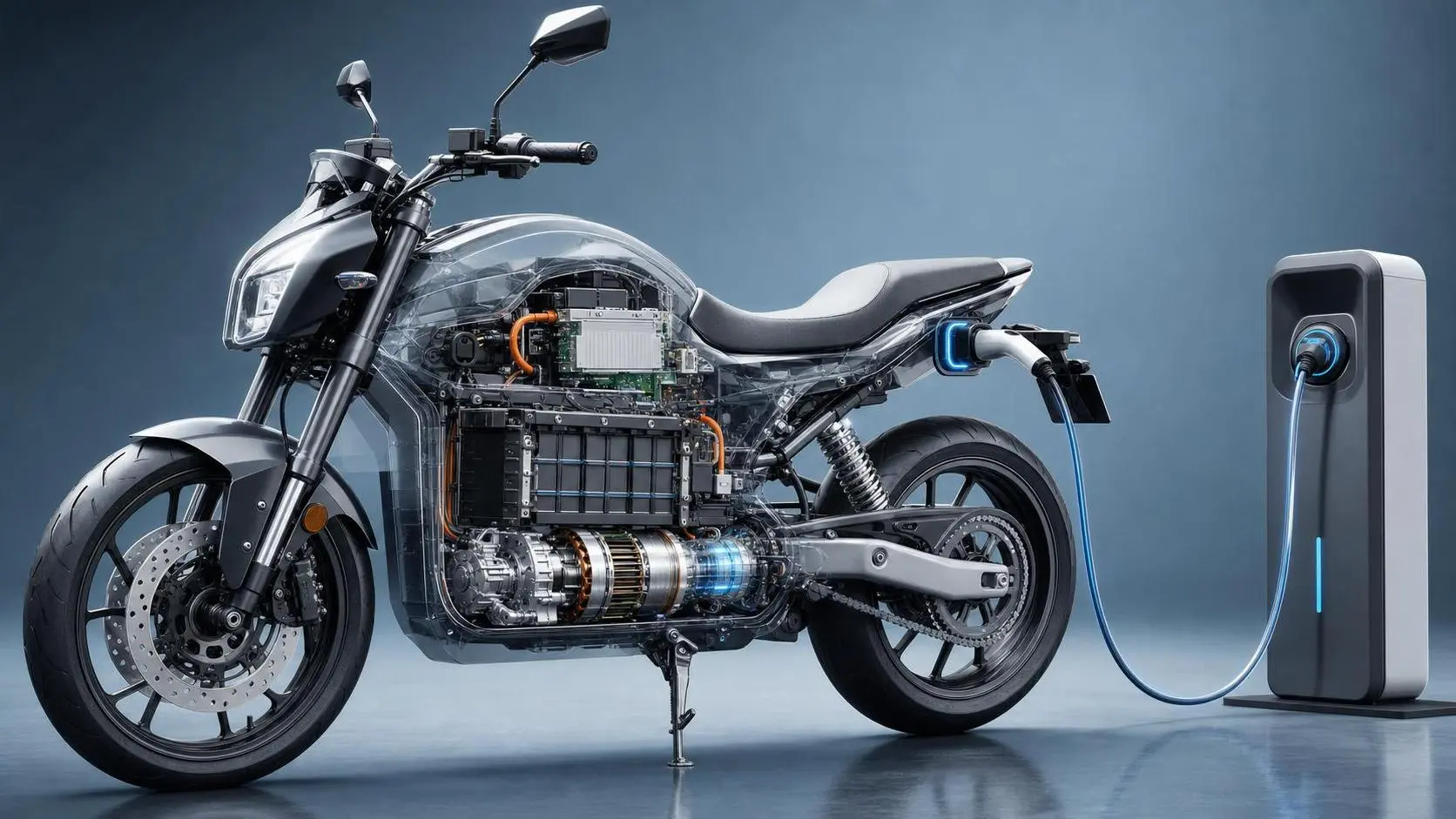
72V Electric Motorcycle Technology Explained: Motors, Controllers, Range, and Charging
Electric motorcycle technology 72V explained clearly: compare motors, controllers, range, battery design, and charging to choose a smoother, stronger, and smarter electric ride.