
Related News
- 00
0000-00
Urban Mobility Market Analysis: Demand Drivers, Policy Risks, and Revenue Models Compared - 00
0000-00
What Affects Urban Traffic Innovation Price in Smart City Transport Projects? - 00
0000-00
How to Evaluate a Battery Management Systems Exporter for Quality, Compliance, and Support - 00
0000-00
What Drives Urban Mobility Adoption in Congested Cities: Cost, Convenience, and Policy - 00
0000-00
How to Verify Micro Mobility Technical Credibility Before Supplier Approval
Ms. Elena Rodriguez
Weekly Insights
Stay ahead with our curated technology reports delivered every Monday.
Urban Electric Mobility: Common Deployment Mistakes to Avoid





Urban electric mobility projects can transform city transport, but poor planning often leads to costly delays, safety risks, and weak user adoption. For project managers and engineering leads, avoiding common deployment mistakes is essential to building scalable, compliant, and efficient systems. This article highlights the most critical pitfalls and offers practical insight to support smarter implementation decisions.
Why urban electric mobility deployments fail more often than expected
Urban electric mobility looks simple from a distance: deploy e-bikes, smart e-scooters, charging assets, software, and service routines. In practice, each layer affects safety, uptime, compliance, and user behavior.
Project leaders usually face compressed timelines, cross-border suppliers, city regulations, unclear operating assumptions, and budget pressure. Failure rarely comes from one large mistake. It usually comes from a chain of small planning errors.
For urban electric mobility programs, the highest-risk blind spots often sit between engineering and operations. Battery strategy, thermal performance, right-of-way rules, drivetrain durability, fleet data visibility, and spare parts planning must be aligned early.
- The vehicle specification may fit a lab test but fail in real traffic gradients, stop-start density, rain exposure, or rider misuse.
- The procurement team may optimize for unit price while the operations team absorbs higher maintenance, battery replacement, and downtime costs later.
- The city may approve conceptually, yet local parking, charging, speed, insurance, and sidewalk enforcement rules may block actual rollout.
What are the most common urban electric mobility deployment mistakes?
1. Starting with vehicles before defining the operating model
A common mistake in urban electric mobility is selecting hardware before defining use cases. Are you serving commuters, delivery riders, tourism routes, campus circulation, or mixed municipal fleets? Range, torque, payload, frame strength, charging logic, and maintenance schedules change with each case.
An e-bike suitable for light commuter use may underperform in hilly districts or heavy-duty rental cycles. A shared e-scooter platform that works in dry climates may suffer braking, sealing, and electronics reliability issues in wet coastal cities.
2. Underestimating battery and thermal management risk
Battery planning is often reduced to nominal range claims. That is a serious error. Real deployment success depends on charging turnaround, cell consistency, battery enclosure sealing, temperature management, swap logistics, and state-of-health monitoring.
For high-speed e-motorcycles and dense urban fleets, battery heat accumulation during repeated acceleration can reshape maintenance frequency and safety protocols. Engineering leads should verify realistic duty cycles, not brochure figures.
3. Ignoring infrastructure and curbside behavior
Urban electric mobility systems fail when vehicle design ignores parking behavior, charging access, anti-theft needs, and street furniture constraints. Good vehicles do not guarantee good circulation if docking, parking geofencing, and retrieval routes are weak.
Project teams should assess sidewalk width, curb use restrictions, warehouse charging capacity, elevator access, fire separation rules, and weather exposure before fleet sizing.
4. Treating connectivity as optional
Smart e-scooters and connected e-bikes depend on reliable IoT performance. Weak telematics strategy creates asset loss, inaccurate fleet visibility, and slow incident response. Urban electric mobility without dependable data flows is difficult to control at scale.
Connectivity planning should cover communication stability, firmware updates, fault codes, geolocation quality, anti-tamper alerts, and integration with service dashboards. If the data layer is weak, operational decisions become reactive.
5. Overlooking mechanical wear in high-frequency use
Two-wheeler electrification does not eliminate mechanical stress. Precision drivetrain parts, braking systems, bearings, tire compounds, and water-resistance details matter greatly under repeated urban load cycles.
This is especially relevant for fleets using premium derailleur components or mixed human-electric drivetrains. If contamination resistance, shift stability, and replacement intervals are not modeled, maintenance costs rise fast.
A practical risk map for project managers
The table below helps project managers evaluate where urban electric mobility programs most often slip from pilot promise to operational underperformance.
This risk map shows that urban electric mobility is not only a mobility purchase. It is a systems deployment. Projects perform better when procurement, compliance, engineering, and service teams use the same decision framework from the start.
How to choose the right system architecture before procurement
Define the operating environment first
Before issuing RFQs, define route length, elevation change, average load, daily trip count, parking exposure, rain frequency, rider skill level, and local service resources. These variables affect the correct urban electric mobility architecture more than generic catalog labels.
Prioritize total operating fit over simple capex
A cheaper platform may require more battery replacements, more tire changes, more software troubleshooting, or more manual fleet redistribution. Project managers should compare acquisition cost with service labor, parts turnover, insurance implications, and asset lifespan.
Review critical specification layers
- Motor and controller behavior under repeat starts, slopes, and payload variation.
- Battery chemistry, pack protection strategy, swap feasibility, and charge-cycle resilience.
- Frame robustness, corrosion resistance, sealing, and vibration durability.
- Telematics architecture, remote diagnostics, and firmware support process.
- Consumables plan for brakes, tires, drivetrain parts, and connectors.
Comparison table: matching vehicle type to deployment scenario
Urban electric mobility projects often underperform because the wrong vehicle category is assigned to the wrong mission. This comparison helps narrow selection logic.
The right fit depends on operating intensity, city policy, rider profile, and service maturity. A mixed-fleet strategy can be more effective than forcing one platform across every use case.
Compliance mistakes that delay launches
Compliance in urban electric mobility is not a final checkpoint. It is a design input. Teams that leave it until late-stage validation often face redesign, permit delay, or limited operating geography.
Areas that need early review
- Vehicle classification rules, including speed thresholds and where each vehicle may legally operate.
- Battery transport, storage, and warehouse fire-safety practices.
- Lighting, braking, reflectivity, and visibility expectations for local road use.
- Telematics data handling, privacy controls, and operator reporting obligations.
UMMS-style intelligence is especially valuable here because regulatory shifts often emerge market by market. A fleet plan that works in one city may require different speed logic, access rights, or parking controls in another.
Implementation checklist: what engineering leads should lock down before rollout
Many urban electric mobility delays can be prevented with a disciplined pre-launch checklist. The goal is not more paperwork. The goal is fewer expensive surprises after procurement.
- Confirm route and duty-cycle assumptions using real terrain, rider load, and weather patterns rather than nominal estimates.
- Test battery charge and discharge behavior under peak operational density, not only single-vehicle conditions.
- Define spare parts scope for wear items, electrical connectors, control units, and key drivetrain components.
- Validate service workflow for retrieval, inspection, firmware update, cleaning, and redeployment.
- Review local compliance items covering rider rules, parking, storage, and insurance obligations.
- Build KPI visibility around uptime, incident rate, repair turnaround, battery health, and asset utilization.
Teams that complete these checks early usually make better sourcing decisions and avoid costly changes after fleet arrival.
FAQ: practical questions about urban electric mobility deployment
How do I choose between e-bikes, smart e-scooters, and high-speed e-motorcycles?
Start with trip distance, payload, rider profile, and legal operating zone. E-bikes suit broader user groups and mixed comfort needs. Smart e-scooters suit short, dense, flexible routes. High-speed e-motorcycles suit professional duty cycles with stronger throughput demands.
What is the biggest technical mistake in urban electric mobility procurement?
The biggest mistake is buying from headline specifications alone. Range claims, top speed, or motor power do not predict field performance unless matched to charging logic, thermal behavior, rider weight, terrain, and maintenance capability.
Which deployment risks are most often underestimated by project managers?
Battery storage safety, spare parts lead time, firmware support, wet-weather reliability, and city parking enforcement are regularly underestimated. These factors can affect uptime more than the original vehicle cost difference.
How early should compliance review begin?
Ideally before technical specification is frozen. In urban electric mobility, compliance influences speed caps, component choices, visibility features, battery handling procedures, and fleet operating zones. A late review often causes rework.
Why informed intelligence matters in urban electric mobility
Project outcomes improve when deployment decisions are supported by sector intelligence rather than isolated supplier claims. That is especially true in fast-moving categories such as e-bikes, smart e-scooters, high-speed e-motorcycles, precision drivetrain systems, and adjacent safety components.
UMMS brings value by connecting policy shifts, powertrain evolution, battery management logic, component durability, and market application trends into one decision context. For project managers, that means faster validation, fewer blind spots, and stronger alignment between design intent and field reality.
Why choose us for your next deployment decision
If your team is evaluating urban electric mobility solutions, UMMS can support earlier and better decisions with focused intelligence across vehicle categories, component systems, and market implementation factors.
- Parameter confirmation for battery strategy, drivetrain logic, and operating scenario fit.
- Product selection guidance for e-bikes, smart e-scooters, high-speed e-motorcycles, and related component platforms.
- Delivery-cycle discussion covering sourcing complexity, spare parts planning, and implementation sequencing.
- Custom solution consultation for city-specific rollout conditions, fleet models, and performance priorities.
- Compliance and certification direction based on common market access and safety considerations.
- Sample evaluation and quotation communication for teams moving from concept review to sourcing action.
When urban electric mobility decisions involve technical trade-offs, regulatory uncertainty, or cross-market expansion, a structured consultation can reduce risk before capital is committed. Reach out to discuss your operating assumptions, target market, specification priorities, and rollout timeline.
Related News
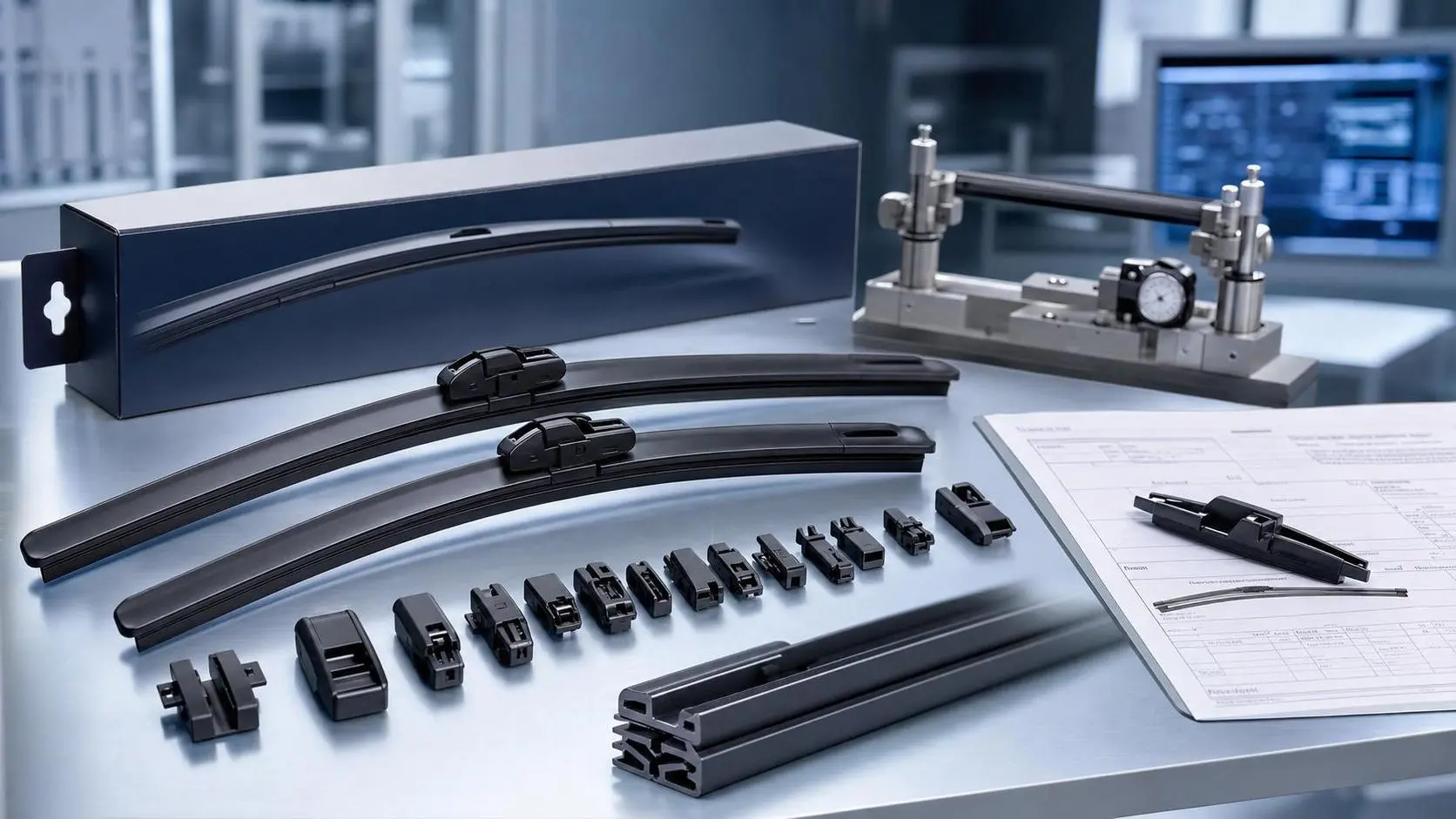
Flat Wiper Blades Wholesale Buying Guide: MOQ, Rubber Quality, Fitment, and Supplier Checks
Flat wiper blades wholesale buying guide covering MOQ, rubber quality, fitment accuracy, and supplier checks to reduce risk, improve margins, and choose reliable bulk partners.
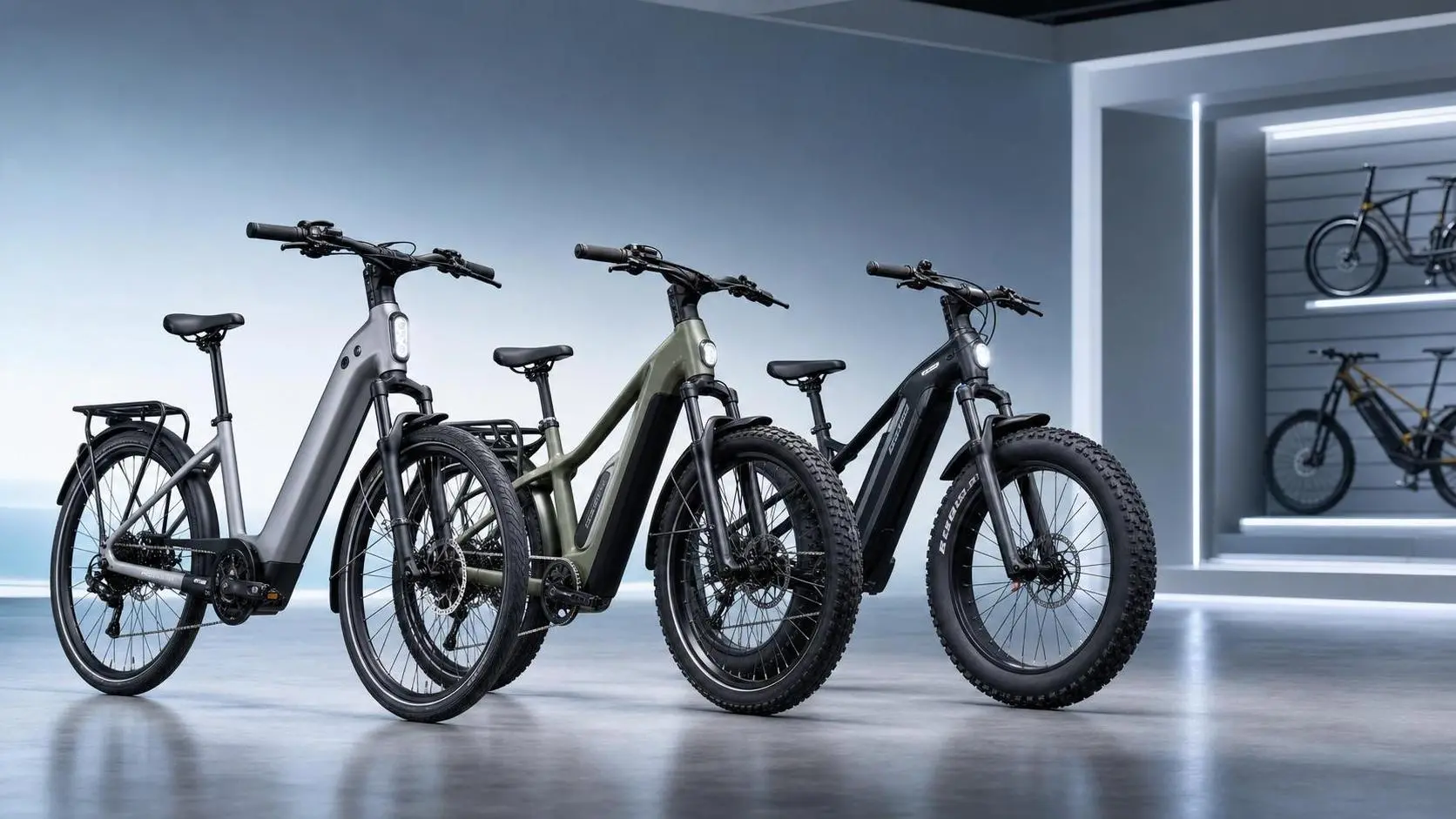
Ebike Market USA: What Dealers Should Know About Demand Shifts, Pricing, and Product Mix
ebike market USA is shifting fast. Discover how demand segmentation, pricing pressure, and smarter product mix decisions can help dealers protect margins and grow.

Wiper Systems for Scooters: Common Failure Points, Maintenance Tips, and Replacement Signs
Wiper systems for scooters: learn the most common failure points, smart maintenance tips, and clear replacement signs to improve visibility, reduce repeat repairs, and keep riders safer.

How to Choose Micro-Mobility Docking Stations for Shared Fleets and Public Charging Hubs
Micro-mobility docking stations: learn how to compare charging, locking, software, and site-fit factors to choose safer, smarter hubs for shared fleets and public use.
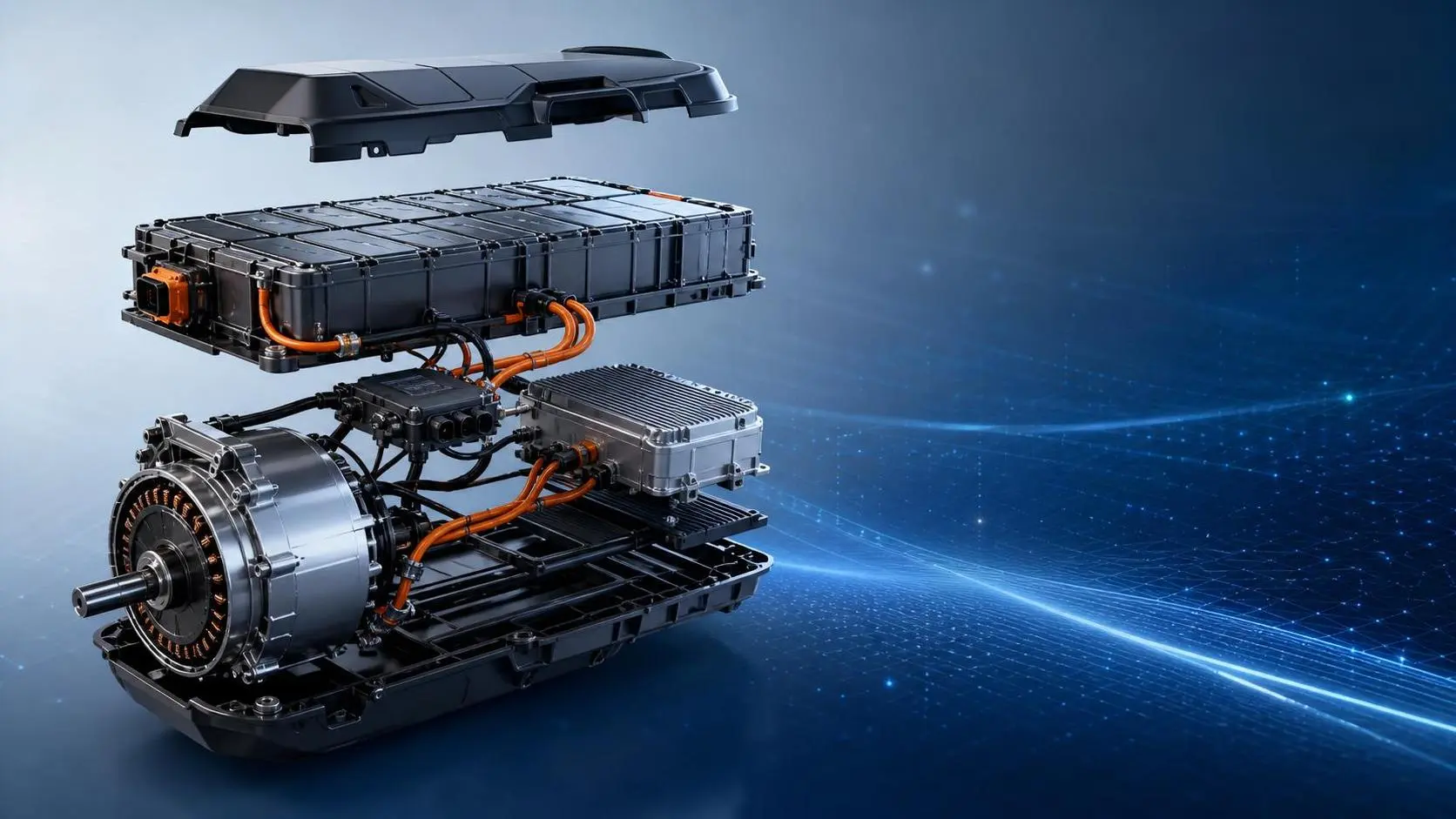
Powertrain Heat Management Explained: Key Design Factors for EV Efficiency and Battery Life
Powertrain heat management explained for EVs: discover how thermal design boosts efficiency, protects battery life, improves safety, and sustains real-world performance.
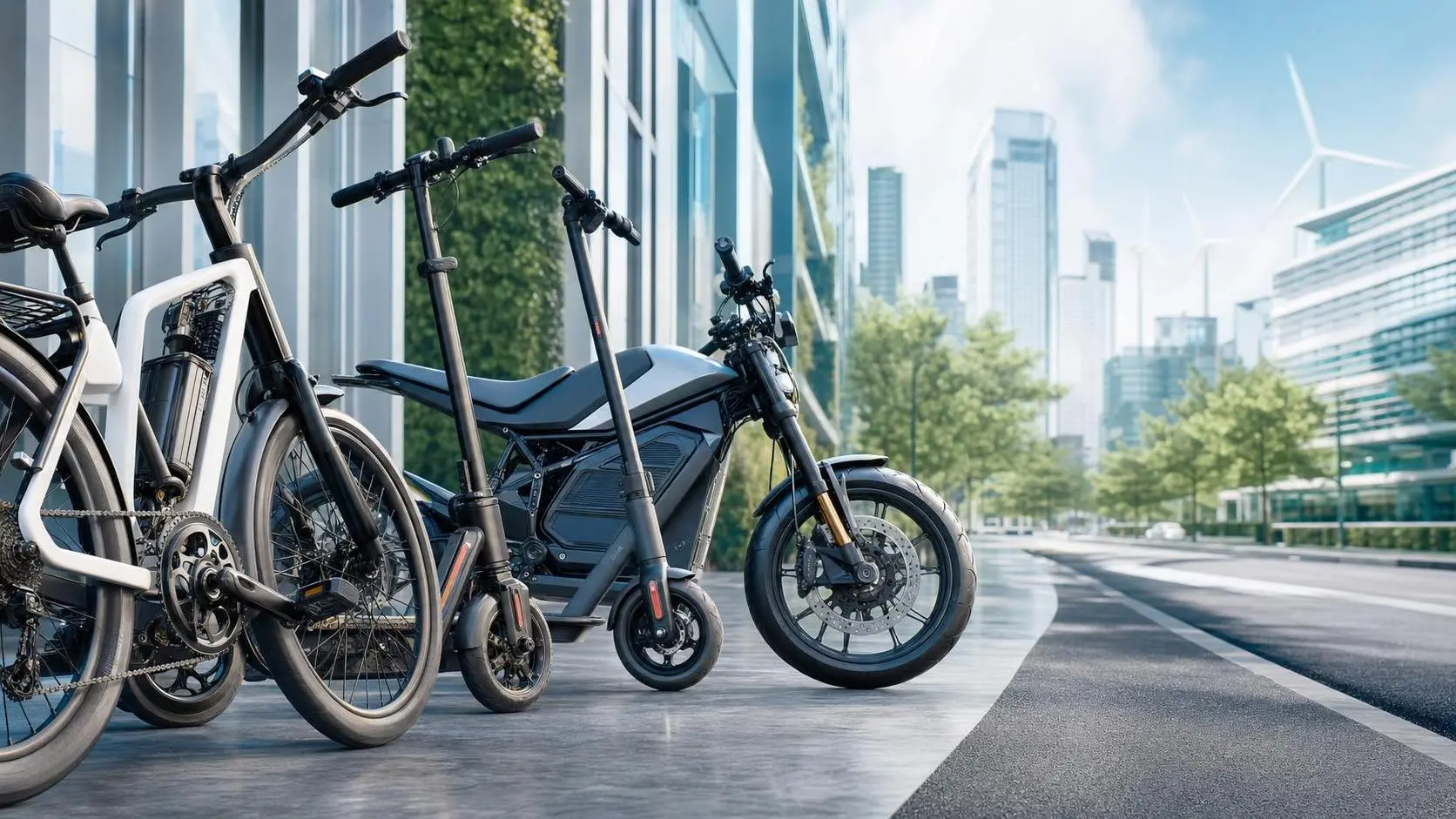
Urban Mobility Market Analysis: Demand Drivers, Policy Risks, and Revenue Models Compared
Urban mobility market analysis compares demand drivers, policy risks, and revenue models across e-bikes, scooters, and e-motorcycles to reveal where growth is durable.

Shared Mobility Compliance Checklist: Permits, Safety Rules, and Fleet Data Requirements
Shared mobility compliance made simple: explore a practical checklist for permits, safety rules, and fleet data requirements to launch faster, reduce risk, and stay audit-ready.

What Affects Ebike Energy Efficiency? Battery Size, Rider Weight, Terrain, and Speed
Ebike energy efficiency explained: learn how battery size, rider weight, terrain, and speed shape real-world range, lower Wh/km, and smarter buying or commuting decisions.

Wireless Electronic Shifting in North America: Compatibility, Standards, and Upgrade Limits
Wireless electronic shifting North America explained: compare compatibility, FCC/ISED standards, retrofit limits, and upgrade risks before choosing the right platform.