
Related News
- 00
0000-00
Urban Mobility Market Analysis: Demand Drivers, Policy Risks, and Revenue Models Compared - 00
0000-00
What Affects Urban Traffic Innovation Price in Smart City Transport Projects? - 00
0000-00
How to Evaluate a Battery Management Systems Exporter for Quality, Compliance, and Support - 00
0000-00
What Drives Urban Mobility Adoption in Congested Cities: Cost, Convenience, and Policy - 00
0000-00
How to Verify Micro Mobility Technical Credibility Before Supplier Approval
Ms. Elena Rodriguez
Weekly Insights
Stay ahead with our curated technology reports delivered every Monday.
Electric Vehicle Components Checklist for Reliable Sourcing





Sourcing dependable electric vehicle components requires more than comparing prices—it demands a clear checklist for quality, compliance, performance, and supply stability. For procurement teams navigating the fast-moving micro-mobility market, this guide highlights the critical parts, supplier evaluation points, and risk controls needed to secure reliable sourcing decisions and support long-term product competitiveness.
What Procurement Teams Are Really Looking For When Sourcing Electric Vehicle Components
When buyers search for an electric vehicle components checklist, they usually want a practical way to reduce sourcing risk, not a generic list of parts.
For procurement teams, the real question is simple: which suppliers can deliver compliant, durable, scalable components without creating warranty, safety, or continuity problems later.
That is especially true in micro-mobility, where e-bikes, smart e-scooters, and high-speed e-motorcycles face strict cost targets, fast product cycles, and growing regulatory pressure.
A reliable sourcing strategy must therefore balance six factors at once: technical fit, safety compliance, quality consistency, lead-time stability, total cost, and supplier responsiveness.
If one of those factors is weak, the initial unit price advantage can quickly disappear through recalls, delayed launches, field failures, or difficult after-sales support.
The Core Electric Vehicle Components Checklist Buyers Should Start With
A useful checklist begins by separating electric vehicle components into critical systems rather than reviewing parts one by one without understanding failure impact or sourcing priority.
For most two-wheeler electric platforms, procurement should assess batteries, battery management systems, motors, controllers, chargers, wiring harnesses, displays, sensors, connectors, braking interfaces, and structural electronics integration.
These categories do not carry equal sourcing risk. Batteries, BMS units, motors, and controllers usually deserve the deepest qualification because they directly affect safety, range, power delivery, and warranty exposure.
Secondary but still important components include throttles, instrument clusters, lighting modules, telematics units, DC-DC converters, waterproof connectors, and charging ports that influence usability and service reliability.
For precision-oriented products such as premium e-bikes or connected scooters, software compatibility and communication protocol stability should also be treated as sourcing criteria, not engineering afterthoughts.
Battery Systems: The First Place to Verify Safety, Traceability, and Lifecycle Value
Among all electric vehicle components, battery systems create the highest procurement risk because they influence product certification, field safety, logistics handling, and long-term replacement economics.
Buyers should confirm cell origin, chemistry type, pack architecture, thermal design, cycle life claims, storage conditions, and transportation compliance before discussing commercial terms in detail.
Do not rely only on headline specifications such as amp-hours or voltage. Ask for degradation curves, operating temperature ranges, abuse test data, and batch traceability practices.
A battery supplier should also explain how pack consistency is maintained across production lots, how failed cells are isolated, and how firmware updates affect pack behavior.
For e-bikes and scooters sold internationally, review certifications relevant to target markets, including transport and electrical safety requirements, because noncompliance can block shipping and market entry.
Procurement teams should also evaluate end-of-life service plans, spare pack availability, and replacement lead times, since these directly affect dealer confidence and customer retention.
BMS and Power Electronics: Small Decisions Here Can Create Large Field Failures
The battery management system is often underestimated during sourcing, yet it governs protection logic, balancing behavior, charging safety, thermal response, and usable battery performance.
When evaluating BMS suppliers, ask how the system handles overcharge, undervoltage, short-circuit events, cell imbalance, communication interruptions, and abnormal temperature conditions.
It is also essential to verify firmware control processes. A technically strong design can still become a sourcing liability if software versions are poorly documented or inconsistently deployed.
Controllers and inverters deserve similar scrutiny because they shape acceleration smoothness, regenerative braking behavior, efficiency, and failure rates under real urban riding conditions.
Request validation data for vibration, water ingress, thermal cycling, electromagnetic compatibility, and sustained load operation, especially for shared mobility or high-frequency commuter applications.
If the controller, display, motor, and BMS come from different suppliers, confirm protocol compatibility early to avoid integration delays and unstable system behavior during production ramp-up.
Motors and Drivetrain Components: Focus on Efficiency, Heat, and Real-World Durability
Motor sourcing should not be reduced to nominal power and torque figures, because laboratory values often fail to represent stop-and-go traffic, hill climbing, or sustained urban duty cycles.
Procurement should compare motor efficiency maps, thermal management methods, ingress protection levels, bearing quality, magnet sourcing, noise performance, and maintenance requirements.
For e-bikes, the choice between hub motors and mid-drive systems affects service complexity, ride feel, drivetrain wear, and supplier ecosystem dependence.
For smart e-scooters and high-speed e-motorcycles, heat dissipation and peak-load endurance matter even more, especially in hot climates or high-demand delivery fleets.
Ask suppliers how performance changes over long duty cycles, what failure modes are most common, and what design measures reduce vibration, corrosion, and connector fatigue.
If the product includes precision bicycle components or advanced transmission systems, buyers should also verify mechanical tolerances and compatibility with downstream assembly processes.
Compliance Is Not a Checkbox—It Determines Whether You Can Sell, Ship, and Scale
In micro-mobility, compliance failures are rarely isolated technical issues. They can halt customs clearance, delay launch schedules, and expose brands to serious legal and reputational damage.
Your electric vehicle components checklist should therefore include market-specific certifications, test reports, declarations of conformity, material compliance records, and audit-ready technical files.
Procurement teams should verify whether documents are current, issued by recognized bodies, and matched to the exact part revision being sourced, not a similar legacy version.
It is equally important to understand where compliance responsibility sits. Some suppliers provide certificates but expect the OEM to complete system-level validation independently.
That distinction matters because a compliant component does not automatically guarantee a compliant final vehicle once software, battery packs, chargers, and connectors are integrated.
Strong suppliers support documentation updates, regulatory change monitoring, and sample retention for future verification, which reduces risk when entering new export markets.
How to Evaluate Suppliers Beyond Price and Brochure Claims
Reliable sourcing depends as much on supplier capability as on component specifications. A polished quotation does not prove manufacturing discipline or long-term delivery stability.
Procurement should review factory quality systems, incoming material controls, process traceability, final testing coverage, corrective action speed, and historical defect performance.
Ask whether key subcomponents are produced in-house or externally sourced, because hidden subcontracting often creates inconsistency, documentation gaps, and weak responsiveness during claims.
Capacity assessment is also critical. A supplier that performs well for pilot orders may struggle when demand increases or multiple customers compete for the same production slots.
Look at lead-time reliability, inventory strategy, alternate material approval procedures, engineering support availability, and multilingual communication capability for global sourcing programs.
For strategic electric vehicle components, supplier financial health and ownership stability should also be checked, since sudden disruption can create severe downstream procurement exposure.
Total Cost of Ownership Matters More Than the Lowest Quoted Price
Many procurement problems begin when sourcing decisions focus too heavily on unit cost while ignoring warranty expense, service labor, certification delay, and replacement logistics.
A lower-priced motor or battery pack can become more expensive if it causes higher failure rates, shorter lifecycle performance, or inconsistent assembly yields on the production line.
To compare suppliers properly, calculate total cost of ownership across purchase price, freight, duties, testing, qualification effort, scrap risk, field returns, and support responsiveness.
Also consider commercial terms that affect cash flow and supply continuity, including tooling ownership, minimum order quantity, safety stock rules, payment structure, and liability allocation.
For fast-changing categories such as e-scooters and connected e-bikes, the cost of delayed redesigns can exceed the original sourcing savings by a wide margin.
That is why mature procurement teams treat sourcing as a risk-adjusted value decision, not as a short-term price negotiation exercise.
Questions Buyers Should Ask Before Approving a New Electric Vehicle Components Supplier
A strong checklist becomes more effective when turned into direct supplier questions that reveal operational discipline, technical maturity, and willingness to support long-term cooperation.
Start with basics: What are the critical failure modes of this component, and how are they tested before shipment? What is the field return rate by application?
Then ask process-focused questions: Which materials are single-sourced? How are engineering changes controlled? What traceability data is retained for each production batch?
For batteries and electronics, ask how firmware revisions are managed, whether interoperability has been validated with adjacent systems, and how cybersecurity or communication faults are addressed.
Commercially, ask what lead times apply during peak season, what buffer stock can be maintained, and what service-level commitments exist for defective shipments or urgent replacements.
The best suppliers answer clearly, provide evidence quickly, and can explain trade-offs without hiding behind vague marketing language or overpromised specifications.
Red Flags That Signal Future Sourcing Problems
Procurement teams should watch for patterns that often predict later disruption. One warning sign is inconsistent documentation across datasheets, quotations, and certification files.
Another is an inability to explain root-cause analysis methods, test standards, or component revision history in a precise and structured way.
Be cautious if a supplier offers unusually low pricing but cannot justify material choices, process controls, or expected service life under your target riding conditions.
Repeated delays in sample delivery, slow engineering feedback, or unclear responsibility between sales and technical teams also suggest weak internal coordination.
For electric vehicle components with safety implications, any lack of traceability, reluctance to share test evidence, or resistance to audits should be treated seriously.
In most cases, early sourcing warning signs do not disappear after the purchase order. They usually become larger problems once volume production begins.
Building a More Resilient Sourcing Process for Micro-Mobility Programs
In the current market, resilience matters as much as technical quality because component shortages, logistics disruptions, and regulatory shifts can quickly affect launch and delivery plans.
Procurement teams should classify electric vehicle components by business criticality and build deeper risk controls around the parts that would stop production or trigger safety exposure.
That often means qualifying backup suppliers, locking key specifications early, improving forecast visibility, and aligning engineering change procedures with supply agreements.
Cross-functional coordination is equally important. Procurement, engineering, quality, compliance, and after-sales teams should share one supplier scorecard instead of operating in silos.
For categories such as connected scooters, high-speed e-motorcycles, and premium e-bikes, sourcing resilience also requires software support continuity and protocol compatibility planning.
Companies that invest in structured supplier qualification usually achieve faster issue resolution, better launch predictability, and stronger long-term product reputation in export markets.
Conclusion: A Good Checklist Protects More Than Cost—it Protects Product Credibility
A practical electric vehicle components checklist helps procurement teams make better decisions by connecting technical review, compliance control, supply stability, and lifecycle economics.
In micro-mobility, reliable sourcing is not only about finding parts that fit. It is about securing components that can support safe performance, consistent quality, and scalable market growth.
The most effective buyers look beyond headline specifications and ask harder questions about validation, traceability, integration, and supplier readiness under real operating conditions.
That disciplined approach reduces sourcing surprises, strengthens launch confidence, and protects both brand credibility and long-term competitiveness in a rapidly evolving electric mobility market.
For procurement teams, the takeaway is clear: use a checklist not as paperwork, but as a decision framework that turns supplier selection into a strategic advantage.
Related News
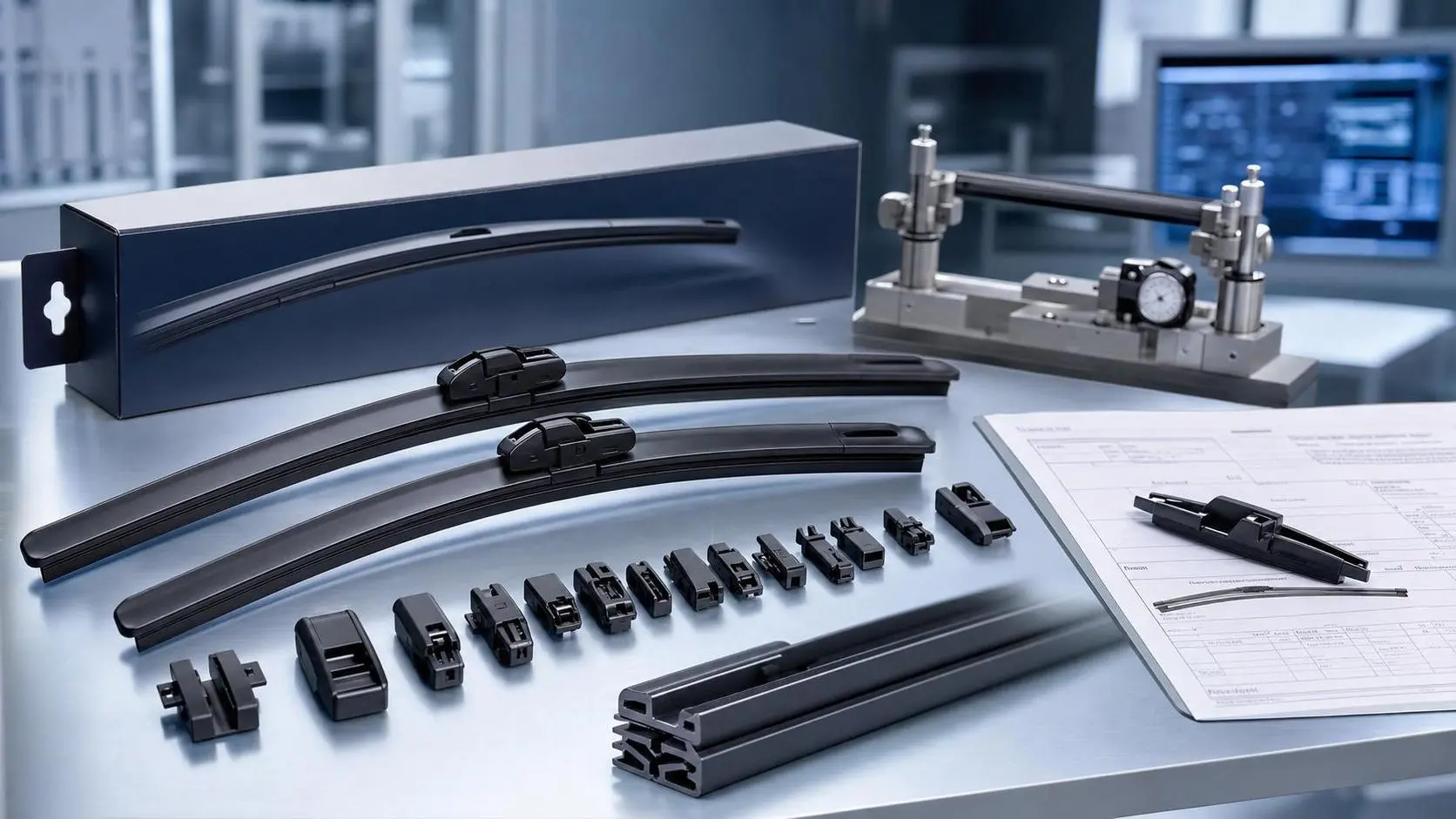
Flat Wiper Blades Wholesale Buying Guide: MOQ, Rubber Quality, Fitment, and Supplier Checks
Flat wiper blades wholesale buying guide covering MOQ, rubber quality, fitment accuracy, and supplier checks to reduce risk, improve margins, and choose reliable bulk partners.
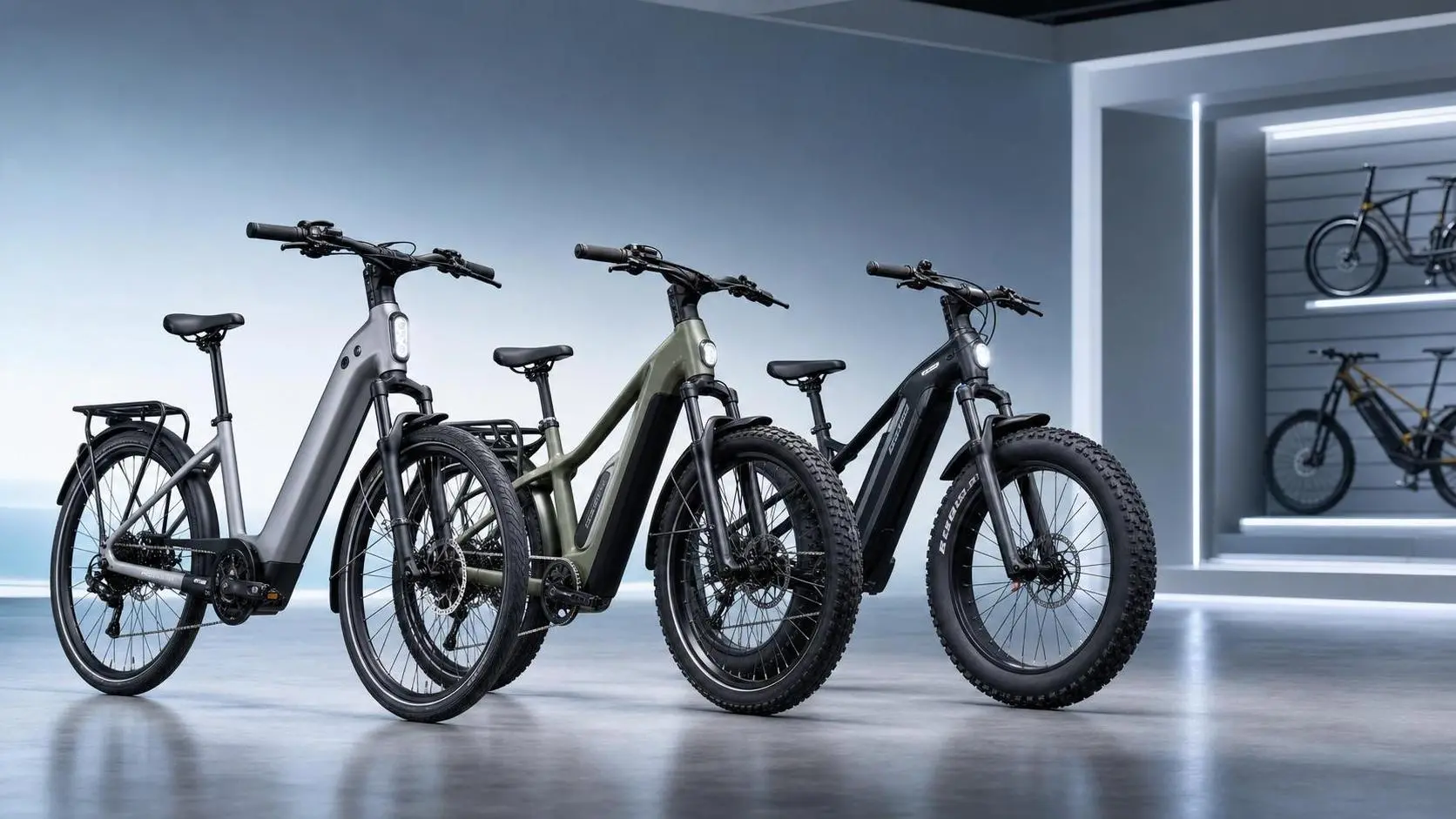
Ebike Market USA: What Dealers Should Know About Demand Shifts, Pricing, and Product Mix
ebike market USA is shifting fast. Discover how demand segmentation, pricing pressure, and smarter product mix decisions can help dealers protect margins and grow.
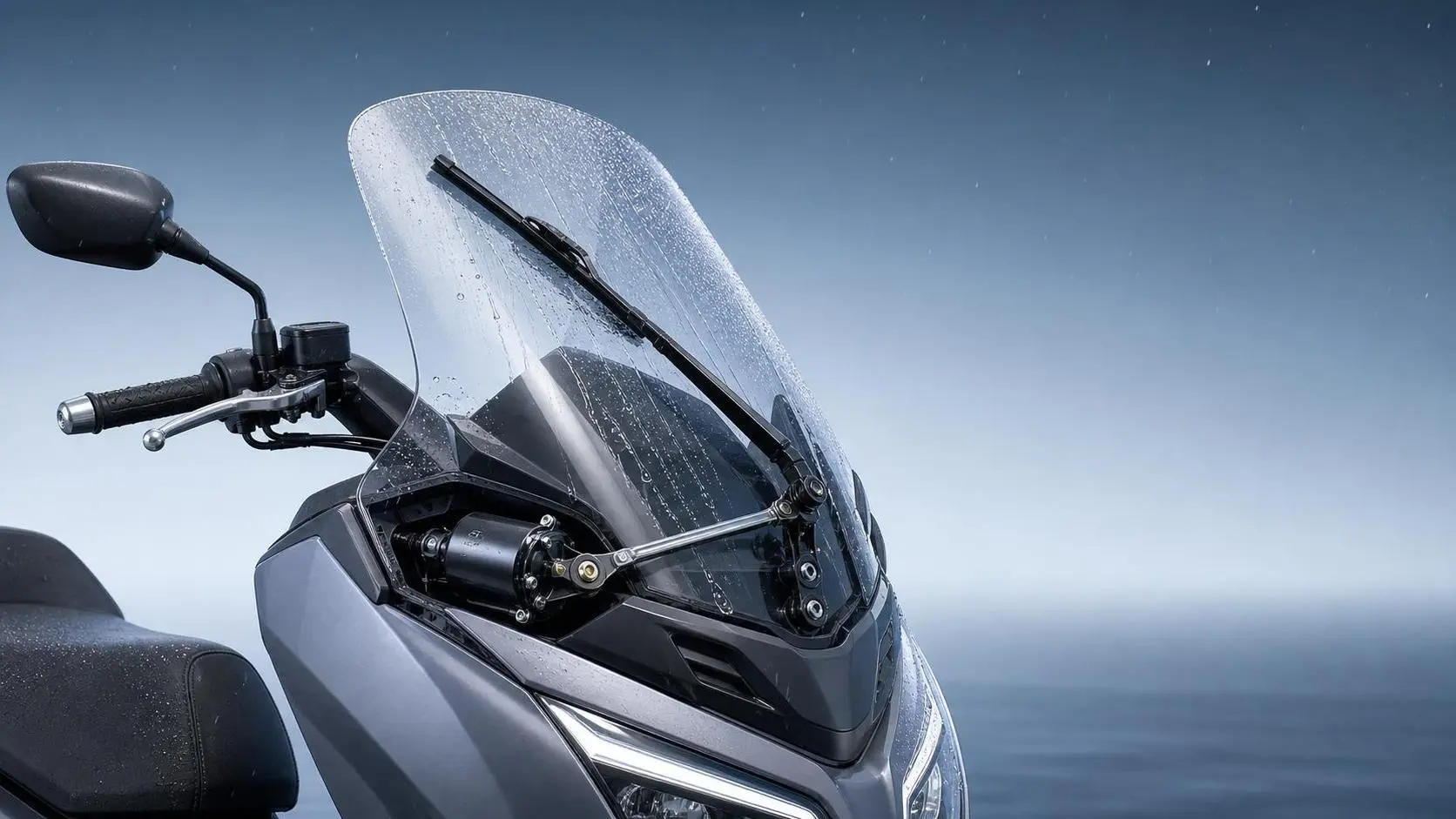
Wiper Systems for Scooters: Common Failure Points, Maintenance Tips, and Replacement Signs
Wiper systems for scooters: learn the most common failure points, smart maintenance tips, and clear replacement signs to improve visibility, reduce repeat repairs, and keep riders safer.
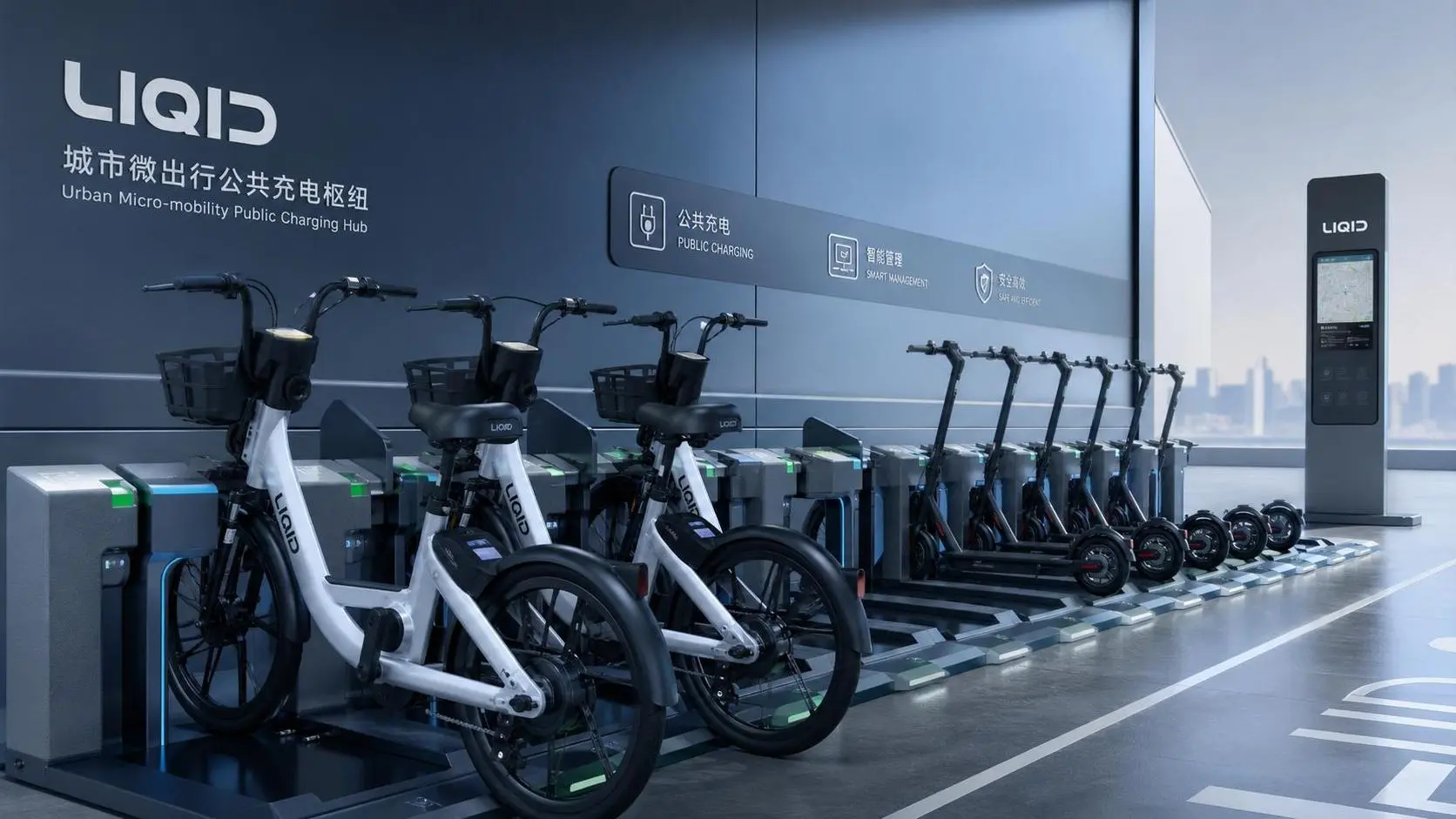
How to Choose Micro-Mobility Docking Stations for Shared Fleets and Public Charging Hubs
Micro-mobility docking stations: learn how to compare charging, locking, software, and site-fit factors to choose safer, smarter hubs for shared fleets and public use.
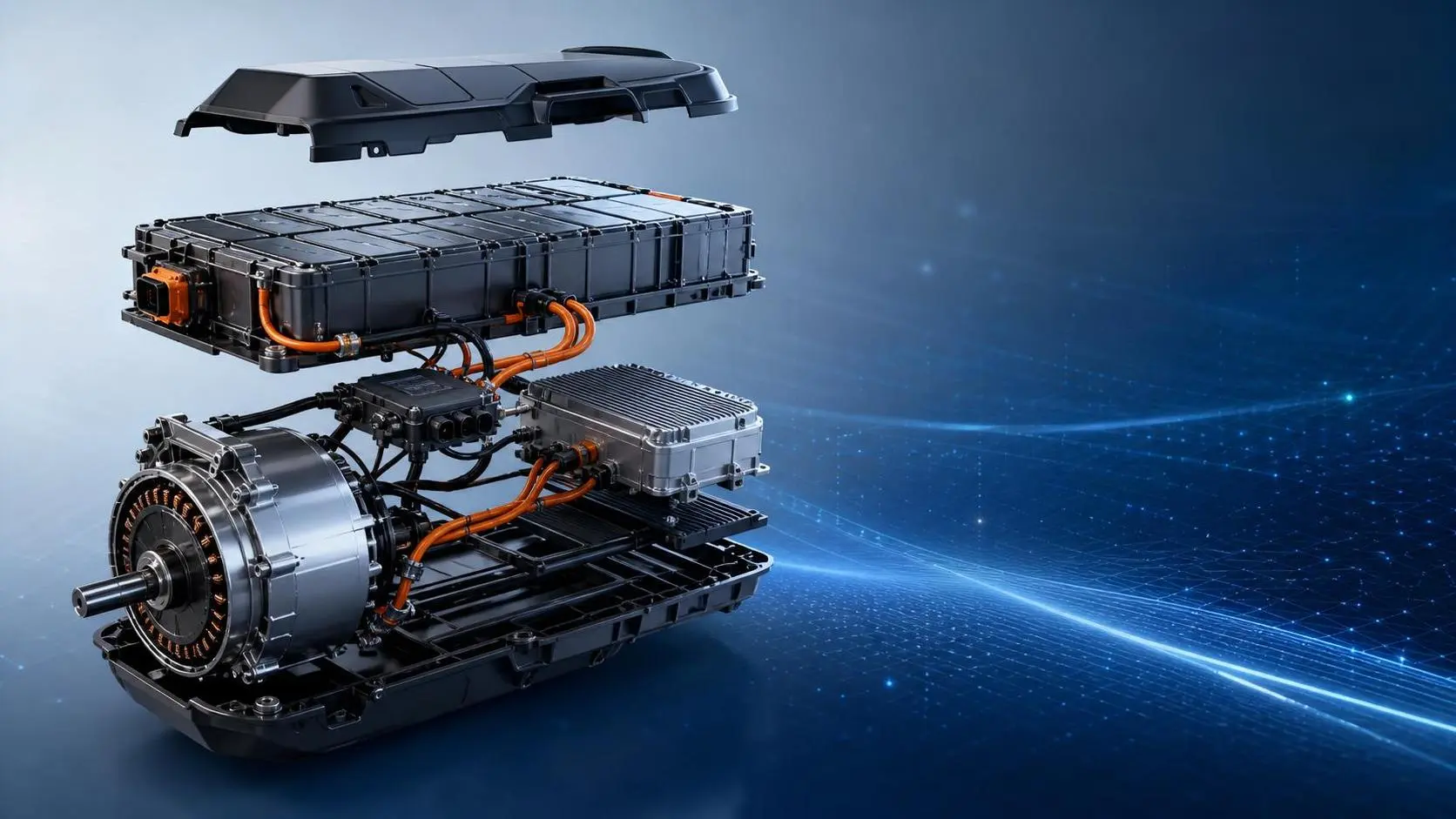
Powertrain Heat Management Explained: Key Design Factors for EV Efficiency and Battery Life
Powertrain heat management explained for EVs: discover how thermal design boosts efficiency, protects battery life, improves safety, and sustains real-world performance.
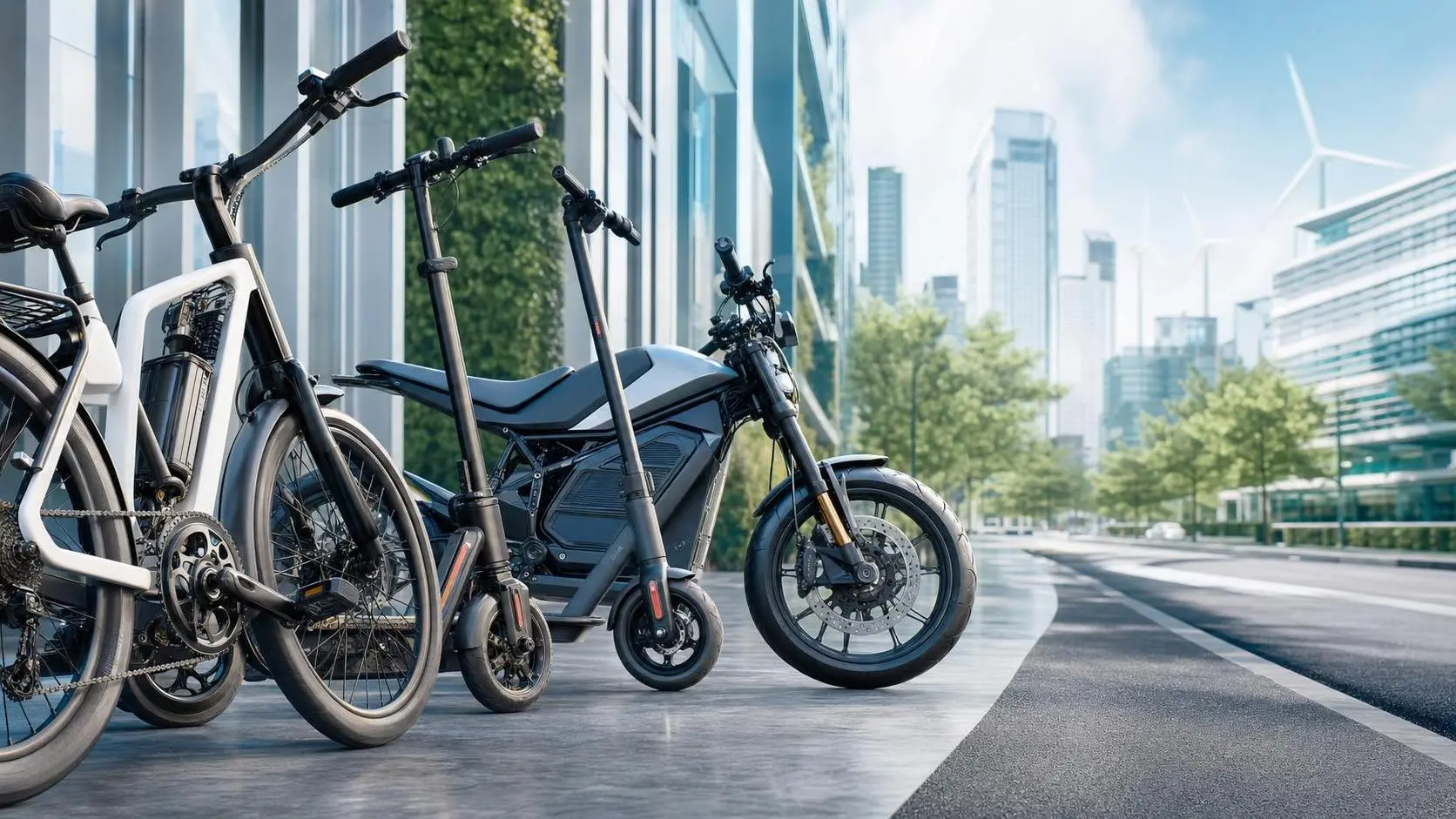
Urban Mobility Market Analysis: Demand Drivers, Policy Risks, and Revenue Models Compared
Urban mobility market analysis compares demand drivers, policy risks, and revenue models across e-bikes, scooters, and e-motorcycles to reveal where growth is durable.

Shared Mobility Compliance Checklist: Permits, Safety Rules, and Fleet Data Requirements
Shared mobility compliance made simple: explore a practical checklist for permits, safety rules, and fleet data requirements to launch faster, reduce risk, and stay audit-ready.
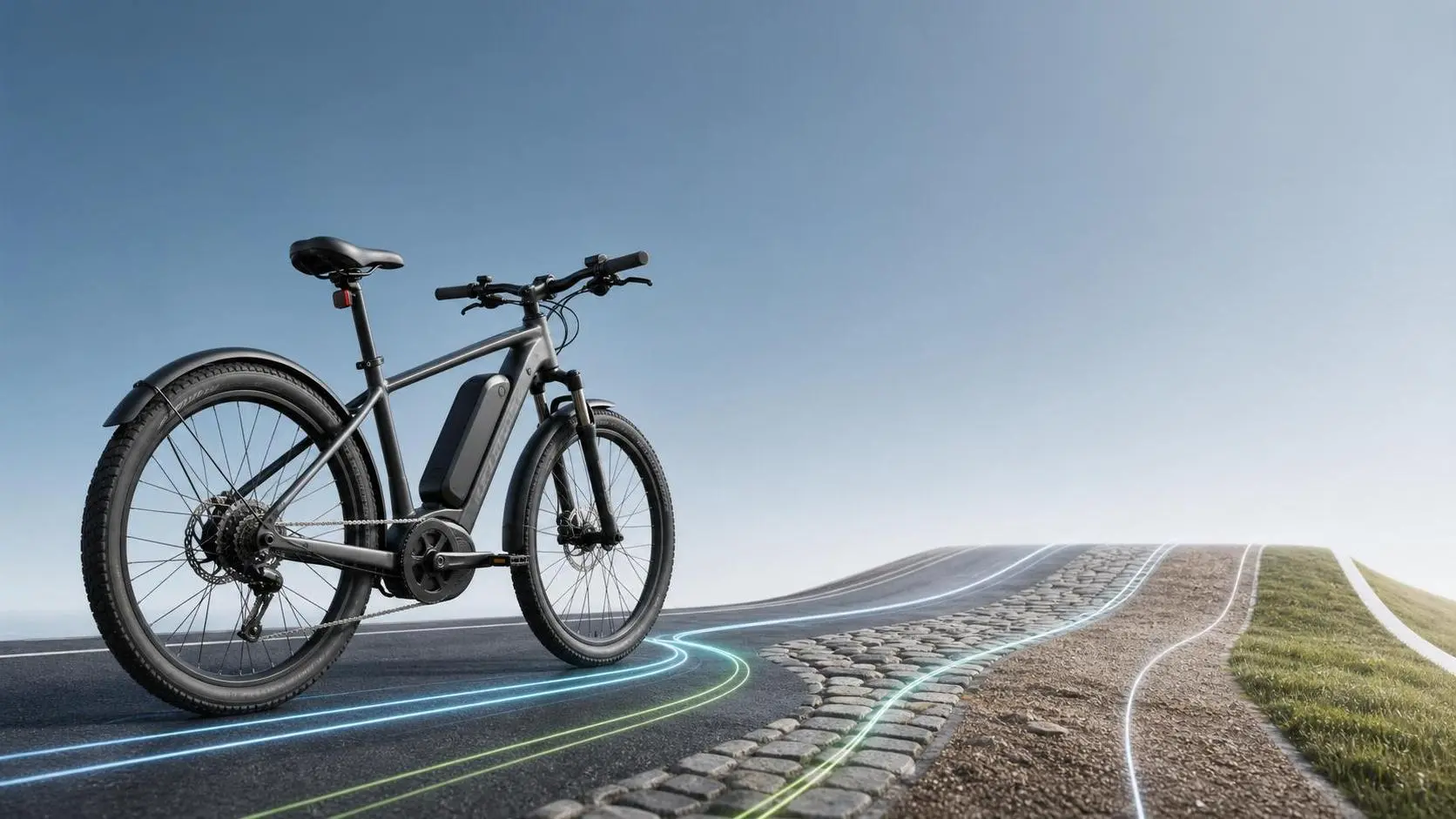
What Affects Ebike Energy Efficiency? Battery Size, Rider Weight, Terrain, and Speed
Ebike energy efficiency explained: learn how battery size, rider weight, terrain, and speed shape real-world range, lower Wh/km, and smarter buying or commuting decisions.
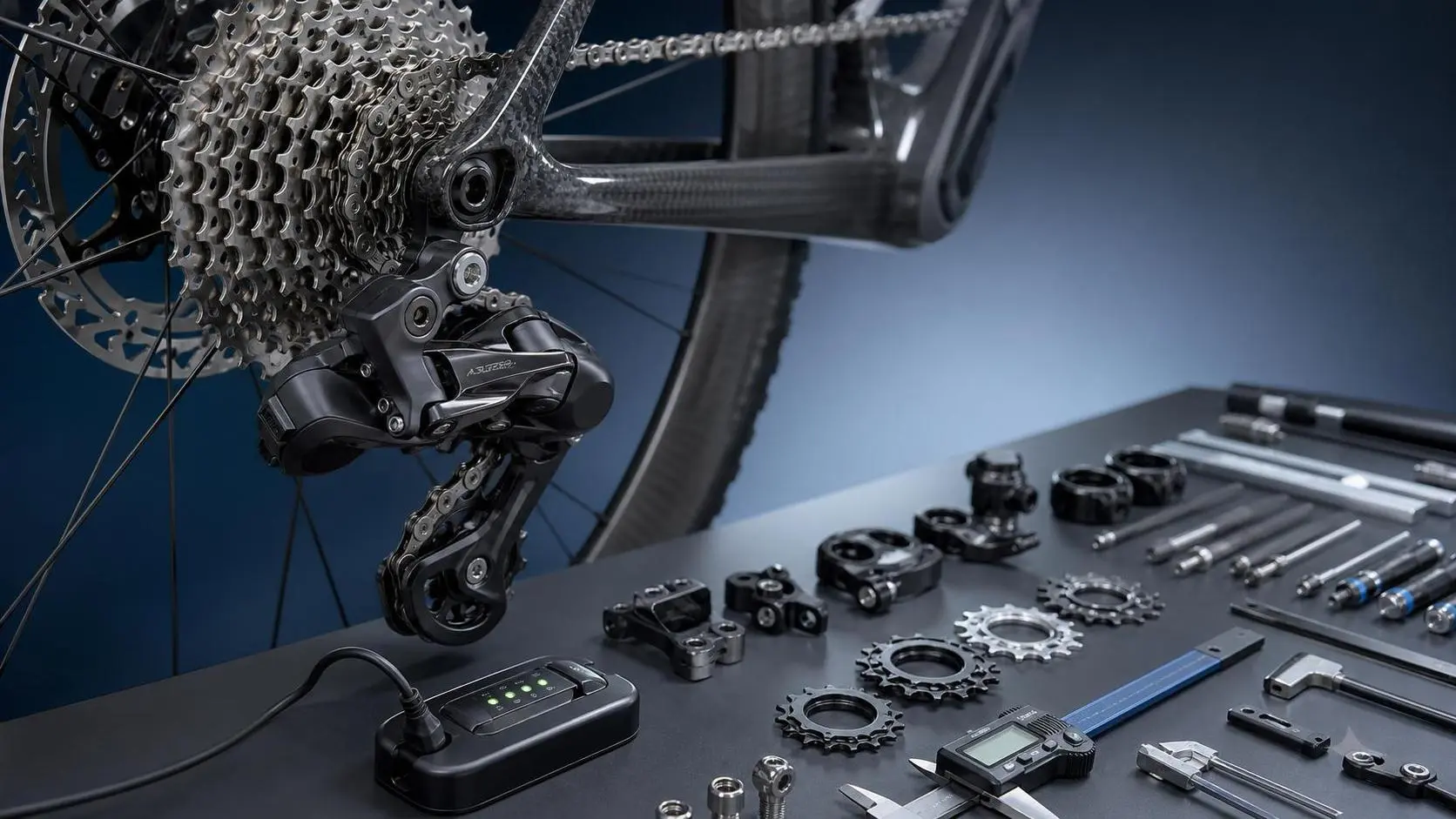
Wireless Electronic Shifting in North America: Compatibility, Standards, and Upgrade Limits
Wireless electronic shifting North America explained: compare compatibility, FCC/ISED standards, retrofit limits, and upgrade risks before choosing the right platform.