
Related News
- 00
0000-00
Urban Mobility Market Analysis: Demand Drivers, Policy Risks, and Revenue Models Compared - 00
0000-00
What Affects Urban Traffic Innovation Price in Smart City Transport Projects? - 00
0000-00
How to Evaluate a Battery Management Systems Exporter for Quality, Compliance, and Support - 00
0000-00
What Drives Urban Mobility Adoption in Congested Cities: Cost, Convenience, and Policy - 00
0000-00
How to Verify Micro Mobility Technical Credibility Before Supplier Approval
Ms. Elena Rodriguez
Weekly Insights
Stay ahead with our curated technology reports delivered every Monday.
Urban Traffic Micro-Circulation Solutions for Dense Districts





As dense cities struggle with congestion, safety, and low-carbon transition goals, urban traffic micro-circulation is becoming a critical planning priority for project managers and engineering leaders. From e-bikes and smart e-scooters to high-speed e-motorcycles and intelligent support systems, effective micro-circulation solutions can unlock smoother last-mile connectivity, higher operational efficiency, and more resilient urban mobility networks.
Why urban traffic micro-circulation is now a delivery issue, not just a planning concept
For project managers, urban traffic micro-circulation is no longer an abstract transport theory. It directly affects network capacity, curbside efficiency, rider safety, charging logistics, compliance risk, and asset utilization in dense districts.
In practical terms, micro-circulation refers to short-distance, high-frequency movement within neighborhoods, business zones, campuses, mixed-use clusters, and transit catchment areas. It connects people and goods between major corridors and final destinations.
When this layer fails, cities face familiar symptoms: overloaded roads, weak first-last mile connections, informal parking, unsafe mixing of modes, and poor return on mobility infrastructure investment.
- High trip density over short distances, where walking alone is often too slow and private cars are too space-intensive.
- Multiple user groups with different speed profiles, including commuters, delivery riders, visitors, and service workers.
- Operational dependence on digital visibility, battery uptime, weather resilience, and predictable maintenance cycles.
This is where UMMS adds value. Its intelligence coverage links technical systems, component trends, policy signals, and deployment realities across e-bikes, smart e-scooters, high-speed e-motorcycles, precision drivetrain components, and safety support systems.
Which solution fits which dense-district scenario?
Project teams often fail when they apply one vehicle logic to every zone. Urban traffic micro-circulation works best when mode selection follows trip length, carrying needs, road hierarchy, parking rules, and user behavior.
The table below maps common dense-district use cases to suitable micro-circulation configurations, helping engineering leaders compare deployment options before procurement begins.
The key lesson is simple: urban traffic micro-circulation should be segmented. A station district, a hospital cluster, and a heritage retail street do not require the same speed class, frame architecture, or fleet-control logic.
How each mode contributes to micro-circulation performance
E-bikes usually offer the broadest acceptance because they combine moderate speed, lower user-entry barriers, and efficient range. They fit commuter corridors and districts where daily repeat users matter more than novelty.
Smart e-scooters are effective in tightly packed urban grids where short dwell times, app-based access, and distributed parking control are priorities. However, they demand stronger governance around curb occupation and pavement conflicts.
High-speed e-motorcycles serve a different layer of urban traffic micro-circulation. They are suitable when feeder distance is longer, throughput pressure is higher, and battery-swapping or managed depots can support intensive duty cycles.
What technical parameters should project managers check first?
Procurement delays often begin with a weak parameter framework. Teams ask for vehicles before defining route conditions, slope, rain exposure, rider turnover, service intervals, communications architecture, and charging constraints.
The next table summarizes a practical evaluation structure for urban traffic micro-circulation projects across core mobility platforms and supporting subsystems.
A technical checklist like this reduces redesign risk. It also helps non-specialist procurement teams communicate clearly with engineering, operations, finance, and public-sector stakeholders.
Why supporting systems matter as much as vehicle choice
Urban traffic micro-circulation is not built by vehicles alone. Visibility, sensor stability, braking confidence, and reliable drivetrain response determine whether assets stay usable across seasons and traffic mixes.
UMMS tracks areas that many buyers overlook, such as brushless motor integration in smart wiper systems, anti-interference protocols in wireless electronic shifting, and battery-management logic in high-load electric platforms.
- For rain-prone districts, visibility and sensor reliability deserve early review, not post-deployment troubleshooting.
- For heavy-use fleets, drivetrain precision influences energy allocation, rider comfort, and maintenance intervals.
- For high-speed electric motorcycles, thermal modeling and battery swapping readiness can decide project viability.
How to compare e-bikes, smart e-scooters, and high-speed e-motorcycles for dense districts
A common procurement mistake is comparing purchase price first. In urban traffic micro-circulation, the better comparison starts with throughput, route suitability, rider acceptance, regulation exposure, and operating model.
The following comparison supports project-level judgment rather than isolated product selection.
This comparison shows that there is no universal winner. The best-fit mode depends on trip architecture and district governance. In many cases, a layered fleet model delivers better resilience than a single-platform rollout.
A practical selection sequence for engineering leaders
- Define target trip bands by distance, elevation, and expected peak demand rather than by vehicle category alone.
- Map legal and operational boundaries, including right-of-way, curb access, charging permissions, and parking controls.
- Estimate lifecycle support needs, especially battery rotation, replacement parts, diagnostics, and maintenance staffing.
- Pilot the solution in one dense corridor before district-wide scaling, using measurable uptime, safety, and adoption indicators.
What costs are often underestimated in urban traffic micro-circulation projects?
Budget pressure is real, but the lowest upfront cost can become the highest delivery cost. Urban traffic micro-circulation programs frequently miss hidden expenses in charging downtime, weather damage, spare parts delays, and compliance adaptation.
Common hidden cost drivers
- Battery replacement intervals that do not match actual route intensity or ambient temperature conditions.
- Weak IoT visibility, leading to poor fleet balancing, theft exposure, and limited maintenance forecasting.
- Inadequate component durability in wet or dusty climates, especially for sensing, braking, and drivetrain systems.
- Regulatory redesign after procurement because local rules on speed, parking, or access were reviewed too late.
This is another reason decision-makers use UMMS intelligence. Policy tracking, technical trend analysis, and component-level observation help teams identify cost risks before vendor lock-in occurs.
Which compliance and implementation issues should be reviewed early?
Dense-district deployment rarely fails because of one missing product feature. More often, projects stall due to fragmented review of safety rules, road-use permissions, charging readiness, and operational accountability.
Early-stage review checklist
- Confirm local classification rules for e-bikes, e-scooters, and higher-speed electric two-wheelers before fixing technical specifications.
- Review battery handling, charging-site conditions, and fire-safety procedures with facility and operations teams.
- Check whether connectivity, software interfaces, and fleet-control data can integrate with existing transport or property systems.
- Assess weather resilience, especially in districts exposed to rain, heat, dust, or visibility instability.
General industry references may include electrical safety, battery transport practices, lighting requirements, and local roadworthiness rules. Exact standards depend on jurisdiction, vehicle class, and deployment model.
FAQ: practical questions project teams ask before launch
How do we know whether urban traffic micro-circulation is needed in our district?
If your area has short but frequent trips, poor station connectivity, curbside congestion, or service vehicles competing with pedestrians, micro-circulation should be evaluated. The strongest signal is repeated movement inefficiency within two to eight kilometers.
Which mode is usually easiest to deploy first?
E-bikes are often the most practical starting point because they fit more users and operating contexts. Smart e-scooters can scale quickly in compact grids, while high-speed e-motorcycles are better reserved for controlled feeder or service use cases.
What should we prioritize when budgets are tight?
Prioritize lifecycle efficiency over initial unit price. Battery durability, serviceability, connectivity, and route fit usually create larger cost differences than headline purchase figures. A smaller, well-matched pilot can outperform a cheap but mismatched full rollout.
Why do some micro-circulation projects underperform after launch?
Typical reasons include weak scenario matching, poor parking governance, insufficient charging strategy, lack of spare parts planning, and failure to account for local regulation. Performance declines fast when operations and engineering are not aligned from the start.
Why work with UMMS when evaluating urban traffic micro-circulation solutions?
UMMS helps project managers and engineering leaders move from scattered market information to structured decision support. Its coverage spans the systems that shape real-world micro-circulation outcomes, from e-bike exports and scooter regulations to drivetrain evolution and electric powertrain analysis.
That matters when your team must compare technologies, explain trade-offs to stakeholders, and avoid costly mistakes under tight timelines. Instead of treating vehicles and components as isolated products, UMMS connects policy, performance, and commercialization signals.
What you can discuss with us
- Parameter confirmation for e-bikes, smart e-scooters, high-speed e-motorcycles, and related subsystems.
- Product selection logic based on trip distance, density, weather exposure, and operating intensity.
- Delivery-cycle planning, spare parts structure, and pilot-to-scale implementation sequencing.
- Custom solution research, certification direction, sample evaluation, and quotation communication.
If you are planning or upgrading an urban traffic micro-circulation program in a dense district, a focused consultation can shorten evaluation time and improve procurement confidence. Share your route scenario, target mode, compliance concerns, and timeline, and the discussion can start from concrete engineering and deployment questions rather than generic product claims.
Related News
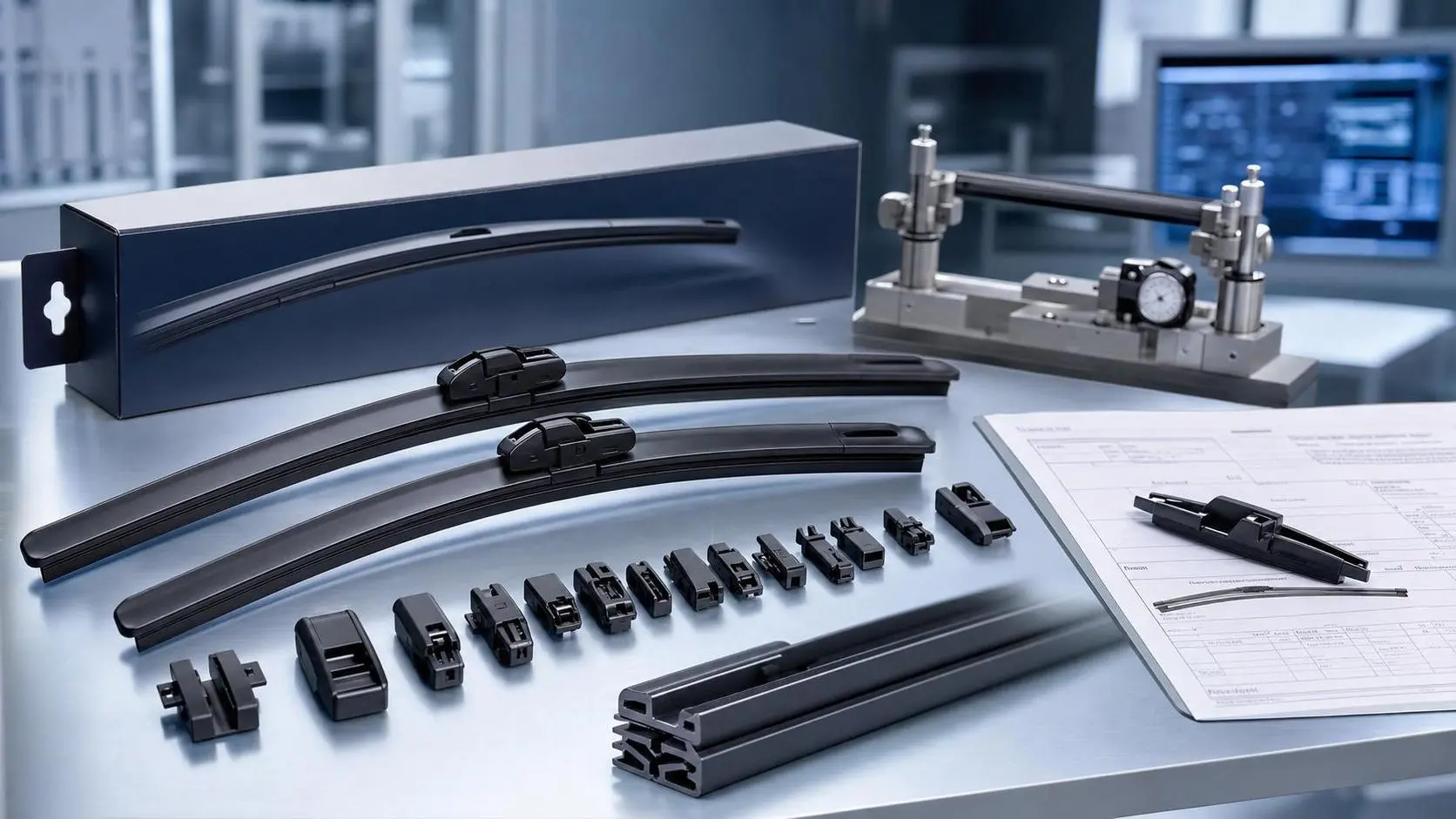
Flat Wiper Blades Wholesale Buying Guide: MOQ, Rubber Quality, Fitment, and Supplier Checks
Flat wiper blades wholesale buying guide covering MOQ, rubber quality, fitment accuracy, and supplier checks to reduce risk, improve margins, and choose reliable bulk partners.
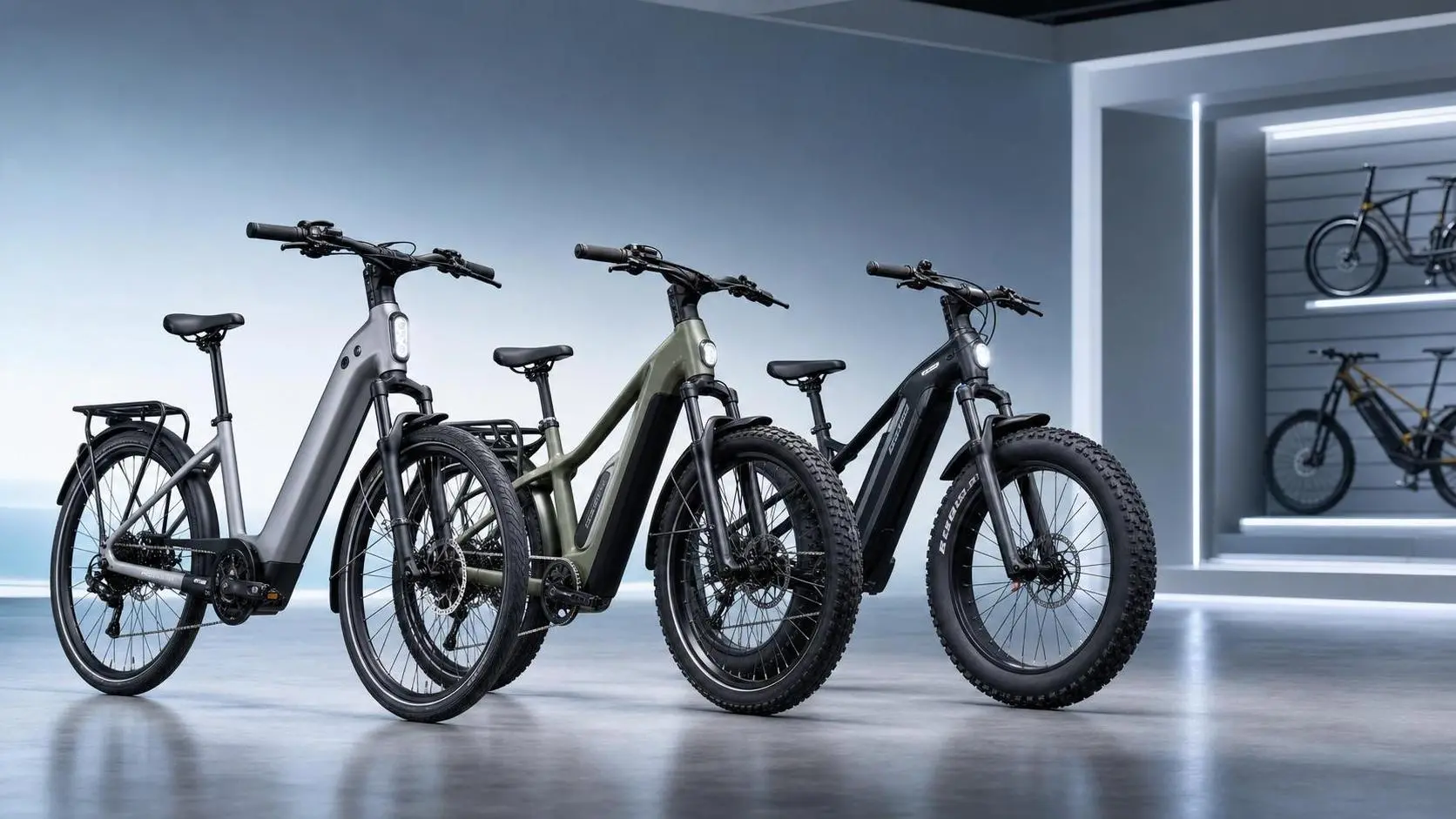
Ebike Market USA: What Dealers Should Know About Demand Shifts, Pricing, and Product Mix
ebike market USA is shifting fast. Discover how demand segmentation, pricing pressure, and smarter product mix decisions can help dealers protect margins and grow.
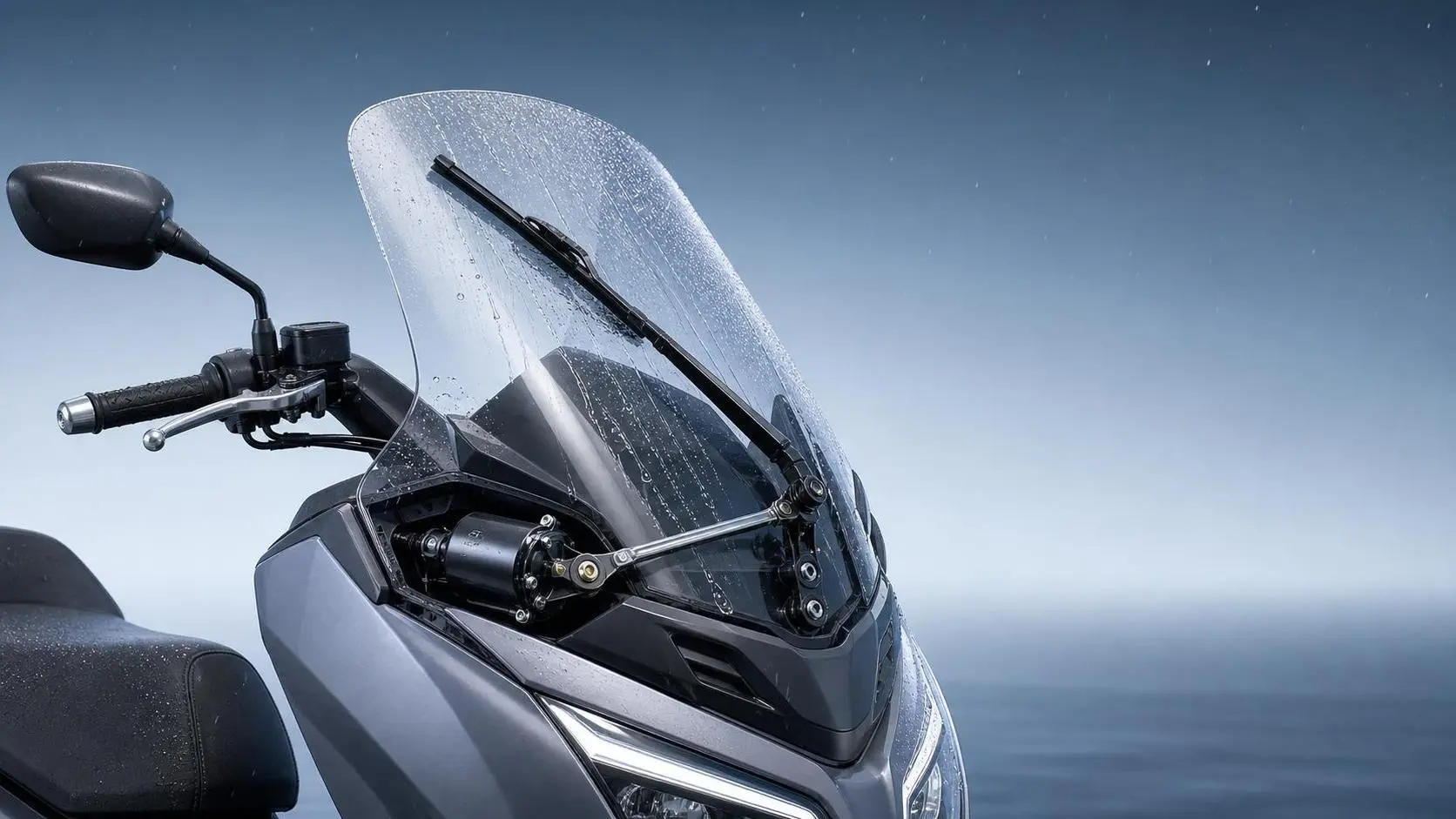
Wiper Systems for Scooters: Common Failure Points, Maintenance Tips, and Replacement Signs
Wiper systems for scooters: learn the most common failure points, smart maintenance tips, and clear replacement signs to improve visibility, reduce repeat repairs, and keep riders safer.
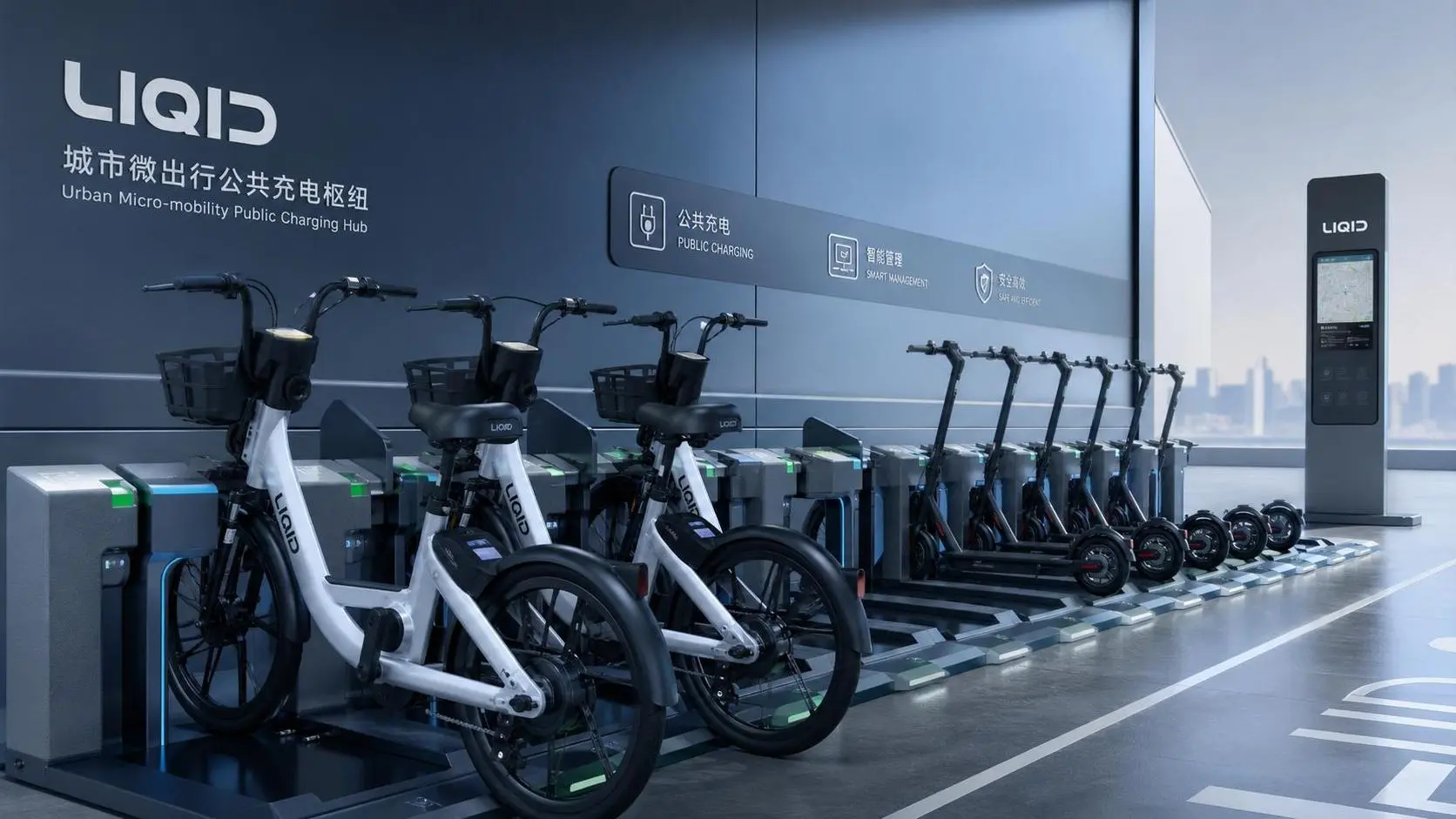
How to Choose Micro-Mobility Docking Stations for Shared Fleets and Public Charging Hubs
Micro-mobility docking stations: learn how to compare charging, locking, software, and site-fit factors to choose safer, smarter hubs for shared fleets and public use.
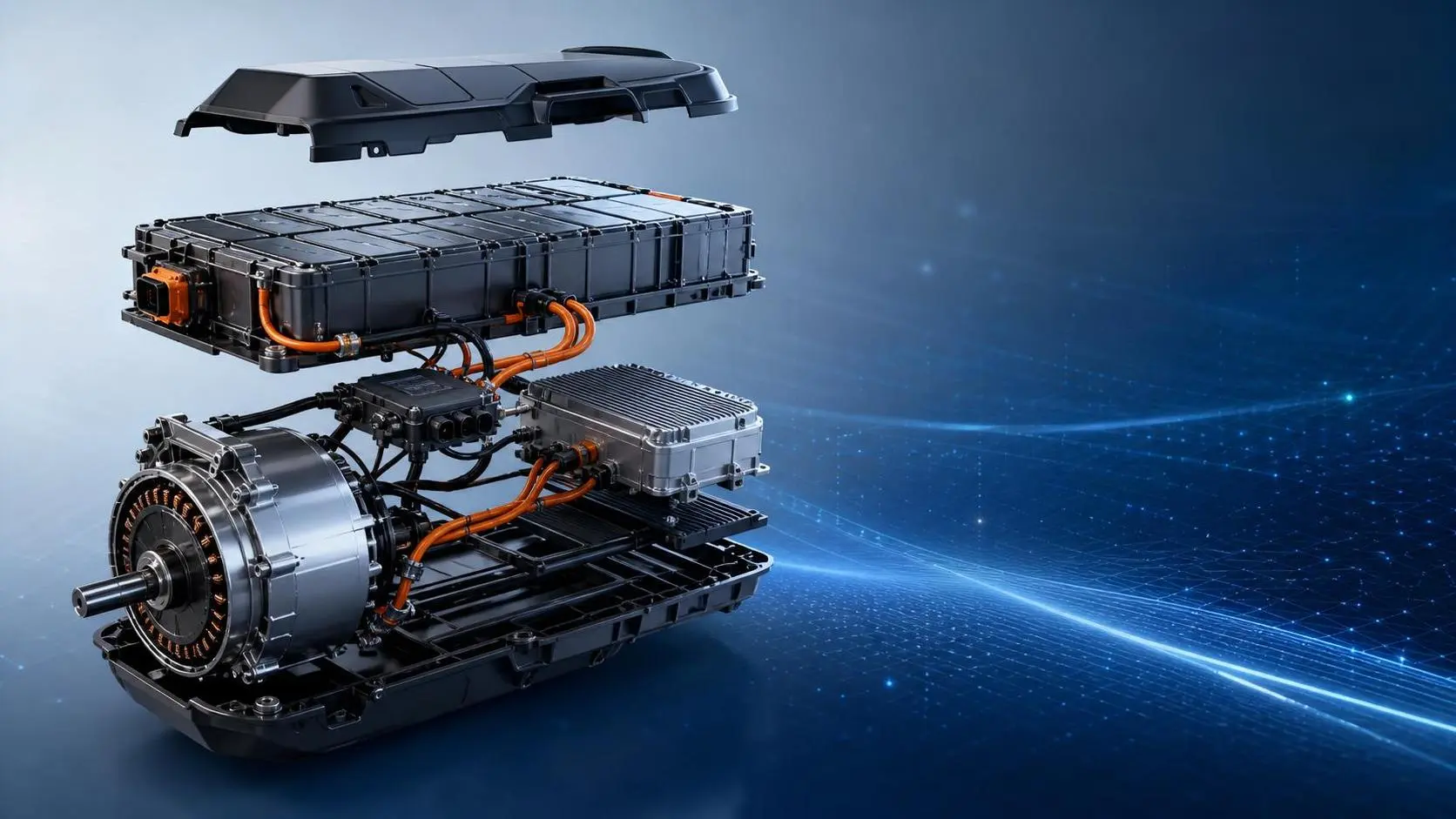
Powertrain Heat Management Explained: Key Design Factors for EV Efficiency and Battery Life
Powertrain heat management explained for EVs: discover how thermal design boosts efficiency, protects battery life, improves safety, and sustains real-world performance.
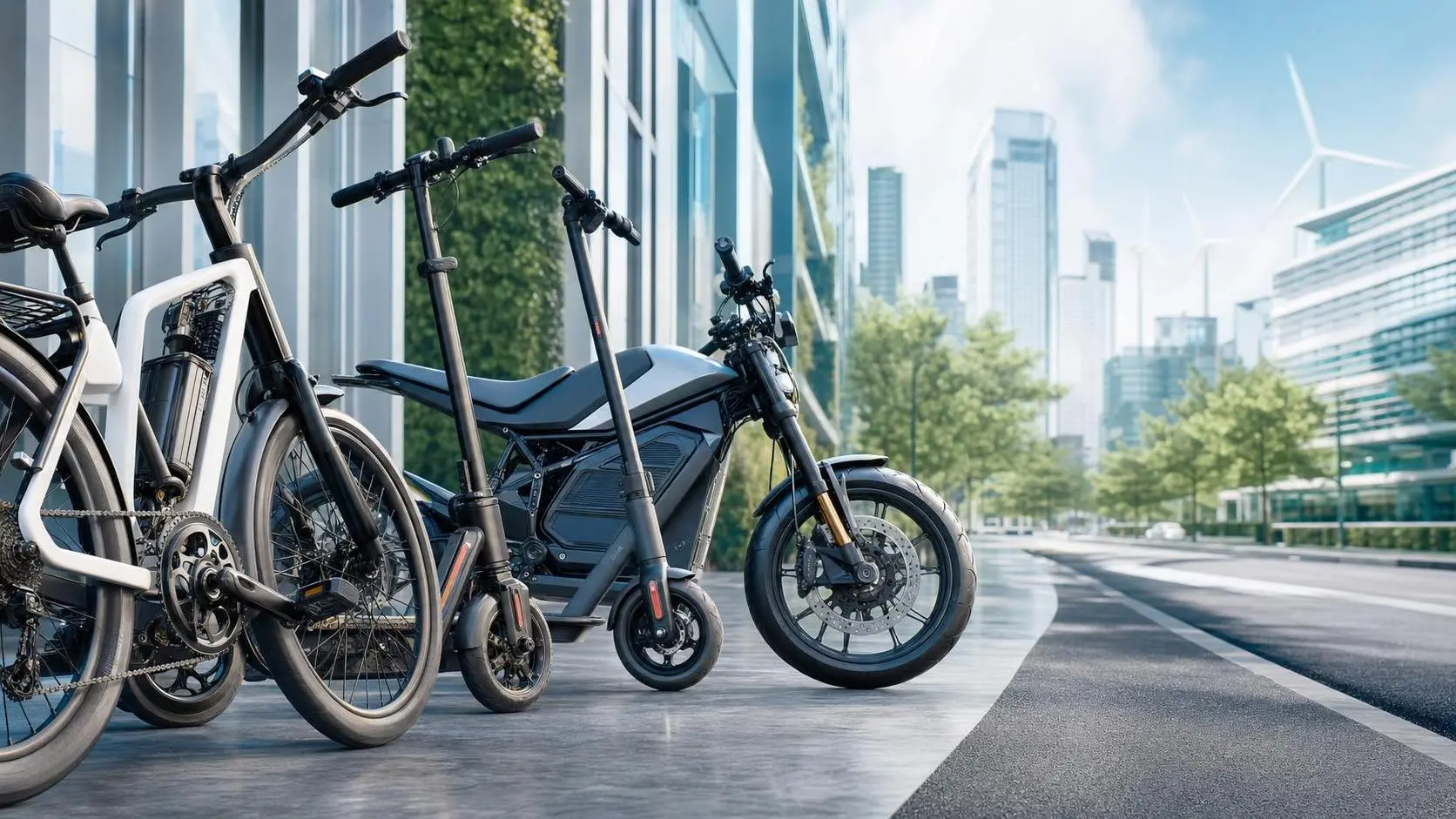
Urban Mobility Market Analysis: Demand Drivers, Policy Risks, and Revenue Models Compared
Urban mobility market analysis compares demand drivers, policy risks, and revenue models across e-bikes, scooters, and e-motorcycles to reveal where growth is durable.
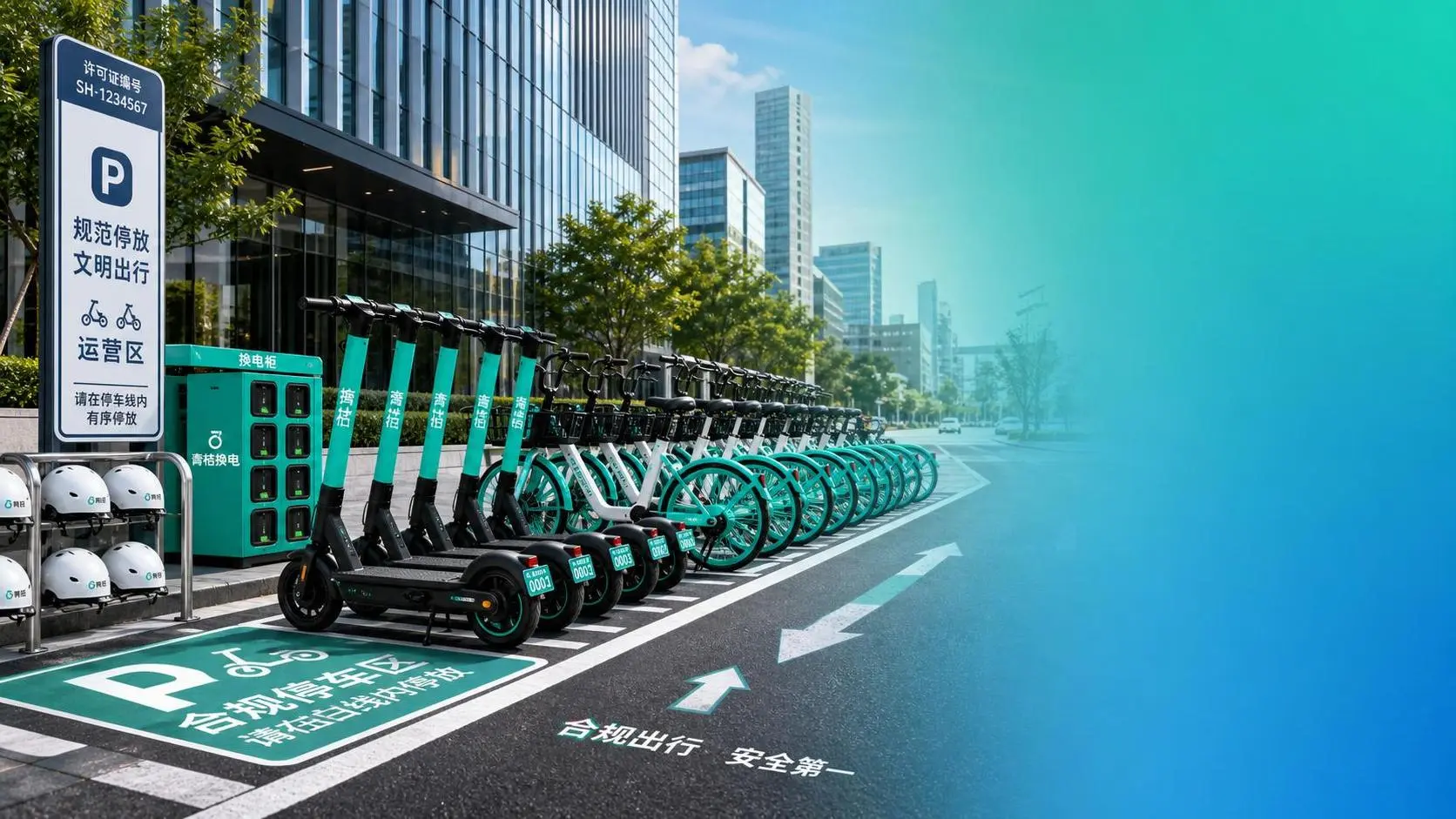
Shared Mobility Compliance Checklist: Permits, Safety Rules, and Fleet Data Requirements
Shared mobility compliance made simple: explore a practical checklist for permits, safety rules, and fleet data requirements to launch faster, reduce risk, and stay audit-ready.
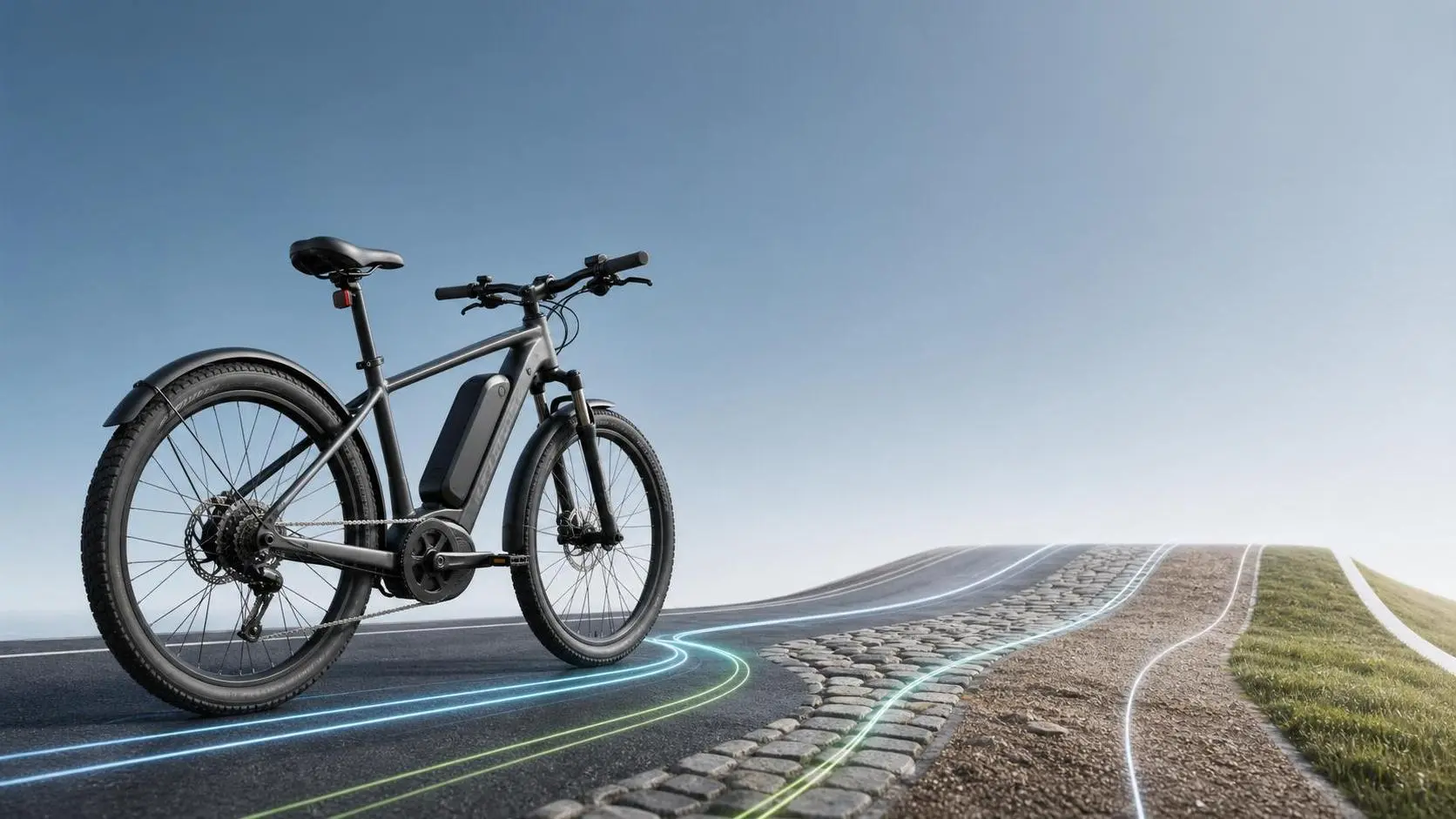
What Affects Ebike Energy Efficiency? Battery Size, Rider Weight, Terrain, and Speed
Ebike energy efficiency explained: learn how battery size, rider weight, terrain, and speed shape real-world range, lower Wh/km, and smarter buying or commuting decisions.

Wireless Electronic Shifting in North America: Compatibility, Standards, and Upgrade Limits
Wireless electronic shifting North America explained: compare compatibility, FCC/ISED standards, retrofit limits, and upgrade risks before choosing the right platform.