
Related News
- 00
0000-00
Urban Mobility Market Analysis: Demand Drivers, Policy Risks, and Revenue Models Compared - 00
0000-00
What Affects Urban Traffic Innovation Price in Smart City Transport Projects? - 00
0000-00
How to Evaluate a Battery Management Systems Exporter for Quality, Compliance, and Support - 00
0000-00
What Drives Urban Mobility Adoption in Congested Cities: Cost, Convenience, and Policy - 00
0000-00
How to Verify Micro Mobility Technical Credibility Before Supplier Approval
Ms. Elena Rodriguez
Weekly Insights
Stay ahead with our curated technology reports delivered every Monday.
Urban Mobility Solutions That Scale Beyond Pilot Projects





Urban mobility solutions rarely fail because vehicles, batteries, or software are immature. They fail when regulation, street design, funding, maintenance, and operational data evolve at different speeds.
That gap matters across modern cities. A pilot may attract attention, yet scaling requires measurable safety, service reliability, emissions reduction, and viable unit economics.
For organizations tracking e-bikes, smart e-scooters, high-speed e-motorcycles, and drivetrain innovation, the question is practical. Which urban mobility solutions can move from isolated trials to durable transport systems?
The answer depends on scenario fit. Dense districts, suburban connectors, logistics corridors, and weather-stressed streets each demand different infrastructure, policy logic, and performance standards.
Why scenario judgment determines whether urban mobility solutions scale
Scalable urban mobility solutions begin with matching technology to real traffic patterns. A city center with short trips needs different assets than an outer district with longer commutes.
The same principle applies to fleet operations. Shared scooters depend on curb management and rebalancing discipline, while e-bikes often benefit from mixed-use paths and commuter charging access.
UMMS observes this through the wider micro-mobility ecosystem. Battery logic, transmission efficiency, IoT visibility, thermal management, and safety components all influence deployment quality.
Scenario judgment also reduces expensive mistakes. Cities often copy a successful pilot without copying the supporting rules, service design, or maintenance model that made it work.
Scenario 1: Dense city centers need high-turnover urban mobility solutions
In central business districts, trip distance is short, parking space is scarce, and demand peaks sharply. Here, urban mobility solutions must prioritize turnover, visibility, and street-level compliance.
Smart e-scooters and lightweight e-bikes perform well in this environment. Their value rises when docking rules, geofencing, and digital permits reduce sidewalk clutter and improve predictability.
Key judgment points for central districts
- Trip duration usually stays below 20 minutes.
- Parking enforcement affects public acceptance more than top vehicle speed.
- Fleet uptime depends on rapid charging or battery swap logistics.
- Safety perception improves with lighting, braking response, and wet-weather visibility.
This is where connected systems matter. IoT modules, anti-theft controls, and maintenance alerts turn basic hardware into scalable urban mobility solutions with lower operating friction.
Scenario 2: Commuter corridors require integrated urban mobility solutions
Commuter corridors connect homes, transit stations, and employment zones. In these corridors, urban mobility solutions succeed when they complement buses, metro lines, and park-and-ride infrastructure.
E-bikes are especially effective here. Electric assist extends useful range, lowers sweat-related barriers, and supports repeat daily usage across mixed terrain and moderate distance.
Core fit indicators for commuter use
- Trips often span 5 to 15 kilometers.
- Protected lanes and secure parking matter more than fleet novelty.
- Battery reliability must support two-way daily travel.
- Fare integration with transit improves adoption and retention.
For these routes, urban mobility solutions should be measured against modal shift. The right benchmark is not app downloads, but reduced car dependence and consistent daily ridership.
Scenario 3: Delivery and service fleets need operationally resilient urban mobility solutions
Commercial service routes create a different profile. Vehicles face heavier loads, longer active hours, and tighter uptime requirements than consumer mobility programs.
Here, urban mobility solutions may include cargo e-bikes, high-speed e-motorcycles, and battery-swapping systems. The winning design reduces downtime while preserving safety and thermal stability.
What matters most in fleet-heavy scenarios
- Payload capacity and torque under stop-start conditions.
- Battery temperature control during peak demand periods.
- Spare parts access for brakes, drivetrains, and controllers.
- Real-time diagnostics to prevent avoidable failures.
This is where precision components gain strategic value. Reliable transmission systems and responsive electronic shifting improve efficiency, especially when every minute of route productivity counts.
Scenario 4: Weather-exposed streets demand safety-led urban mobility solutions
Some markets struggle less with demand than with climate. Rain, wind, heat, and low visibility can quickly reduce trust in urban mobility solutions, even when demand fundamentals remain strong.
Scaling in these conditions requires better safety systems, stronger sealing, dependable braking, and sensor reliability. Visibility technology, including advanced wiper systems in relevant vehicle classes, also matters.
Weather resilience should never be treated as an accessory upgrade. In exposed environments, it directly shapes insurance outcomes, rider confidence, and regulatory tolerance.
How scenario needs differ across scalable urban mobility solutions
Practical adaptation advice for urban mobility solutions
A scalable plan should align hardware, policy, and operating data from the beginning. Pilot projects often isolate one layer and expect the rest to adjust later.
- Map trip types before choosing vehicle classes.
- Define infrastructure minimums for each corridor.
- Set compliance metrics before launch, not after complaints.
- Build maintenance and battery workflows into the business case.
- Use operational telemetry to refine fleet mix continuously.
Urban mobility solutions scale faster when technical intelligence supports strategic decisions. That includes subsidy tracking, right-of-way analysis, thermal models, and component reliability insights.
This is why market intelligence matters. It connects street-level performance with product design, regulatory timing, and commercial expansion priorities.
Common misjudgments that keep urban mobility solutions stuck in pilot mode
One common mistake is treating demand as universal. A scooter program that thrives near campuses may underperform in fragmented suburbs with poor lane continuity.
Another mistake is overvaluing launch speed. Fast rollout without service rules, spare parts planning, or charging logic usually creates visible failure before benefits can mature.
A third misjudgment is ignoring components. Battery systems, drivetrains, braking assemblies, and weather-exposed safety features often decide whether urban mobility solutions remain dependable at scale.
Finally, many programs measure popularity instead of resilience. Sustainable success depends on repeat use, low incident rates, manageable operating costs, and regulatory credibility.
The next move for scaling urban mobility solutions
Urban mobility solutions become durable when every scenario receives the right combination of vehicle architecture, infrastructure support, safety logic, and policy coordination.
That means evaluating each deployment through a practical lens: trip pattern, battery demand, maintenance rhythm, weather exposure, and integration with broader transport systems.
For organizations following the last-mile revolution, the strongest next step is clear. Build a scenario-based roadmap, validate operational assumptions, and use intelligence to scale beyond isolated pilots.
When supported by rigorous market signals and component-level understanding, urban mobility solutions can deliver more than innovation headlines. They can become a stable foundation for smarter, lower-carbon cities.
Related News

Flat Wiper Blades Wholesale Buying Guide: MOQ, Rubber Quality, Fitment, and Supplier Checks
Flat wiper blades wholesale buying guide covering MOQ, rubber quality, fitment accuracy, and supplier checks to reduce risk, improve margins, and choose reliable bulk partners.
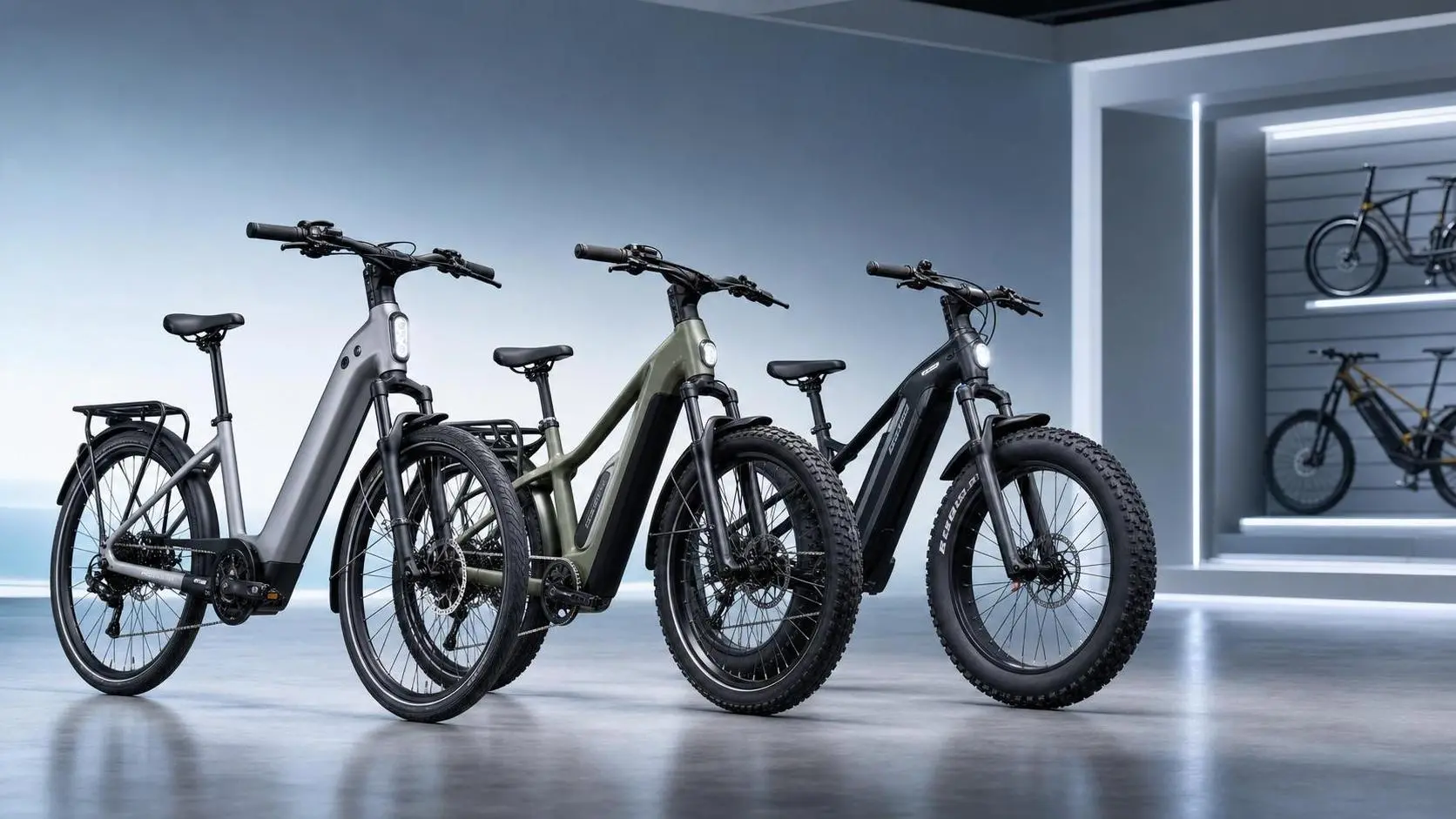
Ebike Market USA: What Dealers Should Know About Demand Shifts, Pricing, and Product Mix
ebike market USA is shifting fast. Discover how demand segmentation, pricing pressure, and smarter product mix decisions can help dealers protect margins and grow.
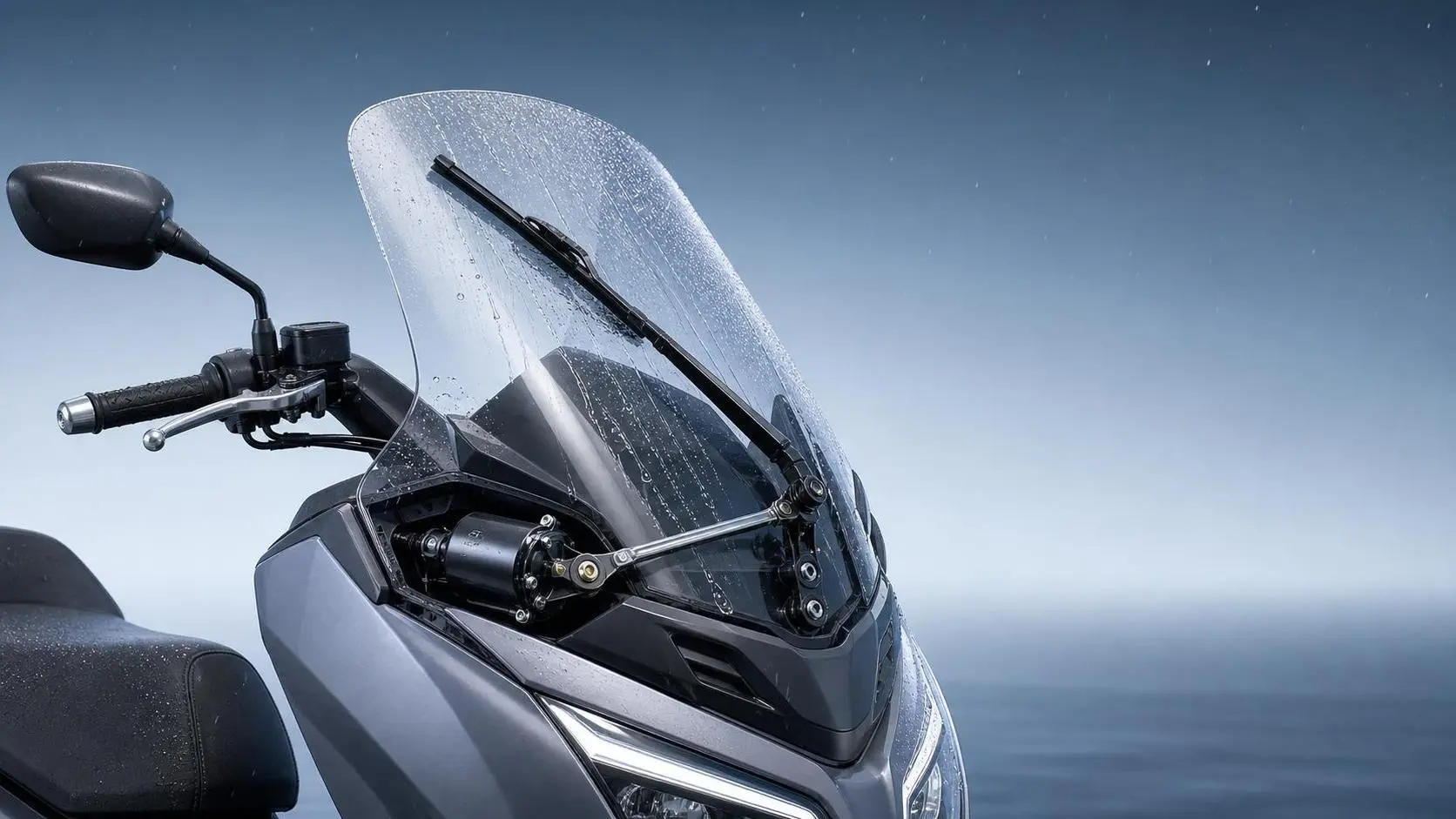
Wiper Systems for Scooters: Common Failure Points, Maintenance Tips, and Replacement Signs
Wiper systems for scooters: learn the most common failure points, smart maintenance tips, and clear replacement signs to improve visibility, reduce repeat repairs, and keep riders safer.
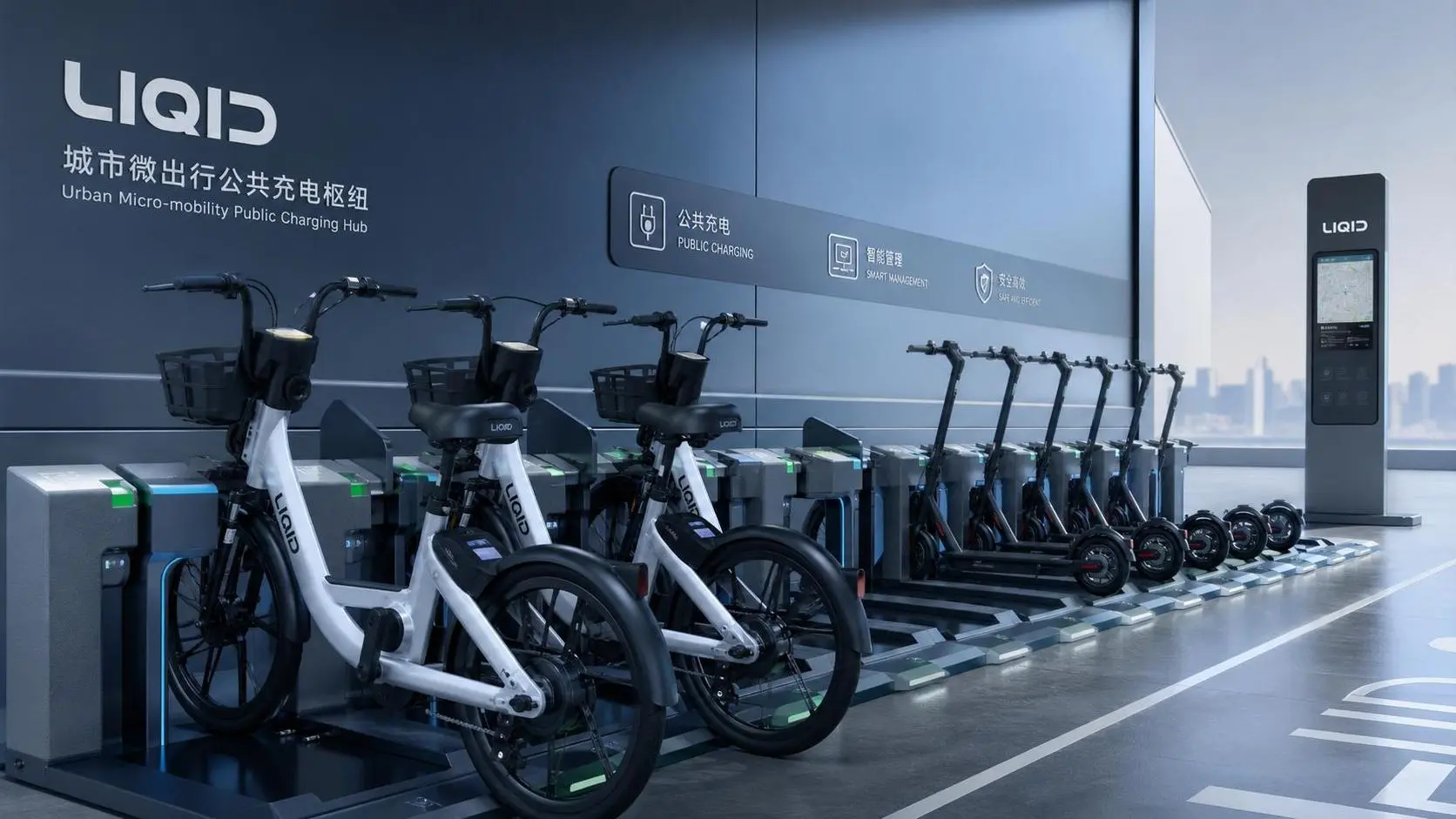
How to Choose Micro-Mobility Docking Stations for Shared Fleets and Public Charging Hubs
Micro-mobility docking stations: learn how to compare charging, locking, software, and site-fit factors to choose safer, smarter hubs for shared fleets and public use.

Powertrain Heat Management Explained: Key Design Factors for EV Efficiency and Battery Life
Powertrain heat management explained for EVs: discover how thermal design boosts efficiency, protects battery life, improves safety, and sustains real-world performance.
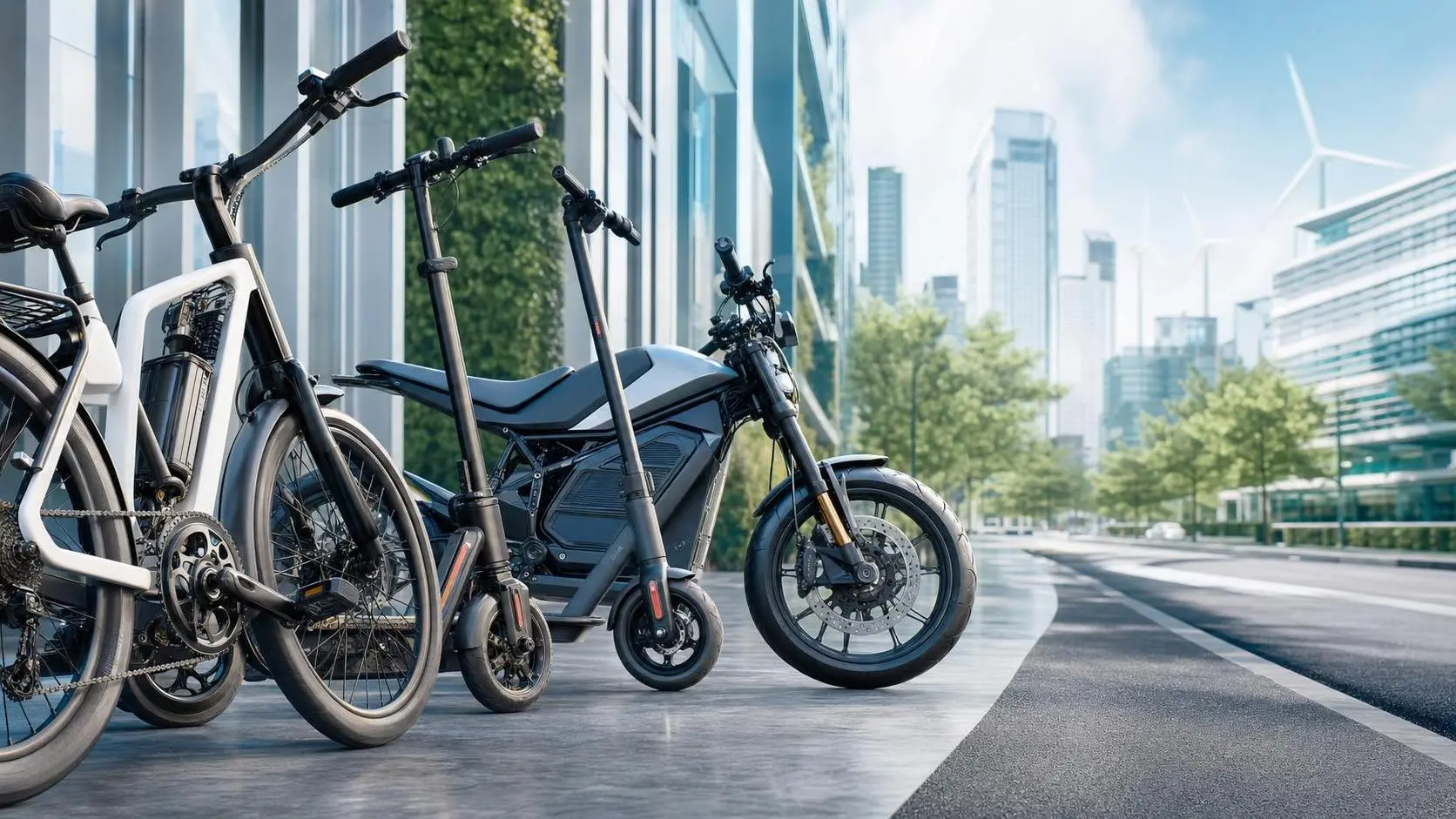
Urban Mobility Market Analysis: Demand Drivers, Policy Risks, and Revenue Models Compared
Urban mobility market analysis compares demand drivers, policy risks, and revenue models across e-bikes, scooters, and e-motorcycles to reveal where growth is durable.
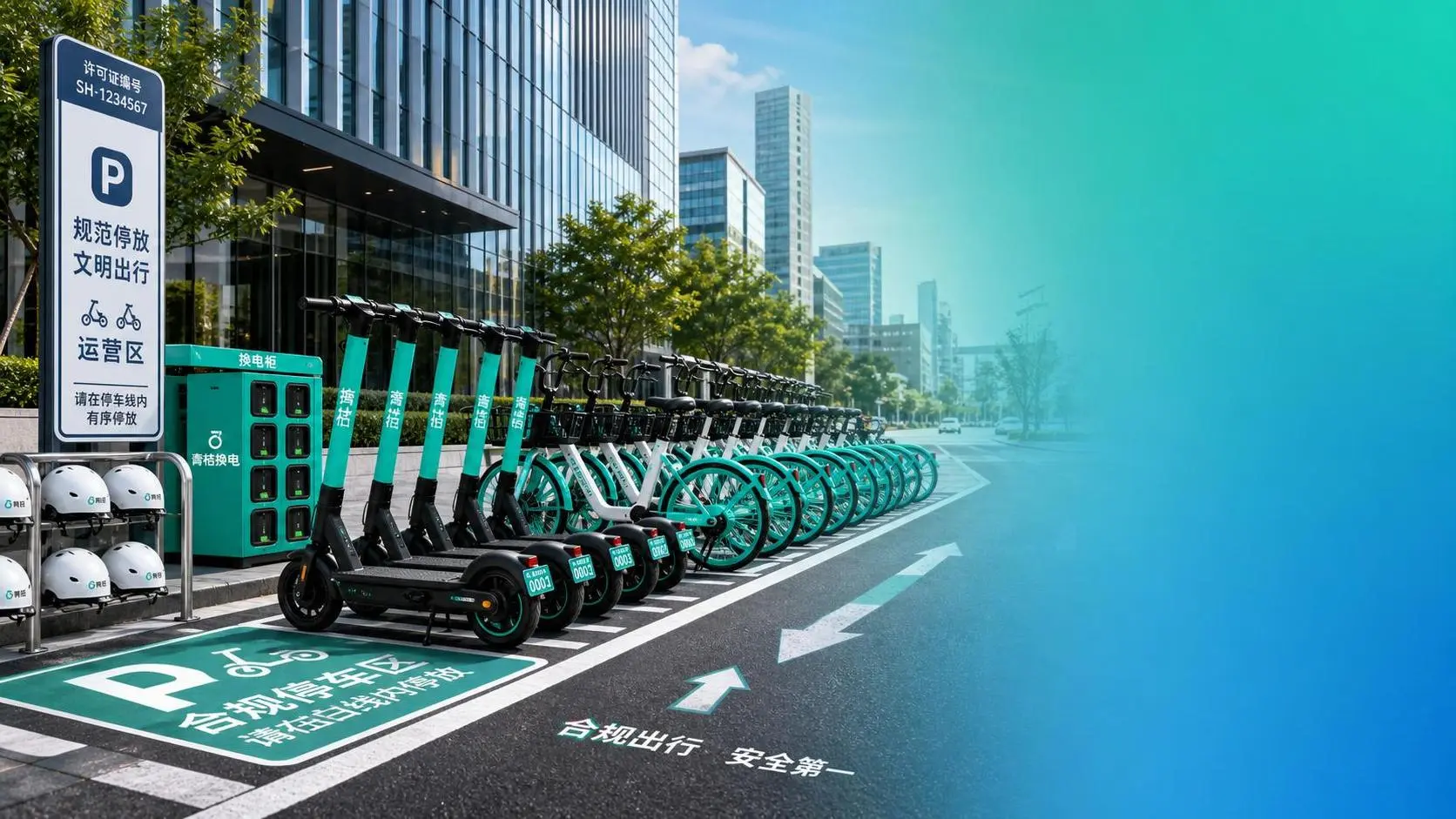
Shared Mobility Compliance Checklist: Permits, Safety Rules, and Fleet Data Requirements
Shared mobility compliance made simple: explore a practical checklist for permits, safety rules, and fleet data requirements to launch faster, reduce risk, and stay audit-ready.
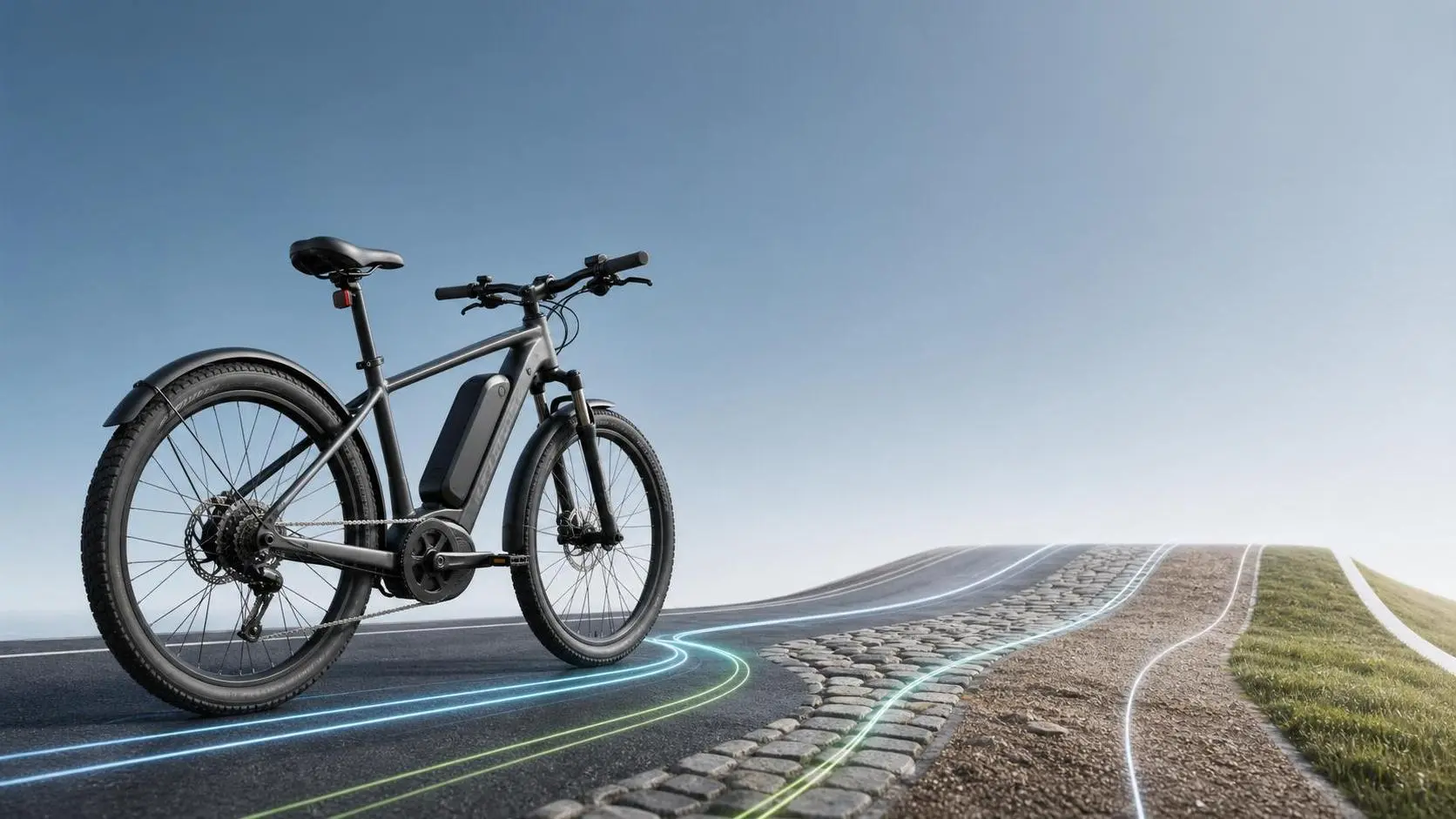
What Affects Ebike Energy Efficiency? Battery Size, Rider Weight, Terrain, and Speed
Ebike energy efficiency explained: learn how battery size, rider weight, terrain, and speed shape real-world range, lower Wh/km, and smarter buying or commuting decisions.

Wireless Electronic Shifting in North America: Compatibility, Standards, and Upgrade Limits
Wireless electronic shifting North America explained: compare compatibility, FCC/ISED standards, retrofit limits, and upgrade risks before choosing the right platform.