
Related News
- 00
0000-00
How Do Photoelectric Wiper Sensors Work and Where Are They Most Effective? - 00
0000-00
How to Evaluate Core Component Suppliers for Electric Motorcycles Before Sourcing? - 00
0000-00
Electric Motorcycle Systems Price Breakdown: What Affects Cost From Battery to Controller? - 00
0000-00
Micro-mobility Systems Explained: Core Components, Operating Models, and City Use Cases - 00
0000-00
Electrification Strategies in Europe: Policy, Charging, and ROI Factors for Fleet Planning
Ms. Elena Rodriguez
Weekly Insights
Stay ahead with our curated technology reports delivered every Monday.
What Is Light Electric Mobility and Which Urban Trips Does It Solve Best?





Light electric mobility is changing how cities handle short, frequent, and time-sensitive travel. It sits between walking, public transit, and full-size vehicles, offering faster movement with lower cost, lower emissions, and less space demand.
The term usually covers e-bikes, smart e-scooters, compact electric two-wheelers, and related systems that make urban trips more flexible. In practice, the real question is not whether it matters, but which trips it solves best.
That question matters because congestion, delivery pressure, rising fuel costs, and decarbonization goals are pushing cities to rethink short-distance movement. It also matters because market demand follows clear use cases, not broad enthusiasm alone.
Seen through the lens of UMMS, light electric mobility is not only about vehicles. It also includes battery logic, drivetrain efficiency, connected controls, safety visibility, and the policy signals shaping urban micro-circulation.
What light electric mobility really means in urban transport
At its core, light electric mobility refers to electrically assisted or fully electric vehicles designed for lighter loads and shorter routes. They are built for urban agility rather than highway endurance.
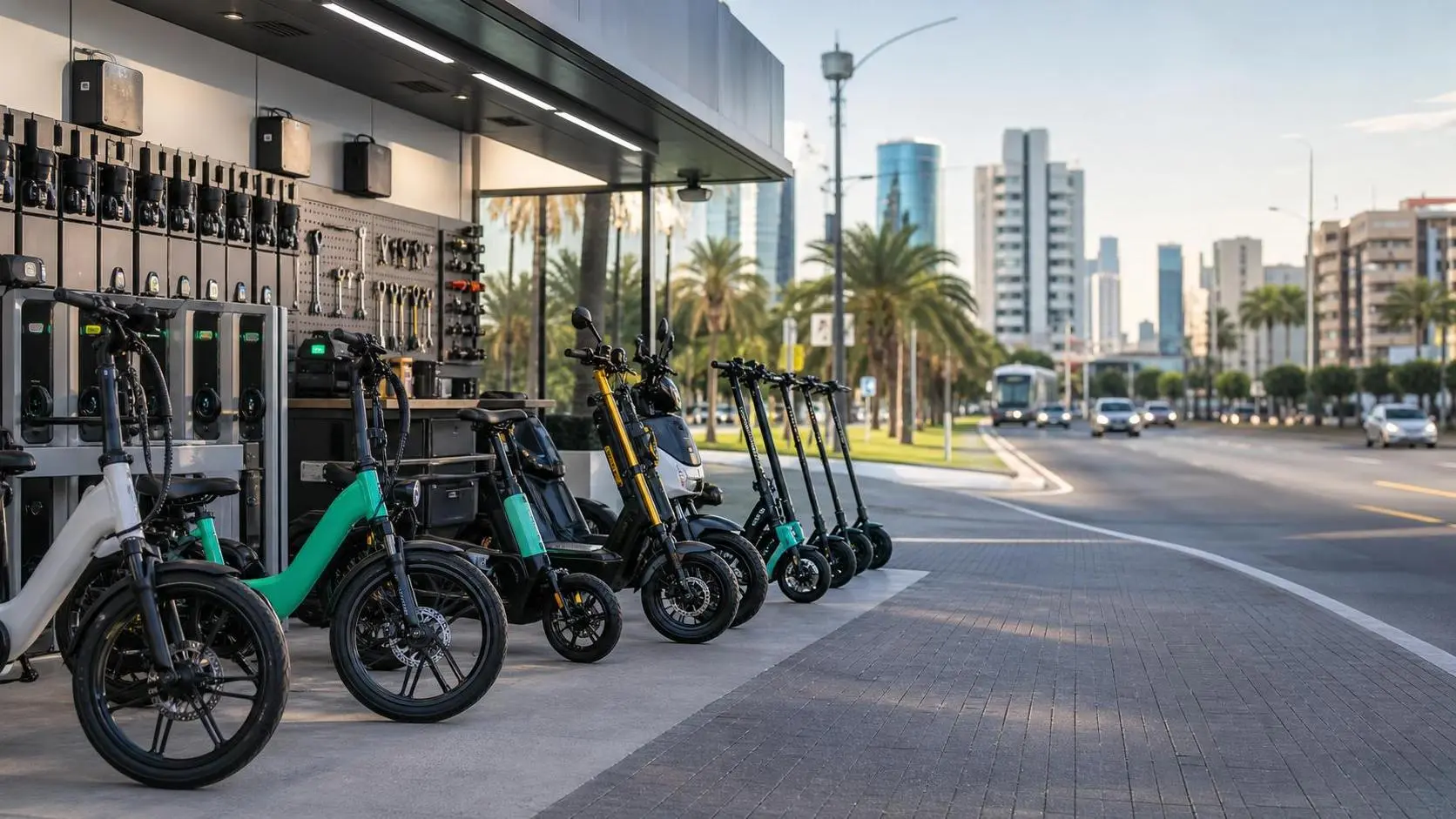
This category includes pedal-assist e-bikes, shared or privately owned e-scooters, and higher-speed electric motorcycles for longer urban corridors. Each serves a different balance of speed, effort, carrying capacity, and regulation.
What unites them is efficiency. They require less energy per trip, occupy less road space, and often reduce the friction between starting a journey and completing it.
That is why light electric mobility has become central to the last-mile discussion. It improves the weakest part of many journeys: the short segment that feels too far to walk and too inconvenient to drive.
Why the sector is drawing serious attention
The growth of light electric mobility is tied to practical urban pressure. Cities need tools that reduce congestion without demanding major new road capacity.
Public transport still carries the backbone of city movement, but it does not always solve door-to-door convenience. Micro-mobility fills the connection gap around stations, offices, campuses, and dense retail districts.
There is also a technology story behind the trend. Battery density, brushless motors, IoT modules, electronic controls, and better drivetrain precision have made smaller electric vehicles more reliable and commercially viable.
UMMS tracks this shift across multiple layers. E-bikes answer short commuting demand. Smart e-scooters support flexible access. High-speed e-motorcycles expand the range of urban substitution. Precision components improve power transfer and ride quality.
Even safety-adjacent systems matter. In poor weather, visibility technology and durable control systems can influence whether a lightweight electric vehicle remains a credible daily option.
Which urban trips light electric mobility solves best
Not every trip fits the same vehicle. Light electric mobility performs best when the route is short to medium in length, repetitive, and sensitive to time, parking, or transfer friction.
Commutes under moderate distance
E-bikes are especially strong for daily commutes that are too long for walking but still within a comfortable riding range. They reduce sweat, flatten hills, and cut dependence on car parking.
In many cities, they work best for routes linking residential zones with transit hubs, office clusters, and education districts. This is where human power and electric assist create a practical middle ground.
Last-mile and first-mile connections
Smart e-scooters excel in the trip segments around buses, metro stations, and rail terminals. These are the journeys where waiting time and walking time feel out of proportion to total distance.
The value is speed of access, not long-range travel. A short ride can remove the need for a feeder car trip and make transit more usable overall.
Local delivery and service routes
Urban delivery, inspection, and service calls often involve repeated stops in dense districts. Light electric mobility works well here because idle time, curb access, and route flexibility matter more than top speed.
Compact electric two-wheelers can move through traffic faster than vans in certain zones. Lower running costs also improve route economics when trip frequency is high.
Cross-district urban movement
High-speed electric motorcycles serve a different urban task. They are better suited to longer city corridors, peri-urban access, and faster travel where standard e-bikes or scooters become inefficient.
In these cases, battery management, thermal stability, and swapping or charging access become more important than ultra-light portability.
Where the business value becomes clearer
The appeal of light electric mobility is often discussed in environmental terms, but operational value is just as important. It can reduce travel time variability, improve route predictability, and lower energy cost per kilometer.
For urban systems, these vehicles also change infrastructure demand. They need less parking, place less pressure on congested roads, and support lower-emission transport strategies without waiting for full fleet replacement.
From an industry perspective, value is not limited to finished vehicles. Components and systems matter because efficiency gains often come from details such as motor response, battery control, frame weight, and drivetrain precision.
That is where the UMMS perspective is useful. Market understanding improves when vehicle trends are connected with policy shifts, component innovation, safety systems, and commercial intelligence rather than viewed in isolation.
How to judge the right use case
A realistic assessment of light electric mobility starts with the trip, not the vehicle. The best solution depends on route pattern, stop frequency, road quality, speed expectations, carrying needs, and charging access.
Usually, the strongest use cases share several traits:
- Distances are short enough to avoid range anxiety.
- Parking or curb access is difficult for larger vehicles.
- Travel time is harmed more by congestion than by raw distance.
- Users need flexible departure timing and direct routing.
- Regulatory conditions support safe, legal operation.
It is also worth checking the less visible constraints. Weather resilience, lighting, braking stability, visibility systems, anti-theft functions, and maintenance support often decide whether adoption remains occasional or becomes routine.
For higher-performance models, battery thermal management and charging or swapping networks deserve closer scrutiny. For pedal-assist categories, drivetrain efficiency and component durability can strongly affect lifetime value.
Signals worth watching next
The next phase of light electric mobility will likely be shaped less by novelty and more by system quality. Cities and operators are looking for durable, integrated solutions rather than one-off vehicle rollouts.
Three signals stand out. One is regulation, especially right-of-way rules, speed categories, and subsidy design. Another is component intelligence, including wireless shifting, connected diagnostics, and better battery supervision.
The third is safety credibility. Better visibility systems, weather-ready hardware, and stronger control logic can expand the range of trips that people are willing to shift away from cars.
Anyone assessing this space should map trips before comparing products. Then compare vehicle classes against distance, infrastructure, maintenance burden, and policy fit. That approach reveals where light electric mobility creates durable value instead of temporary interest.
In other words, the most useful next step is not chasing every micro-mobility trend. It is building a clear framework for which urban journeys need speed, which need flexibility, and which need a better link between efficiency and everyday practicality.
Related News
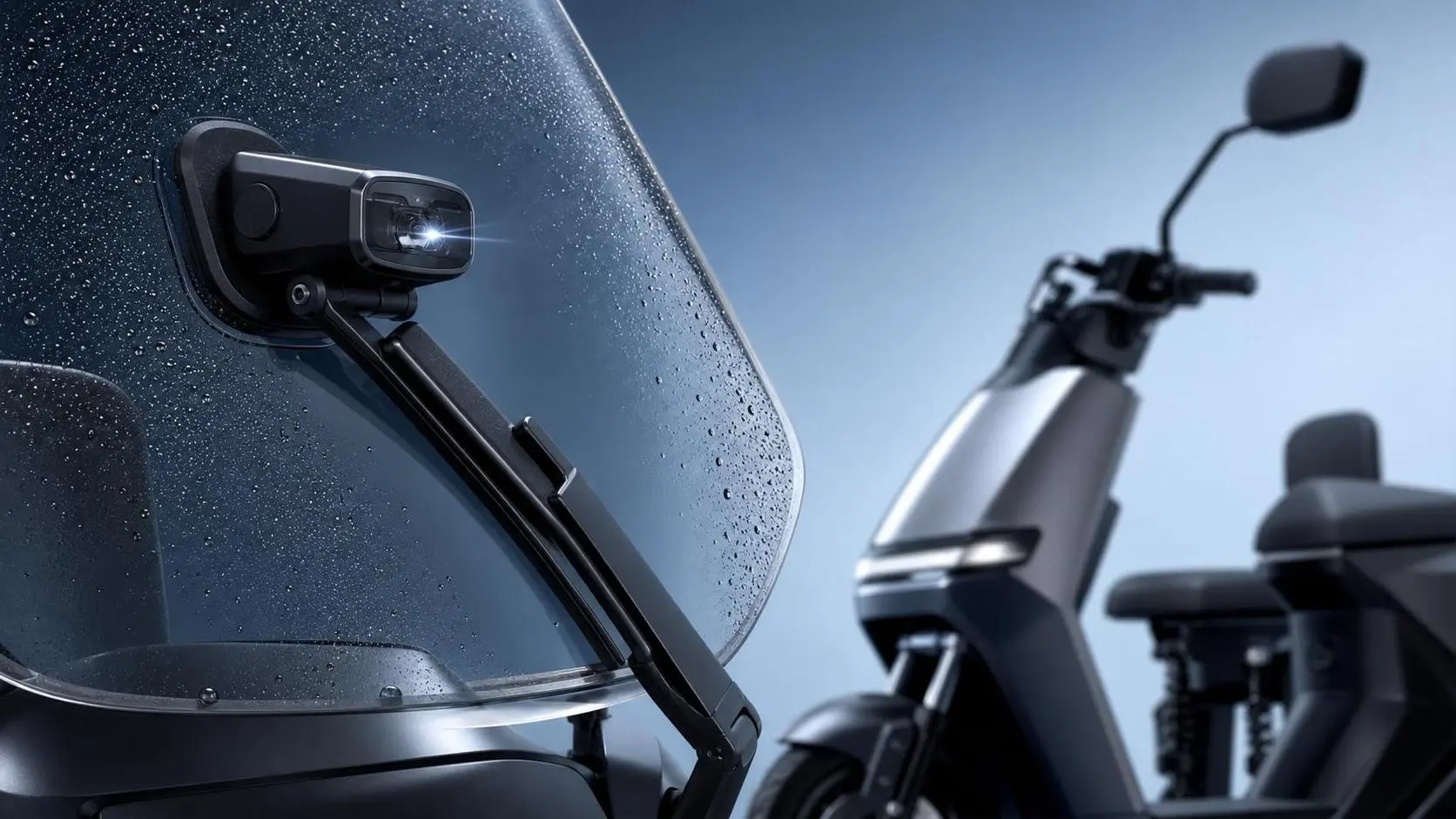
How Do Photoelectric Wiper Sensors Work and Where Are They Most Effective?
Photoelectric wiper sensors explained: learn how they detect rain, reduce false triggers, and deliver the best visibility gains in urban EVs, e-bikes, fleets, and smart mobility.
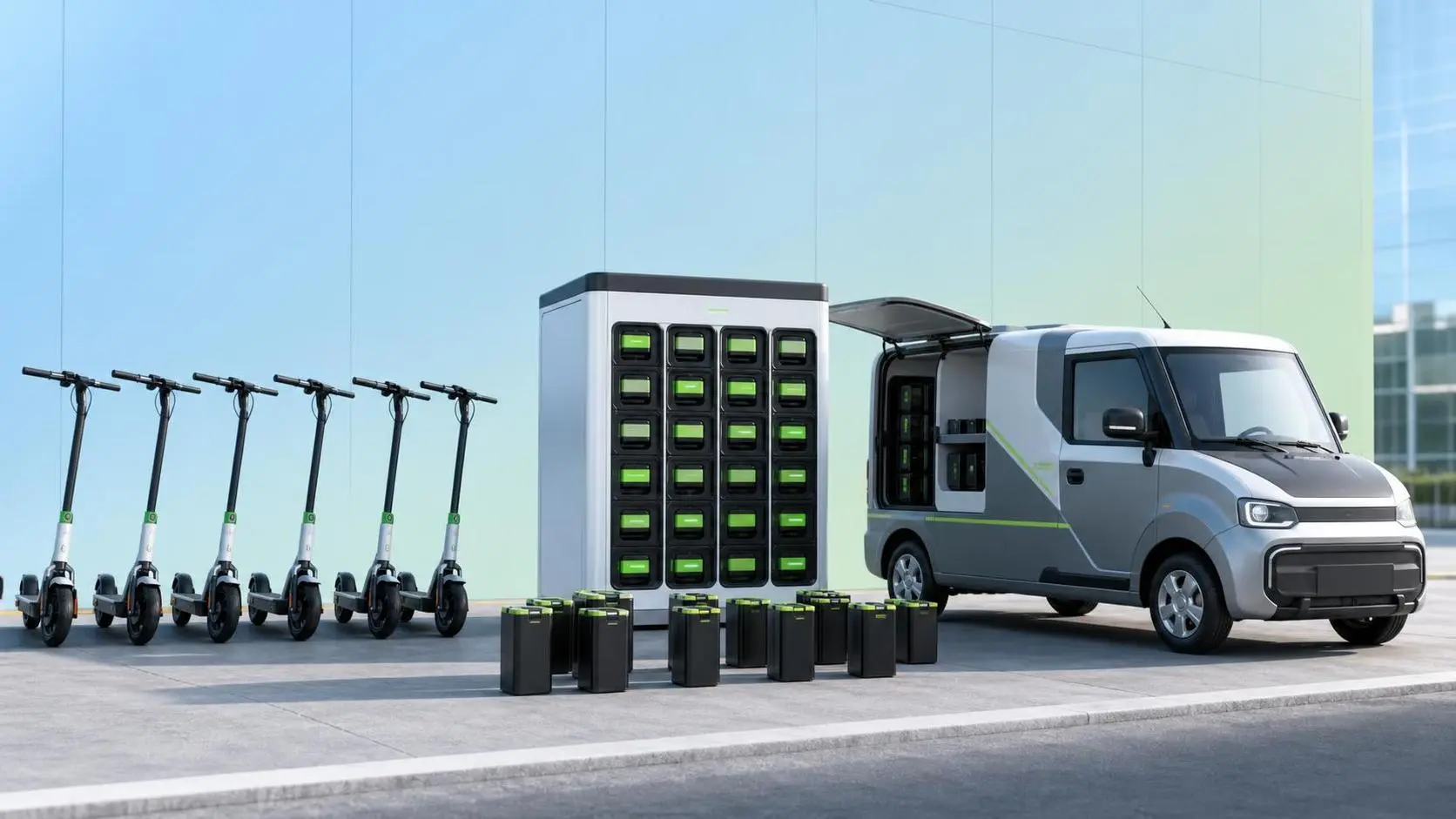
How Battery-Swapping Networks Reduce Downtime in Shared Fleet Scooter Operations
Battery-swapping networks cut scooter fleet downtime by speeding field turnaround, improving uptime in peak zones, and helping operators optimize labor, battery rotation, and service efficiency.
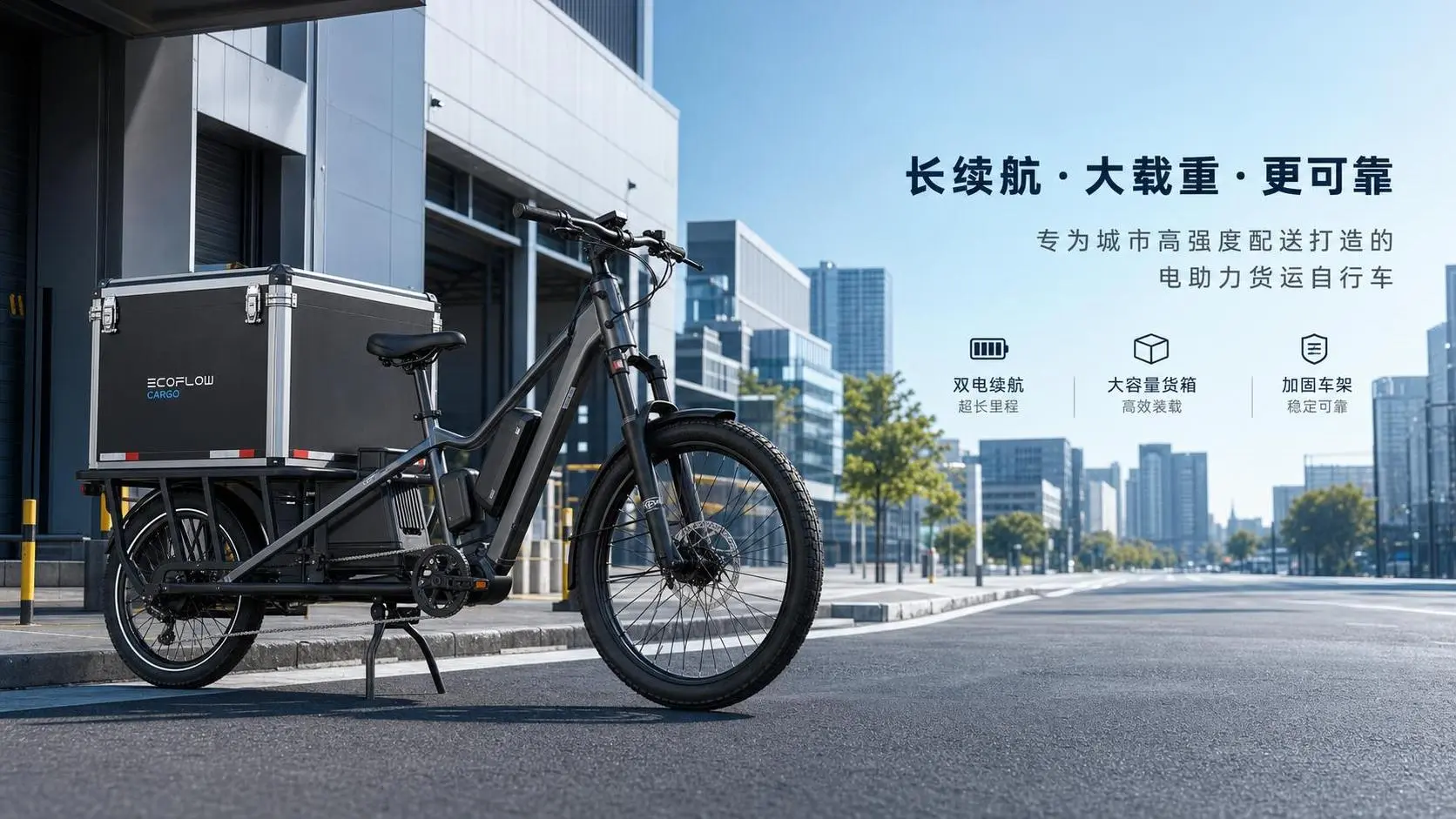
How to Choose a Long-Range Commercial Cargo E-Bike for Delivery Operations
Commercial cargo e-bike long range buying guide: learn how to assess battery, payload, route fit, and uptime support to choose a reliable delivery model with lower operating costs.
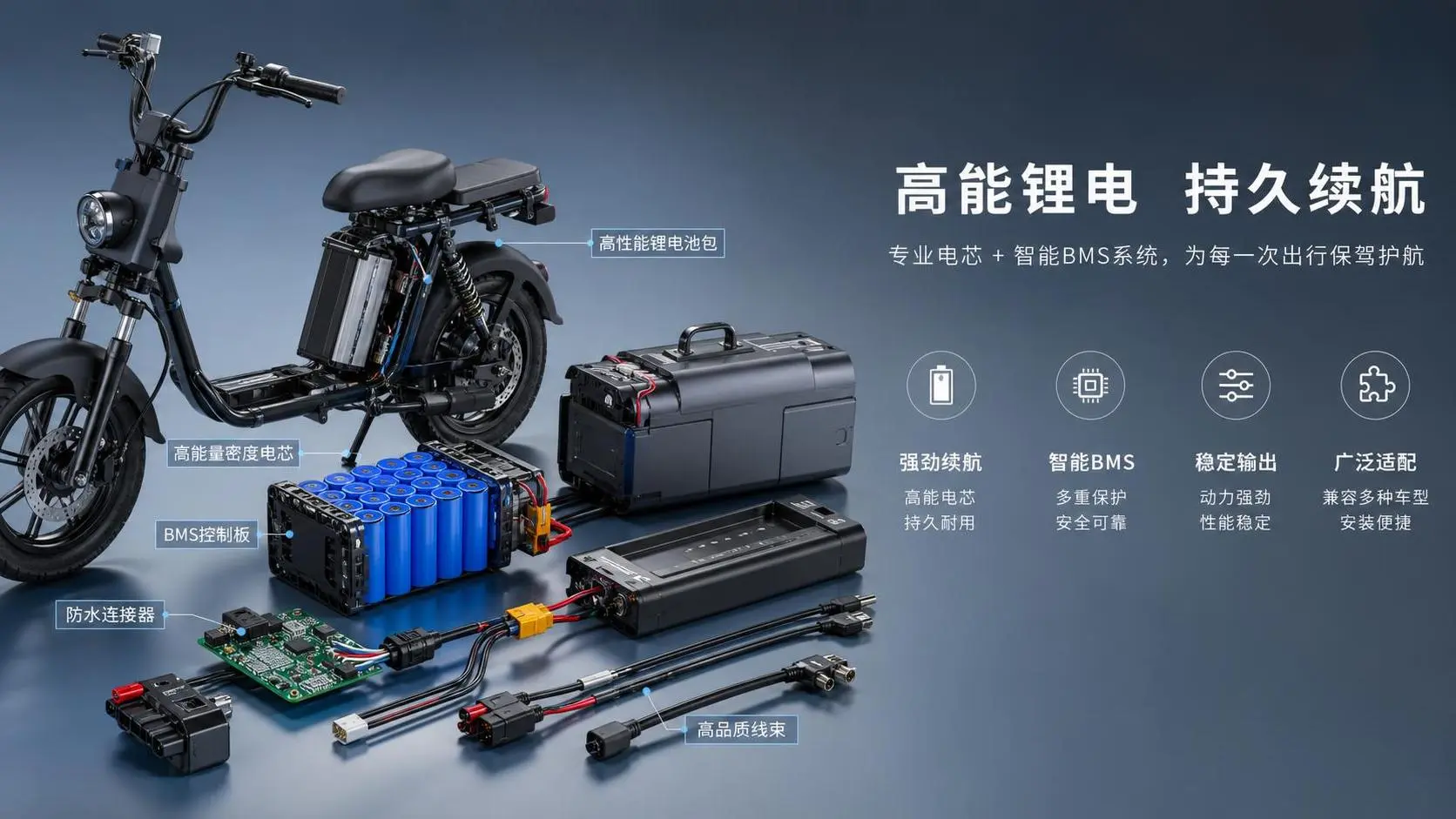
How to Select the Right E-Bike Battery Components for Range, Safety, and Fit?
E-bike component selection battery guide: learn how to choose the right battery components for better range, stronger safety, and perfect fit across modern e-bike platforms.
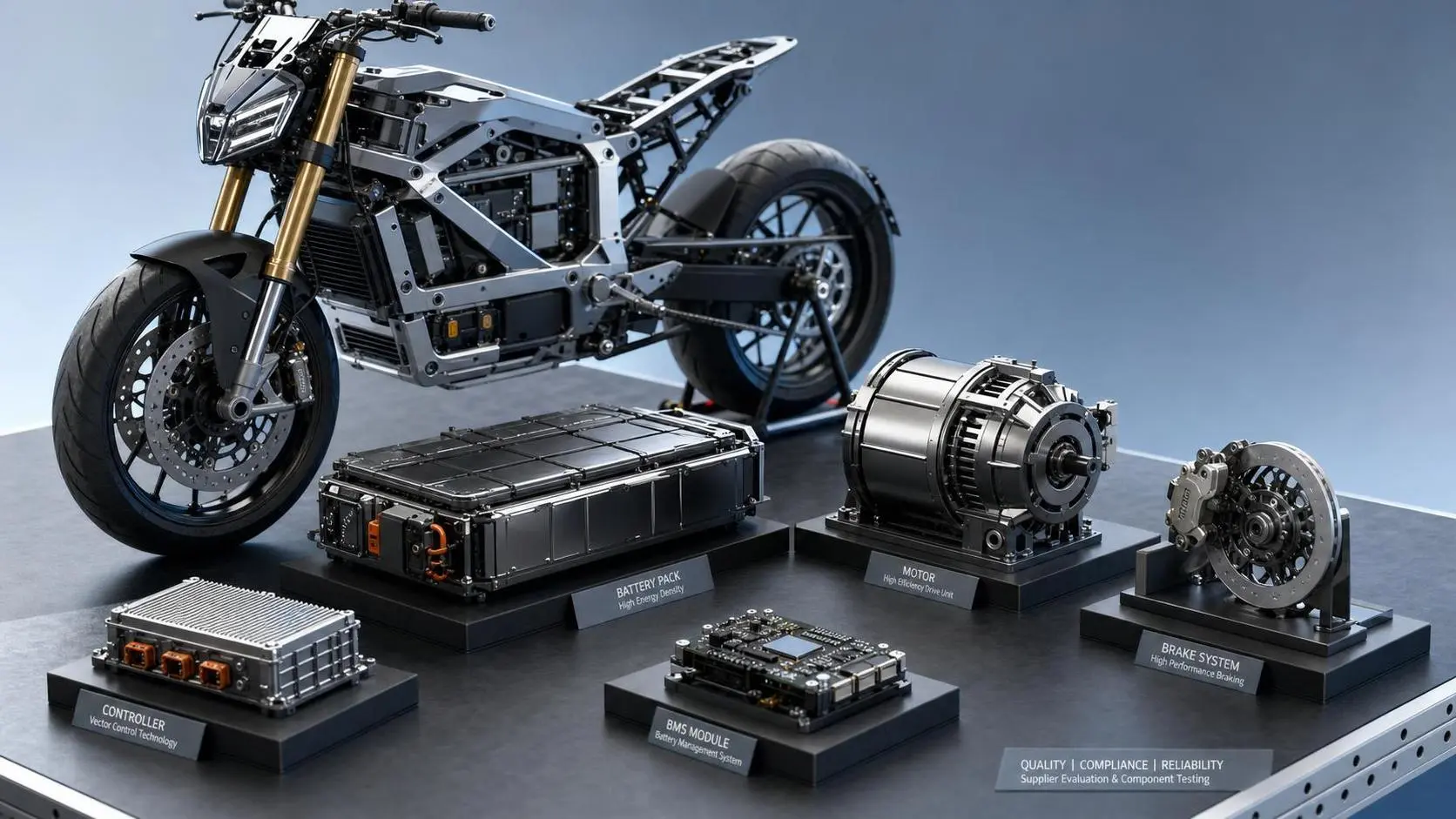
How to Evaluate Core Component Suppliers for Electric Motorcycles Before Sourcing?
Core component suppliers for electric motorcycles can make or break safety, compliance, and delivery. Learn how to assess technical strength, certifications, quality control, and hidden sourcing risks before you buy.
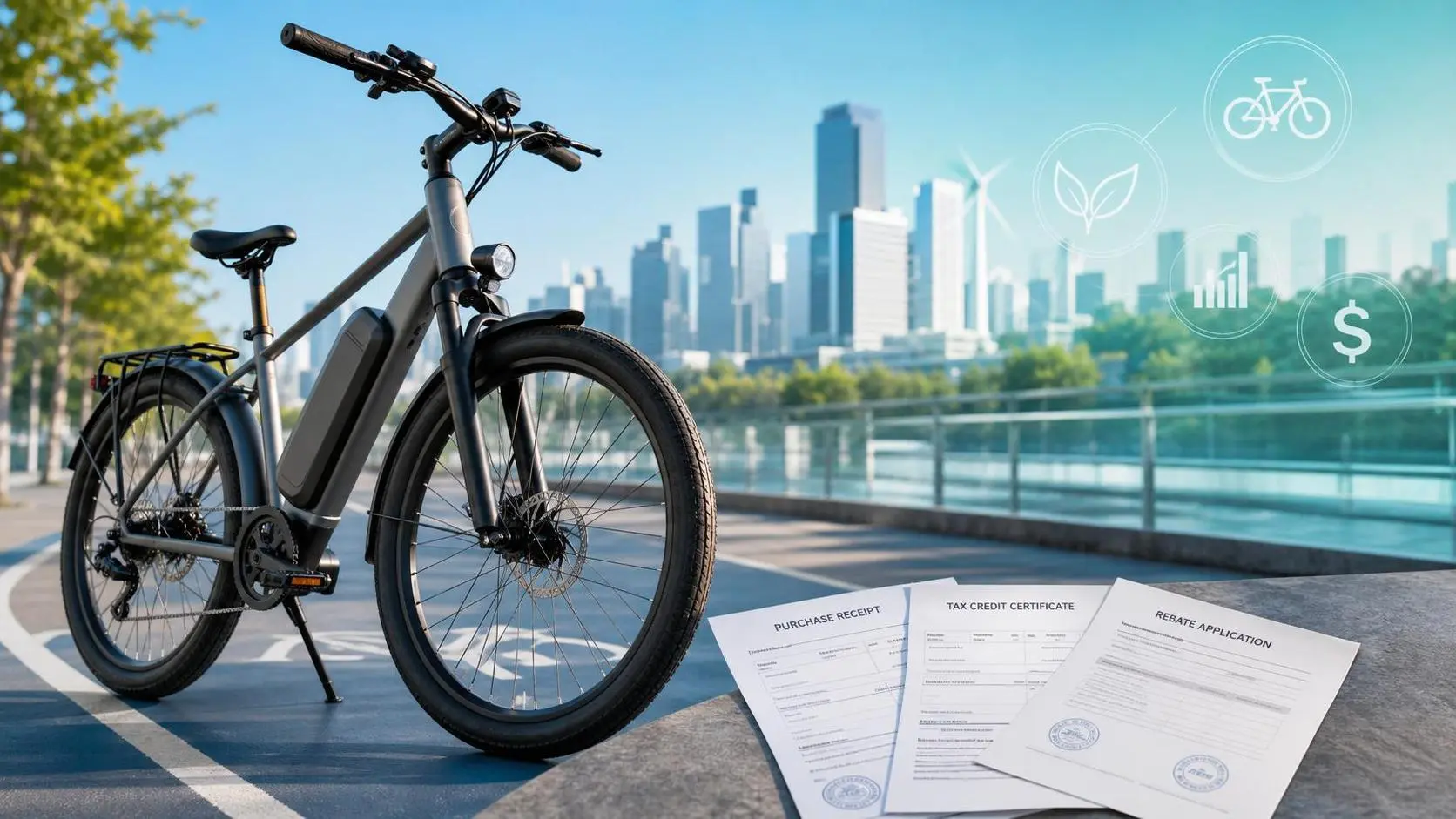
E-Bike Incentives Explained: How Riders Can Find Local Rebates and Tax Credits
E bike incentives explained: learn how to find local rebates, tax credits, and utility offers, avoid common mistakes, and cut the real cost of your next e-bike.
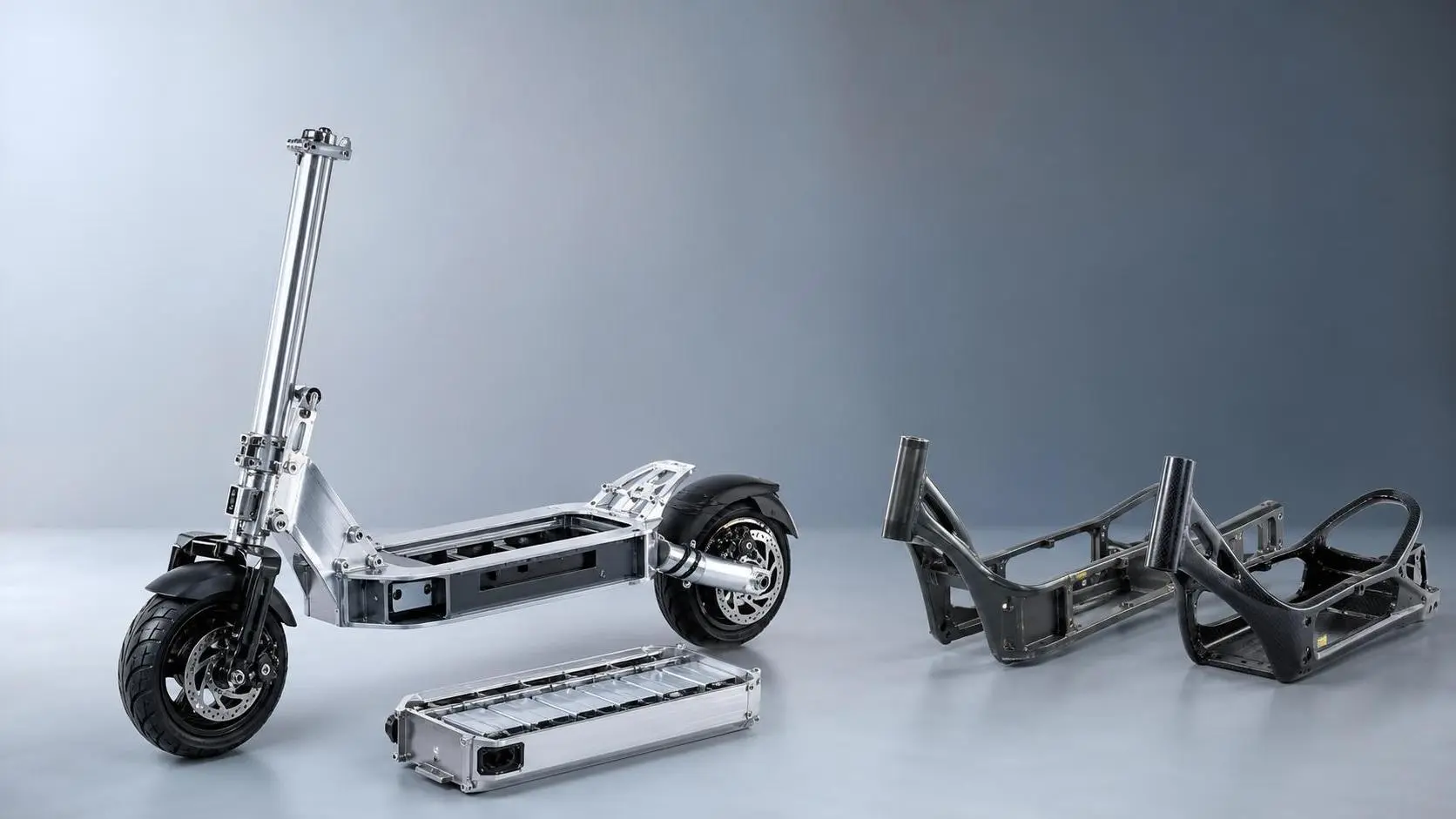
How to Choose Lightweight Scooter Frames in Europe: Materials, Standards, and Use Cases
Lightweight scooter frames Europe buyers need should balance materials, EN standards, durability, and real use cases. Discover how to choose safer, smarter, compliant frames.
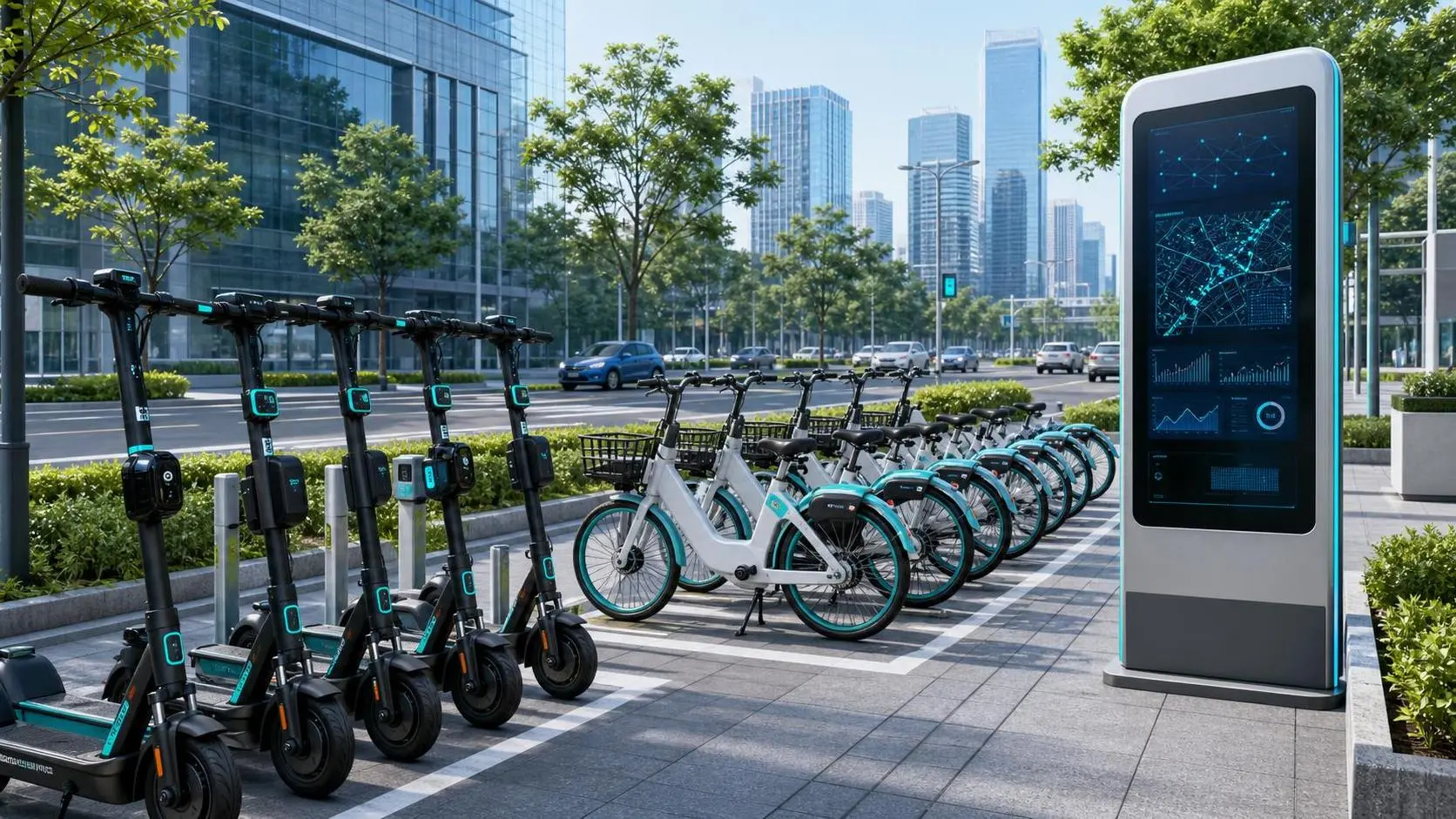
What Is the Intellectualization of Mobility Platform and How Is It Applied in Shared Fleets?
Intellectualization of mobility platform is reshaping shared fleets with real-time data, predictive maintenance, and smarter compliance—learn how it boosts safety, uptime, and urban mobility efficiency.
Urban Micro-Mobility Systems in Latin America: Key Market Drivers, Barriers, and Growth Segments
Urban micro-mobility systems Latin America are reshaping city transport. Explore key drivers, barriers, and high-growth segments to spot the region’s most investable opportunities.