
Related News
- 00
0000-00
Urban Mobility Market Analysis: Demand Drivers, Policy Risks, and Revenue Models Compared - 00
0000-00
What Affects Urban Traffic Innovation Price in Smart City Transport Projects? - 00
0000-00
How to Evaluate a Battery Management Systems Exporter for Quality, Compliance, and Support - 00
0000-00
What Drives Urban Mobility Adoption in Congested Cities: Cost, Convenience, and Policy - 00
0000-00
How to Verify Micro Mobility Technical Credibility Before Supplier Approval
Ms. Elena Rodriguez
Weekly Insights
Stay ahead with our curated technology reports delivered every Monday.
How Lightweight Electric Vehicles Cut Last-Mile Costs





For finance decision-makers, the case for lightweight electric vehicles is no longer just about sustainability—it is about measurable operating savings. By reducing energy use, maintenance demands, and delivery inefficiencies, these compact mobility solutions are helping businesses cut last-mile costs while improving fleet flexibility and urban service coverage. Understanding where the savings come from is now essential for smarter capital allocation.
In dense urban networks, the last mile often absorbs 35% to 55% of total delivery cost, even when it covers the shortest distance in the logistics chain. That imbalance is why lightweight electric vehicles are moving from pilot projects into budget discussions, especially for operators managing parcel drop-offs, food delivery, field service routing, and municipal mobility programs.
For CFOs, procurement heads, and operating budget approvers, the question is not whether e-bikes, smart e-scooters, or compact electric two-wheelers are innovative. The real question is whether they improve cost per stop, asset utilization, maintenance planning, and payback speed. In many urban use cases, the answer increasingly depends on vehicle weight, battery size, service design, and route fit.
Within the wider micro-mobility ecosystem observed by UMMS, lightweight design is not a cosmetic feature. It affects battery efficiency, frame stress, braking wear, rider productivity, component life, and even compliance with local speed or lane regulations. When finance teams evaluate fleet economics, these variables directly influence total cost of ownership over 24 to 48 months.
Why Lightweight Electric Vehicles Lower Last-Mile Operating Costs
The core advantage of lightweight electric vehicles is simple: less mass requires less energy to move. In stop-and-go urban traffic, where a vehicle may accelerate and brake 80 to 150 times per shift, lower weight translates into reduced battery draw, slower tire wear, and lower drivetrain stress.
1. Energy Use Falls with Lower Vehicle Mass
A compact e-bike or smart e-scooter typically consumes far less energy per kilometer than heavier delivery vans or even larger electric motorcycles. In practical fleet planning, a lightweight two-wheeler may operate within a 0.8 kWh to 2.5 kWh daily energy window depending on payload, route slope, speed profile, and battery management logic.
For finance teams, this matters because electricity cost is only one part of the savings equation. Smaller batteries can also reduce replacement cost, charging infrastructure load, and idle asset time. If a route can be completed with a 0.5 kWh to 1.2 kWh battery pack rather than a much larger system, capital intensity per vehicle drops.
2. Maintenance Intervals Tend to Be More Predictable
When the frame, wheels, brakes, and transmission components carry less weight, wear patterns are usually more manageable. In urban fleets, that can extend service intervals by several weeks across brake pad checks, tire replacement cycles, and chain or belt inspections, especially when routes are flat and payloads stay within design limits.
Lightweight electric vehicles also simplify workshop planning. A 25 kg to 45 kg vehicle is easier to transport, diagnose, and service than a heavier urban EV platform. For operators with 50 to 500 units, that can reduce labor hours per maintenance event and improve technician throughput.
3. Urban Productivity Improves Through Faster Stop Density
A major source of last-mile cost is not energy but time lost in congestion, parking, rerouting, and failed access attempts. Lightweight electric vehicles can move through bike lanes, low-speed corridors, and narrow streets where larger vehicles lose efficiency. On routes with 20 to 60 stops per shift, this flexibility can materially improve drops per hour.
For high-density districts, even a 10% to 15% improvement in route completion speed can lower labor cost per delivery more than any single fuel-saving measure. That is why finance approval should compare cost per completed stop, not just cost per kilometer.
The table below summarizes where lightweight electric vehicles usually create measurable savings in a typical urban last-mile environment.
The key financial takeaway is that cost reduction comes from stacked efficiencies rather than one dramatic savings line. Electricity, labor time, component wear, and route density all interact. Lightweight electric vehicles perform best when operators design the fleet around short urban loops, high stop frequency, and low idle time.
Where Finance Teams Should Measure Return
Many businesses underestimate micro-mobility ROI because they compare purchase price alone. A better framework looks at six financial levers over a 12-month, 24-month, and 36-month horizon: acquisition, charging, maintenance, labor productivity, utilization rate, and replacement cycle.
Acquisition Cost Is Only the Entry Point
A lightweight electric vehicle fleet may require lower upfront capital than larger commercial EV alternatives, but procurement should still test payload fit, battery suitability, and component durability. An underpowered or poorly matched fleet can create hidden cost through extra trips, rider fatigue, and premature replacement.
What to review before approval
- Average route distance, often 5 km to 25 km per shift segment
- Typical payload, such as 10 kg to 35 kg for food, parcels, or service tools
- Battery charging strategy, including swap, depot charge, or distributed charging
- Maintenance staffing capacity and spare parts lead time, often 7 to 21 days
Labor Productivity Often Delivers the Largest Savings
In last-mile delivery, labor frequently represents the biggest recurring cost category. If lightweight electric vehicles allow one rider to complete 3 to 8 more stops per hour in a congested district, the impact on labor efficiency can outweigh battery or maintenance savings. That is especially relevant for urban service windows under 2 hours.
Finance teams should ask operations managers for route-level evidence: time per drop, failed delivery percentage, recharge downtime, and average daily utilization. A fleet asset used only 45% of the day behaves very differently from one used 75% to 85% of the day.
Battery and Drivetrain Planning Protect Long-Term Margins
In the micro-mobility sector, battery quality and drivetrain efficiency are central to cost control. Poor battery thermal management, inconsistent charging habits, or mismatched motor output can shorten service life. For urban operators, the practical goal is not maximum speed but stable daily range, repeatable charge cycles, and low failure frequency.
A well-matched system may support a useful operating rhythm of 1 to 2 charge events per day with manageable degradation over multiple quarters. For budget planning, this predictability is more valuable than headline performance figures that rarely matter in city-center operation.
How to Choose the Right Lightweight Electric Vehicles for Last-Mile Use
Not all lightweight electric vehicles reduce costs equally. The best option depends on route geometry, traffic rules, weather exposure, payload, and whether the fleet is privately owned or shared. Finance approvers should request a use-case-specific selection matrix rather than approve vehicles based on unit price alone.
Match Vehicle Type to Operational Scenario
E-bikes usually fit short urban delivery loops and rider-assisted operation. Smart e-scooters may work well for personal mobility, patrol, or campus-scale transport with light loads. High-speed electric motorcycles can support longer urban-peripheral routes but often introduce a higher capital and compliance burden.
The table below can help finance teams compare common lightweight electric vehicle options by operating profile rather than by marketing label.
This comparison shows why a lower sticker price can be misleading. A smart e-scooter may be inexpensive upfront, but if it lacks the right carrying structure or battery endurance, operating cost per completed task may rise. Selection should always follow route economics.
Assess Four Practical Procurement Criteria
- Vehicle weight versus payload ratio, which affects efficiency and safety.
- Battery service model, including fixed pack, removable pack, or swap-ready design.
- Component commonality, such as brake parts, tires, controllers, and drivetrain elements.
- Digital fleet visibility, especially for uptime tracking, geofencing, and maintenance alerts.
For organizations managing 20 units or more, digital oversight becomes a financial issue, not just an operational convenience. IoT-enabled diagnostics can reduce unauthorized use, improve charging discipline, and create a clear record for replacement planning.
Do Not Ignore Weather and Safety Equipment
In cities with frequent rain, wind, or low-visibility conditions, safety components influence cost just as much as battery performance. Reliable lighting, braking response, and visibility support systems reduce downtime and incident exposure. For certain vehicle classes, integrated wiper systems or smart sensor-based visibility support may be relevant where enclosed or semi-enclosed designs are used.
Even a small increase in weather-ready uptime across 8 to 12 peak-demand weeks can strengthen annual asset productivity. Finance teams should view safety accessories as risk-control tools rather than optional extras.
Implementation Risks, Common Mistakes, and Cost-Control Practices
The savings potential of lightweight electric vehicles is real, but poor implementation can delay or dilute ROI. Most failures come from route mismatch, insufficient charging planning, weak maintenance discipline, or unrealistic assumptions about rider behavior and daily utilization.
Common Mistakes That Increase Total Cost
- Buying for top speed instead of average route efficiency
- Using one vehicle type for all districts despite different road and payload conditions
- Ignoring spare parts lead times of 2 to 6 weeks for critical imported components
- Running batteries to deep discharge too often, which accelerates degradation
- Measuring fleet success by kilometers traveled instead of completed stops and uptime
A Practical 5-Step Rollout Framework
Finance approvers can reduce deployment risk by structuring a phased launch. A disciplined rollout usually produces cleaner cost visibility within 60 to 90 days than a full-scale purchase without route validation.
- Map routes by distance, stop density, elevation, and weather exposure.
- Pilot 5 to 20 units across two or three representative route clusters.
- Track energy use, uptime, maintenance events, and cost per completed stop weekly.
- Adjust battery size, payload accessories, and charging method before scale-up.
- Expand procurement in stages tied to utilization and service KPI thresholds.
Metrics worth reviewing monthly
Useful finance metrics include average operating days per vehicle, charge events per day, maintenance labor hours per 1,000 km, route completion rate, and replacement part frequency. If two fleet types show similar energy cost but one delivers 12% more uptime, the lower-cost option may not be the cheaper asset in practice.
Why Market Intelligence Matters in Procurement Timing
The micro-mobility market changes quickly as battery chemistry, wireless component control, thermal management, and city regulations evolve. For budget holders, timely intelligence can improve purchase timing, component selection, and compliance planning. This is especially important when comparing smart e-scooters, e-bikes, and higher-speed electric motorcycles across multiple regions.
A well-informed sourcing strategy should monitor subsidy shifts, right-of-way changes, component standardization trends, and serviceability risks. In many cases, the most cost-effective lightweight electric vehicles are not the newest launches, but the platforms with stable supply chains and predictable maintenance support.
What This Means for Budget Approval and Fleet Strategy
For finance decision-makers, lightweight electric vehicles should be evaluated as operating assets designed to compress last-mile cost, not simply as sustainability purchases. Their value comes from lower energy use, faster urban routing, reduced maintenance complexity, and better fleet flexibility in constrained city environments.
The strongest business case usually appears where routes are short, stop counts are high, congestion is severe, and service windows are tight. In these conditions, a carefully specified micro-mobility fleet can outperform heavier alternatives on cost per stop, uptime, and redeployment speed over a 2- to 4-year horizon.
UMMS supports this decision process by connecting market intelligence, component logic, battery management understanding, and urban mobility strategy across e-bikes, smart e-scooters, high-speed e-motorcycles, and related precision systems. If you are reviewing fleet investment, route redesign, or component sourcing priorities, now is the right time to benchmark your current model against lightweight electric vehicles built for last-mile efficiency.
Contact us to explore tailored micro-mobility insights, request a customized decision framework, or learn more about practical solutions for lowering last-mile operating costs.
Related News
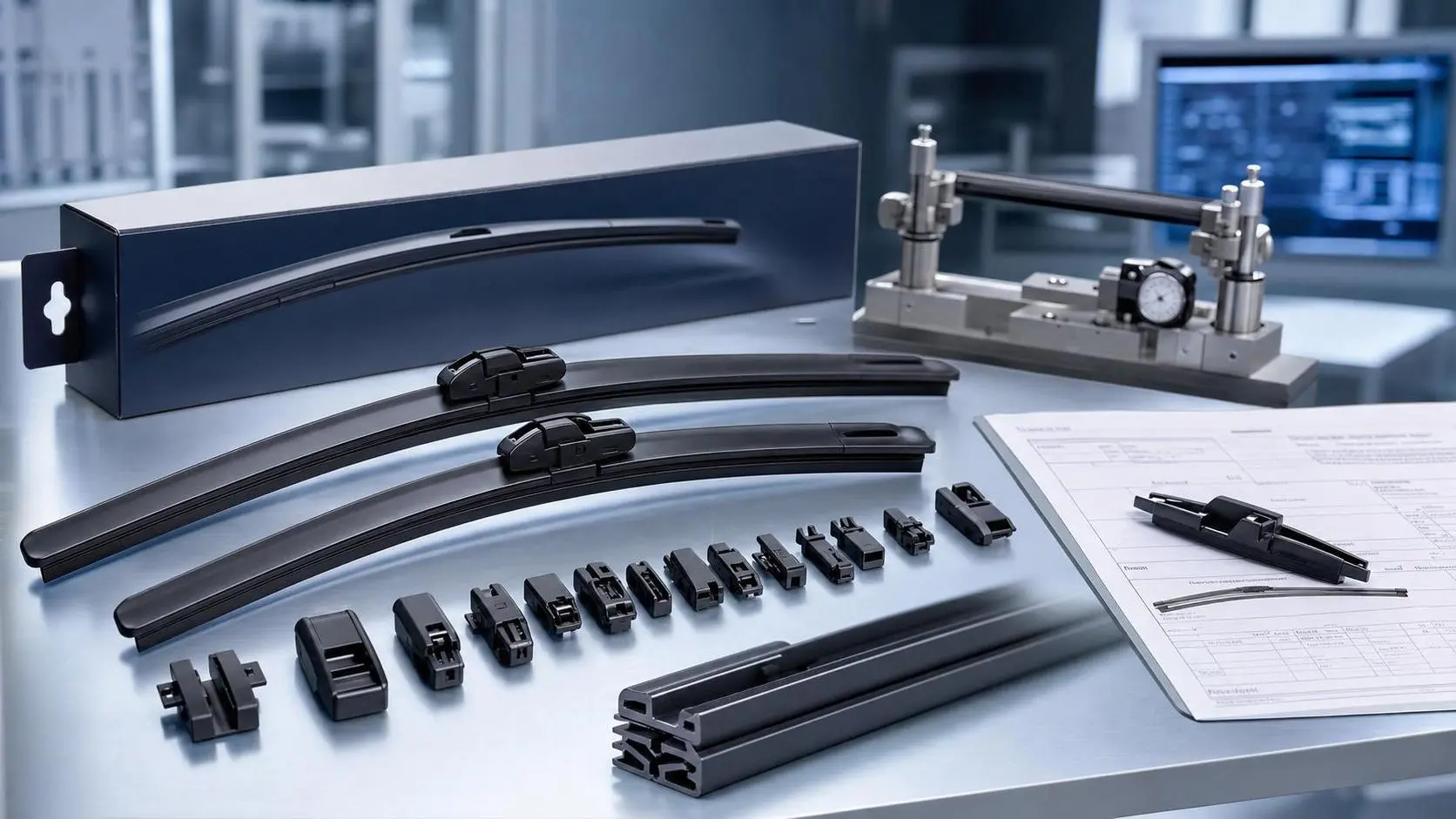
Flat Wiper Blades Wholesale Buying Guide: MOQ, Rubber Quality, Fitment, and Supplier Checks
Flat wiper blades wholesale buying guide covering MOQ, rubber quality, fitment accuracy, and supplier checks to reduce risk, improve margins, and choose reliable bulk partners.
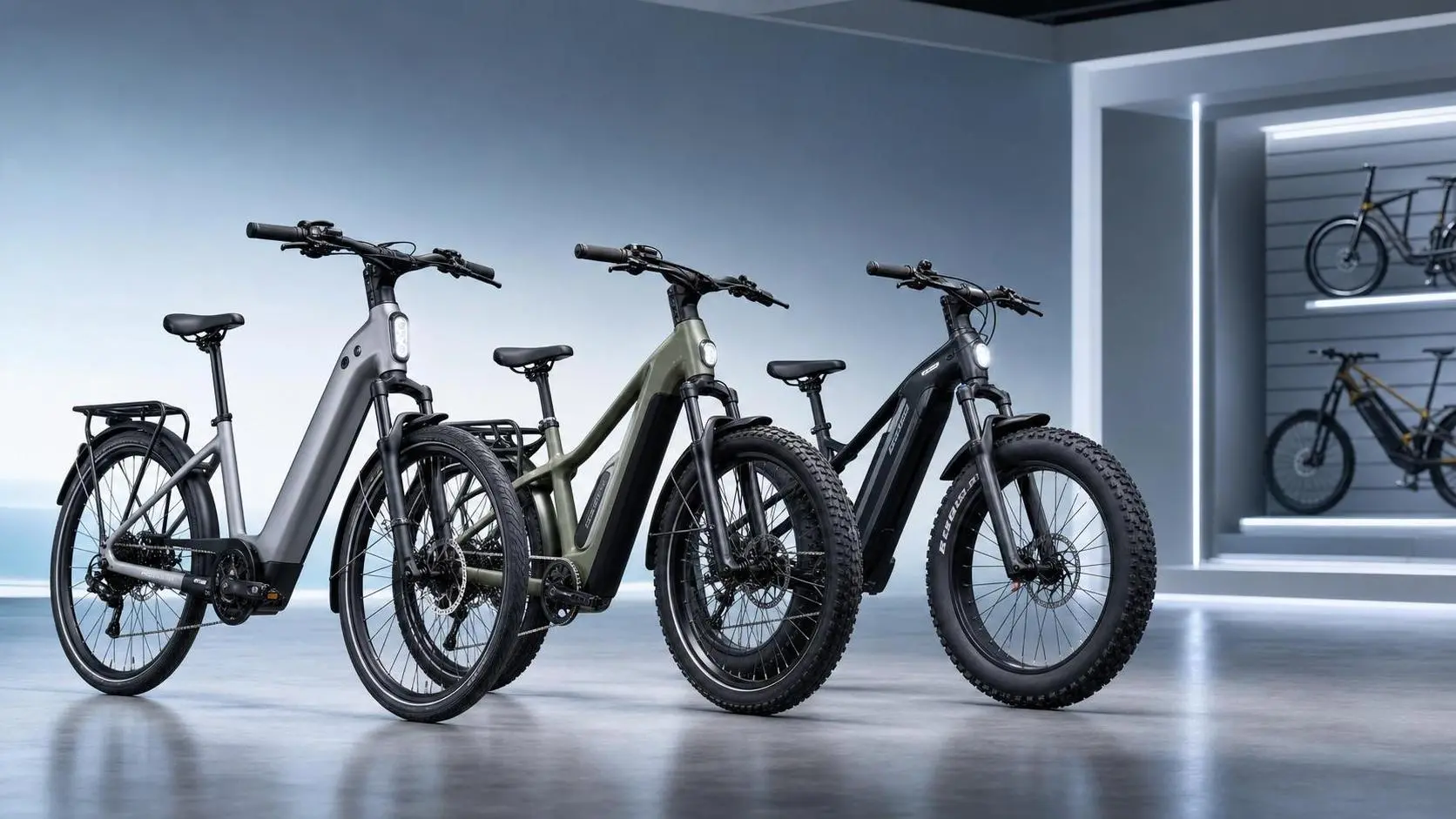
Ebike Market USA: What Dealers Should Know About Demand Shifts, Pricing, and Product Mix
ebike market USA is shifting fast. Discover how demand segmentation, pricing pressure, and smarter product mix decisions can help dealers protect margins and grow.
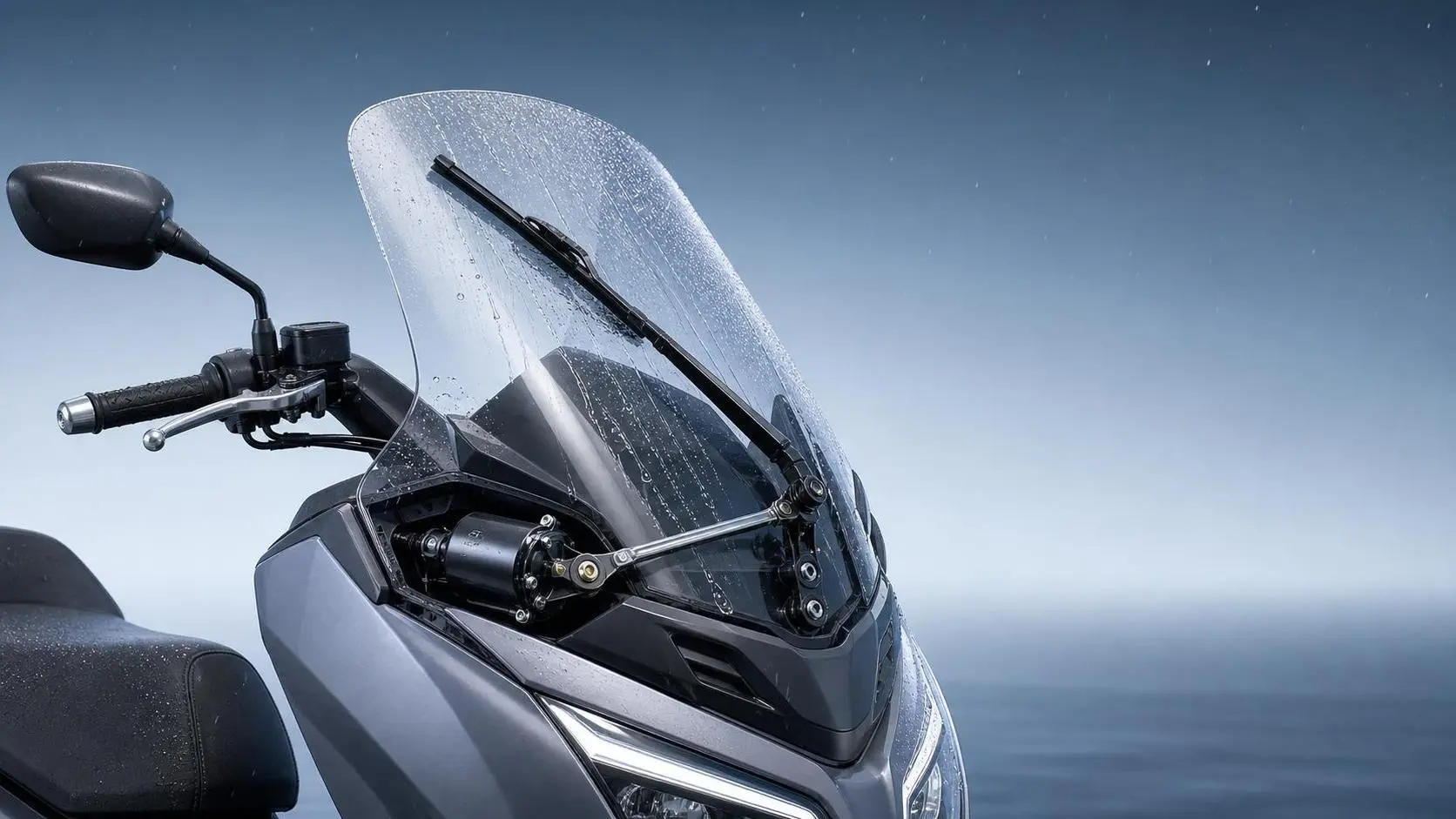
Wiper Systems for Scooters: Common Failure Points, Maintenance Tips, and Replacement Signs
Wiper systems for scooters: learn the most common failure points, smart maintenance tips, and clear replacement signs to improve visibility, reduce repeat repairs, and keep riders safer.
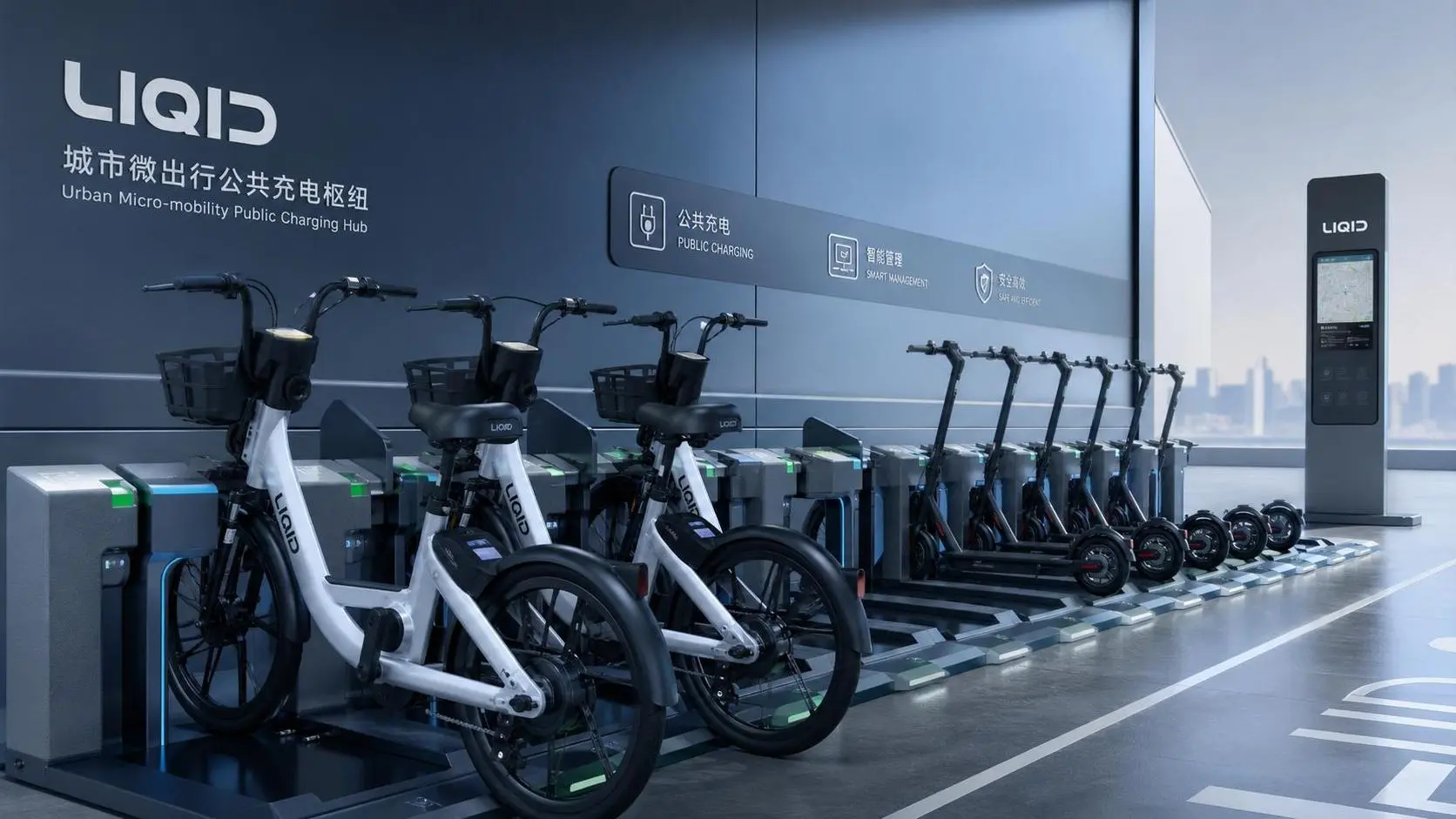
How to Choose Micro-Mobility Docking Stations for Shared Fleets and Public Charging Hubs
Micro-mobility docking stations: learn how to compare charging, locking, software, and site-fit factors to choose safer, smarter hubs for shared fleets and public use.
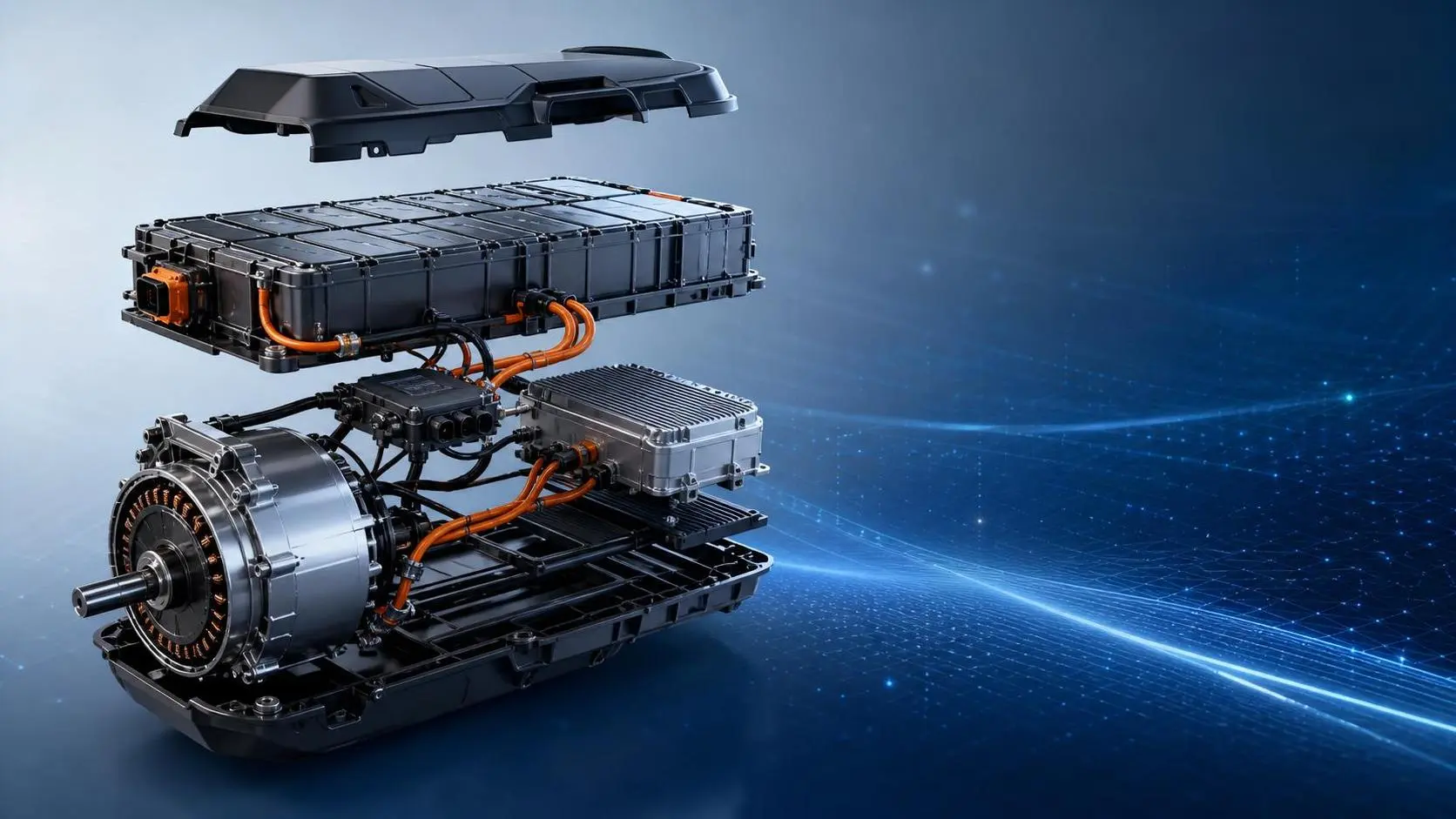
Powertrain Heat Management Explained: Key Design Factors for EV Efficiency and Battery Life
Powertrain heat management explained for EVs: discover how thermal design boosts efficiency, protects battery life, improves safety, and sustains real-world performance.
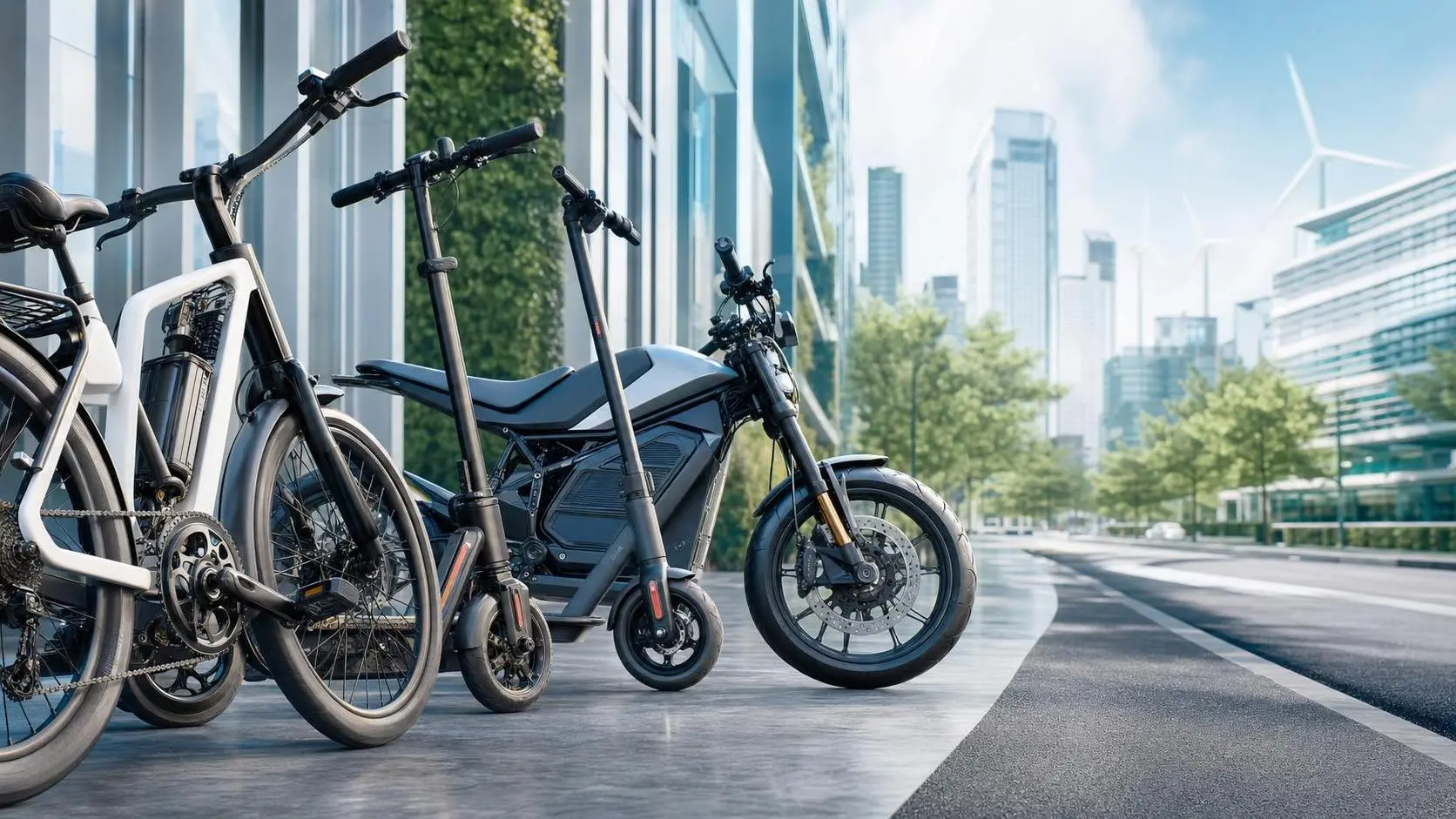
Urban Mobility Market Analysis: Demand Drivers, Policy Risks, and Revenue Models Compared
Urban mobility market analysis compares demand drivers, policy risks, and revenue models across e-bikes, scooters, and e-motorcycles to reveal where growth is durable.

Shared Mobility Compliance Checklist: Permits, Safety Rules, and Fleet Data Requirements
Shared mobility compliance made simple: explore a practical checklist for permits, safety rules, and fleet data requirements to launch faster, reduce risk, and stay audit-ready.
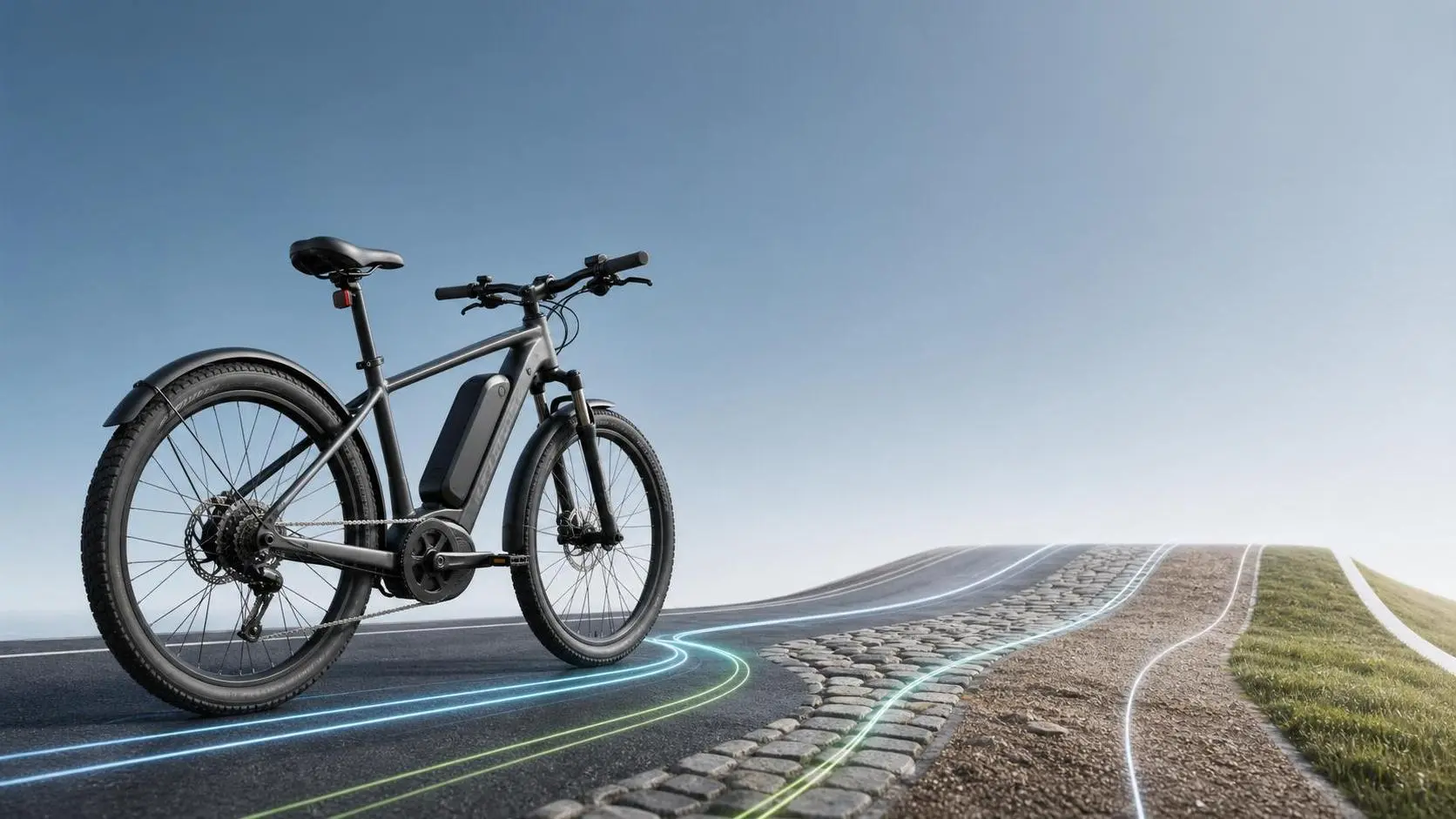
What Affects Ebike Energy Efficiency? Battery Size, Rider Weight, Terrain, and Speed
Ebike energy efficiency explained: learn how battery size, rider weight, terrain, and speed shape real-world range, lower Wh/km, and smarter buying or commuting decisions.

Wireless Electronic Shifting in North America: Compatibility, Standards, and Upgrade Limits
Wireless electronic shifting North America explained: compare compatibility, FCC/ISED standards, retrofit limits, and upgrade risks before choosing the right platform.