
Related News
- 00
0000-00
How to Evaluate Core Component Suppliers for Electric Motorcycles Before Sourcing? - 00
0000-00
Electric Motorcycle Systems Price Breakdown: What Affects Cost From Battery to Controller? - 00
0000-00
Micro-mobility Systems Explained: Core Components, Operating Models, and City Use Cases - 00
0000-00
Electrification Strategies in Europe: Policy, Charging, and ROI Factors for Fleet Planning - 00
0000-00
OEM Market Share in Electric Motorcycles: What It Reveals About Brand Positioning
Ms. Elena Rodriguez
Weekly Insights
Stay ahead with our curated technology reports delivered every Monday.
How to Choose IoT Modules for Smart Mobility Devices: Connectivity, Power, and OTA Basics





Choosing IoT modules for smart mobility devices is no longer a narrow hardware decision. In e-bikes, connected scooters, high-speed e-motorcycles, and other urban micro-mobility platforms, the module shapes connectivity stability, battery behavior, fleet visibility, and software maintainability over years of field use.
That matters even more in a market defined by dense cities, shared assets, low-carbon transport goals, and rising expectations for uptime. For platforms tracked by UMMS, the best IoT modules are rarely the ones with the longest feature list. They are the ones that fit the real operating profile of the vehicle, the network environment, and the service model behind it.
Why IoT module selection now carries more strategic weight
Micro-mobility hardware has become more intelligent, but also more exposed. Vehicles now move through underground parking, crowded streets, mixed weather, and fragmented network conditions. A weak connectivity choice can create blind spots in telemetry, delayed lock commands, or poor ride data quality.
At the same time, power budgets remain tight. Lightweight frames, compact battery packs, and cost-sensitive electronics leave little room for waste. If IoT modules draw too much current during idle, sleep recovery, or poor-signal retries, the effect shows up quickly in range, service intervals, and customer complaints.
OTA capability adds another layer. Software-defined mobility devices need remote fixes, parameter tuning, and security updates. Without practical OTA support, every deployed unit becomes harder to maintain, especially across distributed fleets or export markets.
Start with the actual job the module must perform
Before comparing vendors, it helps to define the module’s role in the vehicle architecture. Some IoT modules mainly send location, battery status, and fault codes. Others support remote immobilization, ride authorization, geofencing, BMS interaction, or cloud-triggered diagnostics.
A smart e-scooter in a sharing fleet usually needs frequent reporting, anti-theft logic, and resilient reconnection. An e-bike sold through retail channels may prioritize low standby drain, app pairing, and occasional firmware updates. A high-speed e-motorcycle may require richer telemetry, stronger security, and better thermal tolerance.
That difference is important because the right IoT modules are chosen by workload, not by headline specifications alone.
Typical functional layers
- Cellular or LPWA communication for cloud access
- GNSS support for position, route, and recovery
- Short-range wireless for app access or service tools
- MCU resources for local logic and event handling
- Secure boot, credentials storage, and OTA management
Connectivity is about operating conditions, not theory
Reliable connectivity begins with knowing where the vehicle will spend most of its life. Urban canyons, indoor charging stations, metal-rich parking areas, and moving traffic all affect link quality. A module that performs well in lab conditions may struggle in dense deployment zones.
For many mobility devices, LTE Cat 1 bis remains attractive because it balances coverage, cost, maturity, and acceptable bandwidth for diagnostics, alerts, and OTA packages. NB-IoT or LTE-M can fit low-data designs, but mobility behavior, latency, roaming support, and handover performance need closer review.
Bluetooth can also matter, especially for provisioning, local unlock functions, and maintenance tools. In practice, mixed connectivity strategies often outperform single-path designs, particularly when vehicles need both cloud reach and nearby user interaction.
Questions that reveal real connectivity fit
- How fast must the device reconnect after sleep or signal loss?
- Will it operate across multiple countries or carrier environments?
- How often must location data be refreshed while moving?
- What is the acceptable delay for alarms, lock events, or ride-end uploads?
- Can the antenna layout support the chosen radio design?
Antenna design is often underestimated. Even strong IoT modules cannot compensate for poor placement near batteries, motor controllers, or metal housings. In compact two-wheel platforms, RF layout should be treated as part of module evaluation, not a downstream packaging task.
Power consumption must be judged across the full duty cycle
Published current figures only tell part of the story. What matters is how the module behaves across wake-up, registration, transmission bursts, idle monitoring, and deep sleep. Smart mobility devices rarely operate in a single static mode.
For example, a parked shared scooter may sleep for long periods, then wake repeatedly for vibration checks, GNSS polling, and backend communication. If IoT modules are inefficient during those transitions, battery drain rises even when usage appears low.
This is especially relevant in e-bikes with seasonal storage, detachable batteries, or accessory power constraints. Low quiescent current matters, but so does graceful recovery from weak-signal conditions, where aggressive retry cycles can erase expected savings.
Power evaluation points worth measuring
Good selection work usually combines datasheet review with scenario-based power tests. Bench numbers are useful, but vehicle-level measurements reveal the true impact.
OTA basics should be treated as lifecycle infrastructure
OTA support is often reduced to a yes-or-no feature check. That is too shallow for connected mobility products. The better question is whether the update path is robust enough for unstable networks, intermittent power, and mixed fleet versions.
Practical OTA-ready IoT modules should support secure download, package integrity verification, rollback protection, and enough memory strategy to avoid bricking devices during interrupted updates. Delta update support can also reduce bandwidth and time-on-air.
In a fleet environment, staged rollout matters just as much as file transfer. Operators may need pilot groups, regional batching, or update windows tied to charging cycles. Without that planning, even good IoT modules can create operational risk.
OTA checks that deserve early attention
- Support for signed firmware and secure boot chains
- Recovery behavior after power loss mid-update
- Cloud integration with version control and audit records
- Bandwidth efficiency for large fleets or roaming devices
- Compatibility with the host MCU and partition scheme
Security, durability, and integration often decide the final shortlist
Connectivity, power, and OTA form the core, but final decisions usually turn on adjacent factors. Security is central because mobility devices face theft, spoofing, unauthorized access attempts, and cloud credential exposure.
Hardware secure elements, trusted execution features, and certificate management can reduce long-term risk. For export-oriented devices, certifications, carrier approvals, and regional compliance should also be checked early, not after design freeze.
Durability matters as well. IoT modules in two-wheel platforms must tolerate vibration, moisture, thermal cycling, and electrical noise from motors and power electronics. A module designed for static indoor equipment may pass initial tests yet fail in street-level service.
Integration depth is another separator. Some vendors offer mature SDKs, better documentation, reference designs, and long lifecycle commitments. Those factors shorten development time and reduce surprises during certification and maintenance.
A practical evaluation framework for smart mobility programs
A useful approach is to score IoT modules against the vehicle’s actual mission profile instead of using a generic component matrix. This keeps the process grounded in operational reality.
- Map the device workflow from parking to ride, charging, service, and storage
- Define minimum connectivity behavior for weak coverage and roaming environments
- Measure energy use across real sleep and wake cycles
- Verify OTA resilience under interrupted power and unstable networks
- Review RF layout, certifications, and software support before final selection
For businesses following the UMMS view of connected urban mobility, this evaluation process links component choice with broader system goals. Better IoT modules support vehicle uptime, cleaner operational data, safer remote control, and more adaptable product roadmaps.
The next step is usually straightforward: turn high-level requirements into a field test plan. Compare two or three module options under realistic signal, power, and update conditions. That evidence tends to reveal the right choice faster than any datasheet comparison alone.
Related News
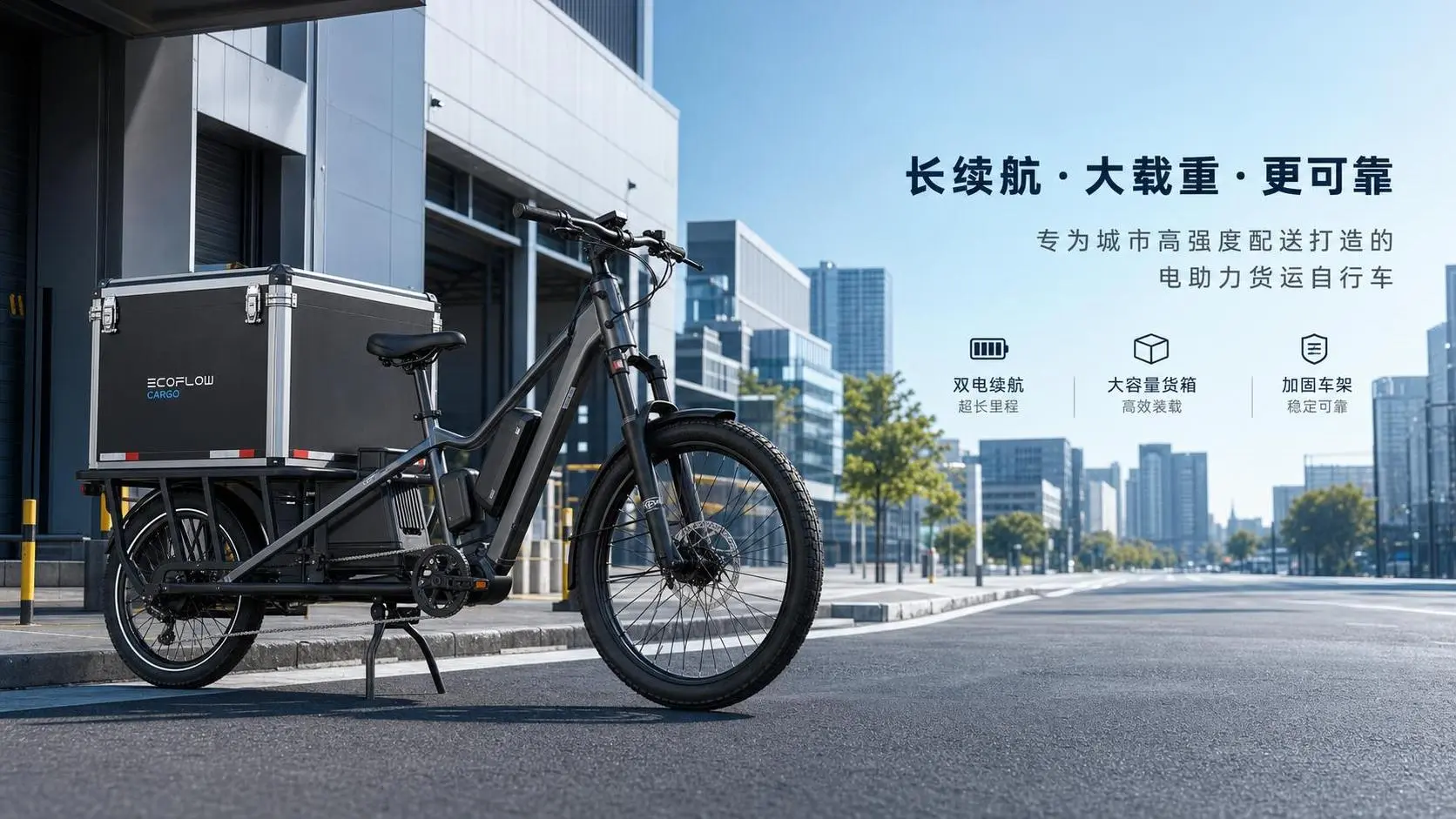
How to Choose a Long-Range Commercial Cargo E-Bike for Delivery Operations
Commercial cargo e-bike long range buying guide: learn how to assess battery, payload, route fit, and uptime support to choose a reliable delivery model with lower operating costs.
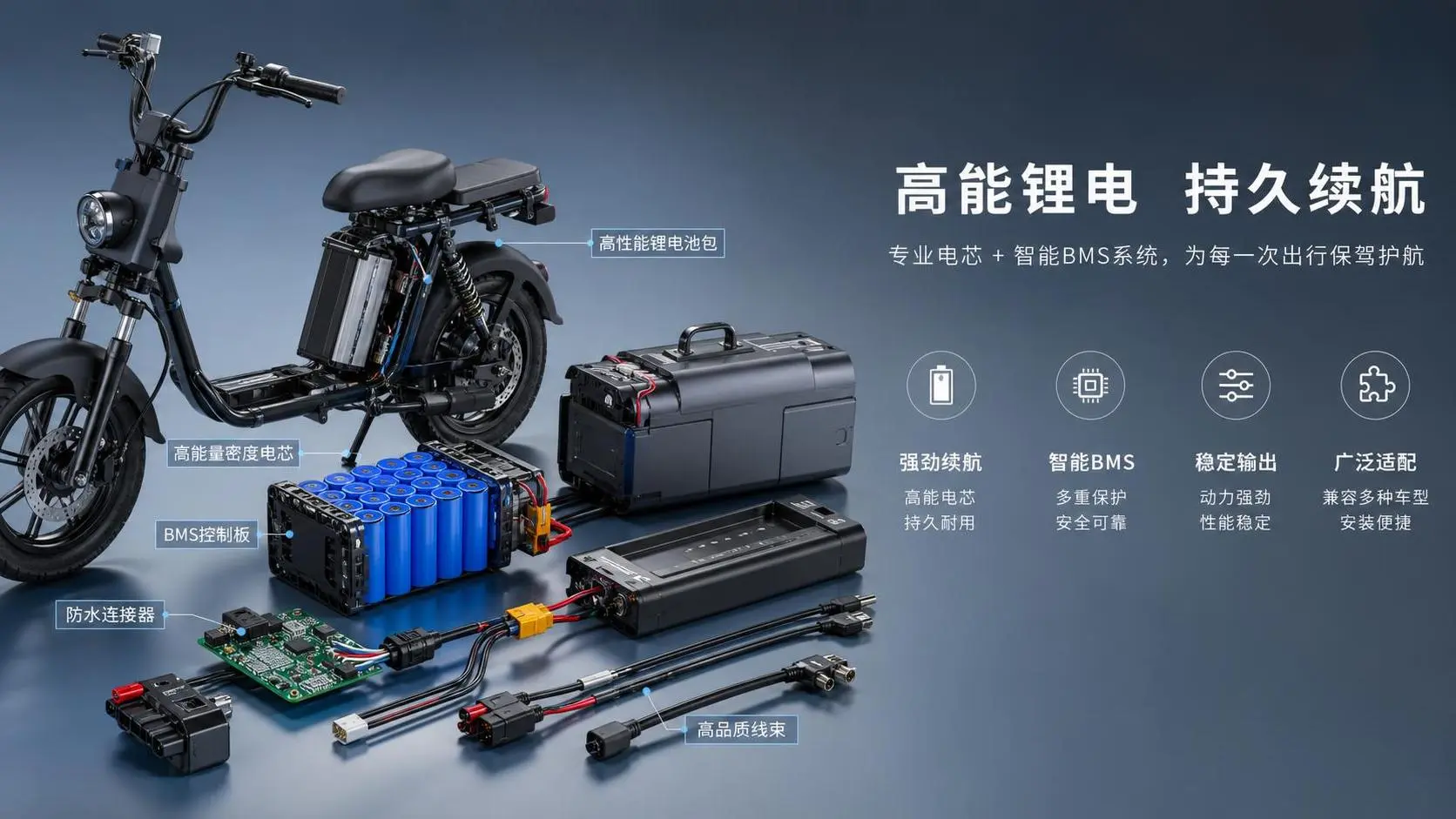
How to Select the Right E-Bike Battery Components for Range, Safety, and Fit?
E-bike component selection battery guide: learn how to choose the right battery components for better range, stronger safety, and perfect fit across modern e-bike platforms.

How to Evaluate Core Component Suppliers for Electric Motorcycles Before Sourcing?
Core component suppliers for electric motorcycles can make or break safety, compliance, and delivery. Learn how to assess technical strength, certifications, quality control, and hidden sourcing risks before you buy.

E-Bike Incentives Explained: How Riders Can Find Local Rebates and Tax Credits
E bike incentives explained: learn how to find local rebates, tax credits, and utility offers, avoid common mistakes, and cut the real cost of your next e-bike.

How to Choose Lightweight Scooter Frames in Europe: Materials, Standards, and Use Cases
Lightweight scooter frames Europe buyers need should balance materials, EN standards, durability, and real use cases. Discover how to choose safer, smarter, compliant frames.

What Is the Intellectualization of Mobility Platform and How Is It Applied in Shared Fleets?
Intellectualization of mobility platform is reshaping shared fleets with real-time data, predictive maintenance, and smarter compliance—learn how it boosts safety, uptime, and urban mobility efficiency.

Urban Micro-Mobility Systems in Latin America: Key Market Drivers, Barriers, and Growth Segments
Urban micro-mobility systems Latin America are reshaping city transport. Explore key drivers, barriers, and high-growth segments to spot the region’s most investable opportunities.

Electric Motorcycle Systems Price Breakdown: What Affects Cost From Battery to Controller?
Electric motorcycle systems price explained: see how battery, controller, motor, BMS, and wiring affect total cost, reliability, and sourcing value before you buy.

72V Electric Motorcycle Technology Explained: Motors, Controllers, Range, and Charging
Electric motorcycle technology 72V explained clearly: compare motors, controllers, range, battery design, and charging to choose a smoother, stronger, and smarter electric ride.