
Related News
- 00
0000-00
How to Evaluate Core Component Suppliers for Electric Motorcycles Before Sourcing? - 00
0000-00
Electric Motorcycle Systems Price Breakdown: What Affects Cost From Battery to Controller? - 00
0000-00
Micro-mobility Systems Explained: Core Components, Operating Models, and City Use Cases - 00
0000-00
Electrification Strategies in Europe: Policy, Charging, and ROI Factors for Fleet Planning - 00
0000-00
OEM Market Share in Electric Motorcycles: What It Reveals About Brand Positioning
Ms. Elena Rodriguez
Weekly Insights
Stay ahead with our curated technology reports delivered every Monday.
International Voice Building for B2B Brands: Channels, Messaging, and Market Fit





International Voice Building for B2B Brands: where does it really start?
International voice building begins long before promotion. It starts with clarity, proof, and consistency across markets.
For cross-border B2B growth, visibility alone is not enough. A brand must sound credible, informed, and locally relevant.
That is especially true in micro-mobility, where policy shifts, technical standards, and category education move at different speeds.
UMMS reflects this reality well. Its value is not built on noise, but on stitched intelligence across e-bikes, smart e-scooters, e-motorcycles, wiper systems, and drivetrain components.
In practical terms, international voice building means creating a recognizable point of view that holds up in search, media, partnerships, and technical discussions.
The common mistake is to treat global communication as translation. The stronger approach is to align channel choice, messaging depth, and market fit.
Why do some brands gain global trust faster than others?
Usually, they do three things well. They publish in the right places, say something specific, and back it with evidence.
International voice building is not about sounding larger than reality. It is about reducing uncertainty for people encountering the brand in a new market.
In sectors tied to electrification and low-carbon transport, trust forms around technical legitimacy and market awareness.
A generic promise about innovation rarely works. A sharper message might explain battery thermal logic, wireless shifting reliability, or scooter right-of-way regulation impacts.
That is why intelligence-led platforms matter. When a market voice is connected to policy, engineering, and commercial timing, it carries more weight internationally.
- Authority grows when messaging explains change, not just products.
- Credibility rises when claims are supported by technical and market signals.
- Relevance improves when each market hears a message shaped by its local concerns.
Which channels matter most for international voice building?
There is no single best channel. The better question is which channel matches the buyer journey, search behavior, and market maturity.
For complex B2B industries, international voice building usually works through a channel mix rather than one headline platform.
Owned media builds depth. Trade media builds third-party validation. Search content captures intent. Events and webinars create live trust.
In micro-mobility, channel choice often depends on whether the topic is technical, regulatory, or commercial.
A useful rule is simple. If the market still needs education, prioritize explanatory content. If the market is crowded, prioritize differentiation and proof.
How should messaging change from one market to another without losing consistency?
This is where many international programs weaken. They confuse consistency with repetition.
Strong international voice building keeps the same strategic core, but adapts the emphasis, examples, and proof points by region.
A market focused on e-bike subsidies may respond to policy timing and compliance readiness.
Another market may care more about durability in shared scooter fleets or battery-swapping practicality for high-speed e-motorcycles.
The core message stays stable. The local framing changes.
What should remain consistent?
- Brand point of view on the future of mobility
- Technical standards for evidence and terminology
- Editorial tone and credibility threshold
- Category focus and strategic positioning
What can be localized?
- Regulatory references and timing
- Use cases and mobility pain points
- Commercial language and buying triggers
- Case examples and proof sources
UMMS offers a practical model here. Its international voice building potential comes from combining technical language with market interpretation, not from using the same narrative everywhere.
How do you know whether your message actually fits the market?
Market fit in communication is visible when the audience recognizes both the problem and the relevance of your response.
If content gets impressions but little engagement, the issue may be mismatch rather than reach.
In actual practice, market fit can be tested through signals rather than assumptions.
- Do search terms align with regional concerns?
- Do industry partners repeat your framing in conversations?
- Do inbound inquiries mention the exact issue your content addresses?
- Do trade editors see your perspective as useful, not promotional?
For international voice building, fit is rarely proven by traffic alone. It is better measured by resonance, citation, and conversion quality.
In micro-mobility, that may mean a growing response to topics like thermal management, anti-interference protocols, or urban right-of-way rules.
When audiences start using your language to explain the market, voice is becoming influence.
What mistakes weaken international voice building even when content volume is high?
The biggest issue is publishing without a narrative system. More content does not automatically create a stronger international voice.
Another frequent problem is overgeneralization. Broad claims about sustainability or innovation sound safe, but they rarely differentiate.
A third mistake is ignoring category language. International voice building depends on speaking with precision inside each technical niche.
That matters whether the topic is brushless motor integration in wiper systems or wireless electronic shifting response in precision drivetrain parts.
There is also a timing issue. If communication trails policy and market shifts, the brand sounds reactive.
The better path is to organize content around a few durable themes, then update them with fresh evidence.
What is a practical roadmap for building an international voice that lasts?
A durable program usually grows in stages rather than all at once.
- Define a narrow strategic position within the wider industry.
- Map market-specific questions by region, regulation, and maturity level.
- Build cornerstone content around high-trust topics.
- Distribute through channels matched to discovery and validation.
- Review search response, citations, and conversation quality every quarter.
For UMMS-like businesses, the advantage lies in insight depth. That depth can be turned into international voice building through recurring commentary, comparative analysis, and policy-linked interpretation.
The goal is not to be everywhere. It is to become reliably useful in the moments where markets need explanation.
If the next step is unclear, start by auditing three things: your strongest proof, your most important markets, and the questions those markets ask before trust forms.
From there, international voice building becomes easier to manage, measure, and strengthen over time.
Related News
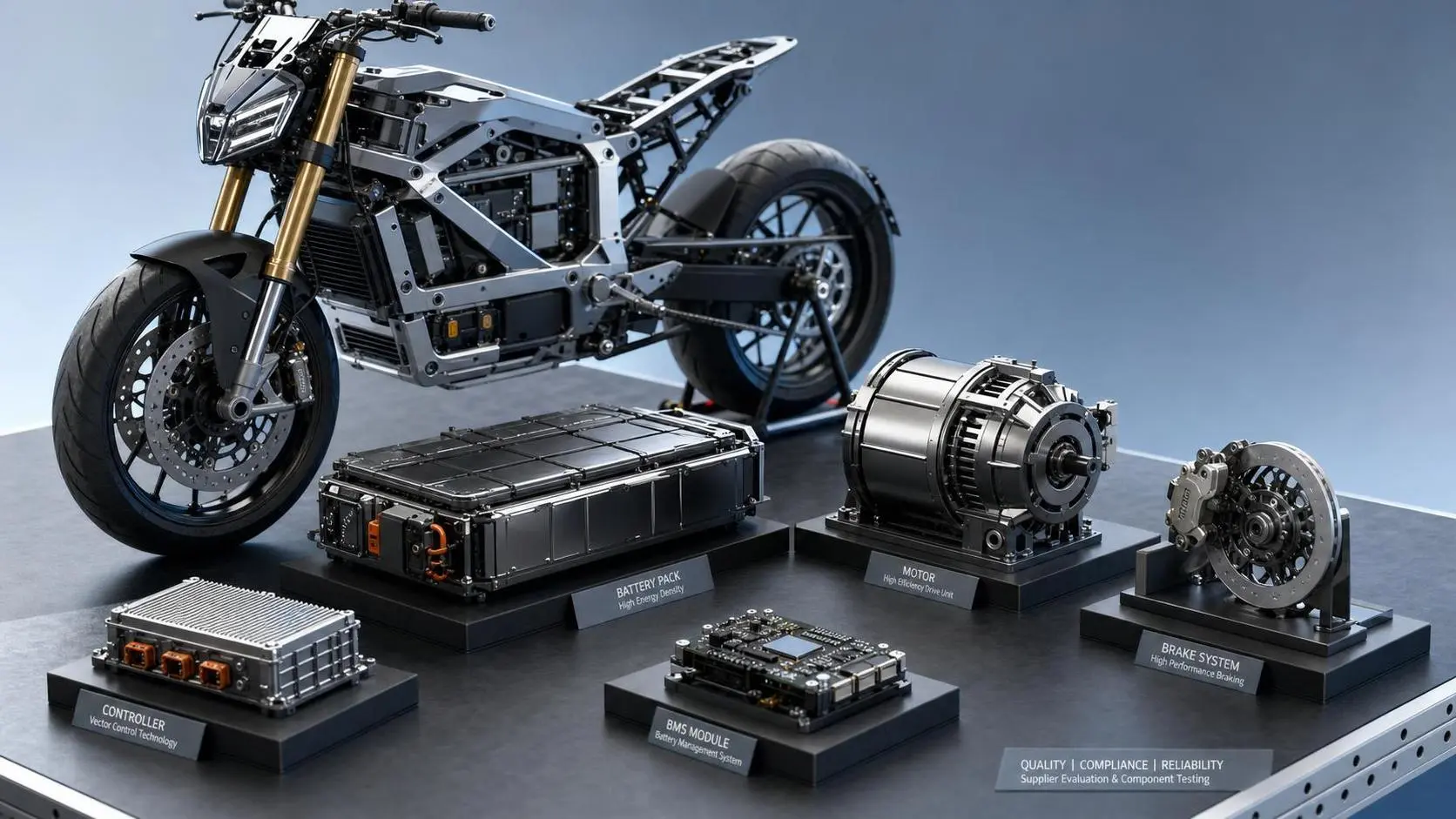
How to Evaluate Core Component Suppliers for Electric Motorcycles Before Sourcing?
Core component suppliers for electric motorcycles can make or break safety, compliance, and delivery. Learn how to assess technical strength, certifications, quality control, and hidden sourcing risks before you buy.
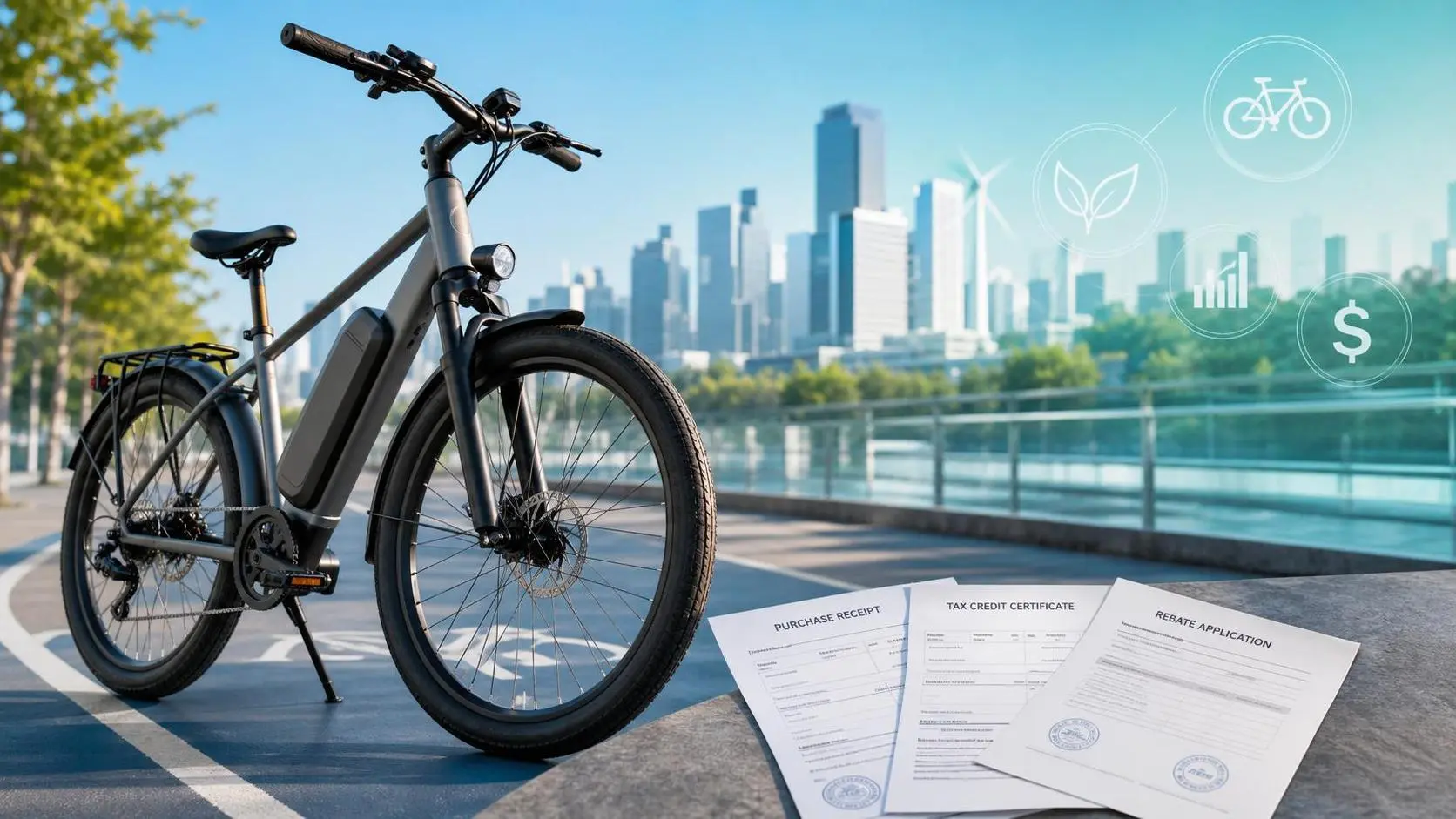
E-Bike Incentives Explained: How Riders Can Find Local Rebates and Tax Credits
E bike incentives explained: learn how to find local rebates, tax credits, and utility offers, avoid common mistakes, and cut the real cost of your next e-bike.
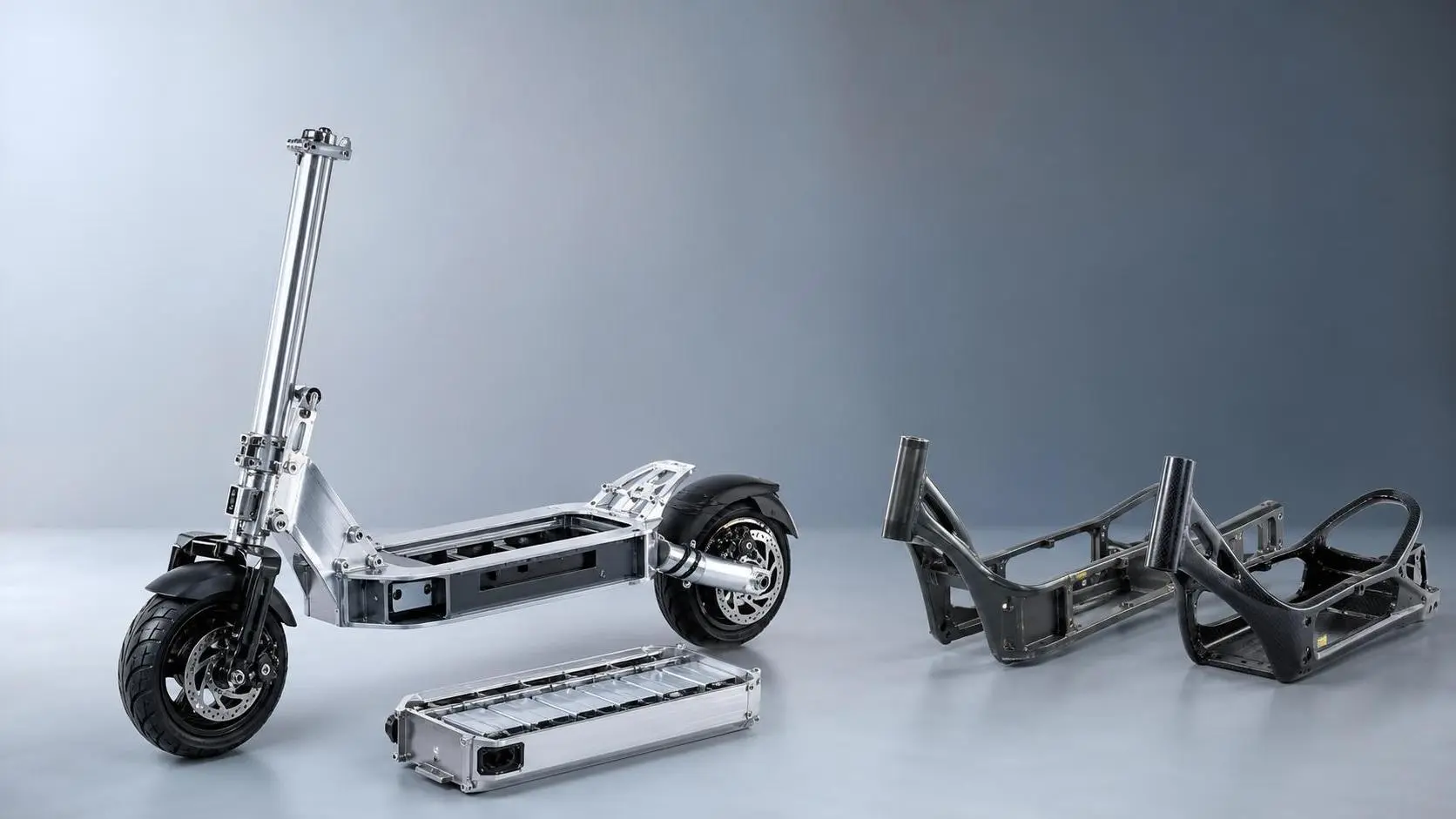
How to Choose Lightweight Scooter Frames in Europe: Materials, Standards, and Use Cases
Lightweight scooter frames Europe buyers need should balance materials, EN standards, durability, and real use cases. Discover how to choose safer, smarter, compliant frames.
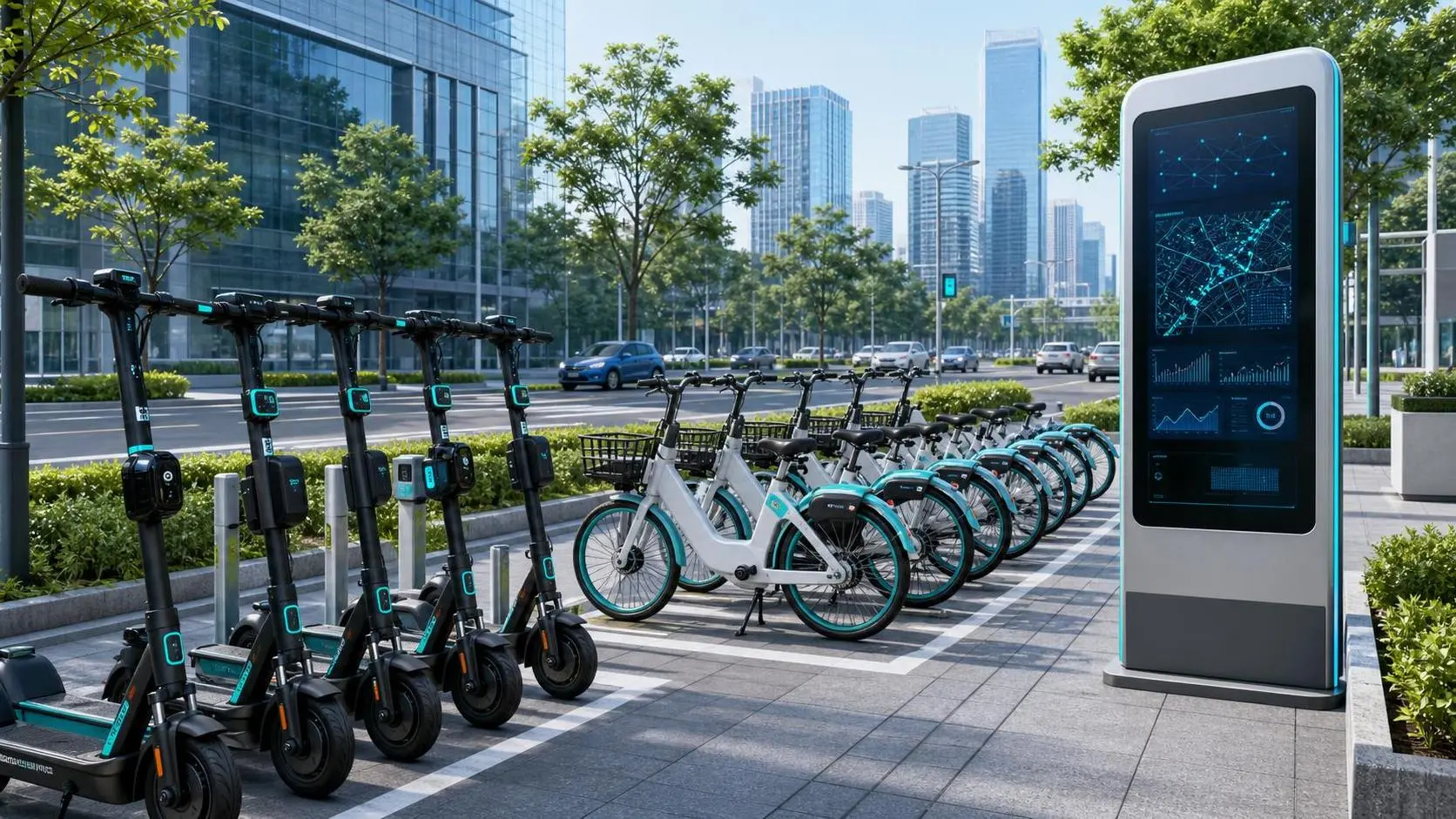
What Is the Intellectualization of Mobility Platform and How Is It Applied in Shared Fleets?
Intellectualization of mobility platform is reshaping shared fleets with real-time data, predictive maintenance, and smarter compliance—learn how it boosts safety, uptime, and urban mobility efficiency.
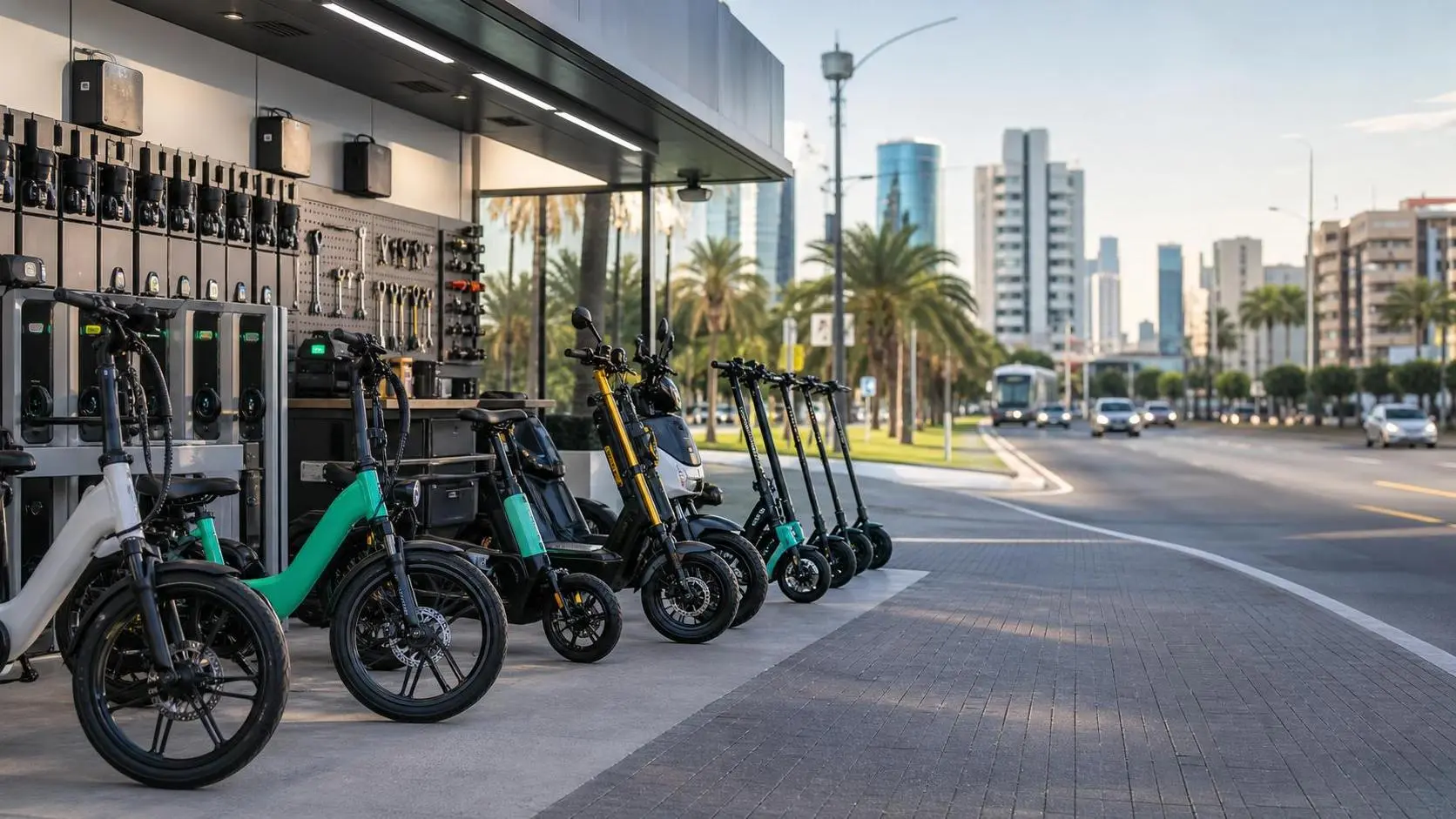
Urban Micro-Mobility Systems in Latin America: Key Market Drivers, Barriers, and Growth Segments
Urban micro-mobility systems Latin America are reshaping city transport. Explore key drivers, barriers, and high-growth segments to spot the region’s most investable opportunities.

Electric Motorcycle Systems Price Breakdown: What Affects Cost From Battery to Controller?
Electric motorcycle systems price explained: see how battery, controller, motor, BMS, and wiring affect total cost, reliability, and sourcing value before you buy.
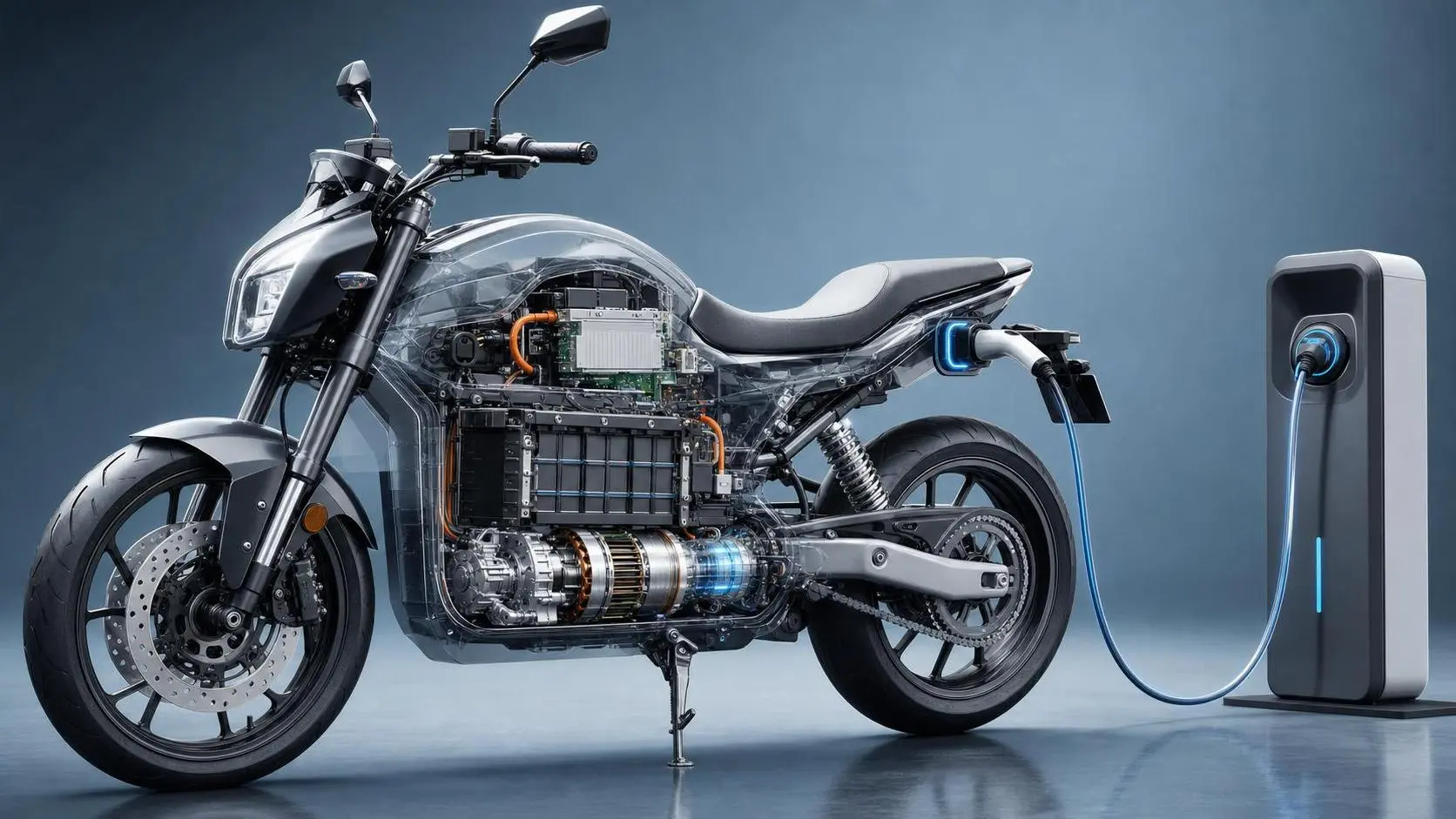
72V Electric Motorcycle Technology Explained: Motors, Controllers, Range, and Charging
Electric motorcycle technology 72V explained clearly: compare motors, controllers, range, battery design, and charging to choose a smoother, stronger, and smarter electric ride.
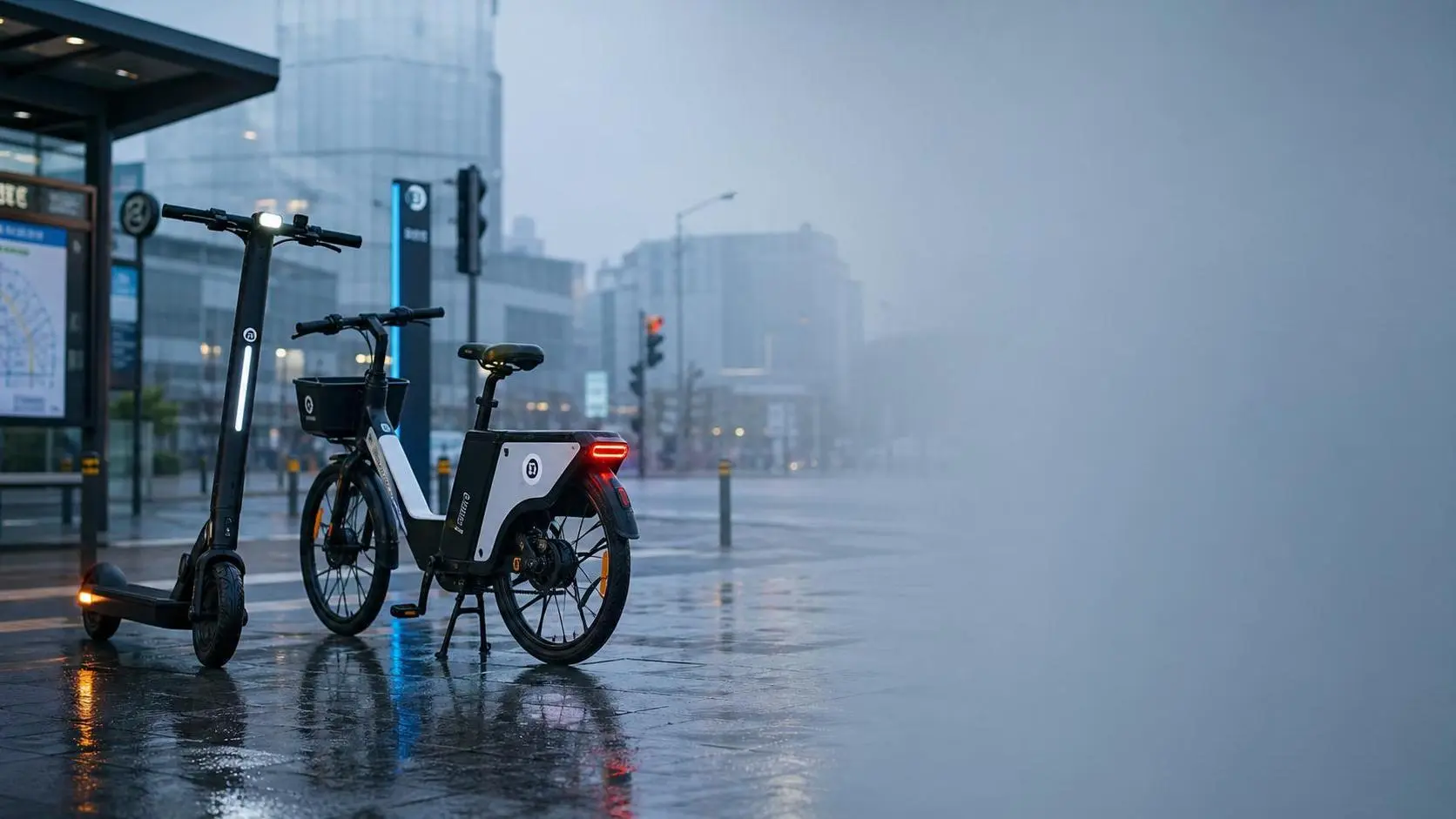
Where LED Urban Visibility Safety Systems Fit Best in Shared Scooters and City E-bikes
LED urban visibility safety systems deliver the most value in shared scooters and city e-bikes by improving multi-angle safety, fleet durability, and urban compliance across real-world routes.

Intellectualization of Mobility in North America: What Is Driving Adoption Across Urban Transport?
Intellectualization of mobility North America is reshaping urban transport through data, smart fleets, and battery intelligence. Explore what is driving adoption and why cities and operators are accelerating now.