
Related News
- 00
0000-00
Electric Motorcycle Systems Price Breakdown: What Affects Cost From Battery to Controller? - 00
0000-00
Micro-mobility Systems Explained: Core Components, Operating Models, and City Use Cases - 00
0000-00
Electrification Strategies in Europe: Policy, Charging, and ROI Factors for Fleet Planning - 00
0000-00
OEM Market Share in Electric Motorcycles: What It Reveals About Brand Positioning - 00
0000-00
What Is a Smart Transportation Platform and Which Urban Mobility Use Cases Fit Best?
Ms. Elena Rodriguez
Weekly Insights
Stay ahead with our curated technology reports delivered every Monday.
How to Evaluate Core Component Suppliers for E-Bike and Scooter Programs





How to Evaluate Core Component Suppliers for E-Bike and Scooter Programs
Choosing the right core component suppliers can determine whether an e-bike or scooter program scales smoothly, meets compliance targets, and protects margins in competitive urban mobility markets.
Evaluation now goes beyond price comparisons. Motor efficiency, battery management reliability, drivetrain precision, IoT readiness, quality systems, and after-sales support all shape long-term program success.
This guide provides a practical checklist for assessing core component suppliers, reducing sourcing risk, and building a resilient component ecosystem for next-generation micro-mobility platforms.
Why a Checklist-Based Supplier Evaluation Matters
E-bikes, smart scooters, and high-speed electric motorcycles depend on tightly integrated electromechanical systems. One weak component can damage safety, range, comfort, and service economics.
A structured checklist helps compare core component suppliers across technical capability, delivery stability, certification readiness, and commercial resilience, instead of relying on quotations alone.
It also creates traceable decisions. That matters when programs expand across Europe, North America, Southeast Asia, or shared fleet environments with different road rules.
Core Component Suppliers Evaluation Checklist
Use the following checklist before shortlisting core component suppliers for motors, batteries, controllers, brakes, displays, IoT modules, drivetrains, and visibility systems.
- Verify application fit by matching supplier experience with commuter e-bikes, cargo bikes, shared scooters, high-speed motorcycles, or precision drivetrain platforms.
- Measure motor efficiency across realistic torque, cadence, temperature, and gradient conditions, not only at laboratory peak performance points.
- Assess battery management logic for cell balancing, thermal protection, fault reporting, charging compatibility, and resistance to abusive operating cycles.
- Check controller calibration capability, including acceleration smoothness, regenerative braking behavior, firmware stability, and compatibility with local speed limits.
- Review drivetrain precision by testing shifting response, chain retention, gear wear, torque transfer, and electronic interference resistance.
- Validate brake system performance under wet roads, downhill loads, repeated emergency stops, and high-frequency shared mobility usage.
- Confirm IoT module readiness through GNSS accuracy, anti-theft logic, OTA updates, data encryption, and low-power standby behavior.
- Inspect visibility and wiper-related systems for durability, sensor reliability, motor noise, weather sealing, and fail-safe operating modes.
- Demand documented compliance support for EN 15194, UL 2849, UN 38.3, CE, FCC, RoHS, REACH, and local transport rules.
- Audit quality systems by reviewing incoming inspection, process control, traceability, corrective actions, reliability testing, and warranty failure analysis.
- Evaluate production scalability by checking capacity reserves, automation levels, tooling ownership, lead-time discipline, and multi-site manufacturing options.
- Compare commercial stability through material cost exposure, financial health, geopolitical risk, inventory strategy, and long-term price adjustment mechanisms.
Technical Depth: What Strong Suppliers Can Prove
Reliable core component suppliers do not only present catalogs. They provide test curves, failure data, engineering explanations, and clear boundaries for safe operation.
For e-bike drive units, request efficiency maps, thermal derating curves, waterproofing evidence, noise measurements, and endurance results under dust and vibration.
For scooter platforms, focus on controller response, battery enclosure protection, connector robustness, and data interfaces that support fleet maintenance analytics.
For high-speed electric motorcycles, examine battery discharge capability, thermal management, motor insulation, braking integration, and compatibility with battery-swapping architecture.
Questions to Ask During Technical Review
- Ask how firmware changes are validated before release, especially when controller, BMS, display, and IoT modules come from different sources.
- Request accelerated life testing data that reflects vibration, moisture, salt spray, thermal cycling, overload, and real urban stop-start conditions.
- Compare engineering response time during sample debugging, because slow root-cause analysis often predicts future production delays.
- Confirm whether core component suppliers can customize connectors, firmware, mounting interfaces, labeling, and diagnostics without disrupting certification.
Quality, Compliance, and Traceability Checks
Quality should be verified through evidence, not claims. Strong core component suppliers maintain process records that connect each batch to materials, operators, tests, and shipment dates.
Traceability is especially important for batteries, brakes, controllers, and electronic shifting systems. These parts can trigger recalls if failure patterns are hidden.
Certification readiness should be checked early. A supplier that understands test requirements can reduce redesign costs and prevent launch delays.
- Review incoming material controls for cells, magnets, MOSFETs, sensors, bearings, aluminum parts, cables, seals, and electronic components.
- Check final inspection procedures, including functional tests, waterproof tests, torque checks, communication checks, and cosmetic acceptance criteria.
- Require failure reports that show containment actions, root cause, corrective measures, verification results, and recurrence prevention.
- Confirm that compliance documents are current, product-specific, and connected to the exact configuration offered for the target program.
Scenario-Based Evaluation for Different Micro-Mobility Programs
Urban Commuter E-Bikes
For commuter e-bikes, core component suppliers should prioritize efficiency, low noise, intuitive assist feel, predictable braking, and long service intervals.
Battery packaging, charger safety, display readability, and derailleur reliability matter because daily riders notice small usability problems quickly.
Shared Smart E-Scooters
Shared scooter programs require core component suppliers with strong durability records. Components face misuse, weather exposure, curb impacts, and frequent charging cycles.
IoT readiness is not optional. Remote diagnostics, geofencing, lock control, battery status reporting, and OTA capability directly affect fleet economics.
High-Speed E-Motorcycles
High-speed electric motorcycles require deeper validation. Motor torque, battery discharge, heat dissipation, braking coordination, and structural mounting loads are safety-critical.
Core component suppliers should provide engineering support for homologation, battery-swapping options, charger compatibility, and long-term parts availability.
Precision Bicycle Drivetrain Platforms
For mechanical or wireless electronic shifting, evaluate response time, actuator durability, battery life, crash resistance, and anti-interference performance.
Suppliers should demonstrate repeatable shifting under load, contamination, temperature variation, and rider-generated torque spikes.
Commercial and Supply Chain Resilience
Commercial strength is part of technical reliability. Core component suppliers with unstable capacity or unclear sourcing can create hidden program risk.
Review dependency on single factories, restricted chips, rare-earth magnets, battery cells, specialized tooling, and logistics routes affected by regional disruption.
A resilient supplier should support forecast sharing, buffer stock planning, lifecycle management, and alternative components before shortages appear.
- Map tier-two and tier-three exposure for cells, semiconductors, magnets, bearings, castings, displays, communication chips, and safety-critical sensors.
- Negotiate transparent lead times, minimum order quantities, forecast windows, engineering change notice periods, and end-of-life notification rules.
- Check whether core component suppliers can provide regional warehousing, spare parts kits, and repair instructions for major target markets.
Commonly Overlooked Risks
Firmware ownership: unclear software rights can block diagnostics, OTA updates, local compliance changes, and integration with fleet management systems.
Connector inconsistency: minor connector changes can cause waterproofing failures, service confusion, communication errors, and unexpected certification retesting.
Unverified substitutions: component replacement without approval can alter thermal behavior, braking feel, motor output, or battery protection performance.
Weak field feedback loops: core component suppliers that do not analyze returned parts may repeat the same defects across future batches.
Compliance gaps: documents that appear complete may not match the exact battery, controller, charger, or communication configuration being purchased.
Practical Execution Plan
Start with a weighted scorecard. Assign more value to safety, compliance, integration, and quality stability than to unit price alone.
Next, request engineering samples from shortlisted core component suppliers. Test them on actual frames, controllers, displays, batteries, and operating profiles.
Run a pilot build before confirming volume orders. Record assembly issues, firmware bugs, noise problems, thermal limits, and service access difficulties.
Then complete an on-site or remote audit. Focus on process discipline, test equipment calibration, traceability, change control, and after-sales capability.
- Build a shortlist using technical fit, certification support, delivery reliability, field data, and willingness to cooperate during integration.
- Test samples under realistic load, weather, vibration, charging, braking, and communication conditions before negotiating final commercial terms.
- Lock configuration control documents covering firmware version, part numbers, materials, connectors, labels, packaging, and approved substitutions.
- Create a launch review with failure thresholds, spare parts planning, warranty handling, field reporting, and continuous improvement routines.
Summary and Next Steps
Evaluating core component suppliers requires a balance of engineering evidence, compliance discipline, commercial resilience, and field service readiness.
The strongest partners prove performance across motors, batteries, controllers, drivetrains, IoT systems, brakes, and visibility technologies under real operating conditions.
Use the checklist to compare core component suppliers consistently, expose hidden risks early, and protect the long-term competitiveness of micro-mobility platforms.
For the next step, define target vehicle scenarios, build a weighted scorecard, request verified test evidence, and validate shortlisted suppliers through pilot production.
Related News
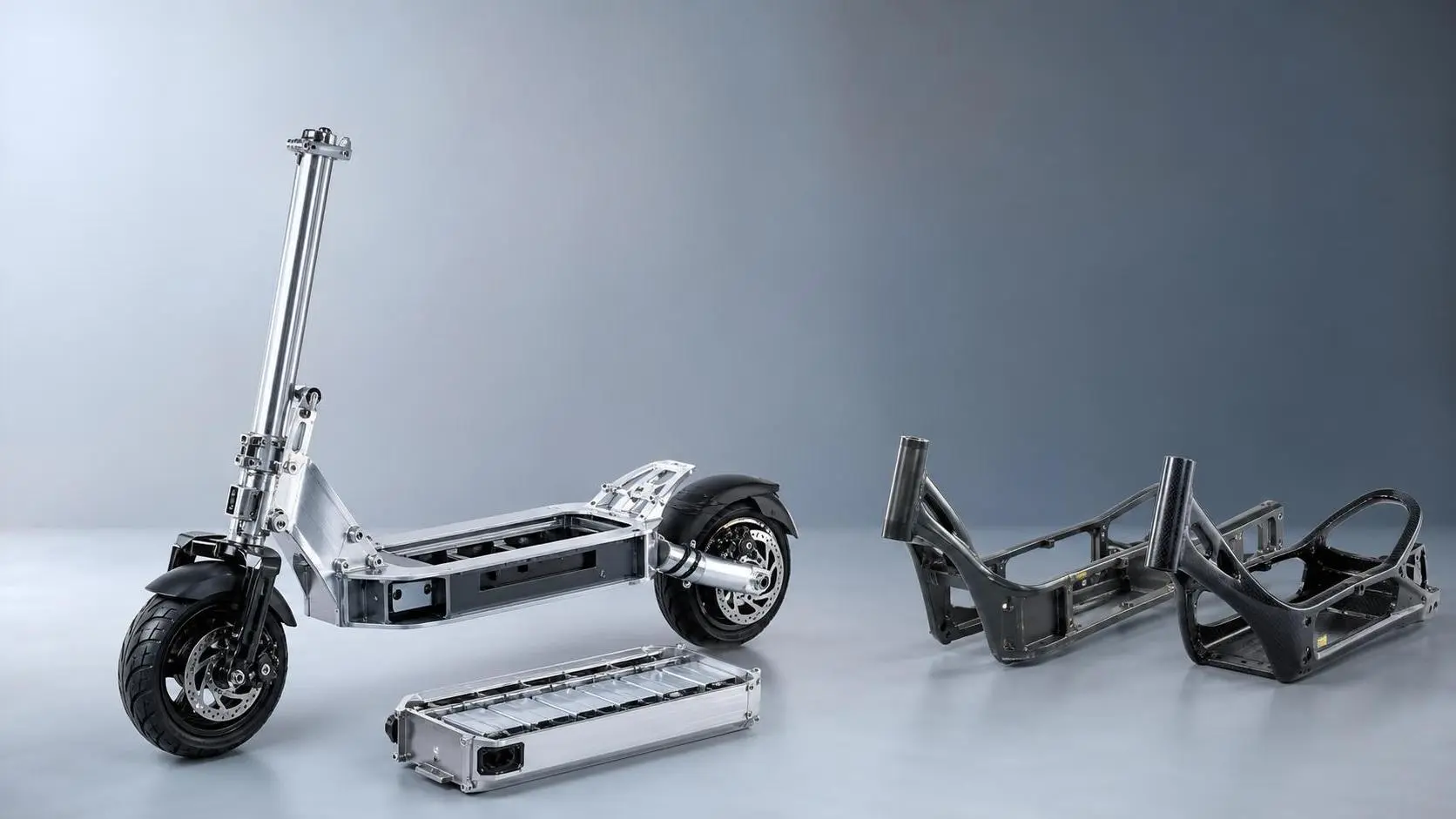
How to Choose Lightweight Scooter Frames in Europe: Materials, Standards, and Use Cases
Lightweight scooter frames Europe buyers need should balance materials, EN standards, durability, and real use cases. Discover how to choose safer, smarter, compliant frames.

What Is the Intellectualization of Mobility Platform and How Is It Applied in Shared Fleets?
Intellectualization of mobility platform is reshaping shared fleets with real-time data, predictive maintenance, and smarter compliance—learn how it boosts safety, uptime, and urban mobility efficiency.
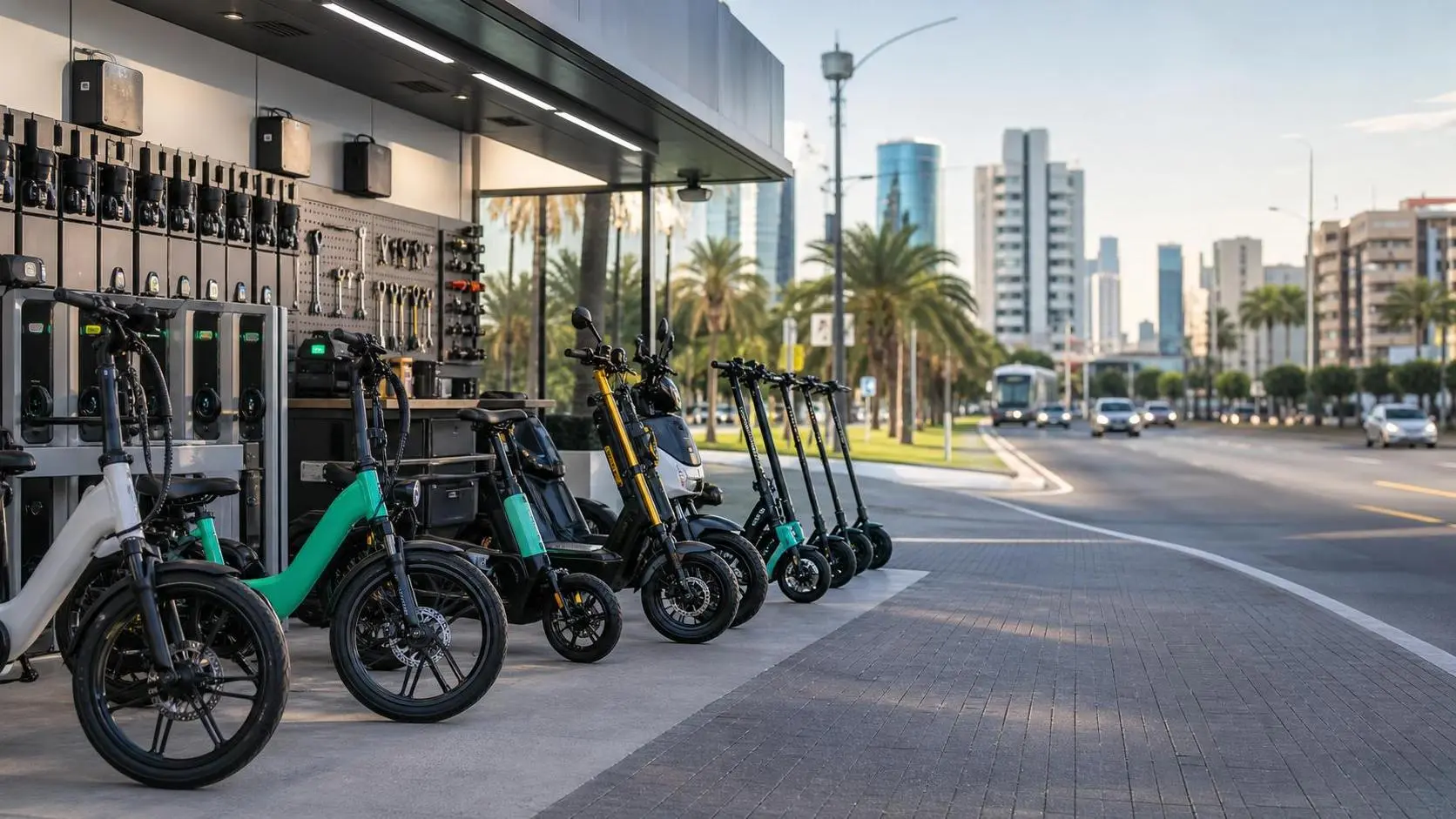
Urban Micro-Mobility Systems in Latin America: Key Market Drivers, Barriers, and Growth Segments
Urban micro-mobility systems Latin America are reshaping city transport. Explore key drivers, barriers, and high-growth segments to spot the region’s most investable opportunities.
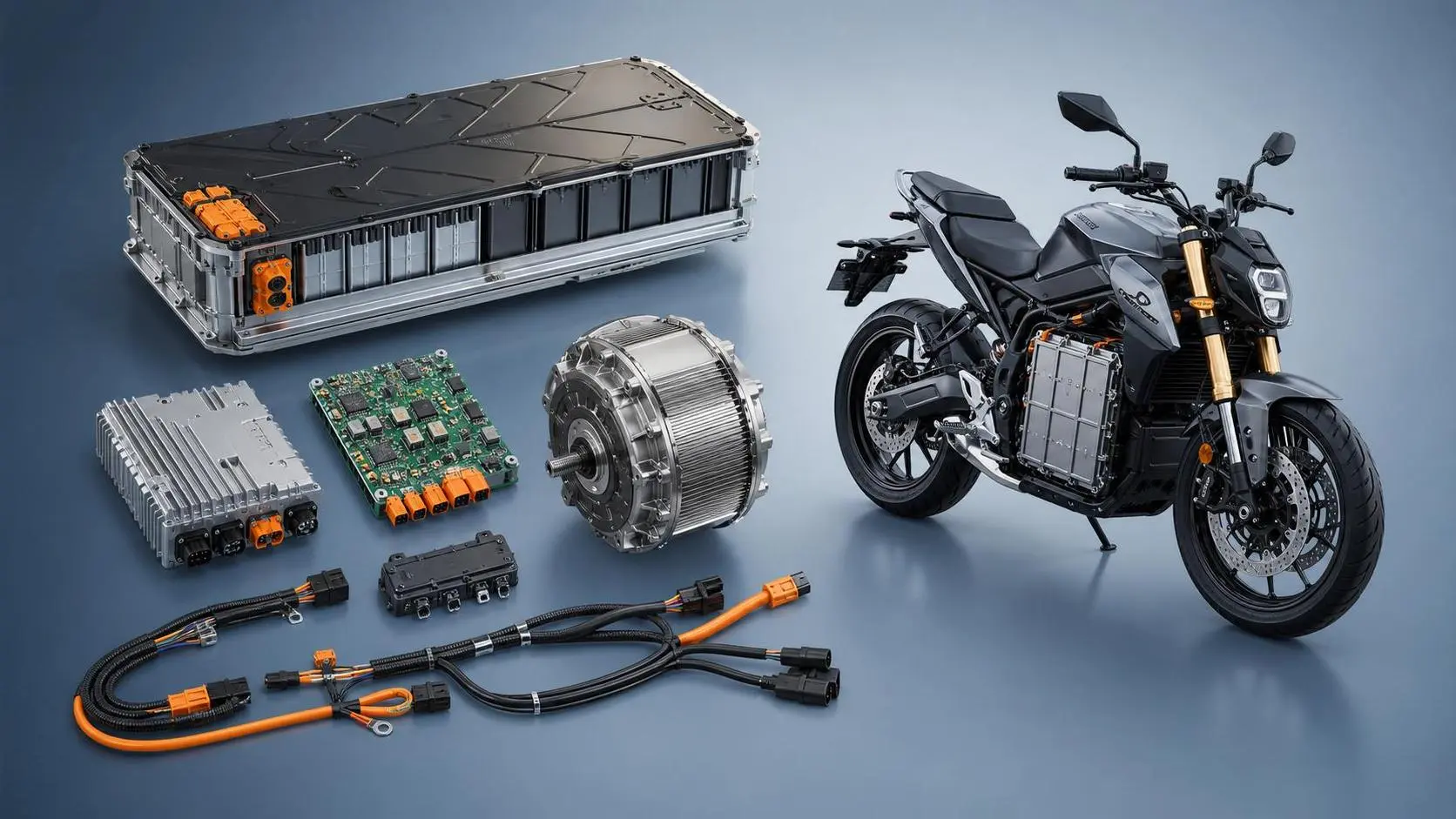
Electric Motorcycle Systems Price Breakdown: What Affects Cost From Battery to Controller?
Electric motorcycle systems price explained: see how battery, controller, motor, BMS, and wiring affect total cost, reliability, and sourcing value before you buy.
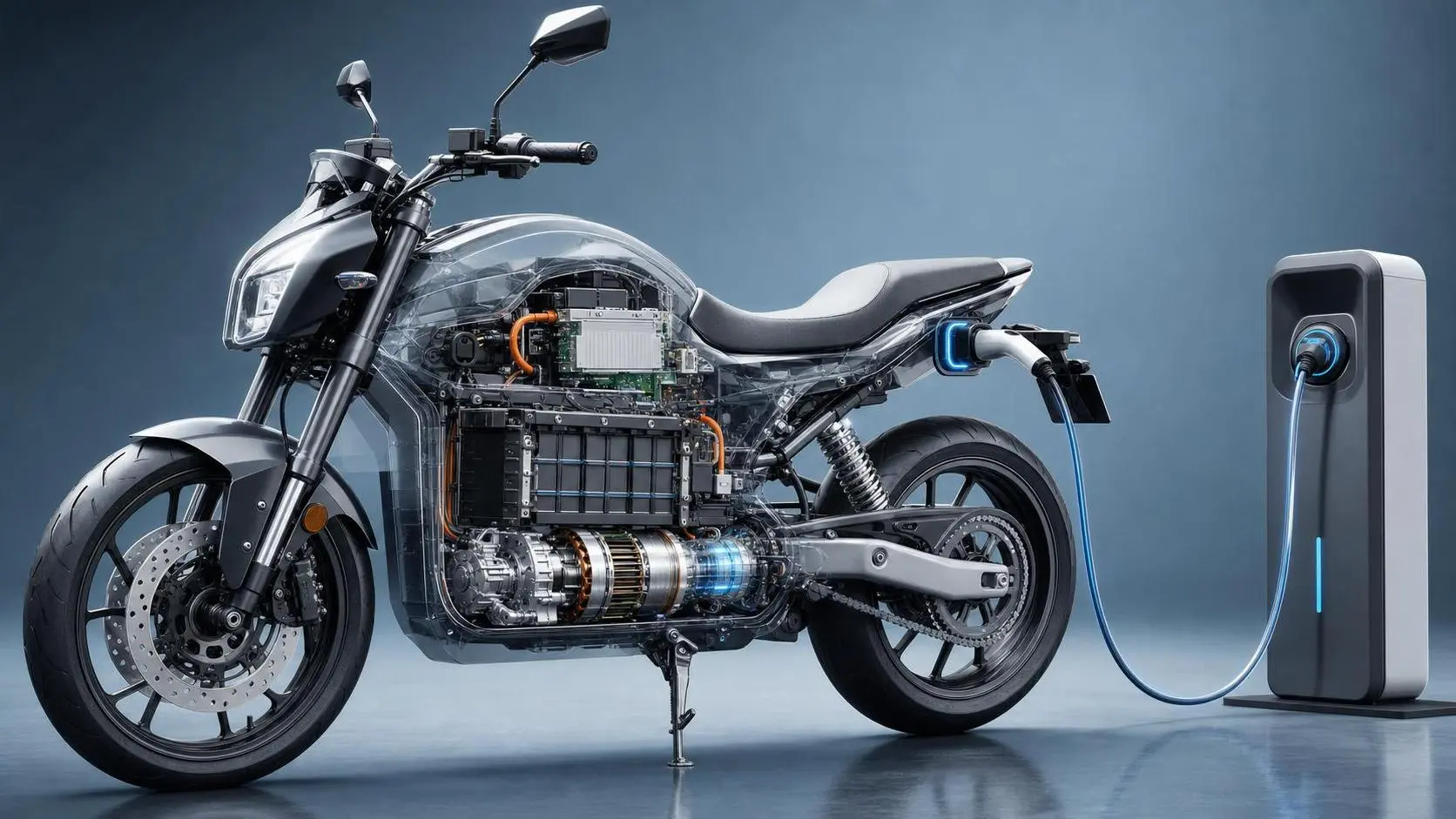
72V Electric Motorcycle Technology Explained: Motors, Controllers, Range, and Charging
Electric motorcycle technology 72V explained clearly: compare motors, controllers, range, battery design, and charging to choose a smoother, stronger, and smarter electric ride.

Where LED Urban Visibility Safety Systems Fit Best in Shared Scooters and City E-bikes
LED urban visibility safety systems deliver the most value in shared scooters and city e-bikes by improving multi-angle safety, fleet durability, and urban compliance across real-world routes.

Intellectualization of Mobility in North America: What Is Driving Adoption Across Urban Transport?
Intellectualization of mobility North America is reshaping urban transport through data, smart fleets, and battery intelligence. Explore what is driving adoption and why cities and operators are accelerating now.
How to Choose a Compact Battery Pack: Size, Energy Density, Thermal Design, and Cycle Life
Compact battery pack selection starts with more than size. Learn how energy density, thermal design, and cycle life shape range, safety, and long-term value.
What Is Driving Green Two-wheelers Demand in Europe? Policy, Fuel Costs, and Buyer Segments
Green two-wheelers demand Europe is rising as policy support, fuel cost pressure, and diverse buyer segments reshape urban mobility. Explore the trends driving the next growth wave.