
Related News
- 00
0000-00
Electric Motorcycle Systems Price Breakdown: What Affects Cost From Battery to Controller? - 00
0000-00
Micro-mobility Systems Explained: Core Components, Operating Models, and City Use Cases - 00
0000-00
Electrification Strategies in Europe: Policy, Charging, and ROI Factors for Fleet Planning - 00
0000-00
OEM Market Share in Electric Motorcycles: What It Reveals About Brand Positioning - 00
0000-00
What Is a Smart Transportation Platform and Which Urban Mobility Use Cases Fit Best?
Ms. Elena Rodriguez
Weekly Insights
Stay ahead with our curated technology reports delivered every Monday.
Mobility Value Chain Explained: Where E-Bike and Scooter Profits Are Made





Mobility Value Chain Explained: Where E-Bike and Scooter Profits Are Made
Understanding the mobility value chain is now essential for finding profitable positions in the fast-evolving e-bike and smart scooter market.
Electrification, battery intelligence, IoT connectivity, and low-carbon urban policies have changed where value is created.
Profit is no longer captured only when a vehicle is sold. It is distributed across components, software, energy, data, distribution, and service.
For urban micro-mobility, the mobility value chain reveals which segments carry margin, bargaining power, and long-term strategic control.
Why the Mobility Value Chain Must Be Judged by Scenario
E-bikes, smart scooters, and high-speed electric motorcycles may share batteries and motors, but their business logic differs sharply.
A commuter e-bike values reliability, serviceability, and assisted range. A shared scooter values uptime, fleet control, and anti-vandal design.
A premium electric motorcycle values torque density, thermal management, fast charging, and battery-swapping compatibility.
Therefore, the mobility value chain should be mapped by usage scene, not by vehicle category alone.
The same component can create different profit potential depending on regulation, duty cycle, climate, repair network, and user expectations.
Scenario One: Urban Commuter E-Bikes and the Margin in Trust
In commuter e-bikes, profit is often made before branding becomes visible. Motors, batteries, controllers, brakes, and drivetrains define perceived quality.
The strongest positions in this mobility value chain sit around high-efficiency drive units and certified battery packs.
Range anxiety, safety concerns, and maintenance cost shape buying decisions. Components that reduce failure risk gain pricing power.
Electronic shifting and precision derailleur systems also create value when they improve riding smoothness under mixed human-electric power.
The key judgment is simple: commuter products reward durability more than novelty. The mobility value chain favors proven systems.
Core Profit Pools in Commuter E-Bikes
- Mid-drive motors with high torque efficiency and low noise.
- Battery management systems with strong cell balancing and thermal protection.
- Braking, lighting, and visibility systems that support daily safety.
- Aftermarket parts and service packages that extend product life.
Scenario Two: Shared Smart Scooters and the Margin in Control
Shared scooters create value differently. The initial vehicle price matters, but lifetime fleet economics matter more.
In this mobility value chain, IoT modules, remote diagnostics, battery health analytics, and geofencing software are strategic profit centers.
A scooter that survives abuse, rain, curb impacts, and frequent charging creates stronger returns than a cheaper unit.
Here, margins move toward rugged frames, waterproof connectors, swappable battery design, and fleet management platforms.
The decision point is uptime. Every hour of operational availability improves the economics of the mobility value chain.
What to Measure in Shared Scooter Deployments
- Average daily rides per vehicle.
- Repair frequency after pavement shocks and weather exposure.
- Battery swap time and charging logistics cost.
- Theft prevention, location accuracy, and remote locking reliability.
Scenario Three: High-Speed E-Motorcycles and the Margin in Power Systems
High-speed electric motorcycles sit at the performance end of micro-mobility. Their value creation depends on powertrain credibility.
The mobility value chain in this segment concentrates around battery modules, inverters, thermal systems, and torque control algorithms.
Instant acceleration attracts attention, but sustained performance determines real customer confidence.
Thermal fade, charging bottlenecks, and battery degradation can quickly destroy margin after sale.
Battery-swapping networks can shift profit from hardware sales toward energy subscription and infrastructure control.
This makes the mobility value chain highly dependent on ecosystem access, standard compatibility, and energy asset utilization.
Scenario Four: Precision Bicycle Components and the Margin in Experience
Mechanical components remain important even as electrification accelerates. Drivetrain quality shapes efficiency, control, and rider satisfaction.
Wireless electronic shifting brings a new layer to the mobility value chain: firmware, sensors, batteries, and communication protocols.
The profit pool expands when mechanical craftsmanship merges with software calibration and anti-interference reliability.
This scene rewards precision. A small improvement in shift response can influence premium positioning and repeat purchases.
For performance-oriented e-bikes, derailleur systems must manage higher chain tension and mixed torque input.
The mobility value chain becomes stronger when drivetrain modules are designed for electrified load, not only traditional cycling.
Different Demand Patterns Across the Mobility Value Chain
This comparison shows why a single margin model cannot explain the full mobility value chain.
Each scene has a different path from technical advantage to pricing power and recurring revenue.
Where Profits Are Actually Captured
1. Core Components with Safety Consequences
Battery packs, motors, controllers, brakes, and visibility systems command value because failure has immediate consequences.
In the mobility value chain, safety-critical components gain leverage through certification, testing data, and field reliability.
2. Software That Reduces Operating Cost
Fleet dashboards, predictive maintenance, battery analytics, and remote locking do not simply add features.
They reduce losses, downtime, and manual intervention. This turns software into a recurring profit layer.
3. Energy and Battery Lifecycle Control
Battery economics extend beyond the first sale. Charging, swapping, refurbishment, and recycling influence lifetime returns.
The mobility value chain becomes more defensible when energy assets remain connected to service networks.
4. Distribution and Local Compliance
Urban mobility is regulated locally. Speed limits, subsidy rules, helmet laws, and parking rules affect product-market fit.
Compliance knowledge can protect margin by reducing redesigns, recalls, and blocked market entry.
Scene-Based Adaptation Recommendations
- Map profit pools by duty cycle, not by product label.
- Prioritize components that influence safety, uptime, or battery lifespan.
- Treat software as an operating-cost tool, not a decorative function.
- Build battery data feedback loops from use, charging, repair, and warranty claims.
- Match product architecture with local policy, climate, and road conditions.
These actions make the mobility value chain visible at the level where profit decisions are actually made.
They also reduce the risk of investing in features that users do not value in a specific scene.
Common Misjudgments in the Mobility Value Chain
Misjudgment One: Vehicle Assembly Equals Value Capture
Assembly can scale volume, but it does not always secure margin. Many profits sit upstream in specialized components.
The mobility value chain rewards those controlling scarce know-how, certification barriers, or operating data.
Misjudgment Two: Lower Battery Cost Always Improves Profit
A cheaper battery may increase warranty risk, reduce range stability, or weaken safety confidence.
Battery value should be judged by lifecycle cost, thermal behavior, and service traceability.
Misjudgment Three: Connectivity Is Only for Shared Fleets
Personal e-bikes and e-motorcycles also benefit from diagnostics, theft prevention, firmware updates, and battery monitoring.
Connectivity strengthens the mobility value chain when it improves ownership experience and service efficiency.
Misjudgment Four: Regulations Are External Noise
Regulations shape speed, power, battery transport, data privacy, and street access.
Ignoring policy signals can turn a technically strong product into a commercially weak one.
How Strategic Intelligence Improves Mobility Value Chain Decisions
Urban micro-mobility changes quickly because technology, policy, and user behavior move together.
Reliable intelligence connects subsidy trends, right-of-way rules, battery standards, sensor upgrades, and drivetrain evolution.
This is where a structured view of the mobility value chain becomes practical.
It helps identify which technology layer can defend price, which service layer can repeat revenue, and which market is ready.
For e-bikes, the priority may be certified battery safety and drivetrain efficiency.
For scooters, the priority may be IoT uptime, rugged chassis design, and fleet maintenance data.
For e-motorcycles, the priority may be thermal control, battery-swapping compatibility, and power electronics reliability.
Action Guide: Turning Value Chain Insight into Profit
Start by defining the dominant use scene. Then trace cost, risk, data, and service responsibility across the entire product lifecycle.
Next, rank each node of the mobility value chain by three questions.
- Does this node reduce safety, downtime, or energy risk?
- Does this node create recurring service or data value?
- Does this node remain defensible under regulation and competition?
The best profit positions usually answer yes to at least two of these questions.
A strong mobility value chain strategy does not chase every trend. It chooses the scenes where technology becomes leverage.
In the next phase of micro-mobility, margins will follow efficiency, intelligence, reliability, and lifecycle control.
Those who read the mobility value chain correctly will find profit before the market fully prices it in.
Related News
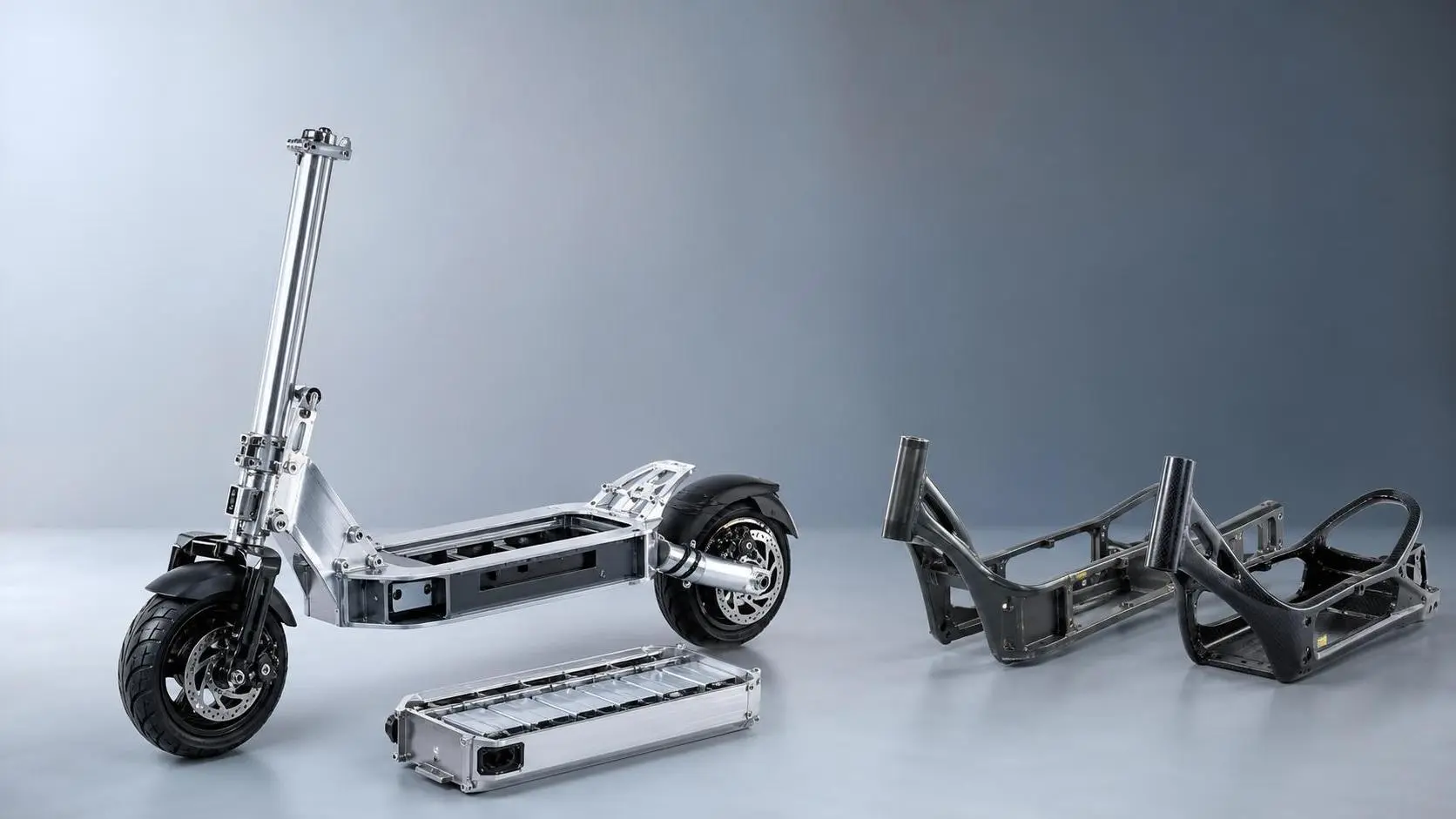
How to Choose Lightweight Scooter Frames in Europe: Materials, Standards, and Use Cases
Lightweight scooter frames Europe buyers need should balance materials, EN standards, durability, and real use cases. Discover how to choose safer, smarter, compliant frames.
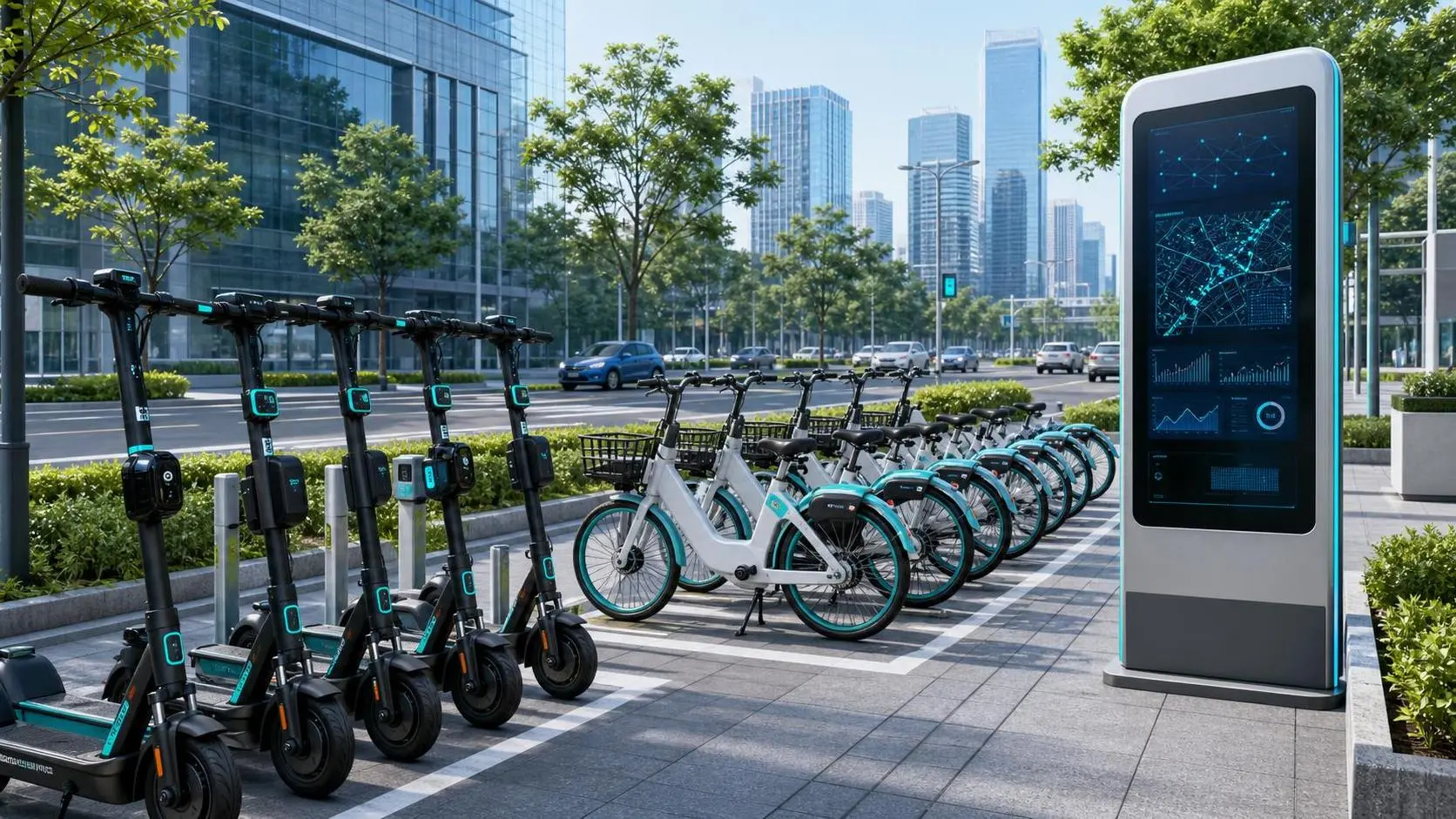
What Is the Intellectualization of Mobility Platform and How Is It Applied in Shared Fleets?
Intellectualization of mobility platform is reshaping shared fleets with real-time data, predictive maintenance, and smarter compliance—learn how it boosts safety, uptime, and urban mobility efficiency.
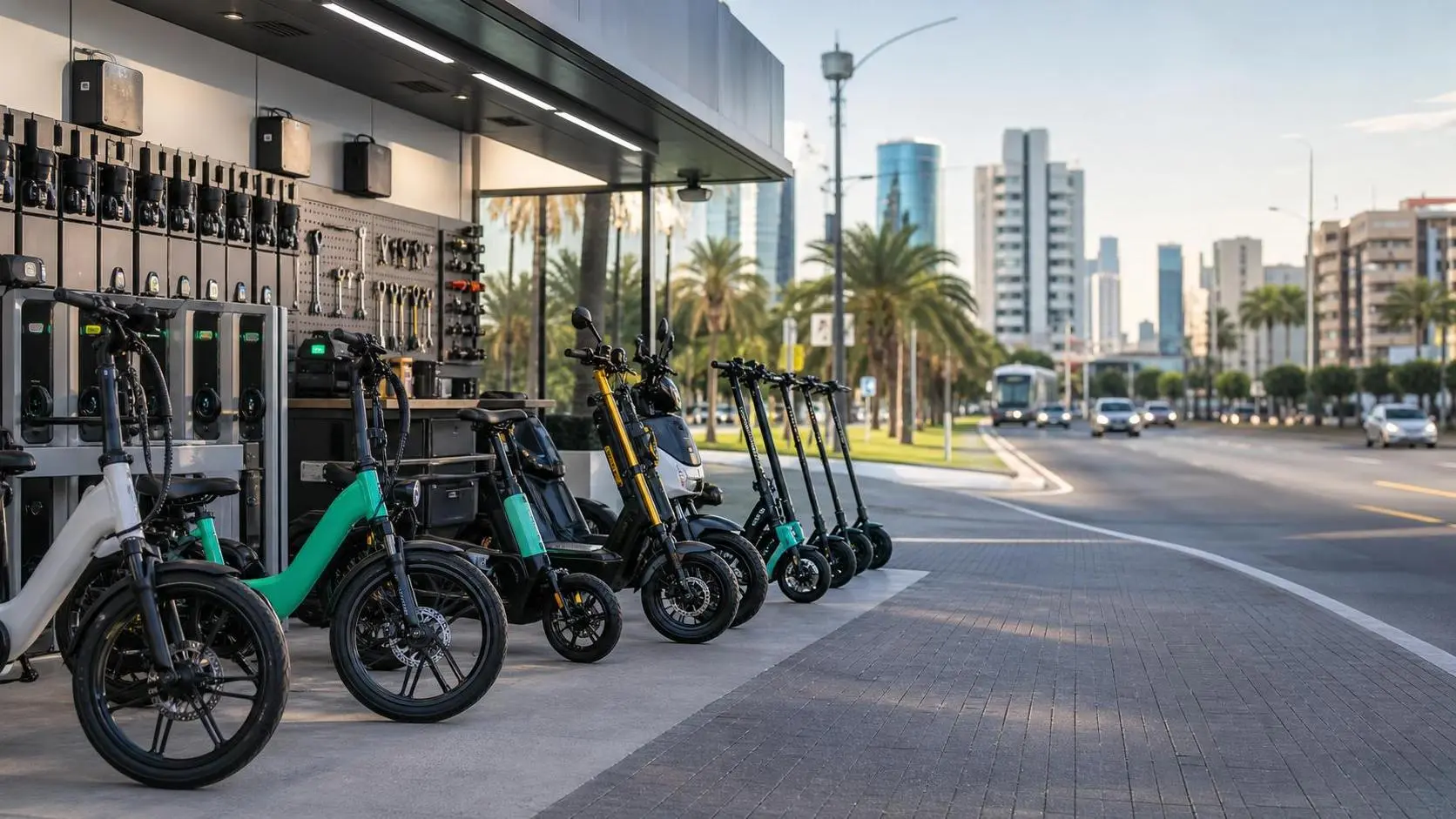
Urban Micro-Mobility Systems in Latin America: Key Market Drivers, Barriers, and Growth Segments
Urban micro-mobility systems Latin America are reshaping city transport. Explore key drivers, barriers, and high-growth segments to spot the region’s most investable opportunities.
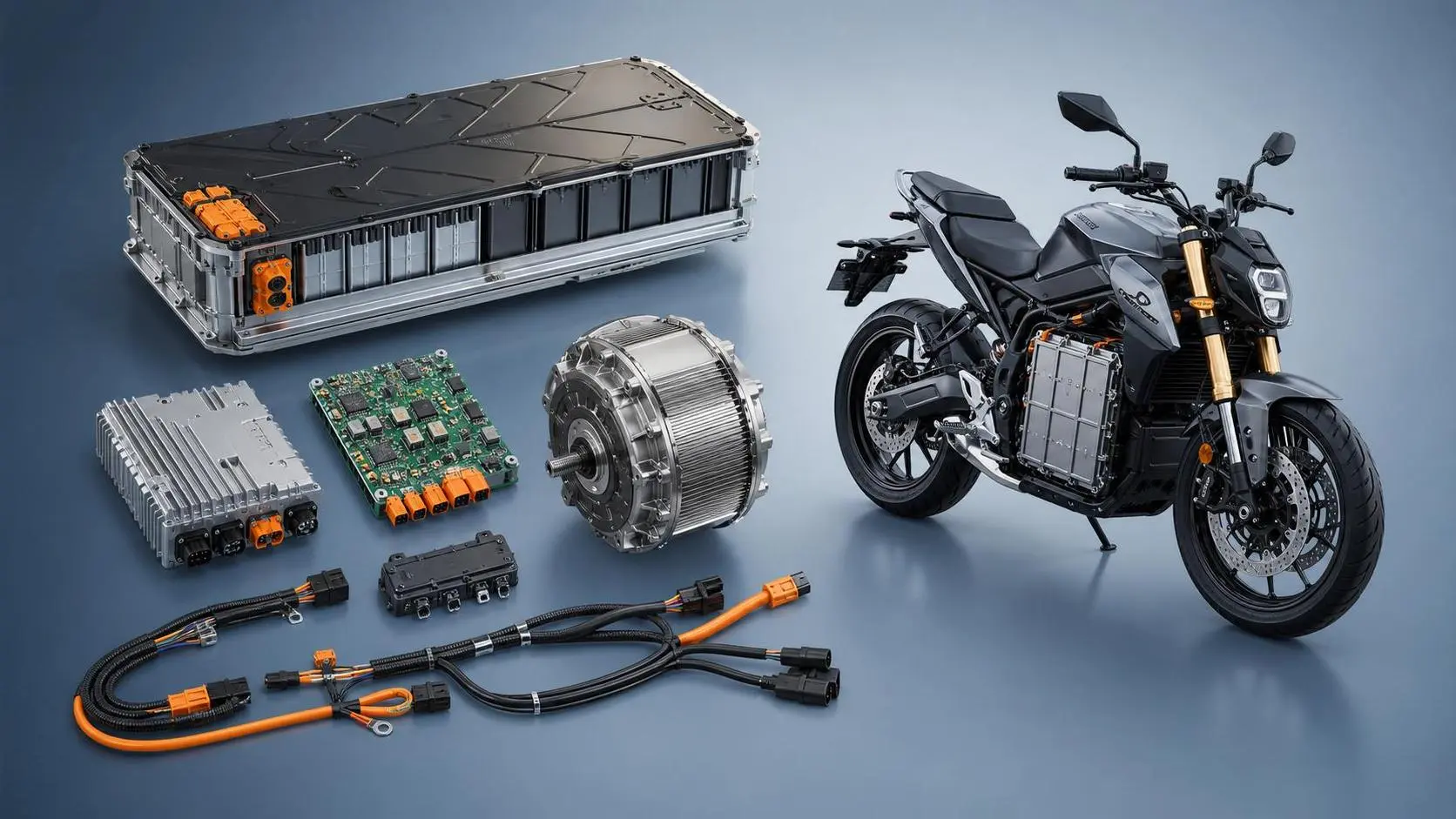
Electric Motorcycle Systems Price Breakdown: What Affects Cost From Battery to Controller?
Electric motorcycle systems price explained: see how battery, controller, motor, BMS, and wiring affect total cost, reliability, and sourcing value before you buy.
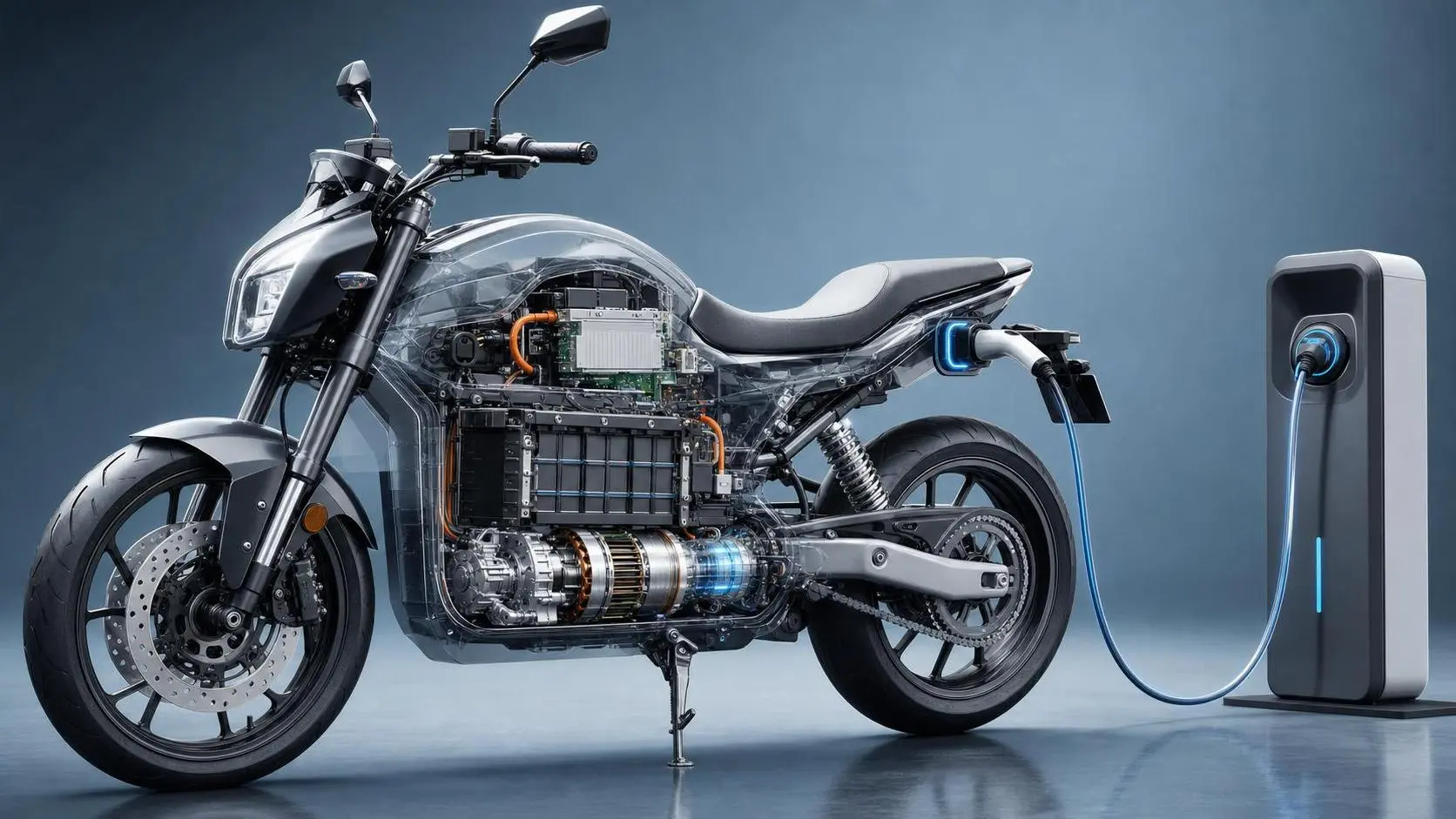
72V Electric Motorcycle Technology Explained: Motors, Controllers, Range, and Charging
Electric motorcycle technology 72V explained clearly: compare motors, controllers, range, battery design, and charging to choose a smoother, stronger, and smarter electric ride.
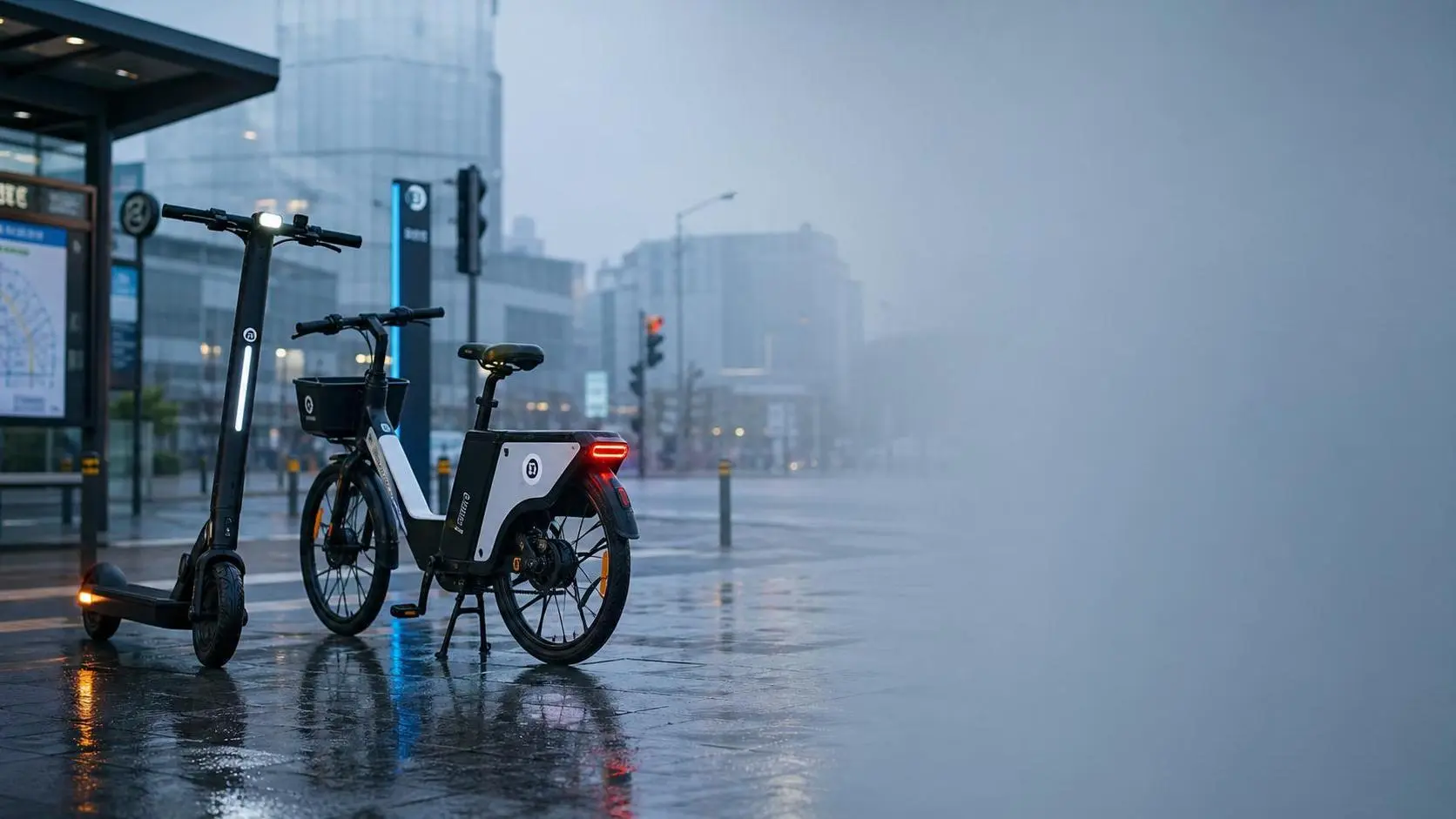
Where LED Urban Visibility Safety Systems Fit Best in Shared Scooters and City E-bikes
LED urban visibility safety systems deliver the most value in shared scooters and city e-bikes by improving multi-angle safety, fleet durability, and urban compliance across real-world routes.
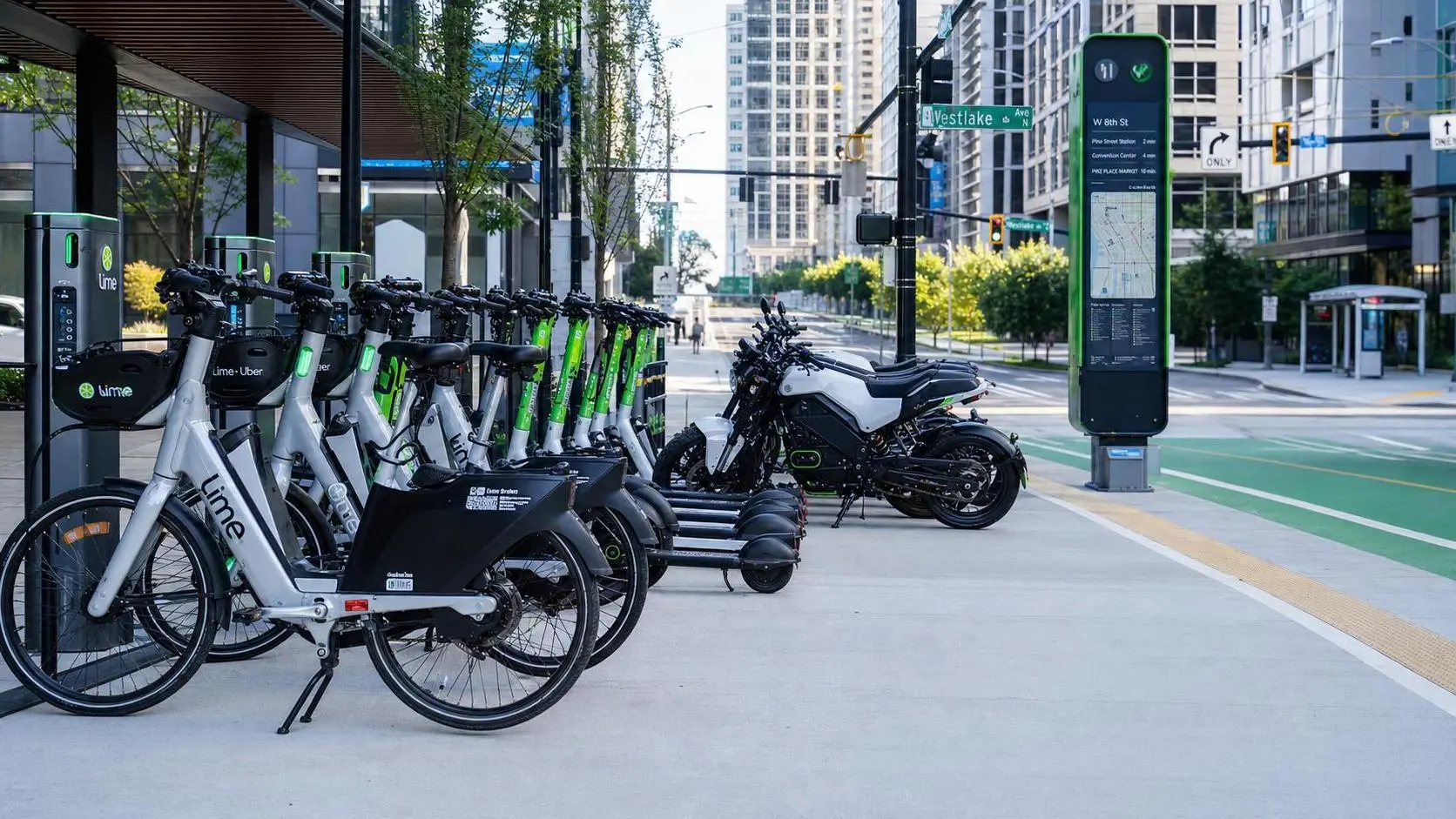
Intellectualization of Mobility in North America: What Is Driving Adoption Across Urban Transport?
Intellectualization of mobility North America is reshaping urban transport through data, smart fleets, and battery intelligence. Explore what is driving adoption and why cities and operators are accelerating now.
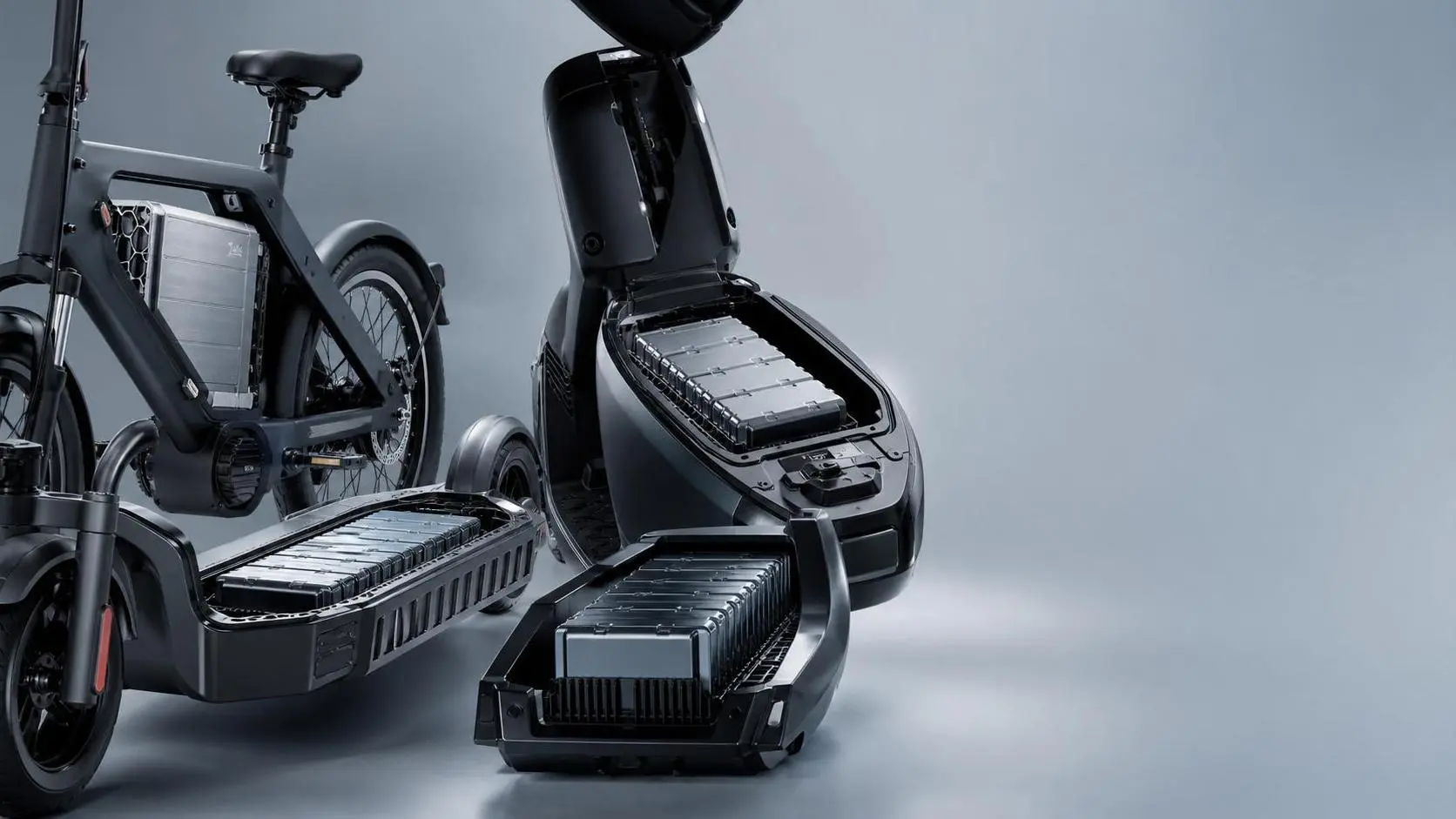
How to Choose a Compact Battery Pack: Size, Energy Density, Thermal Design, and Cycle Life
Compact battery pack selection starts with more than size. Learn how energy density, thermal design, and cycle life shape range, safety, and long-term value.
What Is Driving Green Two-wheelers Demand in Europe? Policy, Fuel Costs, and Buyer Segments
Green two-wheelers demand Europe is rising as policy support, fuel cost pressure, and diverse buyer segments reshape urban mobility. Explore the trends driving the next growth wave.