
Related News
- 00
0000-00
How Do Photoelectric Wiper Sensors Work and Where Are They Most Effective? - 00
0000-00
How to Evaluate Core Component Suppliers for Electric Motorcycles Before Sourcing? - 00
0000-00
Electric Motorcycle Systems Price Breakdown: What Affects Cost From Battery to Controller? - 00
0000-00
Micro-mobility Systems Explained: Core Components, Operating Models, and City Use Cases - 00
0000-00
Electrification Strategies in Europe: Policy, Charging, and ROI Factors for Fleet Planning
Ms. Elena Rodriguez
Weekly Insights
Stay ahead with our curated technology reports delivered every Monday.
Urban Mobility Electrification: Which Vehicle Types Fit Delivery, Commuting, and Shared Use?





Urban mobility electrification starts with real use conditions
Urban mobility electrification now shapes how cities move people, parcels, and short trips with less friction and lower emissions.
The bigger question is no longer whether to electrify. It is which vehicle type fits each urban task without creating hidden operating problems.
That difference matters because delivery routes, commuter habits, and shared-use systems do not stress vehicles in the same way.
Payload, parking density, charging windows, weather exposure, and local rules can quickly change what looks efficient on paper.
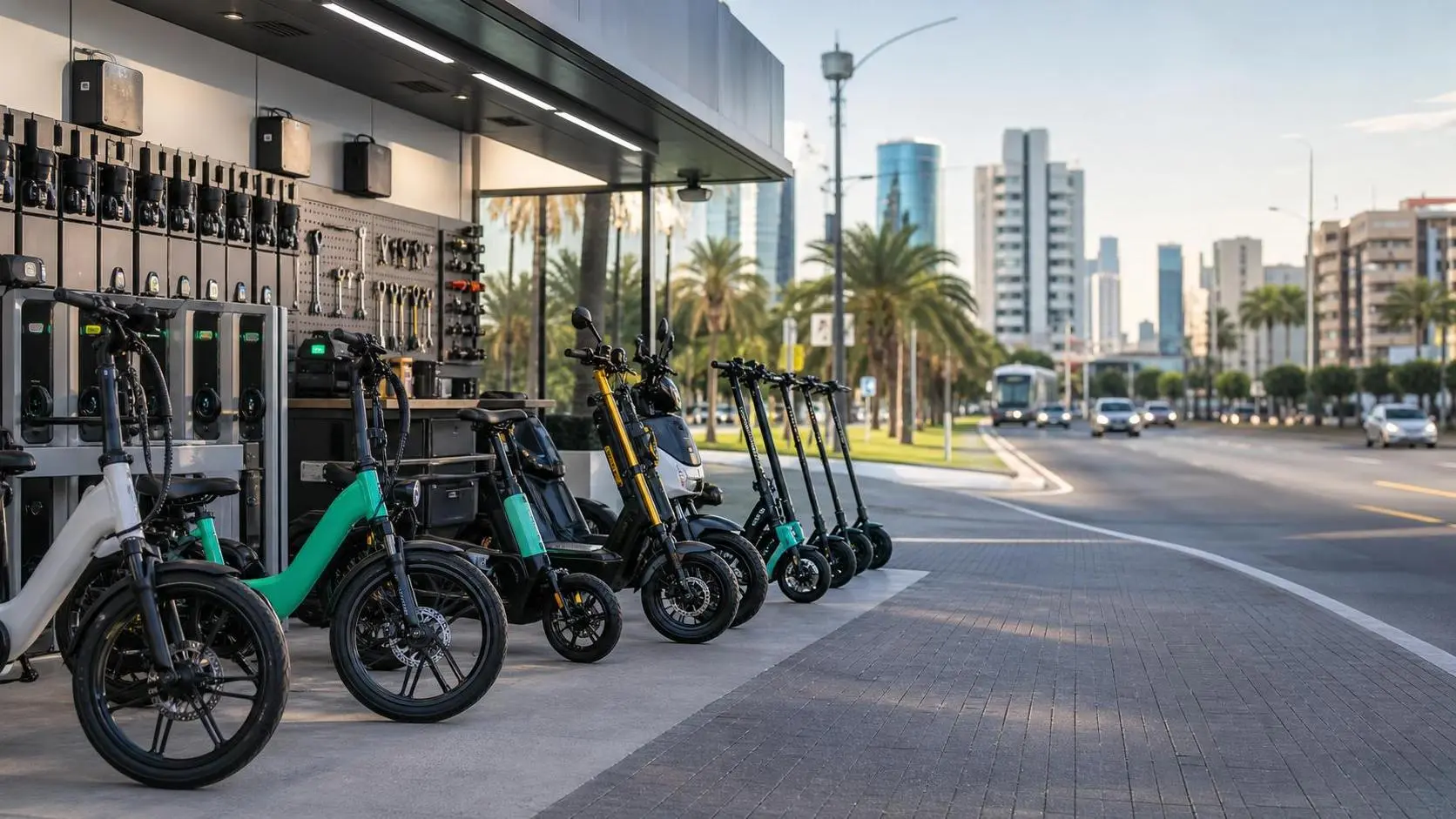
UMMS tracks this shift through the lens of e-bikes, smart e-scooters, high-speed e-motorcycles, and precision drivetrain systems.
That wider view matters in practice, because urban mobility electrification is not just about batteries. It is also about transmission efficiency, durability, safety logic, and regulatory fit.
Why one city task leads to different vehicle choices
In actual deployment, similar trip distances can still produce different vehicle requirements.
A courier may need stop-and-go acceleration and stable carrying capacity. A commuter may care more about portability, comfort, and secure parking. Shared-use systems depend on turnover, abuse resistance, and remote fleet visibility.
This is why urban mobility electrification should be judged through operating patterns rather than headline specifications.
Motor output alone cannot explain suitability. Battery thermal behavior, brake wear, frame rigidity, and component service intervals often decide the real economics.
More mature evaluations also include weather safety. In dense urban traffic, visibility systems and sensor reliability become relevant, especially where year-round fleet uptime matters.
A practical comparison before selecting a format
Delivery works best when range and payload stay balanced
For urban delivery, urban mobility electrification succeeds when the vehicle matches stop frequency more than raw distance.
In compact city zones, cargo-capable e-bikes often outperform faster formats because they access bike lanes, curb space, and narrow streets more easily.
That advantage becomes stronger when delivery windows are short and parking violations are costly.
A different pattern appears in outer districts. Routes are longer, order density is lower, and average speeds rise. Here, high-speed e-motorcycles may be the better fit.
Still, they only make sense if charging or swapping support is reliable and if local licensing rules do not slow deployment.
One common misjudgment is treating all delivery fleets as mileage-driven. In reality, vibration resistance, brake consistency, and drivetrain wear can matter more.
This is where precision bicycle components also become relevant. Better shifting response and transmission efficiency reduce fatigue and improve consistency on repeated urban climbs.
What to confirm for delivery deployment
- Average payload, not only peak payload
- Stops per hour and curbside parking conditions
- Battery turnaround time during peak periods
- Drivetrain and brake replacement frequency
- Rain visibility and all-weather safety expectations
Commuting choices depend on friction more than excitement
For commuting, urban mobility electrification is usually decided by what makes the trip repeatable five days a week.
That is why e-bikes remain one of the most resilient formats in many cities. They combine electric assist with familiar bicycle behavior, making adoption easier.
Commuters often accept slightly longer travel times if parking is simple and charging does not require special infrastructure.
Smart e-scooters fit another commuter profile. They work well where trips are short, storage space is limited, and first-mile or last-mile links matter most.
Yet the tradeoff is clear. Rough pavement, poor weather, and carrying backpacks over longer distances quickly reduce comfort.
This is also where many urban mobility electrification decisions go wrong. Purchase price looks attractive, but the daily experience creates drop-off in regular use.
In practical terms, commuters judge reliability through small details: folding quality, battery removal, anti-theft features, and maintenance intervals.
Shared use needs vehicles built for turnover, not ideal behavior
Shared-use systems bring a different logic to urban mobility electrification.
The key issue is not how one careful rider uses a vehicle. It is how hundreds of short rides affect uptime, abuse exposure, and unit economics.
Smart e-scooters often dominate because they are compact, digitally manageable, and familiar in dense city centers.
Their value, however, depends heavily on IoT integration. Fleet location, battery health, fault alerts, and geofencing are not optional extras in shared operations.
Shared e-bikes can outperform scooters where roads are broken, travel distances are slightly longer, or user confidence is a barrier.
The tradeoff is higher hardware complexity and potentially higher maintenance if drivetrain quality is weak.
UMMS often highlights this systems view. Urban mobility electrification at fleet scale depends on connected hardware, service logic, and component endurance moving together.
Shared-use judgment points that change the outcome
- Battery swap versus on-street charging labor
- Frame durability under drops and curb impacts
- Local sidewalk, parking, and speed regulations
- Seasonal weather effect on ridership and safety
- Software visibility into maintenance triggers
Where similar vehicles are often mistaken as interchangeable
A frequent mistake in urban mobility electrification is assuming that all two-wheeled electric formats solve the same urban problem.
They do not. An e-bike can share some use territory with a smart e-scooter, yet their comfort envelope, carrying ability, and compliance risks differ sharply.
Another oversight is looking only at acquisition cost. Maintenance, component life, charging discipline, and resale value can reverse the original decision.
Weather is also underestimated. Wet braking, visibility, and sensor reliability influence safety and uptime, especially in fleets exposed year-round.
That is why vehicle subsystems deserve attention. Battery management, drivetrain precision, and even advanced visibility technologies shape real operational performance.
A smarter way to match vehicle type with urban mobility electrification goals
The most effective path is to define the trip pattern first, then narrow vehicle choices.
Start with route length, stop density, payload, weather exposure, parking conditions, and charging access. Then test whether regulations favor bike-class vehicles or higher-speed platforms.
Next, compare whole-life cost rather than list price. Include battery replacement, service labor, downtime, and component wear.
Finally, build a simple fit standard for each urban use case. A delivery vehicle should not be judged by the same scorecard as a commuter device or shared-use asset.
Urban mobility electrification creates value when the vehicle format, system intelligence, and local street reality align.
That is also where ongoing market intelligence matters most. Changes in subsidy policy, right-of-way rules, battery support models, and component evolution can quickly shift the best-fit answer.
A useful next step is to map actual operating scenarios, compare constraint points, and set a shortlist based on fit, not hype.
Related News
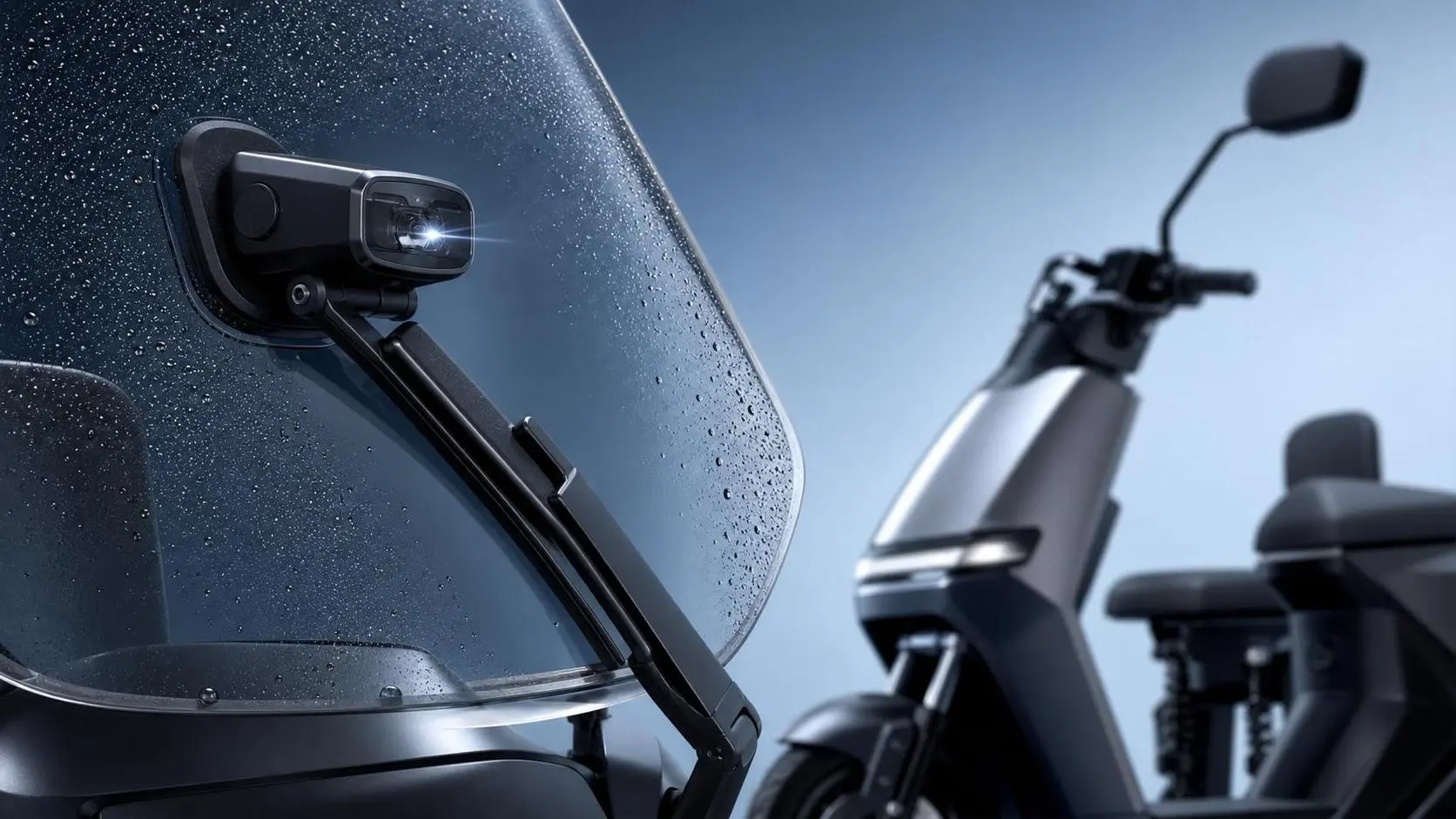
How Do Photoelectric Wiper Sensors Work and Where Are They Most Effective?
Photoelectric wiper sensors explained: learn how they detect rain, reduce false triggers, and deliver the best visibility gains in urban EVs, e-bikes, fleets, and smart mobility.
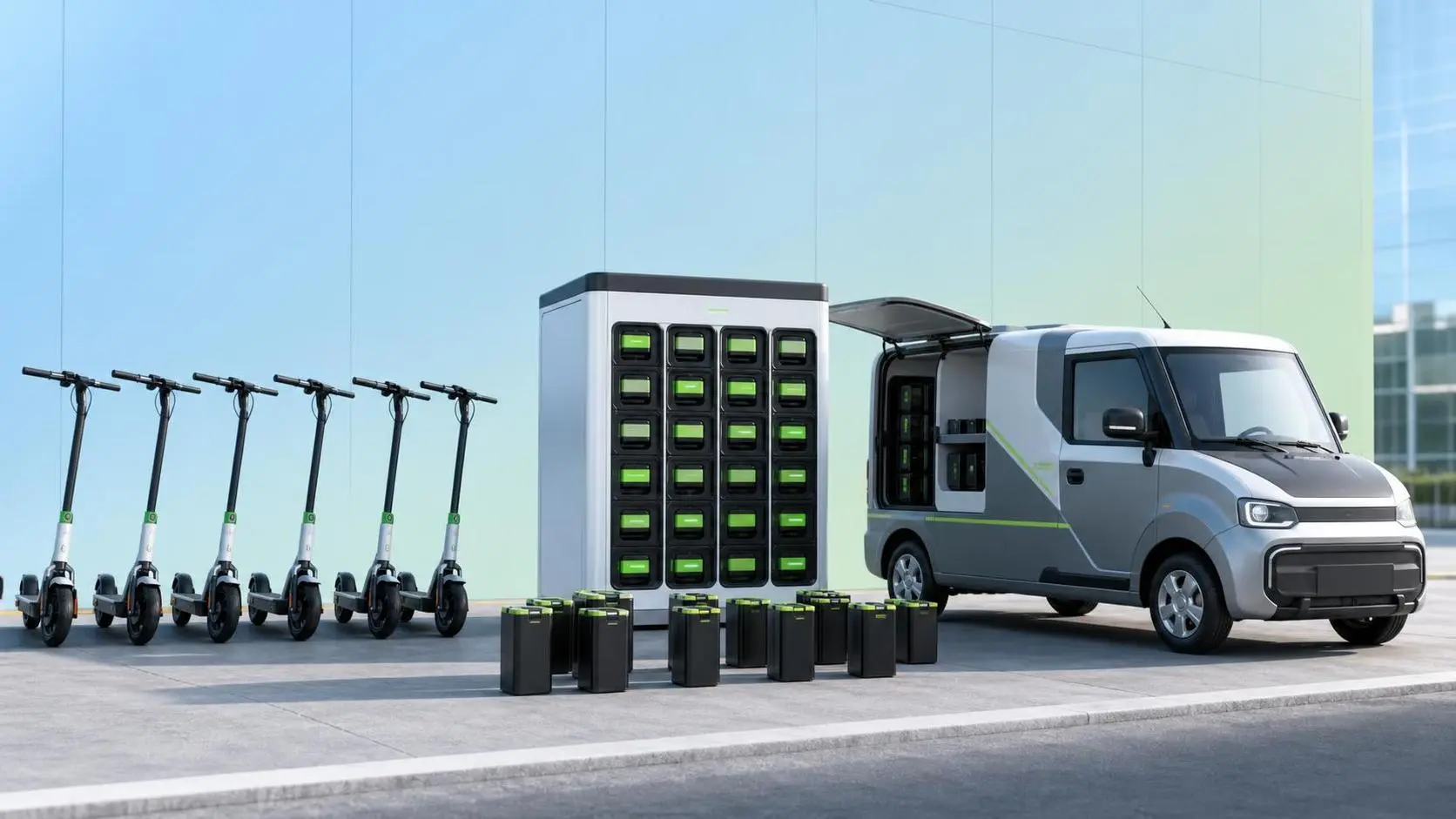
How Battery-Swapping Networks Reduce Downtime in Shared Fleet Scooter Operations
Battery-swapping networks cut scooter fleet downtime by speeding field turnaround, improving uptime in peak zones, and helping operators optimize labor, battery rotation, and service efficiency.
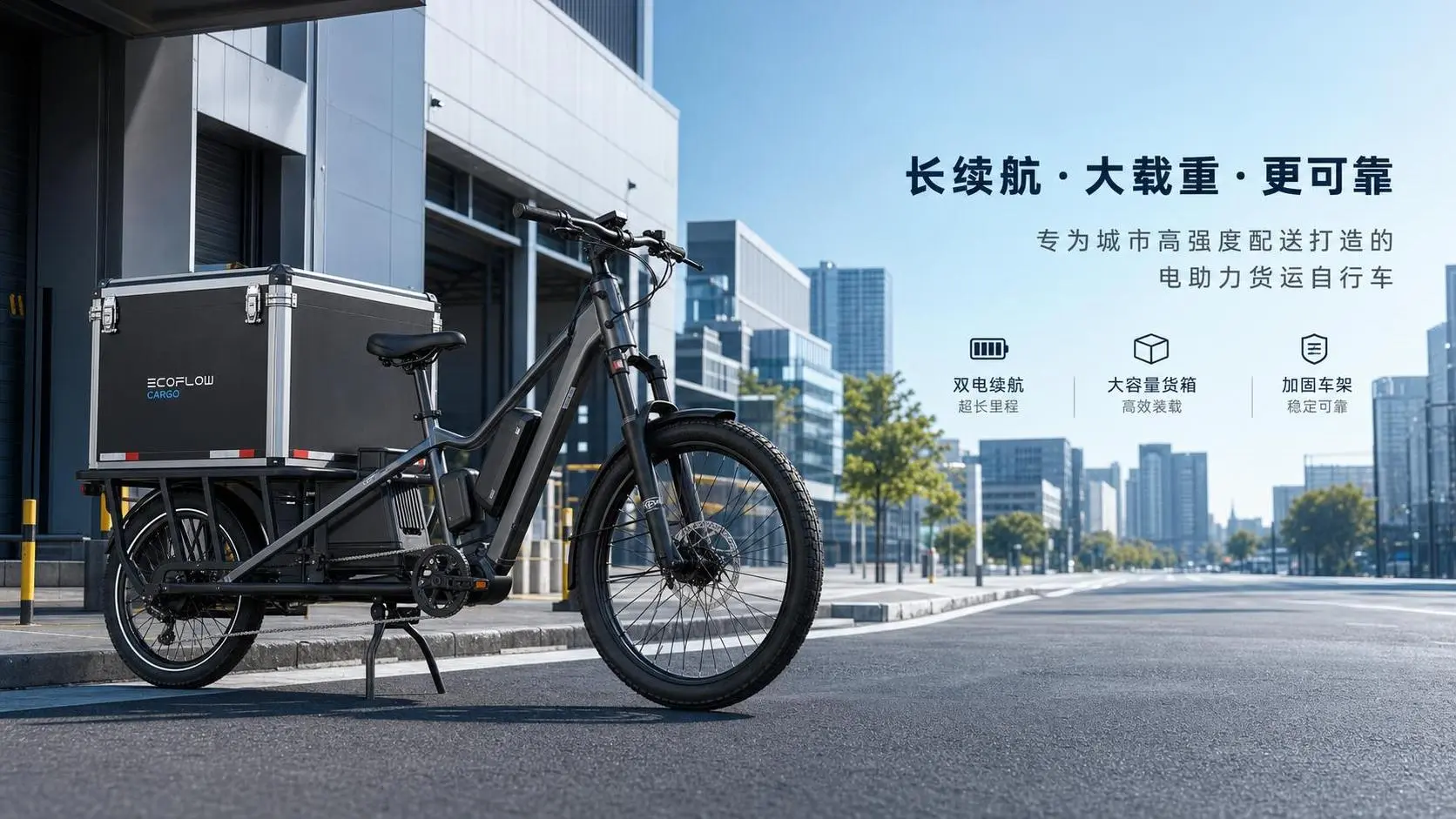
How to Choose a Long-Range Commercial Cargo E-Bike for Delivery Operations
Commercial cargo e-bike long range buying guide: learn how to assess battery, payload, route fit, and uptime support to choose a reliable delivery model with lower operating costs.
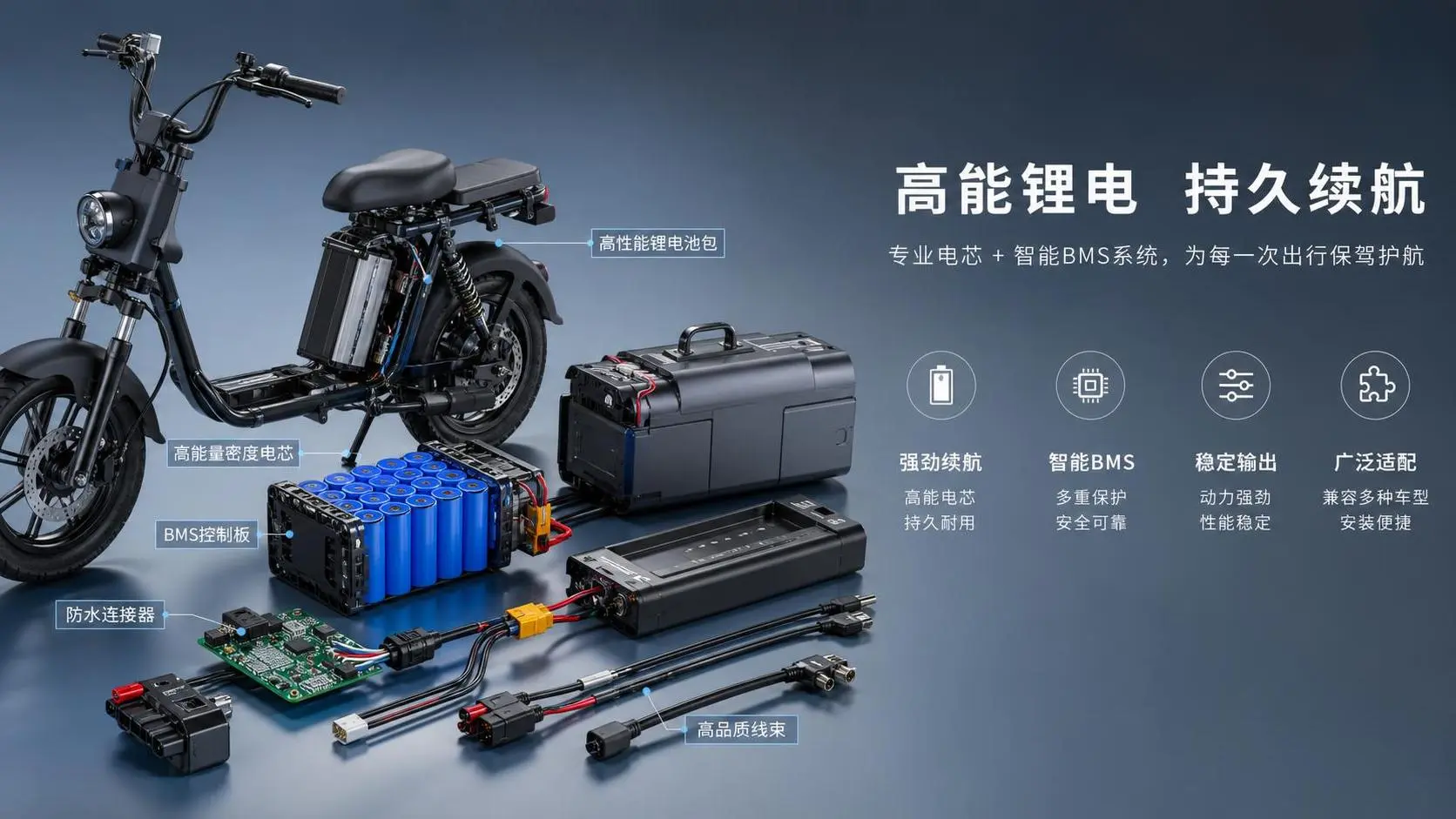
How to Select the Right E-Bike Battery Components for Range, Safety, and Fit?
E-bike component selection battery guide: learn how to choose the right battery components for better range, stronger safety, and perfect fit across modern e-bike platforms.
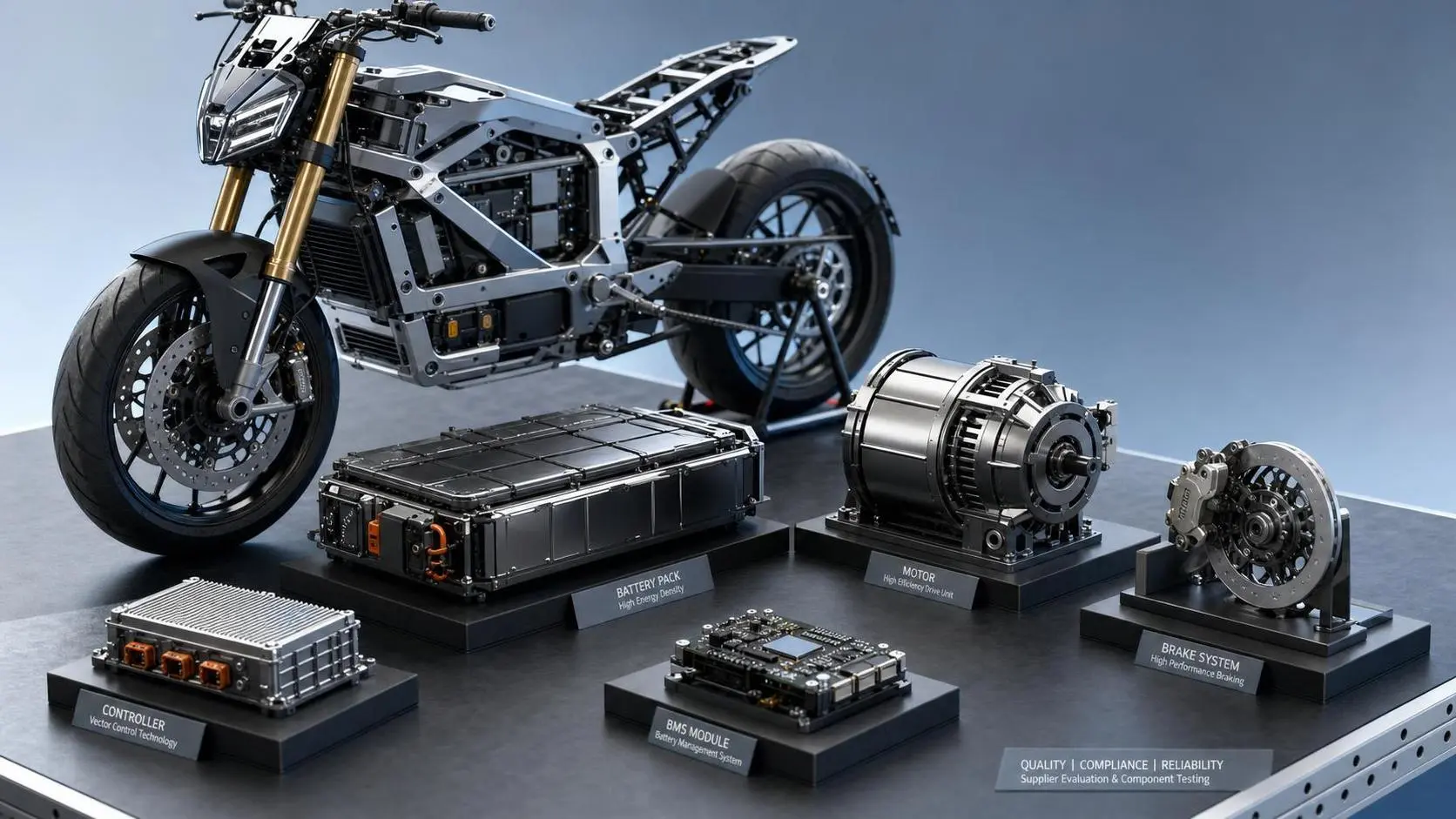
How to Evaluate Core Component Suppliers for Electric Motorcycles Before Sourcing?
Core component suppliers for electric motorcycles can make or break safety, compliance, and delivery. Learn how to assess technical strength, certifications, quality control, and hidden sourcing risks before you buy.
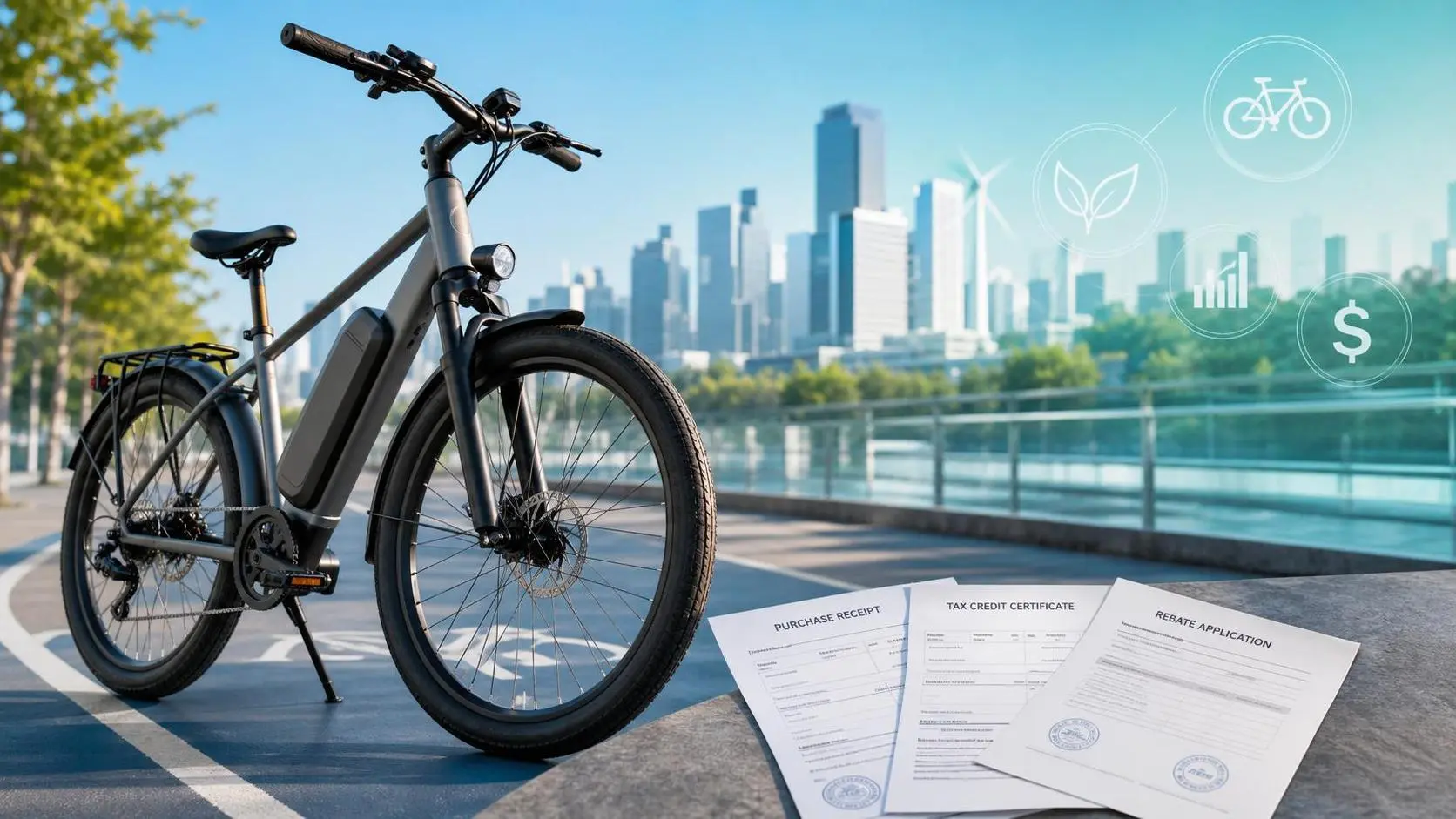
E-Bike Incentives Explained: How Riders Can Find Local Rebates and Tax Credits
E bike incentives explained: learn how to find local rebates, tax credits, and utility offers, avoid common mistakes, and cut the real cost of your next e-bike.
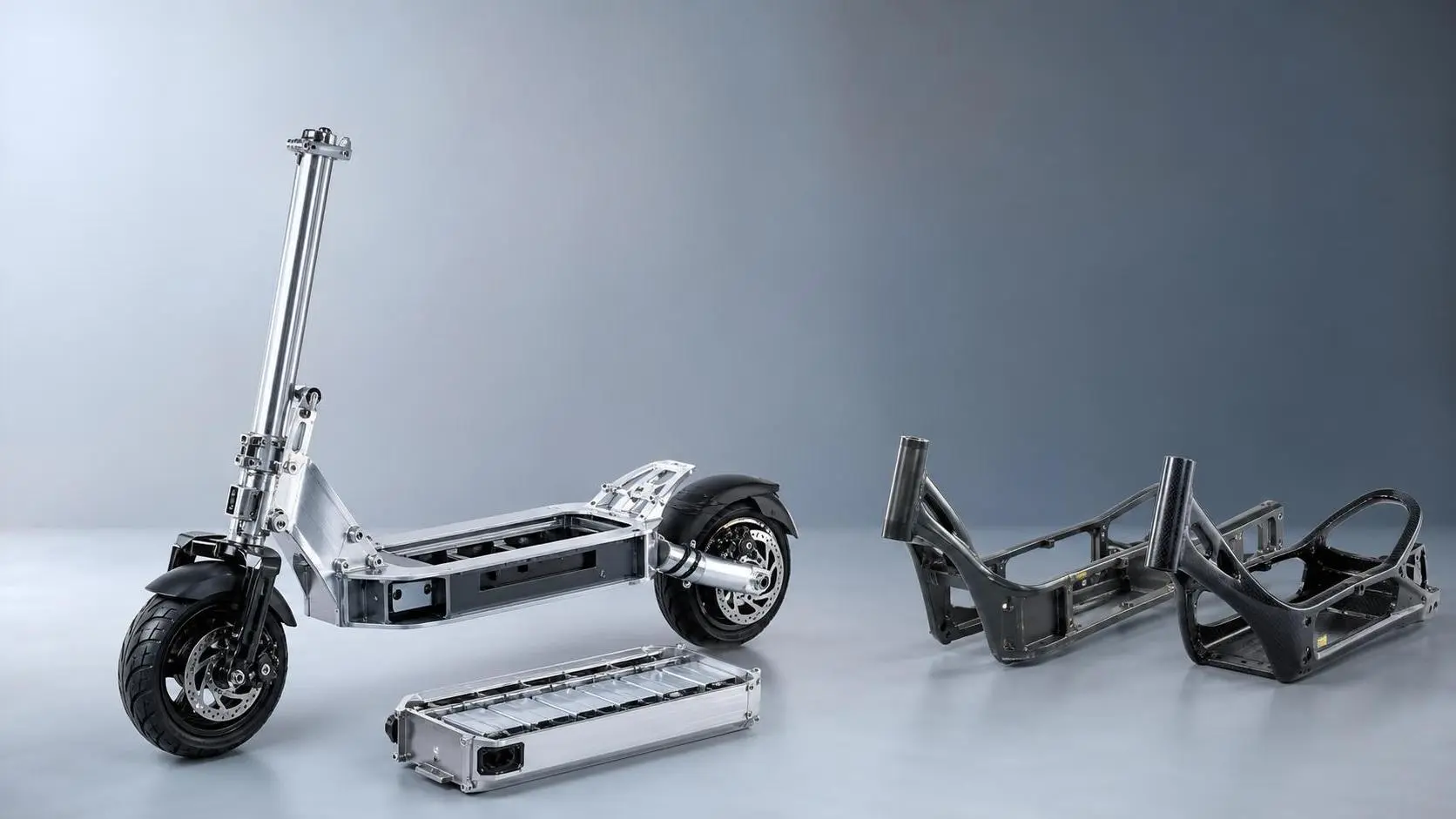
How to Choose Lightweight Scooter Frames in Europe: Materials, Standards, and Use Cases
Lightweight scooter frames Europe buyers need should balance materials, EN standards, durability, and real use cases. Discover how to choose safer, smarter, compliant frames.
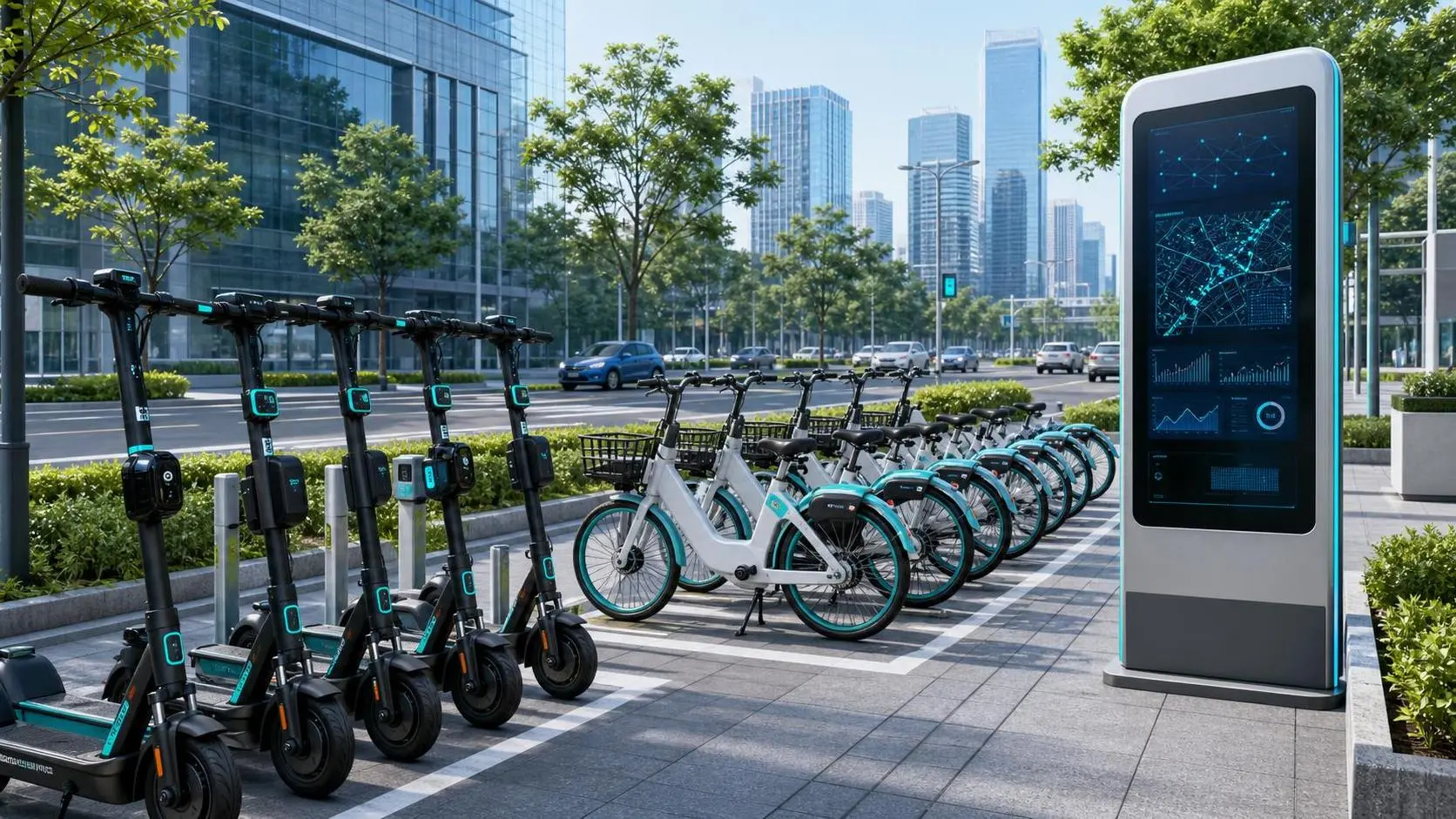
What Is the Intellectualization of Mobility Platform and How Is It Applied in Shared Fleets?
Intellectualization of mobility platform is reshaping shared fleets with real-time data, predictive maintenance, and smarter compliance—learn how it boosts safety, uptime, and urban mobility efficiency.
Urban Micro-Mobility Systems in Latin America: Key Market Drivers, Barriers, and Growth Segments
Urban micro-mobility systems Latin America are reshaping city transport. Explore key drivers, barriers, and high-growth segments to spot the region’s most investable opportunities.