
Related News
- 00
0000-00
How Do Photoelectric Wiper Sensors Work and Where Are They Most Effective? - 00
0000-00
How to Evaluate Core Component Suppliers for Electric Motorcycles Before Sourcing? - 00
0000-00
Electric Motorcycle Systems Price Breakdown: What Affects Cost From Battery to Controller? - 00
0000-00
Micro-mobility Systems Explained: Core Components, Operating Models, and City Use Cases - 00
0000-00
Electrification Strategies in Europe: Policy, Charging, and ROI Factors for Fleet Planning
Ms. Elena Rodriguez
Weekly Insights
Stay ahead with our curated technology reports delivered every Monday.
How to Evaluate an Urban Transportation Supplier for Fleet Reliability and Service Coverage





Choosing an urban transportation supplier is rarely just about price. In micro-mobility, the real question is whether that supplier can keep vehicles moving, parts available, and service consistent as operations expand.
That matters even more across e-bikes, smart e-scooters, high-speed e-motorcycles, and precision drivetrain systems, where uptime depends on both hardware quality and support depth.
For teams comparing options, a practical evaluation model helps cut through polished sales claims. The goal is simple: confirm that the urban transportation supplier can support fleet reliability today and service coverage tomorrow.
Start with fleet reliability, not catalog size
In urban mobility, a broad product range can look impressive. But range alone does not keep fleets on the road. Reliability starts with product consistency, field performance, and repeatable quality across batches.
A capable urban transportation supplier should show evidence from real deployments. That includes failure rates, maintenance intervals, battery behavior, controller stability, and spare-part replacement speed.
- Check whether the supplier tracks batch-level quality data, common failure modes, and corrective actions. Reliable partners can explain what fails, why it fails, and what changed after the issue.
- Ask for uptime data from fleets using similar vehicles, climates, and duty cycles. A good benchmark is more useful than a generic product brochure or a polished demo sample.
- Review critical subsystem stability, especially batteries, motors, controllers, braking components, and connected modules. One weak component can undermine the entire fleet reliability plan.
- Confirm spare-part interchangeability across model generations. Frequent design changes without backward compatibility often create hidden maintenance costs and slower repair turnaround.
- Verify whether the supplier supports preventive maintenance schedules with manuals, diagnostics, and fault codes. Better documentation usually means less downtime and faster technician training.
This is especially relevant in sectors tracked by UMMS, where performance is shaped by battery management logic, electromechanical transmission efficiency, and connected system integration.
What reliability looks like in different product categories
For e-bikes, the weak point may be motor durability or charger consistency. For smart e-scooters, it is often IoT stability, frame fatigue, or controller sealing in wet conditions.
For high-speed e-motorcycles, thermal management and battery-swapping compatibility can make or break field performance. For derailleur systems, precision tolerance and response accuracy matter more than headline specs.
Measure service coverage in operational terms
Service coverage should be defined by actual response capability, not just pins on a map. A strong urban transportation supplier can support local repairs, regional parts flow, and escalation when problems spread across fleets.
This is where many sourcing decisions go wrong. A supplier may ship globally, but that does not mean it can support multi-city operations with predictable service levels.
- Map service coverage by response time, warehouse location, and technician access. Global shipping capacity is helpful, but local problem resolution is what protects fleet uptime.
- Check whether service partners are trained on the exact models under review. General repair capability is not enough for connected scooters or high-voltage motorcycle systems.
- Request parts fill-rate targets and average lead times for critical components. Delays on chargers, brake assemblies, displays, or controllers can quickly idle vehicles.
- Test how warranty claims are handled across regions. If approval must pass through several layers, even a valid claim may take too long to protect operations.
- Review language support, documentation quality, and escalation channels. Service coverage weakens fast when field teams cannot access accurate instructions or decision-makers.
Look deeper into technical capability
In micro-mobility, technical strength is not only about making hardware. It also includes software logic, system integration, compliance readiness, and the ability to improve products after deployment.
UMMS follows this closely across wireless shifting, thermal management, sensor systems, and electrified drivetrains. That same lens is useful when comparing any urban transportation supplier.
- Assess engineering depth, not only sales responsiveness. Ask who owns firmware, battery logic, mechanical validation, and root-cause analysis when failures appear in the field.
- Review compliance capability across target markets, including battery transport, electrical safety, road-use requirements, and connected-device rules. Expansion slows when approvals are incomplete.
- Check whether the supplier can provide diagnostic tools, API access, or data export options. Better system visibility improves maintenance planning and operational forecasting.
- Ask how product upgrades are managed after launch. The best suppliers improve reliability without creating firmware conflicts, parts obsolescence, or technician confusion.
- Verify testing methods for weather resistance, vibration, braking loads, battery cycling, and connector durability. Lab coverage should reflect real urban operating conditions.
A common blind spot: connected features without support depth
Smart features can help with tracking, diagnostics, and anti-theft control. But unsupported connectivity can become a maintenance burden. Devices fail, networks change, and software bugs travel fast across fleets.
A reliable urban transportation supplier should explain how updates are tested, rolled out, and reversed when needed. If that process is unclear, risk rises quickly.
Check commercial resilience before signing
Even technically strong suppliers can create operational risk if their delivery model is weak. Commercial resilience means stable capacity, transparent communication, and enough financial strength to support long programs.
This matters in fast-growing urban mobility segments, where demand can change with subsidy policy, city regulation, and seasonal traffic patterns.
- Evaluate production flexibility for both ramp-up and demand drops. A stable partner should absorb volume swings without damaging quality, lead time, or service responsiveness.
- Review supplier concentration on key components such as cells, chips, braking systems, and sensors. Heavy dependence on one upstream source can interrupt supply unexpectedly.
- Ask for clear incident communication rules covering delays, recalls, and specification changes. Silence during disruptions usually creates more damage than the issue itself.
- Compare total operating cost, not only unit price. Cheap vehicles with weak parts support often become expensive once downtime, labor, and replacement stock are included.
- Confirm whether account support continues after delivery. Some suppliers perform strongly during bidding, then shift attention away once volume contracts are secured.
When expansion plans are part of the decision
If city coverage may expand in the next 12 to 24 months, evaluate future support now. Service networks, spare-part hubs, and compliance capability should scale with the roadmap, not chase it later.
This is particularly important for operators moving from one vehicle class to several, such as combining e-bikes with shared e-scooters or adding high-speed electric motorcycles for specialized routes.
Use a structured comparison before final selection
A final decision gets easier when each urban transportation supplier is scored against the same criteria. Keep the model practical. It should reflect operating realities rather than theoretical preferences.
- Create a weighted scorecard covering reliability history, service coverage, technical capability, compliance readiness, and total support cost. Weight uptime-related factors more heavily than catalog breadth.
- Run a pilot with clear pass-fail metrics, including fault rate, repair turnaround, parts availability, and data accuracy. Short pilots reveal service behavior better than presentations do.
- Interview reference users in similar urban environments. Ask what happened after the first six months, when daily wear, weather exposure, and support gaps became visible.
- Document non-negotiable requirements before negotiation begins. It is easier to reject weak fit early than to fix missing service capability after rollout.
- Set review checkpoints into the contract, especially for uptime, warranty response, and parts fill rate. Good contracts keep the supplier accountable after launch.
A useful benchmark source can include sector intelligence from platforms like UMMS, especially when market signals shift around regulation, battery systems, shared mobility rules, or component technology.
In the end, the best urban transportation supplier is not simply the one with the lowest quote or widest product sheet. It is the one that proves it can sustain reliability, support service coverage, and adapt with urban mobility demands.
Start with real operating data. Test support responsiveness early. Compare technical depth and regional service honestly. That approach usually leads to better fleet performance and fewer expensive surprises later.
- e-bikes
- smart e-scooters
- high-speed e-motorcycles
- battery management
- thermal management
- precision drivetrain
- electromechanical transmission
- shared mobility
- urban transportation
- micro-mobility
- electric motorcycles
- urban transportation supplier
- electromechanical transmission efficiency
- wireless shifting
Related News

How Do Photoelectric Wiper Sensors Work and Where Are They Most Effective?
Photoelectric wiper sensors explained: learn how they detect rain, reduce false triggers, and deliver the best visibility gains in urban EVs, e-bikes, fleets, and smart mobility.

How Battery-Swapping Networks Reduce Downtime in Shared Fleet Scooter Operations
Battery-swapping networks cut scooter fleet downtime by speeding field turnaround, improving uptime in peak zones, and helping operators optimize labor, battery rotation, and service efficiency.
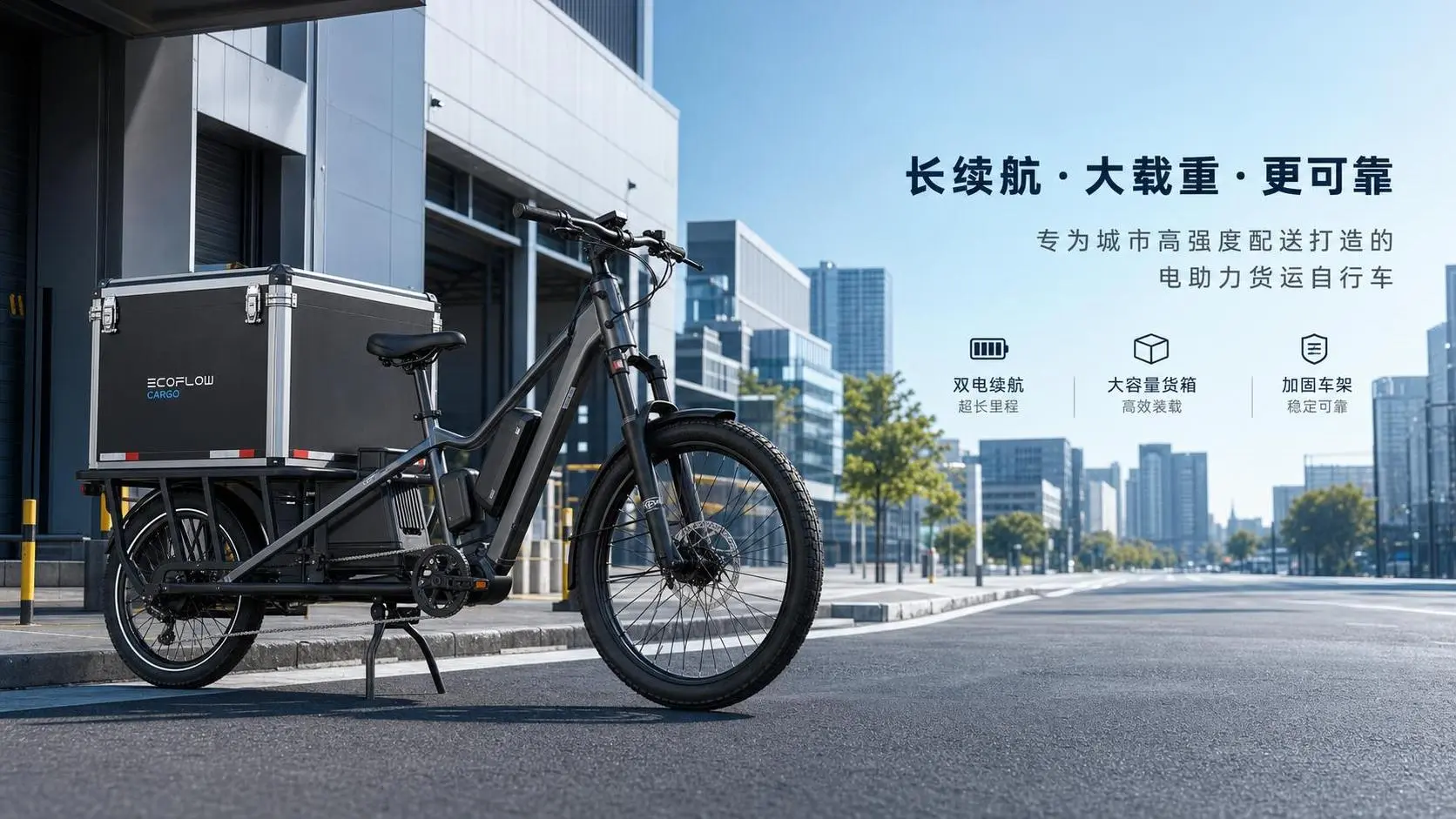
How to Choose a Long-Range Commercial Cargo E-Bike for Delivery Operations
Commercial cargo e-bike long range buying guide: learn how to assess battery, payload, route fit, and uptime support to choose a reliable delivery model with lower operating costs.
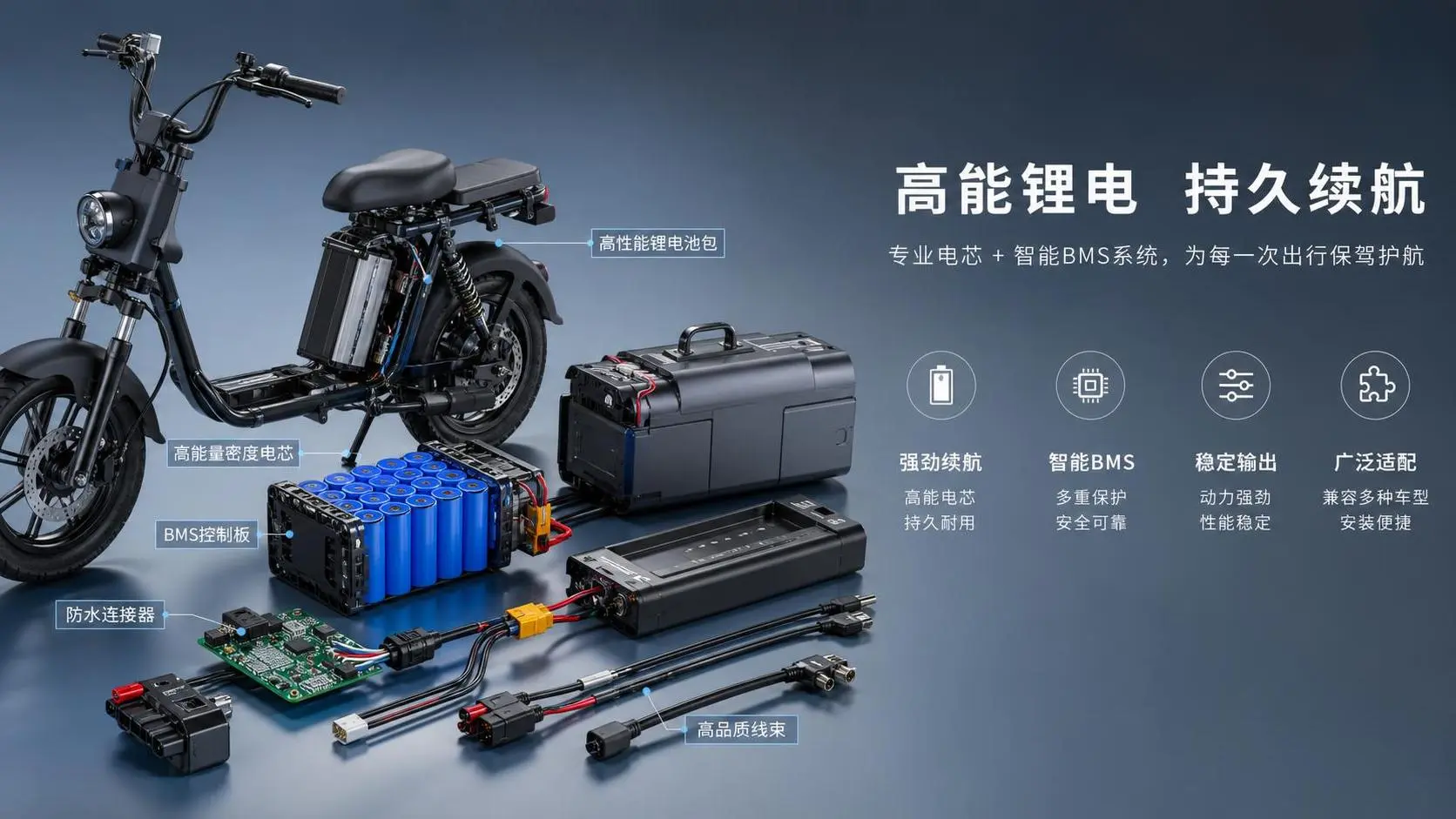
How to Select the Right E-Bike Battery Components for Range, Safety, and Fit?
E-bike component selection battery guide: learn how to choose the right battery components for better range, stronger safety, and perfect fit across modern e-bike platforms.

How to Evaluate Core Component Suppliers for Electric Motorcycles Before Sourcing?
Core component suppliers for electric motorcycles can make or break safety, compliance, and delivery. Learn how to assess technical strength, certifications, quality control, and hidden sourcing risks before you buy.

E-Bike Incentives Explained: How Riders Can Find Local Rebates and Tax Credits
E bike incentives explained: learn how to find local rebates, tax credits, and utility offers, avoid common mistakes, and cut the real cost of your next e-bike.
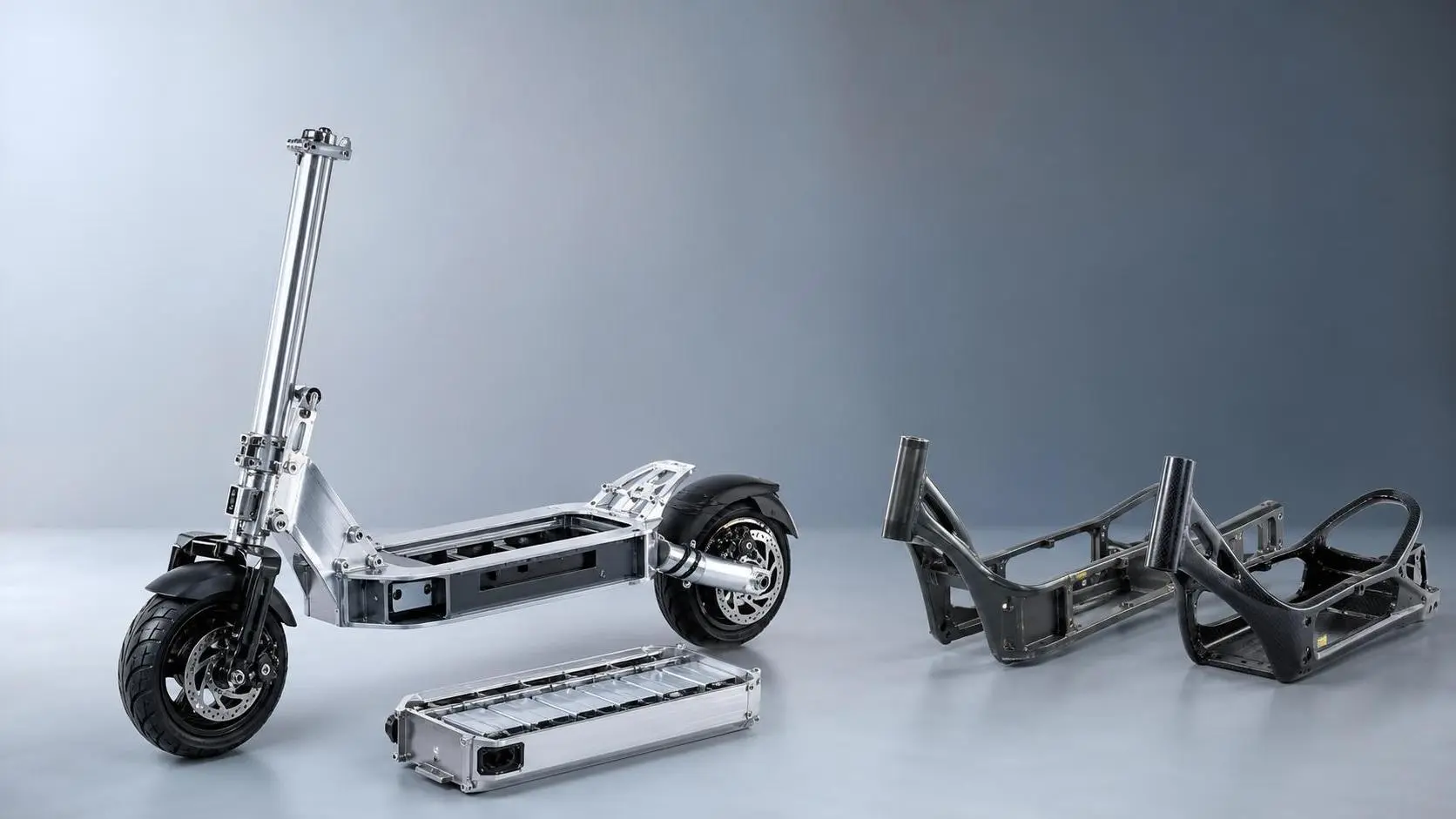
How to Choose Lightweight Scooter Frames in Europe: Materials, Standards, and Use Cases
Lightweight scooter frames Europe buyers need should balance materials, EN standards, durability, and real use cases. Discover how to choose safer, smarter, compliant frames.

What Is the Intellectualization of Mobility Platform and How Is It Applied in Shared Fleets?
Intellectualization of mobility platform is reshaping shared fleets with real-time data, predictive maintenance, and smarter compliance—learn how it boosts safety, uptime, and urban mobility efficiency.

Urban Micro-Mobility Systems in Latin America: Key Market Drivers, Barriers, and Growth Segments
Urban micro-mobility systems Latin America are reshaping city transport. Explore key drivers, barriers, and high-growth segments to spot the region’s most investable opportunities.