
Related News
- 00
0000-00
How to Evaluate Core Component Suppliers for Electric Motorcycles Before Sourcing? - 00
0000-00
Electric Motorcycle Systems Price Breakdown: What Affects Cost From Battery to Controller? - 00
0000-00
Micro-mobility Systems Explained: Core Components, Operating Models, and City Use Cases - 00
0000-00
Electrification Strategies in Europe: Policy, Charging, and ROI Factors for Fleet Planning - 00
0000-00
OEM Market Share in Electric Motorcycles: What It Reveals About Brand Positioning
Ms. Elena Rodriguez
Weekly Insights
Stay ahead with our curated technology reports delivered every Monday.
Wiper Systems Selection Guide: Key Performance Specs for Commercial Vehicles





Selecting the right wiper systems for commercial vehicles directly impacts visibility, uptime, and fleet safety. For procurement teams, the best choice is rarely the cheapest unit price.
It is the system that delivers reliable wiping performance, survives duty cycles, fits the vehicle architecture, and lowers replacement risk across the operating life of the fleet.
This guide explains what buyers are really comparing when reviewing wiper systems. It focuses on the performance specifications that matter most in commercial use, from motor durability to sweep geometry.
It also highlights how procurement teams can evaluate supplier claims, reduce compatibility mistakes, and make a better total-cost decision under demanding weather, route, and maintenance conditions.
What procurement teams are really trying to solve
When buyers search for a commercial vehicle wiper systems selection guide, they usually want more than a list of parts. They want a practical framework for comparing options without hidden performance tradeoffs.
The core intent is decision support. Procurement teams need to know which specifications directly affect driver visibility, legal compliance, maintenance intervals, and fleet uptime across different vehicle classes and operating regions.
They also want to avoid common buying mistakes: underpowered motors, poor blade-to-glass conformity, limited sweep coverage, weak corrosion resistance, and integration issues with the electrical system or control module.
In short, the purchase question is simple: which wiper systems will perform consistently in real service, not just look acceptable on a datasheet or pass a basic lab test?
Start with the operating profile, not the catalog
The right specification depends on the duty cycle. A delivery van in mild weather does not need exactly the same wiper system as a heavy truck running overnight in freezing rain.
Before comparing suppliers, define the operating profile of the fleet. Include annual mileage, average daily wiping hours, parking conditions, road contaminants, and the share of routes in snow, dust, salt spray, or coastal humidity.
Also separate by vehicle type. Light commercial vans, buses, municipal vehicles, logistics trucks, and specialized off-road service vehicles can require different arm lengths, wiping forces, and electrical load characteristics.
This first step matters because many procurement problems begin with a generic specification sheet used across mixed fleets. That usually leads to overbuying in some cases and underperformance in others.
Motor durability is one of the most important specifications
For commercial vehicles, the wiper motor is not a minor component. It is the heart of the system, and its endurance directly affects reliability during long operating hours and severe weather.
Buyers should review rated life in cycles or operating hours, stall protection design, thermal resistance, sealing level, and performance consistency under low-voltage or high-load conditions.
Brushless motor designs are increasingly attractive where long service life, reduced wear, and stable torque output are priorities. They can support lower maintenance frequency and better durability in demanding use cases.
However, motor selection should not be based on technology labels alone. The real question is whether the motor maintains adequate torque when blade friction rises because of ice, heavy rain, contaminated glass, or aging linkage components.
Ask suppliers for endurance data under realistic load scenarios, not only no-load speed figures. Also request failure-mode information, restart behavior after overload, and temperature performance at both cold start and summer heat extremes.
Sweep coverage determines whether the system actually protects visibility
A wiper system can be mechanically reliable and still perform poorly if the sweep pattern does not match the windshield geometry. Coverage is a critical visibility and safety specification.
Procurement teams should verify the effective wiped area, the blind zones left near pillars, overlap between driver-critical sightlines and cleared zones, and consistency at the top reversal and lower parking positions.
On large windshields, especially trucks and buses, arm geometry and blade length must be matched carefully. A longer blade does not automatically improve performance if lift, chatter, or incomplete glass contact increases.
For this reason, buyers should request swept-area drawings or simulation outputs tied to the actual windshield dimensions of the target vehicle platform, not generic product images.
In practical evaluations, the best wiper systems are the ones that preserve a clear field of view in the zones drivers use most, especially during turns, lane changes, and poor-light highway driving.
Blade and arm performance matter more than many buyers expect
Wiper system performance is shaped by the full assembly, not just the motor. Blade compound, beam structure, arm spring force, and aerodynamic behavior all affect wipe quality.
For procurement teams, this means blade material should be evaluated for ozone resistance, UV stability, low-temperature flexibility, and resistance to washer fluid chemicals or road contaminants.
Arm tension is equally important. Too little force can cause streaking and wind lift. Too much force can accelerate blade wear, increase motor load, and shorten component life.
Aerodynamic design deserves close attention in high-speed fleets. If the arm and blade profile cannot maintain contact pressure at highway speed, visibility may degrade precisely when the driver needs stable clearing most.
Ask suppliers whether the arm-and-blade package was validated as a system. Mixing parts from different sources may reduce cost at purchase but create wipe inconsistency and warranty disputes later.
Weather resistance and sealing should be validated for real environments
Commercial vehicles often work in harsher environments than passenger cars. Rain, snow, mud, salt, dust, pressure washing, and long outdoor parking all increase stress on wiper systems.
Procurement teams should therefore examine ingress protection, corrosion resistance, connector sealing, coating durability, and material stability over repeated thermal cycling.
Salt-spray performance is especially important for fleets operating in winter-road regions or near ports. Corrosion at pivots, fasteners, housings, or electrical contacts can degrade function long before the motor itself fails.
Cold-weather performance also deserves focused review. Check whether the system can start after overnight freezing, whether the linkage tolerates ice load, and whether the blade compound remains flexible at low temperatures.
For hot regions, evaluate UV aging, heat soak near the windshield, and long-term material creep. A system that performs well in temperate testing may age quickly in high-solar, high-heat duty cycles.
Electrical compatibility is a procurement risk area
Many commercial vehicle wiper systems fail in selection not because the wiping mechanism is poor, but because the electrical architecture was not reviewed carefully enough during sourcing.
Buyers should confirm operating voltage, current draw, inrush characteristics, control logic, connector type, communication requirements, and compatibility with existing body control modules or vehicle harnesses.
This becomes even more important as fleets adopt smarter vehicle electronics. Intermittent modes, rain-sensing functions, park control, fault reporting, and diagnostics may require software and interface alignment.
For OEM and integrator procurement teams, the right supplier should provide clear documentation for electrical integration, EMC performance, and fault-handling behavior under abnormal voltage or signal conditions.
Ignoring integration detail can turn an otherwise strong component into a launch-delay issue. In commercial programs, that risk often costs more than the price difference between suppliers.
Noise, vibration, and wipe quality affect driver acceptance
Although fleet buying often emphasizes durability and price, driver experience still matters. Poor wipe quality increases fatigue, complaints, and replacement requests, especially for long-haul or professional urban-use vehicles.
Evaluate streaking, chatter, judder, reversal smoothness, noise level, and consistency across dry, wet, and washer-assisted cycles. A system that is technically functional but noisy may still be a poor operational choice.
These factors are not cosmetic. Excess vibration can signal uneven pressure, poor blade conformity, or mechanical imbalance that may lead to faster wear and unstable performance over time.
If possible, compare systems through field testing on representative routes. Real driver feedback often reveals issues that controlled bench testing alone does not fully capture.
Compliance, testing standards, and documentation should support the buying decision
For procurement professionals, reliable documentation is part of product quality. Wiper systems should be supported by test data, validation records, and compliance evidence appropriate to the market and vehicle type.
Request test methods for endurance, environmental resistance, wipe quality, corrosion exposure, vibration resistance, and electrical safety. Ask whether results come from internal labs, third-party testing, or platform-level validation.
Documentation should also cover traceability, change management, warranty terms, and service part availability. This is particularly important for fleets with long replacement cycles or geographically distributed maintenance operations.
Strong suppliers do not only provide a datasheet. They provide enough validated information for engineering, procurement, quality, and aftersales teams to make the same decision with confidence.
Total cost of ownership matters more than purchase price
For commercial fleets, a low upfront price can be expensive if the system causes frequent blade replacement, motor failures, driver complaints, or excess downtime during bad weather.
Procurement teams should compare total cost of ownership across at least five factors: acquisition cost, service interval, replacement part cost, labor time, and downtime impact from failures or poor wipe performance.
It is also useful to calculate the cost of standardization. A slightly higher-cost wiper system may reduce inventory complexity if it can be used across more vehicle variants with consistent service procedures.
When reviewing supplier proposals, ask for expected maintenance intervals and field-life assumptions. If these assumptions are unclear, the quoted price may not reflect the actual operating cost burden.
In many fleets, the best-value wiper systems are those that reduce unscheduled maintenance and preserve visibility quality over time, even if their unit cost is not the lowest on the initial purchase order.
Questions buyers should ask suppliers before approval
A strong procurement process depends on asking precise questions. This helps separate mature suppliers from those offering only broad marketing claims around durability or all-weather performance.
Start with these points: What is the rated life under loaded operation? What windshield geometries has the system been validated on? What are the tested temperature and corrosion limits?
Then ask: How does motor torque change under voltage fluctuation? What are the failure protections? Which blade compounds are available? What service parts are standardized across platforms?
Also ask for evidence on integration support, warranty performance, and lead-time stability. For commercial programs, supply continuity and engineering responsiveness are just as important as product specifications.
A practical selection framework for commercial vehicle wiper systems
To simplify evaluation, procurement teams can use a weighted scorecard. The categories should reflect operational reality, not just component cost or brand familiarity.
A practical weighting model may include motor durability, sweep coverage, weather resistance, electrical compatibility, wipe quality, serviceability, supplier support, and total cost of ownership.
Each category should be scored against documented evidence, field-test results, and fleet requirements. This creates a more defensible sourcing decision and reduces dependence on subjective preference.
For mixed fleets, consider using separate scorecards for urban delivery, heavy-duty transport, and special-environment vehicles. One specification set rarely fits every commercial application equally well.
Conclusion
Choosing wiper systems for commercial vehicles is fundamentally a visibility, uptime, and risk-management decision. The best system is not defined by one specification, but by balanced performance across the full operating profile.
For procurement teams, the key performance specs to prioritize are motor durability, sweep coverage, blade-and-arm behavior, environmental resistance, electrical compatibility, and documented lifetime value.
If these factors are evaluated carefully, buyers can avoid false economies, reduce field failures, and select wiper systems that support safety and dependable fleet operation in real-world conditions.
In a commercial environment where poor visibility can quickly become a safety and cost issue, disciplined specification review is the most reliable path to a smarter purchase decision.
Related News
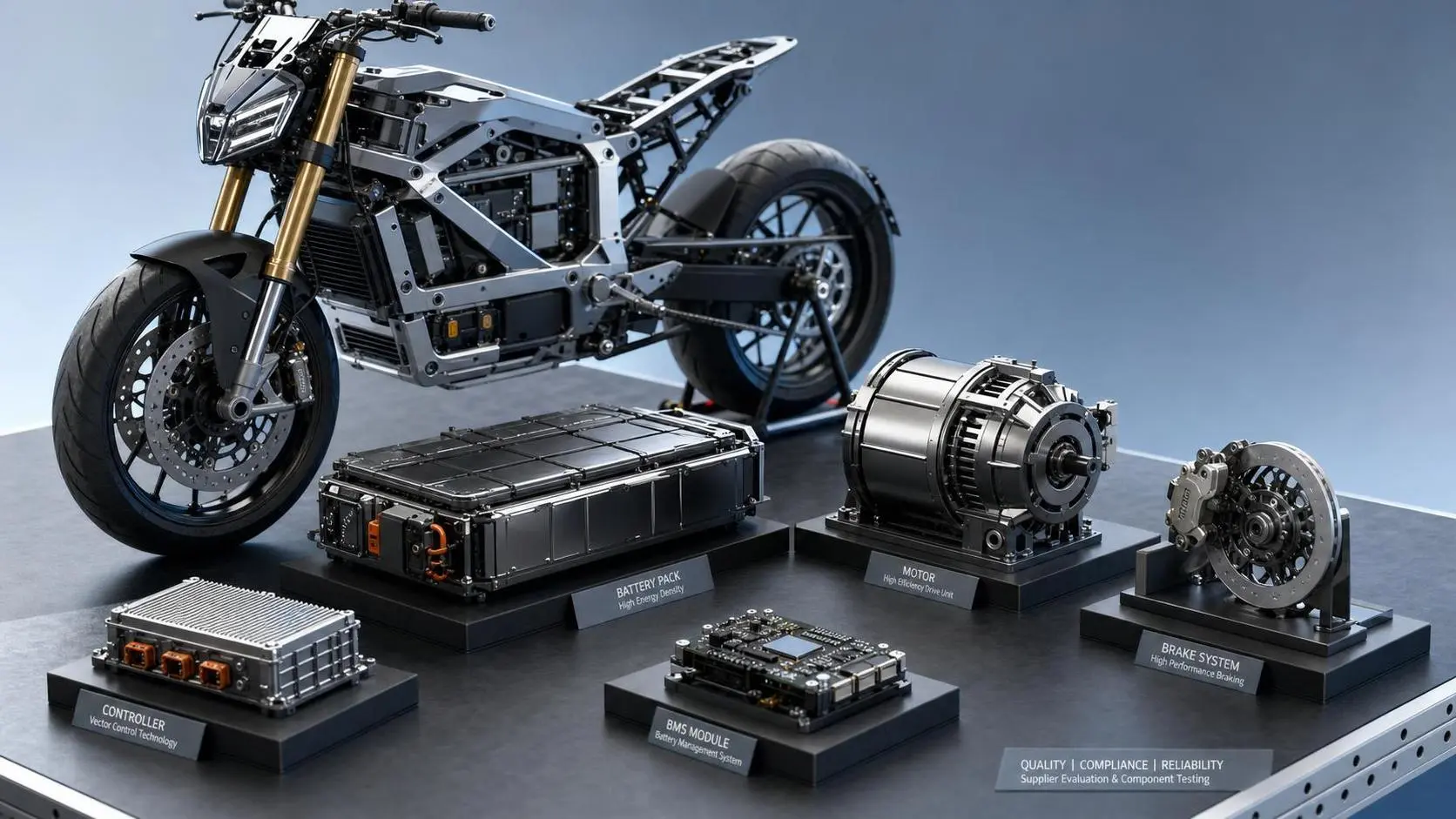
How to Evaluate Core Component Suppliers for Electric Motorcycles Before Sourcing?
Core component suppliers for electric motorcycles can make or break safety, compliance, and delivery. Learn how to assess technical strength, certifications, quality control, and hidden sourcing risks before you buy.
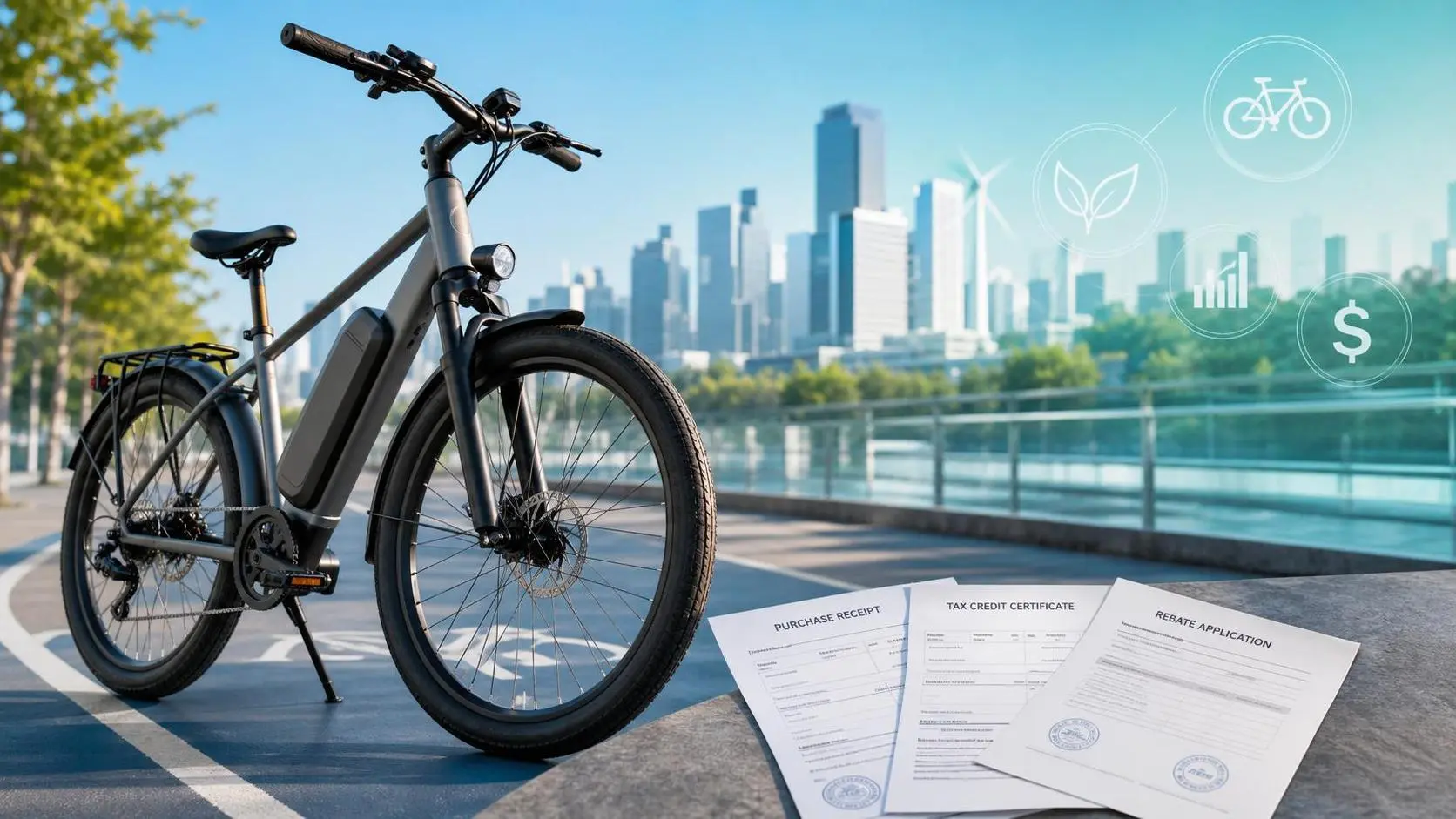
E-Bike Incentives Explained: How Riders Can Find Local Rebates and Tax Credits
E bike incentives explained: learn how to find local rebates, tax credits, and utility offers, avoid common mistakes, and cut the real cost of your next e-bike.
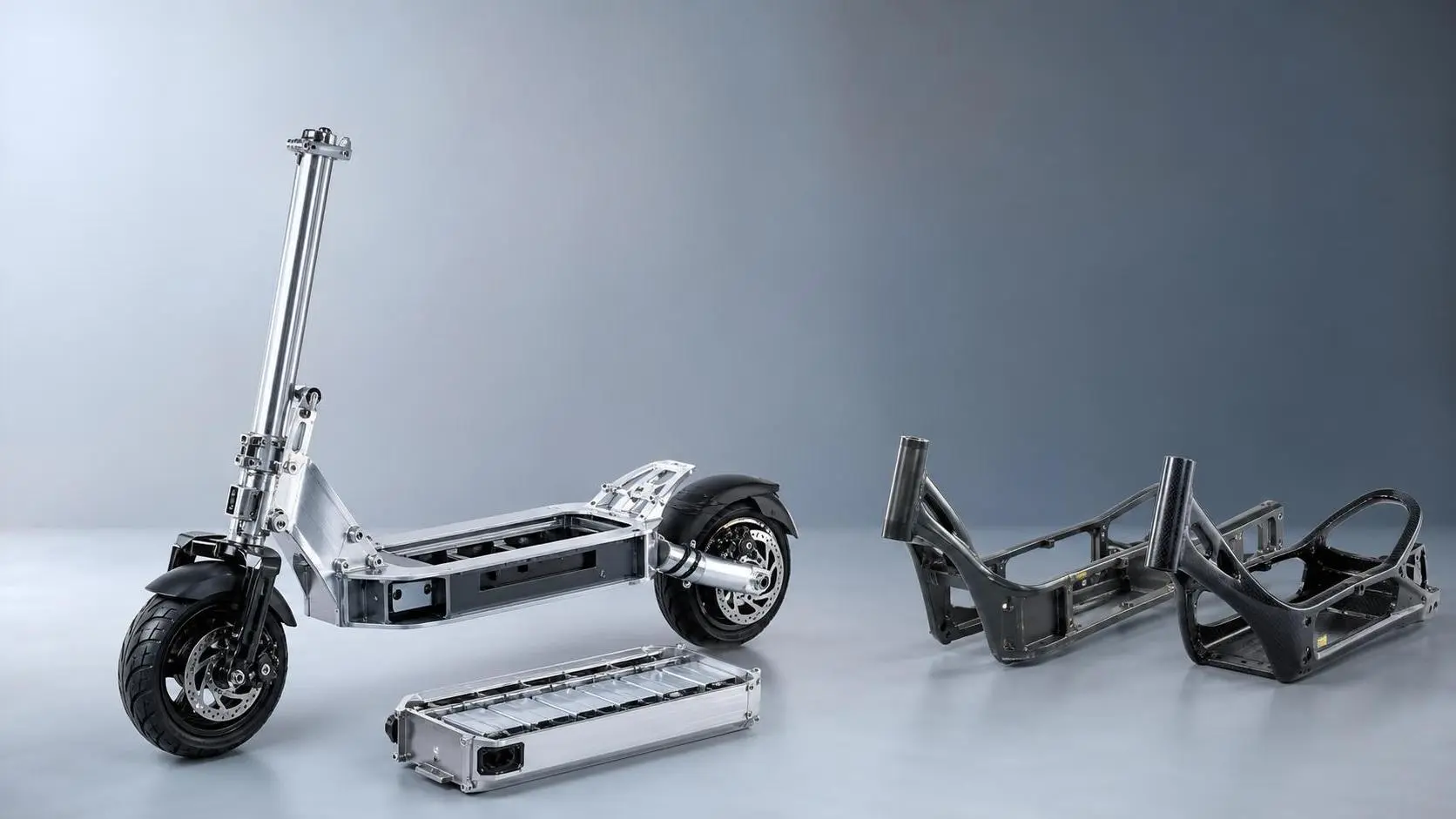
How to Choose Lightweight Scooter Frames in Europe: Materials, Standards, and Use Cases
Lightweight scooter frames Europe buyers need should balance materials, EN standards, durability, and real use cases. Discover how to choose safer, smarter, compliant frames.
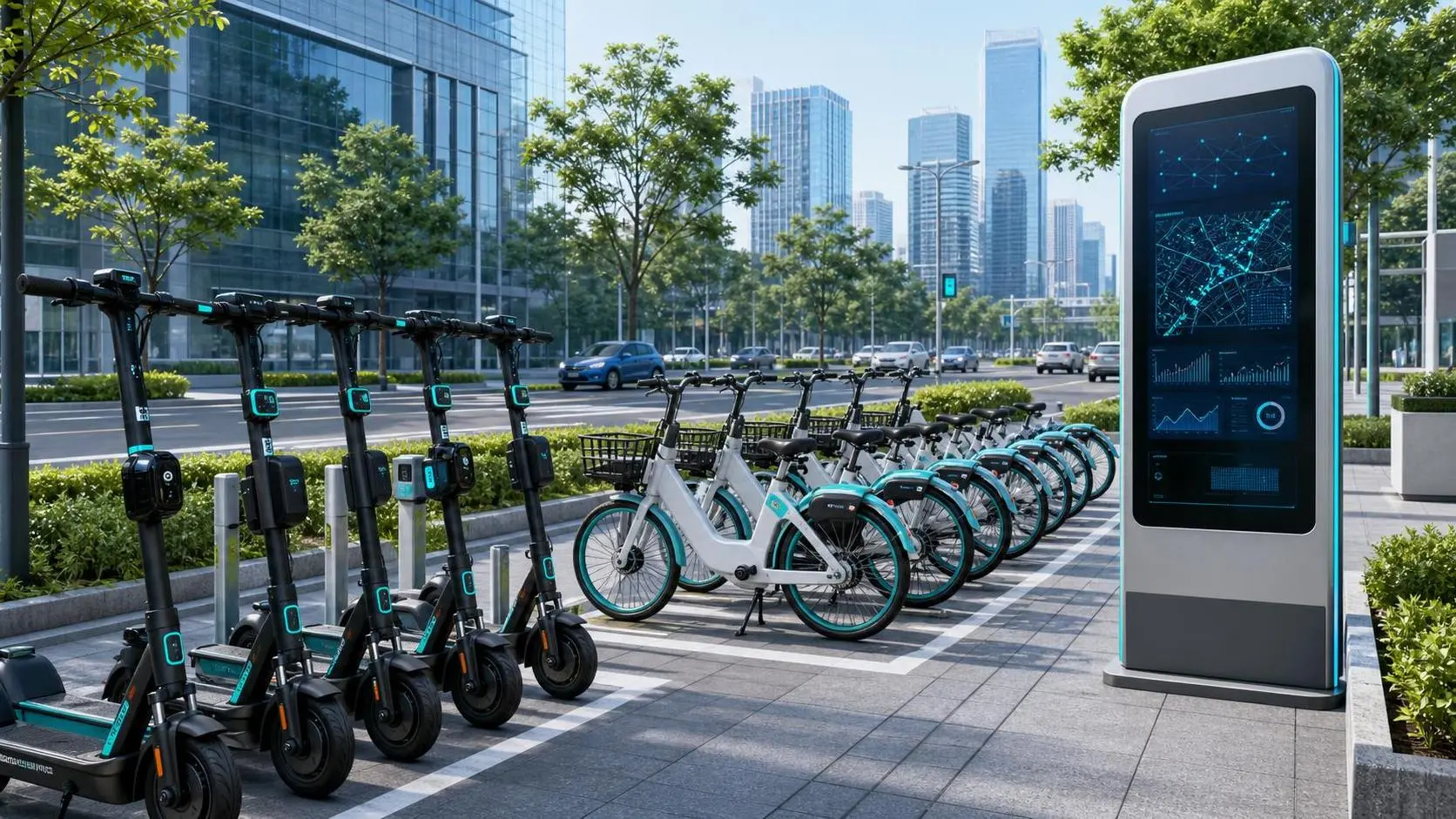
What Is the Intellectualization of Mobility Platform and How Is It Applied in Shared Fleets?
Intellectualization of mobility platform is reshaping shared fleets with real-time data, predictive maintenance, and smarter compliance—learn how it boosts safety, uptime, and urban mobility efficiency.
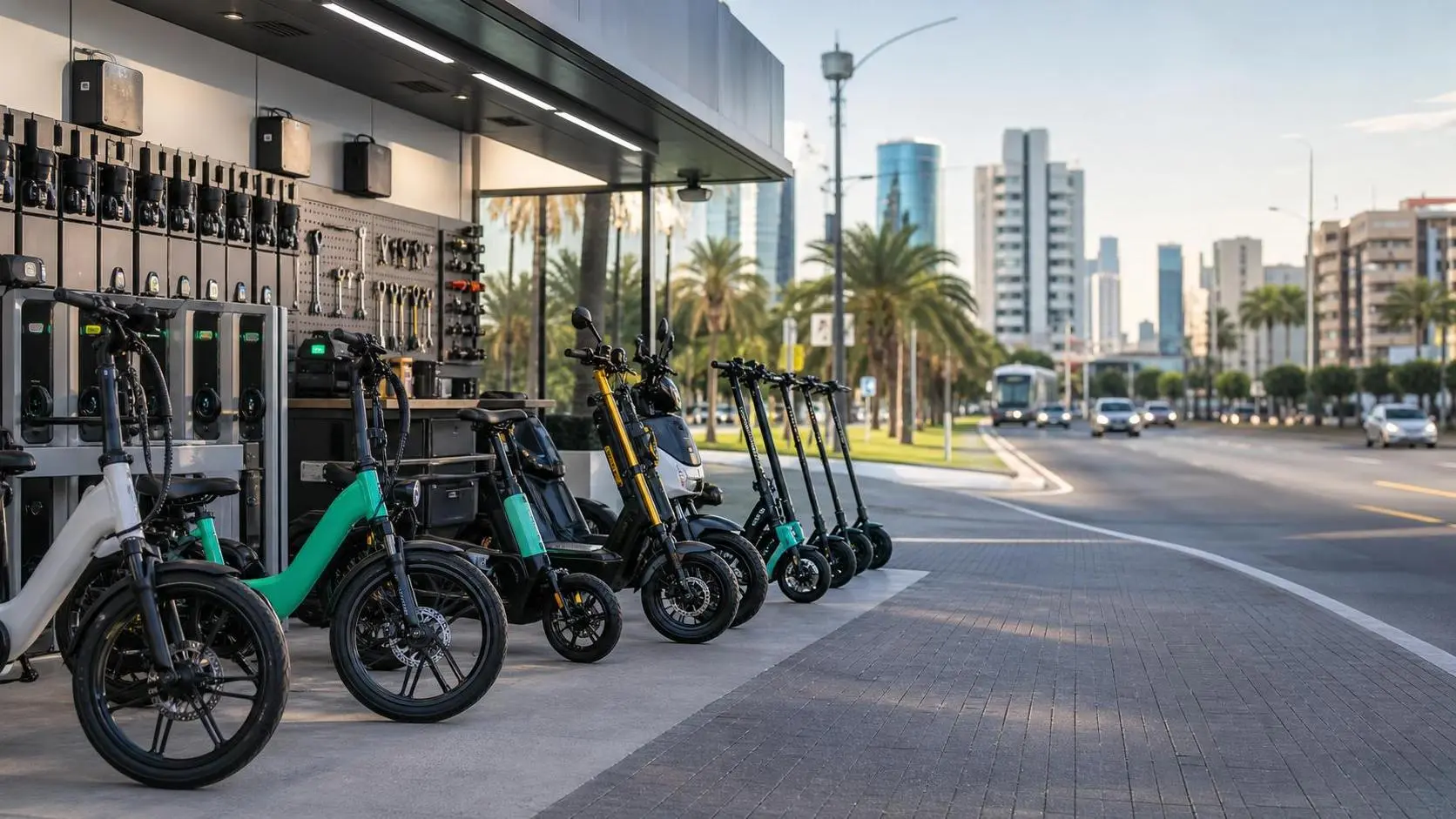
Urban Micro-Mobility Systems in Latin America: Key Market Drivers, Barriers, and Growth Segments
Urban micro-mobility systems Latin America are reshaping city transport. Explore key drivers, barriers, and high-growth segments to spot the region’s most investable opportunities.
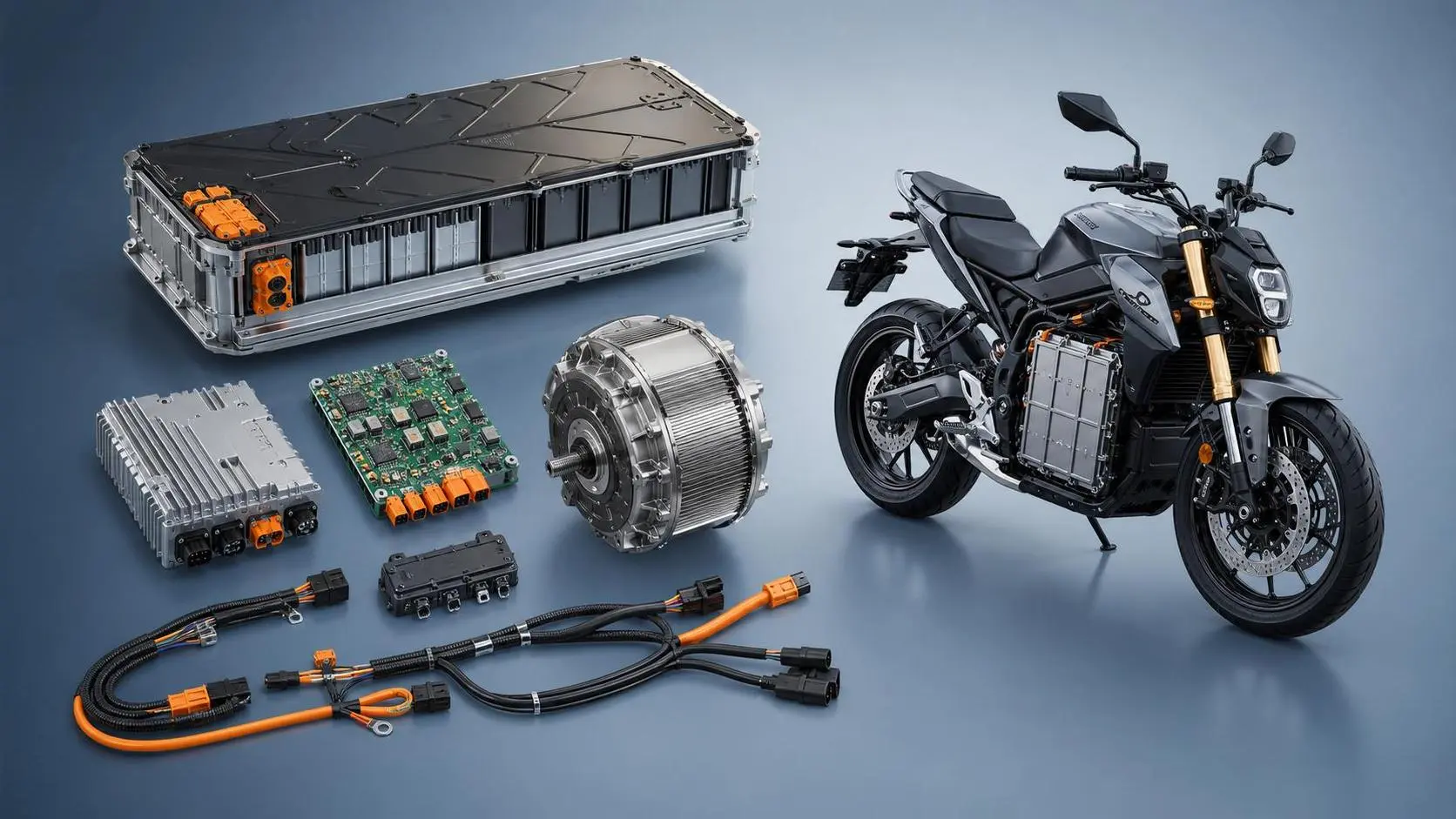
Electric Motorcycle Systems Price Breakdown: What Affects Cost From Battery to Controller?
Electric motorcycle systems price explained: see how battery, controller, motor, BMS, and wiring affect total cost, reliability, and sourcing value before you buy.
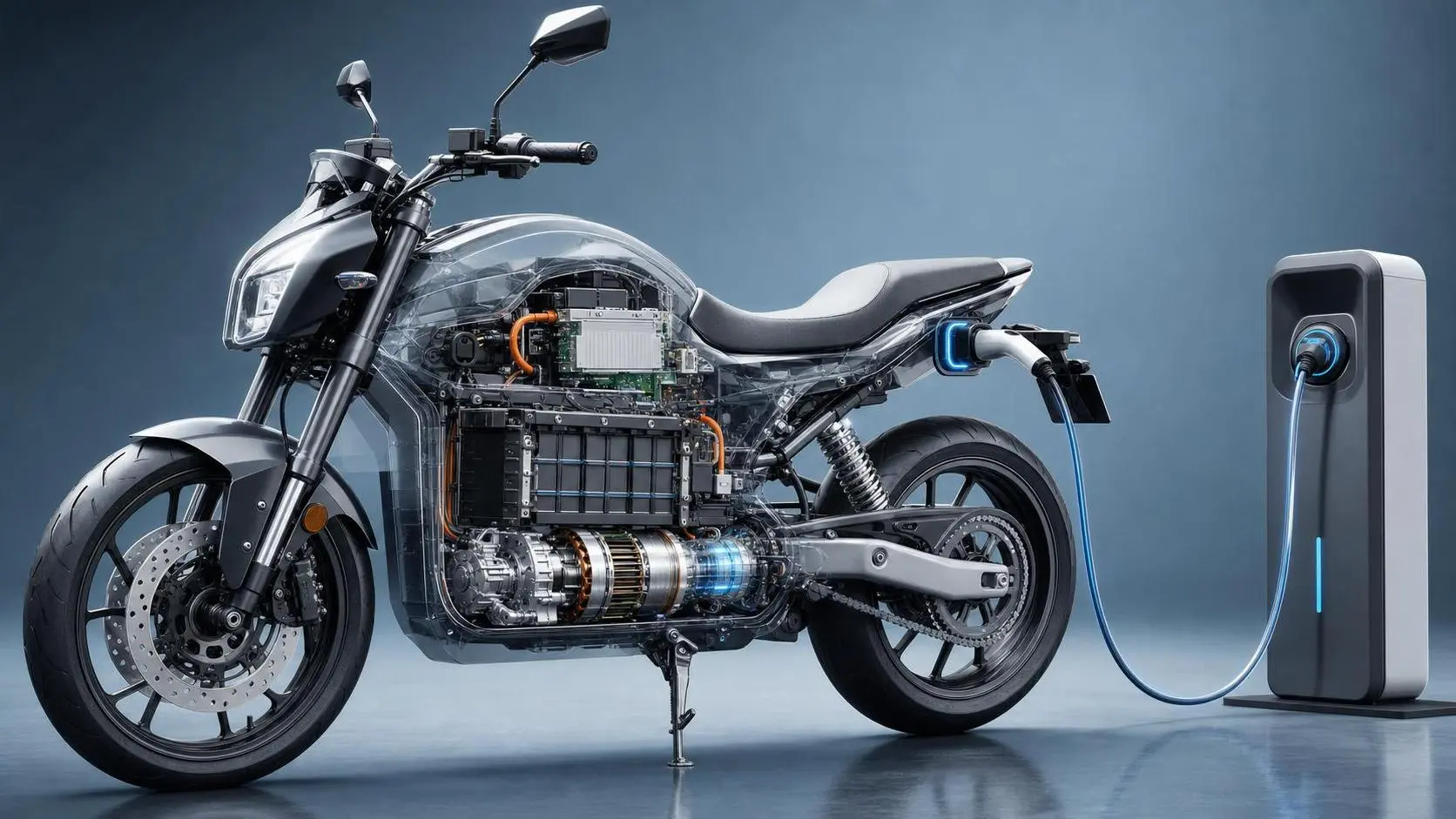
72V Electric Motorcycle Technology Explained: Motors, Controllers, Range, and Charging
Electric motorcycle technology 72V explained clearly: compare motors, controllers, range, battery design, and charging to choose a smoother, stronger, and smarter electric ride.
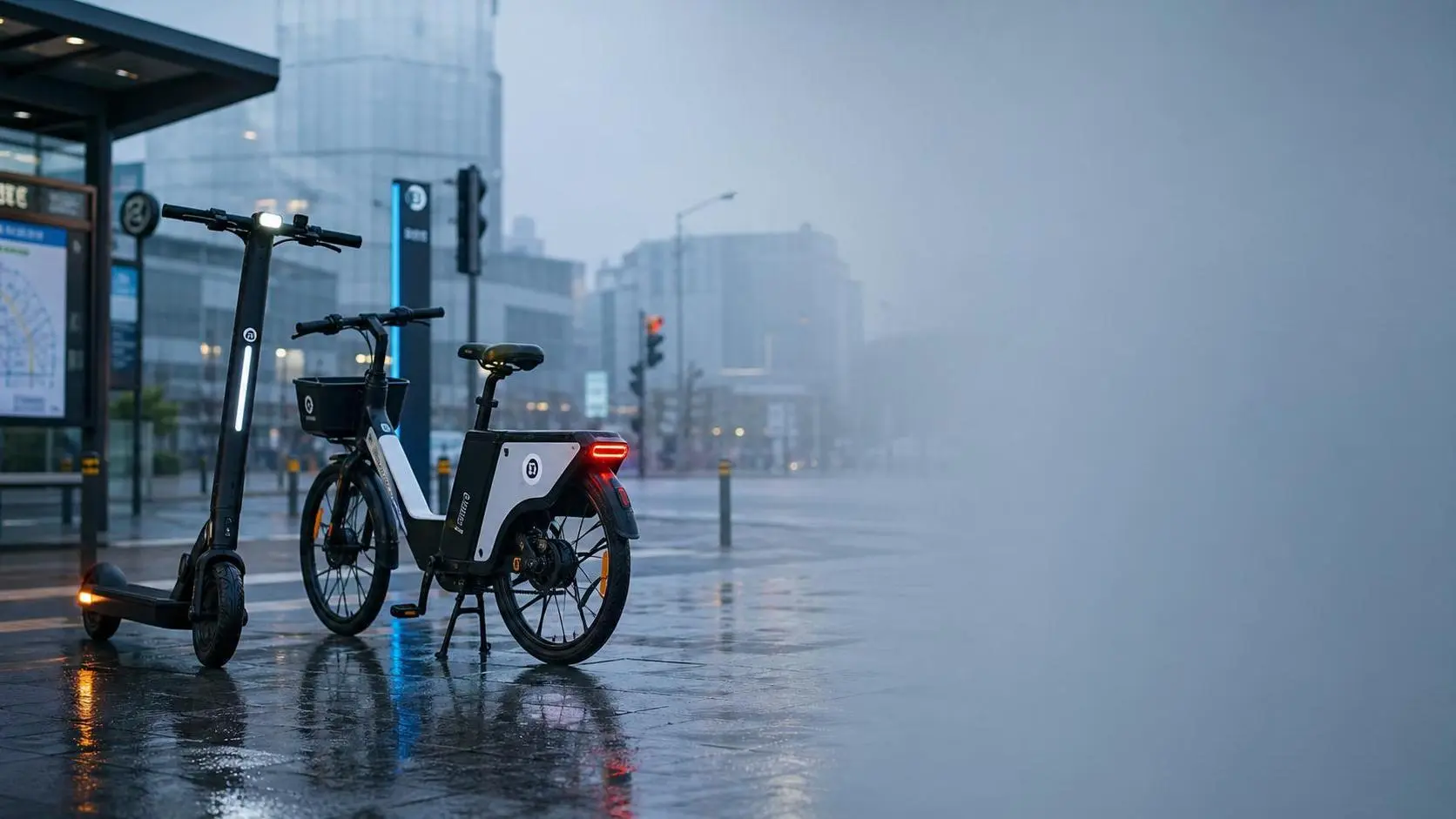
Where LED Urban Visibility Safety Systems Fit Best in Shared Scooters and City E-bikes
LED urban visibility safety systems deliver the most value in shared scooters and city e-bikes by improving multi-angle safety, fleet durability, and urban compliance across real-world routes.
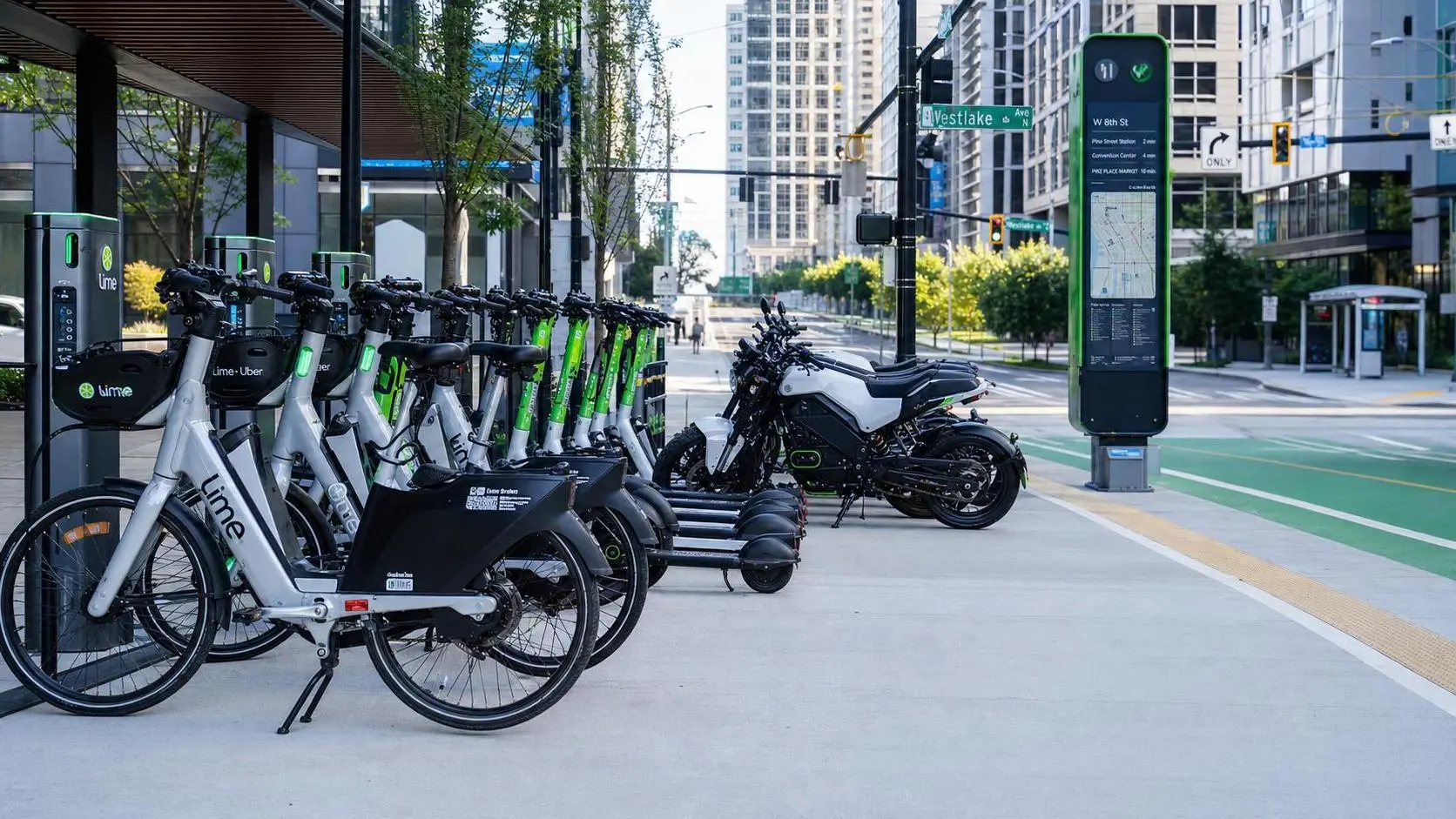
Intellectualization of Mobility in North America: What Is Driving Adoption Across Urban Transport?
Intellectualization of mobility North America is reshaping urban transport through data, smart fleets, and battery intelligence. Explore what is driving adoption and why cities and operators are accelerating now.