
Related News
- 00
0000-00
Electric Motorcycle Systems Price Breakdown: What Affects Cost From Battery to Controller? - 00
0000-00
Micro-mobility Systems Explained: Core Components, Operating Models, and City Use Cases - 00
0000-00
Electrification Strategies in Europe: Policy, Charging, and ROI Factors for Fleet Planning - 00
0000-00
OEM Market Share in Electric Motorcycles: What It Reveals About Brand Positioning - 00
0000-00
What Is a Smart Transportation Platform and Which Urban Mobility Use Cases Fit Best?
Ms. Elena Rodriguez
Weekly Insights
Stay ahead with our curated technology reports delivered every Monday.
Is micro-light technology worth the higher upfront cost?





For finance decision-makers, the real question is not whether micro-light technology sounds innovative, but whether it delivers measurable returns. In urban micro-mobility, higher upfront costs can be justified if they reduce maintenance, improve energy efficiency, extend component life, and strengthen long-term market competitiveness. Understanding where micro-light technology creates value is essential before approving the investment.
Why a checklist is the best way to evaluate micro-light technology
The value of micro-light technology is rarely visible in purchase price alone. It appears across battery range, structural efficiency, service intervals, rider experience, and compliance performance.
That makes checklist-based evaluation useful. It prevents overpaying for marketing language and helps compare real cost drivers over the full operating life.
In e-bikes, smart e-scooters, high-speed e-motorcycles, and precision bicycle components, micro-light technology can mean lighter housings, optimized materials, miniaturized electronics, or compact power systems.
Each version affects total value differently. A structured review keeps the decision tied to durability, energy use, replacement cycles, and long-term strategic fit.
Core checklist: Is micro-light technology worth the higher upfront cost?
- Measure total cost of ownership, not unit price, by comparing energy savings, maintenance reduction, warranty exposure, and replacement timing over a realistic three- to five-year operating period.
- Verify weight-to-performance gains by checking whether micro-light technology improves acceleration, range, handling, payload efficiency, or thermal behavior under actual urban riding conditions.
- Audit material durability carefully, because lighter structures only create value when corrosion resistance, vibration tolerance, impact behavior, and fatigue life remain commercially acceptable.
- Compare battery efficiency impact by testing whether reduced component mass lowers power draw, stabilizes discharge patterns, and supports smaller battery packs without harming usability.
- Check maintenance intervals and serviceability, since some micro-light technology designs cut wear, while others increase repair complexity and raise spare-parts dependency.
- Examine supply chain resilience by confirming source stability for advanced alloys, engineered polymers, lightweight sensors, and compact electronic modules used in micro-light technology.
- Review compliance implications, including safety certification, urban mobility regulations, electromagnetic compatibility, and environmental standards that may affect launch timing or retrofit cost.
- Test user-value conversion by asking whether the lighter design creates a noticeable benefit that improves product differentiation, market pricing power, or fleet utilization.
- Calculate payback sensitivity under low, medium, and high usage assumptions so the business case does not collapse when demand, rider behavior, or maintenance reality shifts.
- Confirm integration compatibility with drivetrains, braking systems, battery architecture, IoT modules, and precision components to avoid hidden redesign costs later.
How micro-light technology creates value in different applications
E-bikes
For e-bikes, micro-light technology often delivers value through better range and ride feel. Lower frame or component mass reduces energy demand during stop-and-go commuting and hill starts.
It also improves carrying convenience. That matters in apartment buildings, mixed-mode commuting, and premium export markets where usability strongly affects buying decisions.
Smart e-scooters
In smart e-scooters, micro-light technology can improve fleet economics when it lowers charging frequency, eases repositioning, and reduces structural strain from repeated deployment cycles.
The benefit is strongest when lightweight design does not sacrifice vandal resistance, waterproofing, or sensor reliability. Shared-use environments punish fragile innovation quickly.
High-speed e-motorcycles
For high-speed e-motorcycles, micro-light technology can reshape performance economics. Less weight improves acceleration, braking balance, and thermal load distribution across powertrain systems.
However, this category demands strict engineering proof. If lightweight parts reduce crashworthiness or introduce heat-management issues, the higher upfront cost becomes unjustified.
Precision bicycle components
In derailleurs, hubs, cranksets, and electronic shifting systems, micro-light technology can support faster response, lower rotating mass, and a sharper riding experience.
Yet the return depends on segment positioning. Competitive, premium, and enthusiast markets often reward these gains more than utility-focused commuter segments.
Commonly overlooked risks before approving micro-light technology
Hidden repair complexity
Some lightweight assemblies require proprietary tools, bonded structures, or difficult module replacement. Savings in mass can be erased by higher labor time and lower field-service flexibility.
Overestimated energy savings
Weight reduction does not always transform energy consumption. Tire quality, riding style, terrain, software tuning, and battery management may influence efficiency more than expected.
Premium material volatility
Micro-light technology may depend on magnesium alloys, carbon-based structures, or advanced composites. Price swings and sourcing concentration can weaken margin predictability.
Weak customer-perceived value
If end users cannot feel the benefit, the market may resist premium pricing. In that case, the investment creates engineering value without commercial conversion.
Integration delays
Lighter parts can trigger redesigns in mounting points, firmware calibration, vibration tuning, or safety validation. The upfront cost may grow through project delay rather than purchase price alone.
Practical execution steps for a sound investment decision
- Build a side-by-side model that compares standard and micro-light technology configurations across purchase cost, service cost, energy use, and residual value.
- Run pilot testing in real urban routes instead of relying only on laboratory claims, especially for battery range, vibration resistance, and weather durability.
- Use failure-mode reviews to identify where lightweight design might create new stress points in brackets, housings, connectors, or thermal interfaces.
- Request supplier data on fatigue cycles, ingress protection, repair protocols, and field return rates before accepting performance promises.
- Model multiple payback scenarios, including conservative adoption and harsh operating environments, so the business case remains credible under pressure.
A practical rule helps: approve micro-light technology when its measurable lifecycle gains exceed its premium by a clear and testable margin, not by assumption.
Decision framework: when the higher upfront cost is worth it
Micro-light technology is usually worth the higher upfront cost when four conditions are present. First, the weight reduction produces visible operational gains. Second, durability remains strong.
Third, the design supports easier energy management or smaller battery demand. Fourth, the market recognizes the improvement enough to protect price or increase utilization.
If one or more of those conditions are missing, the investment should be treated cautiously. Not every lightweight innovation creates business value in every micro-mobility segment.
Conclusion and next action
So, is micro-light technology worth the higher upfront cost? Yes, but only when the economics are proven across lifecycle performance, maintenance, integration, and market impact.
The smartest next step is to evaluate one target platform, apply the checklist above, and quantify payback using real operating data. That approach turns micro-light technology from a trend into a disciplined investment decision.
Related News
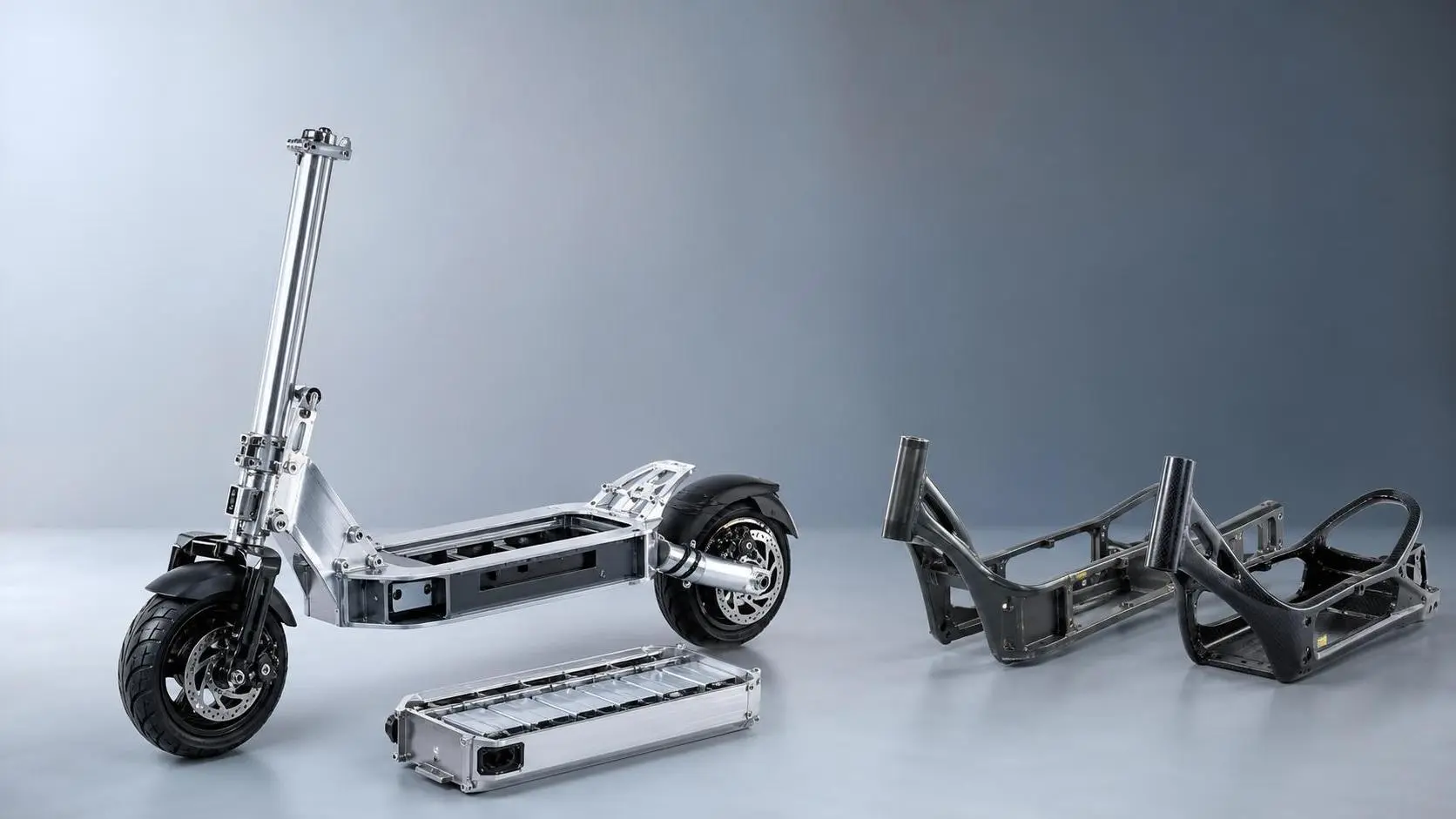
How to Choose Lightweight Scooter Frames in Europe: Materials, Standards, and Use Cases
Lightweight scooter frames Europe buyers need should balance materials, EN standards, durability, and real use cases. Discover how to choose safer, smarter, compliant frames.
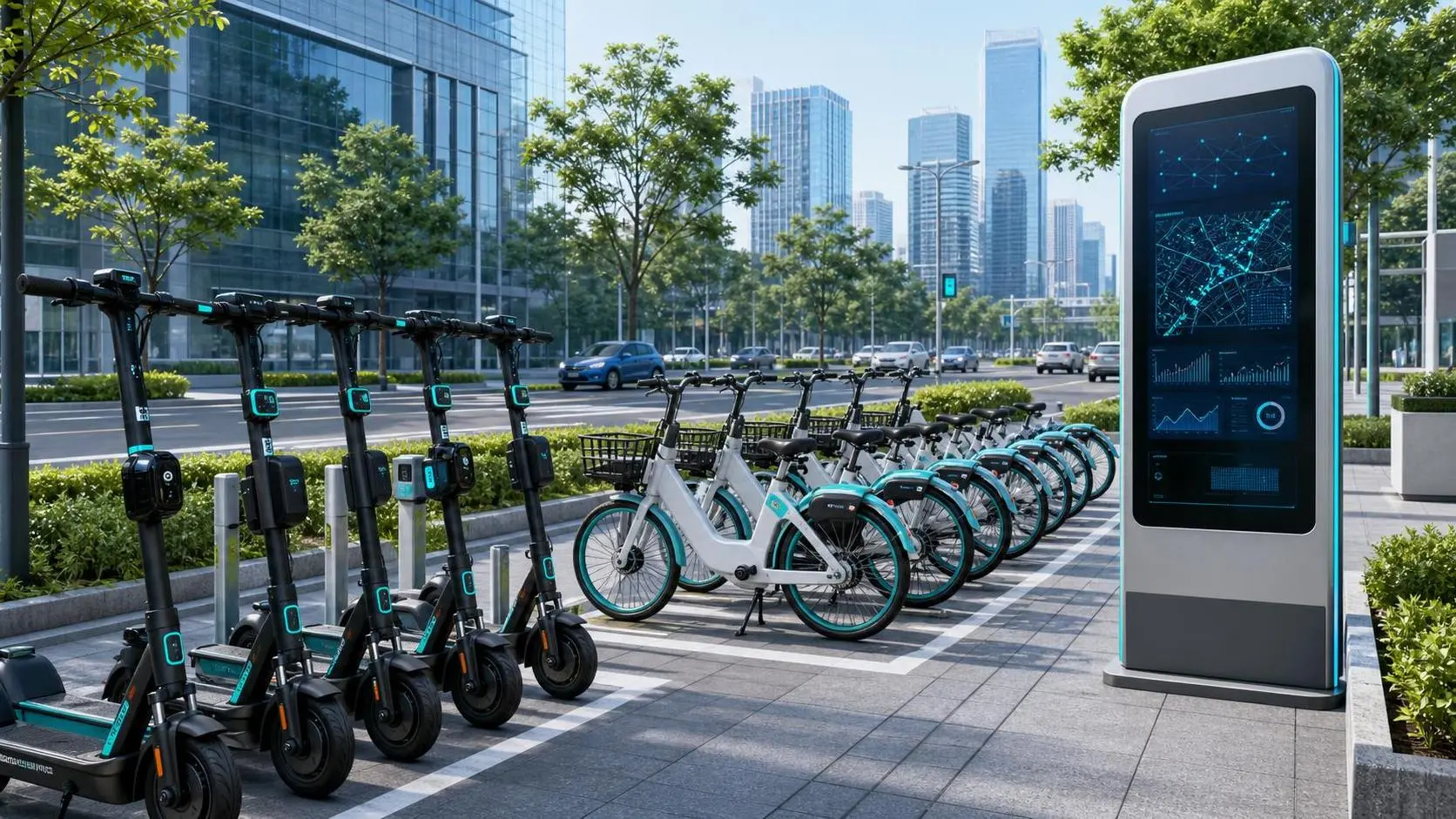
What Is the Intellectualization of Mobility Platform and How Is It Applied in Shared Fleets?
Intellectualization of mobility platform is reshaping shared fleets with real-time data, predictive maintenance, and smarter compliance—learn how it boosts safety, uptime, and urban mobility efficiency.
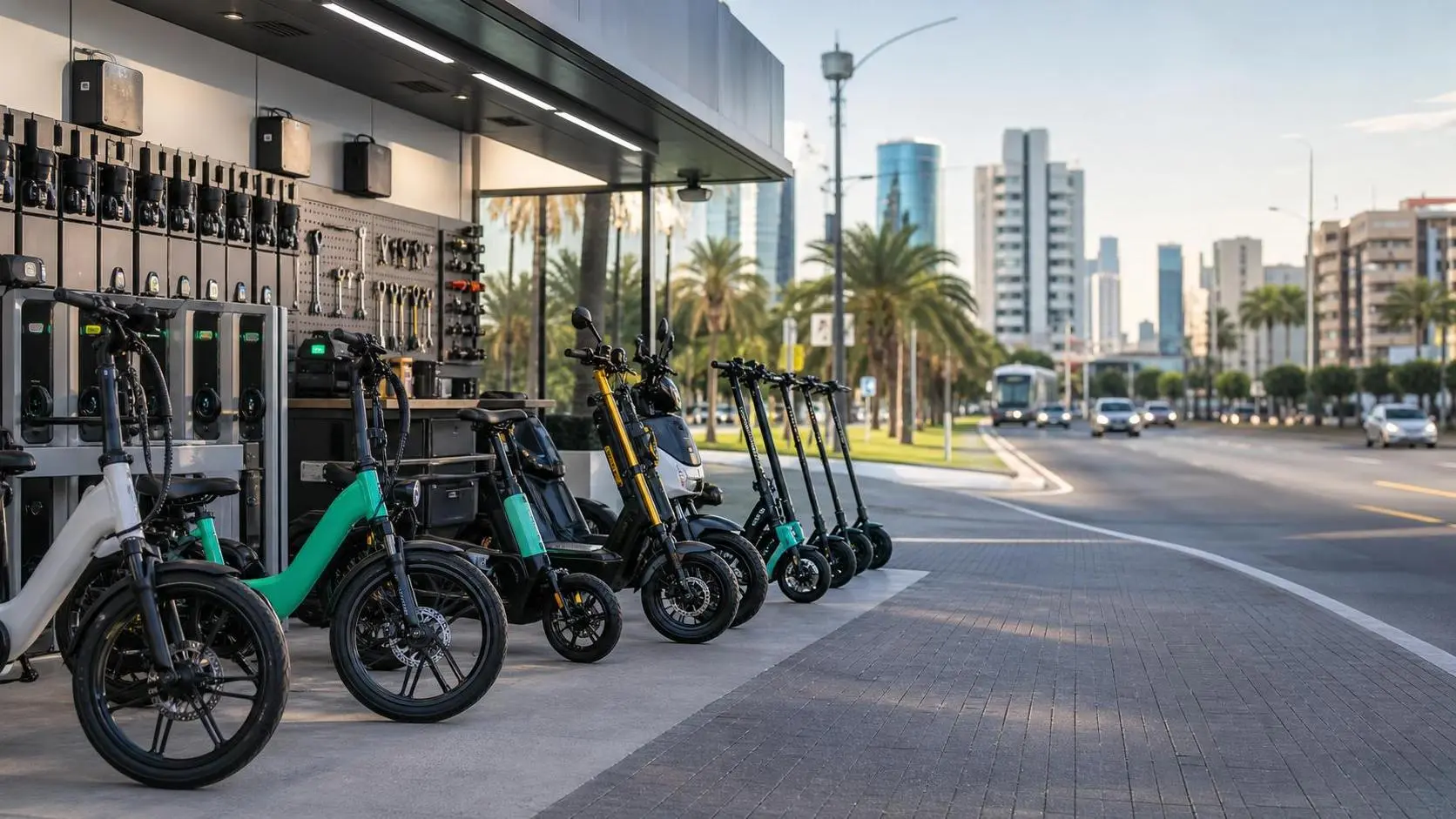
Urban Micro-Mobility Systems in Latin America: Key Market Drivers, Barriers, and Growth Segments
Urban micro-mobility systems Latin America are reshaping city transport. Explore key drivers, barriers, and high-growth segments to spot the region’s most investable opportunities.
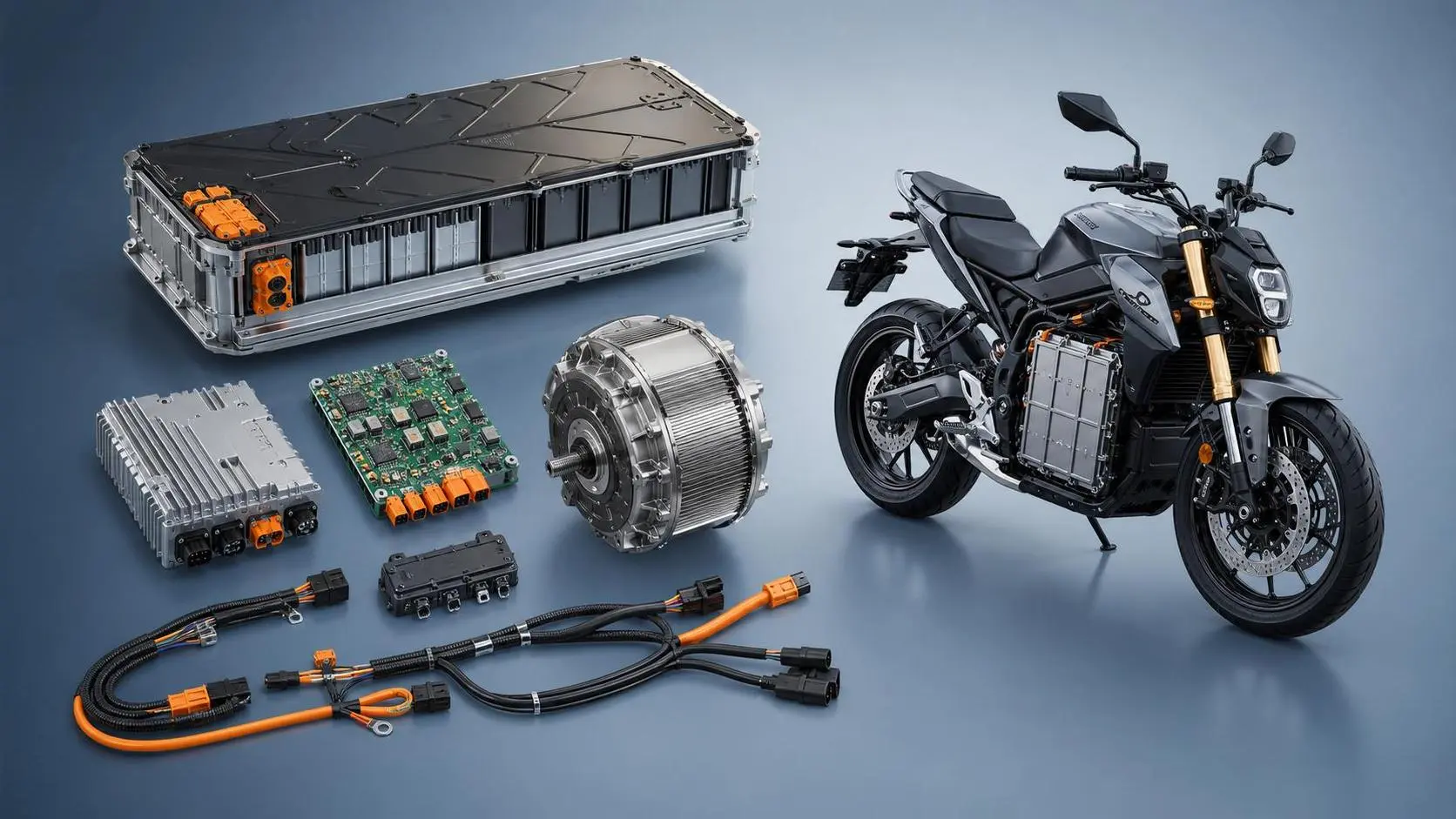
Electric Motorcycle Systems Price Breakdown: What Affects Cost From Battery to Controller?
Electric motorcycle systems price explained: see how battery, controller, motor, BMS, and wiring affect total cost, reliability, and sourcing value before you buy.
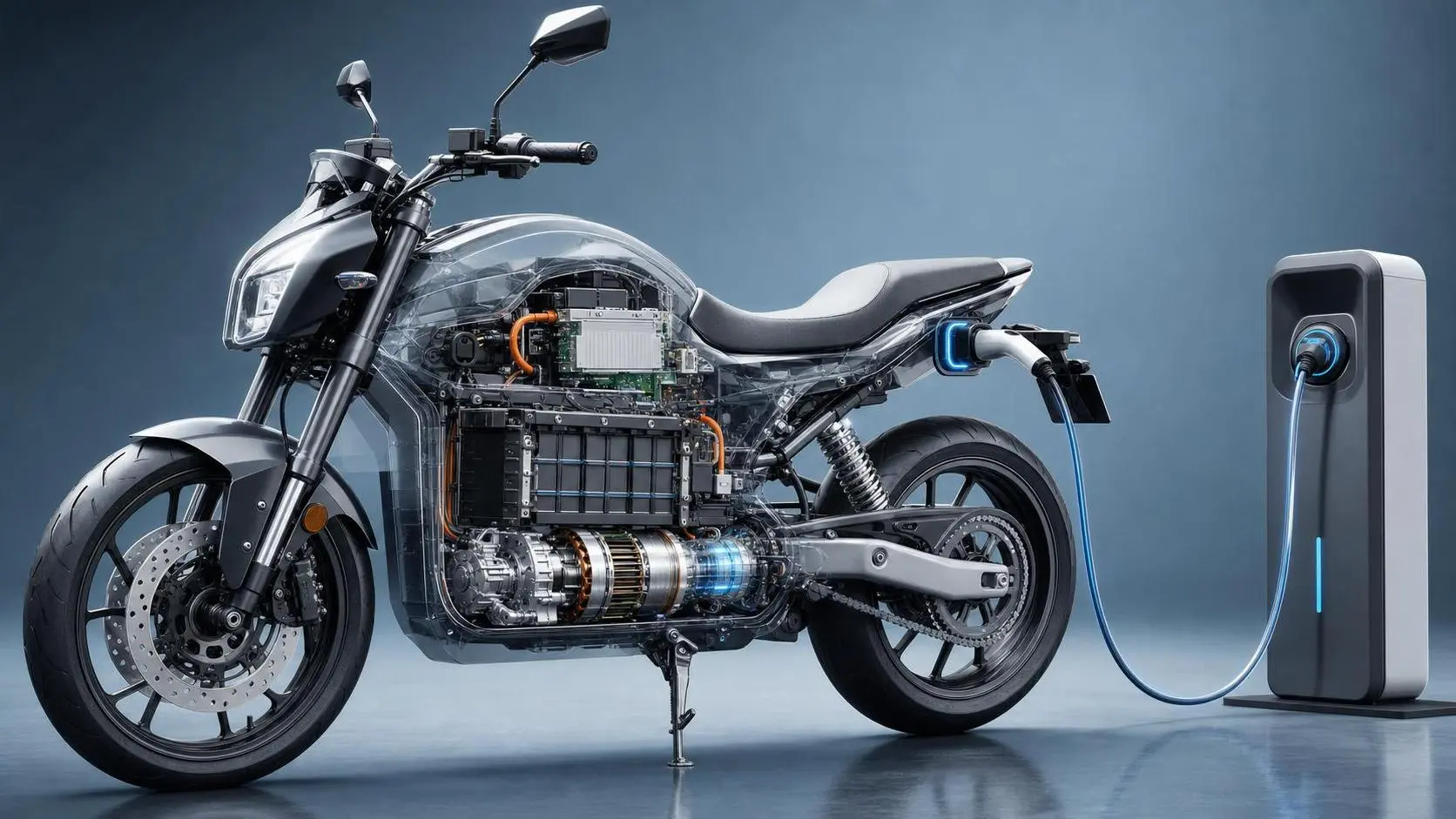
72V Electric Motorcycle Technology Explained: Motors, Controllers, Range, and Charging
Electric motorcycle technology 72V explained clearly: compare motors, controllers, range, battery design, and charging to choose a smoother, stronger, and smarter electric ride.

Where LED Urban Visibility Safety Systems Fit Best in Shared Scooters and City E-bikes
LED urban visibility safety systems deliver the most value in shared scooters and city e-bikes by improving multi-angle safety, fleet durability, and urban compliance across real-world routes.

Intellectualization of Mobility in North America: What Is Driving Adoption Across Urban Transport?
Intellectualization of mobility North America is reshaping urban transport through data, smart fleets, and battery intelligence. Explore what is driving adoption and why cities and operators are accelerating now.
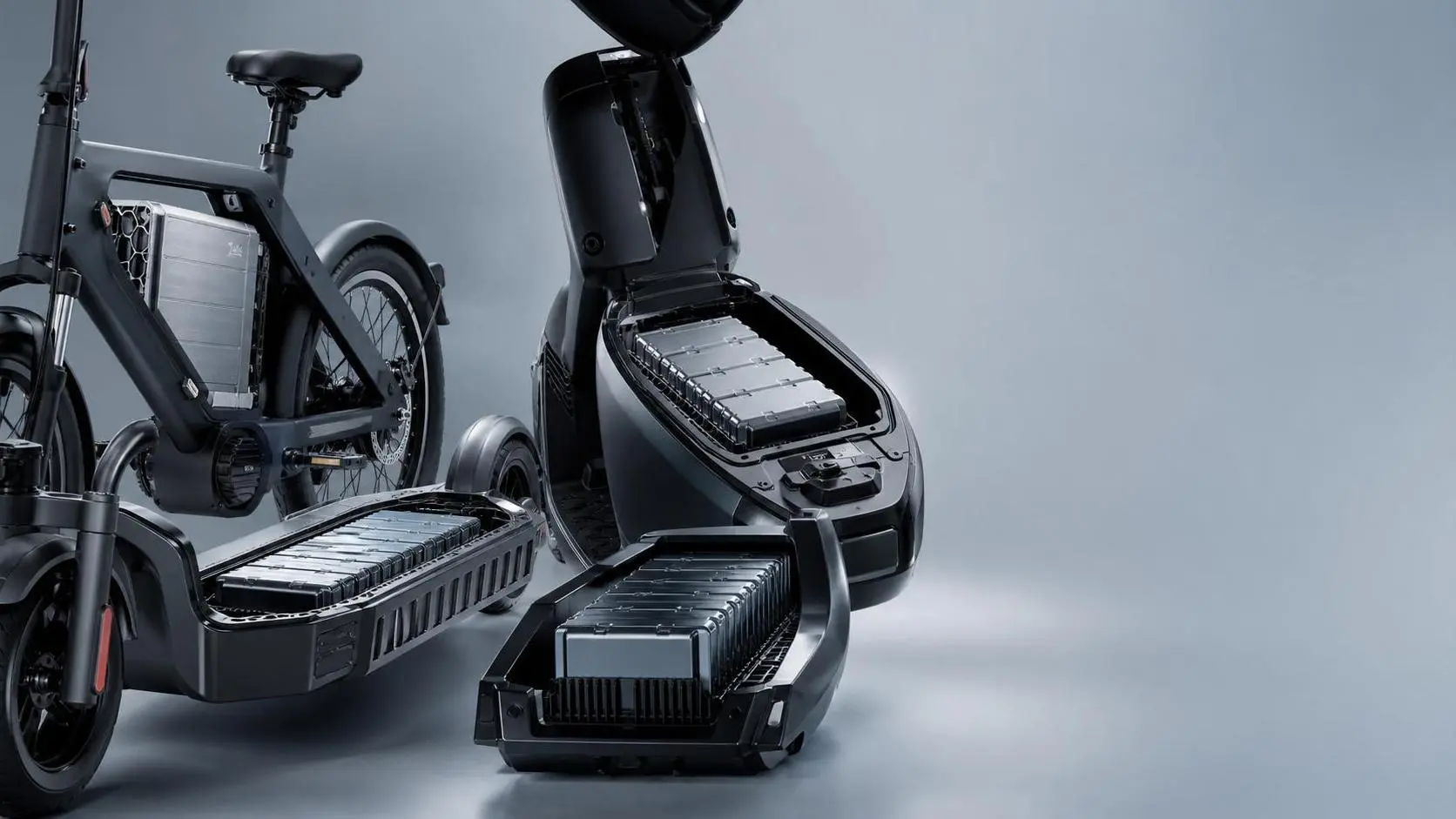
How to Choose a Compact Battery Pack: Size, Energy Density, Thermal Design, and Cycle Life
Compact battery pack selection starts with more than size. Learn how energy density, thermal design, and cycle life shape range, safety, and long-term value.
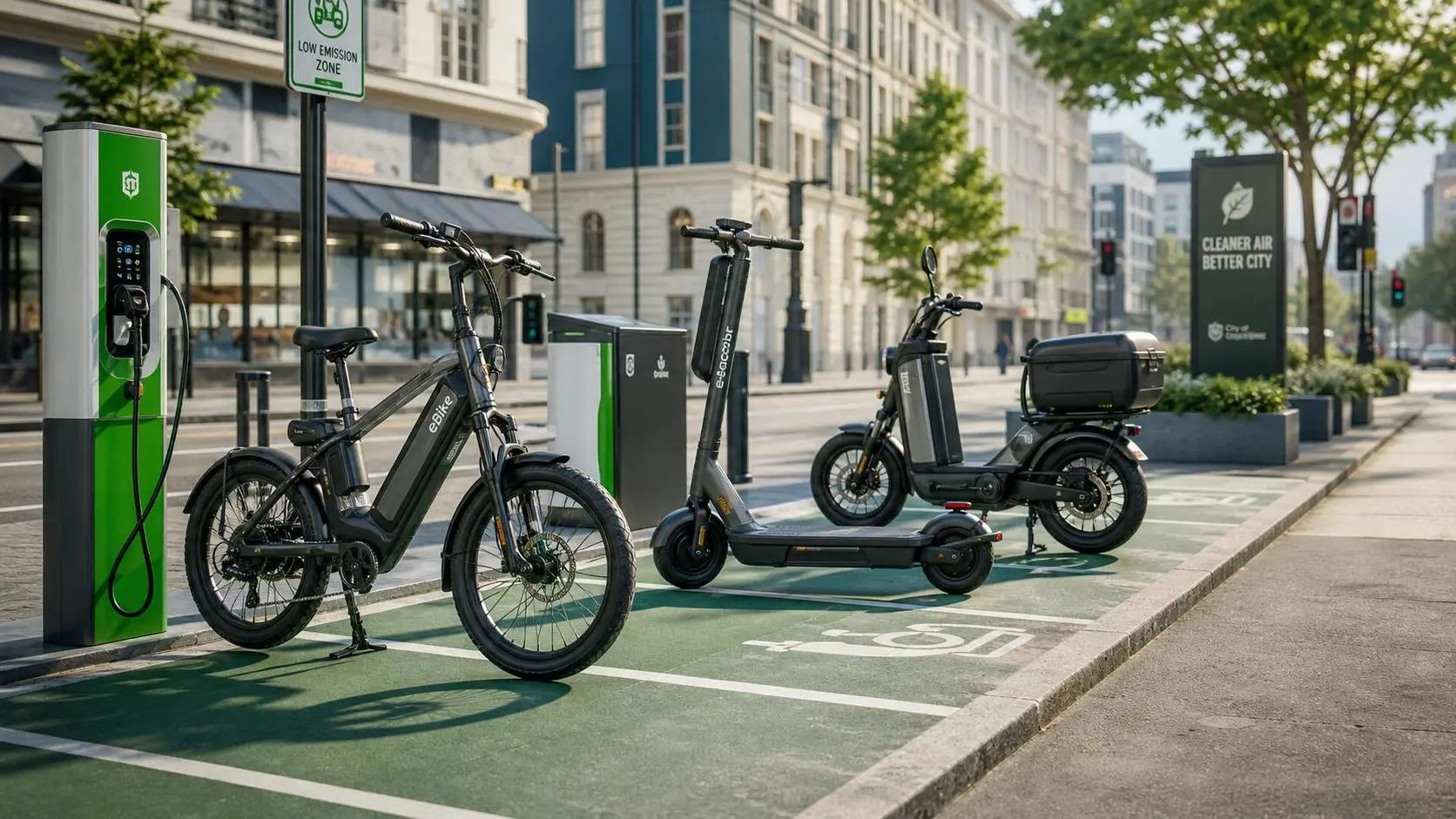
What Is Driving Green Two-wheelers Demand in Europe? Policy, Fuel Costs, and Buyer Segments
Green two-wheelers demand Europe is rising as policy support, fuel cost pressure, and diverse buyer segments reshape urban mobility. Explore the trends driving the next growth wave.