
Related News
- 00
0000-00
Electric Motorcycle Systems Price Breakdown: What Affects Cost From Battery to Controller? - 00
0000-00
Micro-mobility Systems Explained: Core Components, Operating Models, and City Use Cases - 00
0000-00
Electrification Strategies in Europe: Policy, Charging, and ROI Factors for Fleet Planning - 00
0000-00
OEM Market Share in Electric Motorcycles: What It Reveals About Brand Positioning - 00
0000-00
What Is a Smart Transportation Platform and Which Urban Mobility Use Cases Fit Best?
Ms. Elena Rodriguez
Weekly Insights
Stay ahead with our curated technology reports delivered every Monday.
What makes international voice building matter in 2026?





In 2026, international voice building matters more than ever for micro-mobility brands navigating fast-changing regulations, electrification, and global competition. For researchers tracking e-bikes, smart e-scooters, high-speed e-motorcycles, and precision components, a strong international presence is no longer just about visibility—it is about credibility, market influence, and long-term growth in the evolving low-carbon urban mobility ecosystem.
For information researchers, the phrase international voice building goes beyond media exposure. It refers to a brand’s ability to be cited, trusted, compared, shortlisted, and invited into policy, procurement, and technical conversations across 3 to 5 major markets at the same time.
In micro-mobility, that influence now affects how OEMs assess suppliers, how distributors screen new partners, and how city stakeholders interpret safety, compliance, and innovation claims. For platforms such as UMMS, this creates a clear intelligence need: not just more data, but better global signal recognition.
Why international voice building has become a strategic asset in 2026
The global micro-mobility market is no longer shaped by one region alone. In 2026, product acceptance often depends on regulatory fit, battery safety expectations, urban infrastructure readiness, and after-sales capability across at least 2 to 4 export destinations.
That is why international voice building matters. A company that is technically strong but poorly understood outside its home market may lose tenders, media trust, and channel access to competitors with weaker engineering but stronger narrative control.
A stronger global voice changes more than brand awareness
For e-bike motor makers, smart e-scooter integrators, and derailleur component suppliers, global reputation increasingly affects 4 practical areas: sourcing confidence, technical validation, pricing resilience, and partnership speed. In many B2B cycles, first-round screening happens within 7 to 21 days.
If a company has no consistent international presence in trade media, technical commentary, multilingual product positioning, or issue-based thought leadership, it becomes harder for researchers to validate risk. Silence is often interpreted as uncertainty rather than neutrality.
What has changed since earlier growth cycles
- Regulatory updates now move faster, with some market access rules changing within 6 to 12 months.
- Battery, software, and connectivity expectations now carry similar weight to mechanical performance.
- Procurement teams compare not only unit cost, but also issue response speed, documentation quality, and global credibility.
- Public narratives around sustainability, repairability, and safety increasingly shape buying decisions.
The result is simple: international voice building helps brands translate engineering capability into recognized market relevance. In sectors driven by trust and compliance, that translation can decide whether a company enters the conversation at all.
Why this is especially critical for micro-mobility segments
Micro-mobility is unusually exposed to fragmented standards. An e-bike may be evaluated for motor output limits, battery transport handling, frame durability, and local road classification. A smart e-scooter may face separate questions around data connectivity, right-of-way, fleet servicing, and rider safety.
For high-speed e-motorcycles, scrutiny can rise even further because thermal management, charging logic, battery swapping, and power delivery are reviewed through both performance and safety lenses. In this context, a weak international voice creates a knowledge gap that buyers often price in as risk.
The table below shows how international voice building influences decision-making across core micro-mobility categories.
The main takeaway is that international voice building is not a decorative branding layer. It reduces friction in evaluation, especially where products must pass through technical, regulatory, and commercial review at the same time.
What researchers and B2B buyers actually look for in a global industry voice
Information researchers rarely judge visibility by volume alone. They usually look for consistency across 5 to 7 evidence points, including technical depth, market commentary, response speed, issue clarity, and the ability to explain product value in different regional contexts.
In 2026, international voice building becomes meaningful only when it helps third parties make decisions faster. If a company cannot explain where its product fits, what risks it solves, and how it supports global compliance, its message remains incomplete.
The core markers of a credible international presence
- Clear positioning for at least 3 user groups: OEMs, channel partners, and technical evaluators.
- Documented language around use cases such as urban commute, fleet operation, mountain assistance, or high-speed performance.
- Regular commentary on regulatory or engineering shifts every 30 to 90 days.
- Evidence of category knowledge, not just product listing pages or trade show announcements.
- Messaging that aligns performance claims with service logic, maintenance intervals, and operating conditions.
For UMMS readers, this matters because the strongest market voices are often those that connect policy, engineering, and demand signals. A battery discussion without thermal context, or a drivetrain claim without interference analysis, no longer feels complete in serious research workflows.
Common weak spots that reduce international trust
Many emerging suppliers still rely on broad claims such as stable quality or strong innovation. These phrases carry little weight unless they are anchored in technical thresholds, operating ranges, or implementation details such as 500W to 750W assistance classes, IP ratings, charging cycles, or maintenance frequency bands.
Another weak spot is fragmented communication. A company may present one message in trade fairs, another in distributor decks, and a third on its website. This inconsistency makes international voice building harder, because researchers cannot easily map identity to capability.
How international voice building supports market entry, compliance, and technical influence
In practice, international voice building works best when it supports 3 linked objectives: entering new markets, lowering perceived compliance risk, and establishing technical authority in a crowded field. These three objectives reinforce one another over time.
For example, a company entering Europe, Southeast Asia, and Latin America may face different questions in each region. One market may focus on pedal-assist definitions, another on fleet safety, and another on battery serviceability. A single global narrative will not be enough unless it can adapt without losing technical precision.
Market entry depends on interpretability
A strong product can still fail to scale if the market cannot interpret it quickly. Distributors and procurement teams often compare 8 to 12 brands in early-stage screening. They tend to favor suppliers whose public narrative reduces the time required to understand fit, risk, and support readiness.
This is especially true in smart e-scooters and high-speed e-motorcycles, where software modules, data handling, or battery architecture may influence purchasing confidence as much as frame or motor specifications.
Compliance communication is now part of commercial communication
International voice building also helps convert compliance complexity into accessible language. Researchers need to know whether a brand can discuss battery storage precautions, charging behavior, visibility systems, or drivetrain precision without overpromising or leaving critical gaps.
In categories like wiper systems for visibility safety or wireless electronic shifting components, technical influence often comes from explanation quality. A supplier that can explain anti-interference logic, response timing, or environmental durability in plain but accurate terms becomes easier to trust.
The following table outlines how different strategic goals connect with voice-building priorities and research outcomes.
This framework is useful for both brands and researchers. It shows that international voice building is strongest when it is tied to a specific decision context rather than generic promotional messaging.
How to build an international voice that works for micro-mobility research audiences
For companies in the UMMS ecosystem, effective international voice building usually follows a 4-step model. The goal is not to publish more content randomly, but to create decision-grade visibility that supports technical interpretation and market trust.
Step 1: Define category authority clearly
A company should not try to dominate every narrative at once. It is usually more effective to lead in 1 to 2 defensible areas, such as e-bike drive efficiency, shared scooter fleet reliability, battery-swapping integration, or derailleur shift precision under interference-heavy conditions.
Step 2: Translate technical strength into market language
Engineering details matter, but they must be converted into business relevance. For example, a thermal management advantage should be linked to cycle stability, operating temperature range, expected service intervals, or fleet uptime rather than presented as an isolated laboratory feature.
Step 3: Build consistency across channels and regions
International voice building gains strength when the same core message appears in technical articles, product overviews, interviews, market briefings, and buyer communications. Consistency does not mean repetition; it means stable logic with localized examples for 2 or more target markets.
Step 4: Use intelligence feedback loops
The best voice strategies are adjusted every quarter. Brands should monitor which topics generate distributor questions, which terms appear in RFQs, and which compliance issues repeatedly delay conversion. This turns voice building into an operational asset rather than a marketing side project.
A practical checklist for researchers and evaluators
- Check whether the company explains product application, not just specifications.
- Review whether its language remains consistent across 3 or more public channels.
- Look for commentary on emerging topics such as battery handling, connected mobility, or urban policy shifts.
- Verify whether technical claims are linked to operating conditions, maintenance logic, or usage scenarios.
- Assess whether the company speaks only about itself or also demonstrates understanding of the wider market system.
For research-led organizations, this checklist improves signal quality. It helps distinguish between brands that merely seek attention and those building durable international voice through relevance, accuracy, and category-level contribution.
Why UMMS plays a valuable role in international voice building
UMMS sits at the intersection of strategic intelligence and category-specific interpretation. That position is important because international voice building in micro-mobility requires more than translation. It requires stitching together regulation, engineering, commercial demand, and adoption timing into a usable narrative.
When researchers follow e-bike subsidy trends, smart scooter right-of-way changes, high-speed e-motorcycle thermal design discussions, or wireless shifting interference challenges, they need an intelligence layer that filters noise. UMMS helps create that layer by connecting technical detail with business consequences.
This matters for enterprises seeking an indestructible international voice. A credible voice is not built only by saying more. It is built by saying the right things, in the right context, with enough specificity to support a procurement decision, a partnership review, or a strategic market entry plan.
In 2026, international voice building is a strategic necessity for micro-mobility brands that want to be understood across borders, trusted in technical discussions, and chosen in increasingly competitive buying cycles. It helps convert product capability into visible authority across e-bikes, smart e-scooters, high-speed e-motorcycles, wiper systems, and precision bicycle components.
For information researchers, the real value lies in clearer signals, faster comparison, and better judgment of market credibility. For brands, the value lies in stronger positioning, lower perceived risk, and better access to global conversations that shape future demand. To explore more category-specific intelligence or develop a sharper international market narrative, contact UMMS today and learn more solutions tailored to global micro-mobility growth.
Related News
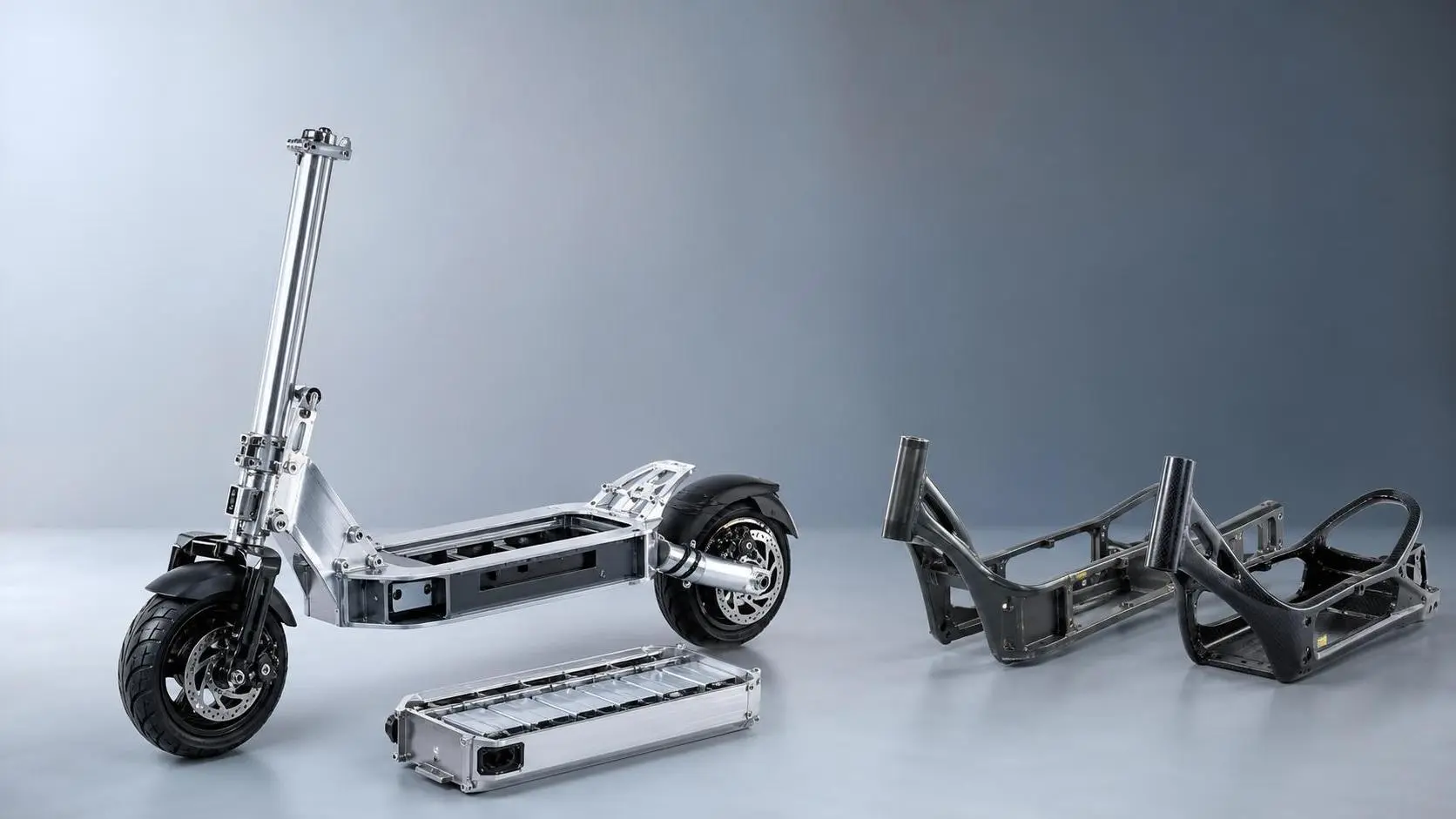
How to Choose Lightweight Scooter Frames in Europe: Materials, Standards, and Use Cases
Lightweight scooter frames Europe buyers need should balance materials, EN standards, durability, and real use cases. Discover how to choose safer, smarter, compliant frames.
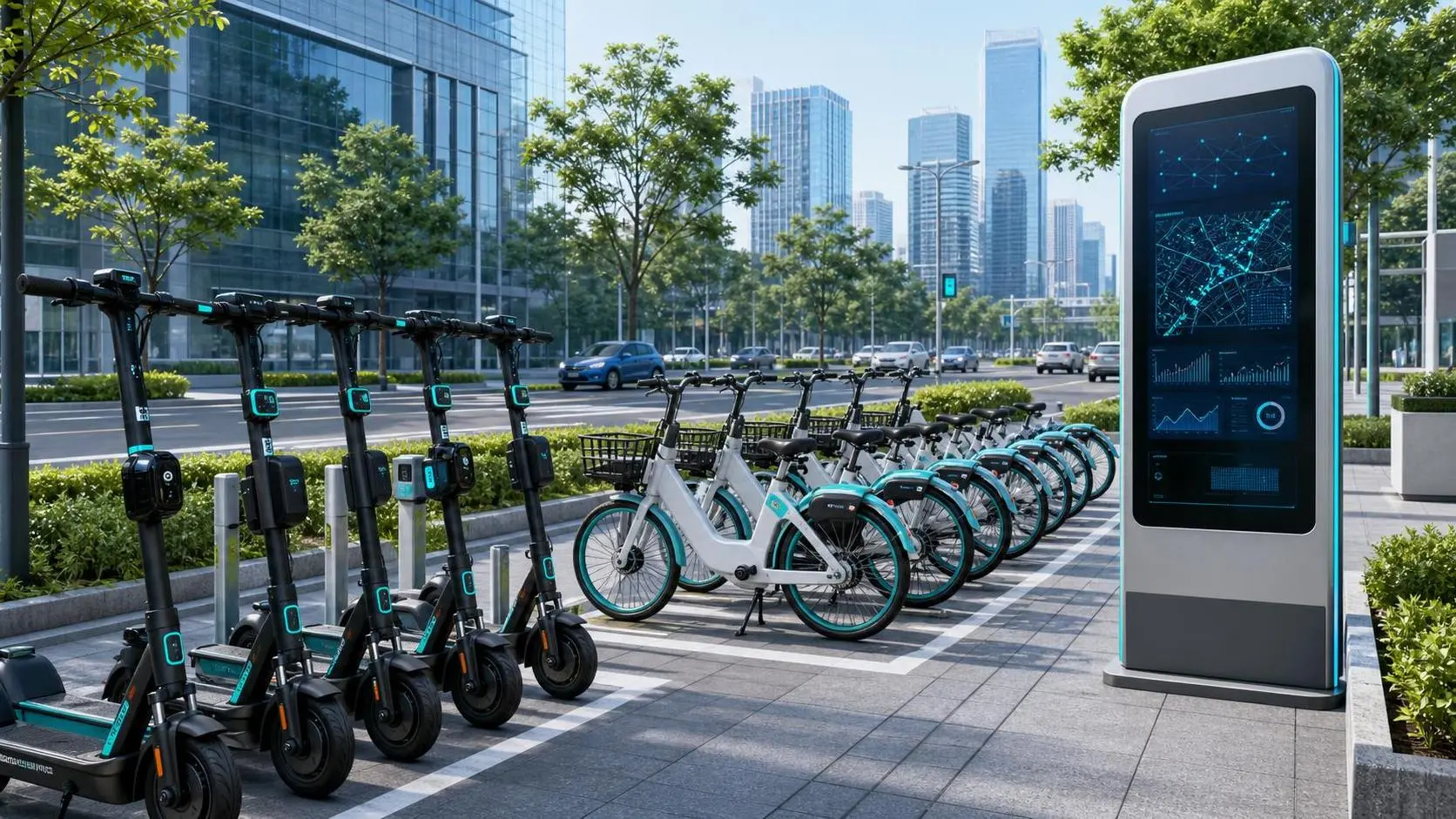
What Is the Intellectualization of Mobility Platform and How Is It Applied in Shared Fleets?
Intellectualization of mobility platform is reshaping shared fleets with real-time data, predictive maintenance, and smarter compliance—learn how it boosts safety, uptime, and urban mobility efficiency.
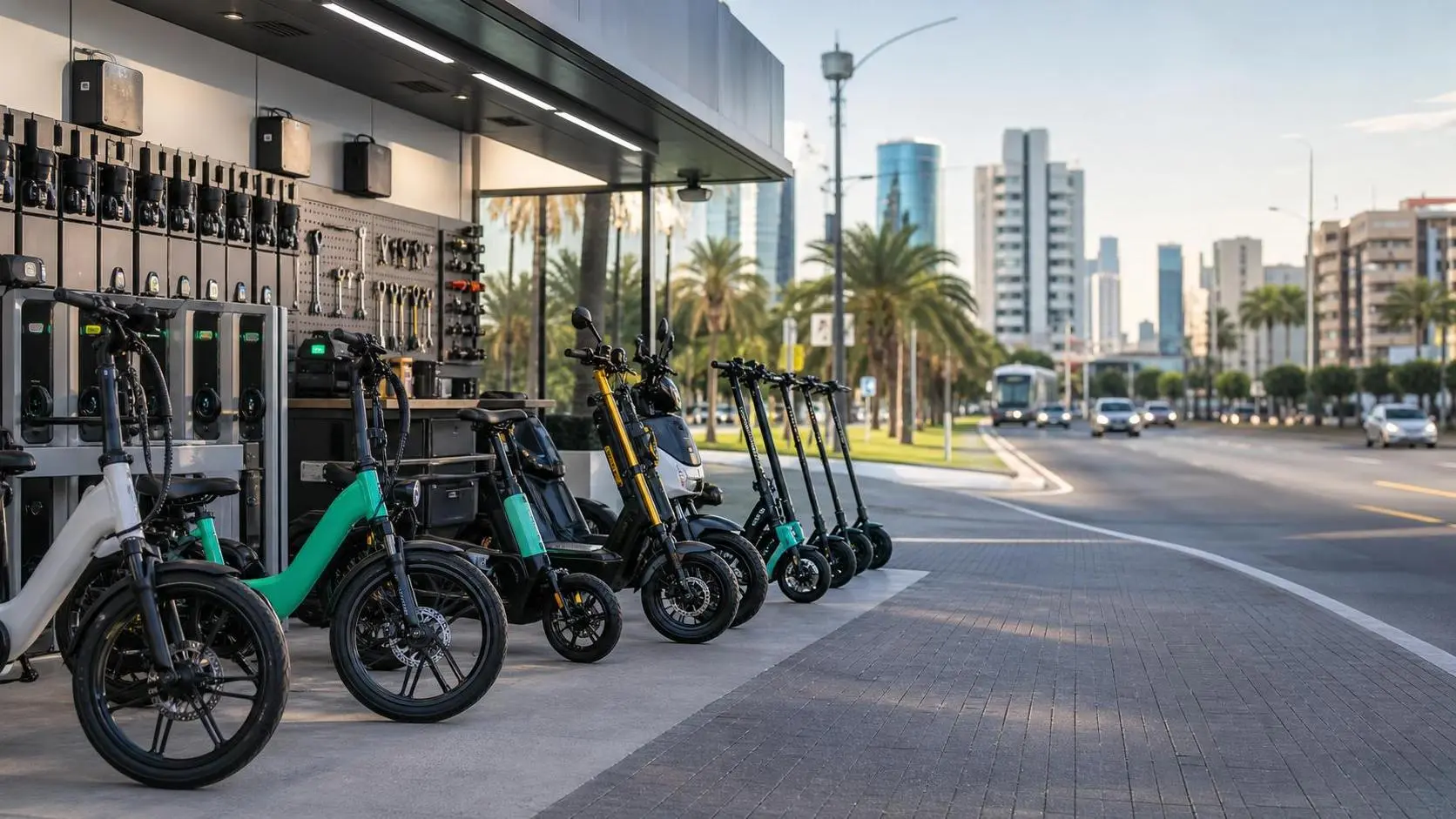
Urban Micro-Mobility Systems in Latin America: Key Market Drivers, Barriers, and Growth Segments
Urban micro-mobility systems Latin America are reshaping city transport. Explore key drivers, barriers, and high-growth segments to spot the region’s most investable opportunities.
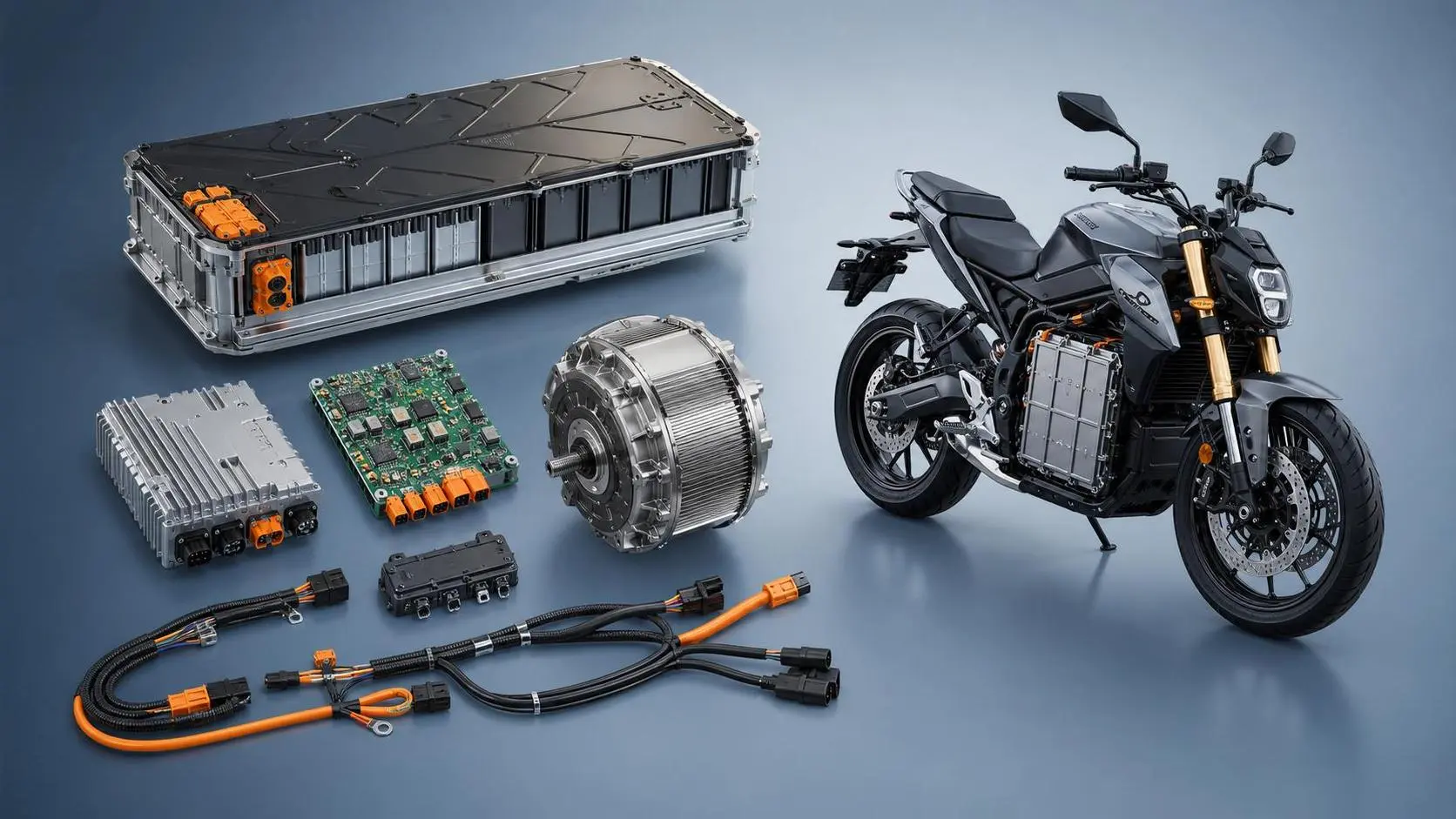
Electric Motorcycle Systems Price Breakdown: What Affects Cost From Battery to Controller?
Electric motorcycle systems price explained: see how battery, controller, motor, BMS, and wiring affect total cost, reliability, and sourcing value before you buy.
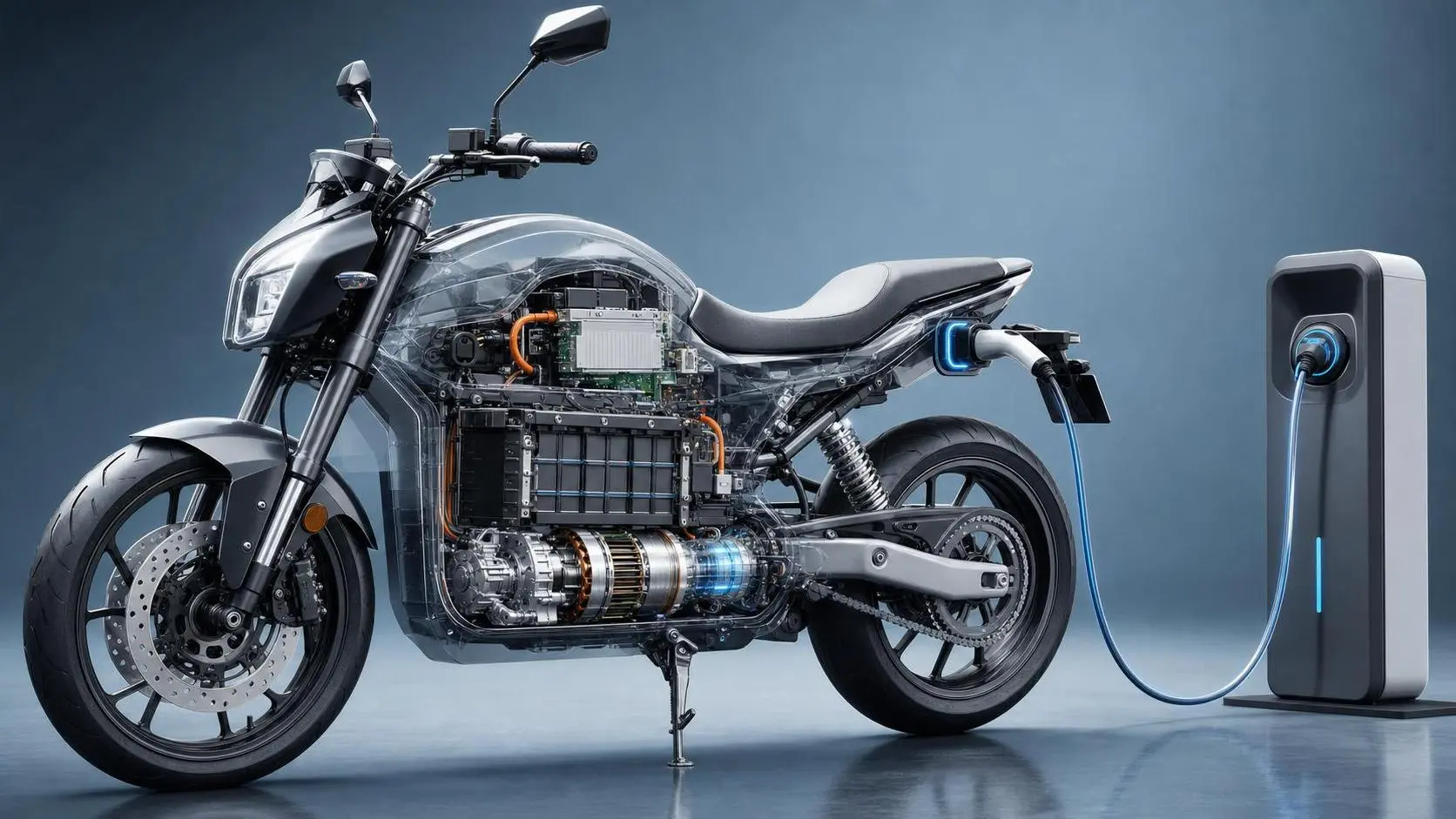
72V Electric Motorcycle Technology Explained: Motors, Controllers, Range, and Charging
Electric motorcycle technology 72V explained clearly: compare motors, controllers, range, battery design, and charging to choose a smoother, stronger, and smarter electric ride.
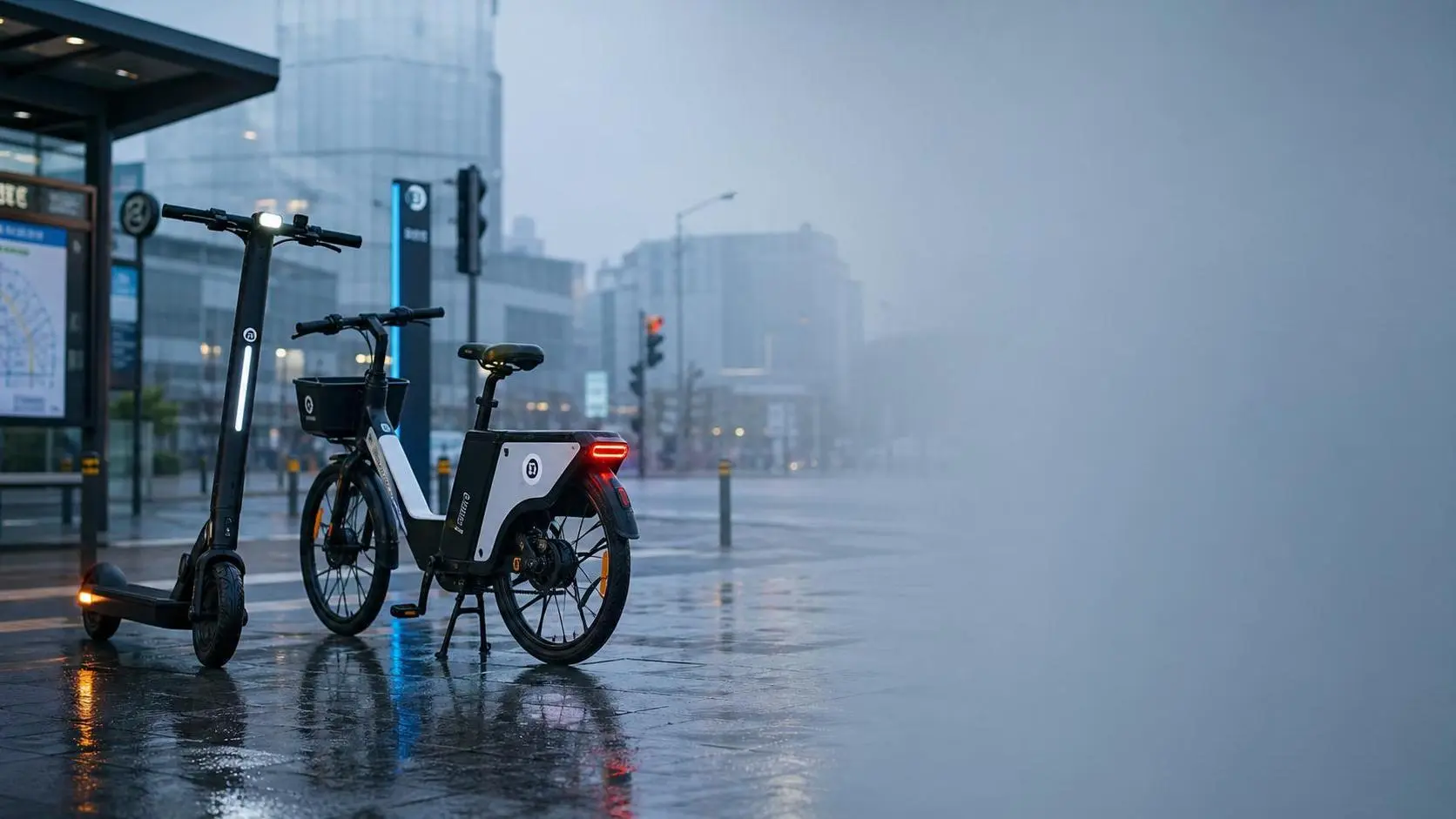
Where LED Urban Visibility Safety Systems Fit Best in Shared Scooters and City E-bikes
LED urban visibility safety systems deliver the most value in shared scooters and city e-bikes by improving multi-angle safety, fleet durability, and urban compliance across real-world routes.

Intellectualization of Mobility in North America: What Is Driving Adoption Across Urban Transport?
Intellectualization of mobility North America is reshaping urban transport through data, smart fleets, and battery intelligence. Explore what is driving adoption and why cities and operators are accelerating now.
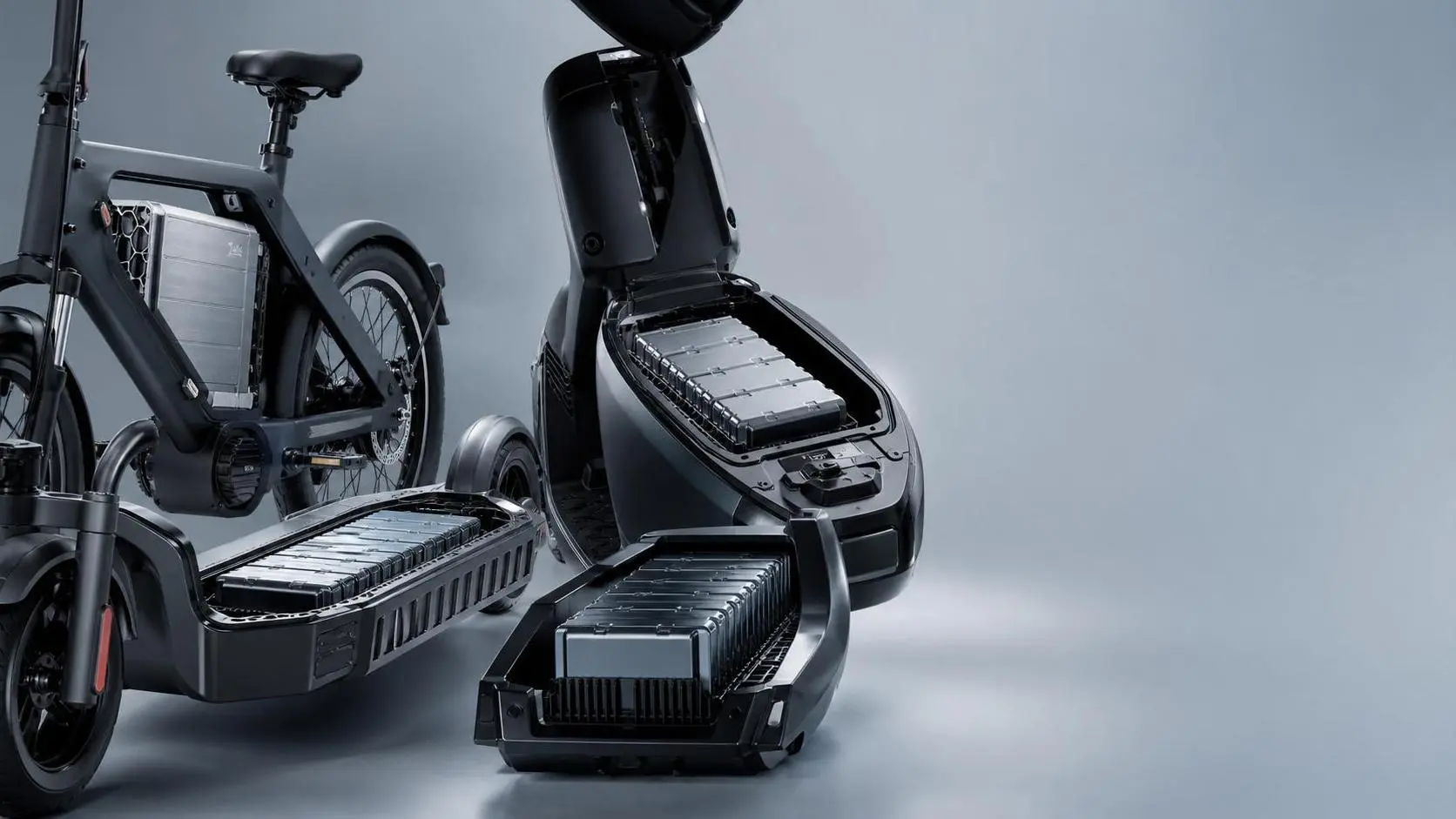
How to Choose a Compact Battery Pack: Size, Energy Density, Thermal Design, and Cycle Life
Compact battery pack selection starts with more than size. Learn how energy density, thermal design, and cycle life shape range, safety, and long-term value.
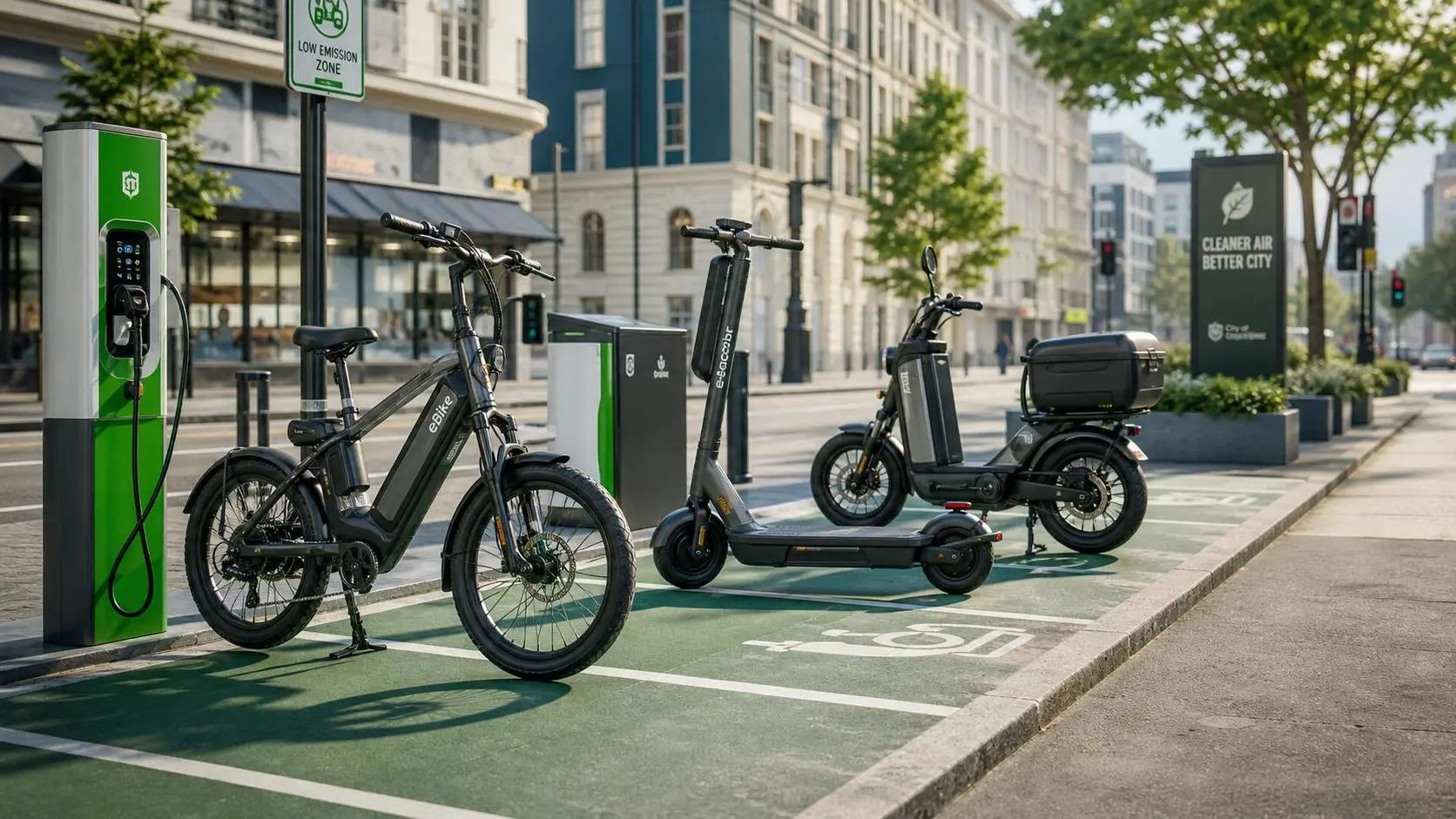
What Is Driving Green Two-wheelers Demand in Europe? Policy, Fuel Costs, and Buyer Segments
Green two-wheelers demand Europe is rising as policy support, fuel cost pressure, and diverse buyer segments reshape urban mobility. Explore the trends driving the next growth wave.