
Related News
- 00
0000-00
Urban Mobility Market Analysis: Demand Drivers, Policy Risks, and Revenue Models Compared - 00
0000-00
What Affects Urban Traffic Innovation Price in Smart City Transport Projects? - 00
0000-00
How to Evaluate a Battery Management Systems Exporter for Quality, Compliance, and Support - 00
0000-00
What Drives Urban Mobility Adoption in Congested Cities: Cost, Convenience, and Policy - 00
0000-00
How to Verify Micro Mobility Technical Credibility Before Supplier Approval
Ms. Elena Rodriguez
Weekly Insights
Stay ahead with our curated technology reports delivered every Monday.
Two-Wheeler Electrification: Cost Risks and Payback Outlook





For financial decision-makers, two-wheeler electrification is no longer just a sustainability topic. It is a capital allocation issue shaped by battery pricing, subsidy timing, vehicle usage, maintenance patterns, and resale value.
This article explains the main cost risks behind two-wheeler electrification and examines the realistic payback outlook. It focuses on practical variables that affect margins, cash flow, and long-term return quality.
What does two-wheeler electrification really include in cost analysis?
Two-wheeler electrification covers more than buying an electric bike, smart e-scooter, or high-speed e-motorcycle. It includes the full economic system around the vehicle across acquisition, operation, charging, downtime, and replacement cycles.
A narrow comparison often looks only at purchase price versus fuel cost. That approach misses the hidden cost drivers that determine whether electrification creates real value or only headline savings.
A complete cost model should include:
- Vehicle purchase price and financing cost
- Battery size, chemistry, and replacement timing
- Charging equipment or battery swapping access
- Electricity cost by location and time of use
- Maintenance, software, and parts availability
- Insurance, safety compliance, and residual value
In micro-mobility markets tracked by UMMS, economic outcomes differ sharply between private commuting use, shared fleet deployment, and premium performance segments. That is why two-wheeler electrification should be evaluated by operating context, not by technology label alone.
Which cost risks can weaken the business case for two-wheeler electrification?
The largest risk in two-wheeler electrification is cost volatility at the battery level. Lithium prices may stabilize for periods, yet pack design, thermal controls, and warranty exposure still create meaningful uncertainty.
Battery degradation is especially important. If real-world charging cycles are harsher than planned, range drops sooner, replacement happens earlier, and projected savings narrow quickly.
Another risk is policy dependence. Incentives can improve payback dramatically, but they can also expire, tighten, or shift toward local content and safety standards. Returns based on temporary support are fragile.
Infrastructure risk also matters. An e-scooter or e-motorcycle may have strong unit economics on paper, yet weak charging access can reduce daily utilization and increase idle time.
Key risk areas often include:
- Battery replacement arriving earlier than forecast
- Subsidy cuts changing net acquisition cost
- Low daily mileage delaying breakeven
- Poor resale markets for used electric two-wheelers
- Component supply constraints extending downtime
- Safety recalls affecting insurance and asset value
In performance categories, rapid model refresh cycles create an additional challenge. New batteries, motors, and software can make existing assets look outdated faster than expected, lowering residual value.
How long is the realistic payback period for two-wheeler electrification?
There is no universal payback number for two-wheeler electrification. The realistic answer depends on duty cycle, energy price, maintenance intensity, and whether battery replacement falls inside the ownership horizon.
In high-utilization settings, payback can be relatively fast because fuel savings and lower routine maintenance accumulate quickly. In low-mileage private use, breakeven may take much longer.
A practical way to think about payback is through three layers:
- Initial payback from lower energy and service costs
- Adjusted payback after incentives and financing
- True lifecycle payback after resale and battery risk
Many assessments stop at the first layer. That creates optimistic conclusions. True lifecycle payback is more reliable because it includes end-of-life economics and the probability of mid-cycle capital events.
For e-bikes used daily in dense cities, the outlook is often favorable. For high-speed e-motorcycles, payback can still work, but battery cost, charging speed, and depreciation create larger swings.
For shared micro-mobility, utilization is the deciding factor. A vehicle with great technical efficiency still underperforms financially if turnover is weak, parking rules tighten, or vandalism raises replacement rates.
How should policy shifts and market conditions change investment timing?
Policy can accelerate two-wheeler electrification, but policy can also distort it. A strong incentive window may justify faster deployment, yet a rushed purchase under unclear standards can create stranded assets.
Timing improves when three signals align: stable regulation, visible charging or swapping support, and clearer secondary market demand. Without these, projected returns often rely too heavily on assumptions.
Market timing should also consider the technology curve. If battery density rises while pack costs fall, waiting may improve economics. If electricity costs rise or incentives shrink, waiting may reduce returns.
Useful timing questions include:
- Are local rules stable for at least one asset cycle?
- Is the charging network adequate for expected utilization?
- Do warranty terms match actual operating stress?
- Is a liquid resale or refurbishment market emerging?
UMMS intelligence shows that the best timing decisions usually come from staged electrification. Small, measured rollouts reveal battery behavior, service needs, and utilization patterns before larger capital commitments follow.
What mistakes lead to weak returns in two-wheeler electrification projects?
A common mistake is using average industry benchmarks instead of route-specific or city-specific data. Two-wheeler electrification economics are highly sensitive to terrain, weather, payload, and stop frequency.
Another mistake is underestimating service ecosystem quality. Spare parts, firmware support, battery diagnostics, and dealer responsiveness influence uptime as much as the vehicle specification itself.
Some evaluations also ignore depreciation structure. A cheaper vehicle with uncertain software support may lose value faster than a higher-priced model backed by stronger platform continuity.
Frequent errors include:
- Treating incentives as permanent savings
- Ignoring cold-weather or fast-charging degradation
- Assuming maintenance is always minimal
- Overlooking battery end-of-life handling costs
- Using unrealistic annual mileage assumptions
The best defense is disciplined scenario planning. Base case, upside case, and stress case models can reveal how robust the two-wheeler electrification thesis remains when key variables shift.
How can stakeholders improve payback and reduce downside risk?
The strongest strategy is to connect technology choice with operating reality. That means matching battery size, charging method, speed class, and maintenance support to the actual use profile.
Payback improves when asset utilization is high, energy access is stable, and service downtime is controlled. Risk falls when warranties are clear, residual channels exist, and data visibility supports asset decisions.
Practical actions include:
- Run pilot programs before scaling capital exposure
- Model battery replacement under conservative assumptions
- Use telematics to track utilization and charging behavior
- Compare purchase, lease, and battery-as-a-service options
- Review residual value support and refurbishment pathways
In the broader urban mobility market, two-wheeler electrification is most compelling when it is treated as a systems decision. Vehicle hardware, software, policy, and lifecycle economics must be assessed together.
FAQ summary table: key questions on cost risks and payback
The investment case for two-wheeler electrification can be strong, but it is rarely automatic. Good outcomes depend on realistic assumptions, timing discipline, and full lifecycle visibility.
The next practical step is to test one use case with a structured cost model. Include battery aging, policy variability, utilization sensitivity, and residual value. That approach turns electrification from a trend story into a defensible financial decision.
Related News
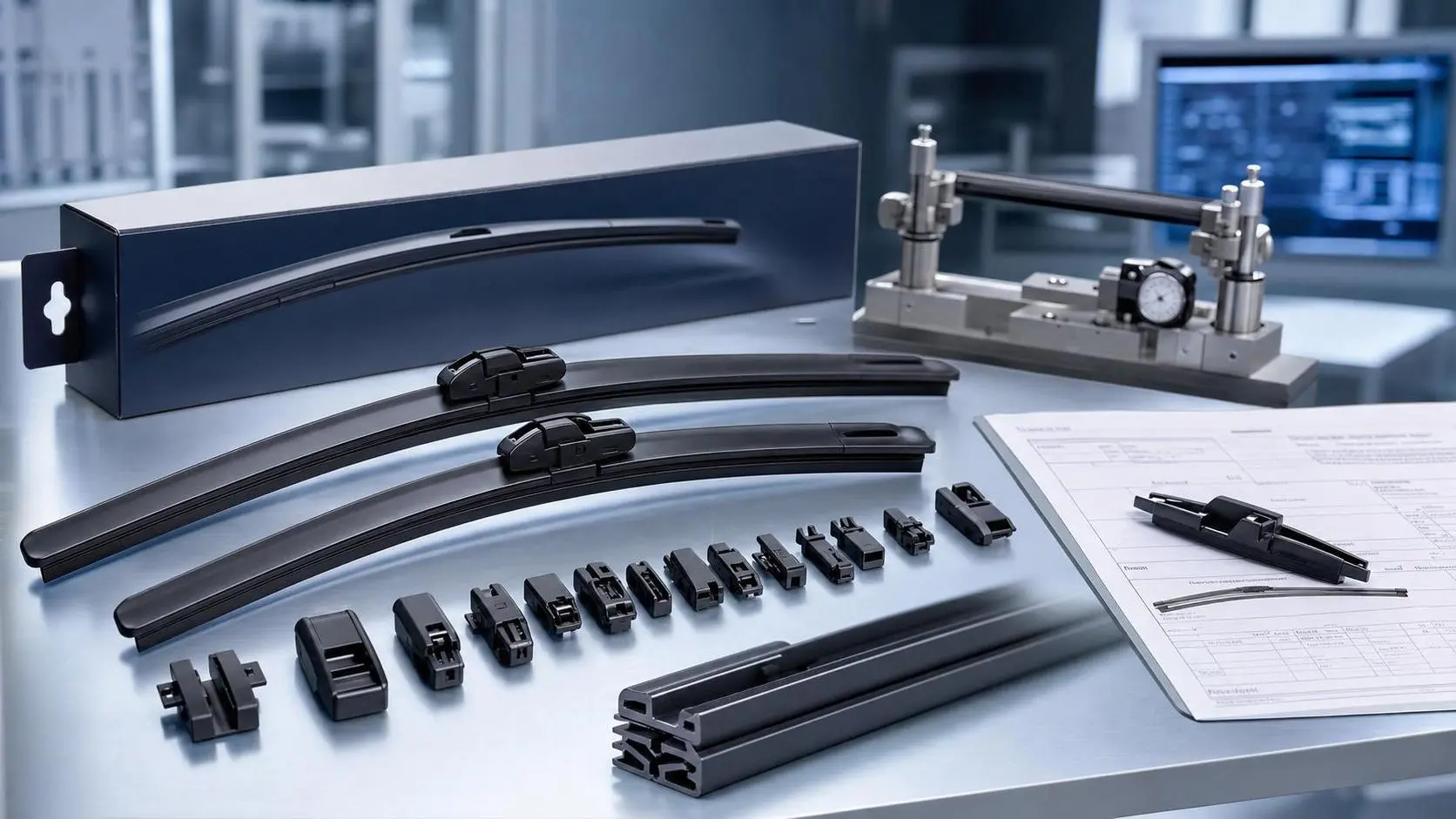
Flat Wiper Blades Wholesale Buying Guide: MOQ, Rubber Quality, Fitment, and Supplier Checks
Flat wiper blades wholesale buying guide covering MOQ, rubber quality, fitment accuracy, and supplier checks to reduce risk, improve margins, and choose reliable bulk partners.
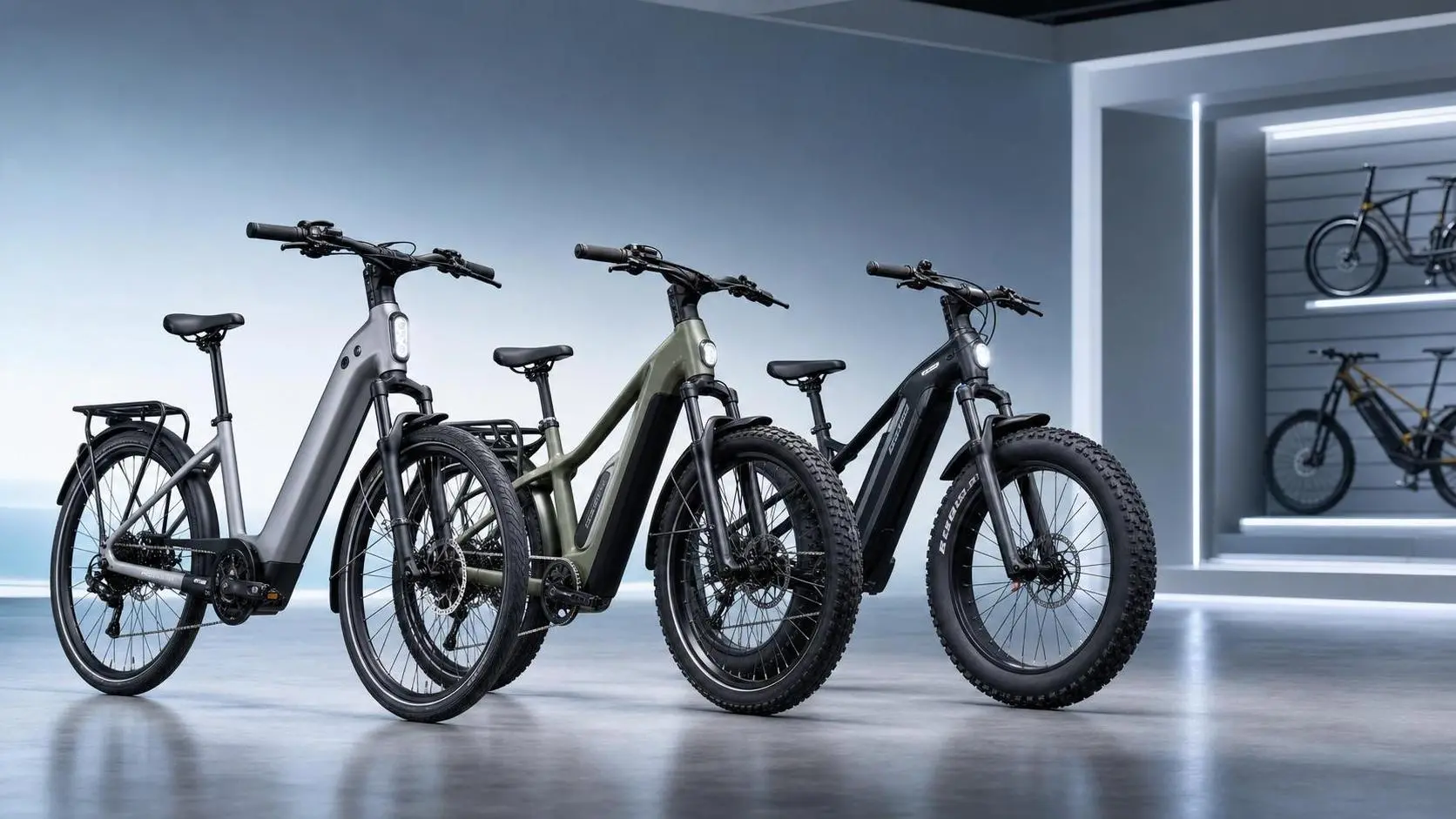
Ebike Market USA: What Dealers Should Know About Demand Shifts, Pricing, and Product Mix
ebike market USA is shifting fast. Discover how demand segmentation, pricing pressure, and smarter product mix decisions can help dealers protect margins and grow.
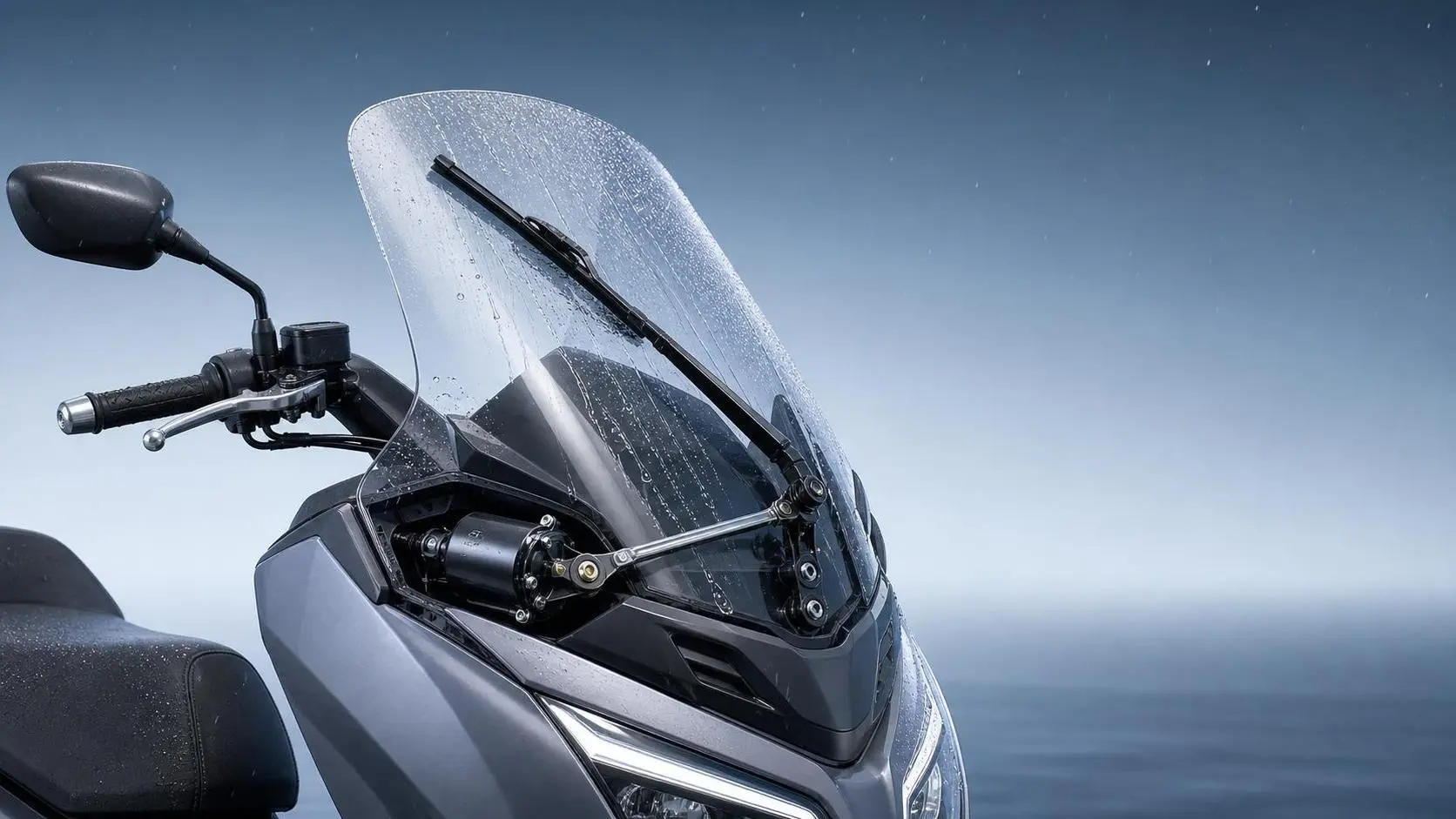
Wiper Systems for Scooters: Common Failure Points, Maintenance Tips, and Replacement Signs
Wiper systems for scooters: learn the most common failure points, smart maintenance tips, and clear replacement signs to improve visibility, reduce repeat repairs, and keep riders safer.
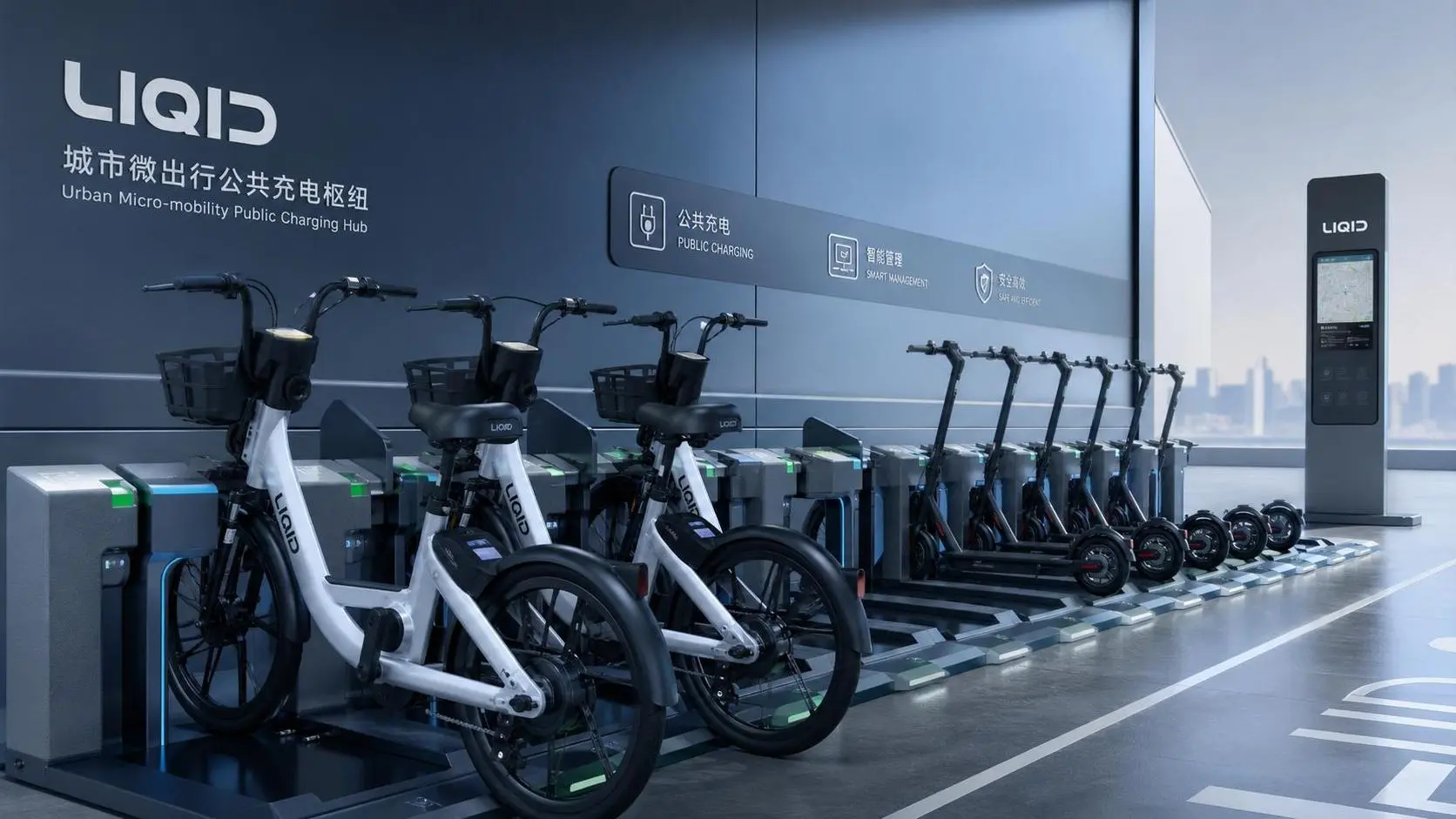
How to Choose Micro-Mobility Docking Stations for Shared Fleets and Public Charging Hubs
Micro-mobility docking stations: learn how to compare charging, locking, software, and site-fit factors to choose safer, smarter hubs for shared fleets and public use.
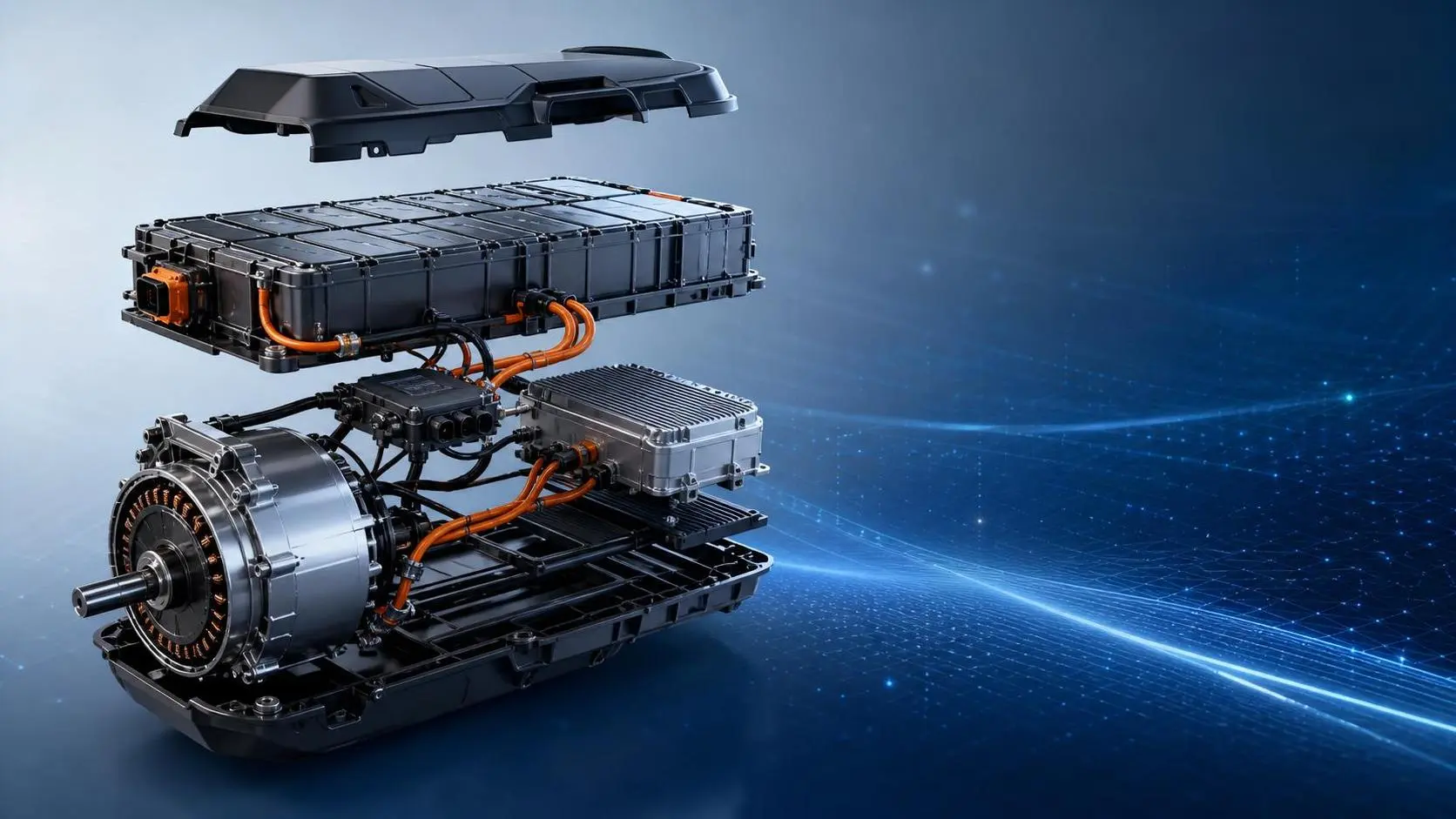
Powertrain Heat Management Explained: Key Design Factors for EV Efficiency and Battery Life
Powertrain heat management explained for EVs: discover how thermal design boosts efficiency, protects battery life, improves safety, and sustains real-world performance.
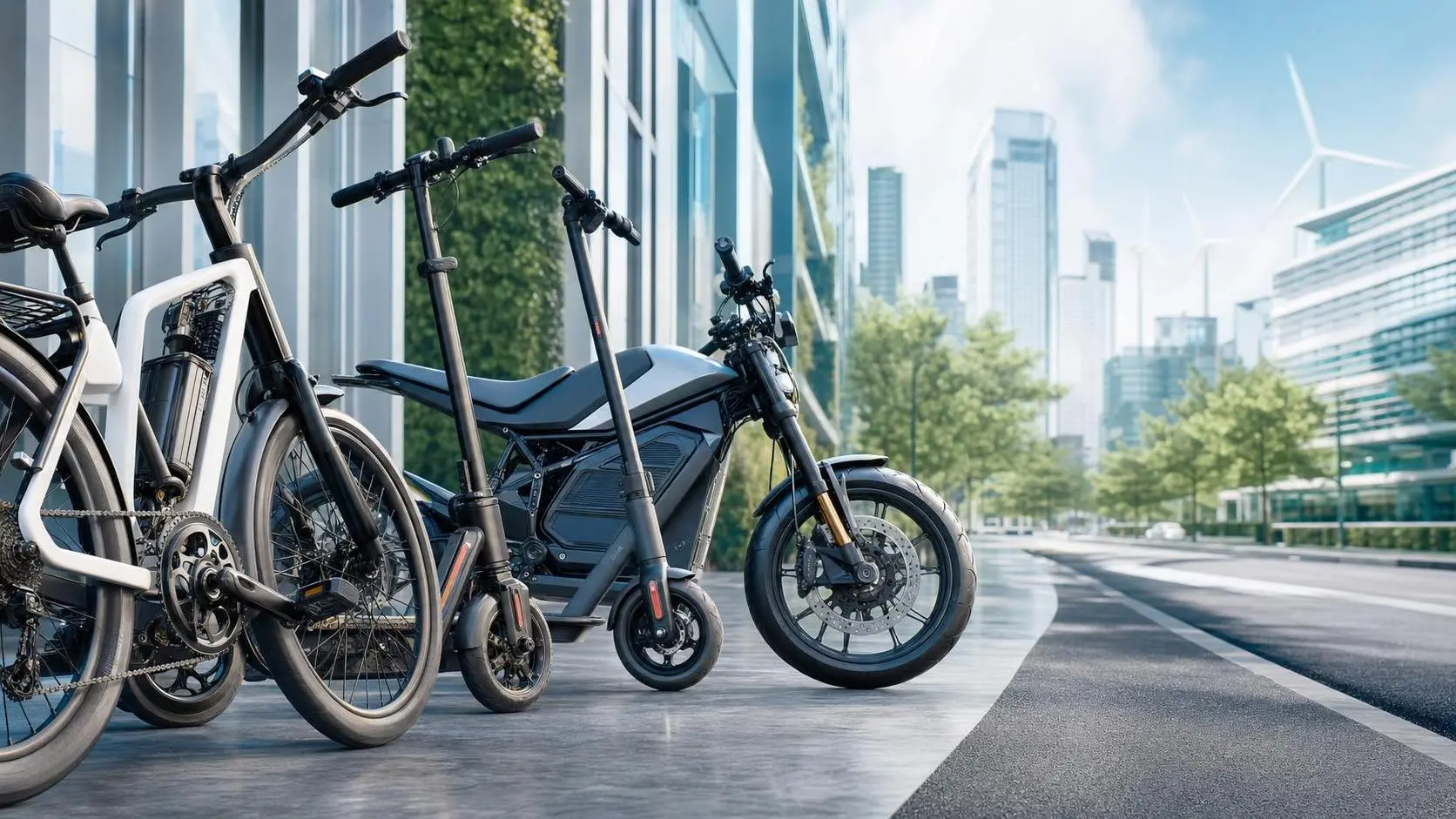
Urban Mobility Market Analysis: Demand Drivers, Policy Risks, and Revenue Models Compared
Urban mobility market analysis compares demand drivers, policy risks, and revenue models across e-bikes, scooters, and e-motorcycles to reveal where growth is durable.
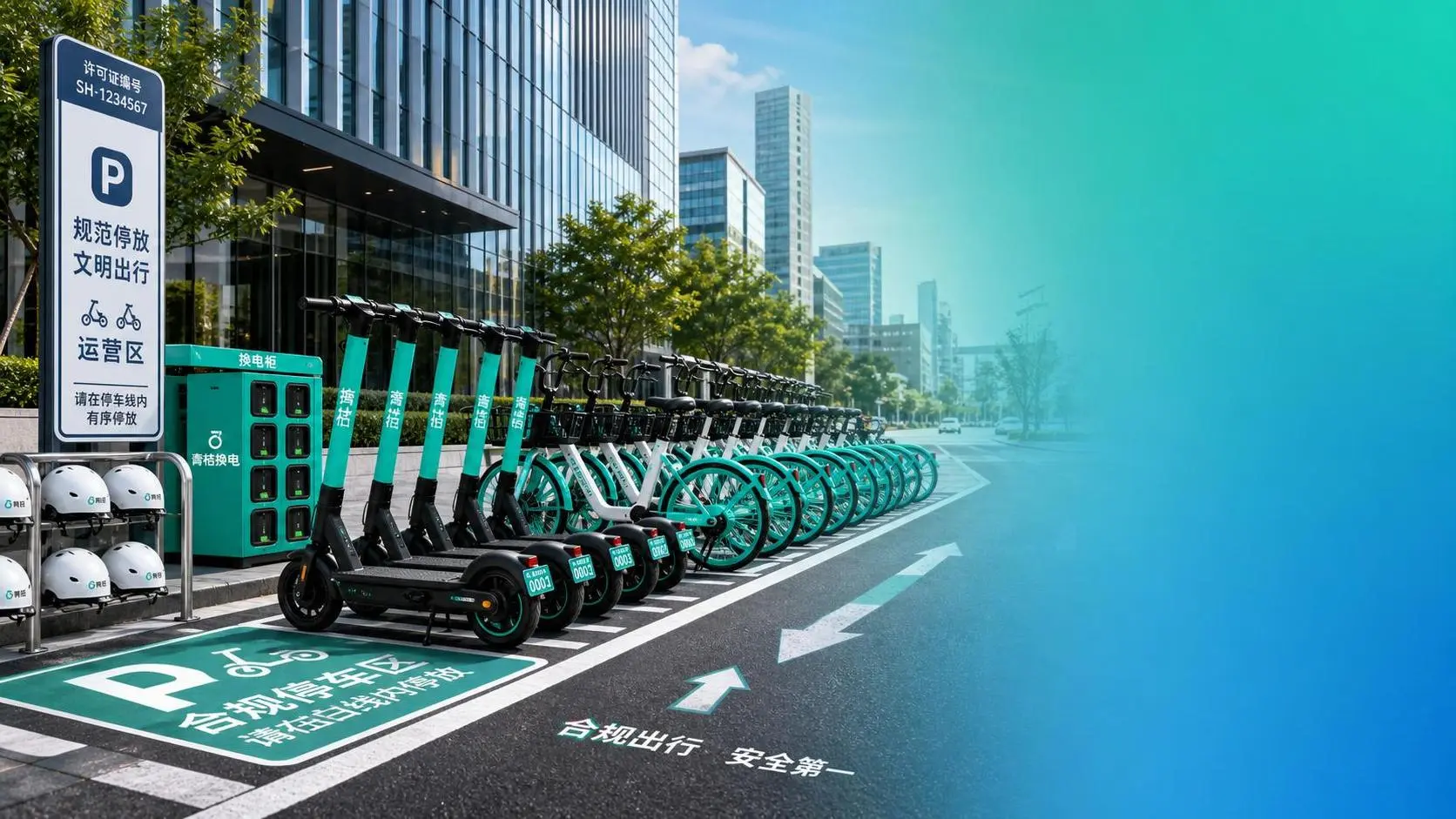
Shared Mobility Compliance Checklist: Permits, Safety Rules, and Fleet Data Requirements
Shared mobility compliance made simple: explore a practical checklist for permits, safety rules, and fleet data requirements to launch faster, reduce risk, and stay audit-ready.
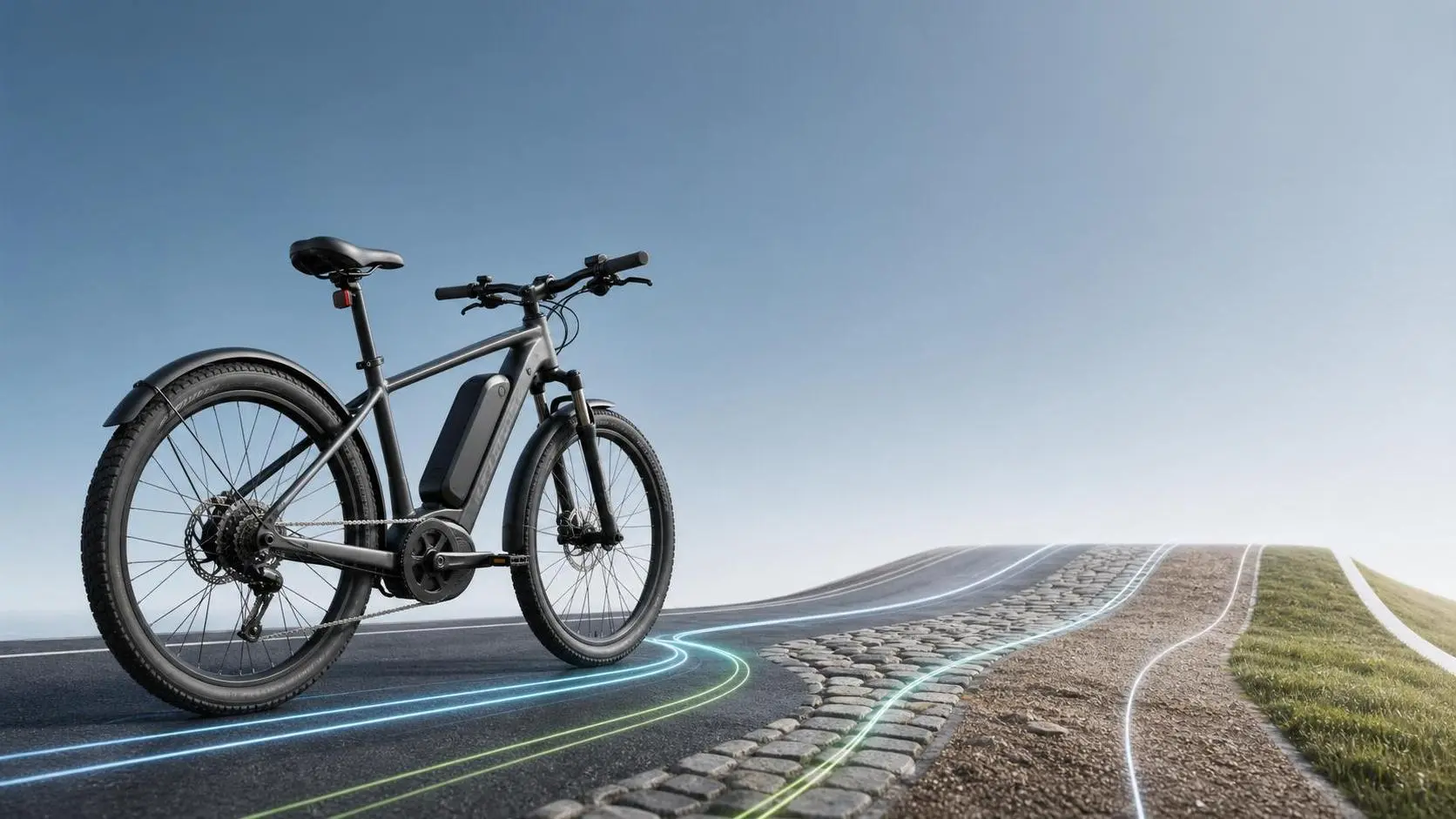
What Affects Ebike Energy Efficiency? Battery Size, Rider Weight, Terrain, and Speed
Ebike energy efficiency explained: learn how battery size, rider weight, terrain, and speed shape real-world range, lower Wh/km, and smarter buying or commuting decisions.
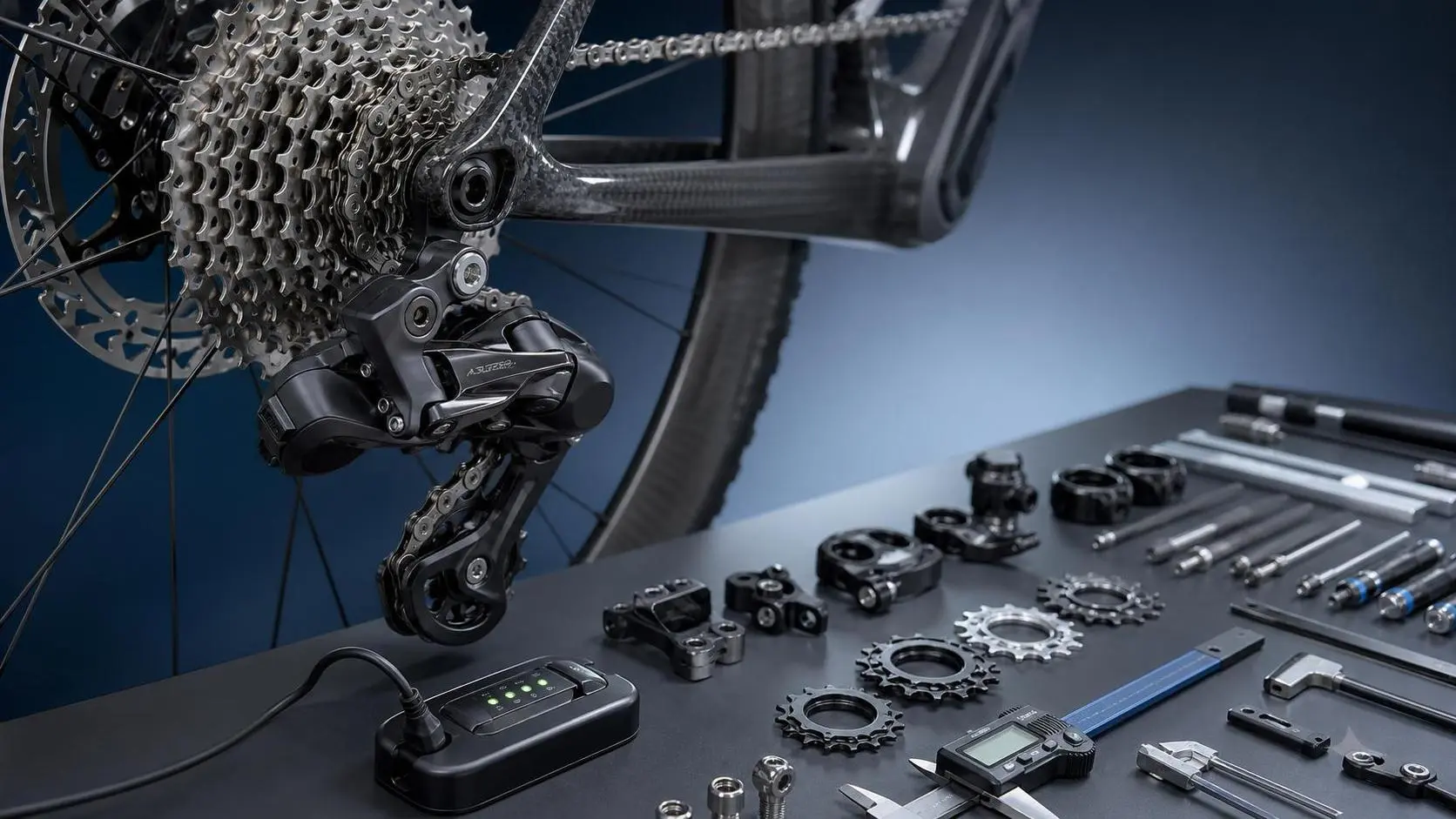
Wireless Electronic Shifting in North America: Compatibility, Standards, and Upgrade Limits
Wireless electronic shifting North America explained: compare compatibility, FCC/ISED standards, retrofit limits, and upgrade risks before choosing the right platform.