
Related News
- 00
0000-00
Electric Motorcycle Systems Price Breakdown: What Affects Cost From Battery to Controller? - 00
0000-00
Micro-mobility Systems Explained: Core Components, Operating Models, and City Use Cases - 00
0000-00
Electrification Strategies in Europe: Policy, Charging, and ROI Factors for Fleet Planning - 00
0000-00
OEM Market Share in Electric Motorcycles: What It Reveals About Brand Positioning - 00
0000-00
What Is a Smart Transportation Platform and Which Urban Mobility Use Cases Fit Best?
Ms. Elena Rodriguez
Weekly Insights
Stay ahead with our curated technology reports delivered every Monday.
Smart mobility is changing city commute costs





Smart mobility is reshaping the economics of urban commuting, turning last-mile travel from a daily cost burden into a data-driven efficiency opportunity.
For business evaluators, the shift goes beyond cheaper rides. E-bikes, smart e-scooters, high-speed e-motorcycles, and connected components are redefining fleet planning.
As cities pursue lower emissions and smoother micro-circulation, understanding where commute costs fall has become essential for strategic mobility decisions.
What does smart mobility mean for city commute costs?
Smart mobility combines electrified vehicles, connected infrastructure, route intelligence, shared services, and digital payment systems into one urban travel ecosystem.
Its cost impact appears when daily trips become shorter, better timed, and less dependent on private cars or congested transit links.
A conventional commute often includes fuel, parking, maintenance, ticketing, waiting time, and productivity loss from unreliable transfers.
Smart mobility attacks these hidden costs through e-bikes, e-scooters, high-speed electric motorcycles, and app-based last-mile coordination.
The most visible saving is direct energy cost. Electric two-wheelers consume far less energy than combustion vehicles over dense urban distances.
The deeper saving comes from route flexibility. Smart mobility reduces dead time between home, transit stations, offices, campuses, and commercial districts.
For cities, the same logic applies at system level. Less congestion means fewer economic losses from traffic delay and roadside emissions.
For mobility operators, connected vehicles convert daily movement into measurable data, improving deployment, charging schedules, maintenance cycles, and asset utilization.
Which commute costs are most affected by smart mobility?
Smart mobility changes both visible and invisible commuting expenses. The best cost analysis separates user spending from system operating cost.
For users, the obvious categories include fares, subscriptions, battery charging, parking, repairs, insurance, and transfer charges.
For operators, the core categories include vehicle acquisition, battery lifecycle, IoT connectivity, field maintenance, redistribution, compliance, and depreciation.
Smart mobility lowers cost only when the total system is designed around trip density, safe parking, reliable charging, and predictable demand.
- Energy cost falls through efficient electric drivetrains and regenerative management.
- Time cost falls through shorter last-mile access and better route matching.
- Maintenance cost falls when components support predictive diagnostics.
- Parking cost falls when compact vehicles replace car-based commuting.
- Policy cost falls when subsidies and low-emission incentives are captured.
However, savings are not automatic. Poorly managed fleets can create sidewalk disorder, battery waste, and higher enforcement costs.
That is why smart mobility must be judged through whole-life economics, not only ride price or acquisition cost.
How do e-bikes and smart e-scooters reduce last-mile expenses?
E-bikes and smart e-scooters are the strongest examples of smart mobility reducing short-distance commute costs.
They work because many urban trips are too far to walk but too short for efficient car or bus use.
An e-bike extends human power with electric assist, keeping energy consumption low while reducing physical fatigue across daily routes.
A smart e-scooter adds IoT tracking, digital locks, geofencing, battery monitoring, and usage analytics for managed urban deployment.
Together, they turn fragmented first-mile and last-mile travel into a measurable service layer inside smart mobility systems.
Where do the savings appear first?
The first saving appears in access cost. Riders avoid short taxi trips, expensive parking, and inefficient car starts.
The second saving appears in schedule reliability. Short electric trips reduce waiting time around crowded stations and delayed buses.
The third saving appears in fleet planning. Smart mobility data reveals when vehicles should be charged, repositioned, or retired.
What technical factors matter?
Battery density, motor efficiency, frame durability, braking reliability, waterproofing, and anti-theft design all shape real operating cost.
Precision bicycle components also matter. Reliable drivetrains and electronic shifting reduce energy loss and extend the useful life of vehicles.
In mature smart mobility programs, small component improvements create large savings across thousands of repeated daily trips.
Are high-speed e-motorcycles part of smart mobility economics?
High-speed e-motorcycles broaden smart mobility beyond short last-mile use. They address longer urban and peri-urban commuting corridors.
Compared with internal combustion motorcycles, electric models offer instant torque, lower local emissions, and fewer drivetrain maintenance items.
The cost advantage depends heavily on battery strategy. Fixed charging, fast charging, and battery swapping create different economics.
Battery swapping can reduce downtime for commercial urban travel, delivery routes, and high-frequency commuting patterns.
Fixed home charging may work better for predictable private commutes where overnight charging is available and grid pricing is favorable.
High-speed e-motorcycles also influence road space efficiency. They move more easily through constrained corridors than cars.
Yet they require stronger safety governance. Speed, rider protection, braking distance, and lane rules affect public acceptance.
Smart mobility is not simply electrification. It is electrification combined with responsible access, visibility, data control, and infrastructure readiness.
How should smart mobility options be compared before investment?
The best comparison starts with trip purpose. A two-kilometer station link needs different assets than a 20-kilometer urban commute.
Smart mobility selection should connect distance, speed, charging access, user behavior, weather exposure, regulation, and maintenance capacity.
This type of comparison prevents a common mistake: choosing the cheapest vehicle instead of the lowest total operating model.
A durable e-bike may cost more upfront but deliver lower lifetime cost through fewer repairs and better battery control.
A smart e-scooter fleet may look efficient, yet fail if parking rules, vandalism risks, or charging labor are ignored.
What risks can weaken the smart mobility cost advantage?
Smart mobility can reduce commute costs, but weak planning can shift expenses into other parts of the system.
Battery degradation is one major risk. Poor thermal management, fast charging abuse, and low-quality cells shorten economic life.
Maintenance fragmentation is another risk. Mixed vehicle models increase spare part complexity and technician training requirements.
Regulatory uncertainty also matters. Speed limits, helmet rules, parking zones, and right-of-way policies can change operating assumptions.
Data governance is increasingly important. Smart mobility platforms must protect location data while still supporting planning intelligence.
- Avoid judging cost only by purchase price.
- Confirm charging access before deployment.
- Check local rules before scaling shared vehicles.
- Measure battery health over real duty cycles.
- Use component reliability as a cost indicator.
Visibility and safety also influence economics. Smart wiper systems, lighting, braking, and sensor reliability reduce weather-related disruption.
In urban mobility, a single safety weakness can damage adoption, insurance cost, and public trust.
How can cities and mobility ecosystems prepare for lower commute costs?
Preparation begins with demand mapping. Real commute corridors should guide vehicle types, charging density, parking design, and service frequency.
Smart mobility works best when it connects transit hubs, residential clusters, business districts, schools, hospitals, and leisure zones.
Infrastructure should include protected lanes, secure parking, charging points, repair access, and digital integration with public transit.
Policy design should reward low-emission trips without creating unfair gaps between neighborhoods or income groups.
Technical intelligence also matters. Battery management, drivetrain efficiency, wireless shifting stability, and sensor accuracy shape long-term value.
UMMS tracks these links across e-bikes, smart e-scooters, e-motorcycles, wiper systems, and precision bicycle components.
The goal is not only cheaper commuting. The goal is smarter micro-circulation with measurable energy, safety, and utilization gains.
FAQ: practical questions about smart mobility and commute economics
The strongest smart mobility programs combine electrified hardware with operational discipline, policy awareness, and component-level technical credibility.
That combination turns commuting from an unavoidable expense into a managed, optimized, and lower-carbon urban service.
Conclusion: turning commute cost pressure into strategic mobility value
Smart mobility is changing city commute costs by reducing energy use, shortening transfers, improving asset utilization, and supporting low-carbon policy goals.
The most effective decisions compare total cost, not isolated ride prices or vehicle purchase numbers.
E-bikes, smart e-scooters, high-speed e-motorcycles, and connected components each solve different urban mobility cost problems.
The next practical step is to map commute scenarios, identify cost leaks, and match each corridor with the right smart mobility model.
With rigorous intelligence and technical evaluation, urban micro-mobility can become cleaner, cheaper, safer, and more resilient.
Related News
How to Choose Lightweight Scooter Frames in Europe: Materials, Standards, and Use Cases
Lightweight scooter frames Europe buyers need should balance materials, EN standards, durability, and real use cases. Discover how to choose safer, smarter, compliant frames.
What Is the Intellectualization of Mobility Platform and How Is It Applied in Shared Fleets?
Intellectualization of mobility platform is reshaping shared fleets with real-time data, predictive maintenance, and smarter compliance—learn how it boosts safety, uptime, and urban mobility efficiency.
Urban Micro-Mobility Systems in Latin America: Key Market Drivers, Barriers, and Growth Segments
Urban micro-mobility systems Latin America are reshaping city transport. Explore key drivers, barriers, and high-growth segments to spot the region’s most investable opportunities.
Electric Motorcycle Systems Price Breakdown: What Affects Cost From Battery to Controller?
Electric motorcycle systems price explained: see how battery, controller, motor, BMS, and wiring affect total cost, reliability, and sourcing value before you buy.
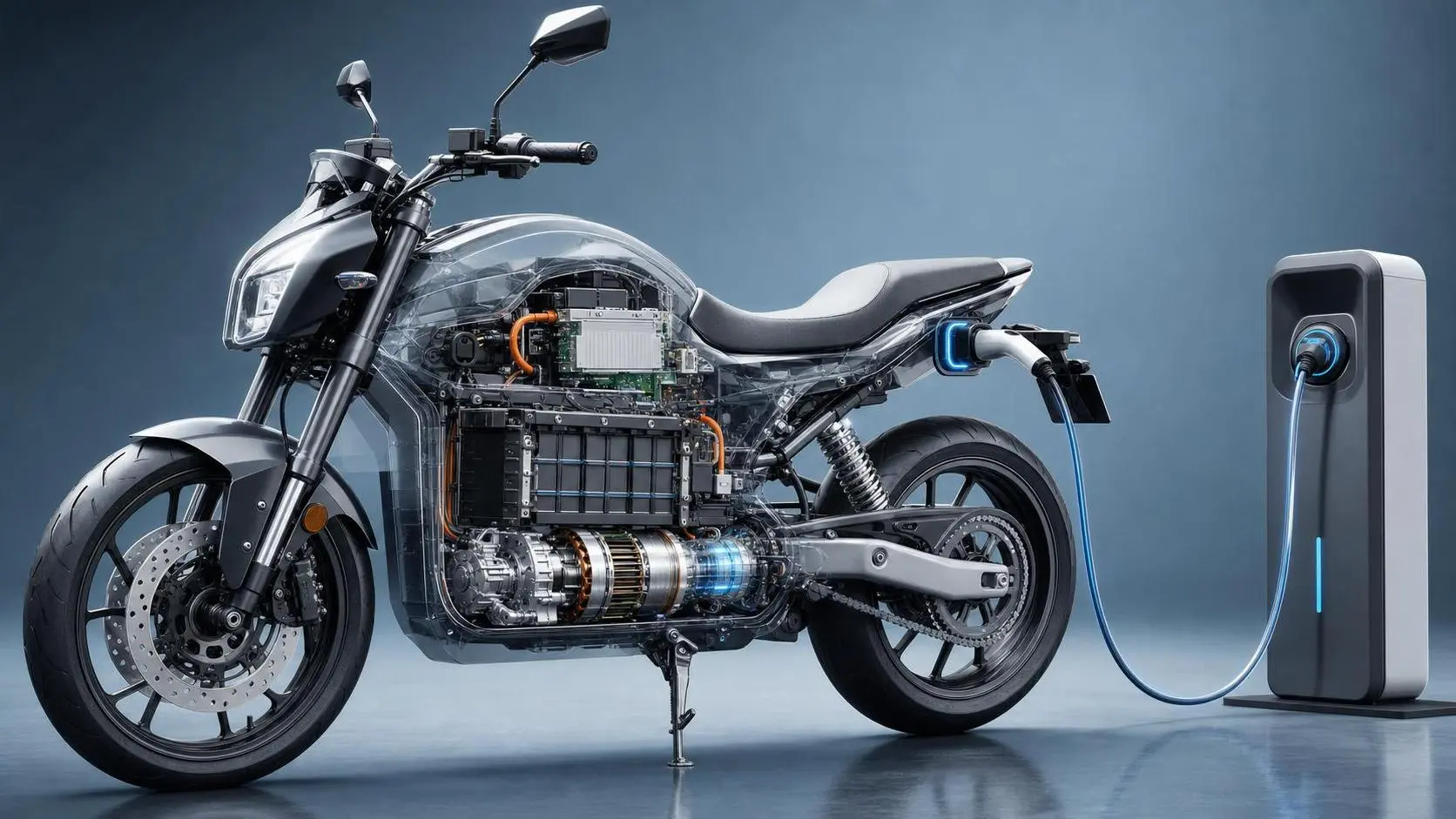
72V Electric Motorcycle Technology Explained: Motors, Controllers, Range, and Charging
Electric motorcycle technology 72V explained clearly: compare motors, controllers, range, battery design, and charging to choose a smoother, stronger, and smarter electric ride.
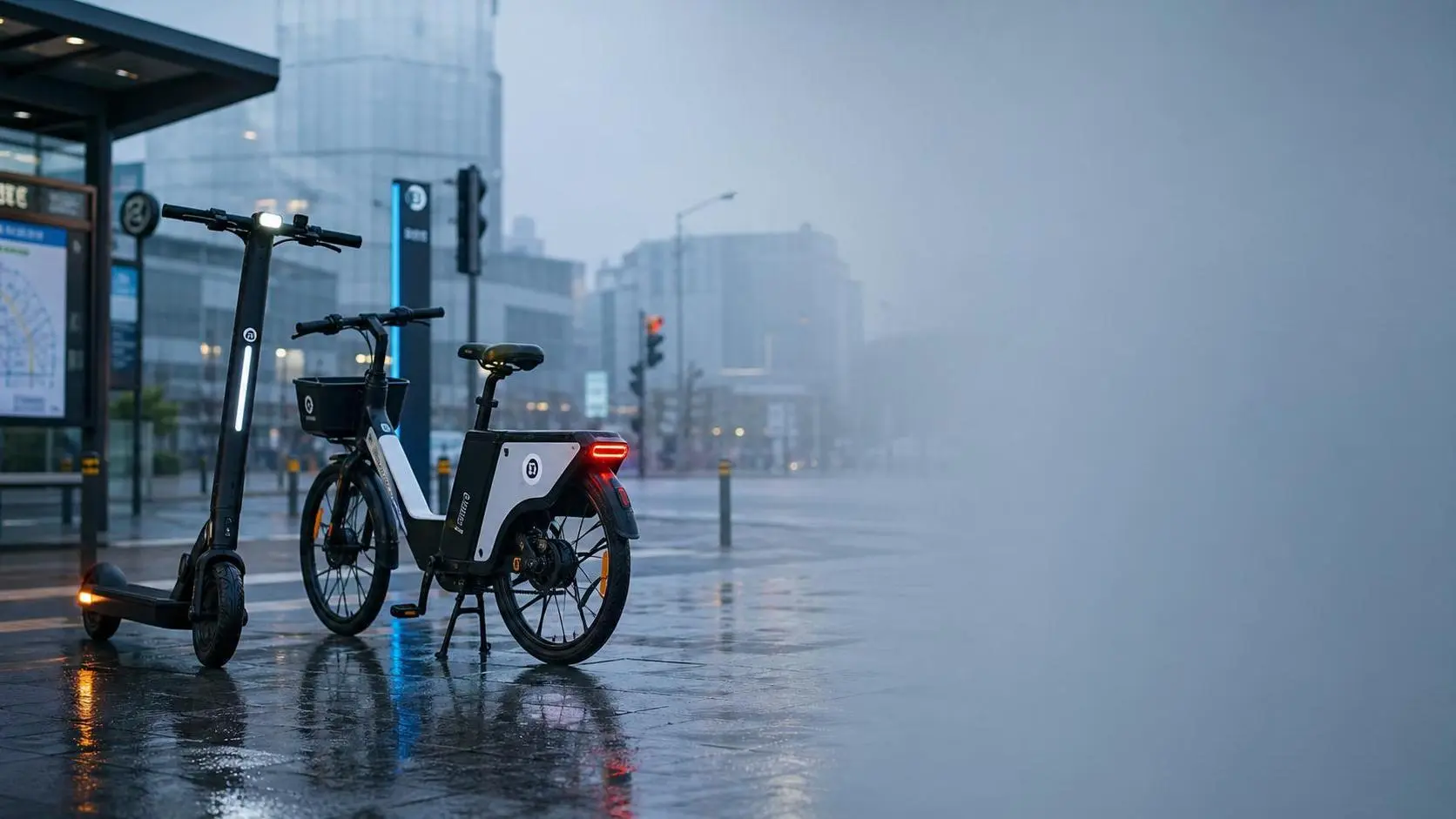
Where LED Urban Visibility Safety Systems Fit Best in Shared Scooters and City E-bikes
LED urban visibility safety systems deliver the most value in shared scooters and city e-bikes by improving multi-angle safety, fleet durability, and urban compliance across real-world routes.
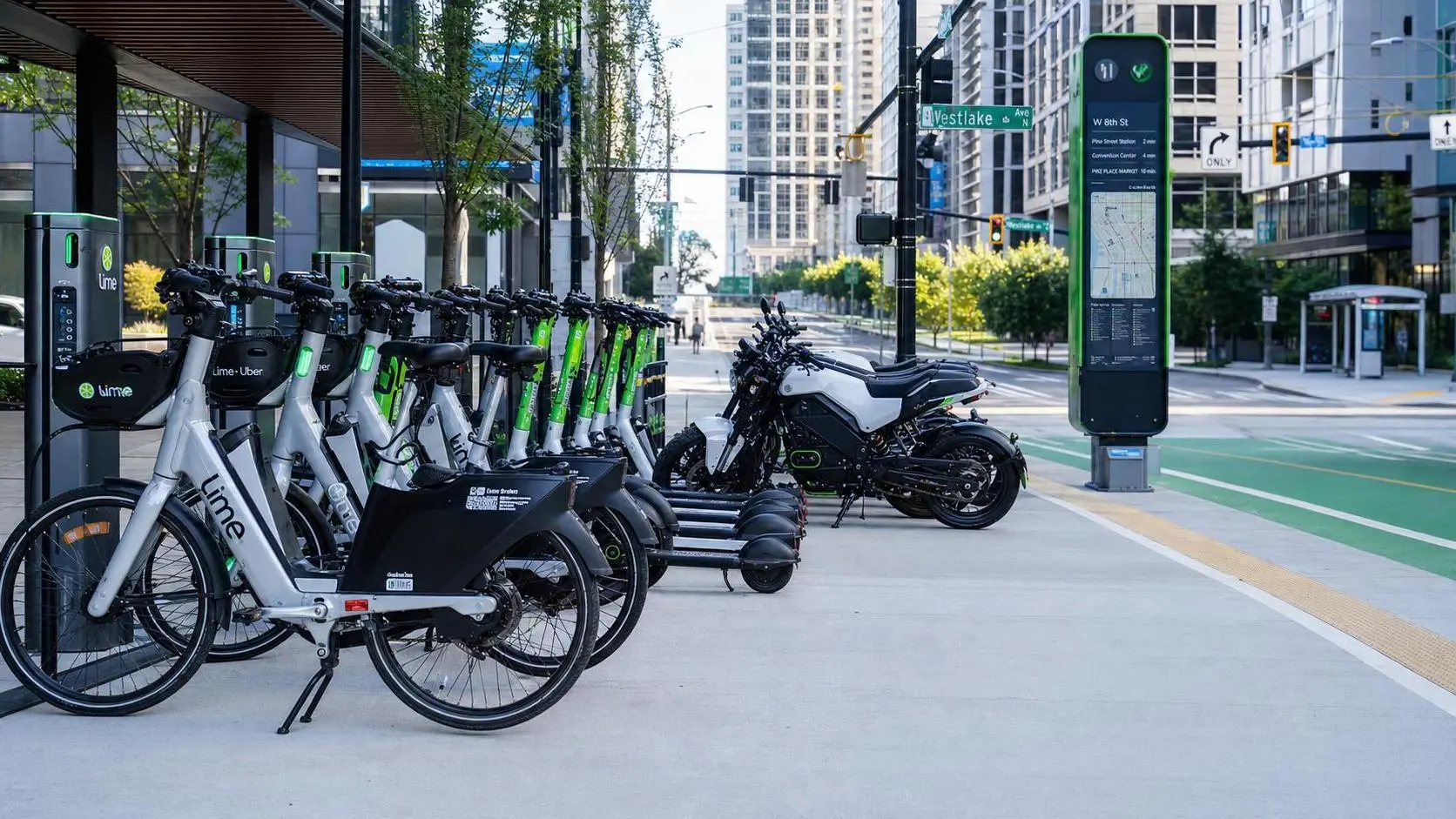
Intellectualization of Mobility in North America: What Is Driving Adoption Across Urban Transport?
Intellectualization of mobility North America is reshaping urban transport through data, smart fleets, and battery intelligence. Explore what is driving adoption and why cities and operators are accelerating now.
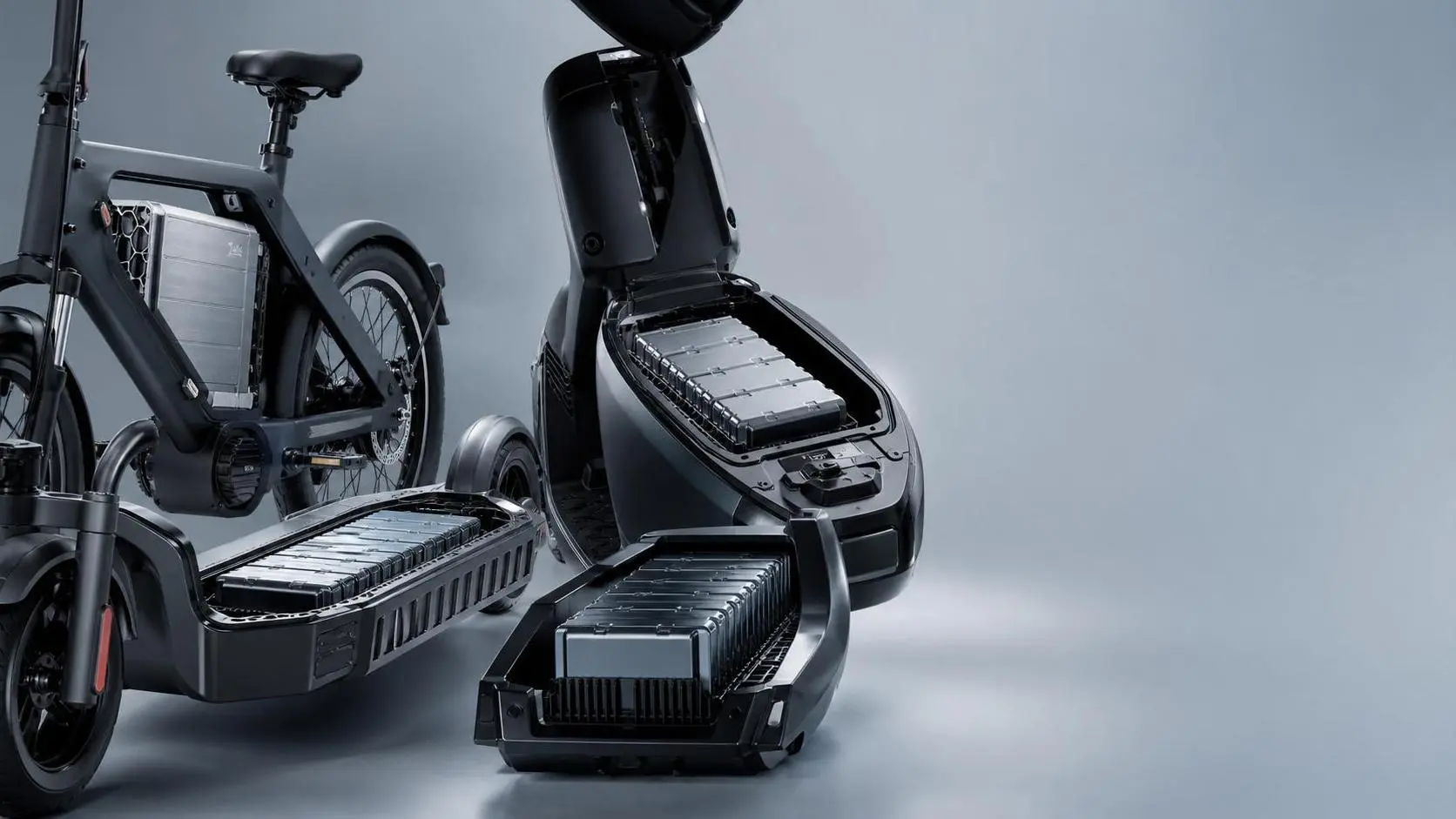
How to Choose a Compact Battery Pack: Size, Energy Density, Thermal Design, and Cycle Life
Compact battery pack selection starts with more than size. Learn how energy density, thermal design, and cycle life shape range, safety, and long-term value.
What Is Driving Green Two-wheelers Demand in Europe? Policy, Fuel Costs, and Buyer Segments
Green two-wheelers demand Europe is rising as policy support, fuel cost pressure, and diverse buyer segments reshape urban mobility. Explore the trends driving the next growth wave.