
Related News
- 00
0000-00
Electric Motorcycle Systems Price Breakdown: What Affects Cost From Battery to Controller? - 00
0000-00
Micro-mobility Systems Explained: Core Components, Operating Models, and City Use Cases - 00
0000-00
Electrification Strategies in Europe: Policy, Charging, and ROI Factors for Fleet Planning - 00
0000-00
OEM Market Share in Electric Motorcycles: What It Reveals About Brand Positioning - 00
0000-00
What Is a Smart Transportation Platform and Which Urban Mobility Use Cases Fit Best?
Ms. Elena Rodriguez
Weekly Insights
Stay ahead with our curated technology reports delivered every Monday.
Where do last mile logistics costs rise first?





Where do last mile logistics costs rise first—and what signals should business evaluators watch before margins erode? In urban micro-mobility, cost pressure often appears at the intersection of delivery density, battery range, curb access, maintenance cycles, and regulatory friction. As e-bikes, smart e-scooters, and electric two-wheelers reshape short-distance transport, understanding these early cost triggers helps operators, OEMs, and investors assess fleet efficiency, infrastructure readiness, and scalable low-carbon mobility models.
Why last mile logistics cost inflation starts before finance reports show it
In last mile logistics, cost escalation rarely begins as a visible accounting problem. It starts as a routing exception, a delayed battery swap, a failed brake inspection, or a rider waiting for curb space.
For business evaluators, the first warning is not always cost per parcel. It is the widening gap between planned operating assumptions and field behavior across dense urban routes.
The early cost layer: utilization, not hardware price
A fleet may look affordable at procurement, yet become expensive when daily utilization falls. Idle e-bikes, poorly positioned scooters, and undercharged battery packs reduce revenue hours.
UMMS observes that micro-mobility economics depend on electromechanical efficiency, battery management logic, and right-of-way conditions working together. A weakness in one layer quickly spreads.
- If delivery density drops, riders travel farther between stops, increasing energy use and labor time per fulfilled order.
- If charging and swapping are poorly synchronized, vehicles miss peak demand windows even when the fleet size appears sufficient.
- If maintenance cycles are reactive, minor drivetrain, tire, brake, or sensor issues create route failures and customer penalties.
The first rise in last mile logistics costs therefore appears in operational variance. Finance teams see it later as overtime, spare vehicle ratios, refunds, and lower asset productivity.
Where should evaluators look first in urban micro-mobility fleets?
The fastest way to locate pressure is to break last mile logistics into cost trigger zones. Each zone has a specific business signal and a practical intervention point.
The following table helps evaluators compare common early cost triggers across e-bikes, smart e-scooters, and high-speed electric two-wheelers used for short-distance delivery.
This view prevents evaluators from treating last mile logistics as a single cost line. It separates controllable fleet engineering issues from market demand, labor planning, and regulation.
How vehicle type changes the cost curve in last mile logistics
Vehicle selection strongly influences when costs rise first. A low-purchase-price platform can become costly if it is mismatched to payload, route speed, weather, or maintenance capability.
E-bikes: efficient for dense, repeated stop patterns
Electric bicycles often fit food delivery, grocery runs, neighborhood parcels, and courier tasks where speed is limited by traffic lights rather than motor output.
Their cost risk appears when drivetrains, chains, derailleurs, brakes, and tires are exposed to heavy daily cycles without structured inspection standards.
Smart e-scooters: agile but sensitive to curb and load limits
Smart e-scooters can reduce parking friction in compact zones. However, payload constraints and smaller wheels may increase downtime on rough surfaces or longer routes.
For last mile logistics, scooters work best when route distance, cargo weight, and local rules are tightly controlled before procurement decisions are finalized.
High-speed e-motorcycles: useful for radius expansion
High-speed electric motorcycles are suited to longer delivery radii, heavier loads, and suburban-urban corridors. Their cost pressure appears in battery, licensing, insurance, and service capacity.
Business evaluators should not compare them only against e-bikes. They compete with vans, ICE motorcycles, and mixed hub-and-spoke models.
Comparison table: which platform absorbs cost pressure best?
When last mile logistics requirements are unclear, a structured comparison reduces subjective procurement debates. The table below frames decision factors for mixed urban delivery operations.
The strongest fleet is often not a single vehicle type. It is a segmented last mile logistics system that assigns vehicles by radius, payload, stop density, and regulatory exposure.
Which cost metrics reveal risk before margins shrink?
Business evaluators need metrics that expose hidden friction. Average delivery cost matters, but it usually appears after field inefficiencies have already accumulated.
Operational metrics to review monthly
- Cost per successful stop, separated by route zone, not averaged across the entire city.
- Vehicle availability during peak hours, excluding units waiting for charging, inspection, or minor repairs.
- Energy consumed per kilometer under loaded conditions, especially on hilly routes or during cold weather.
- Maintenance events per 1,000 kilometers, categorized by brakes, tires, drivetrain, battery, lighting, and connected modules.
- Failed or delayed deliveries caused by parking restrictions, access rules, rider rerouting, or weather disruption.
These indicators show where last mile logistics costs rise first because they connect engineering performance with daily commercial results.
Technical parameters that change commercial outcomes
A procurement team should request technical data that can be translated into operating assumptions. Range claims without load profiles are insufficient for serious evaluation.
UMMS encourages evaluators to connect battery capacity, motor output, braking durability, frame stiffness, and connected diagnostics to measurable delivery scenarios.
Parameter checklist for procurement and pilot design
Before buying vehicles for last mile logistics, evaluators should convert vendor specifications into route assumptions. The following checklist supports pilot design and supplier comparison.
A pilot should not only prove that vehicles move. It should prove that last mile logistics costs remain predictable under rain, congestion, full payload, and peak order density.
How regulations and urban access create hidden cost escalation
Regulation is a frequent source of first-stage cost increases. It changes where vehicles can travel, park, charge, and operate during specific time windows.
For last mile logistics, compliance should be treated as an operating design input, not a legal afterthought. A fleet that is efficient on paper may fail under local access rules.
Compliance points that evaluators should map
- Vehicle classification, including speed limits, power limits, rider licensing, helmet requirements, and insurance obligations.
- Battery transport, charging, storage, and fire-safety practices aligned with local building and workplace requirements.
- Right-of-way rules for bike lanes, shared paths, low-emission zones, pedestrian zones, and restricted delivery windows.
- Product conformity expectations such as CE marking in relevant markets, electrical safety documentation, and battery test records where applicable.
UMMS tracks policy signals affecting e-bikes, shared scooters, and electric two-wheelers because regulatory friction can shift the cost curve faster than hardware depreciation.
Common mistakes that make last mile logistics look cheaper than it is
Many evaluation errors come from comparing purchase prices instead of total operating behavior. The result is a budget that looks disciplined but fails during scale-up.
Mistake one: using laboratory range as operating range
Range changes under cargo load, repeated acceleration, rider weight, tire pressure, road grade, wind, and temperature. Field range is the number that protects margins.
Mistake two: ignoring spare parts availability
A vehicle is only as scalable as its service ecosystem. Brake pads, tires, controllers, sensors, batteries, and drivetrain components need predictable replenishment.
Mistake three: treating riders as an unlimited buffer
When routes are inefficient, riders absorb stress through longer shifts and lower productivity. That eventually appears as turnover, training expense, safety risk, and lower service quality.
FAQ: practical questions about last mile logistics cost control
The following questions reflect common concerns from commercial evaluators comparing micro-mobility options, infrastructure requirements, and operating cost exposure.
How can a company identify the first cost rise in last mile logistics?
Start with utilization and exception data. If peak-hour availability drops, charging queues grow, or riders spend more time between stops, cost pressure is already developing.
Segment data by neighborhood, vehicle type, weather, payload, and time window. Averaged city-level figures often hide the early failure points that damage margins.
Are e-bikes always cheaper than e-motorcycles for delivery?
Not always. E-bikes usually perform well in dense, low-speed urban cores. Electric motorcycles may be more economical on longer routes with time-sensitive deliveries.
The correct comparison depends on cost per successful stop, not purchase price alone. Payload, licensing, route radius, and charging design must be considered together.
What should procurement teams ask suppliers before a pilot?
Ask for usable range data, battery cycle assumptions, spare parts lead times, maintenance guidance, safety documentation, and connectivity capabilities relevant to fleet management.
Procurement should also request sample inspection procedures. A low-cost vehicle without service clarity can increase last mile logistics downtime during expansion.
How long should a micro-mobility delivery pilot run?
A useful pilot should cover enough operating days to include peak demand, poor weather, routine maintenance, rider feedback, and battery degradation observations.
Rather than relying on calendar length alone, define mileage, stop count, payload variety, and route types before judging commercial viability.
How UMMS supports better business evaluation and supplier decisions
UMMS connects micro-mobility engineering intelligence with commercial decision needs. Our focus spans e-bikes, smart e-scooters, high-speed e-motorcycles, wiper systems, and precision bicycle components.
For last mile logistics evaluators, this means looking beyond vehicle categories. We analyze battery management, electromechanical transmission efficiency, connected fleet logic, policy direction, and component-level durability.
What decision support can be requested?
- Parameter confirmation for e-bike motors, batteries, braking systems, IoT modules, and drivetrain components used in delivery fleets.
- Vehicle type selection based on delivery density, payload profile, route radius, terrain, weather, and local access rules.
- Cost model review covering charging strategy, spare vehicle ratio, maintenance intervals, and component replacement planning.
- Compliance discussion for target markets, including vehicle classification, battery documentation, and right-of-way considerations.
- Supplier comparison support for OEMs, fleet operators, investors, and component companies preparing scalable mobility programs.
If your team is evaluating last mile logistics investments, consult UMMS before the cost curve becomes visible in financial reports. We can help clarify specifications, compare options, assess delivery readiness, review certification concerns, and prepare informed conversations with suppliers or partners.
Contact UMMS to discuss route assumptions, product selection, pilot structure, delivery timelines, sample support, certification requirements, or quotation benchmarks for micro-mobility systems designed for low-carbon urban operations.
Related News
How to Choose Lightweight Scooter Frames in Europe: Materials, Standards, and Use Cases
Lightweight scooter frames Europe buyers need should balance materials, EN standards, durability, and real use cases. Discover how to choose safer, smarter, compliant frames.
What Is the Intellectualization of Mobility Platform and How Is It Applied in Shared Fleets?
Intellectualization of mobility platform is reshaping shared fleets with real-time data, predictive maintenance, and smarter compliance—learn how it boosts safety, uptime, and urban mobility efficiency.
Urban Micro-Mobility Systems in Latin America: Key Market Drivers, Barriers, and Growth Segments
Urban micro-mobility systems Latin America are reshaping city transport. Explore key drivers, barriers, and high-growth segments to spot the region’s most investable opportunities.
Electric Motorcycle Systems Price Breakdown: What Affects Cost From Battery to Controller?
Electric motorcycle systems price explained: see how battery, controller, motor, BMS, and wiring affect total cost, reliability, and sourcing value before you buy.
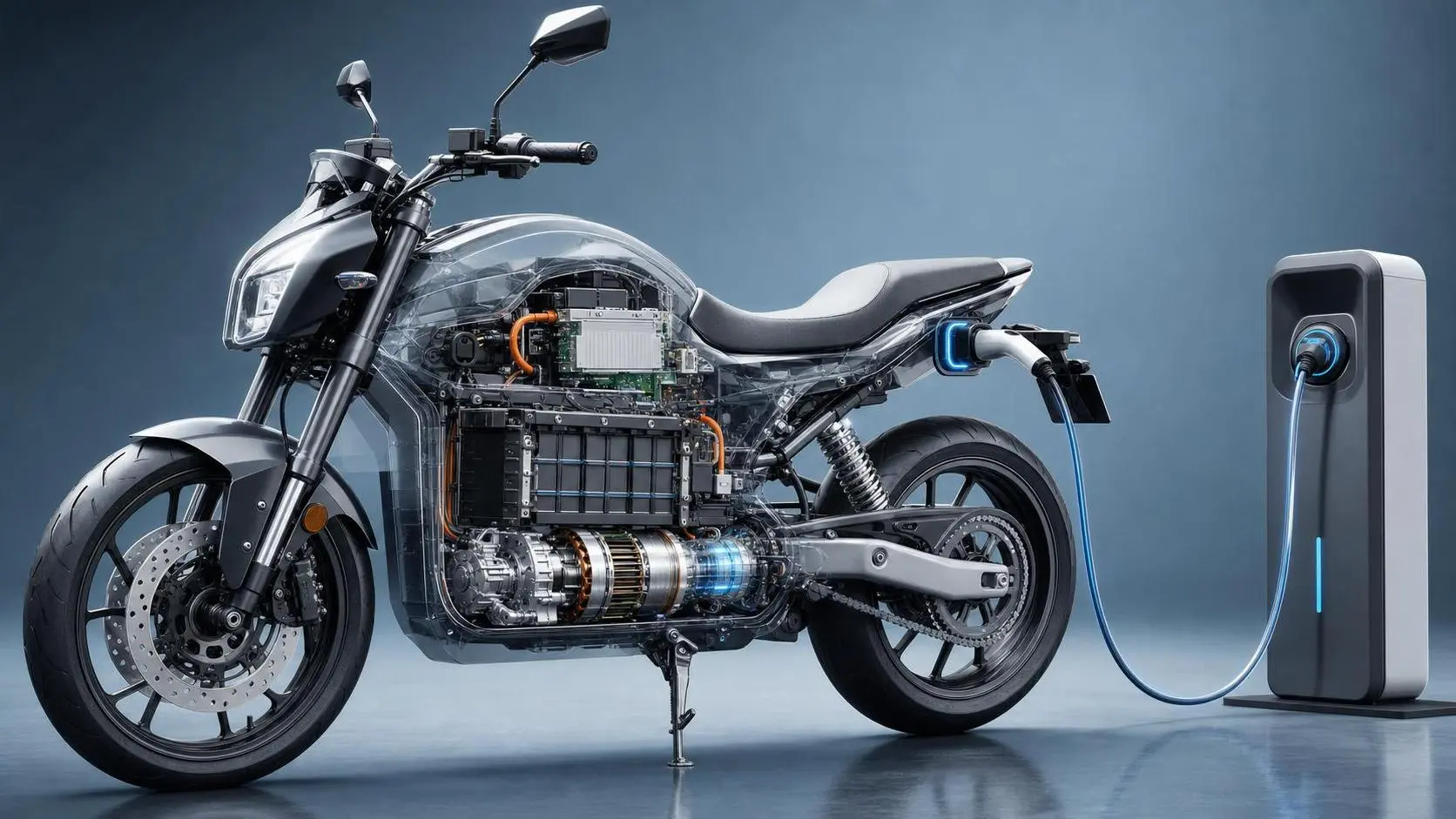
72V Electric Motorcycle Technology Explained: Motors, Controllers, Range, and Charging
Electric motorcycle technology 72V explained clearly: compare motors, controllers, range, battery design, and charging to choose a smoother, stronger, and smarter electric ride.
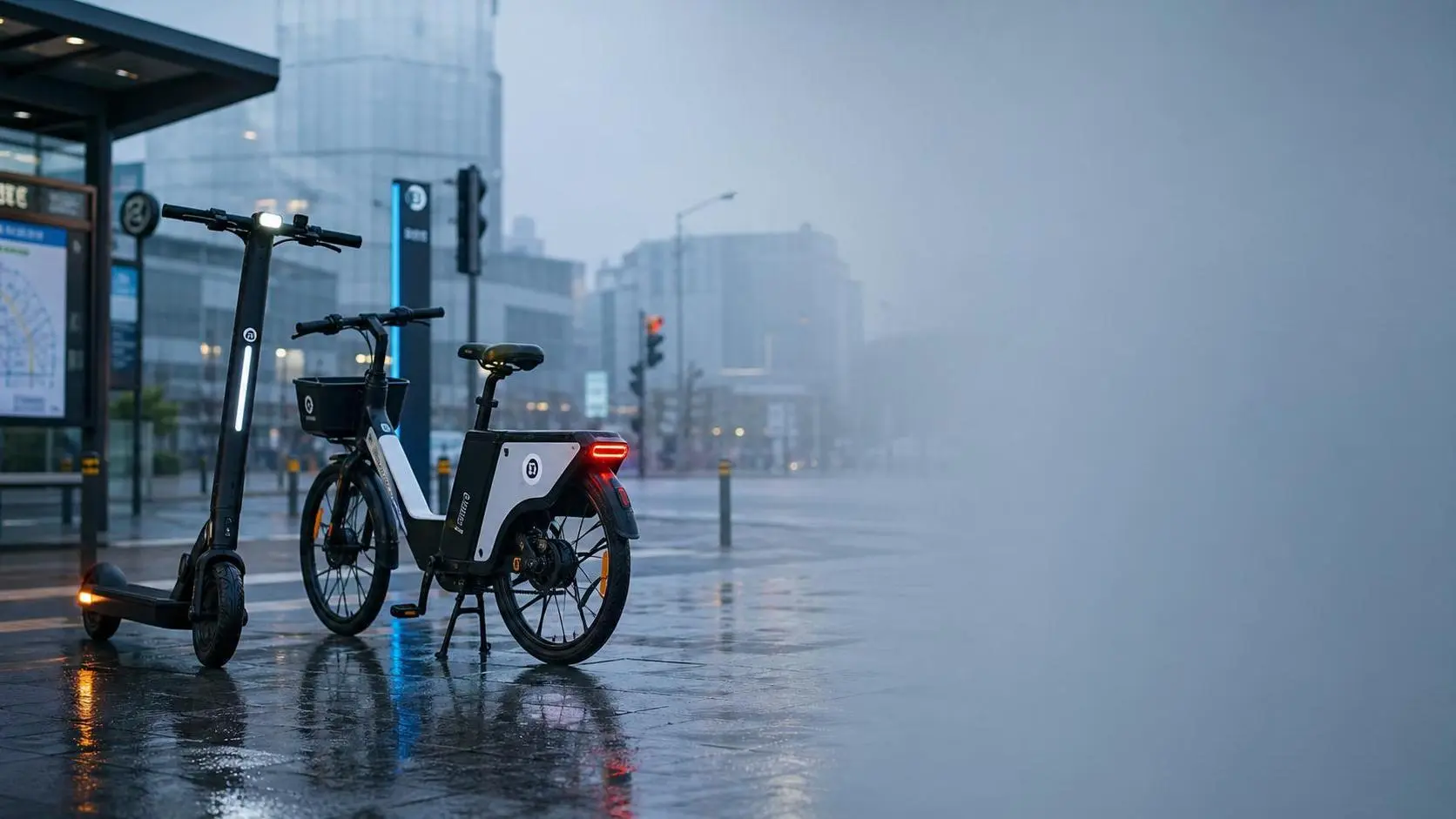
Where LED Urban Visibility Safety Systems Fit Best in Shared Scooters and City E-bikes
LED urban visibility safety systems deliver the most value in shared scooters and city e-bikes by improving multi-angle safety, fleet durability, and urban compliance across real-world routes.
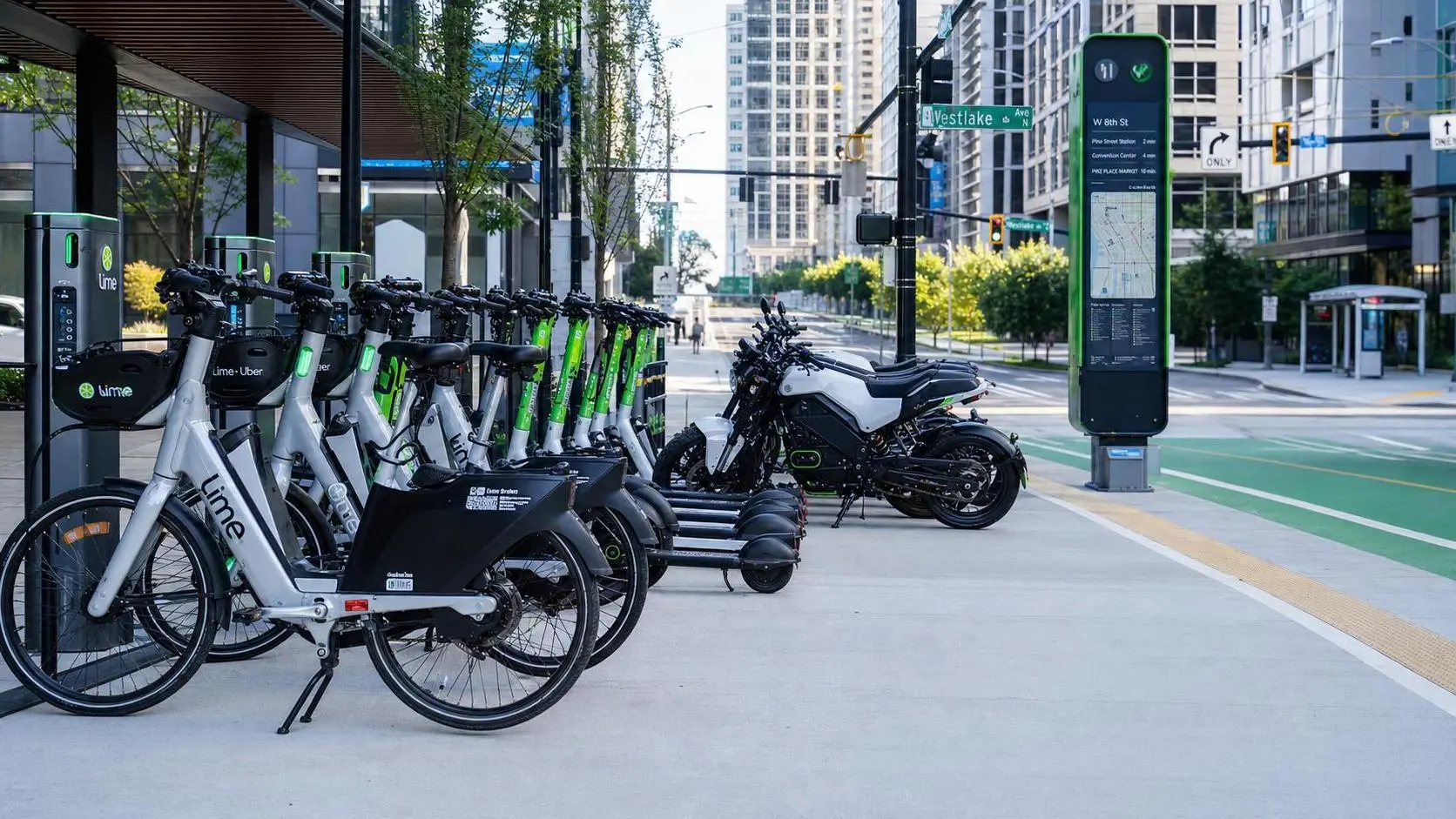
Intellectualization of Mobility in North America: What Is Driving Adoption Across Urban Transport?
Intellectualization of mobility North America is reshaping urban transport through data, smart fleets, and battery intelligence. Explore what is driving adoption and why cities and operators are accelerating now.
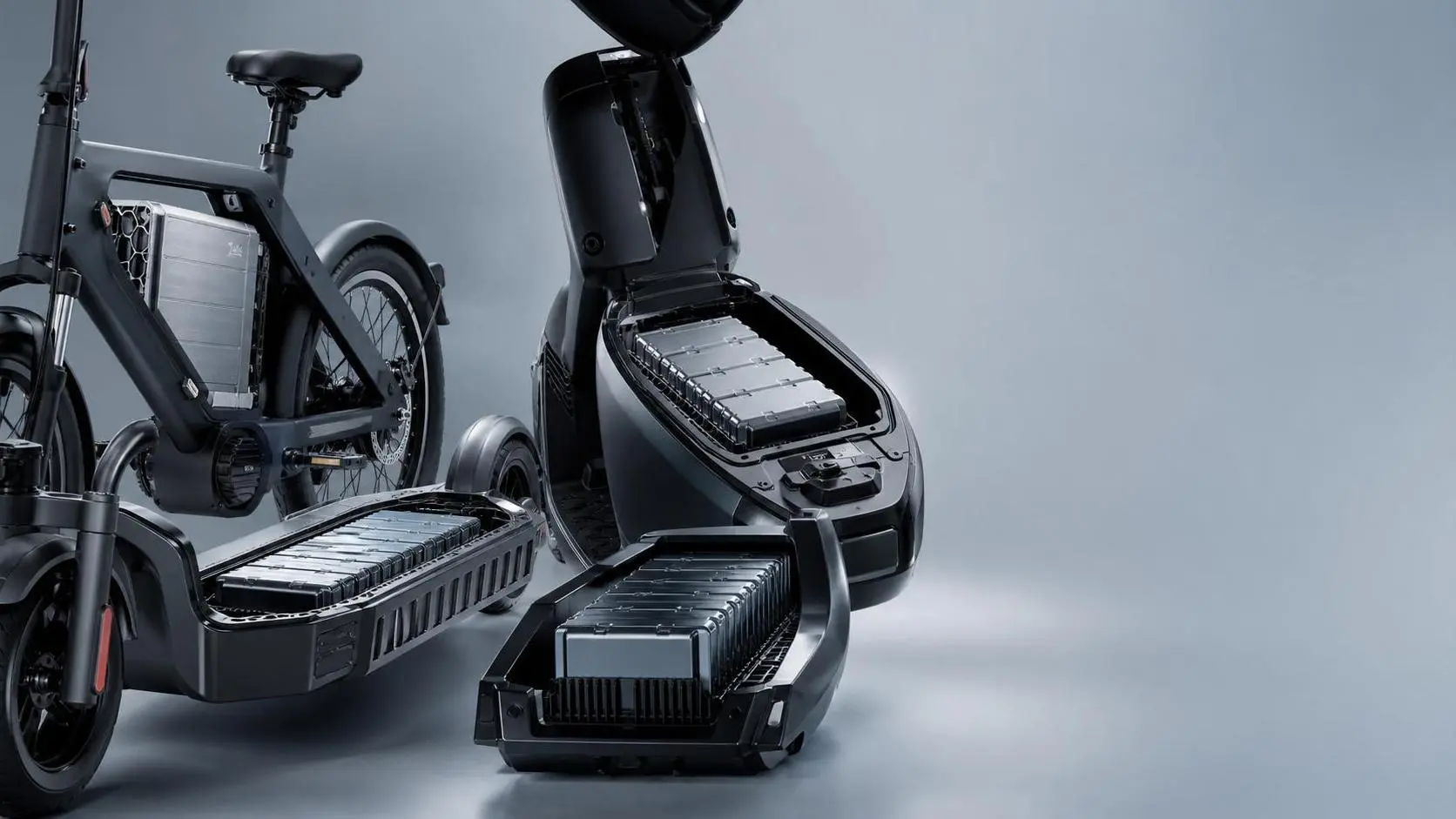
How to Choose a Compact Battery Pack: Size, Energy Density, Thermal Design, and Cycle Life
Compact battery pack selection starts with more than size. Learn how energy density, thermal design, and cycle life shape range, safety, and long-term value.
What Is Driving Green Two-wheelers Demand in Europe? Policy, Fuel Costs, and Buyer Segments
Green two-wheelers demand Europe is rising as policy support, fuel cost pressure, and diverse buyer segments reshape urban mobility. Explore the trends driving the next growth wave.