
Related News
- 00
0000-00
Electric Motorcycle Systems Price Breakdown: What Affects Cost From Battery to Controller? - 00
0000-00
Micro-mobility Systems Explained: Core Components, Operating Models, and City Use Cases - 00
0000-00
Electrification Strategies in Europe: Policy, Charging, and ROI Factors for Fleet Planning - 00
0000-00
OEM Market Share in Electric Motorcycles: What It Reveals About Brand Positioning - 00
0000-00
What Is a Smart Transportation Platform and Which Urban Mobility Use Cases Fit Best?
Ms. Elena Rodriguez
Weekly Insights
Stay ahead with our curated technology reports delivered every Monday.
Urban Mobility Solutions for Last-Mile Traffic Gaps





Urban mobility solutions are moving from pilot concepts to critical city infrastructure. Congestion, emissions pressure, delivery growth, and fragmented commuter journeys are exposing persistent last-mile traffic gaps.
For urban networks, the issue is not only transport capacity. It is coordination between vehicles, power systems, digital controls, safety standards, and street-level operations.
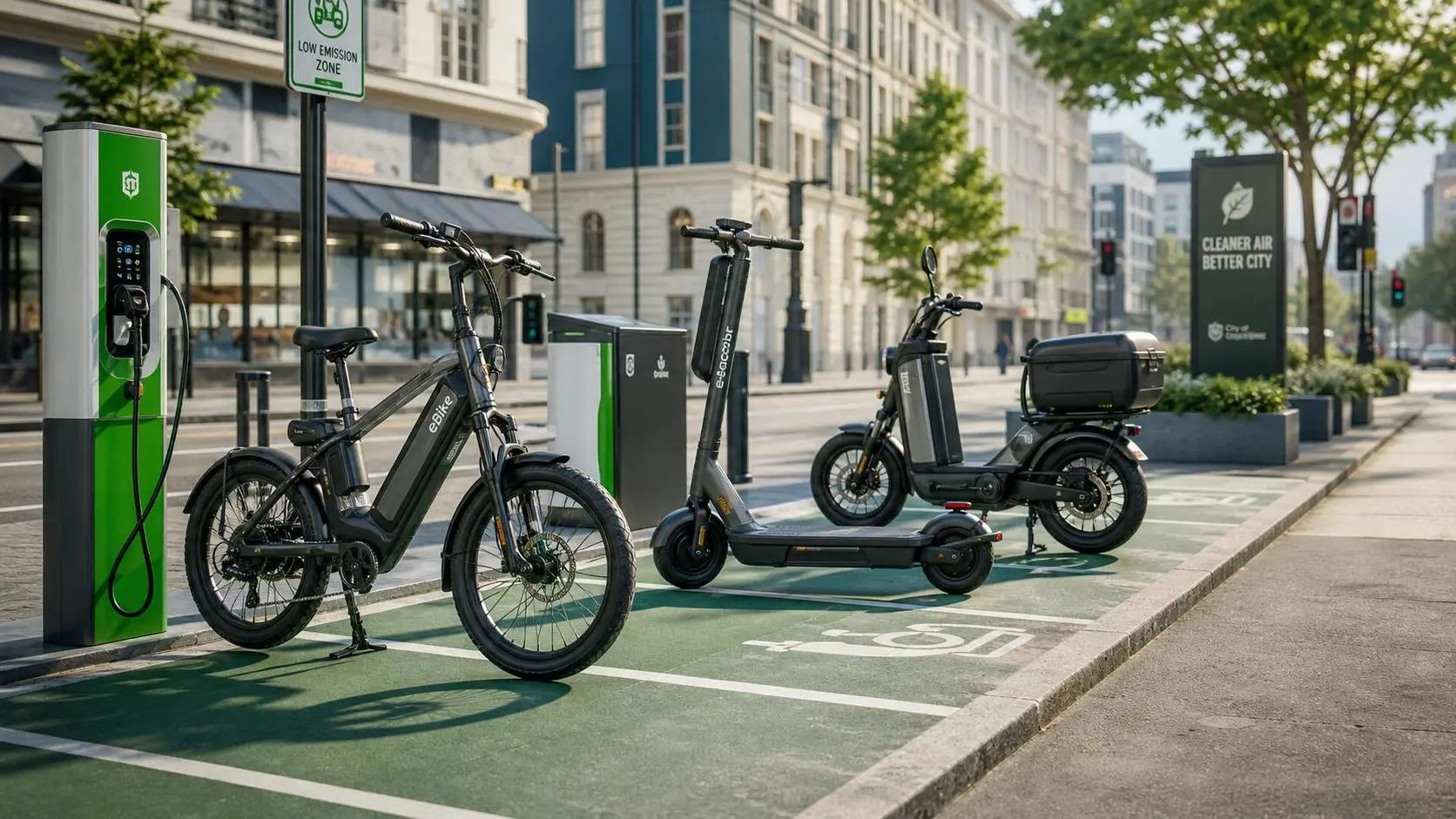
This is where urban mobility solutions gain strategic value. Smart e-bikes, connected e-scooters, high-speed e-motorcycles, and precision components now shape practical urban micro-circulation.
UMMS tracks this shift through intelligence on electrified two-wheelers, precision drivetrains, battery logic, and system-level performance. The goal is simple: connect technical efficiency with scalable low-carbon mobility.
Last-mile traffic gaps are becoming a system problem, not a local inconvenience
Cities once treated the last mile as a minor planning defect. That assumption no longer holds. Travel demand has become more dynamic, decentralized, and sensitive to time loss.
Transit riders often face poor links between stations, homes, campuses, business districts, and logistics nodes. Short distances remain too long to walk and too inefficient for cars.
As a result, urban mobility solutions are being evaluated as network connectors. They reduce transfer friction, widen public transport reach, and support flexible movement in dense corridors.
The strongest signal is integration. Cities and operators now compare vehicles by uptime, charge cycles, telemetry quality, safety performance, and compatibility with existing transport systems.
Several trend signals show urban mobility solutions entering a new maturity stage
The market is shifting beyond simple vehicle deployment. Urban mobility solutions are increasingly judged by data visibility, maintenance predictability, fleet discipline, and regulatory fit.
Five visible signals explain this new stage:
- Shared and private two-wheelers are becoming part of broader mobility ecosystems.
- Battery performance and thermal stability are now central to vehicle credibility.
- Connected hardware is replacing isolated vehicles with manageable assets.
- Safety features are moving from compliance extras to purchase requirements.
- Precision components increasingly affect energy efficiency and rider experience.
These signals matter because urban mobility solutions succeed only when technology, policy, and street operations evolve together. One missing layer can weaken the full network effect.
The forces behind this shift are technical, regulatory, and behavioral
Urban mobility solutions are expanding for clear reasons. The drivers are not speculative. They are visible in infrastructure planning, commuting patterns, and electrification economics.
UMMS sees a notable pattern here. The next winners will not rely on one breakthrough product. They will combine vehicles, software intelligence, and component reliability into repeatable systems.
Different mobility layers are being redefined by specialized two-wheeler roles
E-bikes are expanding the practical reach of public and personal commuting
E-bikes remain among the most effective urban mobility solutions for short and medium urban trips. They reduce physical strain while preserving compactness and low energy use.
Their importance is growing near rail stations, suburban corridors, university zones, and mixed-use districts. In these places, range and comfort matter more than top speed.
Smart e-scooters are strengthening flexible access in dense urban micro-circulation
Smart e-scooters solve quick access problems where parking, walkability, and transfer speed are constant concerns. Their value depends on geofencing, fleet discipline, and durable lightweight frames.
As urban mobility solutions mature, scooter programs must move beyond volume. Precision deployment, rider education, and digital parking controls are now essential.
High-speed e-motorcycles are entering performance and service-intensive corridors
High-speed e-motorcycles fill a different role. They address longer city commutes, urban-periphery routes, rapid service mobility, and professional transport segments requiring stronger torque.
Battery swapping, thermal management, and drivetrain robustness are decisive. Without these foundations, high-performance urban mobility solutions struggle to scale reliably.
Precision components quietly determine efficiency, safety, and product longevity
Micro-mobility discussions often overlook components. Yet derailleur systems, control electronics, sensor modules, and safety subsystems strongly influence user trust and lifecycle cost.
Even wiper systems matter in specific urban vehicle categories. Visibility support, aerodynamic integration, and brushless motor efficiency strengthen all-weather operational safety.
The impact of urban mobility solutions now reaches multiple business and operating layers
The rise of urban mobility solutions affects product planning, service design, compliance, maintenance, and expansion strategy. It is no longer limited to vehicle procurement decisions.
- Infrastructure planning must account for charging, parking, storage, and traffic interaction.
- Fleet operations require stronger telemetry, diagnostics, and maintenance scheduling.
- Component sourcing needs more focus on compatibility, durability, and efficiency.
- Safety management must address weather exposure, braking behavior, and rider visibility.
- Commercial models need to align asset life, utilization, and local regulation.
For intelligence platforms like UMMS, this complexity is exactly why stitched analysis matters. Market signals only become useful when linked to technical performance and operational reality.
The next phase will favor disciplined system design over isolated product launches
Urban mobility solutions will become more competitive, but also less forgiving. Weak battery logic, poor component matching, or limited safety engineering can quickly undermine deployment credibility.
The most important areas to watch include:
- Battery management systems with stronger thermal and cycle-life control.
- Wireless and electronic drivetrain systems with anti-interference capability.
- Vehicle software that supports diagnostics, route logic, and asset visibility.
- Safety subsystems adapted for poor weather and mixed traffic conditions.
- Cross-market intelligence on subsidy policy and right-of-way regulation.
These priorities show why urban mobility solutions should be treated as an integrated performance stack. Mechanical, electrical, digital, and regulatory layers now influence each other directly.
Practical response paths are clearer when decisions are structured by risk and readiness
This structured approach helps urban mobility solutions move from experimental pilots to resilient operating models. It also supports more reliable capital planning and technical standardization.
A sharper intelligence loop is now the most useful next step
Urban mobility solutions work best when decisions are informed by real technical signals, not headline excitement. Battery behavior, drivetrain accuracy, weather resilience, and policy timing all matter.
UMMS supports this need by linking market evolution with engineering logic across e-bikes, smart e-scooters, high-speed e-motorcycles, wiper systems, and precision bicycle components.
The practical move now is to review last-mile gaps as system bottlenecks. Then map vehicle roles, power architecture, safety requirements, and intelligence visibility into one scalable framework.
That is how urban mobility solutions become more than transport alternatives. They become dependable infrastructure for cleaner, smarter, and faster urban movement.
Related News
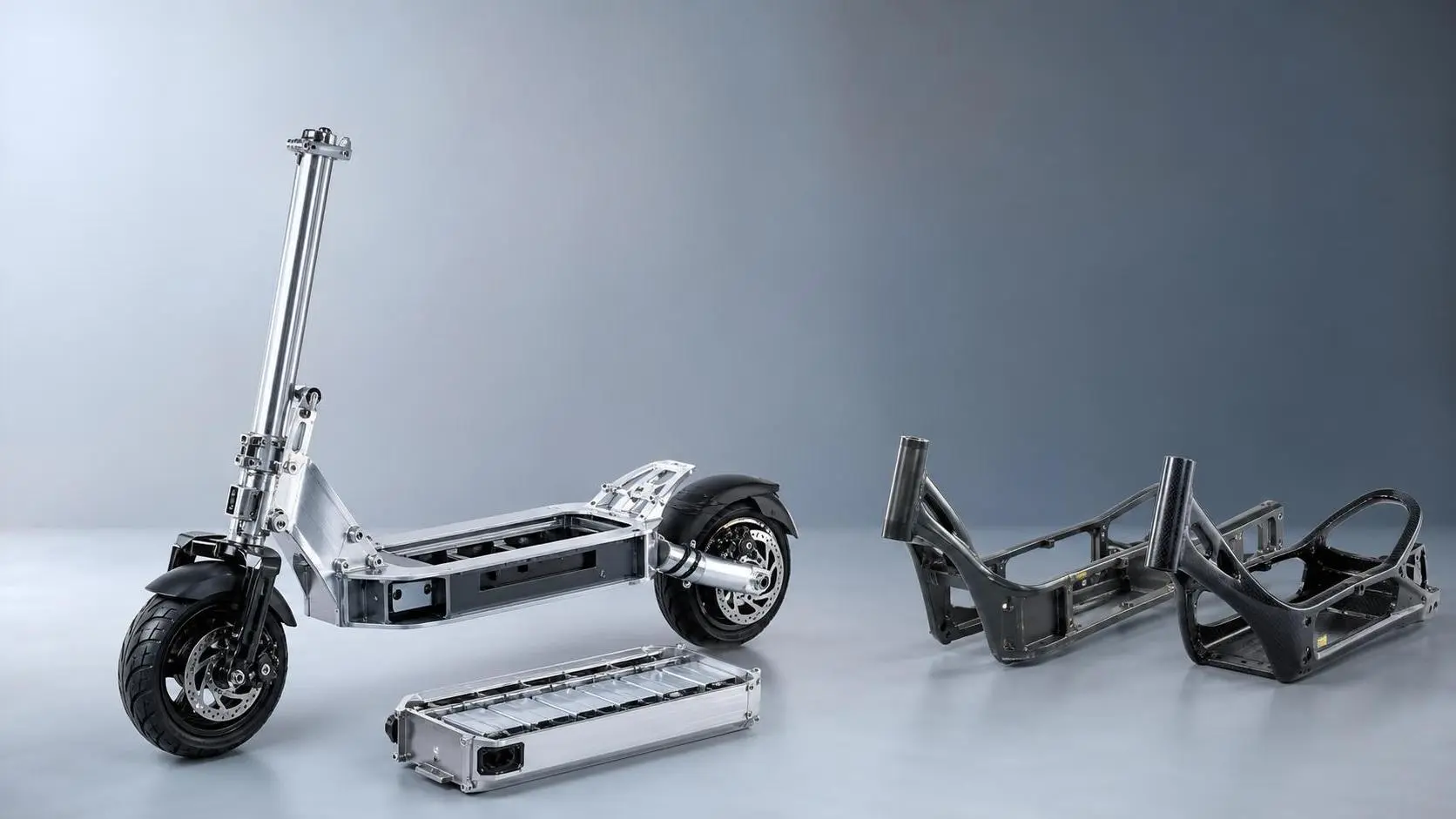
How to Choose Lightweight Scooter Frames in Europe: Materials, Standards, and Use Cases
Lightweight scooter frames Europe buyers need should balance materials, EN standards, durability, and real use cases. Discover how to choose safer, smarter, compliant frames.
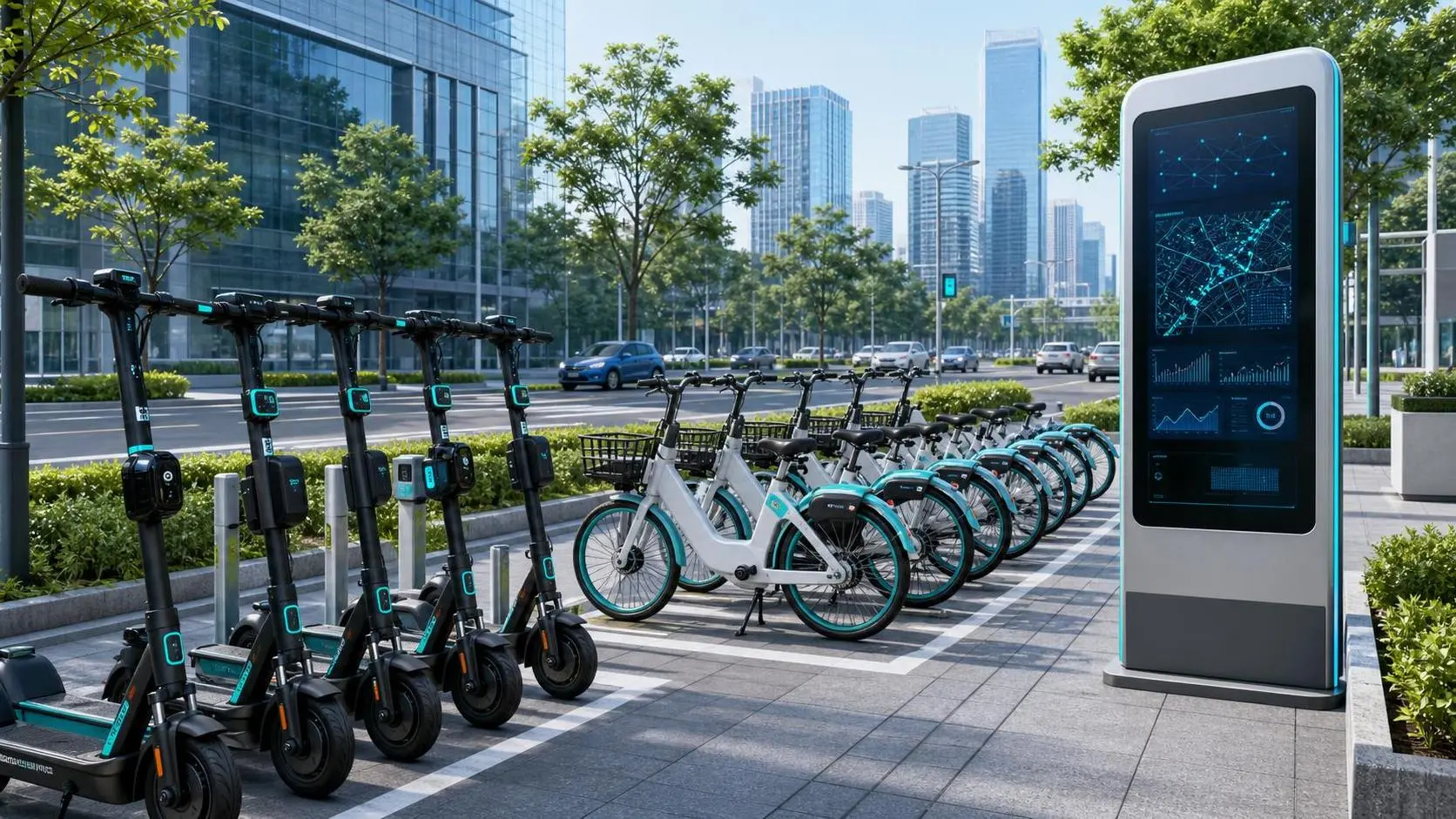
What Is the Intellectualization of Mobility Platform and How Is It Applied in Shared Fleets?
Intellectualization of mobility platform is reshaping shared fleets with real-time data, predictive maintenance, and smarter compliance—learn how it boosts safety, uptime, and urban mobility efficiency.
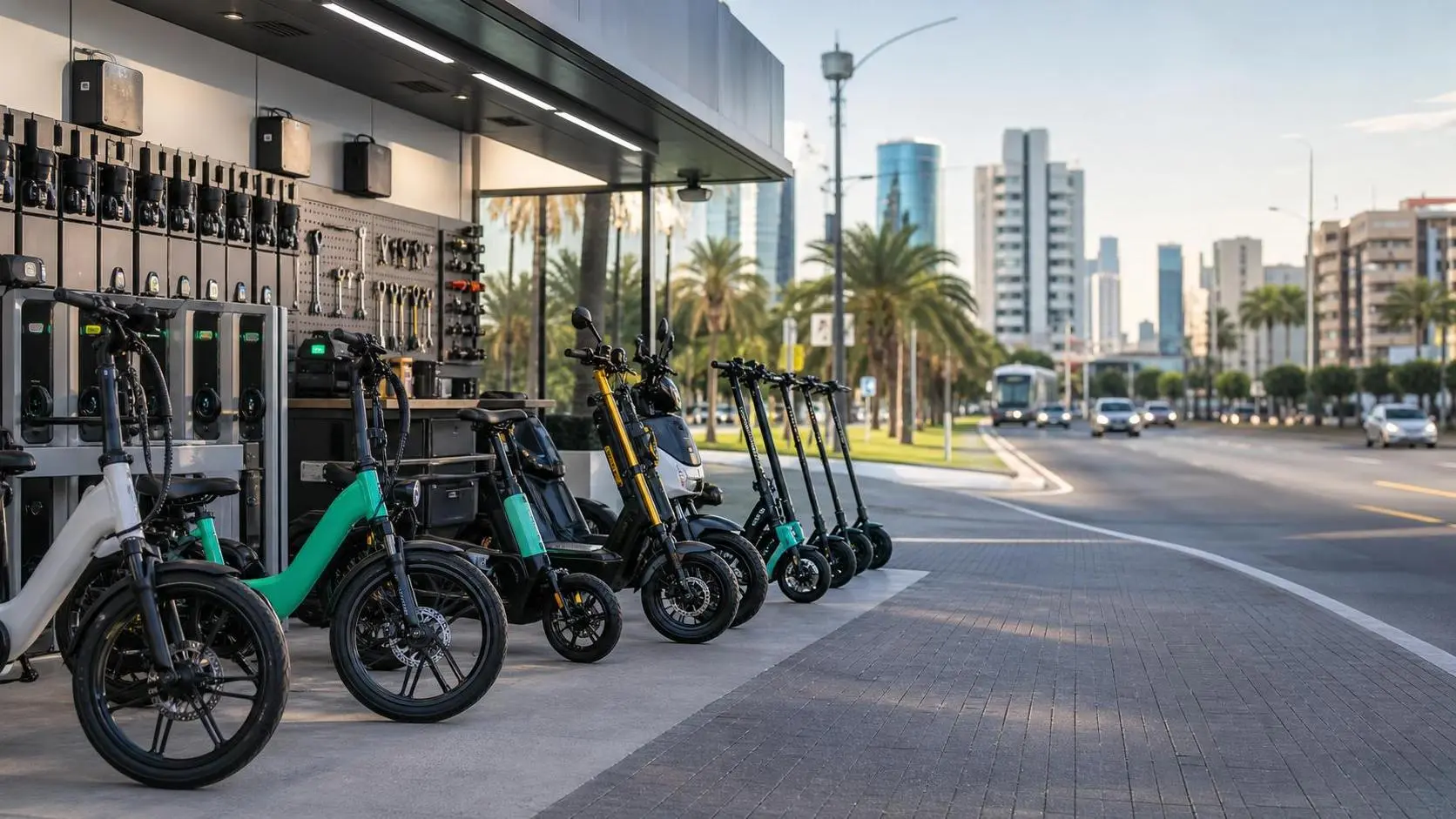
Urban Micro-Mobility Systems in Latin America: Key Market Drivers, Barriers, and Growth Segments
Urban micro-mobility systems Latin America are reshaping city transport. Explore key drivers, barriers, and high-growth segments to spot the region’s most investable opportunities.
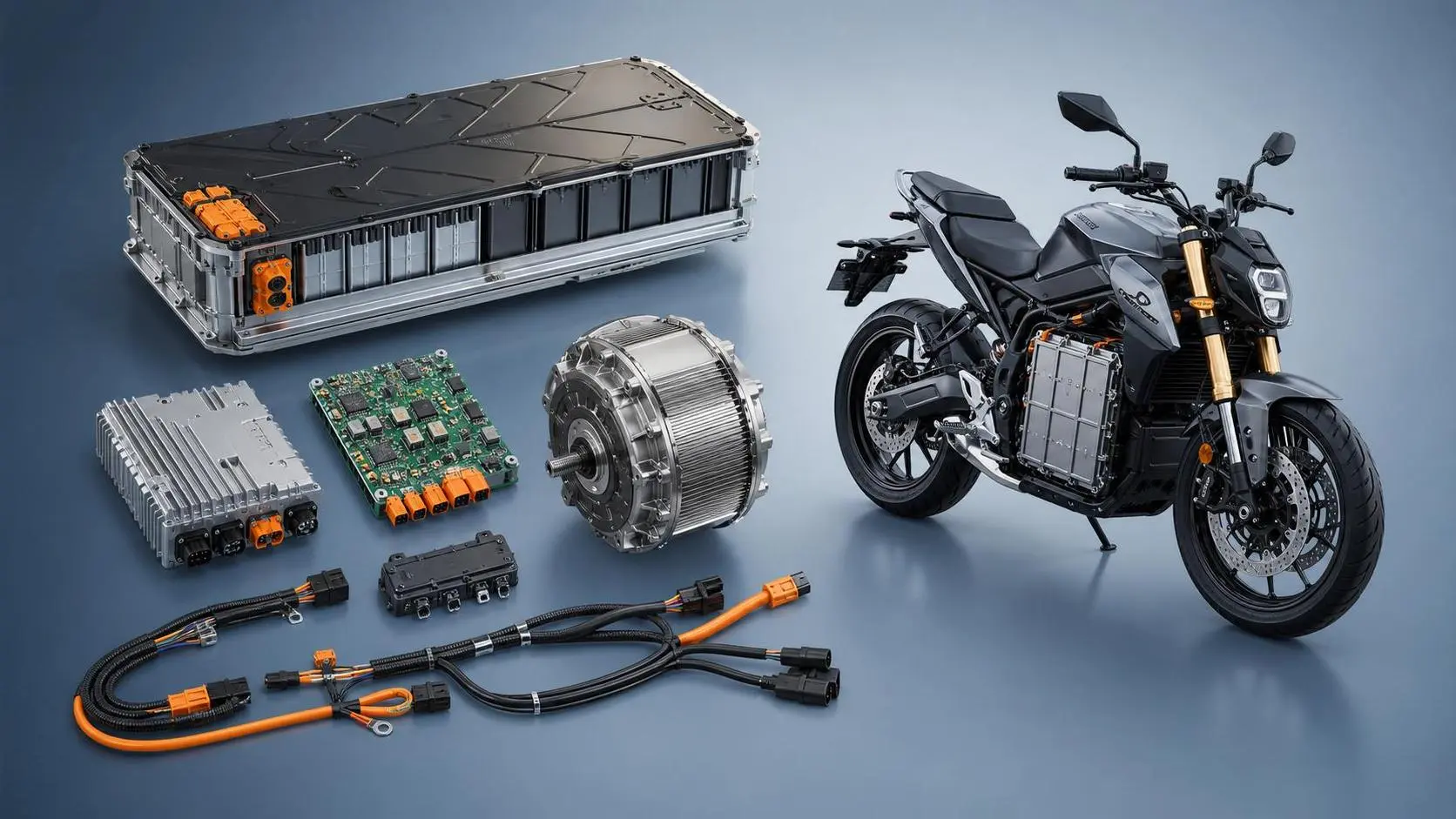
Electric Motorcycle Systems Price Breakdown: What Affects Cost From Battery to Controller?
Electric motorcycle systems price explained: see how battery, controller, motor, BMS, and wiring affect total cost, reliability, and sourcing value before you buy.
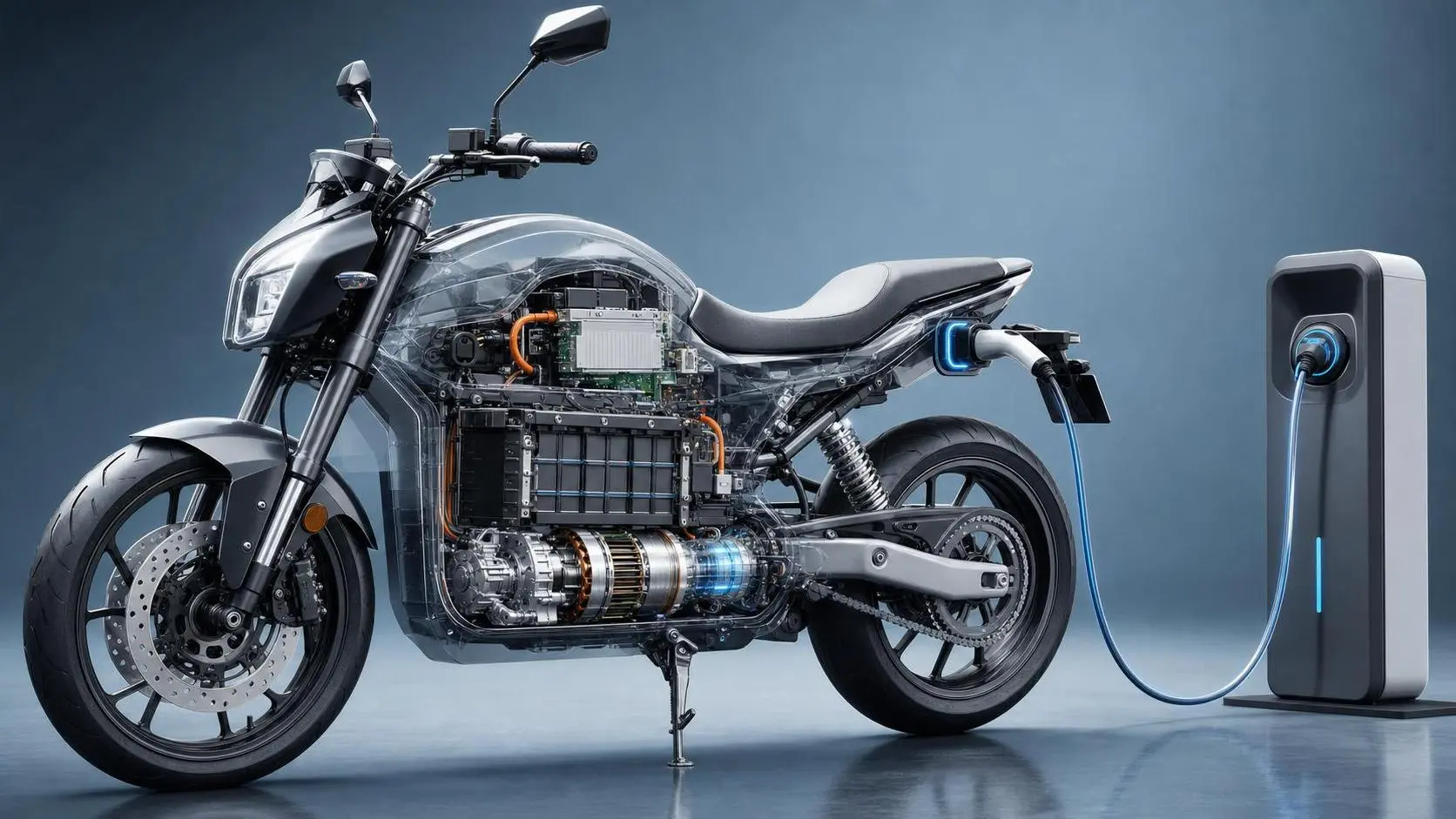
72V Electric Motorcycle Technology Explained: Motors, Controllers, Range, and Charging
Electric motorcycle technology 72V explained clearly: compare motors, controllers, range, battery design, and charging to choose a smoother, stronger, and smarter electric ride.
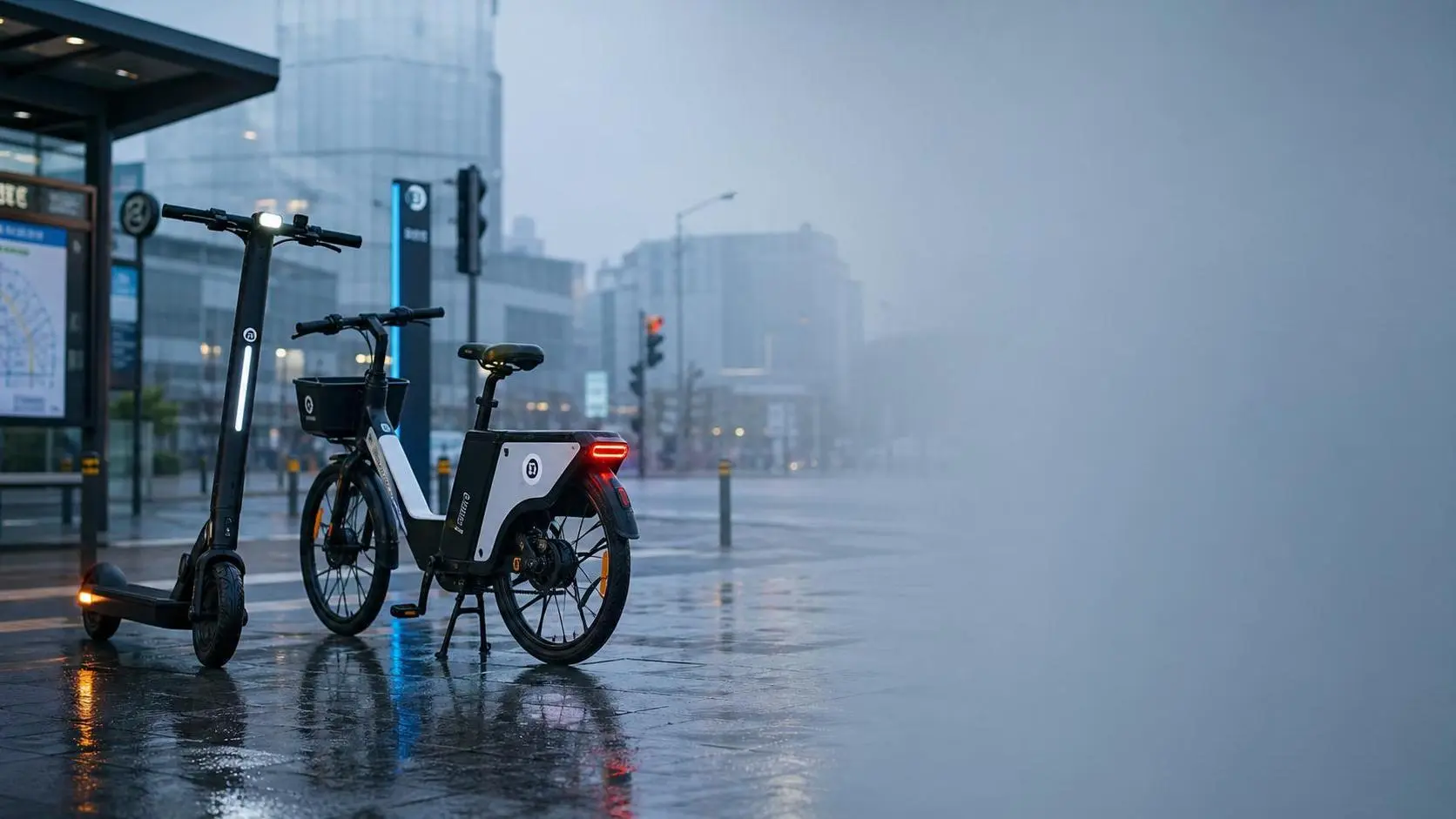
Where LED Urban Visibility Safety Systems Fit Best in Shared Scooters and City E-bikes
LED urban visibility safety systems deliver the most value in shared scooters and city e-bikes by improving multi-angle safety, fleet durability, and urban compliance across real-world routes.
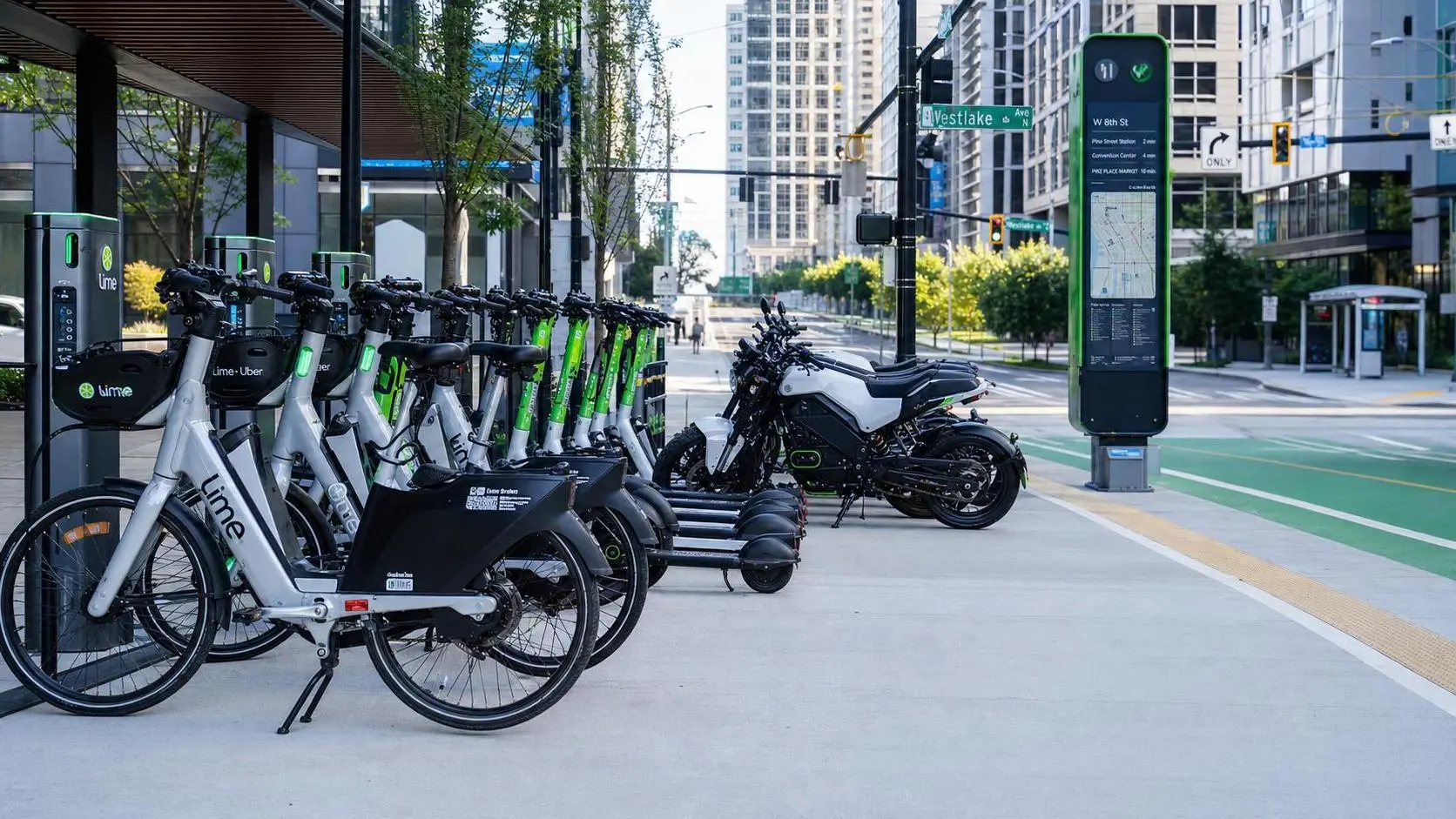
Intellectualization of Mobility in North America: What Is Driving Adoption Across Urban Transport?
Intellectualization of mobility North America is reshaping urban transport through data, smart fleets, and battery intelligence. Explore what is driving adoption and why cities and operators are accelerating now.
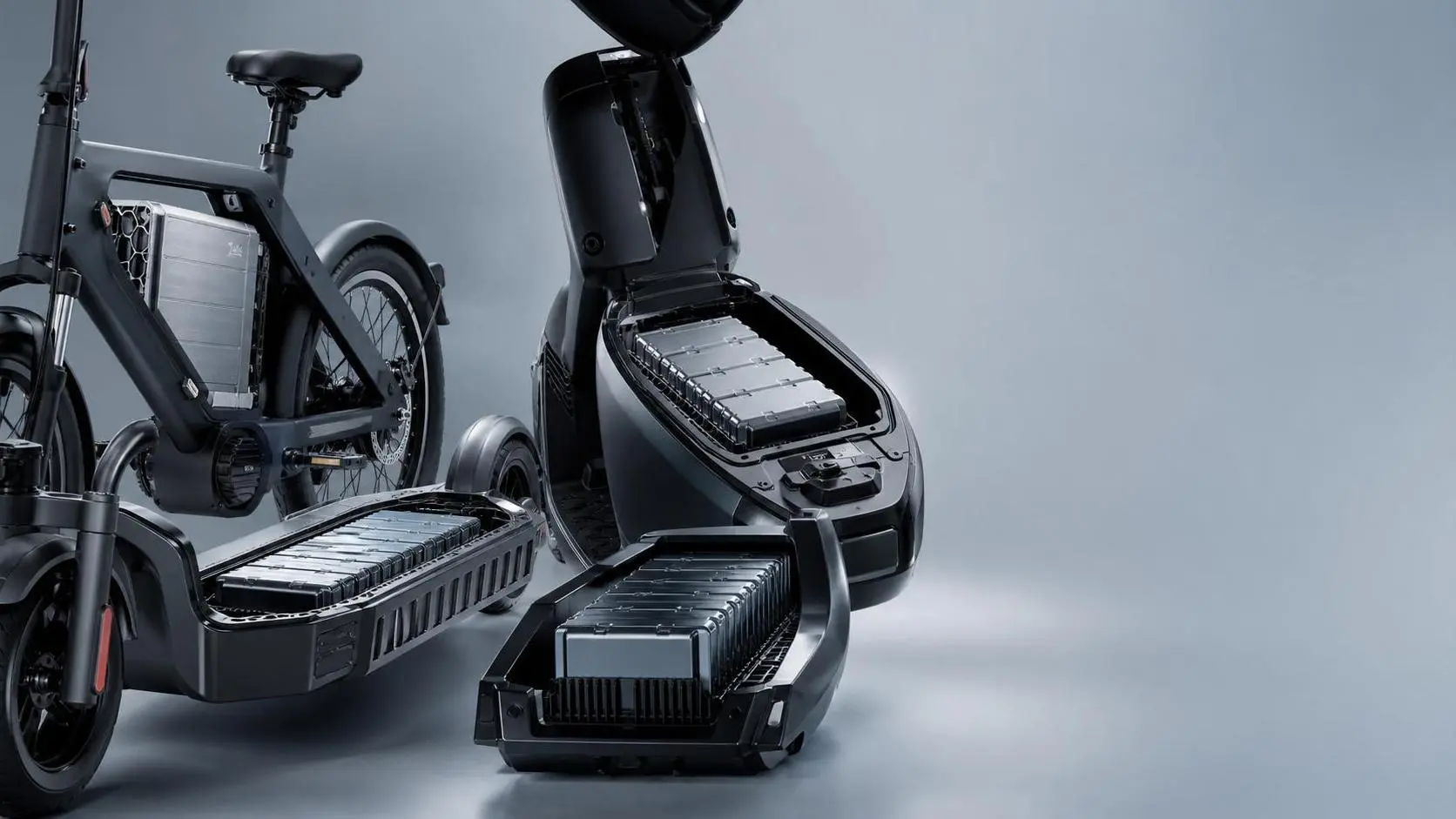
How to Choose a Compact Battery Pack: Size, Energy Density, Thermal Design, and Cycle Life
Compact battery pack selection starts with more than size. Learn how energy density, thermal design, and cycle life shape range, safety, and long-term value.
What Is Driving Green Two-wheelers Demand in Europe? Policy, Fuel Costs, and Buyer Segments
Green two-wheelers demand Europe is rising as policy support, fuel cost pressure, and diverse buyer segments reshape urban mobility. Explore the trends driving the next growth wave.