
Related News
- 00
0000-00
How to Evaluate Core Component Suppliers for Electric Motorcycles Before Sourcing? - 00
0000-00
Electric Motorcycle Systems Price Breakdown: What Affects Cost From Battery to Controller? - 00
0000-00
Micro-mobility Systems Explained: Core Components, Operating Models, and City Use Cases - 00
0000-00
Electrification Strategies in Europe: Policy, Charging, and ROI Factors for Fleet Planning - 00
0000-00
OEM Market Share in Electric Motorcycles: What It Reveals About Brand Positioning
Ms. Elena Rodriguez
Weekly Insights
Stay ahead with our curated technology reports delivered every Monday.
Urban Electric Transportation Costs: What Buyers Should Compare Before Investing





Urban electric transportation can reduce operating costs, but the real investment case depends on what buyers compare before approval. For financial decision-makers, purchase price alone is not enough—battery life, maintenance cycles, charging infrastructure, residual value, compliance, and total cost of ownership all shape long-term returns. This guide outlines the key cost factors that matter most when evaluating e-bikes, e-scooters, and other urban mobility assets.
For finance teams, the challenge is rarely whether micro-mobility is strategically relevant. The real question is how to compare options in a disciplined way before capital is committed. In urban fleets, delivery operations, corporate campuses, and municipal mobility programs, a weak comparison process can turn a low-emission asset into a high-friction cost center within 12 to 24 months.
That is why buyers evaluating urban electric transportation need a broader framework. E-bikes, smart e-scooters, and high-speed electric two-wheelers should be reviewed not only as vehicles, but also as systems involving batteries, software, service intervals, charging assets, replacement parts, and local operating rules. For budget approvers, the goal is not to find the lowest invoice price; it is to identify the lowest defensible lifetime cost.
Why Purchase Price Is Only the First Layer of Cost
In many procurement reviews, the first comparison starts with unit price. That is useful, but incomplete. A vehicle that costs 15% less upfront may require battery replacement 1 year earlier, service visits 2 times more often, or more expensive downtime support. In urban electric transportation, those hidden costs often outweigh the initial discount.
For example, an e-bike used for daily commuting may run 20 to 40 km per day, while a delivery scooter may exceed 60 km. A battery pack sized for light commuting can look financially attractive on paper, yet become uneconomical when charging frequency rises from once daily to twice daily. That change affects labor, charger utilization, and cycle aging.
Core Cost Categories Finance Teams Should Separate
A sound approval model should split costs into at least 6 categories: acquisition, energy, maintenance, infrastructure, compliance, and residual value. Lumping everything into one budget line makes it difficult to compare different vehicle classes or supplier proposals on equal terms.
- Acquisition cost: vehicle, battery, charger, telematics module, and spare parts package
- Energy cost: electricity price per kWh, charging losses, and charging behavior
- Maintenance cost: tires, brake components, drivetrains, firmware support, and labor
- Infrastructure cost: charging points, battery cabinets, cabling, installation, and safety checks
- Compliance cost: registration, insurance, local road-use rules, and fleet governance
- End-of-life value: resale, refurbishment, battery reuse, or disposal fees
This structure is especially important for multi-site organizations. A company operating 50 units across 3 cities will face different electricity rates, parking conditions, weather exposure, and compliance rules. Two nearly identical products can produce different ownership costs simply because one is easier to maintain or redeploy across regions.
Where cost overruns usually begin
In urban electric transportation programs, overruns often begin in 4 places: underestimating battery degradation, underbudgeting replacement wear parts, ignoring software support fees, and assuming standard wall charging is sufficient. These are common issues in e-bikes and smart e-scooters because usage intensity varies sharply between personal, commercial, and shared fleet environments.
The table below shows how finance teams can compare visible and less visible costs before vendor selection. It is designed for practical use during RFQ review, budget approval, or pilot-to-scale evaluation.
The main takeaway is simple: when urban electric transportation is evaluated as a full operating system rather than a single vehicle line item, the financial picture becomes clearer. This reduces the risk of approving a low-cost asset that becomes expensive in month 9 or year 2.
Battery Life, Charging Logic, and Real Operating Economics
Battery performance is one of the most decisive variables in urban electric transportation because it affects both productivity and depreciation. Buyers should look beyond stated range and focus on usable energy, cycle life, thermal stability, charging speed, and replacement planning. In many fleets, the battery represents 25% to 40% of vehicle value.
A practical review should ask at least 5 questions. How many full charge cycles can the pack support under normal use? How much capacity remains after 500 or 800 cycles? Is the pack removable or fixed? Can charging be decentralized? How long does a full charge take under standard AC conditions? These questions directly affect utilization rates and spare asset requirements.
Typical battery comparison points
For e-bikes and smart e-scooters, battery capacities commonly fall within the 0.4 kWh to 1.5 kWh range, while higher-speed electric motorcycles can move well above that. Finance teams do not need to engineer the battery, but they do need to understand what capacity means in relation to route length, rider load, stop frequency, and local temperature exposure.
- Match battery size to daily use, not ideal test conditions.
- Check whether the supplier provides replacement packs within 2 to 6 weeks.
- Estimate annual charging frequency based on actual trip volume.
- Review battery storage rules for low-use winter or off-season periods.
- Confirm whether battery diagnostics are visible through software dashboards.
Charging infrastructure is not a side issue
A fleet of 30 vehicles may not need complex charging architecture, but it still needs planning. If each vehicle requires 4 to 8 hours for a full charge, charger rotation, outlet availability, and overnight access all affect labor. For shared or commercial usage, one poorly planned charging room can become a daily bottleneck.
Financial approvers should therefore request a charging utilization model. This does not need to be complex. Even a simple schedule showing number of vehicles, average daily distance, charge duration, and charger-to-vehicle ratio can reveal whether the program needs 1:1 charging, battery swapping, or staggered overnight charging.
Maintenance Cycles, Parts Availability, and Downtime Risk
Maintenance economics often decide whether urban electric transportation delivers the savings promised in the business case. While electric drivetrains usually reduce engine-related service needs, two-wheel urban assets still consume tires, brake pads, bearings, chains or belts, suspension parts, and electronic components. Service simplicity matters as much as service frequency.
For procurement teams, the relevant question is not only how often a vehicle needs service, but how easily the service can be completed. A model with standard components, accessible wiring, modular batteries, and widely available braking parts may lower downtime by several days compared with a model tied to narrow supplier channels.
What to review before approving a supplier
- Routine inspection interval, such as every 1,000 to 1,500 km
- Expected brake and tire replacement frequency under urban stop-and-go use
- Availability of spare batteries, controllers, displays, and chargers
- Firmware update process and whether remote diagnostics are included
- Target turnaround time for warranty claims, such as 48 to 72 hours
This issue is highly relevant for organizations using connected smart e-scooters. Hardware failures are only part of the cost story. IoT modules, GPS units, locks, and mobile app integrations may also require support. If software faults immobilize vehicles and the vendor response window is slow, operational cost rises without any visible mechanical defect.
The following table compares typical maintenance and downtime factors that should appear in a serious urban electric transportation cost review.
The financial implication is clear: lower downtime often matters as much as lower maintenance frequency. A vehicle parked for 5 days waiting for one controller may cost more than a vehicle needing slightly more frequent but predictable service.
Compliance, Residual Value, and Total Cost of Ownership
The strongest business case for urban electric transportation is usually built through total cost of ownership, not through energy savings alone. TCO should combine upfront cost, annual service, energy, infrastructure, insurance, compliance, downtime exposure, and end-of-life value over a fixed period such as 3 or 5 years.
Compliance matters because rules differ by market and vehicle class. E-bikes, smart e-scooters, and higher-speed electric motorcycles may face different limits for speed, road access, registration, helmet obligations, and fleet use. An asset that appears cheap can become commercially restricted if it does not fit local use cases or policy conditions.
Residual value is often underestimated
Residual value should be included in every approval model, especially for organizations refreshing fleets every 24 to 36 months. Products with standardized batteries, serviceable frames, strong parts continuity, and broad secondary-market demand often retain more value. Even a 10% difference in resale or refurbishment value can materially change the per-kilometer cost.
Buyers should also separate frame value from battery value. A frame and drivetrain may remain useful after a battery is no longer suitable for full-duty service. In some cases, second-life or lower-demand applications can preserve partial value, while in other cases disposal and recycling costs must be budgeted from the start.
A practical TCO approval checklist
- Set a comparison period of 36 or 60 months.
- Estimate annual distance per vehicle in realistic city conditions.
- Include at least 1 battery replacement scenario where usage is intensive.
- Assign downtime cost, even if only as a conservative internal estimate.
- Add charger installation, compliance, and operator training costs.
- Deduct expected residual value at end of term.
This checklist helps finance teams avoid false savings. In many cases, the preferred supplier is not the one with the cheapest unit quote, but the one with the most stable long-term cost profile and the lowest execution risk across operations, support, and redeployment.
How UMMS Intelligence Supports Better Buyer Decisions
For companies navigating rapid change in urban electric transportation, information quality becomes part of cost control. UMMS focuses on the operational and technical signals that influence investment outcomes across e-bikes, smart e-scooters, high-speed e-motorcycles, and critical component systems. That includes battery management logic, drivetrain efficiency, policy shifts, and component reliability trends.
This matters to financial approvers because supplier risk is not only commercial. It is also technical and regulatory. A fleet strategy built without attention to thermal management, electronic interference, charging architecture, or right-of-way regulation may generate costs that were not visible in the original procurement spreadsheet.
Where decision-makers gain practical value
- Comparing micro-mobility categories by use case, duty cycle, and cost burden
- Understanding policy and subsidy changes that alter payback periods
- Reviewing component-level trends that affect serviceability and replacement cost
- Identifying commercial signals in global low-carbon mobility expansion
When urban electric transportation is assessed through this wider lens, buyers can move from reactive purchasing to strategic allocation. That is especially valuable for OEMs, fleet operators, sourcing teams, and financial stakeholders who need defensible investment logic before scaling programs across multiple markets.
A disciplined comparison process is the difference between a promising pilot and a scalable mobility asset. Buyers who evaluate battery life, charging capacity, maintenance intervals, compliance fit, infrastructure needs, and residual value together are far more likely to approve the right urban electric transportation solution the first time. If you need deeper insight into e-bikes, smart e-scooters, electric two-wheel systems, or component-driven cost trends, contact UMMS to get tailored intelligence, compare technical options, and explore solutions aligned with your operating and financial goals.
Related News

How to Evaluate Core Component Suppliers for Electric Motorcycles Before Sourcing?
Core component suppliers for electric motorcycles can make or break safety, compliance, and delivery. Learn how to assess technical strength, certifications, quality control, and hidden sourcing risks before you buy.

E-Bike Incentives Explained: How Riders Can Find Local Rebates and Tax Credits
E bike incentives explained: learn how to find local rebates, tax credits, and utility offers, avoid common mistakes, and cut the real cost of your next e-bike.

How to Choose Lightweight Scooter Frames in Europe: Materials, Standards, and Use Cases
Lightweight scooter frames Europe buyers need should balance materials, EN standards, durability, and real use cases. Discover how to choose safer, smarter, compliant frames.

What Is the Intellectualization of Mobility Platform and How Is It Applied in Shared Fleets?
Intellectualization of mobility platform is reshaping shared fleets with real-time data, predictive maintenance, and smarter compliance—learn how it boosts safety, uptime, and urban mobility efficiency.
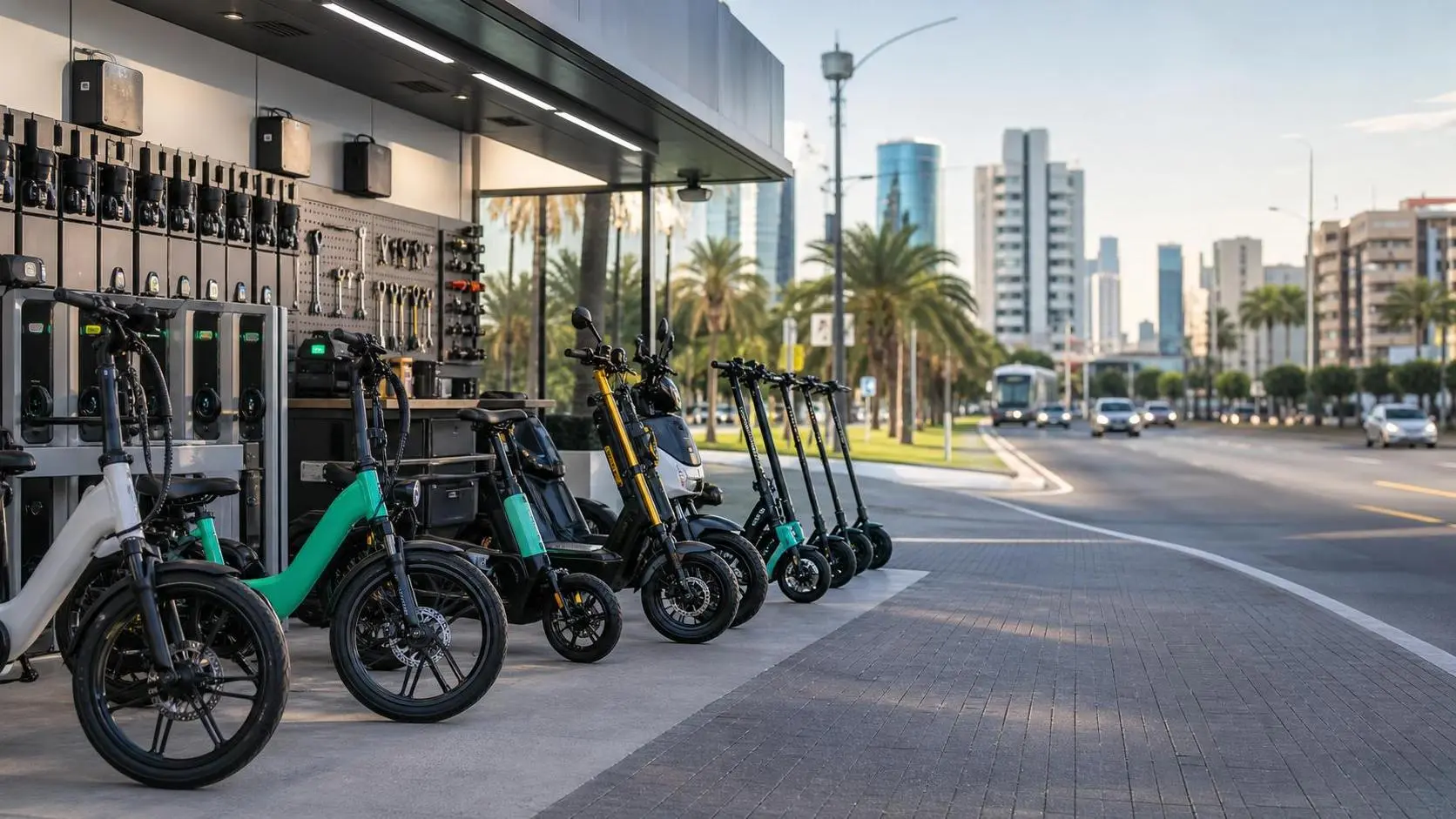
Urban Micro-Mobility Systems in Latin America: Key Market Drivers, Barriers, and Growth Segments
Urban micro-mobility systems Latin America are reshaping city transport. Explore key drivers, barriers, and high-growth segments to spot the region’s most investable opportunities.
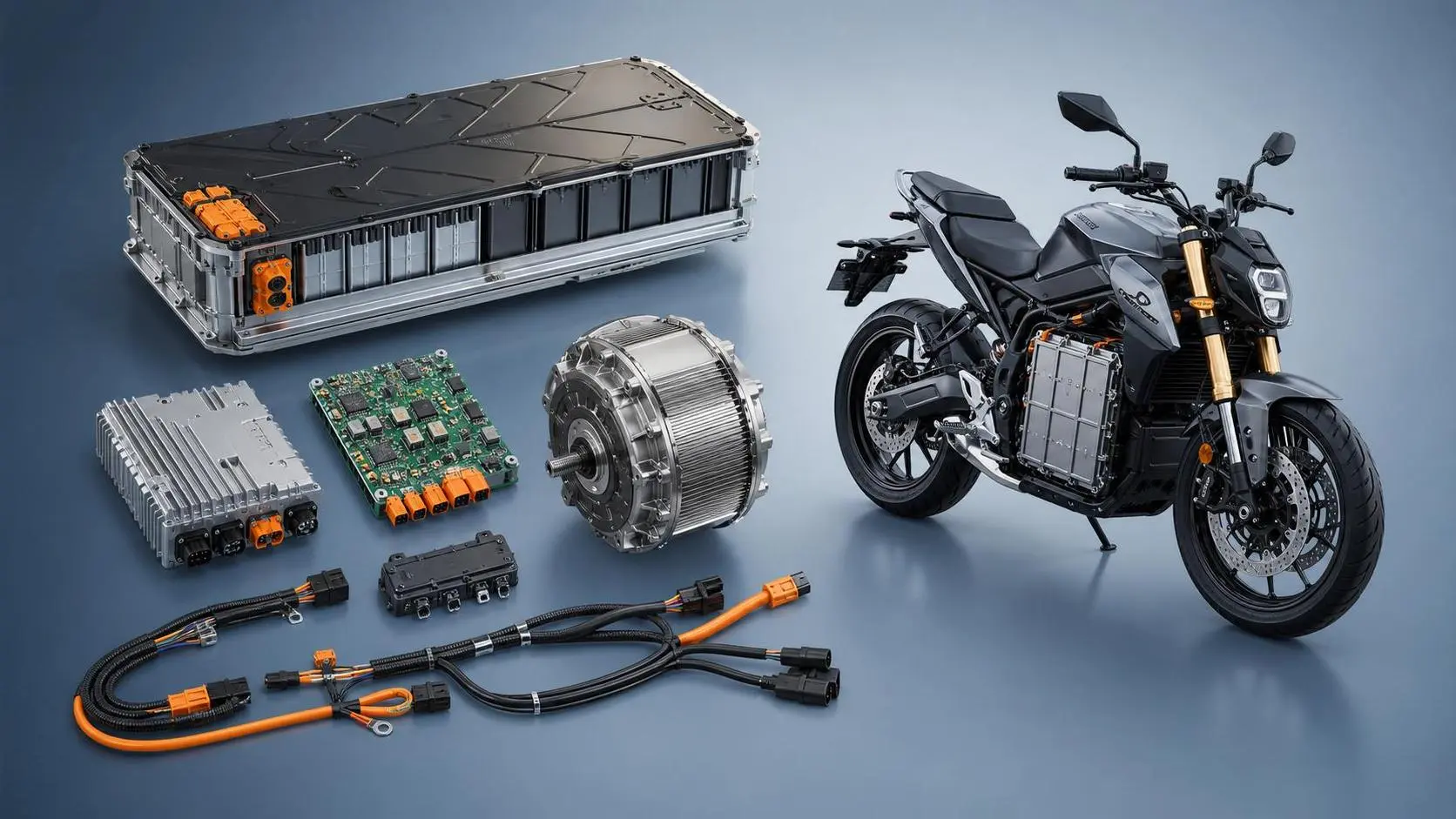
Electric Motorcycle Systems Price Breakdown: What Affects Cost From Battery to Controller?
Electric motorcycle systems price explained: see how battery, controller, motor, BMS, and wiring affect total cost, reliability, and sourcing value before you buy.
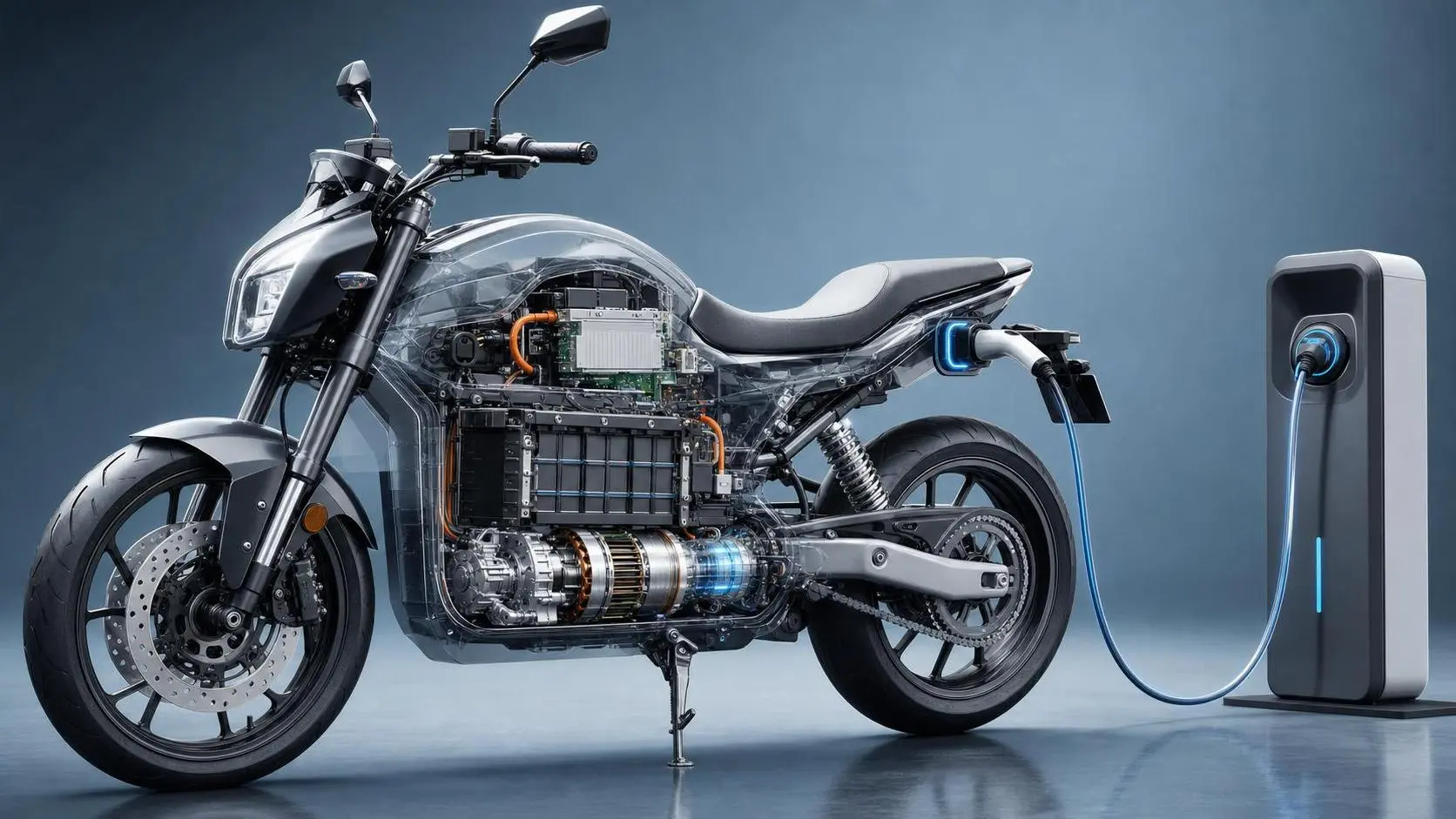
72V Electric Motorcycle Technology Explained: Motors, Controllers, Range, and Charging
Electric motorcycle technology 72V explained clearly: compare motors, controllers, range, battery design, and charging to choose a smoother, stronger, and smarter electric ride.

Where LED Urban Visibility Safety Systems Fit Best in Shared Scooters and City E-bikes
LED urban visibility safety systems deliver the most value in shared scooters and city e-bikes by improving multi-angle safety, fleet durability, and urban compliance across real-world routes.

Intellectualization of Mobility in North America: What Is Driving Adoption Across Urban Transport?
Intellectualization of mobility North America is reshaping urban transport through data, smart fleets, and battery intelligence. Explore what is driving adoption and why cities and operators are accelerating now.