
Related News
- 00
0000-00
How to Evaluate Core Component Suppliers for Electric Motorcycles Before Sourcing? - 00
0000-00
Electric Motorcycle Systems Price Breakdown: What Affects Cost From Battery to Controller? - 00
0000-00
Micro-mobility Systems Explained: Core Components, Operating Models, and City Use Cases - 00
0000-00
Electrification Strategies in Europe: Policy, Charging, and ROI Factors for Fleet Planning - 00
0000-00
OEM Market Share in Electric Motorcycles: What It Reveals About Brand Positioning
Ms. Elena Rodriguez
Weekly Insights
Stay ahead with our curated technology reports delivered every Monday.
Urban Mobility Solutions for Congested Cities: What Actually Improves Commute Efficiency?





As congestion, emissions, and fragmented transit networks keep straining modern cities, urban mobility solutions face a simple test: do they reduce travel time, or merely move delay elsewhere?
The most effective answers combine street design, vehicle choice, digital coordination, and policy discipline. Commute efficiency improves when each mode serves the right trip pattern.
For the broader mobility ecosystem, this matters beyond convenience. Better urban mobility solutions support lower emissions, stronger productivity, safer streets, and more resilient urban circulation.
Why commute efficiency depends on the travel scenario
Not every congested corridor fails for the same reason. Some trips suffer from long transfer gaps, while others lose time in parking searches, signal delays, or overloaded arterial roads.
That is why urban mobility solutions should be judged by trip context. A dense downtown, a suburban rail feeder, and a university district need different interventions.
Cities often underperform when they deploy a fashionable mode without matching infrastructure, pricing, and operational rules. Efficiency comes from system fit, not technology alone.
In dense city centers, small vehicles work best when street space is reallocated
In crowded cores, average car occupancy is low, but road space consumption remains high. Here, urban mobility solutions improve commute efficiency by shifting short trips away from private cars.
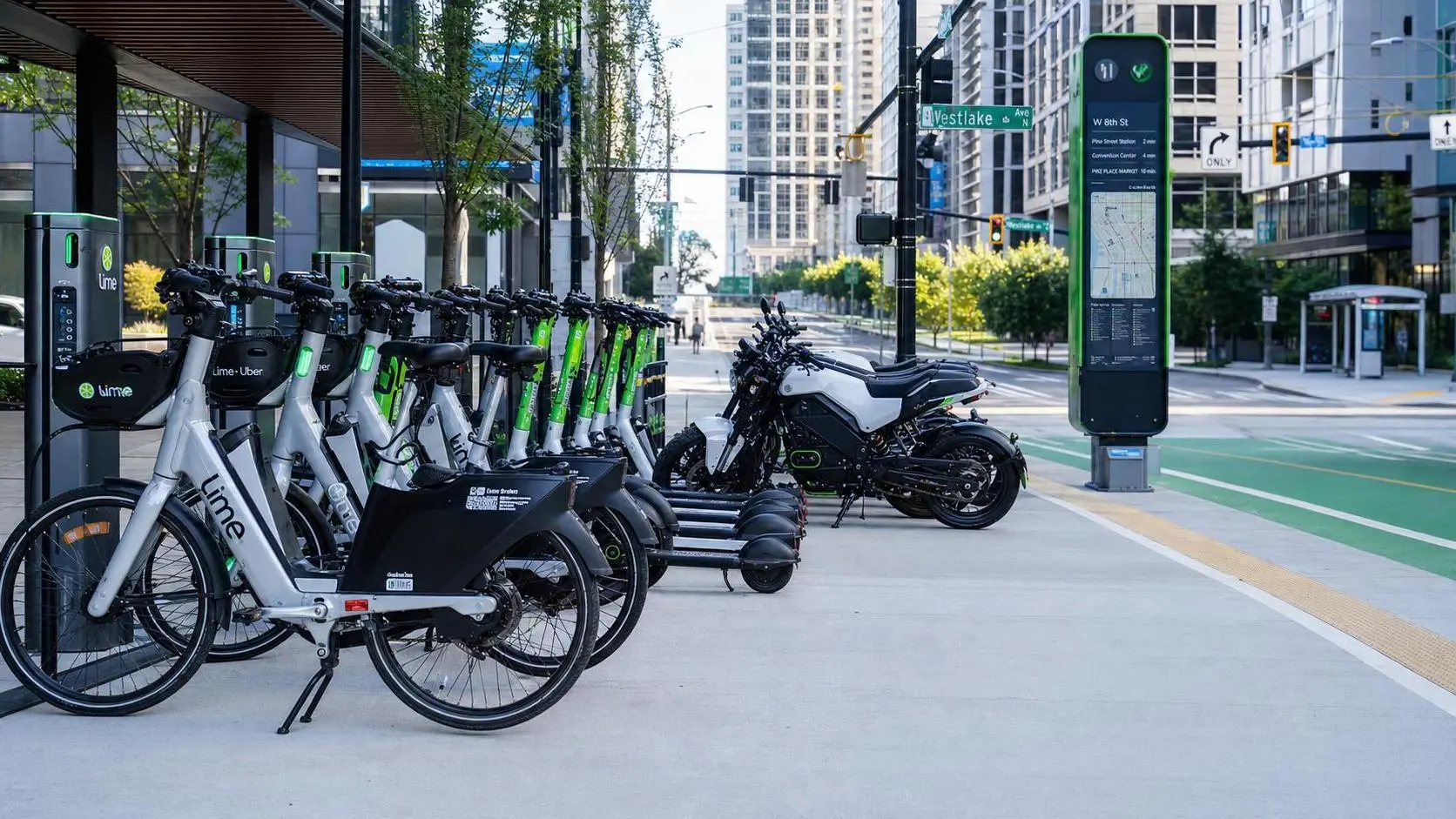
Protected lanes for e-bikes and smart e-scooters usually outperform mixed-traffic deployment. Riders maintain more stable speeds, and buses avoid curbside interference from random stopping behavior.
The biggest gain appears on trips under five kilometers. E-bikes often beat cars door-to-door because they avoid parking delay and reduce time lost at saturated intersections.
However, these gains disappear if parking clutter blocks sidewalks or if unsafe intersections force detours. Good urban mobility solutions include secure parking, curb rules, and signal priority.
Core judgment points for downtown corridors
- Trip distance is short but delay is high.
- Parking search consumes meaningful time.
- Road space is scarce and highly contested.
- Transit access exists, but first-mile friction remains.
In suburban and edge areas, first-mile and last-mile links matter most
Many suburban commutes fail before the main transit segment even begins. People lose time reaching rail stations, waiting for feeder buses, or searching for convenient transfer options.
Here, urban mobility solutions should focus on connection quality. Shared e-bikes, park-and-ride redesign, and safe feeder routes often bring larger benefits than adding road lanes.
A reliable micro-mobility link can shrink a 20-minute feeder trip to eight minutes. That change raises total transit attractiveness and reduces peak-hour car dependence.
The critical condition is integration. Payment systems, docking locations, train schedules, and route legibility must work together. Fragmented services quickly cancel out potential time savings.
What to check in suburban commuting zones
- Distance between homes and major transit nodes.
- Station access safety during early and late hours.
- Availability of secure parking for personal e-bikes.
- Transfer times between feeder modes and trunk transit.
In high-demand commuter corridors, data-driven traffic systems can outperform road expansion
Some corridors carry large volumes regardless of vehicle type. In these places, urban mobility solutions improve commute efficiency through signal coordination, bus priority, and adaptive traffic control.
Intelligent traffic systems can reduce stop-and-go cycles, especially where intersections create repeated delay. Better signal timing often delivers quicker gains than costly physical widening projects.
Bus lanes also matter. When buses carry far more people than adjacent cars, dedicating space improves person-throughput, even if some drivers initially see slower movement.
The lesson is practical. Measure corridor efficiency by people moved per hour, not only by car speed. That reframes which urban mobility solutions truly work.
Signs that digital coordination will help
- Frequent intersection queues dominate total delay.
- Transit vehicles lose time at signals.
- Travel demand changes sharply by hour or event.
- Road expansion is expensive or physically constrained.
Around campuses, business parks, and mixed-use districts, flexible fleets can close short-trip gaps
Large campuses and business districts generate many short, repetitive trips. Walking is sometimes too slow, but car use creates disproportionate space and parking pressure.
In these environments, urban mobility solutions such as managed e-scooter fleets, shared e-bikes, and low-speed circulation planning can improve daily flow.
The key is operational discipline. Fleet caps, geofencing, charging logistics, and designated parking zones prevent disorder while preserving access and convenience.
Because trip distances are predictable, these districts also offer strong conditions for pilots. Performance can be tracked through turnover rates, dwell times, and modal shift data.
How different scenarios change the best urban mobility solutions
Practical recommendations for matching solutions to local demand
Successful urban mobility solutions usually share one trait: they target the actual delay source instead of the most visible symptom.
- Map trips by distance, time, and transfer friction before choosing modes.
- Prioritize protected infrastructure where micro-mobility replaces short car trips.
- Integrate payment, scheduling, and wayfinding across public and private services.
- Use curb management to prevent delivery, ride-hailing, and scooter conflicts.
- Measure person-throughput, reliability, and door-to-door time, not only average speed.
- Deploy pilots in contained districts before expanding citywide.
For sectors tracking electrified two-wheel mobility, this is especially relevant. E-bikes and smart e-scooters produce the best results where infrastructure quality and operational design support them.
Common misjudgments that weaken commute efficiency
One common mistake is assuming more vehicles mean more mobility. Without safe lanes, charging logic, parking controls, and maintenance, added fleets may increase friction instead.
Another error is treating all neighborhoods equally. Urban mobility solutions that succeed in tourist-heavy centers may fail in spread-out residential districts.
Cities also misread efficiency when they ignore weather, visibility, and vehicle uptime. Reliability depends on components, safety systems, and durable operating performance.
This is where technical intelligence matters. Battery behavior, drivetrain efficiency, sensor quality, and fleet durability influence real commute outcomes, not just product specifications.
What actually improves commute efficiency over time
The evidence is consistent. Urban mobility solutions work best when cities combine micro-mobility, strong transit, smart traffic systems, and disciplined street management.
E-bikes excel on short urban trips and feeder links. Smart e-scooters help in compact districts. Adaptive systems improve major corridors. No single mode solves every commute.
The real objective is not novelty. It is a faster, safer, lower-friction journey from origin to destination, supported by measurable operational performance.
If evaluating future-ready urban mobility solutions, start with trip patterns, corridor bottlenecks, and integration quality. Practical gains come from matching the solution to the scenario.
For deeper insight into electrified two-wheelers, intelligent systems, and the evolving last-mile ecosystem, continue tracking developments through UMMS and build decisions on evidence, not hype.
Related News
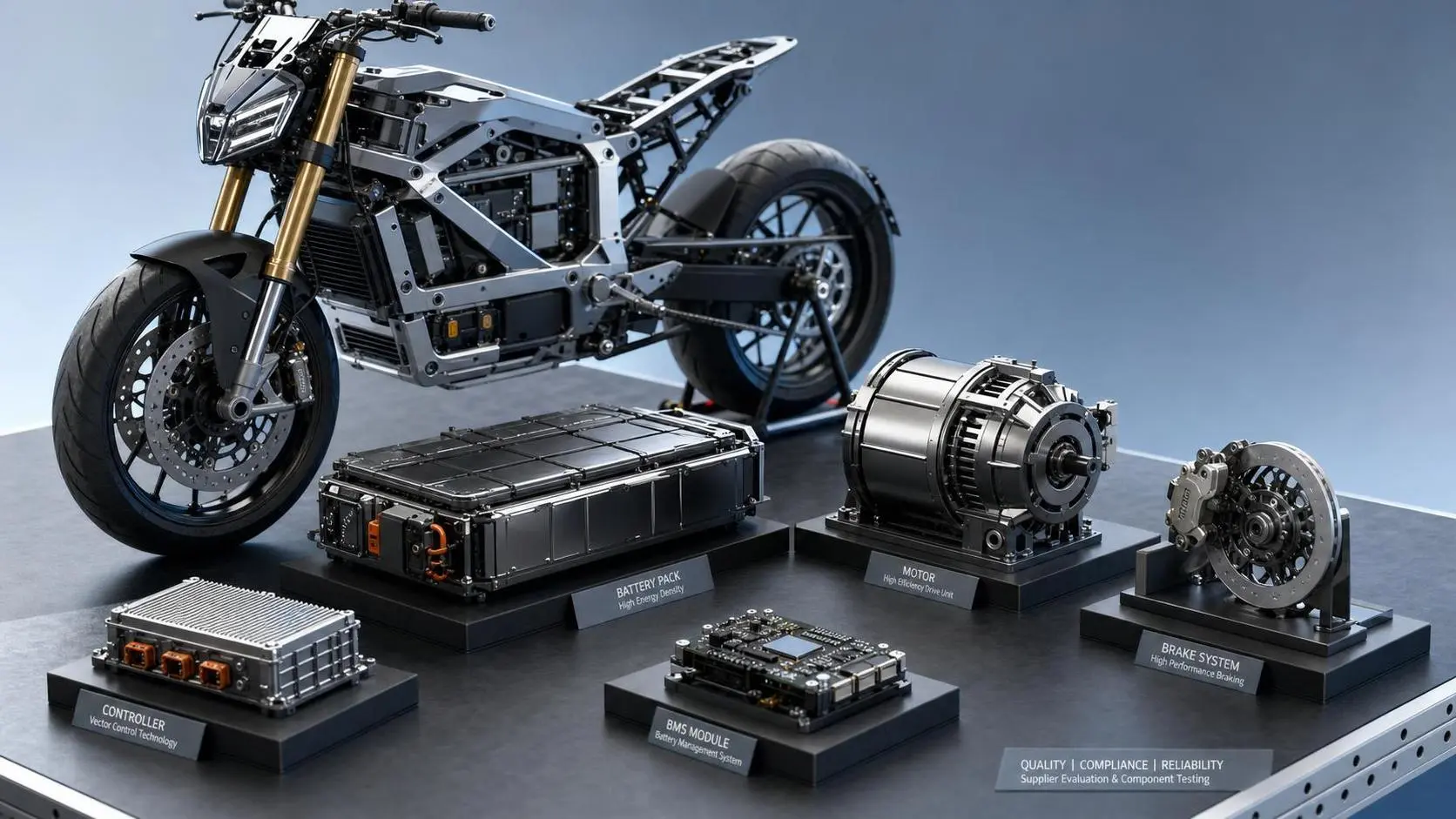
How to Evaluate Core Component Suppliers for Electric Motorcycles Before Sourcing?
Core component suppliers for electric motorcycles can make or break safety, compliance, and delivery. Learn how to assess technical strength, certifications, quality control, and hidden sourcing risks before you buy.
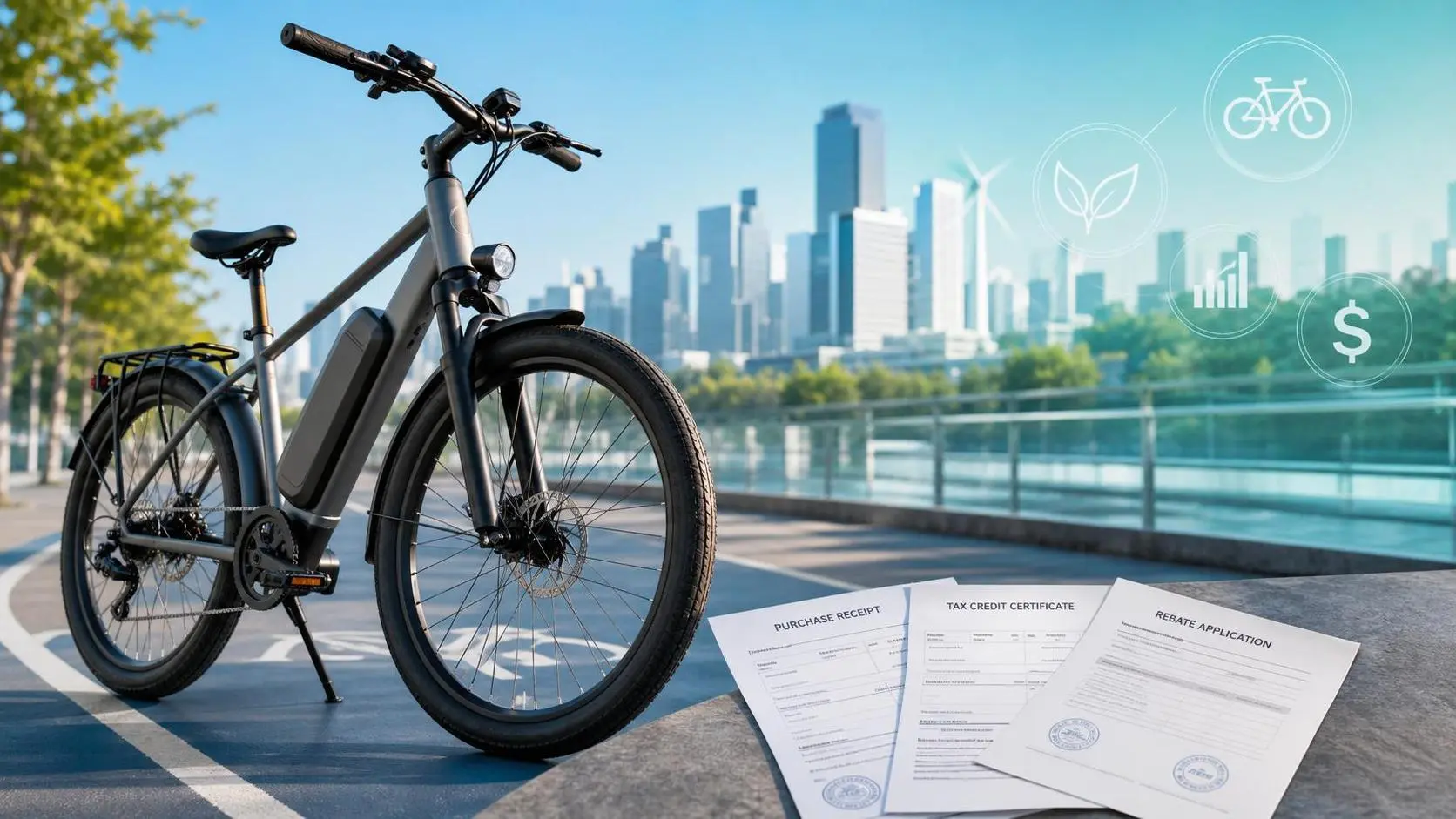
E-Bike Incentives Explained: How Riders Can Find Local Rebates and Tax Credits
E bike incentives explained: learn how to find local rebates, tax credits, and utility offers, avoid common mistakes, and cut the real cost of your next e-bike.
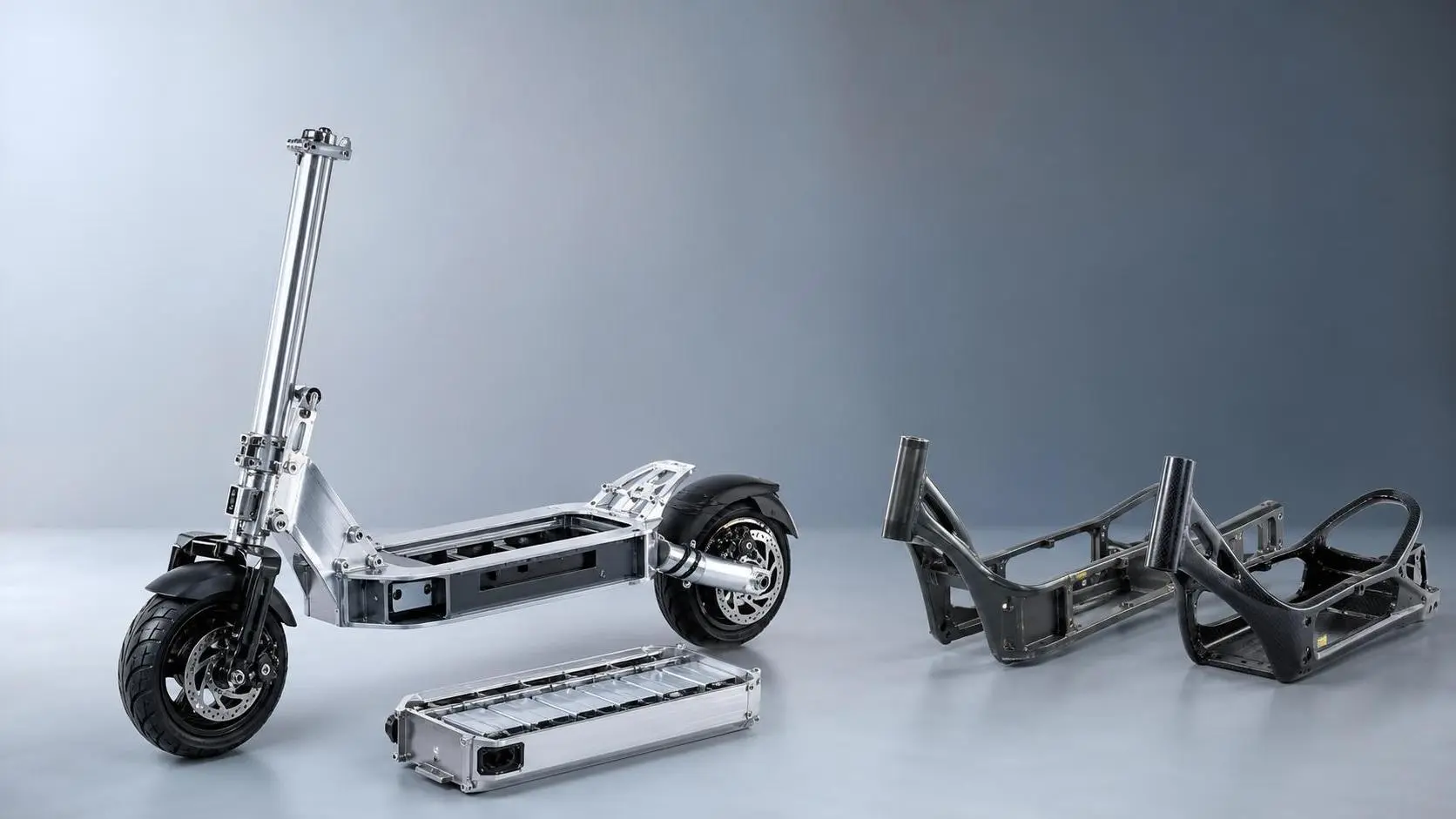
How to Choose Lightweight Scooter Frames in Europe: Materials, Standards, and Use Cases
Lightweight scooter frames Europe buyers need should balance materials, EN standards, durability, and real use cases. Discover how to choose safer, smarter, compliant frames.
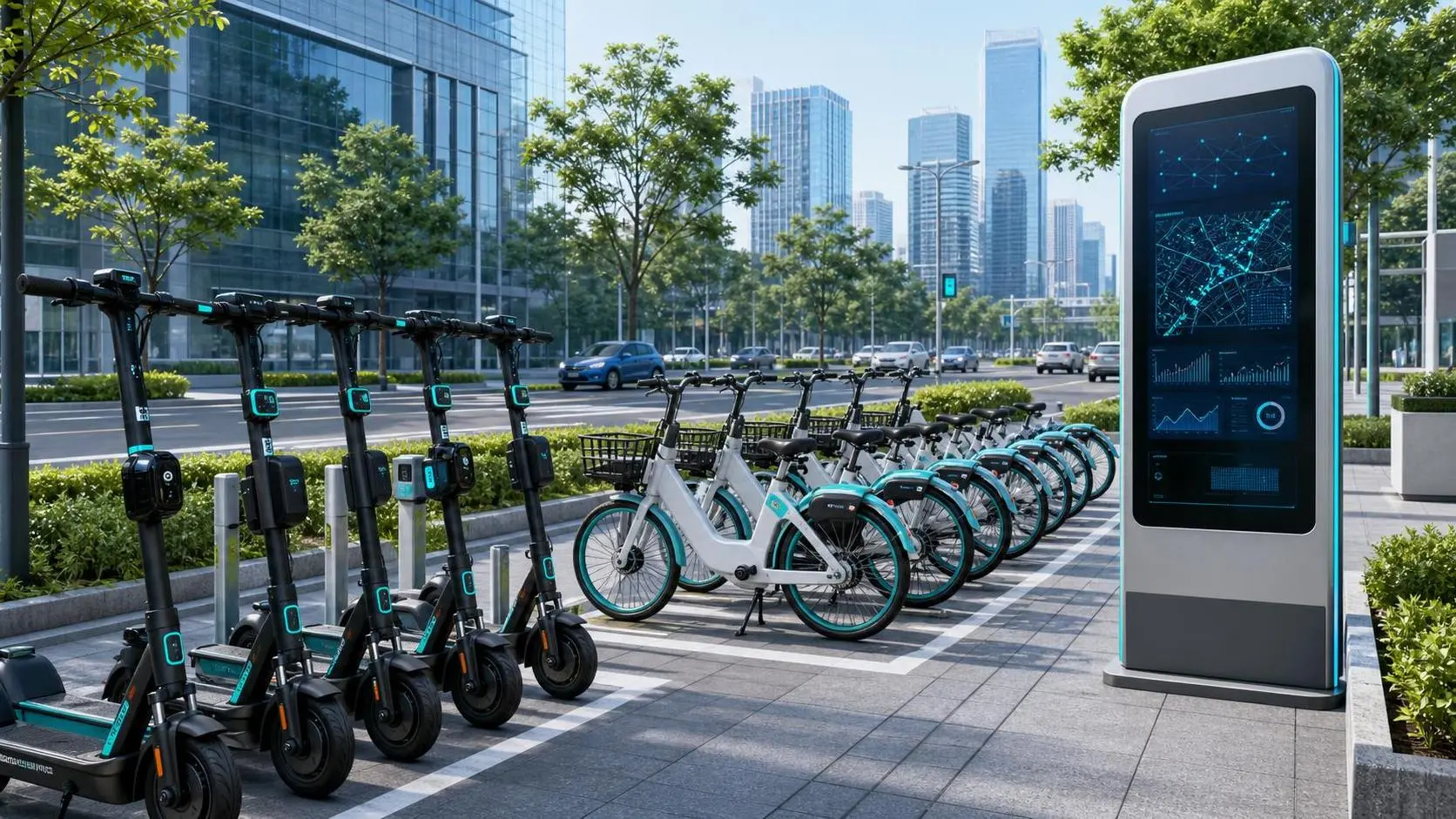
What Is the Intellectualization of Mobility Platform and How Is It Applied in Shared Fleets?
Intellectualization of mobility platform is reshaping shared fleets with real-time data, predictive maintenance, and smarter compliance—learn how it boosts safety, uptime, and urban mobility efficiency.
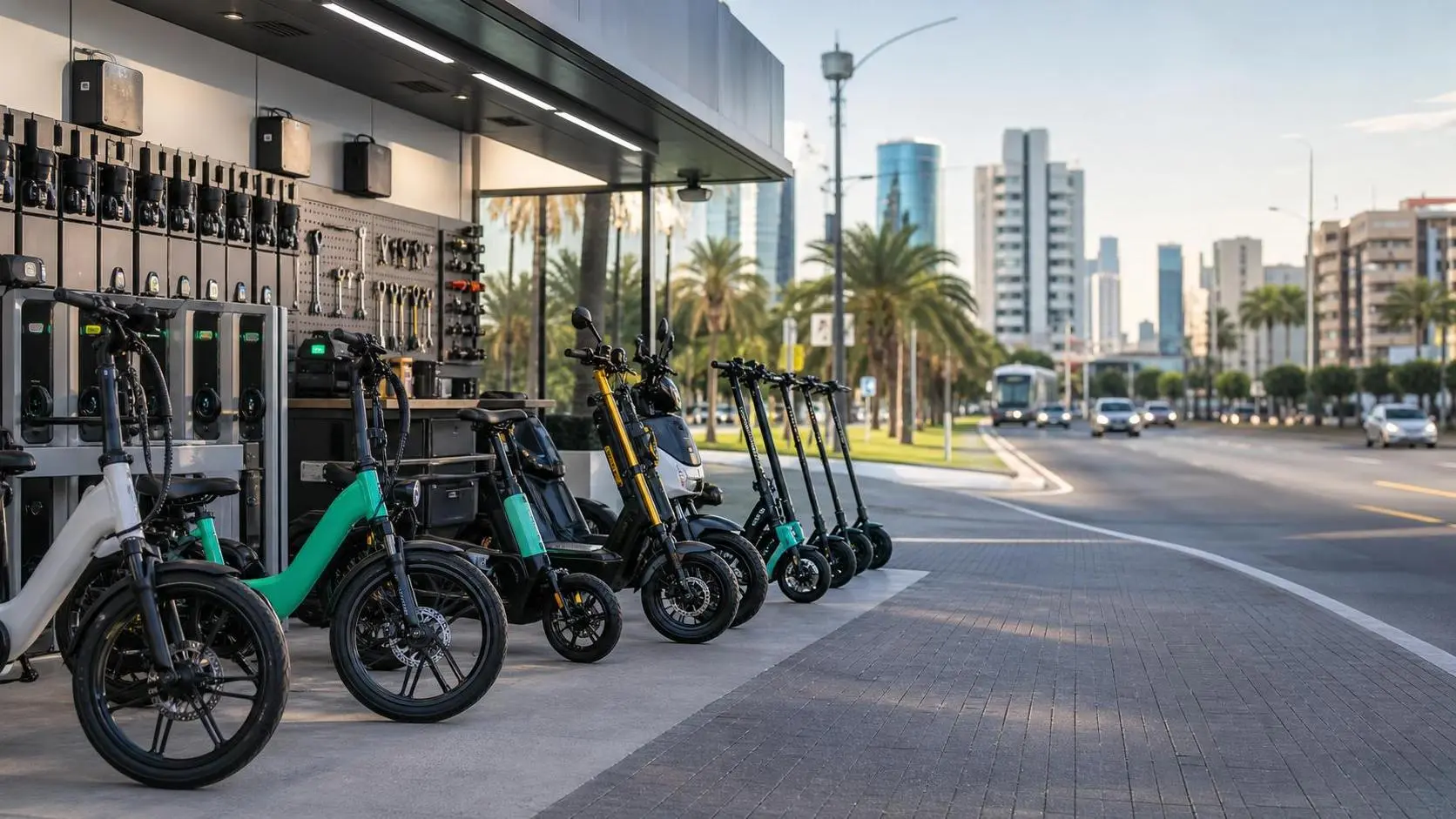
Urban Micro-Mobility Systems in Latin America: Key Market Drivers, Barriers, and Growth Segments
Urban micro-mobility systems Latin America are reshaping city transport. Explore key drivers, barriers, and high-growth segments to spot the region’s most investable opportunities.
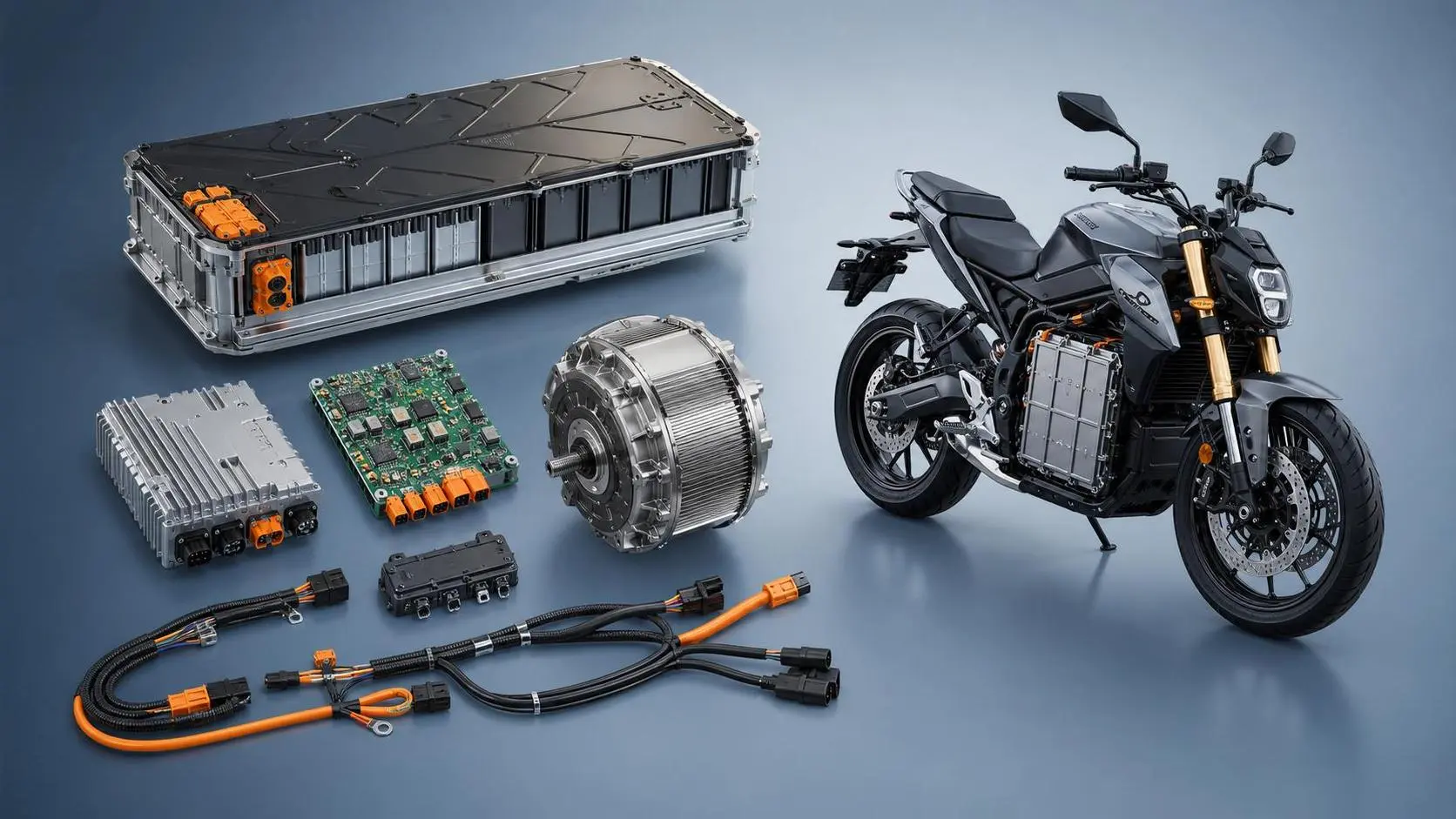
Electric Motorcycle Systems Price Breakdown: What Affects Cost From Battery to Controller?
Electric motorcycle systems price explained: see how battery, controller, motor, BMS, and wiring affect total cost, reliability, and sourcing value before you buy.
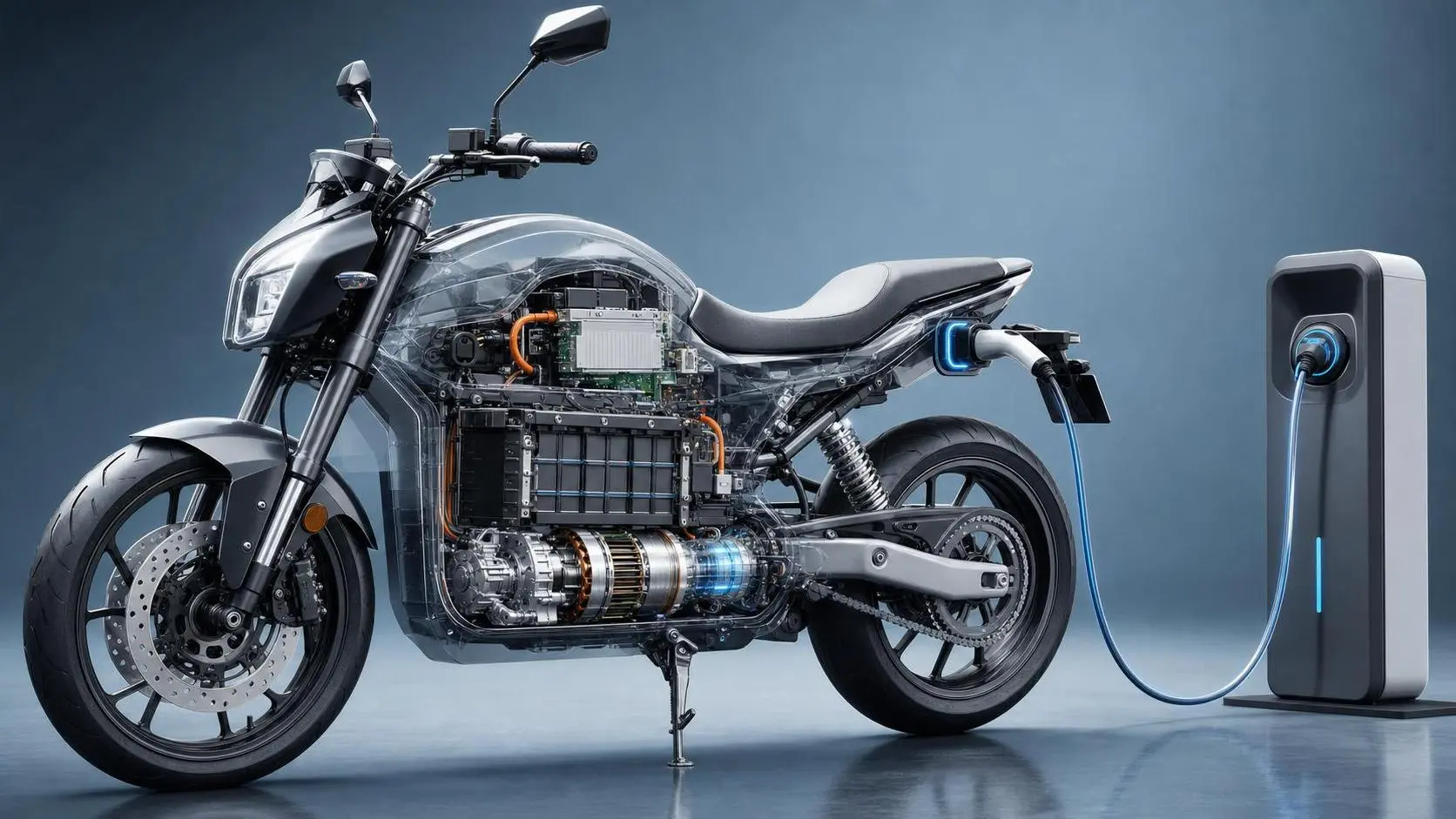
72V Electric Motorcycle Technology Explained: Motors, Controllers, Range, and Charging
Electric motorcycle technology 72V explained clearly: compare motors, controllers, range, battery design, and charging to choose a smoother, stronger, and smarter electric ride.
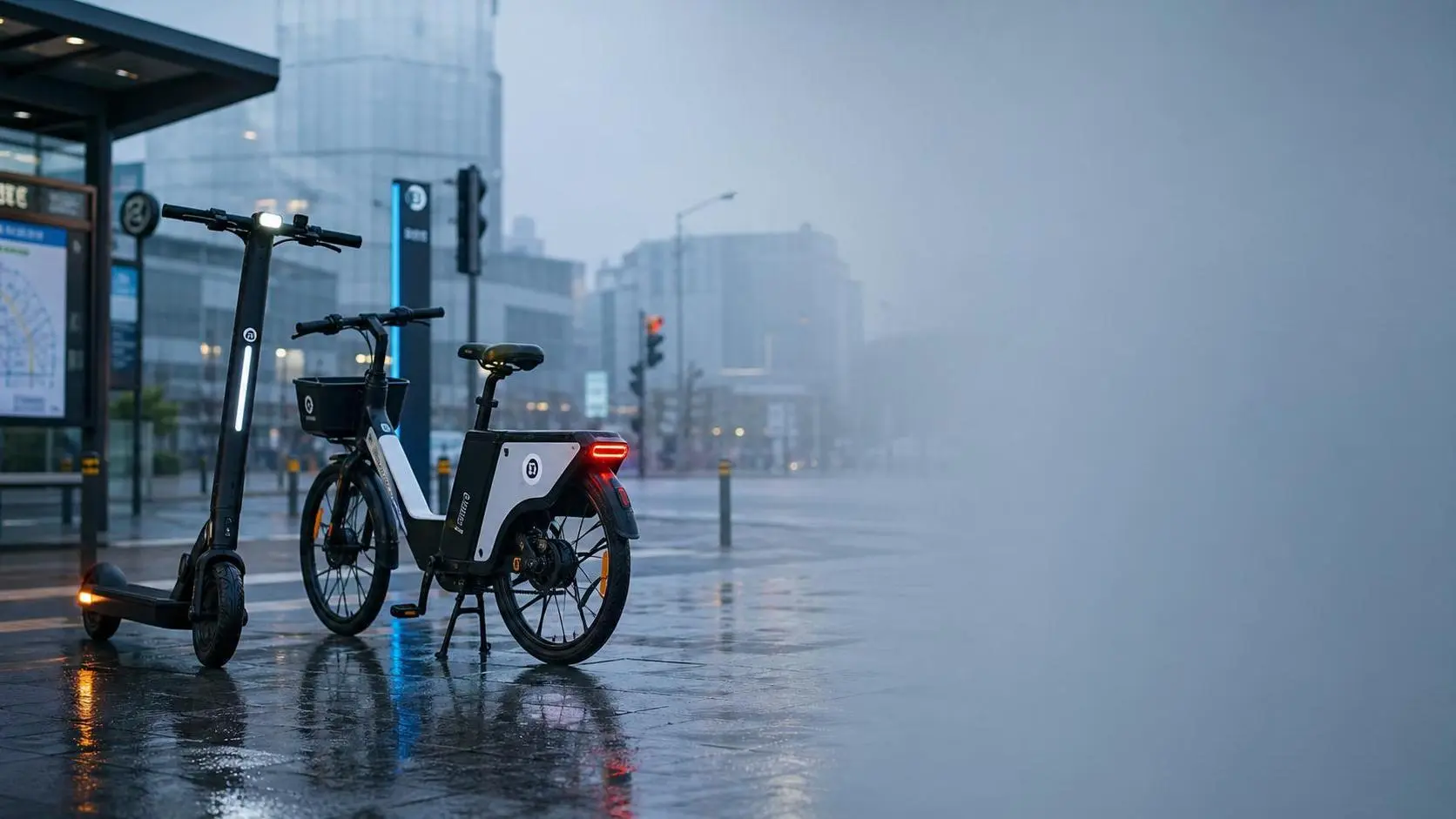
Where LED Urban Visibility Safety Systems Fit Best in Shared Scooters and City E-bikes
LED urban visibility safety systems deliver the most value in shared scooters and city e-bikes by improving multi-angle safety, fleet durability, and urban compliance across real-world routes.
Intellectualization of Mobility in North America: What Is Driving Adoption Across Urban Transport?
Intellectualization of mobility North America is reshaping urban transport through data, smart fleets, and battery intelligence. Explore what is driving adoption and why cities and operators are accelerating now.