
Related News
- 00
0000-00
Ebike Market USA: What Dealers Should Know About Demand Shifts, Pricing, and Product Mix - 00
0000-00
Urban Micro Mobility Market Trends: What Operators and Investors Should Track - 00
0000-00
Micro-Mobility Trends: How Battery Swapping Is Reshaping Shared Scooter Operations - 00
0000-00
Urban Electric Vehicles Market: Key Growth Drivers and Adoption Challenges - 00
0000-00
Two Wheeler Electrification Trends: What Is Driving Adoption in Urban Mobility?
Prof. Marcus Chen
Weekly Insights
Stay ahead with our curated technology reports delivered every Monday.
Micro-Mobility Trends Changing Urban Fleet Investment





Urban transport is entering a new investment cycle, and micro-mobility trends are reshaping how fleet leaders evaluate growth, risk, and long-term returns. From e-bikes and smart e-scooters to high-speed e-motorcycles and connected components, decision-makers now face a market defined by regulation, electrification, data, and operational efficiency. This article explores the signals that matter most for enterprises planning smarter urban fleet investment.
For enterprise decision-makers, the shift is no longer about whether micro-mobility belongs in the urban transport mix. The real question is how to invest across vehicle classes, charging or swapping infrastructure, maintenance systems, and data platforms without locking capital into the wrong operating model.
That is why the most important micro-mobility trends now sit at the intersection of regulation, fleet utilization, battery lifecycle, drivetrain reliability, and safety-critical components. In dense cities, a 12-month investment decision can affect operating costs, service uptime, and compliance exposure for the next 3 to 5 years.
Why Micro-Mobility Trends Are Moving from Pilot Projects to Core Fleet Strategy
A few years ago, many operators treated e-bikes and shared scooters as experimental assets. Today, the market is more structured. Fleet operators, urban logistics firms, OEMs, and component suppliers increasingly evaluate micro-mobility as part of a broader low-carbon transport portfolio with measurable return thresholds.
Three forces explain this shift. First, cities are tightening emissions and access rules. Second, vehicle electrification is improving unit economics over 24 to 48 months. Third, connected hardware now gives operators better visibility into battery health, ride patterns, fault rates, and component wear.
The five asset categories shaping investment decisions
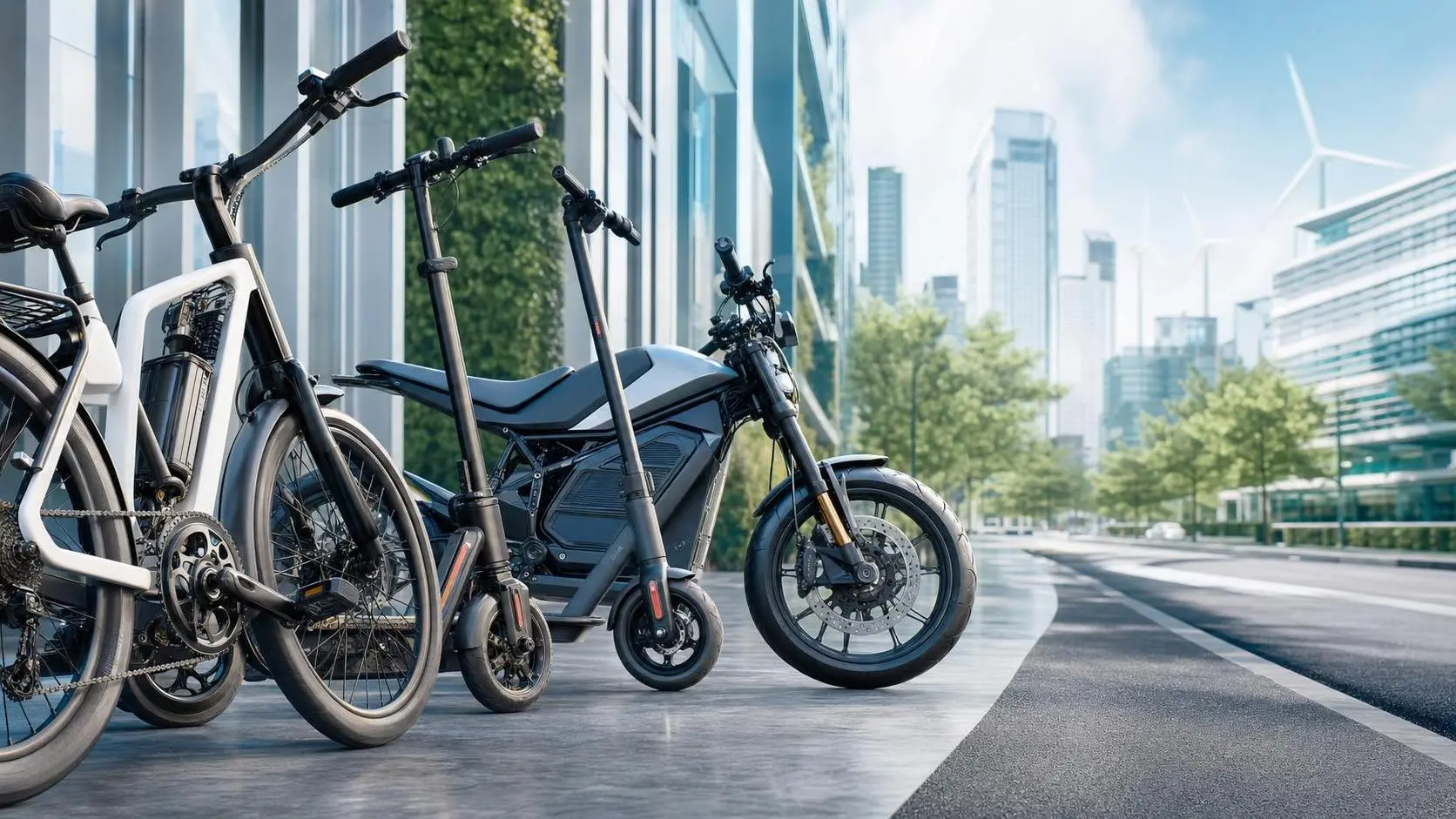
Not all fleet categories behave the same. E-bikes, smart e-scooters, high-speed e-motorcycles, precision derailleur systems, and safety-supporting subsystems such as smart wiper assemblies each solve different urban use cases. Capital allocation should reflect route length, rider profile, maintenance complexity, and duty cycle.
- Electric bicycles: often suited for 3 km to 15 km urban commuting and light cargo tasks.
- Smart e-scooters: effective for dense last-mile circulation, campus mobility, and shared urban fleets.
- High-speed e-motorcycles: better aligned with longer routes, premium delivery, and higher daily utilization.
- Precision bicycle components: critical where performance efficiency and lower service interruption matter.
- Smart safety systems: increasingly relevant in harsh-weather, high-visibility, or commercial compliance scenarios.
The table below shows how these categories typically differ in investment logic, operational demands, and risk profile. It helps explain why micro-mobility trends cannot be assessed through vehicle price alone.
The main takeaway is that vehicle selection should start with route economics and service architecture. In current micro-mobility trends, operators that match asset type to duty cycle often improve uptime and reduce unplanned servicing events within the first 2 operating quarters.
Why urban policy now matters as much as product performance
Regulatory variation is one of the strongest forces behind fleet investment. Speed caps, parking rules, battery transport standards, and right-of-way restrictions can significantly alter asset utilization. A fleet that performs well in one city may struggle in another within the same region.
For B2B buyers, this means policy intelligence must be reviewed at least every 6 to 12 months. Subsidies for e-bikes, pilot approvals for shared scooters, and charging access for electric motorcycles often move faster than procurement cycles, creating either a first-mover advantage or a stranded-asset risk.
Common investment mistake
A frequent error is comparing vehicles only on acquisition cost. In practice, fleet ROI depends on at least 4 variables: daily utilization, battery replacement timing, maintenance frequency, and local operating restrictions. If one of these is ignored, a lower-priced asset can become the more expensive choice within 18 months.
The Operational Signals Behind Smarter Urban Fleet Investment
The strongest micro-mobility trends are operational, not just technological. Investors and fleet managers are paying closer attention to data quality, service predictability, and component-level efficiency because these factors affect total cost of ownership more directly than marketing claims.
Battery systems, thermal control, and charging logic
Battery performance remains the center of urban electrification economics. For e-bikes and e-scooters, the key issue is cycle stability under frequent charge-discharge use. For high-speed e-motorcycles, thermal management and charging speed become more important as power demand rises.
In practical terms, buyers should assess whether a platform supports modular battery servicing, balanced thermal behavior in hot or cold climates, and a realistic charging or swap workflow. A battery pack that looks cost-effective on paper may create 20% to 30% more downtime if service access is poorly designed.
What to evaluate before scale-up
- Average daily discharge depth and charging frequency.
- Battery replacement planning at 18, 24, or 36 months.
- Heat behavior during peak summer operations or repeated fast charging.
- Availability of diagnostics for state-of-health and fault isolation.
- Compatibility with depot charging or battery swapping networks.
Connected fleets need component intelligence, not just GPS
Another important element in current micro-mobility trends is the move from simple fleet visibility to actionable component intelligence. GPS location is useful, but it does not explain why a vehicle’s service cost is rising or why rider satisfaction is falling.
This is where connected systems create strategic value. IoT modules, wireless diagnostics, and sensor-linked maintenance alerts can identify brake wear, shifting inconsistency, motor anomalies, and even environmental safety issues before they become service failures. For fleets above 500 units, this can materially reduce manual inspection load.
The next table outlines operational indicators that enterprise buyers should track when comparing platforms, components, and service partners across the micro-mobility value chain.
These metrics matter because they connect product performance to financial outcomes. In evaluating micro-mobility trends, strong buyers increasingly ask for service intervals, fault traceability, and replacement workflows instead of focusing only on headline range or top speed.
Precision components are becoming a board-level issue
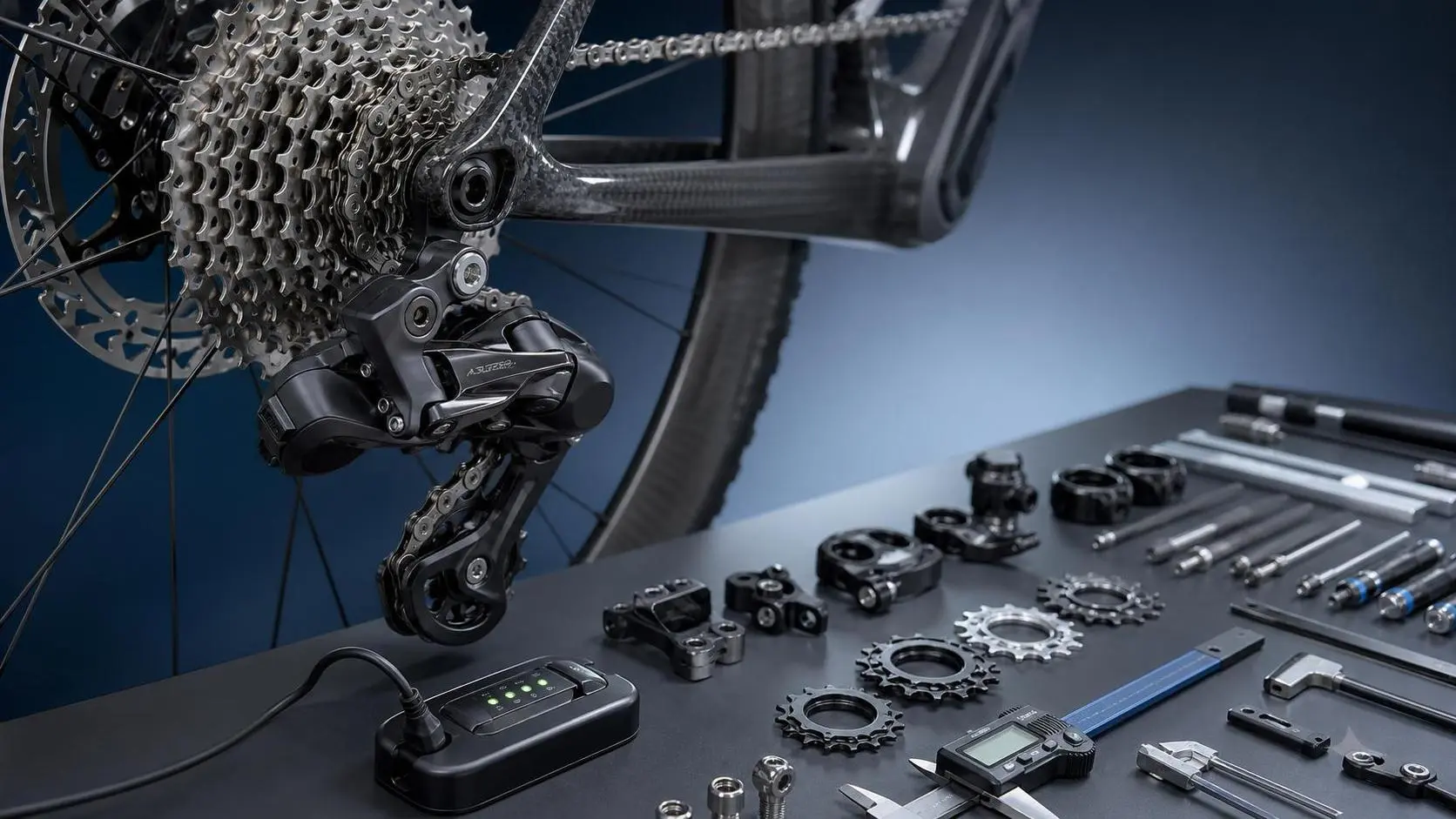
For many decision-makers, components once looked secondary compared with vehicle bodies and battery packs. That is changing. Drivetrain precision, electronic shifting stability, corrosion resistance, and sensor-supported safety systems can all influence rider experience, maintenance burden, and warranty exposure.
This is especially relevant for premium e-bikes, delivery fleets, and export-oriented OEMs. A derailleur system that shifts poorly under load or a weather-exposed subsystem that fails in rain can create repeat service visits, reputational damage, and lower fleet confidence. Small mechanical inefficiencies often scale into major operational costs at volumes above 1,000 units.
How Enterprise Buyers Should Build a Micro-Mobility Investment Framework
The most effective response to fast-moving micro-mobility trends is a structured investment framework. This helps organizations compare suppliers, cities, and vehicle categories using the same decision logic rather than reacting to short-term market noise.
A practical 5-step evaluation model
- Define the operating scenario: commuter fleet, shared fleet, urban delivery, premium performance, or mixed-use deployment.
- Map route and asset requirements: trip distance, charging window, rider turnover, weather exposure, and payload needs.
- Review city-level constraints: speed regulations, parking rules, subsidy access, and battery handling requirements.
- Test service architecture: spare parts lead time, diagnostics depth, training support, and maintenance response.
- Model 24- to 36-month ownership cost with replacement, downtime, and utilization assumptions.
This framework gives enterprise teams a repeatable basis for procurement. It also improves communication between strategy, operations, engineering, and finance departments, which often evaluate urban fleet projects from different angles.
Questions procurement teams should ask suppliers
- What service data is available at the battery, motor, and component level?
- How long is the typical spare parts lead time: 7 days, 15 days, or 4 weeks?
- Which components are field-replaceable without specialist tooling?
- How is firmware, sensor calibration, or wireless shifting reliability maintained over time?
- What is the process for handling recalls, compliance updates, or weather-related failures?
Where intelligence platforms create decision advantage
In a fragmented market, data interpretation is often more valuable than raw news flow. Decision-makers need to connect subsidy changes, right-of-way rules, battery management practices, drivetrain evolution, and component engineering into a single investment view. That is where specialized intelligence platforms can support better timing and lower uncertainty.
For companies involved in e-bikes, smart e-scooters, high-speed e-motorcycles, or advanced bicycle components, a market intelligence layer can shorten research cycles from months to weeks. It can also help teams prioritize which micro-mobility trends are temporary headlines and which are structural shifts affecting supplier selection, export strategy, and product roadmap planning.
Common misconceptions that distort investment decisions
One misconception is that all low-carbon two-wheelers follow the same economics. In reality, an e-bike fleet and a high-speed e-motorcycle fleet have very different energy, maintenance, and compliance profiles. Another misconception is that digital connectivity automatically creates efficiency. Without clear alert logic and service workflows, more data can simply mean more unmanaged complexity.
A third mistake is to ignore component quality in early sourcing rounds. Fleet buyers that focus only on frame, battery, and advertised range may miss the effect of shifting precision, waterproofing, visibility systems, or thermal resilience. These details often determine whether a fleet remains reliable after 6 months of real city use.
What the Next 24 Months Could Mean for Urban Fleet Investors
Over the next 24 months, micro-mobility trends are likely to become more segmented and more technical. Shared mobility fleets will keep prioritizing durability and data visibility. Commercial delivery fleets will focus on uptime, payload efficiency, and charging logic. Premium mobility brands will invest more heavily in powertrain refinement and precision component performance.
At the same time, cities are expected to demand better safety, traceability, and compliance from fleet operators. This means investment decisions will increasingly reward systems that combine electrification, connected diagnostics, and robust mechanical engineering rather than isolated product features.
For enterprise buyers, the strongest position is to invest with layered visibility: market regulation, operating data, battery behavior, and component quality. Businesses that track these signals early are better placed to enter new cities, reduce lifecycle risk, and build urban transport portfolios that remain viable as standards tighten.
Micro-mobility trends are no longer a niche topic for innovation teams. They now shape procurement, fleet design, export planning, and long-term competitiveness across urban mobility. If your organization is evaluating e-bikes, smart e-scooters, high-speed e-motorcycles, or advanced component strategies, now is the time to turn fragmented market signals into a clear investment roadmap.
UMMS helps enterprises interpret the technical, regulatory, and commercial changes driving this market, from battery management and drivetrain evolution to right-of-way policy and connected fleet intelligence. Contact us to get a tailored market view, discuss product direction, or explore smarter solutions for urban fleet investment.
Related News
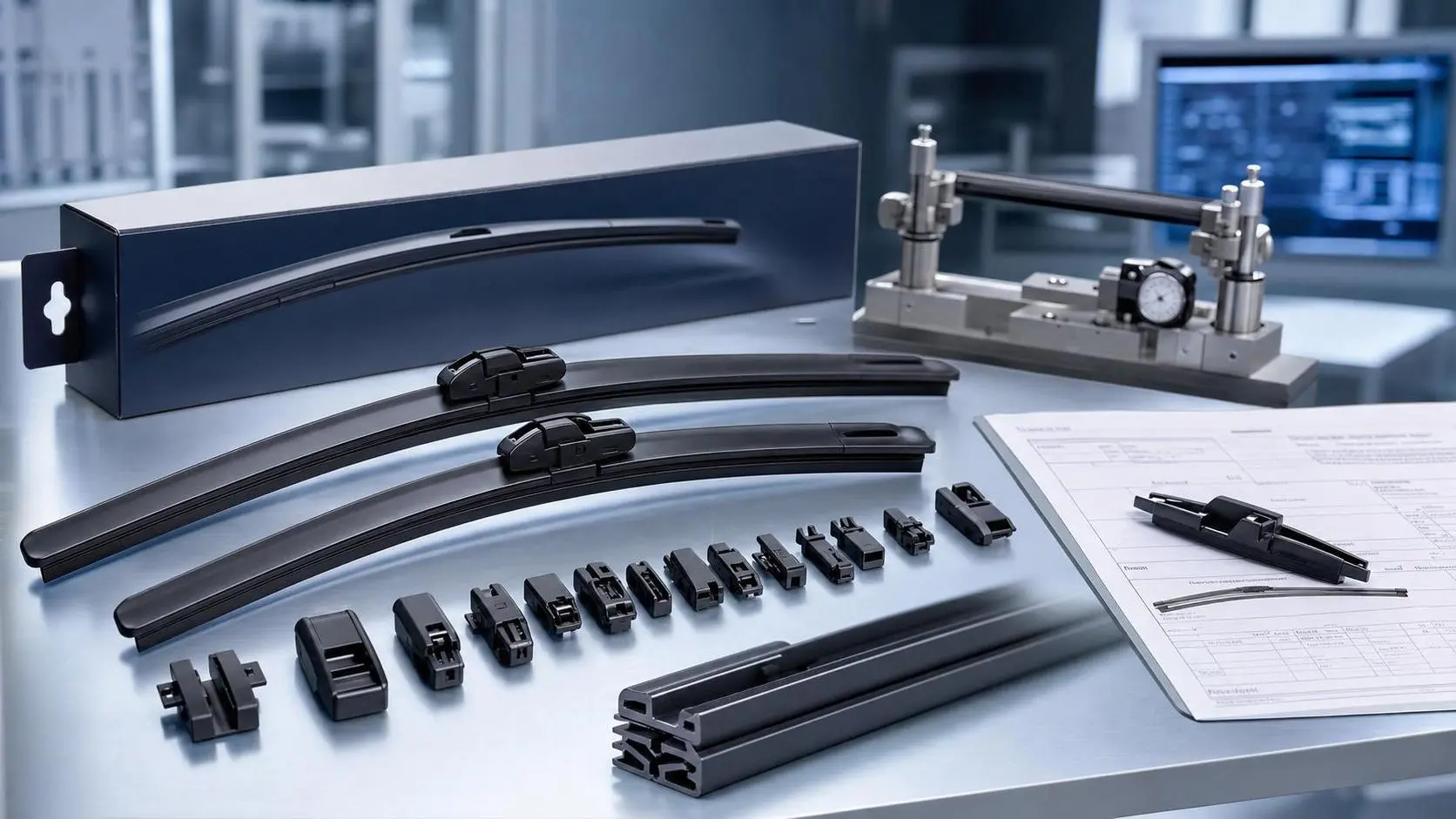
Flat Wiper Blades Wholesale Buying Guide: MOQ, Rubber Quality, Fitment, and Supplier Checks
Flat wiper blades wholesale buying guide covering MOQ, rubber quality, fitment accuracy, and supplier checks to reduce risk, improve margins, and choose reliable bulk partners.
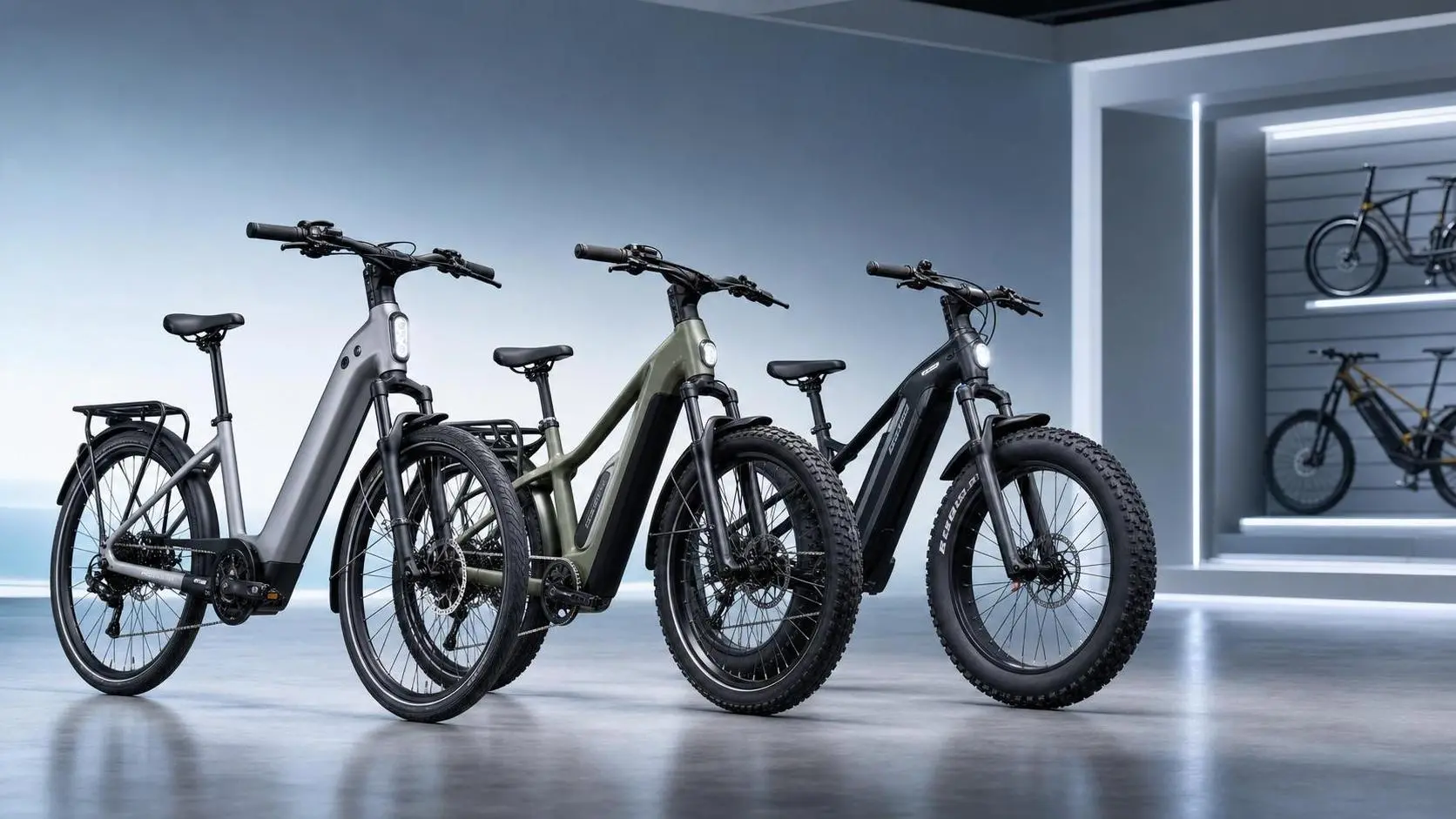
Ebike Market USA: What Dealers Should Know About Demand Shifts, Pricing, and Product Mix
ebike market USA is shifting fast. Discover how demand segmentation, pricing pressure, and smarter product mix decisions can help dealers protect margins and grow.
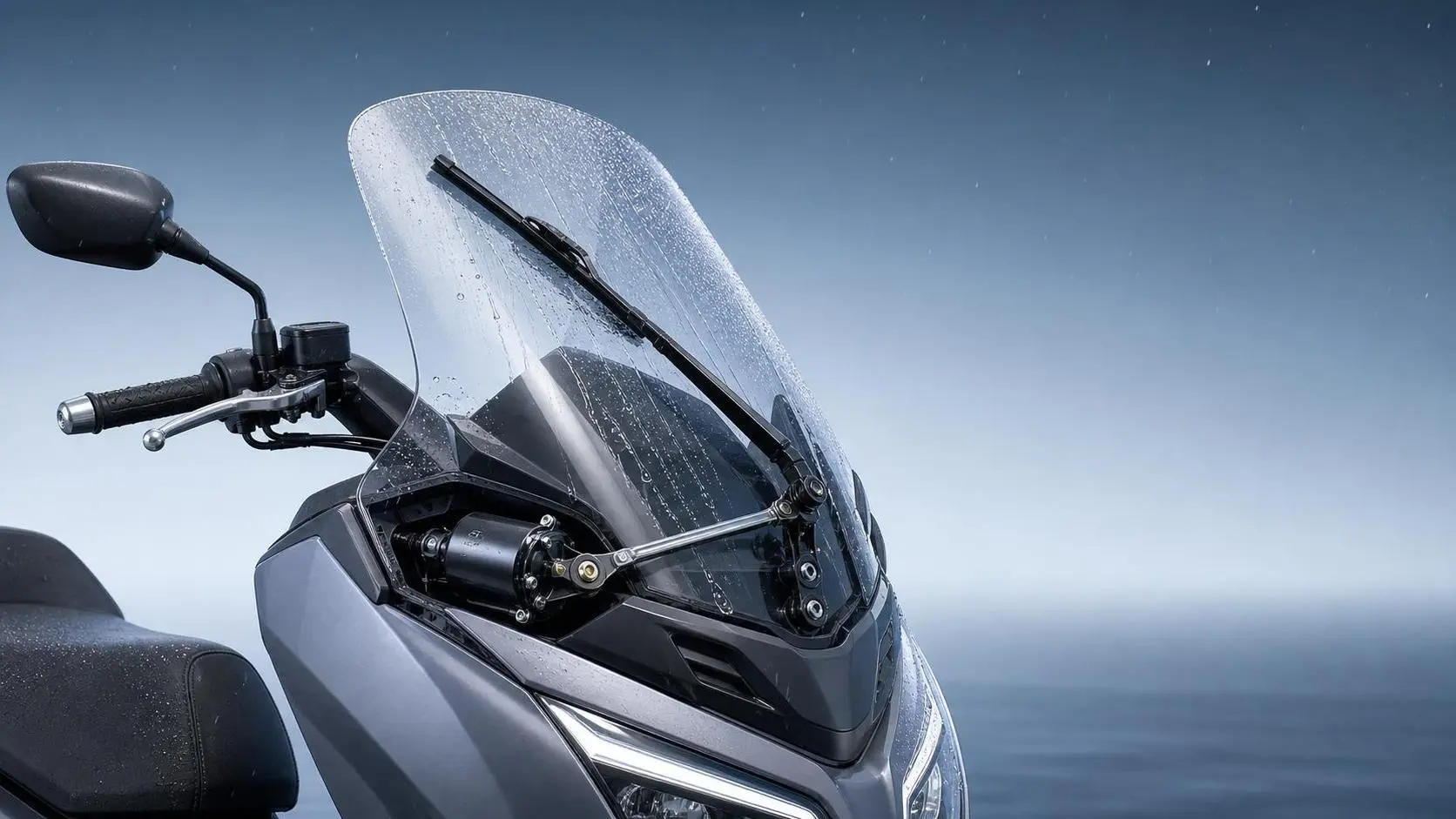
Wiper Systems for Scooters: Common Failure Points, Maintenance Tips, and Replacement Signs
Wiper systems for scooters: learn the most common failure points, smart maintenance tips, and clear replacement signs to improve visibility, reduce repeat repairs, and keep riders safer.

How to Choose Micro-Mobility Docking Stations for Shared Fleets and Public Charging Hubs
Micro-mobility docking stations: learn how to compare charging, locking, software, and site-fit factors to choose safer, smarter hubs for shared fleets and public use.
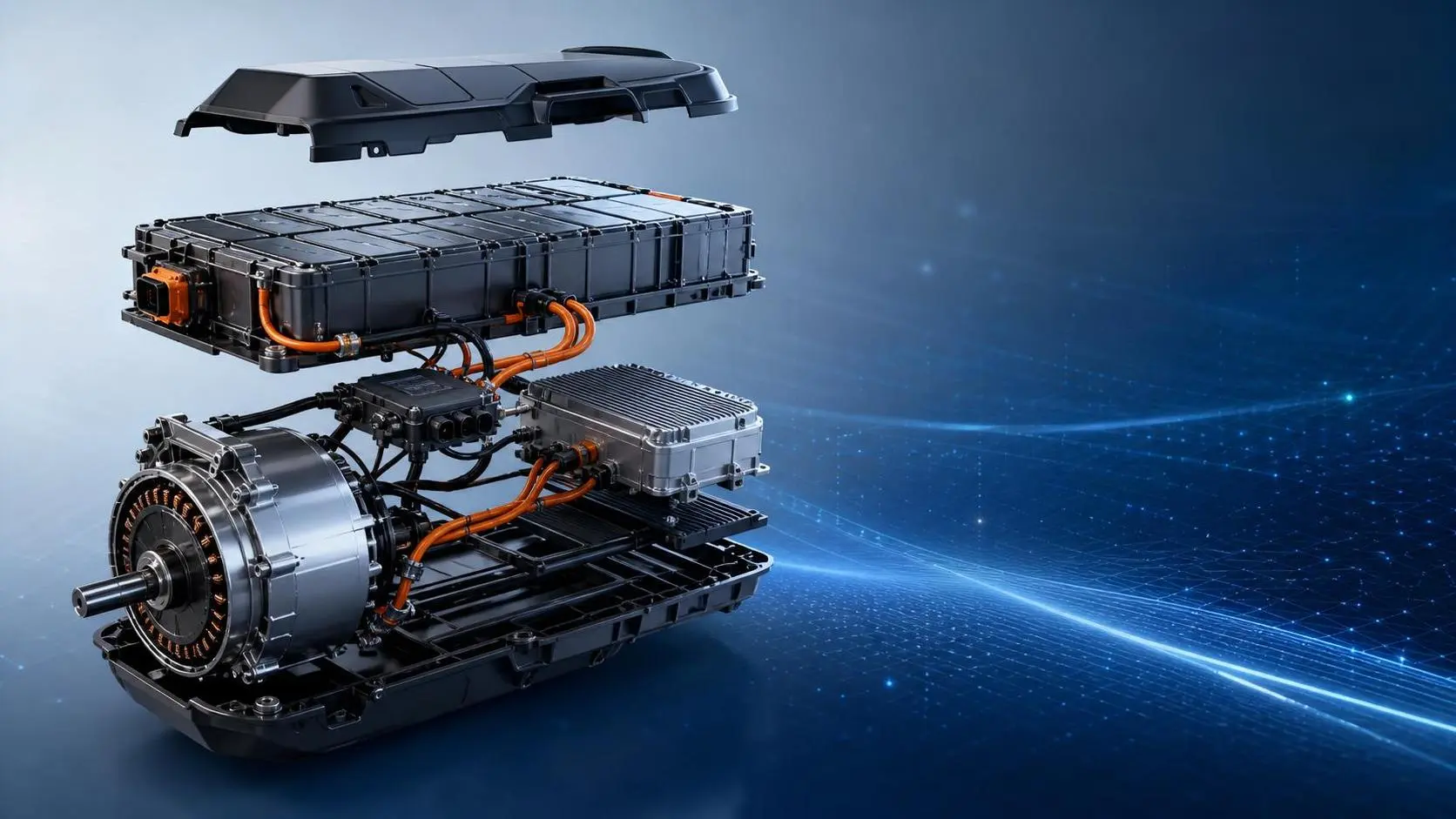
Powertrain Heat Management Explained: Key Design Factors for EV Efficiency and Battery Life
Powertrain heat management explained for EVs: discover how thermal design boosts efficiency, protects battery life, improves safety, and sustains real-world performance.
Urban Mobility Market Analysis: Demand Drivers, Policy Risks, and Revenue Models Compared
Urban mobility market analysis compares demand drivers, policy risks, and revenue models across e-bikes, scooters, and e-motorcycles to reveal where growth is durable.

Shared Mobility Compliance Checklist: Permits, Safety Rules, and Fleet Data Requirements
Shared mobility compliance made simple: explore a practical checklist for permits, safety rules, and fleet data requirements to launch faster, reduce risk, and stay audit-ready.
What Affects Ebike Energy Efficiency? Battery Size, Rider Weight, Terrain, and Speed
Ebike energy efficiency explained: learn how battery size, rider weight, terrain, and speed shape real-world range, lower Wh/km, and smarter buying or commuting decisions.
Wireless Electronic Shifting in North America: Compatibility, Standards, and Upgrade Limits
Wireless electronic shifting North America explained: compare compatibility, FCC/ISED standards, retrofit limits, and upgrade risks before choosing the right platform.