
Related News
- 00
0000-00
Ebike Market USA: What Dealers Should Know About Demand Shifts, Pricing, and Product Mix - 00
0000-00
Urban Micro Mobility Market Trends: What Operators and Investors Should Track - 00
0000-00
Micro-Mobility Trends: How Battery Swapping Is Reshaping Shared Scooter Operations - 00
0000-00
Urban Electric Vehicles Market: Key Growth Drivers and Adoption Challenges - 00
0000-00
Two Wheeler Electrification Trends: What Is Driving Adoption in Urban Mobility?
Prof. Marcus Chen
Weekly Insights
Stay ahead with our curated technology reports delivered every Monday.
Urban Electric Transportation: What Cities Are Prioritizing in 2026





As cities rethink mobility systems for 2026, urban electric transportation is moving from pilot programs to core infrastructure strategy.
For business decision-makers, the shift is no longer only about cleaner travel.
It now includes regulation, fleet economics, battery ecosystems, smart traffic integration, and competitive positioning across the urban mobility value chain.
This article explains what cities are prioritizing in urban electric transportation for 2026, and why those priorities matter for OEMs, suppliers, and technology stakeholders.
Urban Electric Transportation in 2026: Core Definition and Market Scope
Urban electric transportation refers to electrically powered mobility systems used inside city and suburban travel networks.
It includes e-bikes, smart e-scooters, high-speed e-motorcycles, electric delivery fleets, charging infrastructure, battery swapping, and connected traffic systems.
In 2026, the term also covers software layers.
These layers include fleet management, digital permitting, battery diagnostics, route optimization, and vehicle-to-city data exchange.
The strongest cities no longer treat urban electric transportation as a standalone sustainability project.
They treat it as a system that supports congestion reduction, carbon goals, public safety, logistics efficiency, and local industrial competitiveness.
This broader view is important for the micro-mobility sector.
It connects hardware performance with battery policy, digital infrastructure, and street-level operational rules.
What Cities Are Prioritizing in Urban Electric Transportation
City priorities in 2026 are becoming more practical and measurable.
Instead of launching isolated pilots, many urban authorities are selecting scalable investments with clear operational outcomes.
Among these priorities, infrastructure remains the most visible.
However, the less visible priorities often drive procurement decisions faster.
Examples include thermal safety, battery traceability, anti-tamper electronics, and digital reporting standards.
Safety Is Becoming a System Requirement
Urban electric transportation in 2026 is judged heavily through safety outcomes.
Cities are focusing on braking performance, visibility systems, weather resilience, speed governance, and rider behavior control.
This trend benefits precision components and smart monitoring technologies.
It also strengthens demand for better sensor integration, stable drivetrains, and high-reliability power electronics.
Battery Infrastructure Is Moving Up the Agenda
Charging access alone is no longer enough.
Many cities are evaluating shared charging hubs, battery swapping networks, and fire-safe storage requirements.
Battery management systems are gaining policy relevance.
Health monitoring, thermal management logic, and second-life battery planning are now tied to city approval and insurance acceptance.
Industry Background and Signals Reshaping the Market
Several market signals explain why urban electric transportation is accelerating in a more structured way.
- Urban congestion remains severe in major metros.
- Carbon reduction targets are becoming more enforceable.
- Public transit agencies need better first-mile and last-mile links.
- Delivery demand is increasing pressure on short-range urban fleets.
- Citizens expect digital convenience and lower noise mobility.
At the same time, cities are becoming more selective.
They want partners that can support long-term fleet performance, regulatory compliance, and reliable parts supply.
That creates opportunity for intelligence-led sectors such as e-bikes, smart e-scooters, high-speed e-motorcycles, and drivetrain components.
For UMMS-focused sectors, this means city demand is increasingly technical.
Decision quality depends on understanding powertrain efficiency, battery logic, durability under urban load cycles, and software interoperability.
Business Value of Urban Electric Transportation for the Broader Ecosystem
Urban electric transportation creates value well beyond vehicle sales.
Its impact reaches component design, platform software, infrastructure investment, and service operations.
Operational Value
Electric urban fleets can improve route efficiency, reduce idle losses, and lower maintenance compared with combustion-based short-range alternatives.
The economic result depends on uptime, battery consistency, and spare parts availability.
Regulatory Value
Cities prefer solutions that align with public safety, emissions rules, and curb-space management.
Products designed for compliance gain faster market entry and more stable operating permissions.
Technology Value
Urban electric transportation pushes demand for connected systems.
IoT modules, predictive maintenance, battery analytics, and electronic shifting intelligence become stronger differentiators in crowded mobility markets.
Brand and Expansion Value
Cities increasingly reward credible partners with durable engineering and transparent performance reporting.
That credibility can support expansion into new geographies and adjacent urban transport categories.
Typical Urban Electric Transportation Segments Cities Are Supporting
Not every electric vehicle category serves the same city objective.
Understanding segment roles helps align technical development with public demand.
Precision bicycle components also play a strategic role.
Advanced derailleur systems, lightweight structures, and responsive transmission components improve efficiency and user experience.
Even supporting categories such as smart visibility systems matter.
Weather-ready sensors and reliable wiper technologies become relevant in mixed urban fleets and specialized compact vehicles.
Practical Recommendations for 2026 Market Alignment
To align with city priorities, urban electric transportation strategies should be built around measurable readiness.
- Design for regulatory variation across regions, not one universal rulebook.
- Prioritize battery safety documentation and lifecycle transparency.
- Improve fleet durability under intensive daily urban operating conditions.
- Integrate software reporting for speed control, location logic, and maintenance alerts.
- Build interoperability with charging, swapping, and mobility data platforms.
- Track city procurement signals, subsidy updates, and right-of-way policy changes.
It is also useful to test urban electric transportation products against real city stress factors.
These include steep ramps, repetitive stop-start cycles, water exposure, curb impacts, vandal resistance, and dense parking conditions.
Products that perform well in laboratory settings may still fail under urban service intensity.
Cities in 2026 are increasingly aware of that gap.
Next-Step Outlook for Urban Electric Transportation Stakeholders
The main lesson for 2026 is clear.
Urban electric transportation is becoming a coordinated city system rather than a collection of electric vehicles.
Success now depends on matching vehicle capability with policy logic, infrastructure readiness, and digital operational requirements.
A practical next step is to map current offerings against five urban criteria.
These are safety, battery readiness, data compliance, service durability, and intermodal integration potential.
That framework helps identify where products fit best and where technical upgrades are needed.
For sectors tracked by UMMS, the opportunity is substantial.
As cities prioritize intelligent, low-carbon, high-efficiency mobility, urban electric transportation will reward those able to connect engineering depth with market intelligence.
The strongest position in 2026 will belong to solutions built not only for movement, but for city-scale performance.
Related News

Flat Wiper Blades Wholesale Buying Guide: MOQ, Rubber Quality, Fitment, and Supplier Checks
Flat wiper blades wholesale buying guide covering MOQ, rubber quality, fitment accuracy, and supplier checks to reduce risk, improve margins, and choose reliable bulk partners.
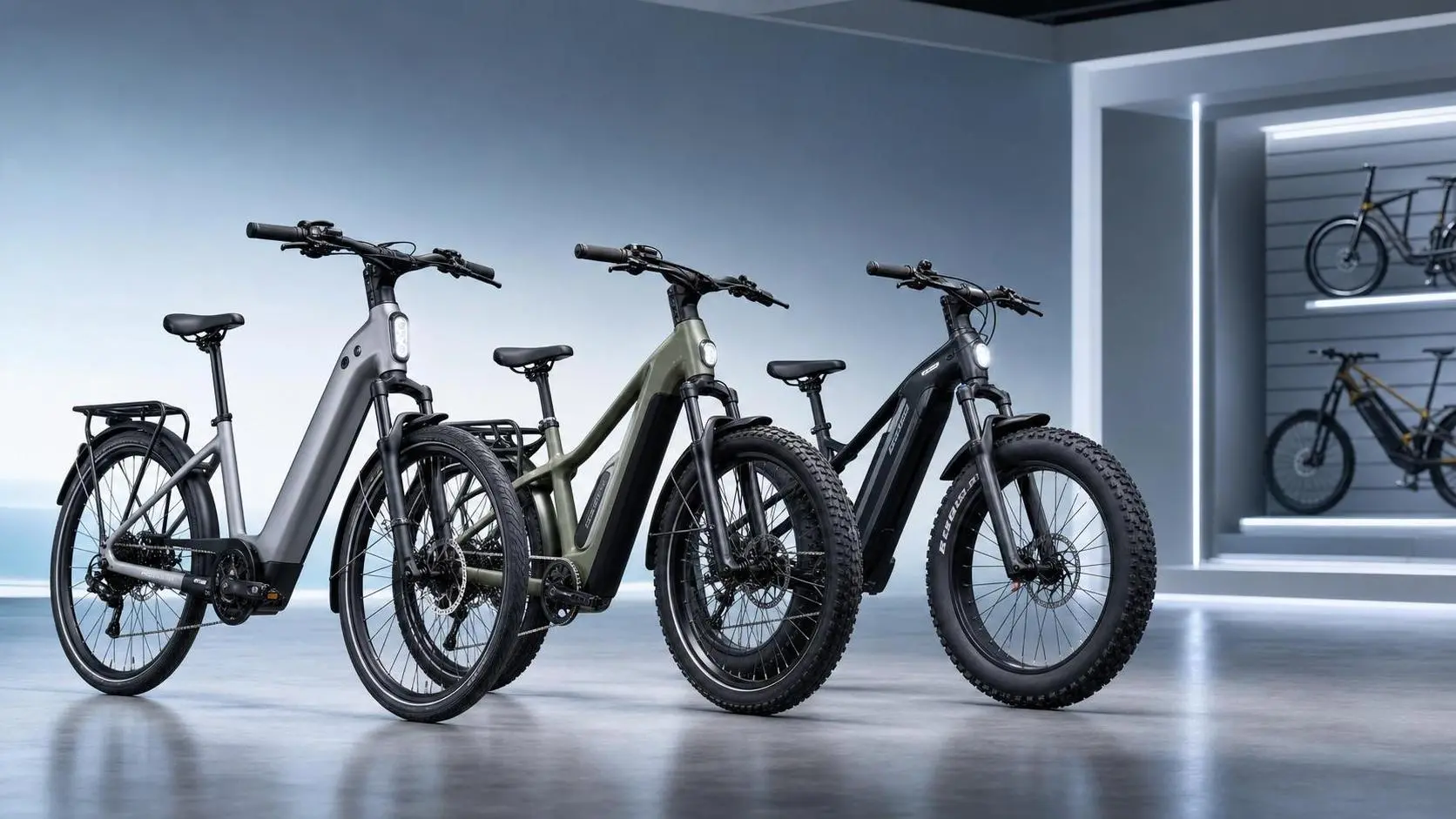
Ebike Market USA: What Dealers Should Know About Demand Shifts, Pricing, and Product Mix
ebike market USA is shifting fast. Discover how demand segmentation, pricing pressure, and smarter product mix decisions can help dealers protect margins and grow.
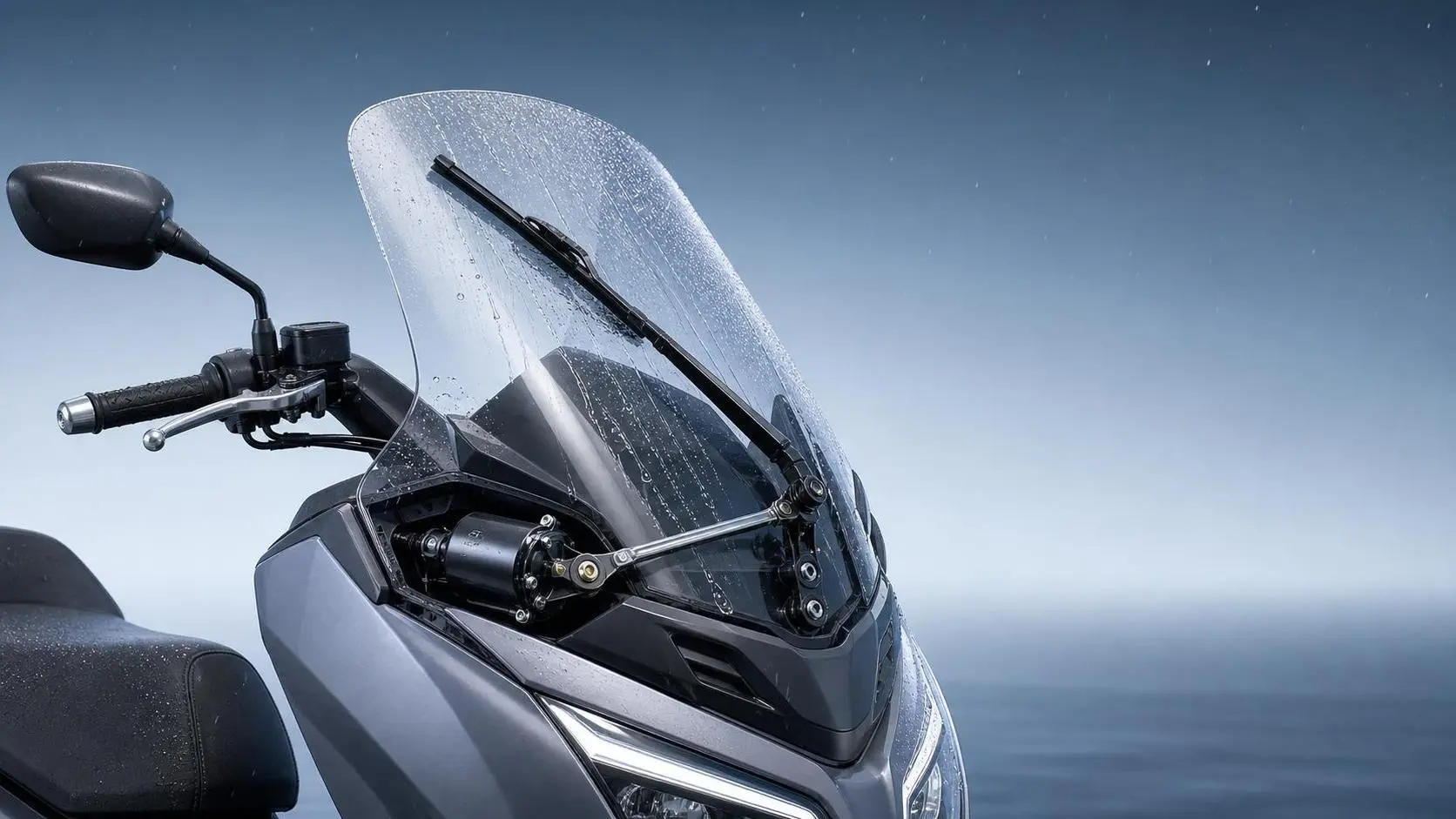
Wiper Systems for Scooters: Common Failure Points, Maintenance Tips, and Replacement Signs
Wiper systems for scooters: learn the most common failure points, smart maintenance tips, and clear replacement signs to improve visibility, reduce repeat repairs, and keep riders safer.
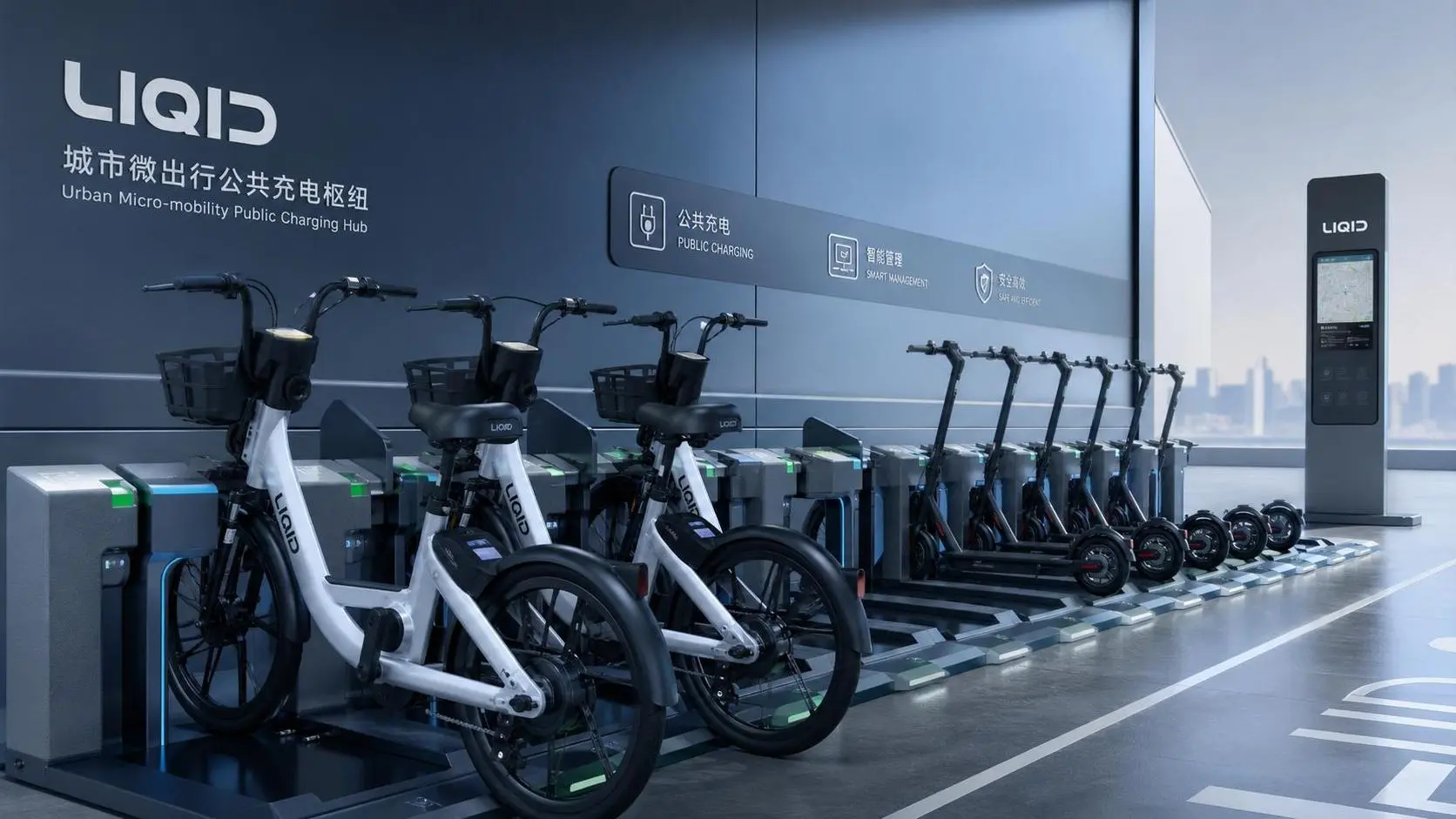
How to Choose Micro-Mobility Docking Stations for Shared Fleets and Public Charging Hubs
Micro-mobility docking stations: learn how to compare charging, locking, software, and site-fit factors to choose safer, smarter hubs for shared fleets and public use.
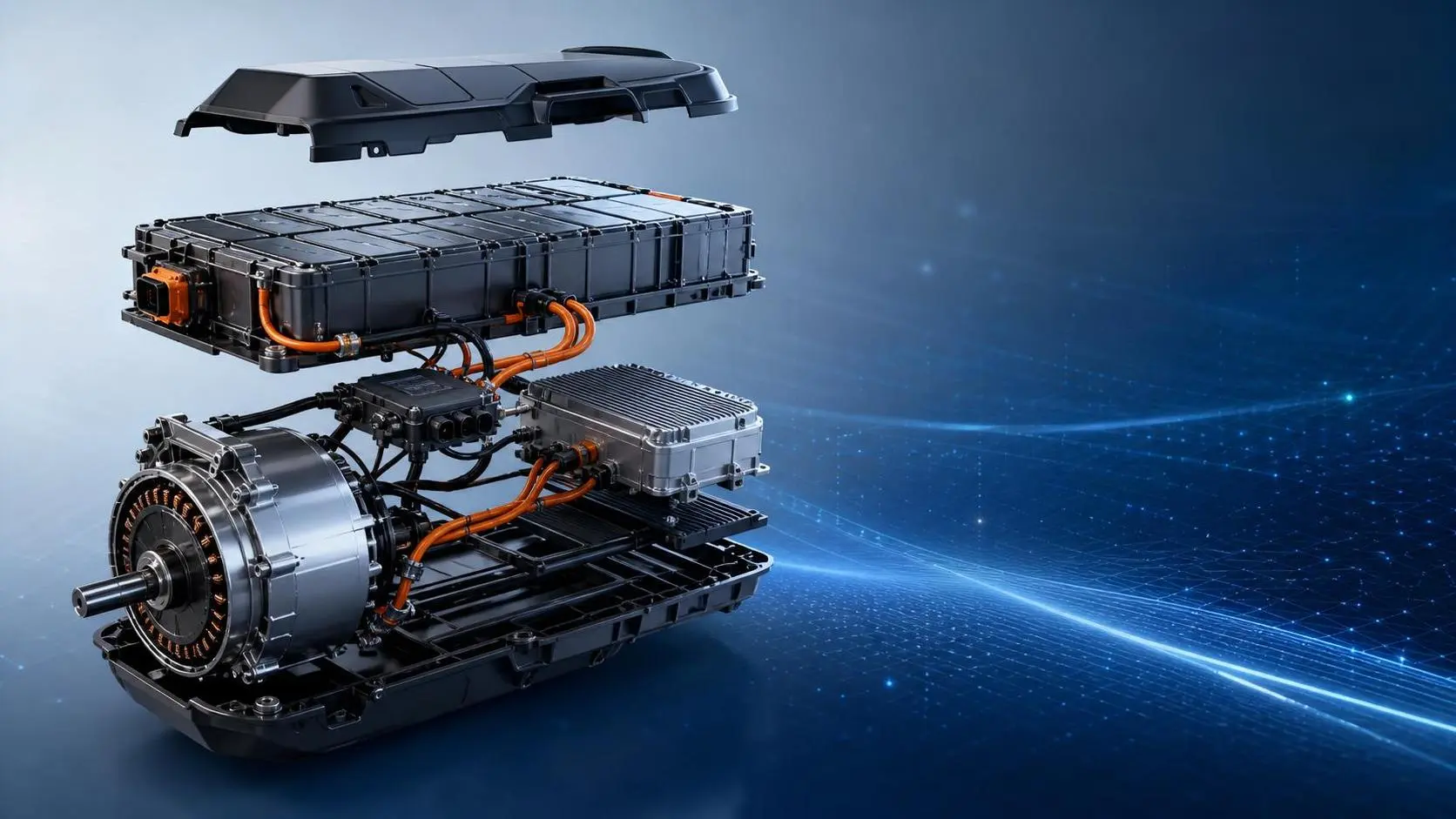
Powertrain Heat Management Explained: Key Design Factors for EV Efficiency and Battery Life
Powertrain heat management explained for EVs: discover how thermal design boosts efficiency, protects battery life, improves safety, and sustains real-world performance.
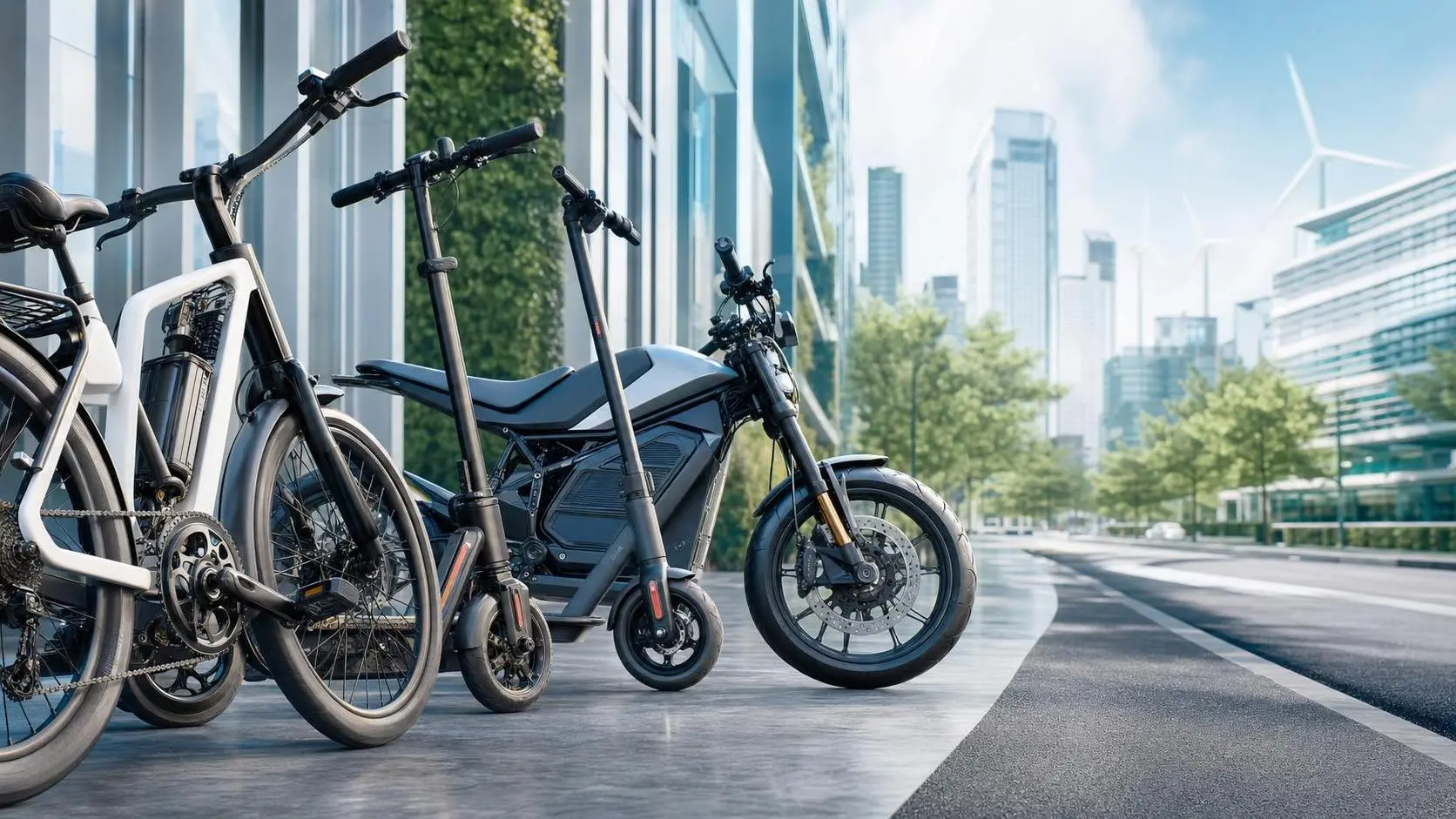
Urban Mobility Market Analysis: Demand Drivers, Policy Risks, and Revenue Models Compared
Urban mobility market analysis compares demand drivers, policy risks, and revenue models across e-bikes, scooters, and e-motorcycles to reveal where growth is durable.
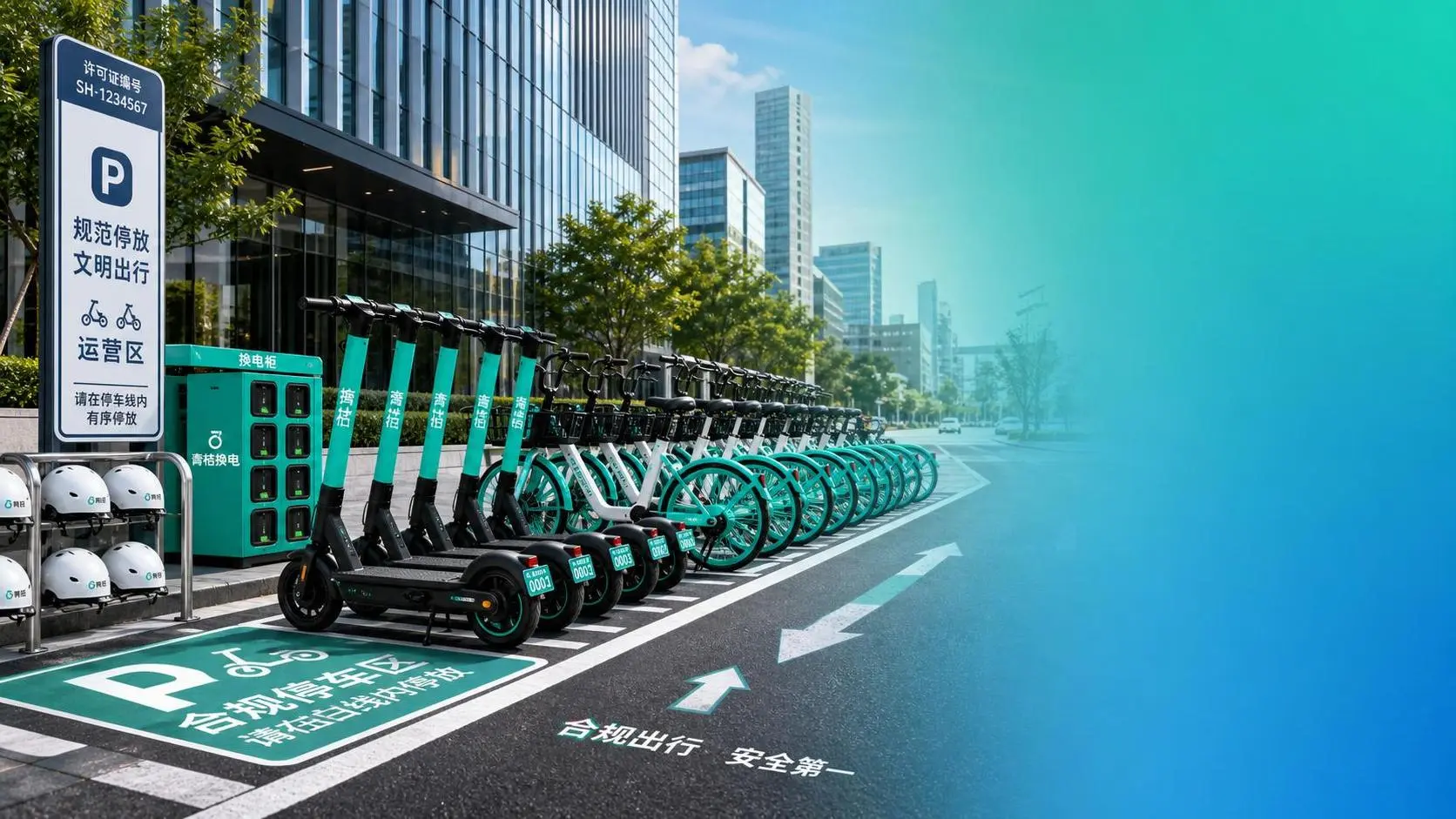
Shared Mobility Compliance Checklist: Permits, Safety Rules, and Fleet Data Requirements
Shared mobility compliance made simple: explore a practical checklist for permits, safety rules, and fleet data requirements to launch faster, reduce risk, and stay audit-ready.
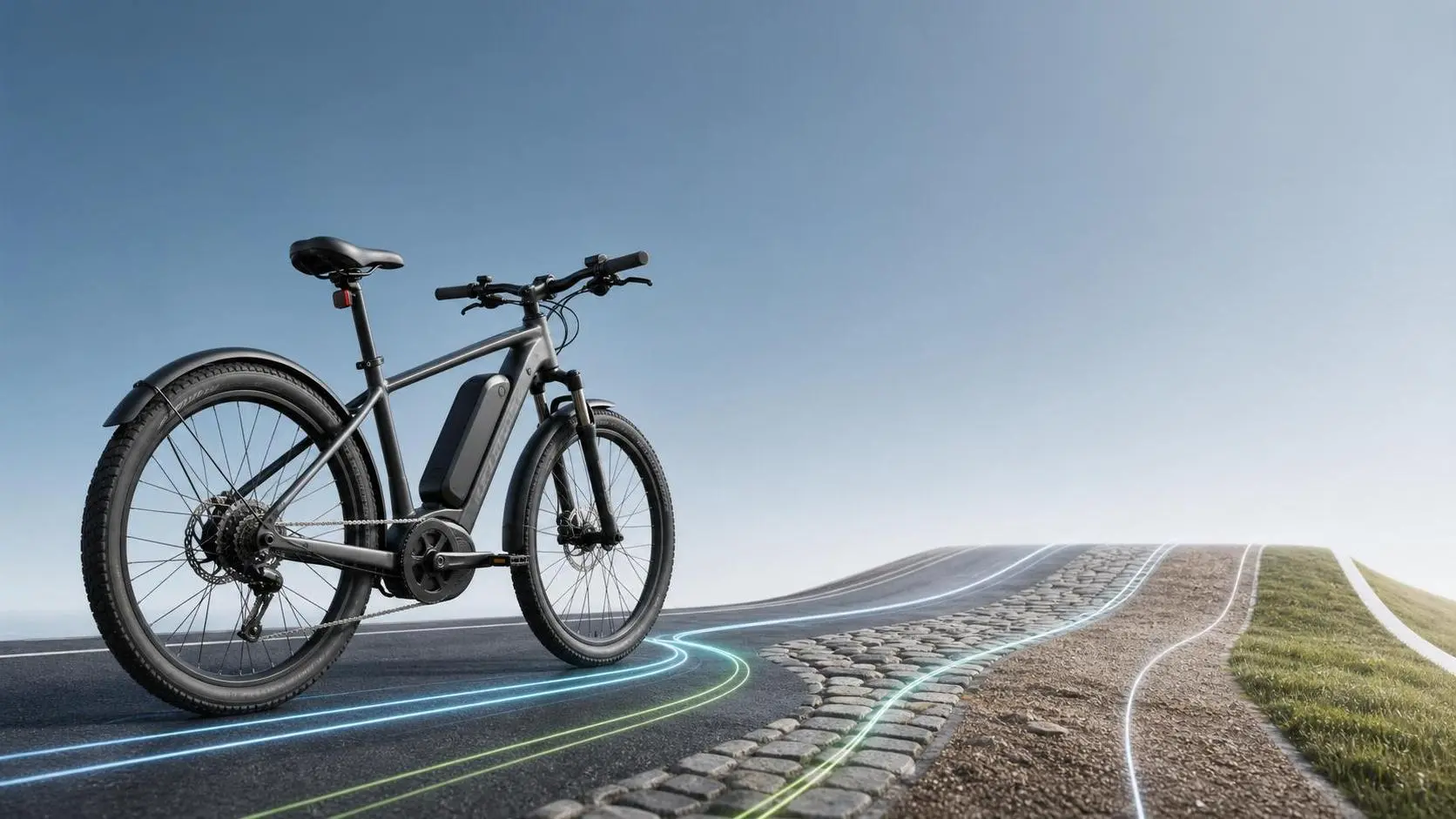
What Affects Ebike Energy Efficiency? Battery Size, Rider Weight, Terrain, and Speed
Ebike energy efficiency explained: learn how battery size, rider weight, terrain, and speed shape real-world range, lower Wh/km, and smarter buying or commuting decisions.
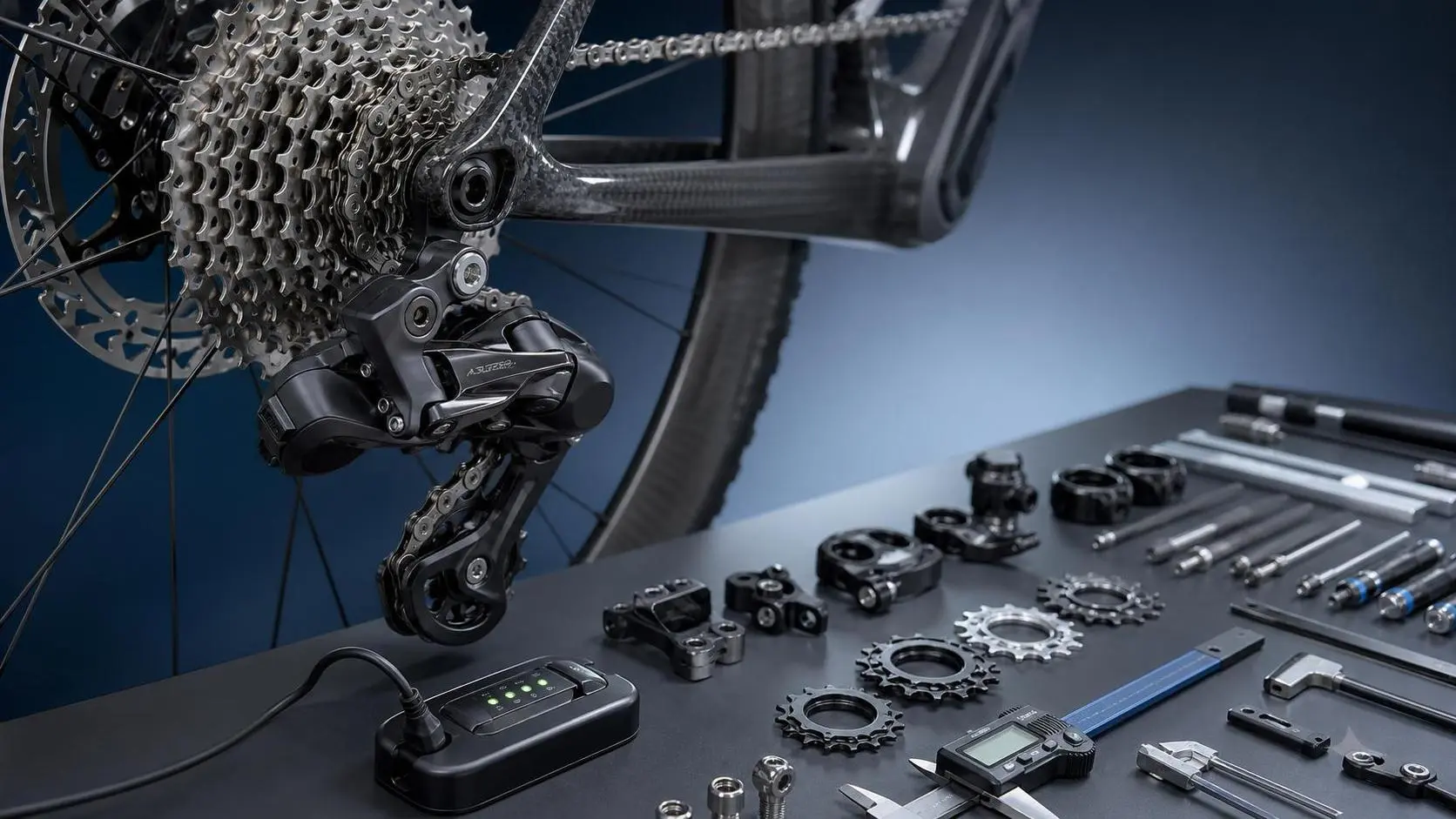
Wireless Electronic Shifting in North America: Compatibility, Standards, and Upgrade Limits
Wireless electronic shifting North America explained: compare compatibility, FCC/ISED standards, retrofit limits, and upgrade risks before choosing the right platform.