
Related News
- 00
0000-00
Urban Micro-Mobility Systems in Latin America: Key Market Drivers, Barriers, and Growth Segments - 00
0000-00
Intellectualization of Mobility in North America: What Is Driving Adoption Across Urban Transport? - 00
0000-00
What Is Driving Green Two-wheelers Demand in Europe? Policy, Fuel Costs, and Buyer Segments - 00
0000-00
Urban Micro-Mobility in North America: Policy, Charging Access, and Fleet Growth Drivers - 00
0000-00
Carbon Neutrality for Fleets: How to Measure Emissions and Prioritize Upgrades
Prof. Marcus Chen
Weekly Insights
Stay ahead with our curated technology reports delivered every Monday.
What Micro-Mobility Strategists Track: Demand Signals, Regulations, and Fleet Economics





For business evaluators navigating the fast-changing urban mobility market, understanding what micro-mobility strategists track is essential. From real-time demand signals and shifting city regulations to fleet utilization, unit economics, and battery lifecycle costs, these indicators shape smarter investment, expansion, and sourcing decisions. This article outlines the metrics and market forces that define competitive advantage across e-bikes, e-scooters, and electric two-wheel systems.
Why micro-mobility strategists matter in commercial evaluation
Micro-mobility strategists do not simply watch vehicle sales or app downloads. They connect policy, engineering, rider behavior, supply risk, and fleet profitability into one operating view. For business evaluators, that integrated perspective reduces guesswork when screening suppliers, markets, and deployment models.
In practical terms, micro-mobility strategists help answer harder questions. Is demand seasonal or structural? Are current margins sustainable after battery replacement? Will a city expand scooter access or tighten sidewalk parking rules? Can a component platform support export compliance in multiple regions?
This matters across the UMMS coverage universe: e-bikes, smart e-scooters, high-speed e-motorcycles, precision derailleur systems, and adjacent safety technologies such as smart wiper systems. Each category has different revenue logic, regulatory pressure, and replacement cycles, but all depend on disciplined intelligence stitching.
- Demand analysis reveals whether volume growth comes from commuting, delivery, tourism, or subsidy-driven spikes.
- Regulatory tracking shows where right-of-way, speed caps, and battery rules may change operating economics.
- Fleet economics testing clarifies whether utilization supports maintenance, charging, insurance, and depreciation costs.
- Component intelligence helps OEMs and buyers judge drivetrain precision, thermal management, connectivity, and lifecycle reliability.
Which demand signals do micro-mobility strategists track first?
Core market indicators that move faster than headline sales
Headline shipment numbers often arrive too late for decision-making. Micro-mobility strategists prefer leading indicators that show how urban users are actually adopting two-wheel electric mobility. These signals help business evaluators distinguish healthy growth from temporary demand distortion.
At UMMS, this lens is especially useful because product categories behave differently. E-bike demand may rise with commuting incentives and outdoor recreation. Shared e-scooter demand depends more on curb access, population density, tourist flow, and municipal operating permits.
The table below summarizes the demand signals micro-mobility strategists commonly prioritize when evaluating expansion, sourcing, or market entry.
For business evaluators, the main lesson is simple: demand quality matters more than raw volume. A market with fewer vehicles but stronger repeat usage, lower weather disruption, and clearer trip patterns can be more attractive than a city showing inflated promotional growth.
How demand differs by vehicle category
E-bikes usually show stronger ownership logic, higher accessory attachment, and wider age-group adoption. Smart e-scooters often scale faster in dense cores, but they are more exposed to curb management rules and public-space complaints. High-speed e-motorcycles depend heavily on charging or swapping infrastructure, licensing frameworks, and commuting corridor suitability.
- E-bikes: stronger in suburban commuting, cargo use, and incentive-driven consumer adoption.
- Smart e-scooters: strongest in shared mobility, intermodal travel, campus zones, and tourism-heavy districts.
- High-speed e-motorcycles: best aligned with urban delivery fleets, longer commutes, and performance-oriented users.
How regulations reshape market access and risk
Why regulatory intelligence is not a legal afterthought
Many commercial assessments fail because regulation is reviewed too late. Micro-mobility strategists treat policy as a front-end variable, not a back-end compliance item. A city’s stance on sidewalk parking, fleet caps, helmet rules, battery transport, or speed classification can quickly alter revenue assumptions.
Business evaluators should also remember that regulatory pressure does not affect every layer equally. Operators worry about permits and right-of-way. OEMs focus on product classification and certification alignment. Component suppliers need visibility into electrical safety, electromagnetic compatibility, and battery handling expectations.
The following comparison helps micro-mobility strategists identify where policy risk typically enters the value chain.
A strong market can still become a weak investment if regulatory friction raises compliance cost or shrinks operating scope. This is why micro-mobility strategists combine city policy tracking with technical product review rather than treating them as separate workstreams.
Where UMMS adds practical value
UMMS is positioned around this exact decision challenge. Its Strategic Intelligence Center connects subsidy moves for e-bikes, right-of-way regulation for shared scooters, thermal management developments in e-motorcycles, and transmission advances in precision bicycle components. That cross-category visibility helps commercial teams avoid evaluating products in isolation.
What fleet economics tell you before expansion
The metrics that reveal sustainable unit economics
Fleet economics sit at the center of any serious micro-mobility evaluation. Micro-mobility strategists look beyond hardware purchase price and focus on full operating performance. A lower-cost vehicle can become the more expensive choice if downtime, battery swaps, vandalism, or controller failures rise too quickly.
For shared fleets and commercial two-wheel operators, the most useful metrics usually include utilization, revenue per active vehicle, maintenance events per month, battery replacement interval, and recovery cost for damaged or misplaced units.
- Utilization rate shows whether deployed assets are earning often enough to cover fixed cost.
- Downtime ratio indicates how design quality, spare-part access, and service workflows affect revenue leakage.
- Battery lifecycle cost often changes the profit picture more than initial vehicle price does.
- Maintenance labor intensity is critical in dense cities where field service windows are short.
A practical cost view for evaluators
The table below gives a structured way to compare fleet economics across common micro-mobility categories without relying on oversimplified purchase-price comparisons.
This comparison shows why micro-mobility strategists rarely approve projects based on capex alone. They test whether the hardware, service network, and operating context can support stable total cost of ownership over time.
How to evaluate suppliers, components, and technical readiness
Questions that go beyond the catalog sheet
Business evaluators often face a familiar problem: supplier claims look similar, but risk levels do not. Micro-mobility strategists reduce this gap by testing technical readiness against actual operating conditions. In urban two-wheel systems, reliability is not one feature. It is the result of drivetrain precision, electrical protection, thermal control, software stability, and serviceability.
This is especially relevant in UMMS-covered segments. A derailleur component may need anti-interference stability for wireless shifting. An e-motorcycle platform may need stronger thermal management under stop-and-go load. A smart e-scooter requires robust IoT hardware if city reporting and theft mitigation depend on constant connectivity.
- Confirm the intended operating environment, including climate, road surface, rider weight patterns, and daily usage intensity.
- Review maintainability, including module replacement speed, spare-part path, and field technician requirements.
- Check compatibility with market-specific compliance expectations, especially electrical safety and transport handling.
- Assess whether supplier documentation supports scaling across multiple regions and business models.
A practical procurement checklist
When micro-mobility strategists support procurement, they usually build a weighted checklist instead of using one-dimensional scoring. That method is useful for OEM sourcing, distributor screening, and fleet tender review.
- Commercial fit: target market alignment, realistic price band, and after-sales structure.
- Technical fit: powertrain logic, battery integration, drivetrain response, and software visibility.
- Compliance fit: product classification, traceability readiness, and documentation completeness.
- Operational fit: service interval, repair complexity, and supply continuity for critical parts.
Common mistakes business evaluators should avoid
Misreading growth, risk, and replacement cost
One common mistake is to assume that high city demand guarantees profitable deployment. Micro-mobility strategists know that demand can be undermined by permit restrictions, charging friction, or weak maintenance execution. Another mistake is underestimating how quickly battery replacement and field failures can erode margin.
A third mistake is treating every two-wheel electric product as operationally similar. E-bikes, smart e-scooters, and high-speed e-motorcycles serve different rider expectations, service models, and regulatory categories. Precision components also matter more than many buyers expect because drivetrain quality influences ride performance, maintenance frequency, and long-term user retention.
- Do not use purchase price as the main decision variable without lifecycle cost analysis.
- Do not separate product evaluation from city policy mapping.
- Do not ignore component-level reliability when forecasting service cost.
- Do not assume current subsidy conditions will remain unchanged.
FAQ: what decision-makers ask micro-mobility strategists most often
How should we compare e-bikes and smart e-scooters for urban deployment?
Start with the use case, not the vehicle. If the priority is shared short-hop mobility in dense districts, smart e-scooters may deliver stronger trip turnover. If the goal is commuter adoption, cargo utility, or broader age-group acceptance, e-bikes often provide more resilient demand and lower behavioral friction.
What do micro-mobility strategists check before entering a new city?
They usually check permit rules, vehicle classification, parking enforcement, population density, transit integration, rider safety conditions, weather volatility, and service logistics. They also compare expected utilization against maintenance and charging workloads before committing to scale.
Which cost item is most often underestimated?
Battery lifecycle cost is a frequent blind spot, especially when projects focus too heavily on initial procurement budget. Depending on duty cycle, charging behavior, and thermal stress, battery replacement timing can materially change payback assumptions. Downtime and field labor are close behind.
How important are precision components in commercial evaluation?
Very important. Precision shifting components, motor controls, sensor systems, and IoT modules all affect ride consistency, service intervals, and customer satisfaction. In premium or performance-driven categories, component quality can be a stronger retention driver than headline speed or range.
Why informed intelligence beats isolated data points
The strongest commercial decisions in urban two-wheel mobility come from connected analysis. Micro-mobility strategists track demand signals, regulations, and fleet economics together because each one changes the meaning of the others. High utilization without regulatory stability is fragile. Low product cost without serviceability is misleading. Fast demand growth without component reliability can destroy margin later.
That is where UMMS stands out. Its intelligence model connects policy updates, product evolution, commercial signals, and technical detail across e-bikes, smart e-scooters, high-speed e-motorcycles, wiper systems, and bicycle derailleur components. For business evaluators, that broader lens supports better sourcing choices, more realistic expansion plans, and stronger internal investment cases.
Why choose us for micro-mobility strategic support
If your team is evaluating suppliers, new-city entry, component sourcing, or platform positioning, UMMS can help structure the decision with market-grounded intelligence. We support discussions around parameter confirmation, product selection, delivery cycle expectations, regional compliance considerations, battery and powertrain questions, and scenario-based solution matching.
You can also consult us on demand assessment for e-bikes and smart e-scooters, fleet economics logic for electric two-wheel systems, thermal management questions for high-speed e-motorcycles, or component-level evaluation for precision drivetrain programs. When needed, we can help frame quotation discussions, sample review priorities, and risk checkpoints before procurement or expansion decisions move forward.
Related News
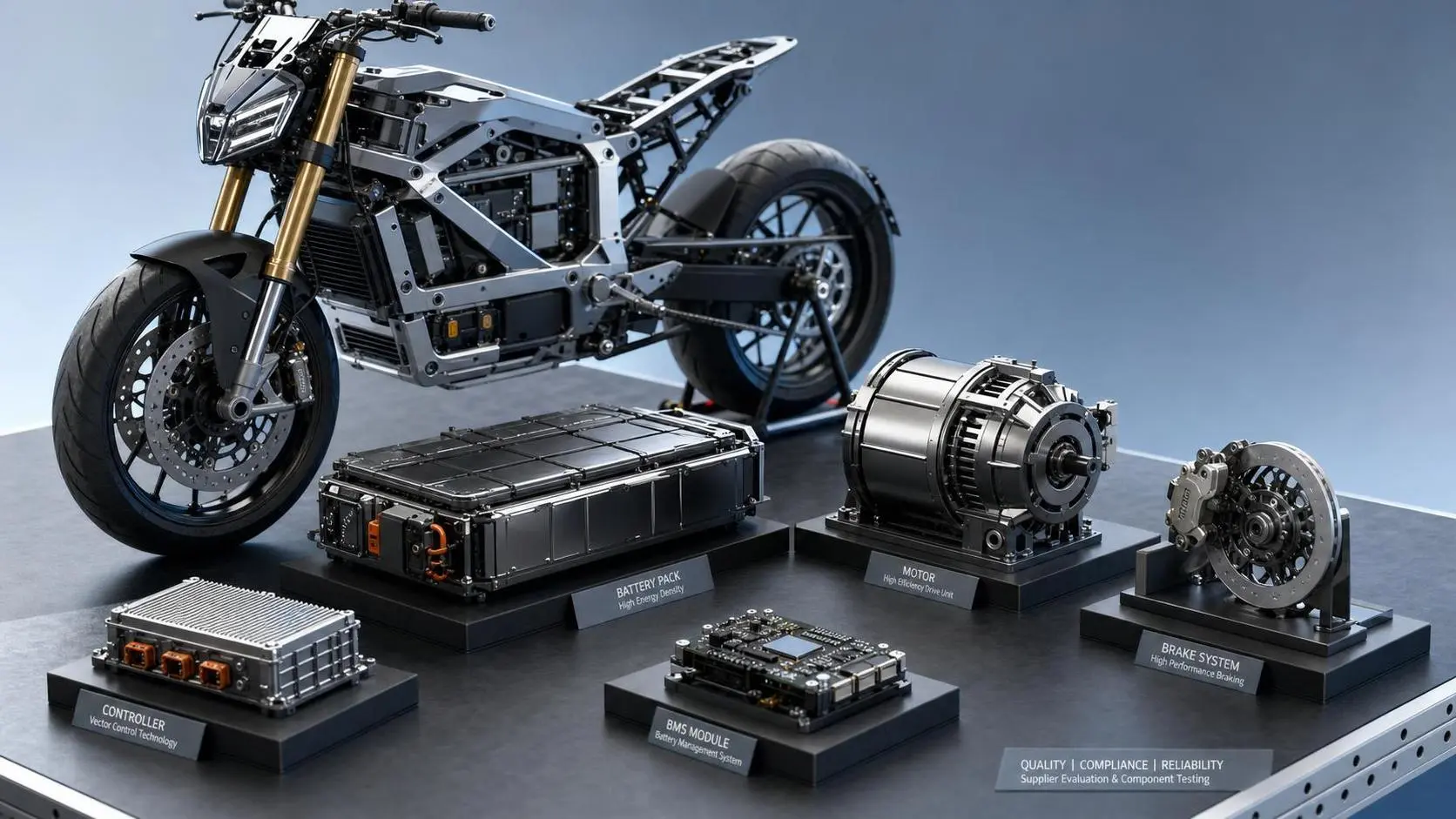
How to Evaluate Core Component Suppliers for Electric Motorcycles Before Sourcing?
Core component suppliers for electric motorcycles can make or break safety, compliance, and delivery. Learn how to assess technical strength, certifications, quality control, and hidden sourcing risks before you buy.
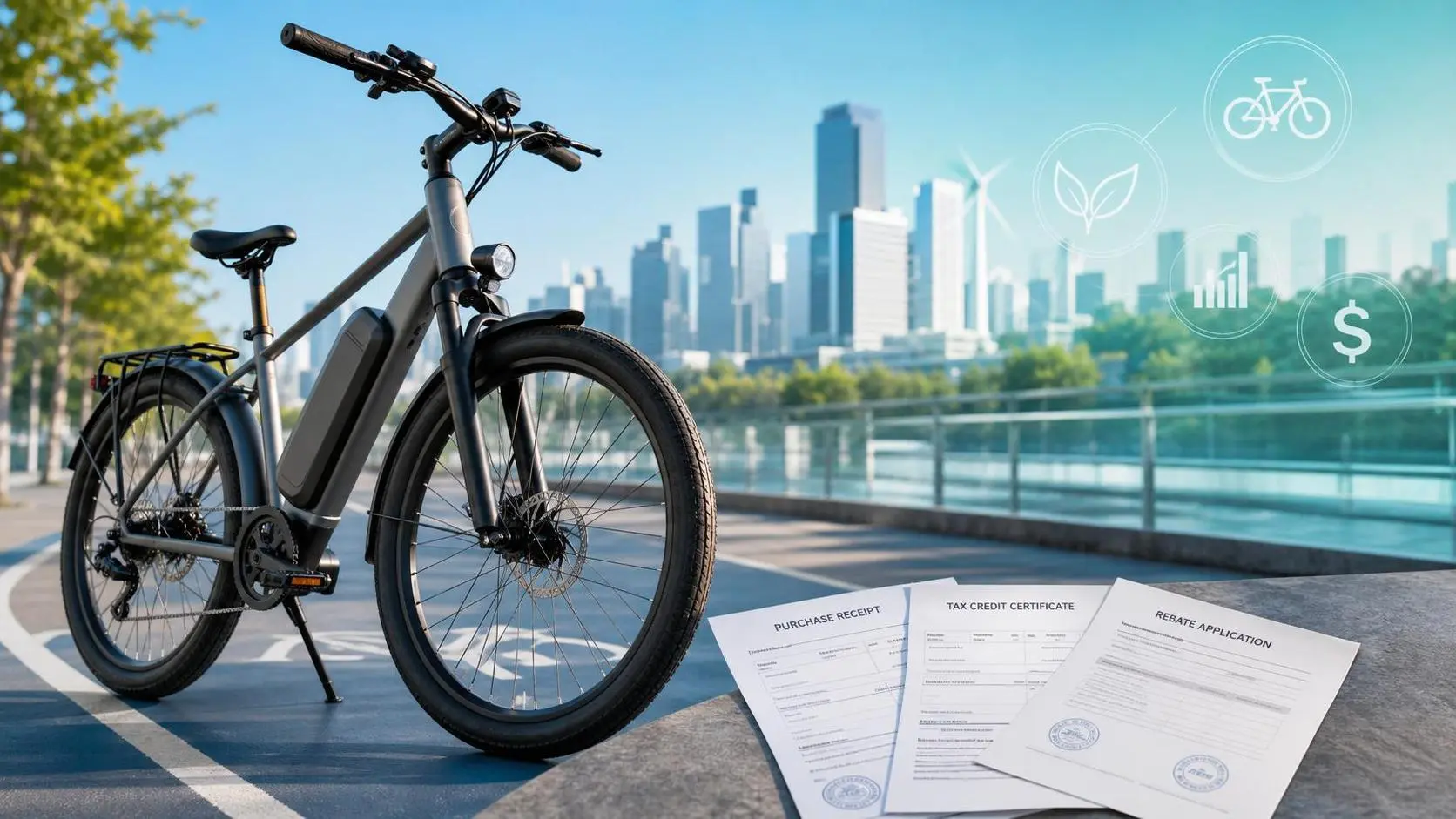
E-Bike Incentives Explained: How Riders Can Find Local Rebates and Tax Credits
E bike incentives explained: learn how to find local rebates, tax credits, and utility offers, avoid common mistakes, and cut the real cost of your next e-bike.
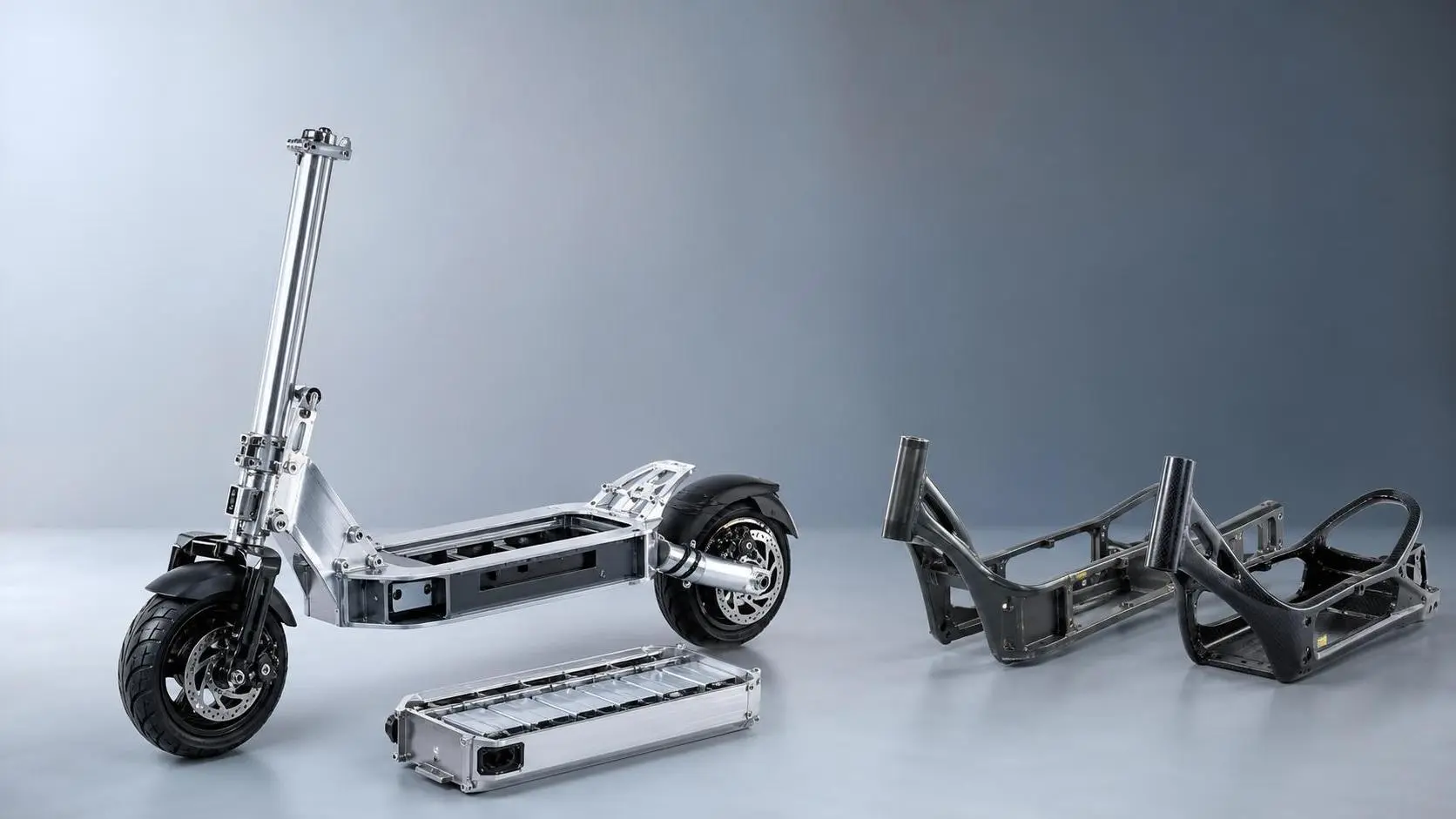
How to Choose Lightweight Scooter Frames in Europe: Materials, Standards, and Use Cases
Lightweight scooter frames Europe buyers need should balance materials, EN standards, durability, and real use cases. Discover how to choose safer, smarter, compliant frames.
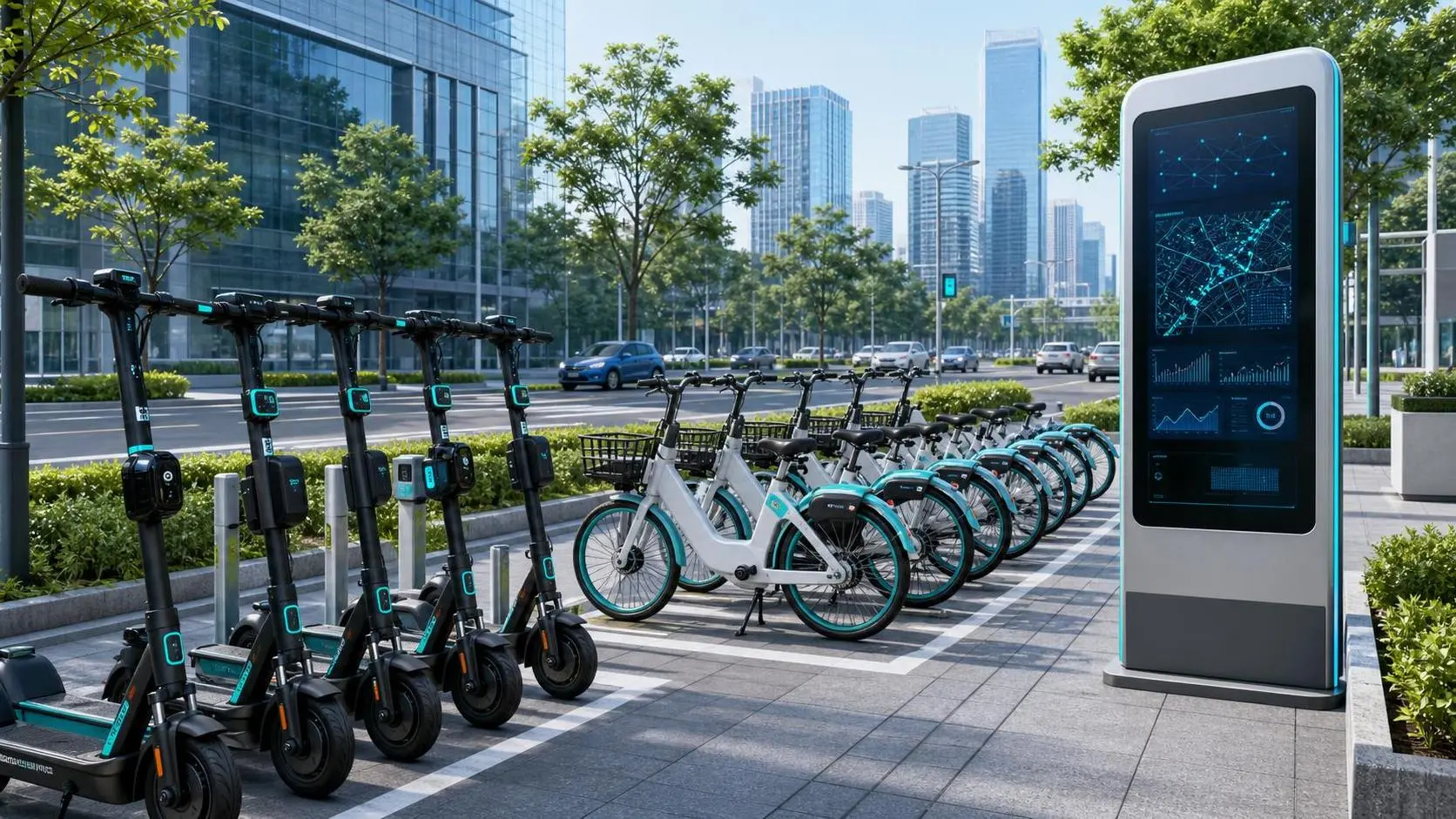
What Is the Intellectualization of Mobility Platform and How Is It Applied in Shared Fleets?
Intellectualization of mobility platform is reshaping shared fleets with real-time data, predictive maintenance, and smarter compliance—learn how it boosts safety, uptime, and urban mobility efficiency.
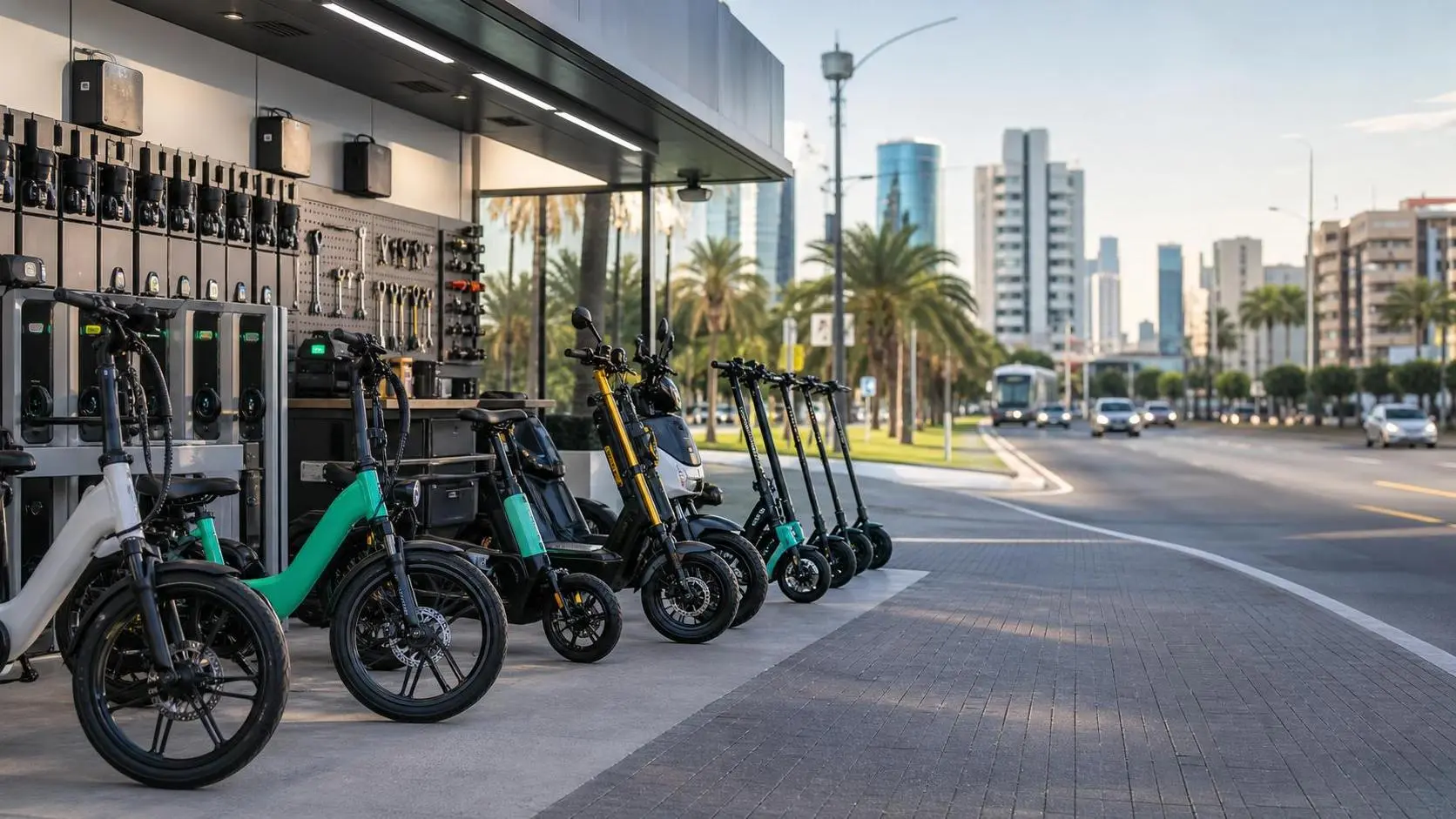
Urban Micro-Mobility Systems in Latin America: Key Market Drivers, Barriers, and Growth Segments
Urban micro-mobility systems Latin America are reshaping city transport. Explore key drivers, barriers, and high-growth segments to spot the region’s most investable opportunities.
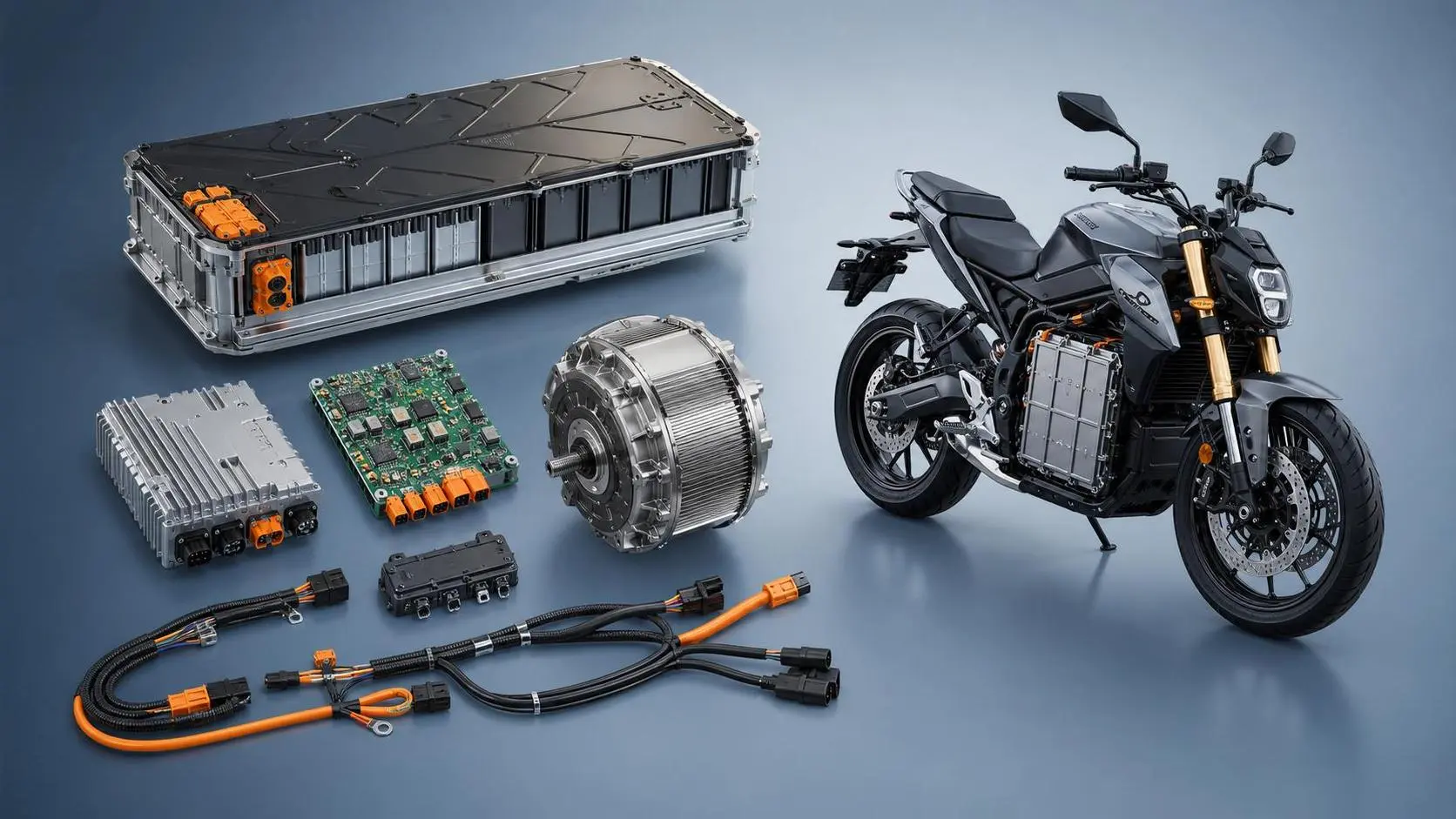
Electric Motorcycle Systems Price Breakdown: What Affects Cost From Battery to Controller?
Electric motorcycle systems price explained: see how battery, controller, motor, BMS, and wiring affect total cost, reliability, and sourcing value before you buy.
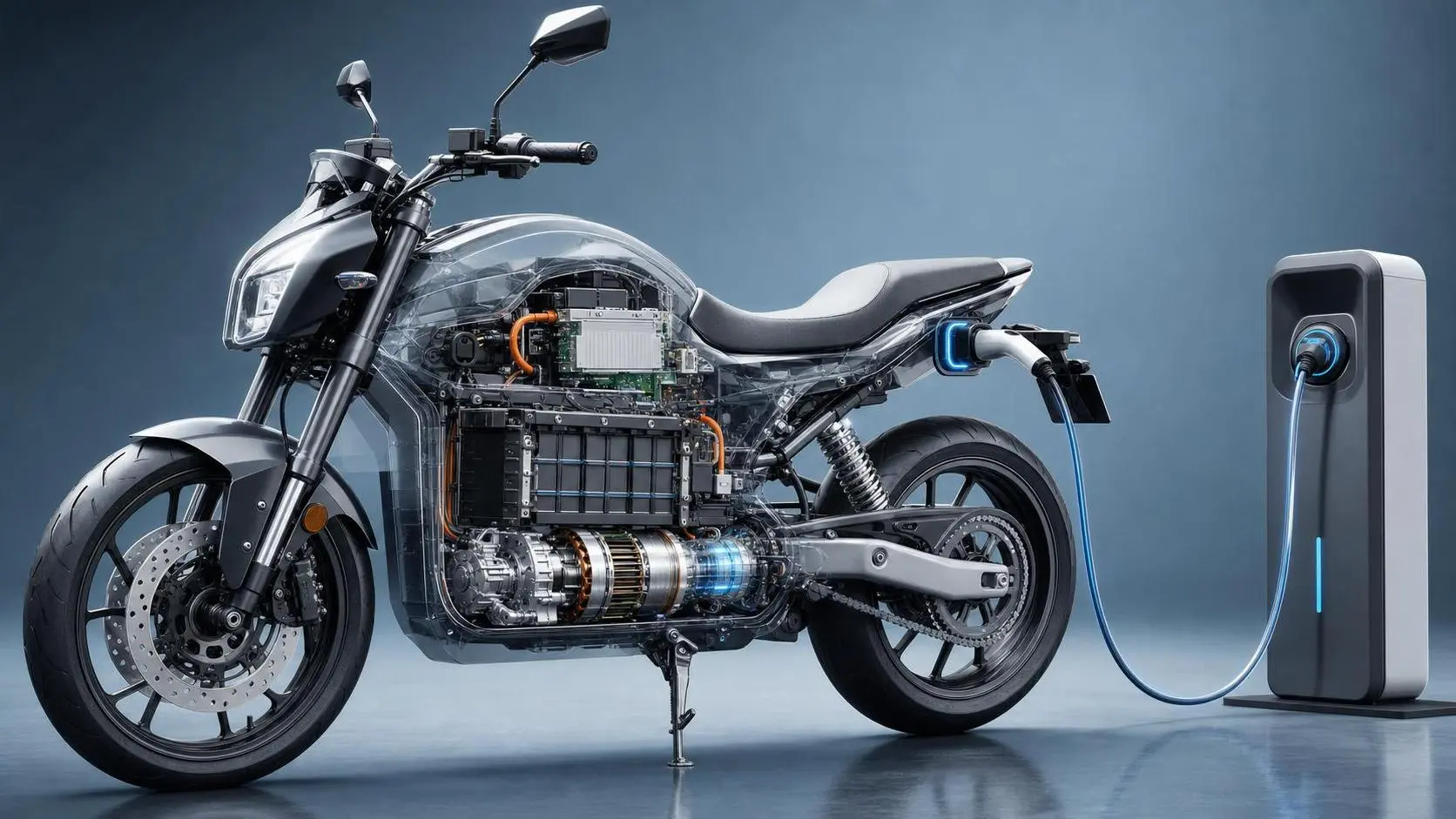
72V Electric Motorcycle Technology Explained: Motors, Controllers, Range, and Charging
Electric motorcycle technology 72V explained clearly: compare motors, controllers, range, battery design, and charging to choose a smoother, stronger, and smarter electric ride.

Where LED Urban Visibility Safety Systems Fit Best in Shared Scooters and City E-bikes
LED urban visibility safety systems deliver the most value in shared scooters and city e-bikes by improving multi-angle safety, fleet durability, and urban compliance across real-world routes.

Intellectualization of Mobility in North America: What Is Driving Adoption Across Urban Transport?
Intellectualization of mobility North America is reshaping urban transport through data, smart fleets, and battery intelligence. Explore what is driving adoption and why cities and operators are accelerating now.