
Related News
- 00
0000-00
Urban Micro-Mobility Systems in Latin America: Key Market Drivers, Barriers, and Growth Segments - 00
0000-00
Intellectualization of Mobility in North America: What Is Driving Adoption Across Urban Transport? - 00
0000-00
What Is Driving Green Two-wheelers Demand in Europe? Policy, Fuel Costs, and Buyer Segments - 00
0000-00
Urban Micro-Mobility in North America: Policy, Charging Access, and Fleet Growth Drivers - 00
0000-00
Carbon Neutrality for Fleets: How to Measure Emissions and Prioritize Upgrades
Prof. Marcus Chen
Weekly Insights
Stay ahead with our curated technology reports delivered every Monday.
Electric Bike Market Trends: What Dealers Should Watch in Pricing, Demand, and Segments





The electric bike market is no longer moving in one direction
The electric bike market has entered a more layered stage of growth.
Volume is still expanding in many regions, but the path is less predictable than it was two years ago.
Price pressure, uneven consumer confidence, and faster product specialization now shape day-to-day decisions.
That shift matters across the broader urban mobility chain, not only inside bicycle retail.
As electrified two-wheel transport matures, the electric bike market increasingly reflects changes in batteries, software, components, and city mobility policy.
From the UMMS perspective, this is part of a wider last-mile transition.
E-bikes, smart e-scooters, precision drivetrain systems, and high-efficiency power electronics are becoming more connected in market logic.
For anyone tracking the electric bike market, the key question is no longer whether demand exists.
The more useful question is where margins, replacement cycles, and segment momentum are moving next.
Recent signals show pricing has become a strategic battleground
The clearest change is that price competition now comes from several directions at once.
Inventory corrections from earlier over-ordering still weigh on some channels.
At the same time, lower-cost imports and private-label expansion are resetting buyer expectations.
In the electric bike market, a lower sticker price does not always mean a better commercial position.
More buyers now compare battery range, motor response, serviceability, and warranty reliability before closing a deal.
This is where technical credibility starts to protect value.
Brands connected to stable battery management, consistent drivetrain integration, and dependable parts supply can still resist aggressive discounting.
The market is becoming sharper about the difference between cheap and efficient.
This pricing environment rewards selective range building rather than broad catalog expansion.
Demand is still growing, but it is fragmenting by use case
The electric bike market is not slowing in a uniform way.
Instead, demand is splitting into clearer functional lanes.
Commuting remains important, but it is no longer the only growth story.
Cargo mobility, leisure touring, compact urban transport, and performance-focused riding are each shaping new product expectations.
That is why a generic reading of the electric bike market can be misleading.
A city commuter model, a folding e-bike, and a cargo platform may all sell under the same headline category.
Yet their demand cycles, accessory needs, and margin profiles differ sharply.
- Urban commuters are paying more attention to charging convenience and theft deterrence.
- Family and delivery users are prioritizing load stability, battery endurance, and brake reliability.
- Outdoor riders are comparing torque delivery, suspension balance, and advanced shifting systems.
- Compact mobility users want portability, low maintenance, and practical storage dimensions.
From recent market behavior, this fragmentation is a healthy sign.
It shows the electric bike market is moving beyond novelty and into application-specific maturity.
Why these shifts are becoming more visible now
Several forces are arriving at the same time.
The first is urban policy.
Congestion controls, emission goals, and space-efficient mobility planning continue to support electrified two-wheel transport.
The second is technology normalization.
Battery systems, controllers, and sensors are no longer niche differentiators by themselves.
They are becoming baseline expectations, especially in the mid-range electric bike market.
The third is consumer learning.
Buyers today understand more about motor placement, cell quality, service intervals, and component interoperability.
That makes simplistic sales narratives less effective.
UMMS tracks this pattern across adjacent segments as well.
Wireless derailleur evolution, thermal management in high-speed e-motorcycles, and connected control logic in smart scooters all point to the same outcome.
In urban micro-mobility, technical integration is becoming a market filter.
That filter is now clearly visible in the electric bike market.
Some segments are gaining attention faster than headline numbers suggest
The most interesting opportunities are often hidden inside subcategories.
Cargo e-bikes continue to attract interest where urban delivery and family mobility overlap.
Folding models remain relevant in dense cities where storage limits shape purchase decisions.
Premium trekking and SUV-style e-bikes are also holding attention because they combine commuting with recreational flexibility.
Another signal is the rising value of component-led differentiation.
Drive systems, display interfaces, braking packages, and shifting precision increasingly influence perceived quality.
This fits the broader UMMS view that micro-mobility competitiveness is often won in subsystem performance, not only frame design.
In the electric bike market, segments with clear functional identity tend to defend pricing better.
Segments that look interchangeable usually face the fastest erosion.
What deserves closer attention in segment planning
- Battery placement and removable design now affect both convenience and resale perception.
- Integrated connectivity features matter more where fleet, anti-theft, or usage tracking is relevant.
- Higher-end drivetrain and shifting options help justify premium positioning in active riding categories.
- Accessory ecosystems can expand margins where core bike pricing is under pressure.
The real impact is spreading across stocking, positioning, and service
These market changes do not stay at the product level.
They quickly affect how ranges are selected, how inventory risk is measured, and how value is explained.
In practical terms, the electric bike market now rewards narrower but better-structured assortments.
A broad lineup without strong use-case logic can dilute both turnover and credibility.
Service capability also carries more weight than before.
Battery diagnostics, firmware support, brake maintenance, and parts continuity increasingly influence repeat business.
That is especially true when buyers compare the total ownership experience instead of just the initial transaction.
The broader lesson from the electric bike market is simple.
Margins are now protected through system understanding, not only through pricing tactics.
The next phase will favor clearer judgment over bigger bets
Looking ahead, the electric bike market is likely to remain active but uneven.
Some cities will accelerate adoption through infrastructure and incentives.
Some channels will stay promotional until old inventory clears.
Some premium segments will keep expanding because they answer specific mobility needs better than entry-level alternatives.
What matters now is disciplined observation.
Watch which categories maintain price stability, which battery formats gain trust, and which urban use cases create repeat demand.
It is also worth tracking how adjacent micro-mobility segments evolve.
Smart scooters, e-motorcycles, and precision component systems often reveal where user expectations are heading next.
That cross-segment view is one reason the electric bike market can no longer be read in isolation.
A practical next step is to review product mix by use case, not by headline category.
Then compare pricing resilience, service burden, and accessory potential across those groups.
The businesses that stay closest to real usage signals will usually read the next turn of the electric bike market earlier than the rest.
Related News
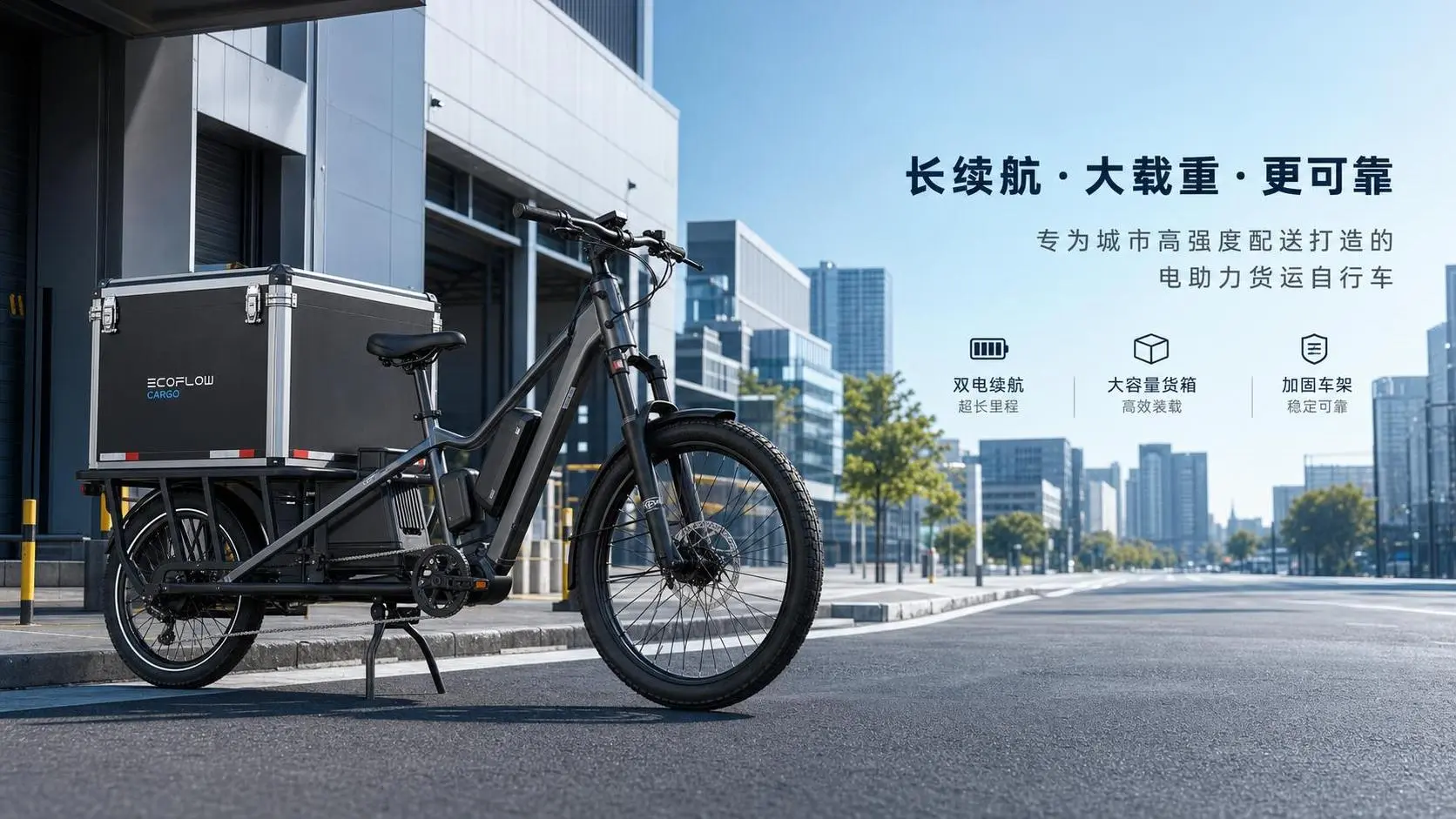
How to Choose a Long-Range Commercial Cargo E-Bike for Delivery Operations
Commercial cargo e-bike long range buying guide: learn how to assess battery, payload, route fit, and uptime support to choose a reliable delivery model with lower operating costs.
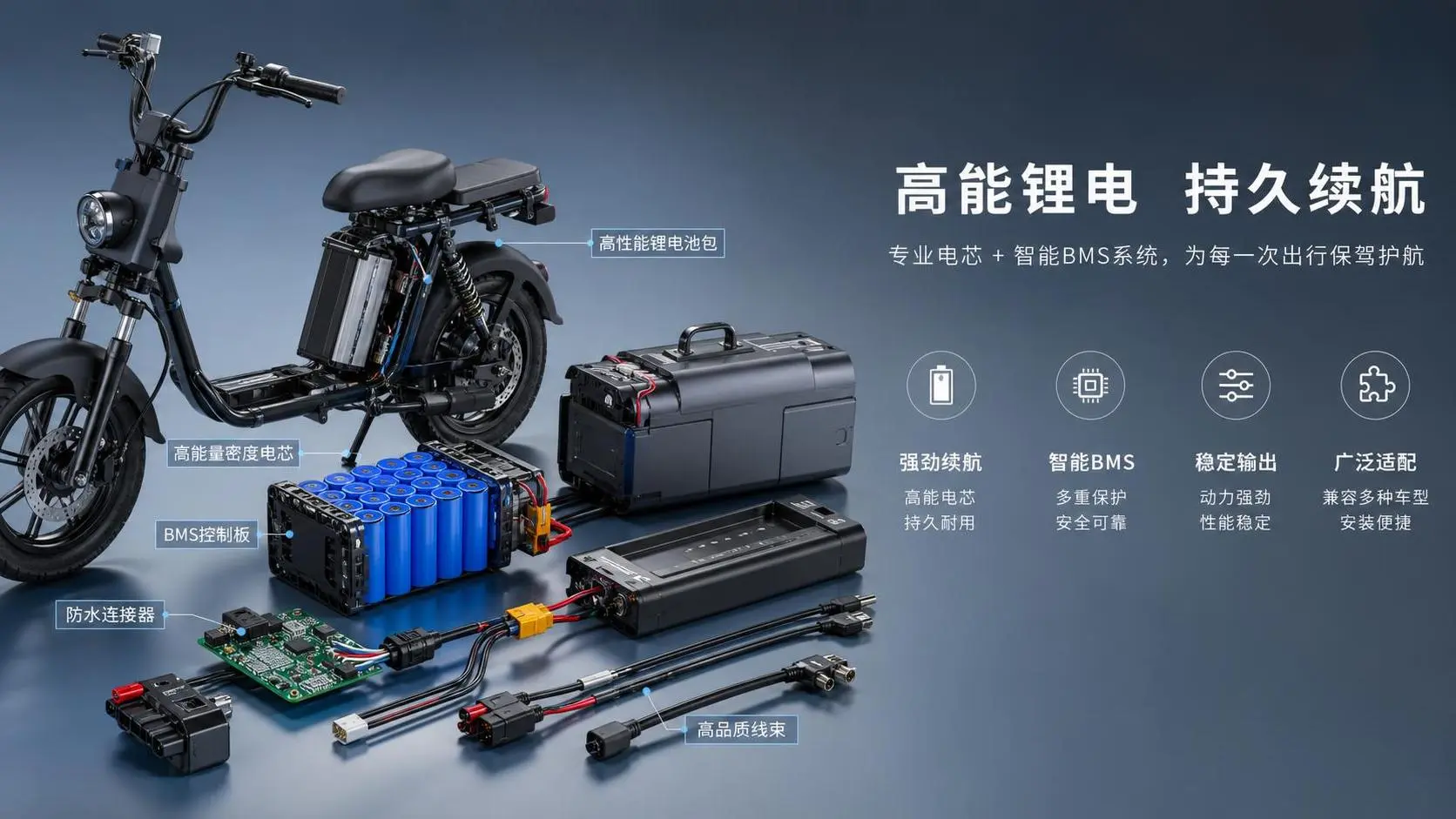
How to Select the Right E-Bike Battery Components for Range, Safety, and Fit?
E-bike component selection battery guide: learn how to choose the right battery components for better range, stronger safety, and perfect fit across modern e-bike platforms.
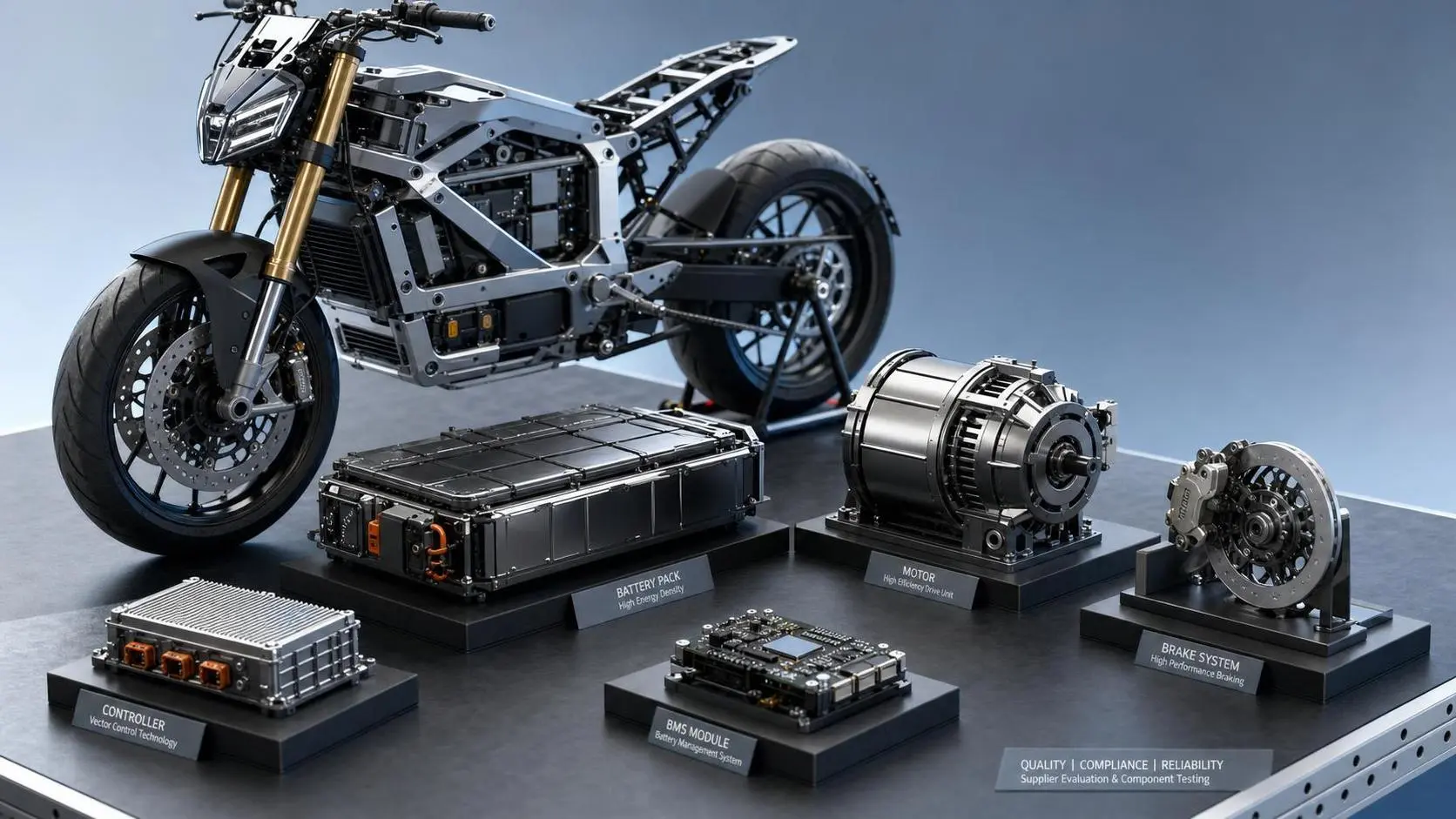
How to Evaluate Core Component Suppliers for Electric Motorcycles Before Sourcing?
Core component suppliers for electric motorcycles can make or break safety, compliance, and delivery. Learn how to assess technical strength, certifications, quality control, and hidden sourcing risks before you buy.
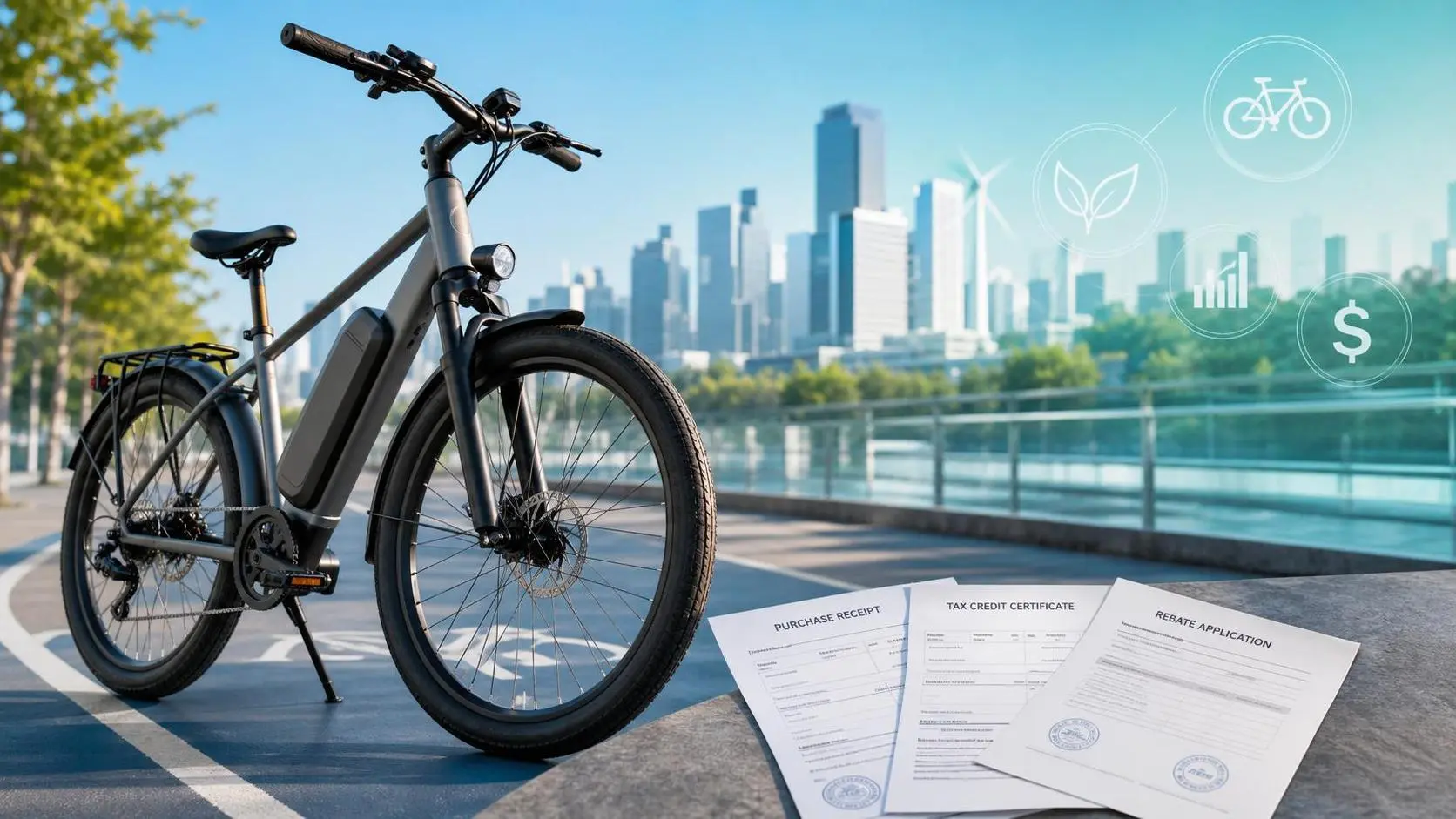
E-Bike Incentives Explained: How Riders Can Find Local Rebates and Tax Credits
E bike incentives explained: learn how to find local rebates, tax credits, and utility offers, avoid common mistakes, and cut the real cost of your next e-bike.
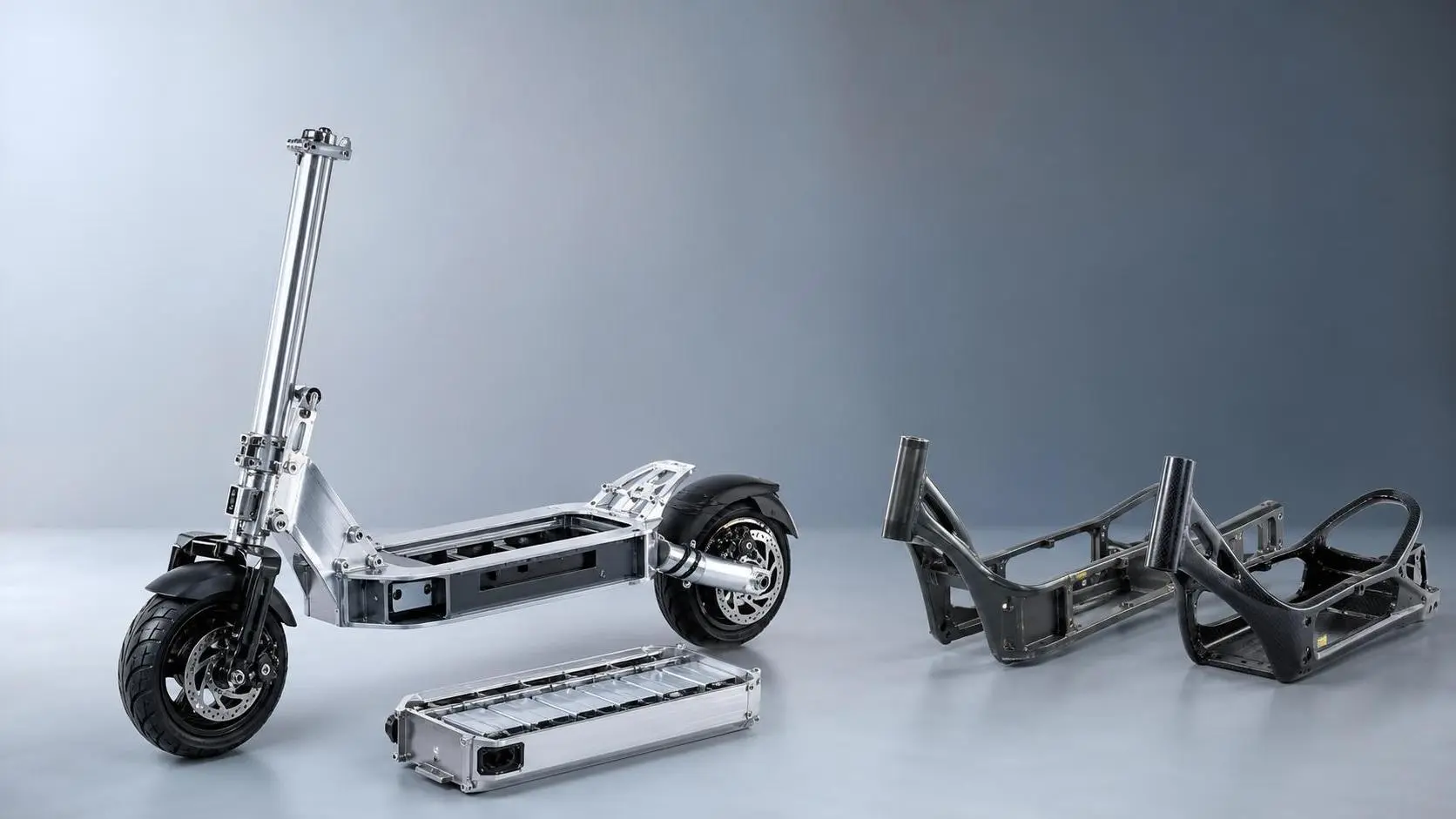
How to Choose Lightweight Scooter Frames in Europe: Materials, Standards, and Use Cases
Lightweight scooter frames Europe buyers need should balance materials, EN standards, durability, and real use cases. Discover how to choose safer, smarter, compliant frames.
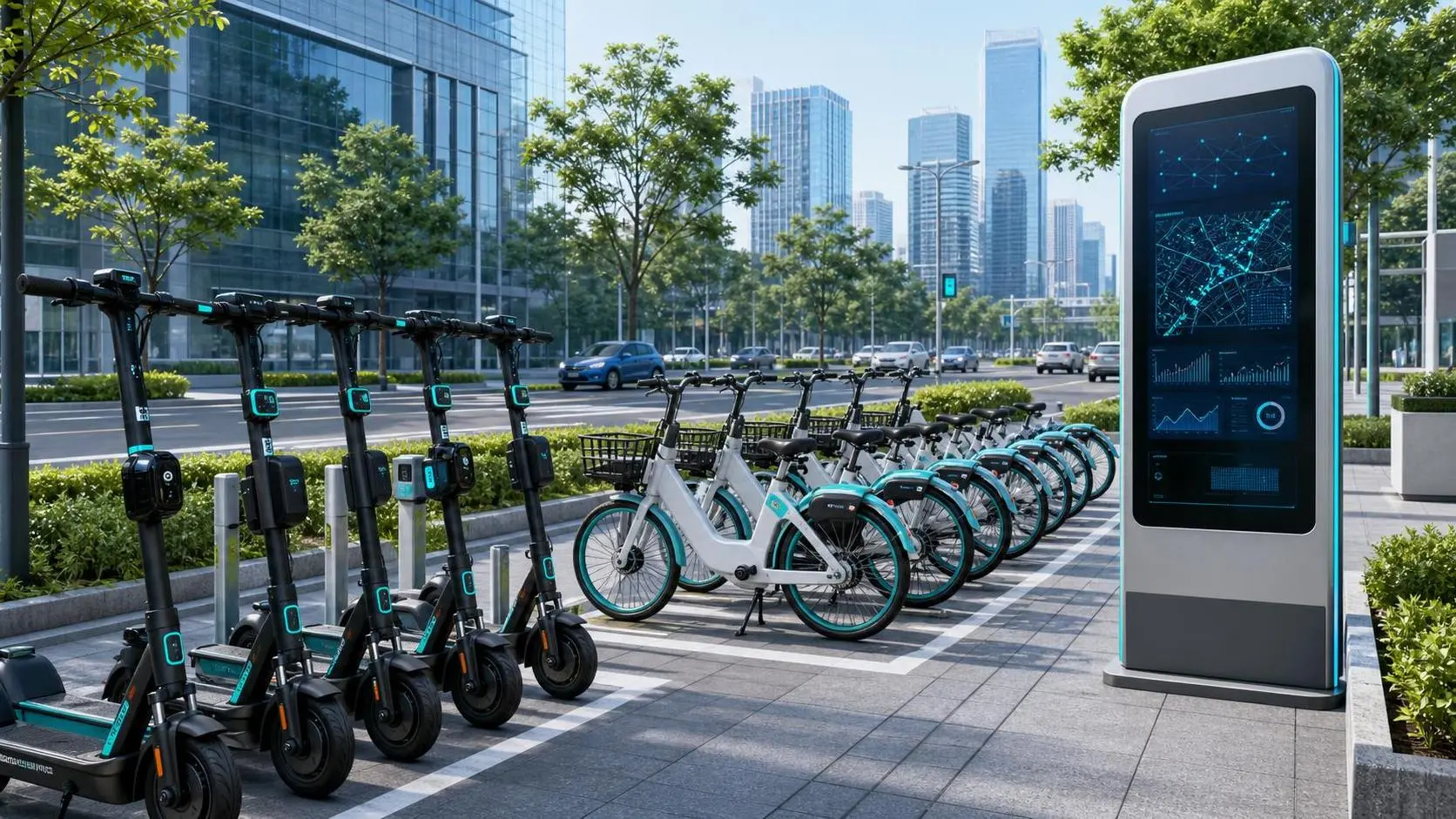
What Is the Intellectualization of Mobility Platform and How Is It Applied in Shared Fleets?
Intellectualization of mobility platform is reshaping shared fleets with real-time data, predictive maintenance, and smarter compliance—learn how it boosts safety, uptime, and urban mobility efficiency.
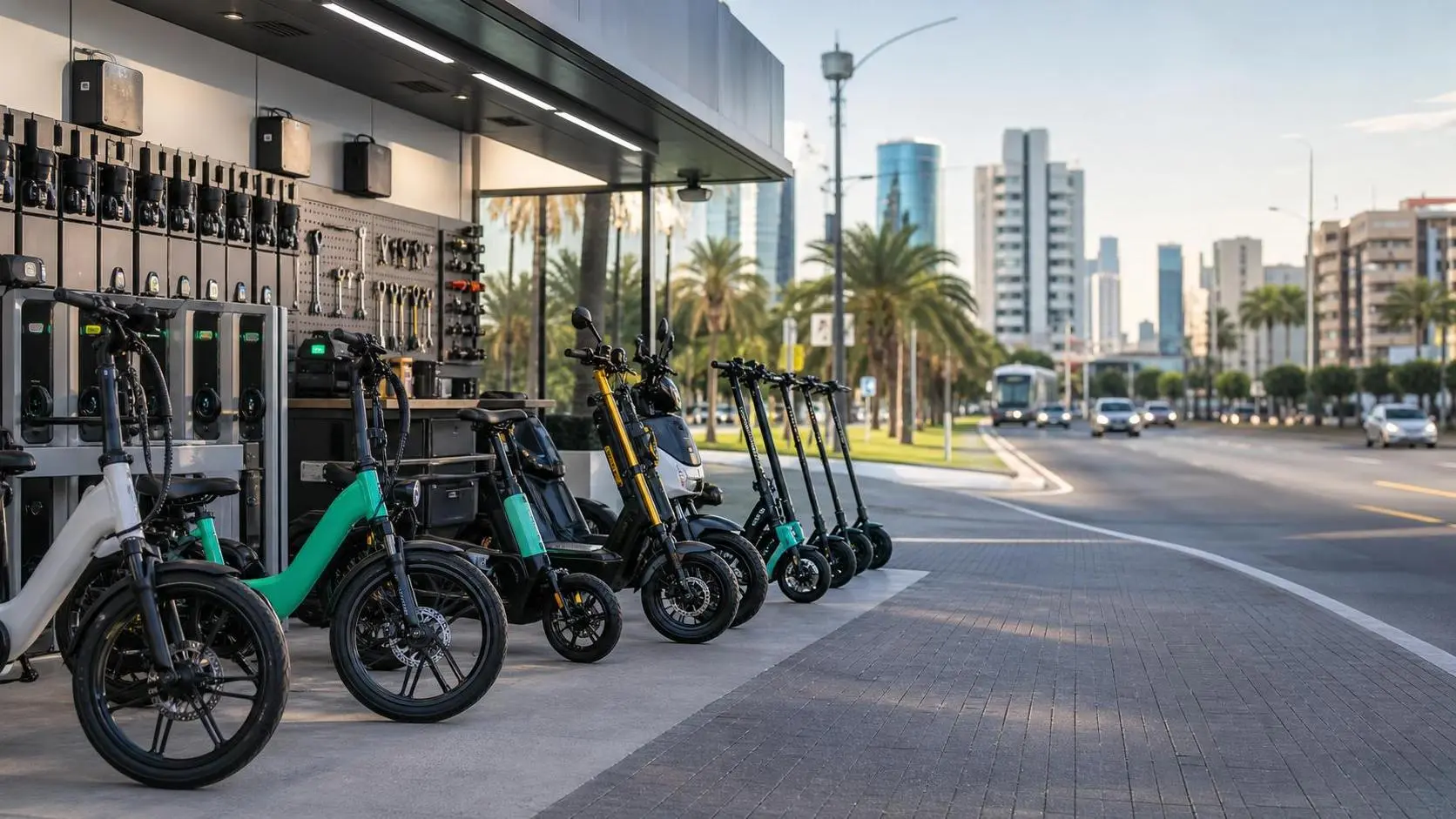
Urban Micro-Mobility Systems in Latin America: Key Market Drivers, Barriers, and Growth Segments
Urban micro-mobility systems Latin America are reshaping city transport. Explore key drivers, barriers, and high-growth segments to spot the region’s most investable opportunities.
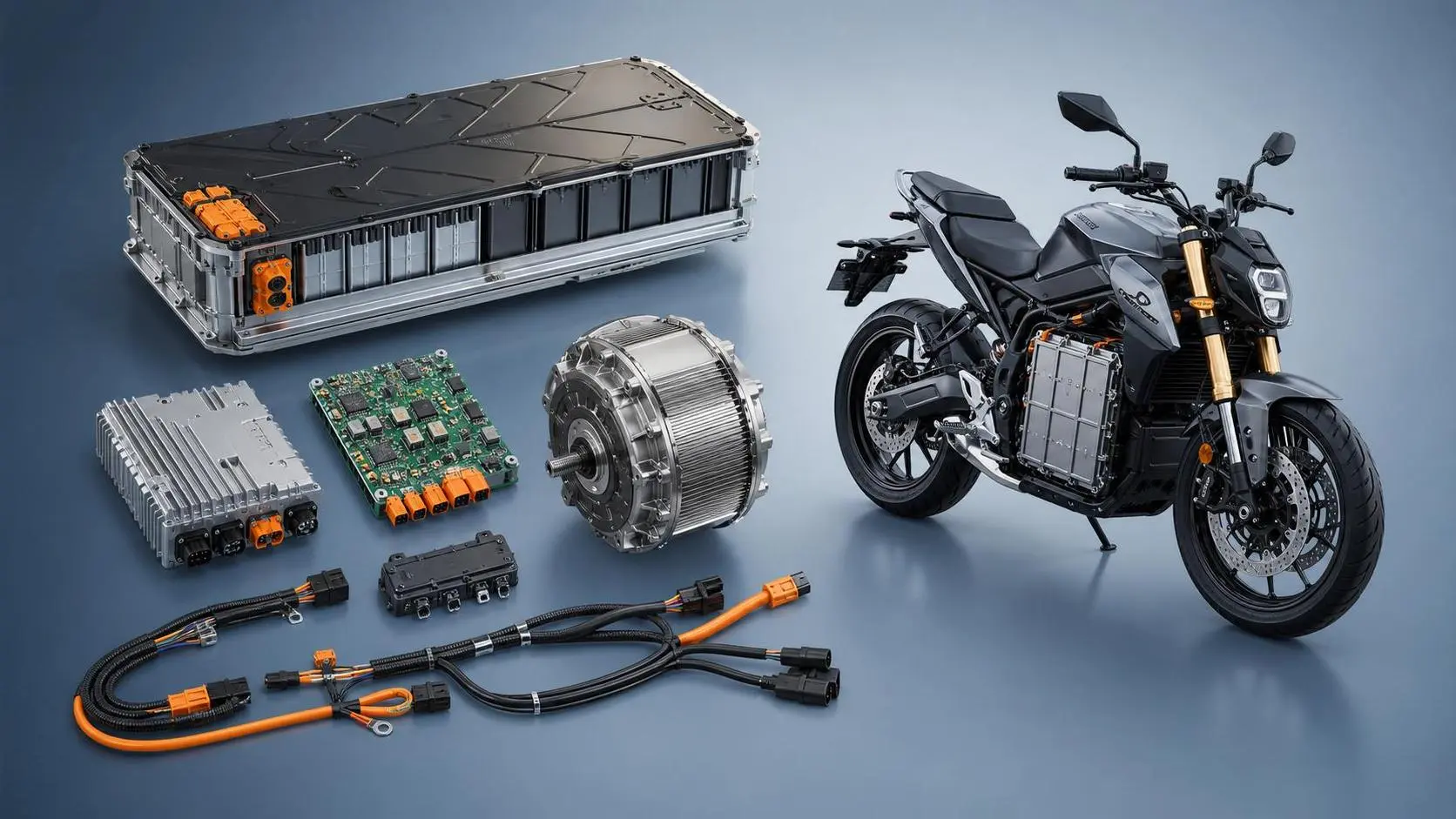
Electric Motorcycle Systems Price Breakdown: What Affects Cost From Battery to Controller?
Electric motorcycle systems price explained: see how battery, controller, motor, BMS, and wiring affect total cost, reliability, and sourcing value before you buy.
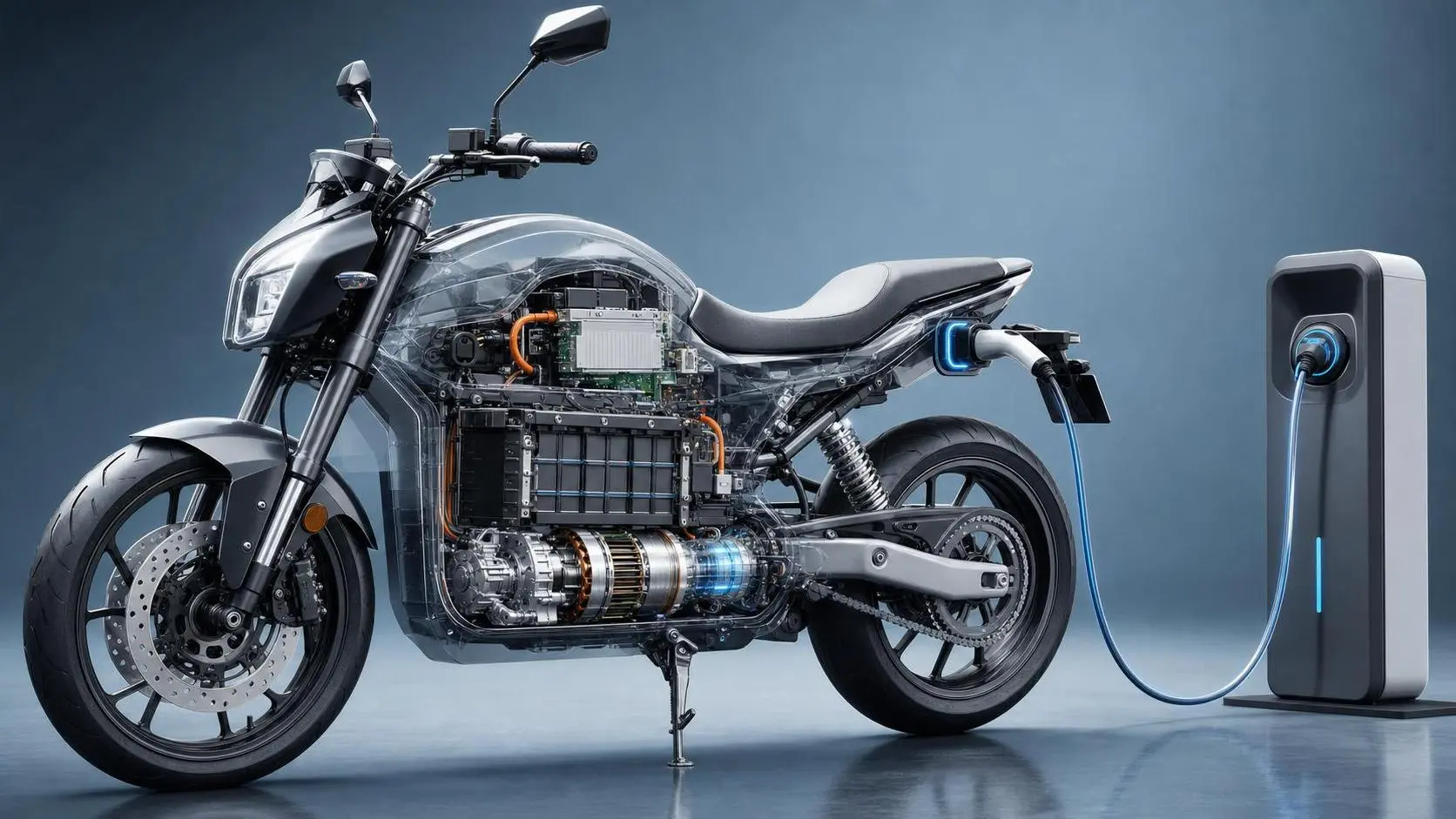
72V Electric Motorcycle Technology Explained: Motors, Controllers, Range, and Charging
Electric motorcycle technology 72V explained clearly: compare motors, controllers, range, battery design, and charging to choose a smoother, stronger, and smarter electric ride.