
Related News
- 00
0000-00
How Battery-Swapping Networks Reduce Downtime in Shared Fleet Scooter Operations - 00
0000-00
What Is the Intellectualization of Mobility Platform and How Is It Applied in Shared Fleets? - 00
0000-00
Where LED Urban Visibility Safety Systems Fit Best in Shared Scooters and City E-bikes - 00
0000-00
Green Transport Scooters for Urban Fleets: Which Specs Matter Most in Daily Use? - 00
0000-00
Micro-Mobility Solutions for Campuses: How to Choose the Right Fleet Model
Urban Transit Fellow
Weekly Insights
Stay ahead with our curated technology reports delivered every Monday.
Connected Urban Electric Mobility: What Fleet Operators Need to Track for Uptime and Safety





Connected Urban Electric Mobility: What Fleet Operators Need to Track for Uptime and Safety
In connected urban electric mobility, uptime and safety depend on more than vehicle counts on a dashboard.
The strongest fleets track battery condition, connectivity quality, hardware stress, rider behavior, and fault trends at the same time.
That is where operations move from reactive maintenance to controlled performance.
For e-bikes, smart e-scooters, and high-speed electric two-wheelers, every missed signal can turn into lost revenue or a safety incident.
A practical connected urban electric mobility strategy helps operators reduce downtime, protect users, and improve asset life without slowing expansion.
Why connected urban electric mobility needs deeper tracking
Vehicle availability alone can be misleading.
A scooter may appear ready, yet carry a weak battery cell, unstable IoT link, or brake wear close to failure.
In connected urban electric mobility, uptime means the vehicle is deployable, safe, connected, and financially efficient.
That also means data quality matters as much as hardware quality.
From recent operating shifts, the clearer signal is this: fleets that unify technical and operational data recover faster from disruption.
They also make better maintenance decisions, route field teams more accurately, and reduce repeat faults.
- They identify failures before users report them.
- They prioritize assets by risk, not by guesswork.
- They match service timing to actual component condition.
- They improve regulatory and insurance readiness.
The first metrics to watch for uptime
The foundation of connected urban electric mobility is a short list of metrics that directly affect deployment readiness.
These should be visible in one operations view, not split across disconnected systems.
1. Battery state of health, not just charge level
State of charge shows how much energy is left today.
State of health shows whether the battery can still perform tomorrow.
Operators should track cell balance, charge acceptance, thermal behavior, cycle count, and abnormal voltage spread.
In connected urban electric mobility, poor battery health is one of the fastest ways to create hidden downtime.
2. Connectivity uptime by vehicle and zone
If the vehicle cannot communicate, fleet control becomes partial at best.
Track SIM status, packet loss, GPS quality, signal stability, and firmware heartbeat intervals.
Map connectivity issues by district, parking area, and time of day.
This often reveals that the problem is local infrastructure, not vehicle hardware.
3. Mean time between failure and mean time to repair
These two metrics show how resilient the fleet really is.
Track them by model, supplier batch, subsystem, and city operating conditions.
In connected urban electric mobility, the pattern is often more useful than the single incident.
Repeated failures in one brake assembly or controller version deserve immediate attention.
4. Utilization versus service burden
High utilization is not always a success signal.
If service events rise faster than trip volume, unit economics can weaken quickly.
Track rides per vehicle, fault frequency, workshop hours, and parts replacement cost together.
Safety indicators that deserve daily attention
In connected urban electric mobility, safety risk rarely arrives as one dramatic warning.
More often, it appears as several weak signals that only make sense when combined.
Brake, tire, and suspension condition
These components shape stopping distance and vehicle stability.
Operators should monitor pad wear, tire pressure trends, vibration signatures, and shock response changes.
For high-speed units, the threshold for intervention should be tighter.
Thermal events and charging anomalies
Battery safety depends on trend recognition.
Watch fast temperature rise, repeated charge interruptions, connector heating, and unusual cooldown time.
These indicators matter across e-bikes, smart e-scooters, and electric motorcycles.
They also support safer charging policy and better battery rotation planning.
Rider behavior and misuse detection
Unsafe operation can destroy both uptime and public trust.
Track harsh braking, aggressive acceleration, curb impact, geofence breaches, tandem riding signals, and repeated crash alerts.
In connected urban electric mobility, behavior data helps separate rider abuse from design weakness.
How to build a practical monitoring framework
A strong framework should stay simple enough to operate daily.
That means choosing indicators by actionability, not by data volume.
Start with three operating layers
- Vehicle layer: battery, controller, motor, brakes, tires, sensors.
- Connectivity layer: GPS, IoT uptime, firmware, command response.
- Operations layer: dispatch, maintenance, recovery, charging, incident closure.
This structure makes connected urban electric mobility easier to manage across different vehicle classes.
Use thresholds that match field reality
Static thresholds often create alert fatigue.
A better approach uses dynamic thresholds by weather, route density, terrain, and vehicle type.
For example, battery temperature limits may need tighter controls in dense summer operations.
Assign ownership to each signal
Data without ownership rarely changes outcomes.
Each critical metric should have one responsible team, one escalation path, and one response time target.
This becomes especially important when fleets scale across cities.
A working KPI table for connected urban electric mobility
Common mistakes that weaken fleet performance
Many connected urban electric mobility programs collect huge volumes of data but still miss the operational picture.
The problem is usually not a lack of sensors.
It is a lack of decision structure.
- Tracking charge level but ignoring battery degradation.
- Reviewing incident data weekly when same-day action is needed.
- Treating all alerts equally, without severity ranking.
- Separating workshop data from telematics and rider events.
- Using one service rule for e-bikes and higher-speed vehicles.
In real operations, these gaps increase repeat repairs, slow response time, and make safety reporting harder.
Turning data into safer and more reliable operations
The goal of connected urban electric mobility is not to build the biggest dashboard.
The goal is to create faster, better decisions in the field.
That means linking every important signal to a response.
When battery health drops, service plans should adjust.
When connectivity weakens, dispatch logic should change.
When rider misuse rises, safety controls and education should tighten.
That is how connected urban electric mobility becomes more than a technology label.
It becomes an operating model for higher uptime, lower risk, and stronger long-term fleet performance.
Start with the metrics that change action first, then expand the system as reliability improves.
Related News

How to Evaluate a Brushless Wiper Motor Supplier for OEM Quality and Lead Time
Brushless wiper motor supplier selection made easier: learn how to assess OEM quality, engineering support, compliance, and lead time to reduce sourcing risk.

How Do Photoelectric Wiper Sensors Work and Where Are They Most Effective?
Photoelectric wiper sensors explained: learn how they detect rain, reduce false triggers, and deliver the best visibility gains in urban EVs, e-bikes, fleets, and smart mobility.

How Battery-Swapping Networks Reduce Downtime in Shared Fleet Scooter Operations
Battery-swapping networks cut scooter fleet downtime by speeding field turnaround, improving uptime in peak zones, and helping operators optimize labor, battery rotation, and service efficiency.
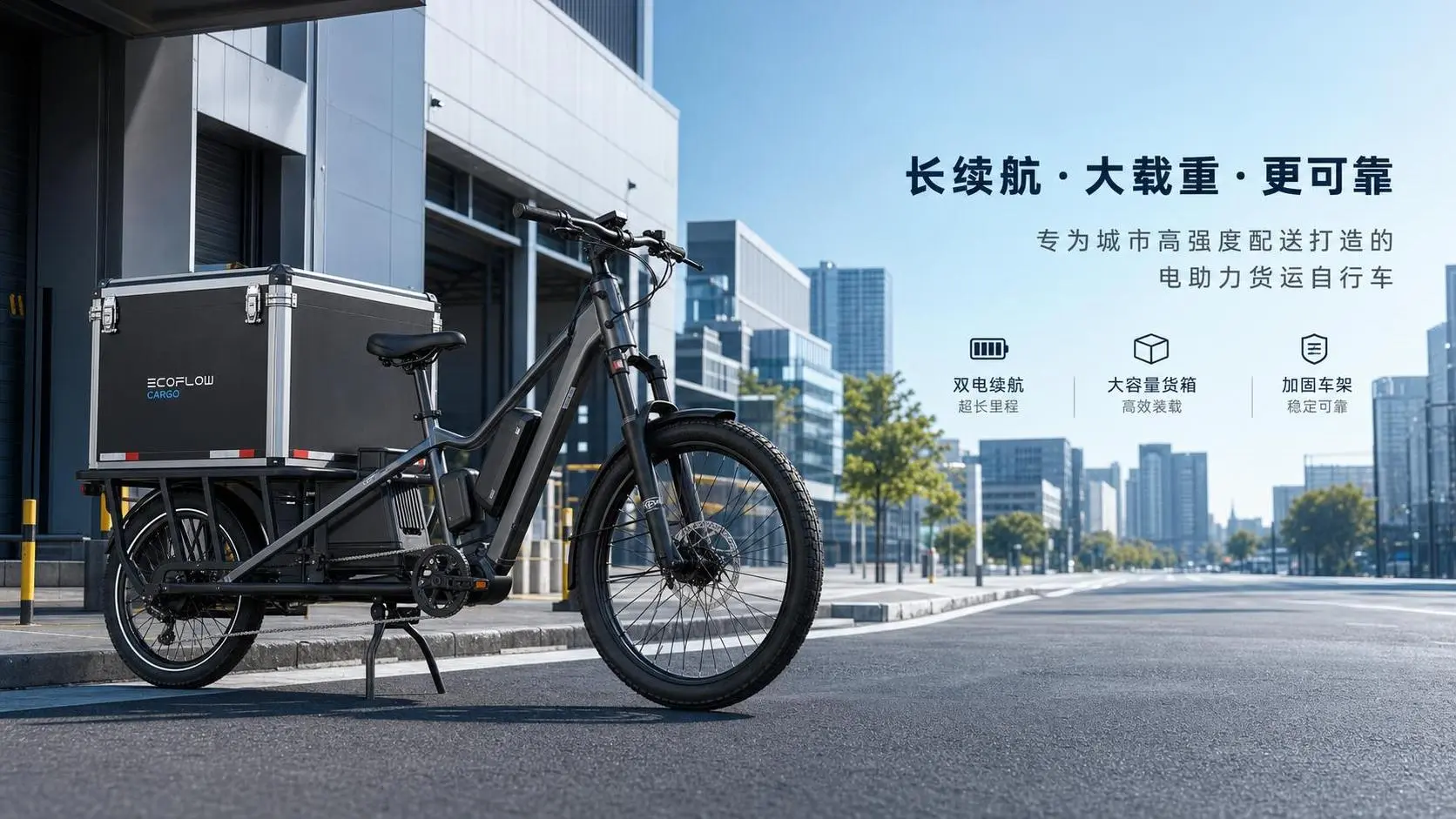
How to Choose a Long-Range Commercial Cargo E-Bike for Delivery Operations
Commercial cargo e-bike long range buying guide: learn how to assess battery, payload, route fit, and uptime support to choose a reliable delivery model with lower operating costs.
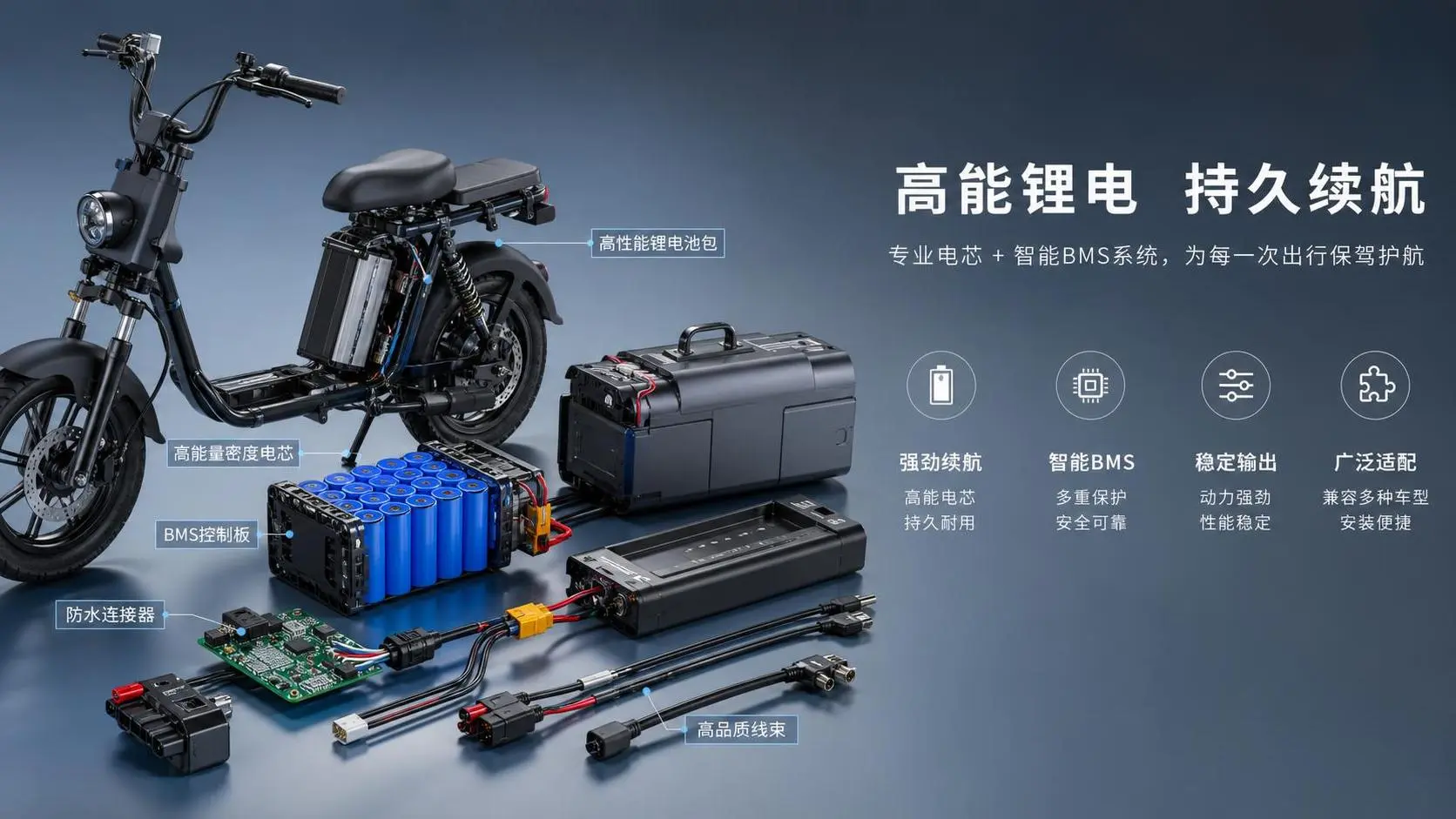
How to Select the Right E-Bike Battery Components for Range, Safety, and Fit?
E-bike component selection battery guide: learn how to choose the right battery components for better range, stronger safety, and perfect fit across modern e-bike platforms.

How to Evaluate Core Component Suppliers for Electric Motorcycles Before Sourcing?
Core component suppliers for electric motorcycles can make or break safety, compliance, and delivery. Learn how to assess technical strength, certifications, quality control, and hidden sourcing risks before you buy.

E-Bike Incentives Explained: How Riders Can Find Local Rebates and Tax Credits
E bike incentives explained: learn how to find local rebates, tax credits, and utility offers, avoid common mistakes, and cut the real cost of your next e-bike.
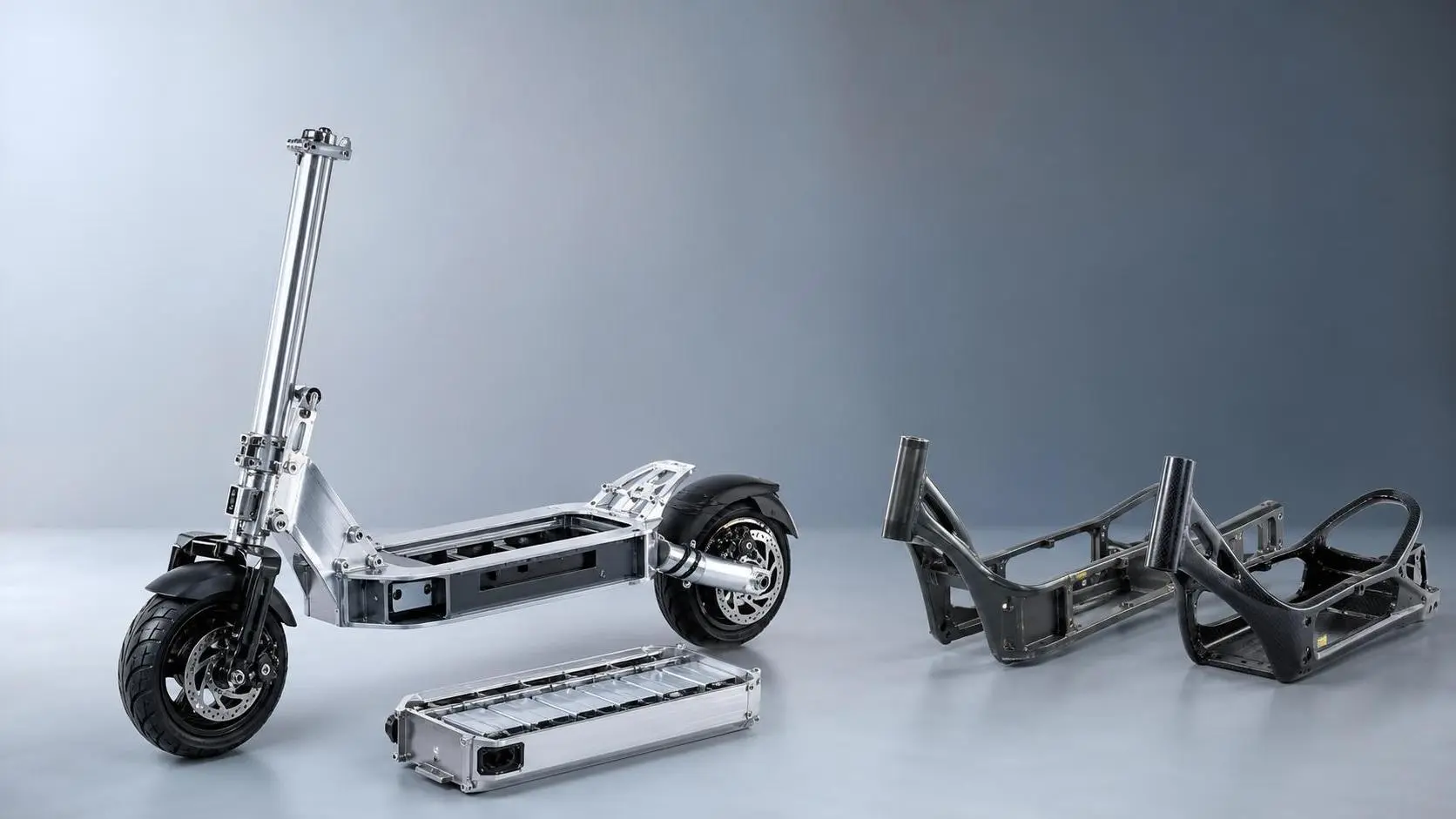
How to Choose Lightweight Scooter Frames in Europe: Materials, Standards, and Use Cases
Lightweight scooter frames Europe buyers need should balance materials, EN standards, durability, and real use cases. Discover how to choose safer, smarter, compliant frames.
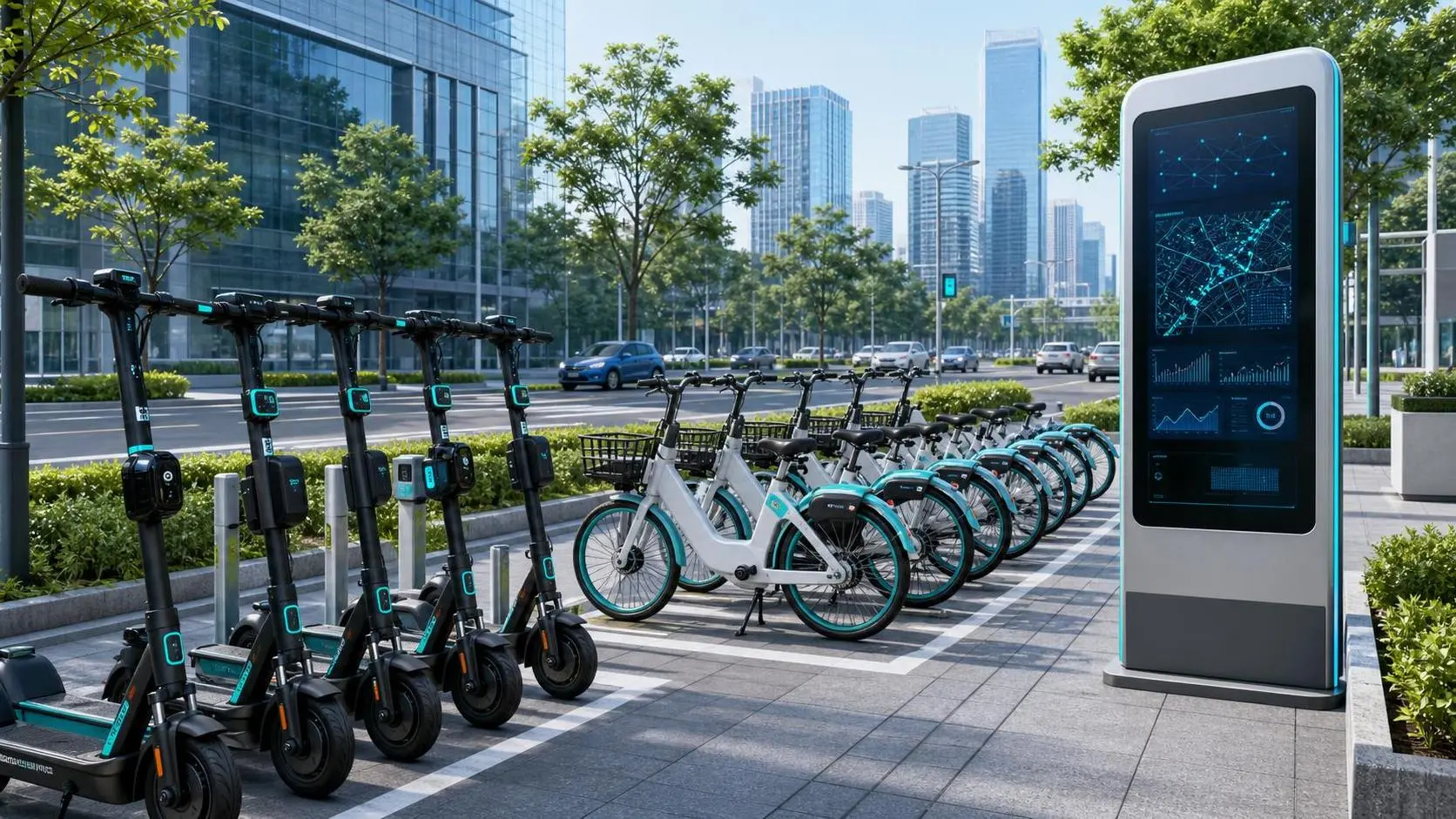
What Is the Intellectualization of Mobility Platform and How Is It Applied in Shared Fleets?
Intellectualization of mobility platform is reshaping shared fleets with real-time data, predictive maintenance, and smarter compliance—learn how it boosts safety, uptime, and urban mobility efficiency.