
Related News
- 00
0000-00
How Battery-Swapping Networks Reduce Downtime in Shared Fleet Scooter Operations - 00
0000-00
What Is the Intellectualization of Mobility Platform and How Is It Applied in Shared Fleets? - 00
0000-00
Where LED Urban Visibility Safety Systems Fit Best in Shared Scooters and City E-bikes - 00
0000-00
Green Transport Scooters for Urban Fleets: Which Specs Matter Most in Daily Use? - 00
0000-00
Micro-Mobility Solutions for Campuses: How to Choose the Right Fleet Model
Urban Transit Fellow
Weekly Insights
Stay ahead with our curated technology reports delivered every Monday.
Shared Mobility vs Ownership: Which Model Fits Dense Urban Commuting Better?





Dense cities turn commuting into a daily test of space, time, and infrastructure. In that setting, shared mobility and private ownership are not simply lifestyle choices. They represent two different operating logics for moving people through crowded corridors, especially across the e-bike, smart e-scooter, and electric two-wheeler segments that now define urban micro-mobility.
For decision-making around urban transport, the more useful question is not which model looks better in theory. It is which one performs better under real pressure: peak-hour demand, limited parking, shifting regulation, battery service constraints, and changing rider expectations. That is where the comparison becomes commercially meaningful.
Why this comparison matters now
Urban congestion, decarbonization targets, and the electrification of two-wheelers have pushed micro-mobility into the center of transport planning. At the same time, city authorities are becoming more selective about curb access, fleet permits, safety rules, and data reporting.
That makes the debate around shared mobility more strategic than it was a few years ago. It now affects fleet economics, charging models, component demand, software integration, and the long-term role of public-private mobility systems.
This is also where UMMS provides relevant context. Its coverage of e-bikes, smart e-scooters, high-speed e-motorcycles, and precision drivetrain components shows that commuting performance depends not only on vehicle availability, but also on battery logic, transmission efficiency, IoT reliability, and local policy alignment.
Two models, two forms of value
Shared mobility is built around access instead of possession. Riders pay for availability when needed, while operators manage procurement, maintenance, charging, repositioning, and software control across a fleet.
Ownership works differently. The user controls vehicle condition, storage, charging, and route habits. The cost burden is higher upfront, but repeat usage can become more economical when demand is frequent and predictable.
In dense urban commuting, both models solve real problems. Shared mobility reduces entry barriers and supports flexible trips. Ownership improves consistency, familiarity, and schedule certainty. The better fit depends on how density interacts with trip frequency and street conditions.
A practical comparison lens
Where shared mobility performs best
Shared mobility tends to outperform ownership in short, fragmented, and irregular urban trips. This is especially true in districts where parking is scarce, transit gaps are common, and users combine walking, rail, and two-wheeled travel in one journey.
Smart e-scooters are a strong example. Their compact form, app-based access, and rapid turnover make them useful in high-density business zones where commuters value speed of pickup more than long-range comfort.
Shared mobility also gains relevance when cities want transport supply without increasing private vehicle footprint. If policy favors low-emission access while limiting curbside clutter, well-managed fleets can become a controlled extension of public mobility.
From a systems perspective, this model creates continuous demand for telematics, battery management, fleet diagnostics, and durable components. That is why intelligence around IoT modules, safety systems, and operational data matters as much as vehicle volume.
Why ownership still holds a strong position
Ownership remains highly competitive in dense commuting when routes are repetitive and daily mileage is known. E-bikes are particularly effective here because they balance range, comfort, and lower operating cost over time.
A personally owned vehicle also reduces uncertainty. There is no need to search for an available unit, compare battery levels in an app, or worry about surge pricing during peak demand. That reliability matters in tightly scheduled urban routines.
More importantly, ownership can deliver better lifecycle value when component quality is high. Precision derailleur systems, efficient motors, and robust battery architecture improve ride consistency and lower downtime. In practical terms, engineering quality becomes part of commuting economics.
This is one reason the ownership model remains resilient even as shared mobility expands. In many cities, users do not reject access-based travel. They simply reserve it for occasional use while relying on owned e-bikes or light electric vehicles for daily certainty.
The real deciding factor is urban operating context
There is no universal winner because dense urban commuting is not one uniform scenario. A central business district, a mixed residential zone, and a transit-oriented outer ring all produce different results.
In central areas with high trip turnover, shared mobility often works better. In residential districts with secure storage and stable routines, ownership usually gains the advantage. Where weather risk is significant, vehicle safety features and maintenance quality become more important than model ideology.
This is why market reading should include more than ridership totals. Fleet uptime, charging turnaround, spare-part durability, parking compliance, and battery thermal performance can shift the economic balance very quickly.
Signals worth tracking
- Permit structures for shared scooters and shared e-bikes
- Subsidies for personal electric bicycle adoption
- Battery-swapping or public charging network maturity
- Failure rates in braking, visibility, and weather protection systems
- Data requirements tied to right-of-way access and curb management
Business implications beyond the rider choice
The comparison between shared mobility and ownership is not only about user preference. It shapes revenue structure, aftermarket demand, component design priorities, and infrastructure partnerships across the mobility value chain.
For example, a city leaning toward shared mobility creates stronger demand for fleet-hardened frames, anti-tamper electronics, remote diagnostics, and operational software. A market leaning toward ownership supports premium e-bike components, battery lifespan optimization, and higher-value mechanical refinement.
UMMS follows this intersection closely because the strongest opportunities rarely come from vehicle counts alone. They come from understanding how regulation, drivetrain precision, electrification efficiency, and urban circulation patterns connect at system level.
How to judge the better model in practice
A useful assessment starts with trip structure. If commuting is short, irregular, and multimodal, shared mobility deserves serious weight. If commuting is repetitive, time-sensitive, and storage is available, ownership often creates stronger daily utility.
The next layer is operational resilience. Look at battery charging behavior, maintenance intervals, seasonal weather exposure, rider safety performance, and local enforcement intensity. These are not secondary details. They often determine whether a model scales efficiently.
Finally, compare the strategic horizon. Shared mobility may open platform and data value. Ownership may build steadier hardware demand and accessory ecosystems. The better answer depends on whether the priority is access flexibility, product margin, infrastructure leverage, or network control.
A balanced path forward
In the densest urban environments, shared mobility often wins the first-mile and last-mile argument. Ownership often wins the routine commuting argument. The most realistic future is not one replacing the other, but both models specializing by use case.
That is why the better next step is to map commuting demand against local constraints, then test where shared mobility delivers true system efficiency and where ownership delivers stronger lifecycle value. With the right lens, the comparison becomes less ideological and far more actionable.
For ongoing evaluation, it helps to follow policy shifts, component innovation, and operational intelligence together. In urban micro-mobility, the strongest decisions usually come from seeing the vehicle, the infrastructure, and the business model as one connected system.
Related News

How Do Photoelectric Wiper Sensors Work and Where Are They Most Effective?
Photoelectric wiper sensors explained: learn how they detect rain, reduce false triggers, and deliver the best visibility gains in urban EVs, e-bikes, fleets, and smart mobility.

How Battery-Swapping Networks Reduce Downtime in Shared Fleet Scooter Operations
Battery-swapping networks cut scooter fleet downtime by speeding field turnaround, improving uptime in peak zones, and helping operators optimize labor, battery rotation, and service efficiency.
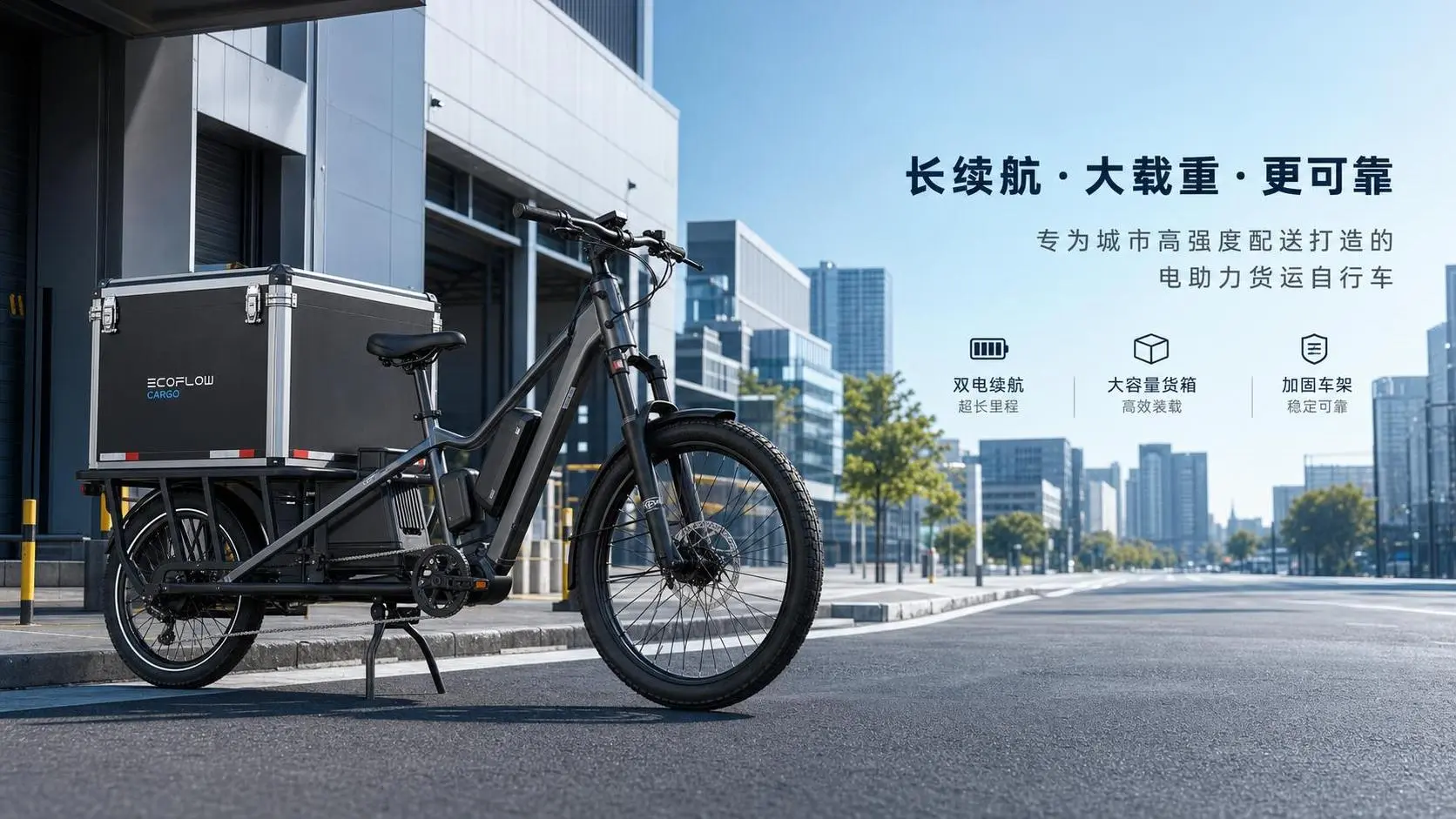
How to Choose a Long-Range Commercial Cargo E-Bike for Delivery Operations
Commercial cargo e-bike long range buying guide: learn how to assess battery, payload, route fit, and uptime support to choose a reliable delivery model with lower operating costs.
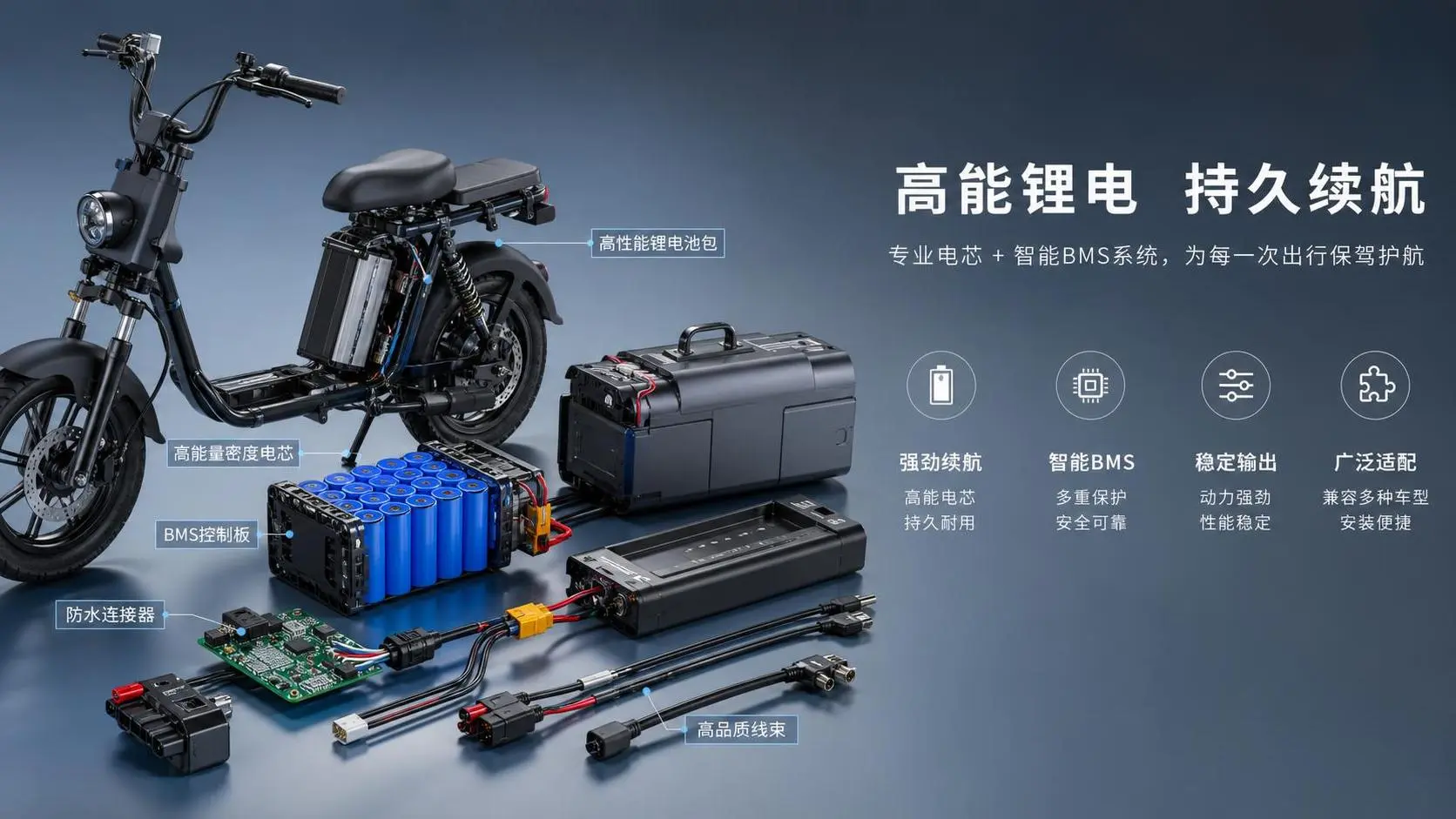
How to Select the Right E-Bike Battery Components for Range, Safety, and Fit?
E-bike component selection battery guide: learn how to choose the right battery components for better range, stronger safety, and perfect fit across modern e-bike platforms.

How to Evaluate Core Component Suppliers for Electric Motorcycles Before Sourcing?
Core component suppliers for electric motorcycles can make or break safety, compliance, and delivery. Learn how to assess technical strength, certifications, quality control, and hidden sourcing risks before you buy.
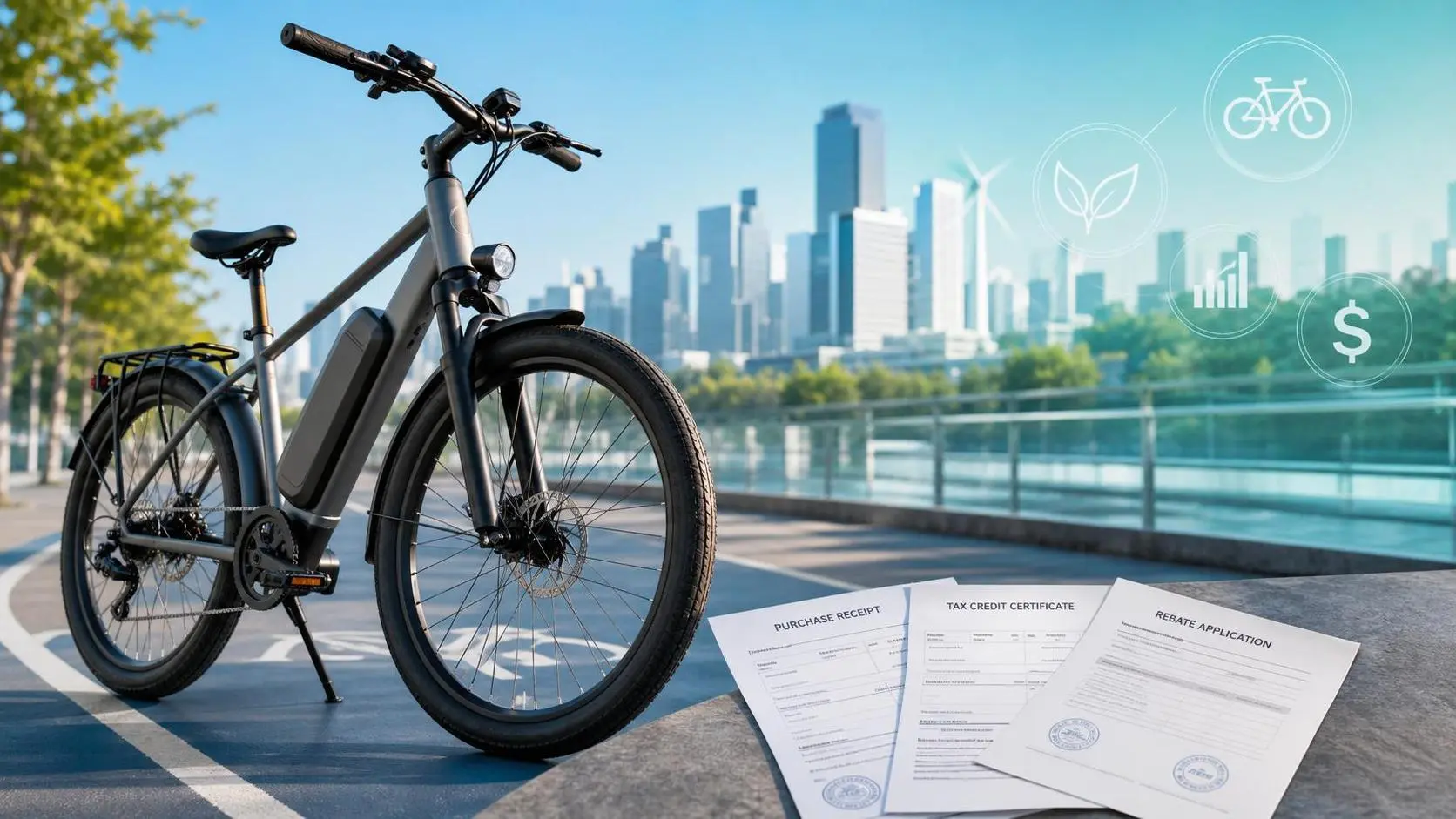
E-Bike Incentives Explained: How Riders Can Find Local Rebates and Tax Credits
E bike incentives explained: learn how to find local rebates, tax credits, and utility offers, avoid common mistakes, and cut the real cost of your next e-bike.
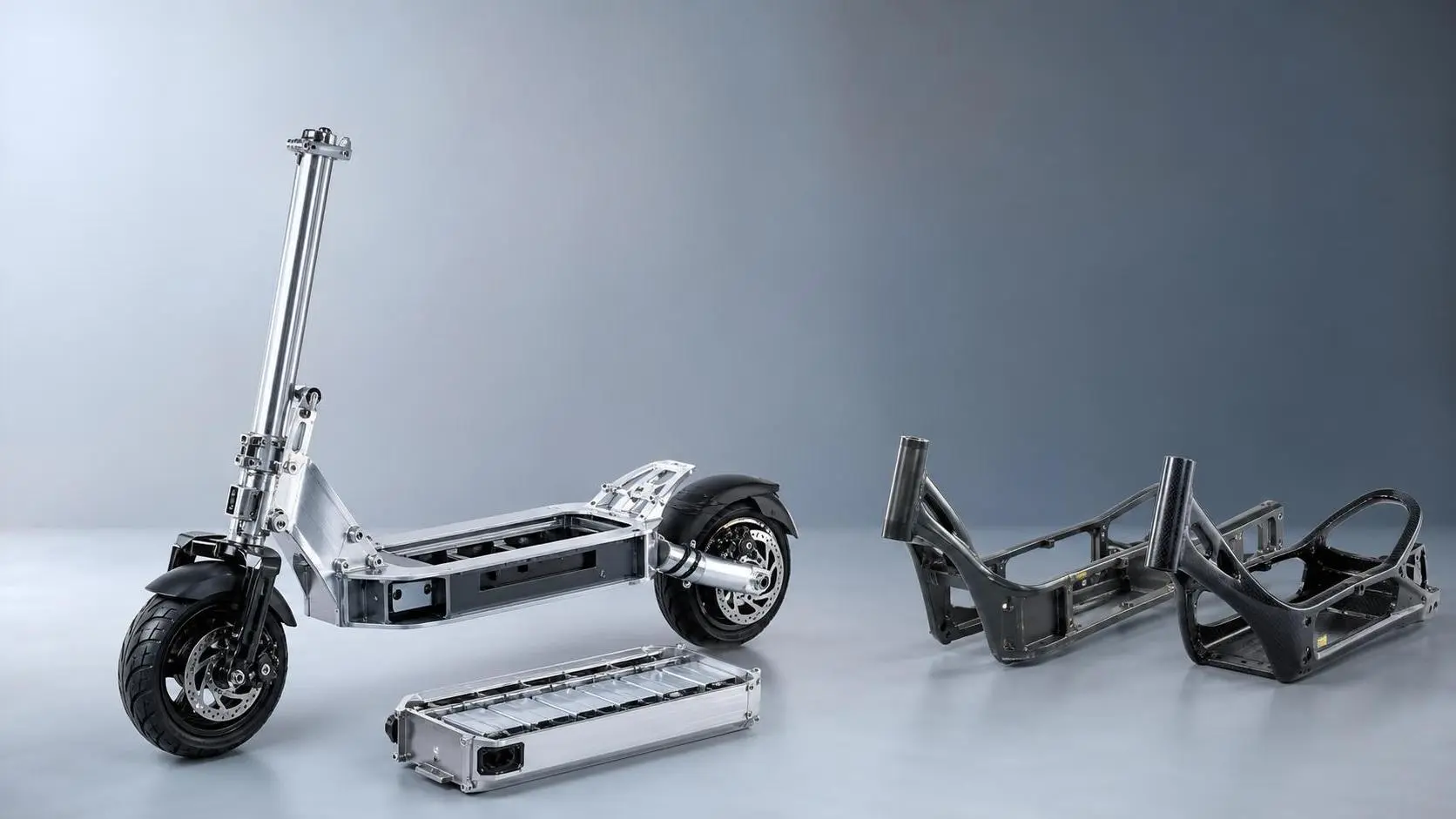
How to Choose Lightweight Scooter Frames in Europe: Materials, Standards, and Use Cases
Lightweight scooter frames Europe buyers need should balance materials, EN standards, durability, and real use cases. Discover how to choose safer, smarter, compliant frames.
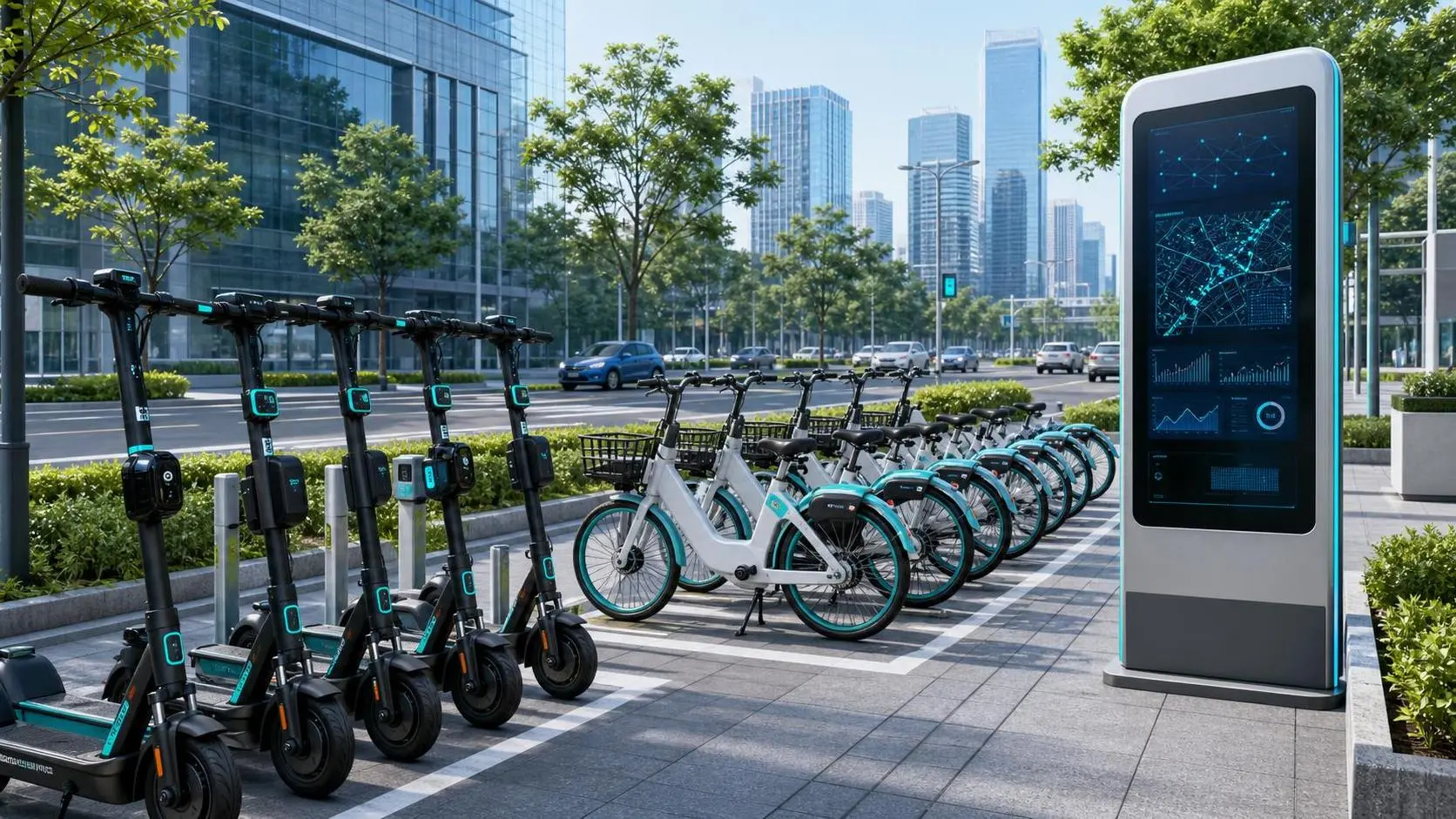
What Is the Intellectualization of Mobility Platform and How Is It Applied in Shared Fleets?
Intellectualization of mobility platform is reshaping shared fleets with real-time data, predictive maintenance, and smarter compliance—learn how it boosts safety, uptime, and urban mobility efficiency.
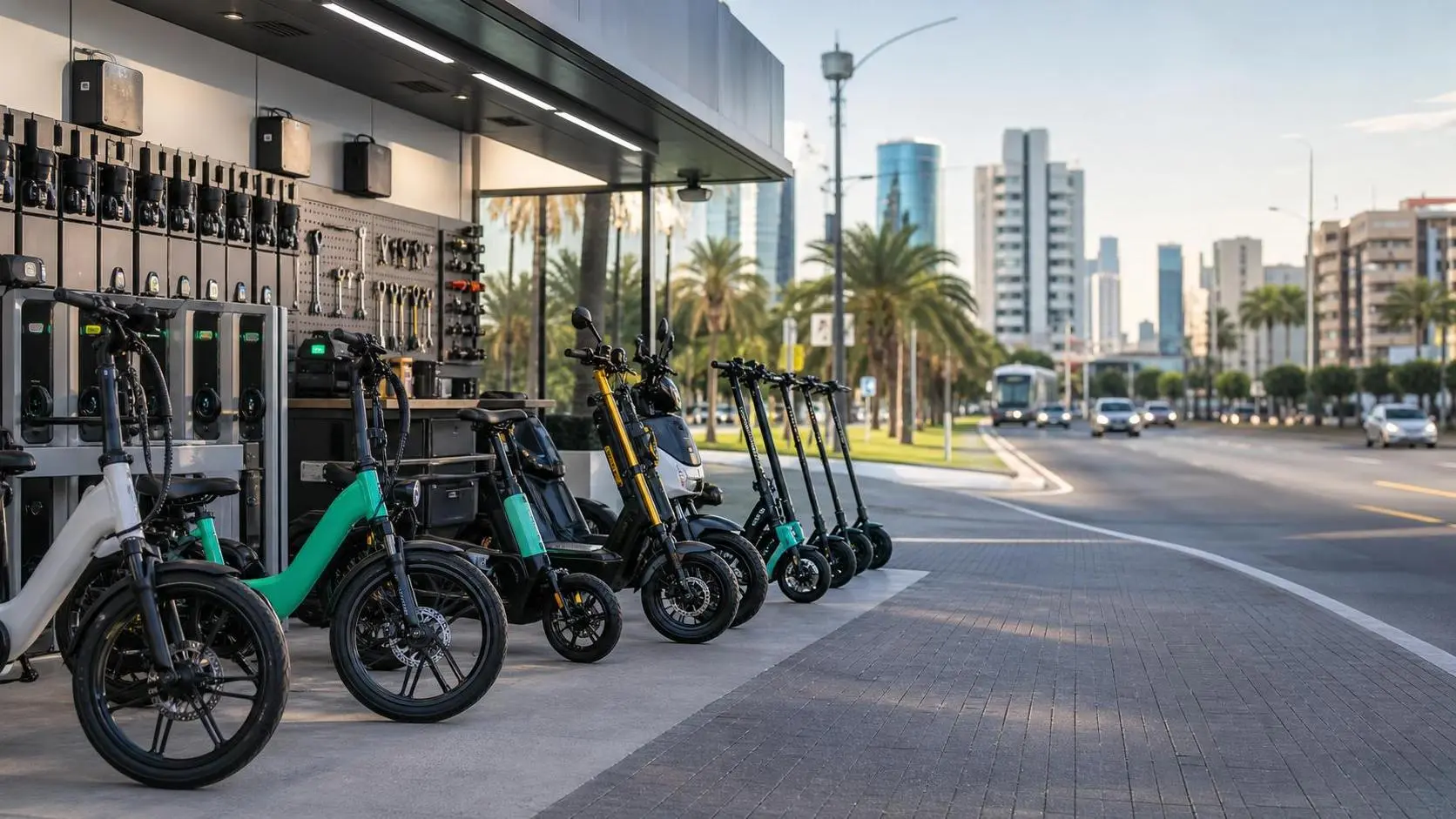
Urban Micro-Mobility Systems in Latin America: Key Market Drivers, Barriers, and Growth Segments
Urban micro-mobility systems Latin America are reshaping city transport. Explore key drivers, barriers, and high-growth segments to spot the region’s most investable opportunities.