
Related News
- 00
0000-00
What Is the Intellectualization of Mobility Platform and How Is It Applied in Shared Fleets? - 00
0000-00
Where LED Urban Visibility Safety Systems Fit Best in Shared Scooters and City E-bikes - 00
0000-00
Green Transport Scooters for Urban Fleets: Which Specs Matter Most in Daily Use? - 00
0000-00
Micro-Mobility Solutions for Campuses: How to Choose the Right Fleet Model - 00
0000-00
Smart Battery Solutions for Shared Fleets: What Reduces Downtime and Maintenance Costs?
Urban Transit Fellow
Weekly Insights
Stay ahead with our curated technology reports delivered every Monday.
How interconnection of two-wheelers improves fleet safety





Interconnection of Two-Wheelers Is Redefining Fleet Safety
In an era of rapid urban micro-mobility growth, the interconnection of two-wheelers is becoming a critical factor in fleet safety.
Connected e-bikes, e-scooters, and e-motorcycles create real-time visibility across vehicles, batteries, riders, and service cycles.
This visibility helps detect risk earlier, reduce breakdowns, and support more controlled operations in dense urban environments.
For the broader mobility ecosystem, the interconnection of two-wheelers is no longer a premium feature.
It is quickly becoming a baseline safety capability for fleet resilience, compliance, and scalable service quality.
Urban Fleets Are Entering a More Connected Safety Phase
Micro-mobility fleets now operate under tighter public scrutiny, higher asset density, and stronger expectations for incident prevention.
A disconnected fleet often sees fragmented maintenance records, delayed fault reporting, and weak understanding of usage conditions.
That model is increasingly unsustainable when vehicles are shared, electrified, and exposed to varied weather, roads, and charging behaviors.
The interconnection of two-wheelers changes this operating model by linking sensors, controllers, batteries, telematics, and cloud dashboards.
Instead of reacting after an incident, operators can monitor warning signals while the vehicle remains in service.
This trend is especially relevant across e-bike fleets, smart e-scooters, and high-speed e-motorcycles used in urban circulation.
Key trend signals visible across the market
- Battery incidents are drawing more attention than simple mechanical failures.
- Fleet uptime now depends on data quality as much as hardware quality.
- Cities and insurers increasingly expect traceable safety records.
- Software updates are becoming part of routine risk control.
- Rider behavior analytics are influencing maintenance and training strategies.
Why the Interconnection of Two-Wheelers Is Accelerating
Several forces are pushing connected fleet safety from optional innovation to practical necessity.
These forces combine technical progress, regulatory pressure, urban complexity, and the economics of asset protection.
The interconnection of two-wheelers also fits wider smart city priorities.
Connected assets support cleaner mobility while producing operational intelligence that improves safety and resource use.
Connected Safety Moves from Vehicle-Level to Fleet-Level Intelligence
Traditional safety checks focus on the condition of a single vehicle at a single moment.
The interconnection of two-wheelers adds context across time, routes, rider patterns, and component behavior.
That shift matters because many failures are not isolated events.
They build slowly through repeated stress, poor charging habits, water exposure, vibration, or ignored fault codes.
What connected fleets can monitor more effectively
- Battery temperature, voltage imbalance, and charging anomalies.
- Motor stress, controller faults, and abnormal power draw.
- Brake wear trends and sudden deceleration patterns.
- Tire pressure status where smart sensing is available.
- Crash indicators, tipping events, and severe vibration exposure.
- Location-based risk clusters such as potholes, slopes, or frequent collision zones.
This is where the interconnection of two-wheelers improves fleet safety most clearly.
It turns scattered technical data into preventive action before safety performance drops.
The Impact Reaches Maintenance, Operations, and Governance
The benefits of connected fleets are not limited to vehicle diagnostics.
The interconnection of two-wheelers influences how maintenance, dispatch, compliance, and incident response are organized.
Maintenance becomes predictive rather than periodic
Static service intervals often miss real-world stress differences between vehicles.
Connected data allows maintenance timing to reflect usage intensity, route severity, and component health signals.
Operations gain faster visibility during incidents
If a crash, overheating event, or sudden shutdown occurs, teams can assess context quickly through live records.
That supports faster recovery decisions and better root-cause investigation.
Governance becomes more evidence-based
Digital histories help identify recurring fault families, risky locations, and supplier-level consistency issues.
This is essential for scaling safe fleets across cities and service models.
What Deserves Immediate Attention in Connected Two-Wheeler Safety
Not every data point improves safety.
The interconnection of two-wheelers works best when attention stays focused on high-value, decision-ready signals.
- Battery health thresholds should trigger action before thermal instability appears.
- Fault prioritization rules should separate critical alerts from minor noise.
- Firmware and software updates need validation and traceability.
- Water ingress and corrosion signals matter in high-use outdoor fleets.
- Crash data should connect with post-event inspection workflows.
- Location intelligence should guide geofencing and route risk controls.
- Cybersecurity must protect connected control units and telematics channels.
These priorities are especially relevant for UMMS-covered segments, including smart e-scooters and high-speed electric motorcycles.
In these categories, performance density increases the cost of hidden technical weakness.
A Practical Response Framework for Safer Connected Fleets
A structured response helps translate connectivity into measurable safety results.
The interconnection of two-wheelers should be treated as an operational safety system, not just a tracking feature.
That mindset helps organizations prioritize quality data, usable dashboards, and disciplined follow-through.
The Next Step Is Building Safety Intelligence, Not Just Connectivity
The next phase of fleet safety will depend less on adding more devices and more on improving interpretation.
The interconnection of two-wheelers creates value when data becomes foresight, intervention, and better design decisions.
Organizations should start by identifying the few safety indicators that predict failure most reliably.
Then they should connect those indicators to maintenance action, software governance, and route-level risk control.
For urban micro-mobility, safer fleets will belong to those that combine electrification, interconnection, and disciplined operational intelligence.
That is where the interconnection of two-wheelers moves from a technical trend to a decisive fleet safety advantage.
Related News
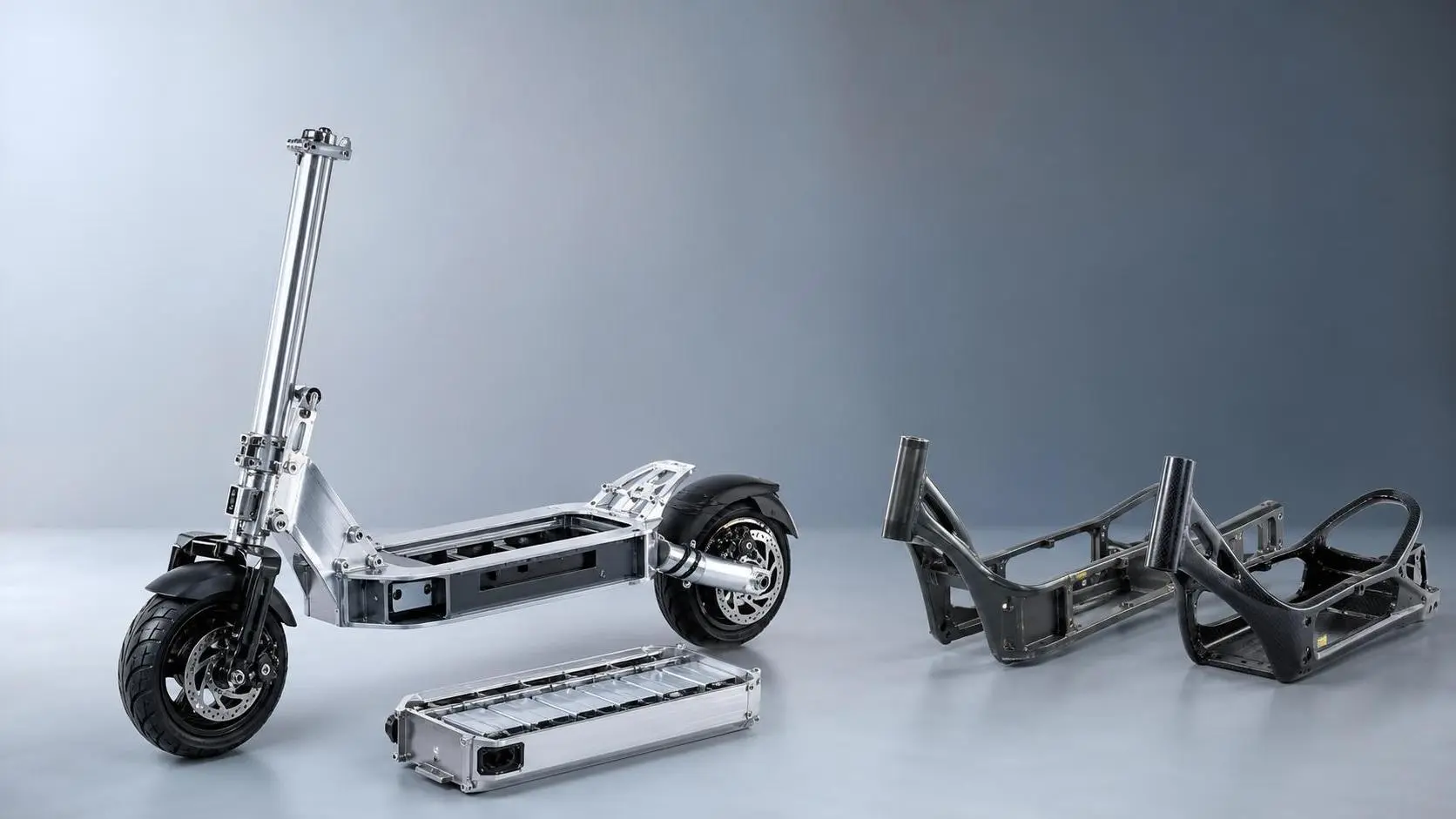
How to Choose Lightweight Scooter Frames in Europe: Materials, Standards, and Use Cases
Lightweight scooter frames Europe buyers need should balance materials, EN standards, durability, and real use cases. Discover how to choose safer, smarter, compliant frames.
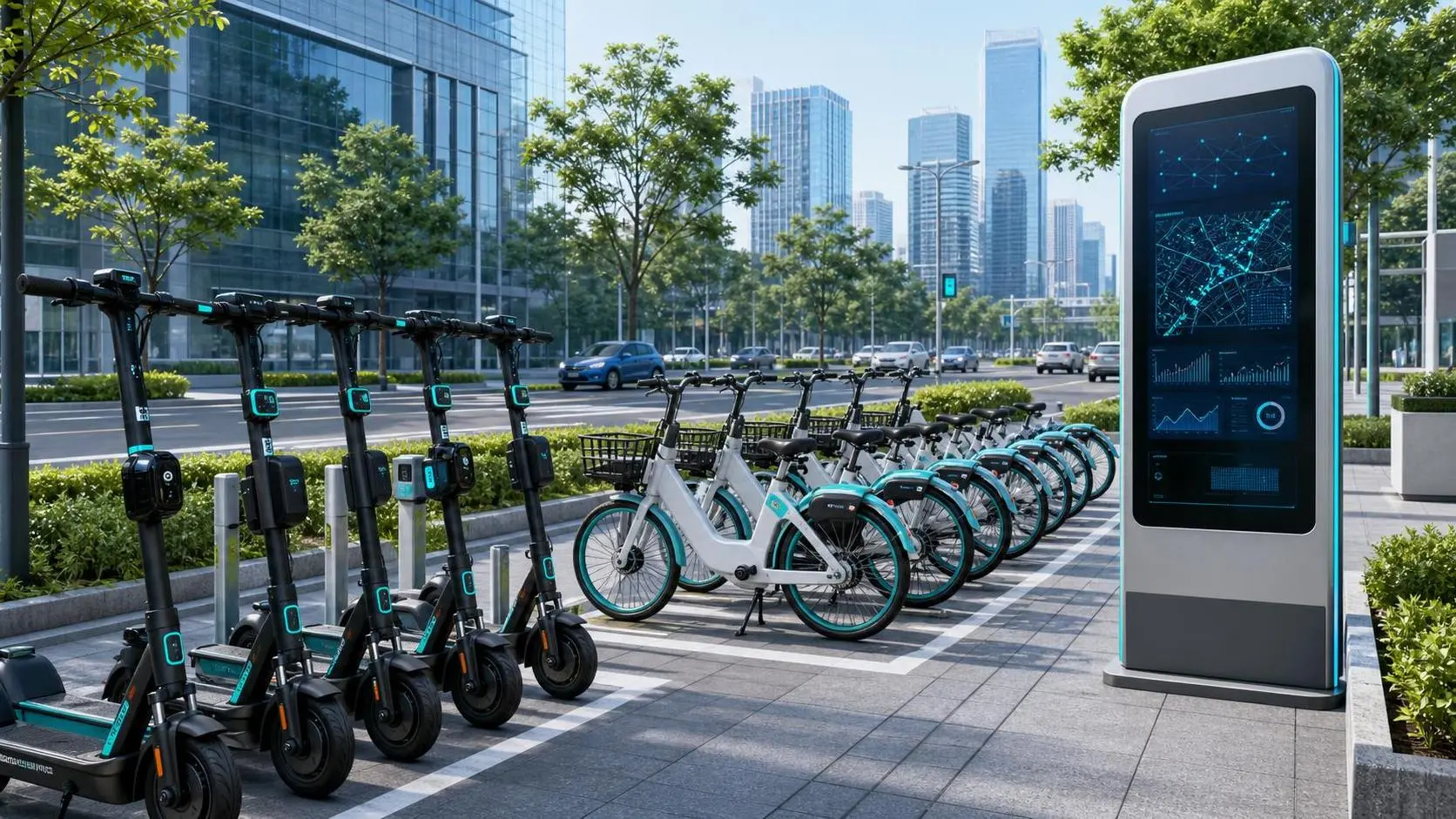
What Is the Intellectualization of Mobility Platform and How Is It Applied in Shared Fleets?
Intellectualization of mobility platform is reshaping shared fleets with real-time data, predictive maintenance, and smarter compliance—learn how it boosts safety, uptime, and urban mobility efficiency.
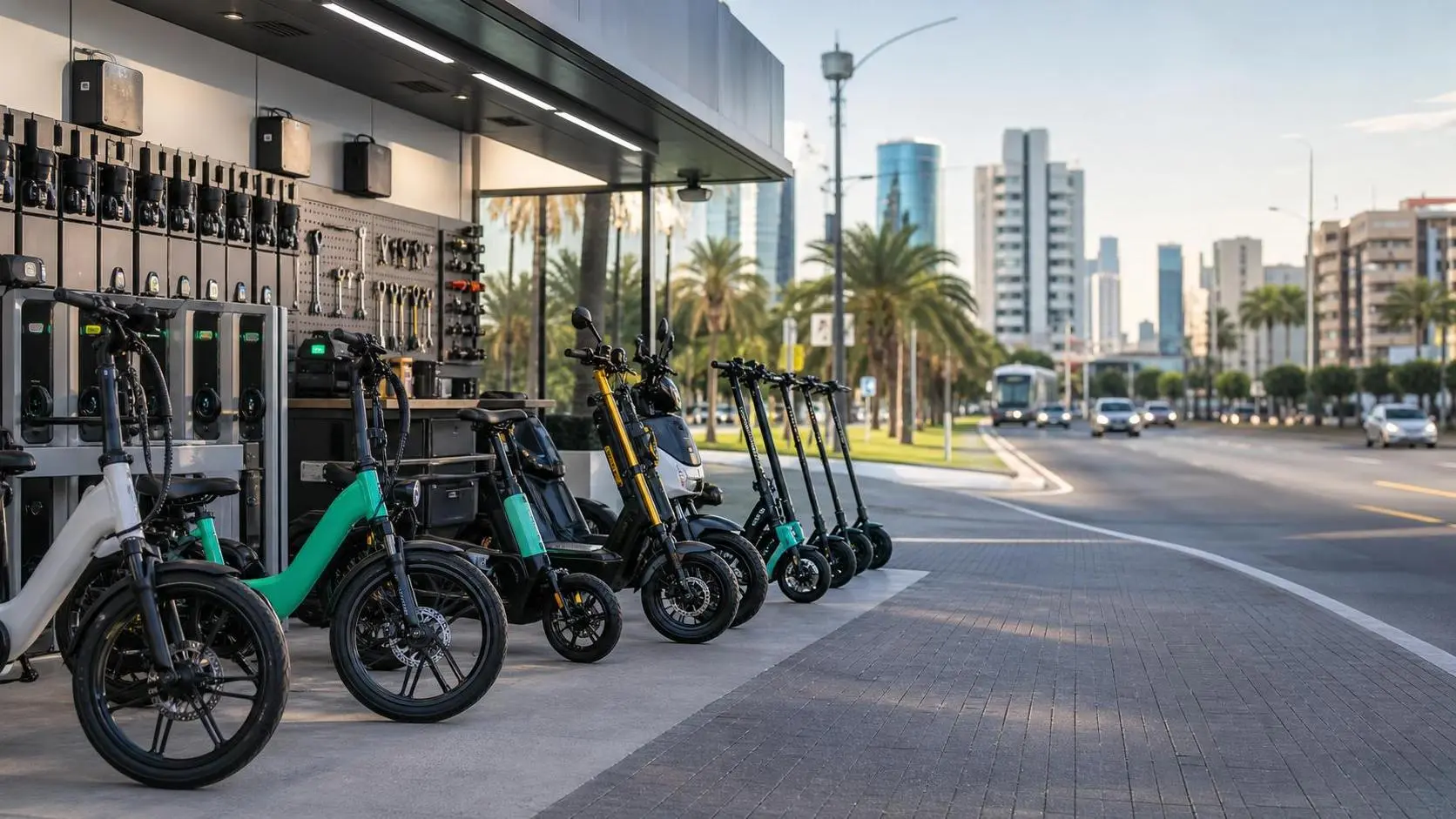
Urban Micro-Mobility Systems in Latin America: Key Market Drivers, Barriers, and Growth Segments
Urban micro-mobility systems Latin America are reshaping city transport. Explore key drivers, barriers, and high-growth segments to spot the region’s most investable opportunities.
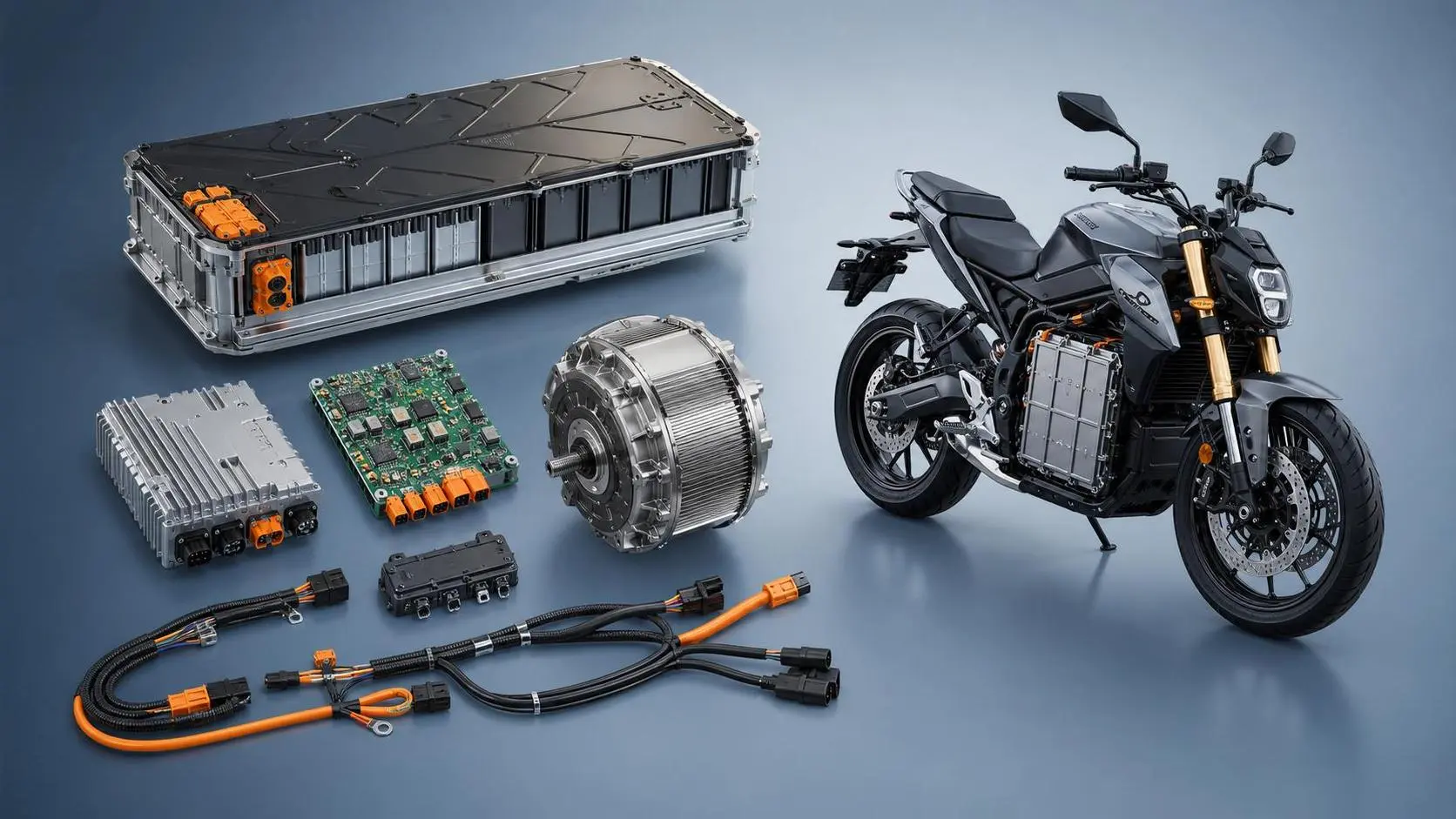
Electric Motorcycle Systems Price Breakdown: What Affects Cost From Battery to Controller?
Electric motorcycle systems price explained: see how battery, controller, motor, BMS, and wiring affect total cost, reliability, and sourcing value before you buy.
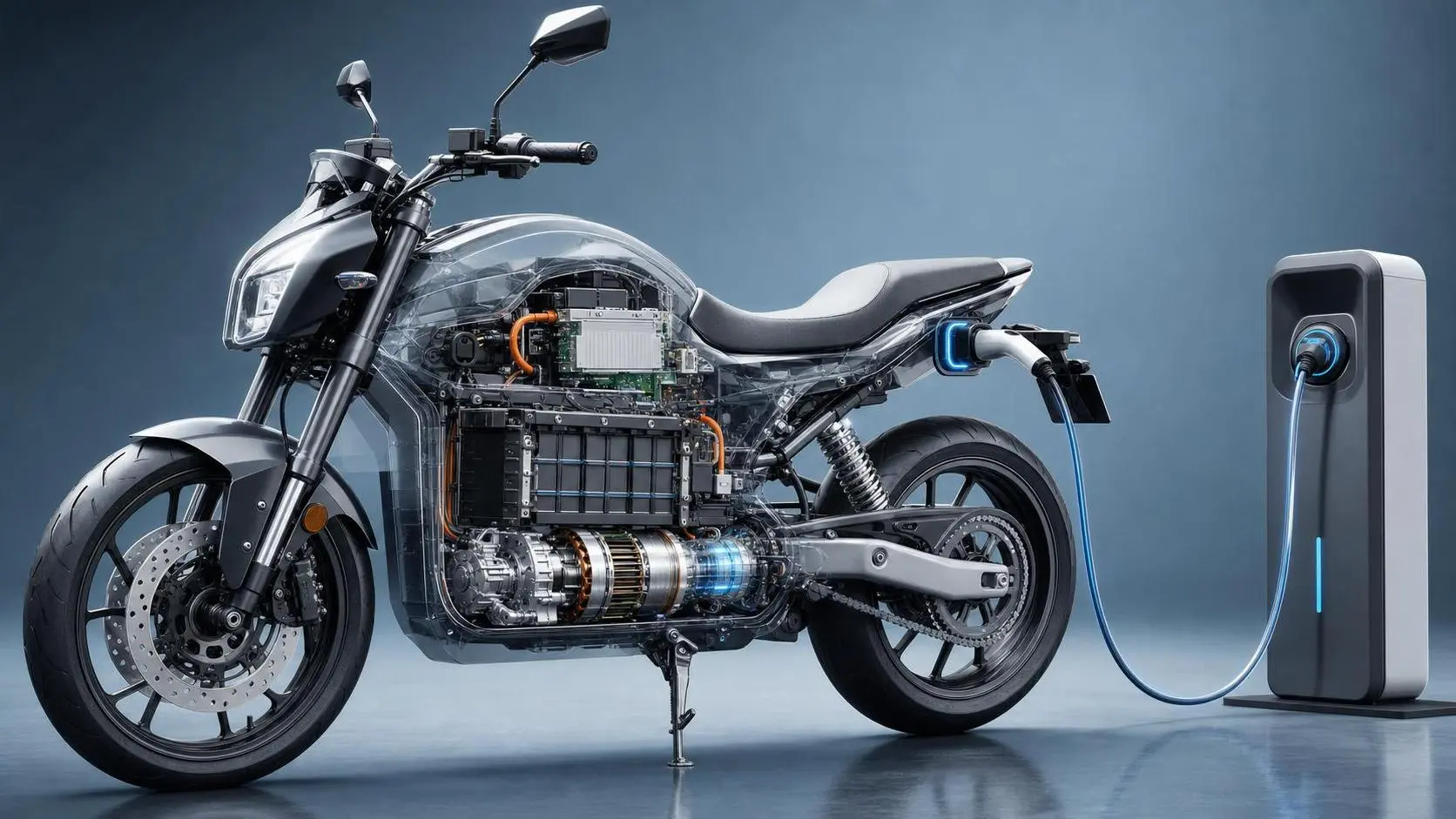
72V Electric Motorcycle Technology Explained: Motors, Controllers, Range, and Charging
Electric motorcycle technology 72V explained clearly: compare motors, controllers, range, battery design, and charging to choose a smoother, stronger, and smarter electric ride.
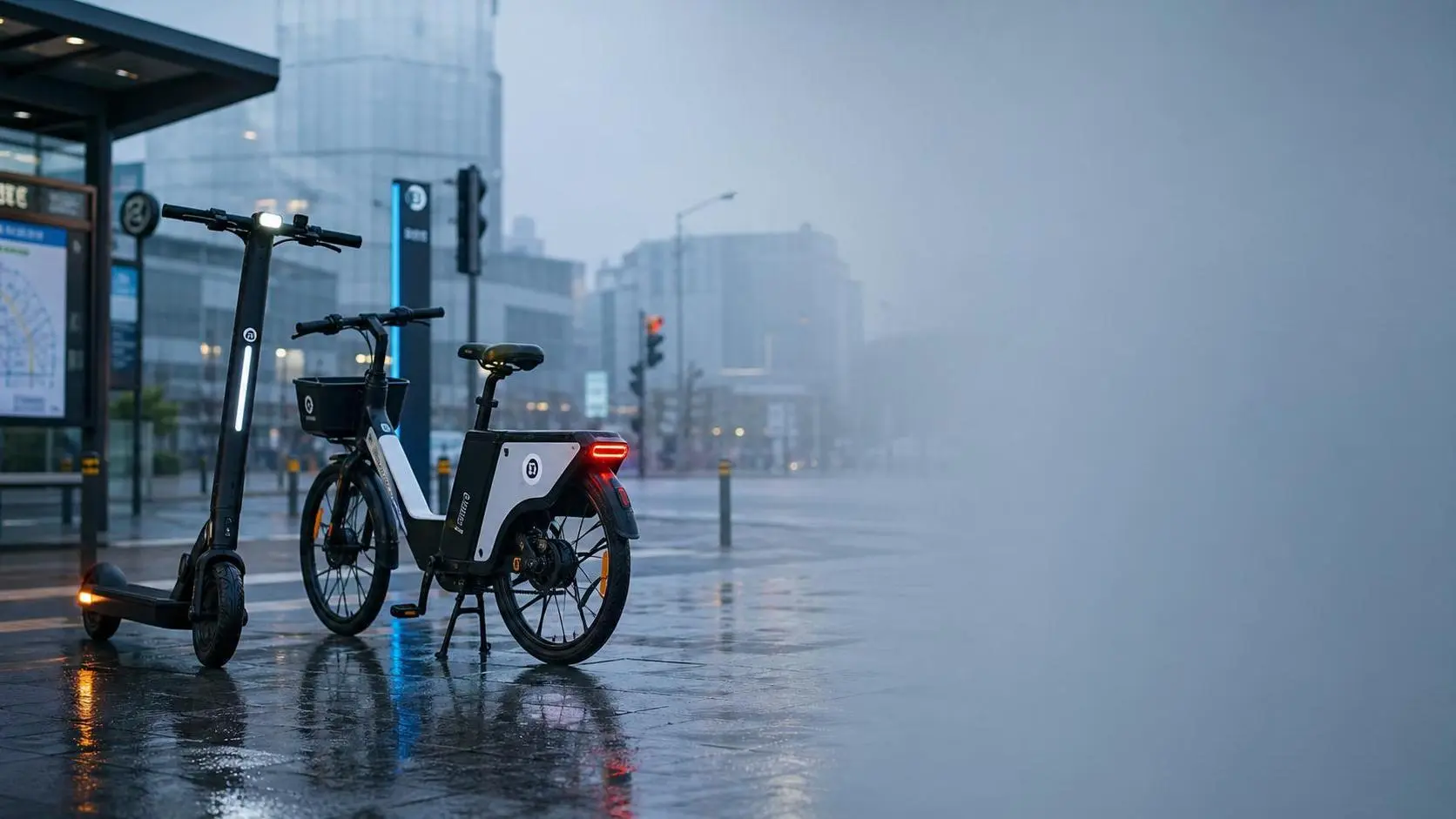
Where LED Urban Visibility Safety Systems Fit Best in Shared Scooters and City E-bikes
LED urban visibility safety systems deliver the most value in shared scooters and city e-bikes by improving multi-angle safety, fleet durability, and urban compliance across real-world routes.
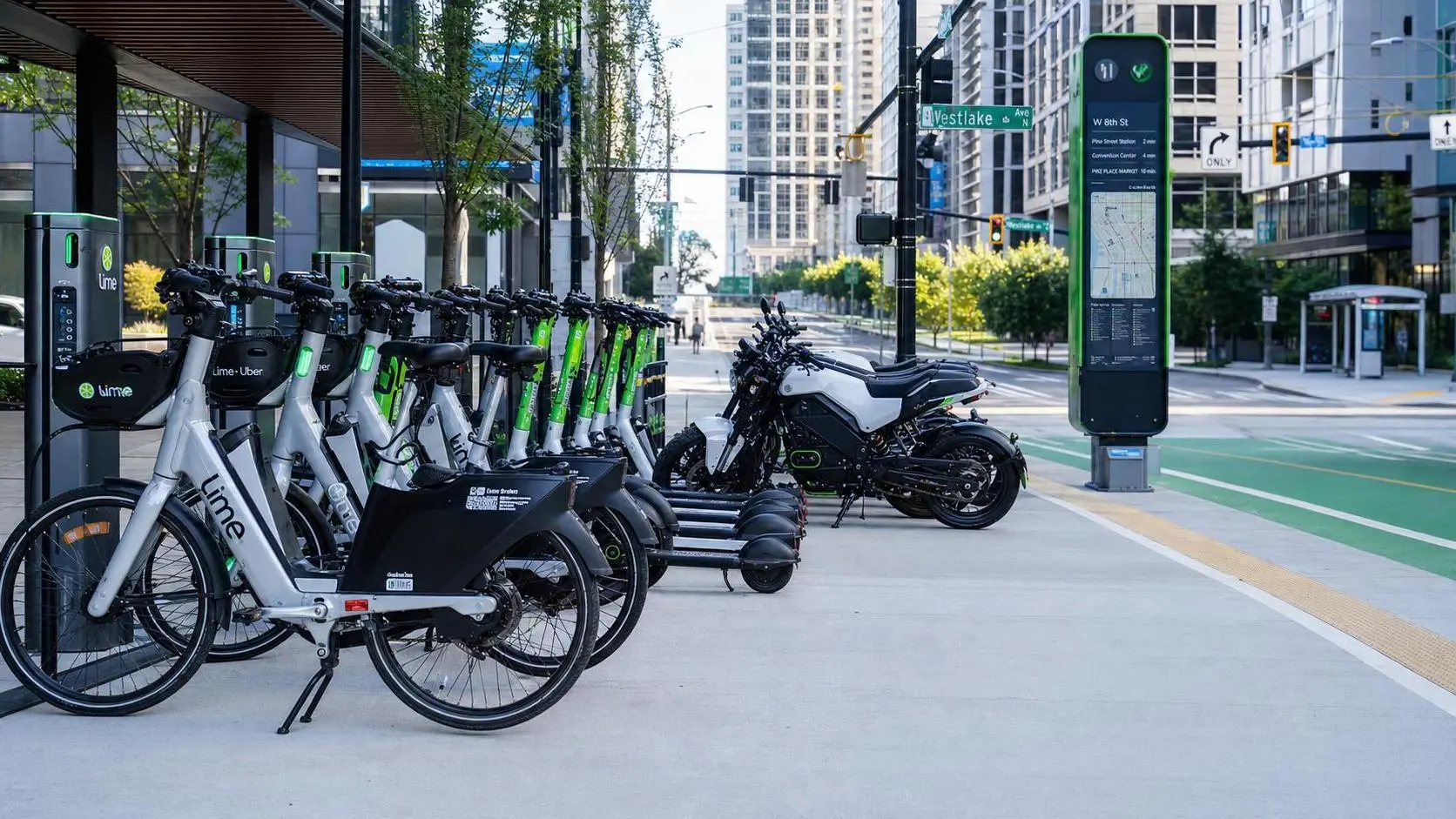
Intellectualization of Mobility in North America: What Is Driving Adoption Across Urban Transport?
Intellectualization of mobility North America is reshaping urban transport through data, smart fleets, and battery intelligence. Explore what is driving adoption and why cities and operators are accelerating now.
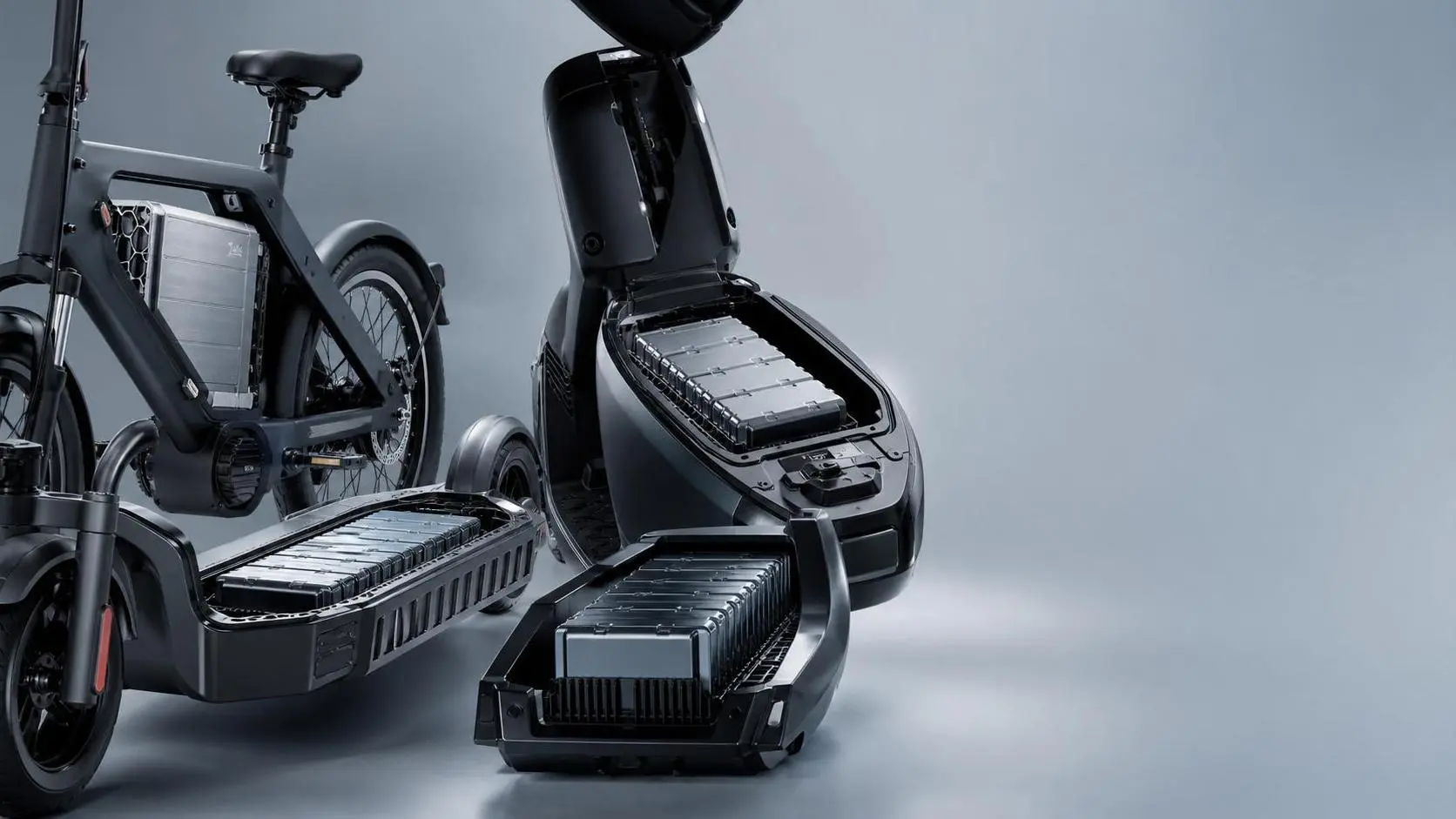
How to Choose a Compact Battery Pack: Size, Energy Density, Thermal Design, and Cycle Life
Compact battery pack selection starts with more than size. Learn how energy density, thermal design, and cycle life shape range, safety, and long-term value.
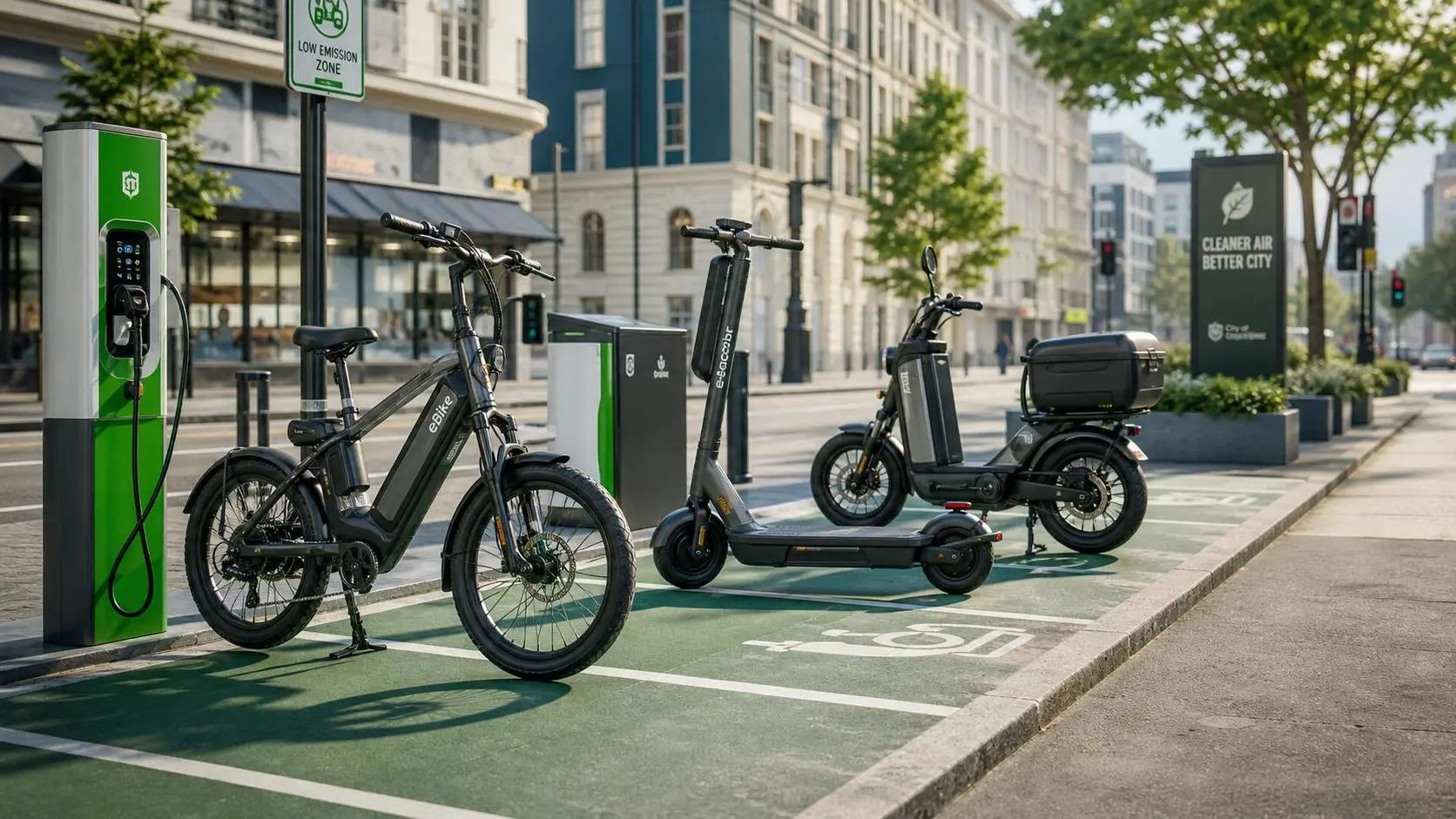
What Is Driving Green Two-wheelers Demand in Europe? Policy, Fuel Costs, and Buyer Segments
Green two-wheelers demand Europe is rising as policy support, fuel cost pressure, and diverse buyer segments reshape urban mobility. Explore the trends driving the next growth wave.