
Related News
- 00
0000-00
What Is the Intellectualization of Mobility Platform and How Is It Applied in Shared Fleets? - 00
0000-00
Where LED Urban Visibility Safety Systems Fit Best in Shared Scooters and City E-bikes - 00
0000-00
Green Transport Scooters for Urban Fleets: Which Specs Matter Most in Daily Use? - 00
0000-00
Micro-Mobility Solutions for Campuses: How to Choose the Right Fleet Model - 00
0000-00
Smart Battery Solutions for Shared Fleets: What Reduces Downtime and Maintenance Costs?
Urban Transit Fellow
Weekly Insights
Stay ahead with our curated technology reports delivered every Monday.
Micro-Mobility Solutions for Urban Delivery: What Improves Range, Safety, and Fleet Uptime?





For urban delivery operations, choosing micro-mobility solutions is now a system decision, not a vehicle decision. Range, rider safety, and fleet uptime are tightly connected.
A fast vehicle that overheats, slips in rain, or stays offline for repairs does not really improve delivery performance. It only shifts cost into downtime.
That is why the best micro-mobility solutions combine efficient powertrains, stable battery logic, durable components, connected diagnostics, and practical safety engineering.
Across e-bikes, smart e-scooters, and high-speed e-motorcycles, UMMS tracks how real-world urban fleets improve performance under stop-start traffic, weather exposure, and rising service expectations.
What actually improves range in urban delivery
Most range losses come from repeated acceleration, poor battery temperature control, excess payload, underinflated tires, and drivetrain inefficiency. Vehicle spec sheets rarely show that full picture.
The most effective micro-mobility solutions reduce wasted energy first. Bigger batteries help, but system efficiency usually delivers better returns.
- Choose motors and controllers with smooth low-speed torque mapping, because delivery riding is mostly stop-and-go, where abrupt current spikes quietly drain usable range.
- Use battery packs with strong thermal management logic, since temperature swings cut efficiency, shorten cycle life, and create inconsistent route performance across seasons.
- Match payload boxes, frames, and tires carefully, because unnecessary mass and rolling resistance often erase the benefit of a higher nominal battery capacity.
- Maintain drivetrain precision on chain, derailleur, or hub systems, as small mechanical losses add up fast in dense urban routes with frequent restarts.
- Set route profiles by terrain, wind exposure, and stop frequency, because operational planning is one of the cheapest range improvements available.
A practical way to compare vehicle platforms
Before scaling a fleet, compare vehicles on watt-hours consumed per loaded kilometer, not just advertised maximum range. That number is far more useful for project planning.
UMMS research across two-wheeler electrification shows that delivery fleets often gain more from stable battery discharge behavior than from headline top-speed upgrades.
What raises safety without slowing delivery
Safe micro-mobility solutions are not built around one feature. They come from visibility, braking stability, frame control, predictable handling, and rider workload reduction.
This becomes even more important in mixed traffic, night operation, and bad weather, where small design weaknesses quickly become incident patterns.
- Prioritize braking systems with stable wet-weather performance, because dry-condition test results mean little when delivery schedules continue through rain and road contamination.
- Improve lighting, reflectivity, and side visibility together, since collisions often happen from angle recognition failures rather than complete invisibility.
- Use tires designed for city debris and painted-road grip, because puncture resistance alone does not protect rider control on slick surfaces.
- Reduce rider fatigue through better ergonomics and throttle response, as tired riders make slower decisions and harsher steering corrections.
- In rain-heavy markets, consider visibility hardware such as compact wiper systems or sensor-linked weather aids on enclosed or semi-enclosed delivery platforms.
The weather issue many fleets underestimate
Bad weather does more than reduce comfort. It changes braking distance, battery response, visibility, and route timing at the same time.
UMMS closely follows wiper systems and smart sensing because visibility safety is often the last defensive layer when urban conditions turn unpredictable.
What keeps fleet uptime high
Fleet uptime is usually lost in small failures: connectors, chargers, brake wear, chain stretch, battery imbalance, damaged displays, and delayed parts replacement.
So the strongest micro-mobility solutions are designed for serviceability, parts visibility, and predictive maintenance, not just road performance.
- Standardize battery, brake, tire, and charger interfaces where possible, because mixed hardware stacks increase downtime and complicate technician workflows.
- Adopt connected diagnostics that flag heat, voltage imbalance, motor faults, and communication errors before vehicles fail during active delivery windows.
- Select frames and drivetrain components proven for repetitive curb impacts, potholes, and overloaded starts, not only ideal commuter use.
- Build maintenance intervals around real route stress, because calendar-based servicing often misses high-mileage units and over-services low-use units.
- Keep local spare-part buffers for wear items, since waiting on global shipments can turn minor repairs into serious utilization losses.
Why component quality matters more than expected
Precision bicycle components, including derailleur systems and transmission parts, may seem secondary in electrified fleets. In practice, they influence efficiency, noise, wear, and service intervals.
UMMS tracks this closely because electromechanical transmission efficiency is a real operating variable, especially in mixed pedal-assist and cargo e-bike fleets.
How vehicle type changes the answer
Not every city route needs the same platform. Good micro-mobility solutions depend on delivery radius, road quality, speed limits, payload pattern, and charging access.
Dense downtown routes
E-bikes and smart e-scooters usually work best where stops are frequent and parking is tight. Lightweight frames, agile handling, and quick battery swaps matter most here.
Check curb climbing durability, low-speed balance, and charger turnaround first. Top speed matters less than restart efficiency and ease of service.
Mixed urban-suburban delivery
High-speed e-motorcycles often become more practical when routes stretch longer and traffic flows faster. They close distance better, but thermal management and brake life become critical.
In these scenarios, battery-swapping support or fast, controlled charging can improve uptime more than simply adding larger packs.
Rain-heavy or safety-sensitive markets
Here, visibility systems deserve extra attention. Lighting, water resistance, anti-slip tires, and weather-related sensor support may have a stronger safety impact than speed or styling upgrades.
That is where broader UMMS intelligence becomes useful, especially when comparing evolving standards across e-bikes, scooters, motorcycles, and visibility-related subsystems.
Common misses that create hidden cost
A lot of urban delivery projects buy capable vehicles, then lose performance because the operating model is weak. That is a procurement issue and an execution issue.
- Do not evaluate vehicles without loaded-route testing, because empty test rides hide power draw, braking stress, and handling changes under actual delivery use.
- Do not separate battery planning from city temperature data, since climate effects can distort both range forecasts and charging schedules.
- Do not ignore software reliability, because IoT failures can remove tracking, lock control, or diagnostics even when hardware still runs.
- Do not chase the cheapest unit price if part supply is unstable, as downtime usually costs more than the initial savings.
What to verify before scaling
The best rollout decisions come from a short pilot with measurable operating data. That is the simplest way to validate micro-mobility solutions before broad deployment.
- Track energy use per route, rider incident reports, maintenance frequency, and charging turnaround, then compare them by vehicle class and route type.
- Review which faults stop service immediately versus which can wait, because uptime planning depends on failure severity, not only failure count.
- Check whether suppliers provide technical documentation, diagnostic access, and parts visibility, since support quality shapes long-term operational resilience.
- Use pilot findings to split fleets by route need, rather than forcing one vehicle platform to solve every delivery condition.
In the end, stronger micro-mobility solutions are the ones that stay efficient in traffic, stay safe in poor conditions, and stay available when service demand spikes.
A practical next step is simple: test range under load, inspect safety under weather stress, and measure uptime through service data before expanding any platform citywide.
Related News
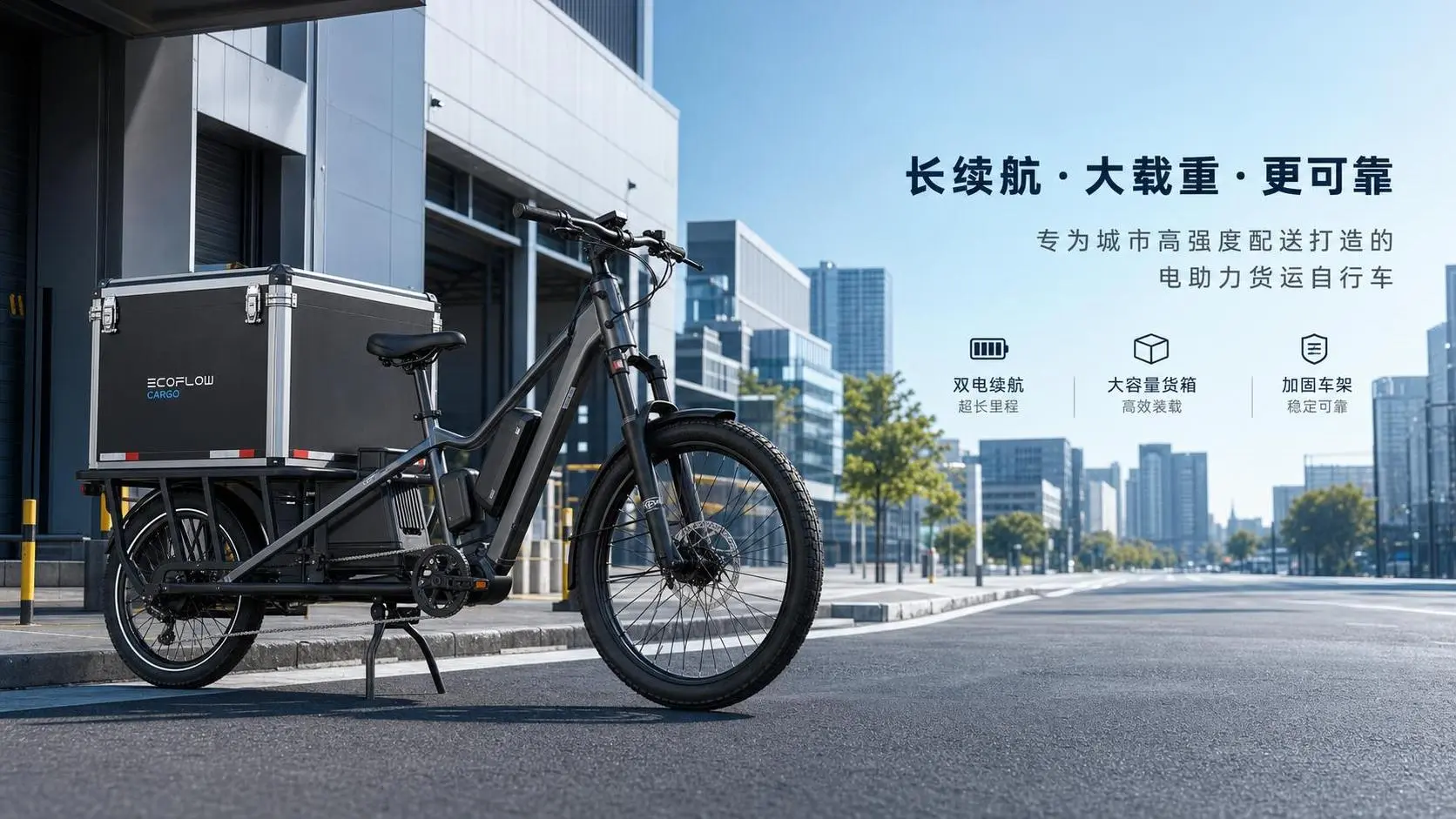
How to Choose a Long-Range Commercial Cargo E-Bike for Delivery Operations
Commercial cargo e-bike long range buying guide: learn how to assess battery, payload, route fit, and uptime support to choose a reliable delivery model with lower operating costs.
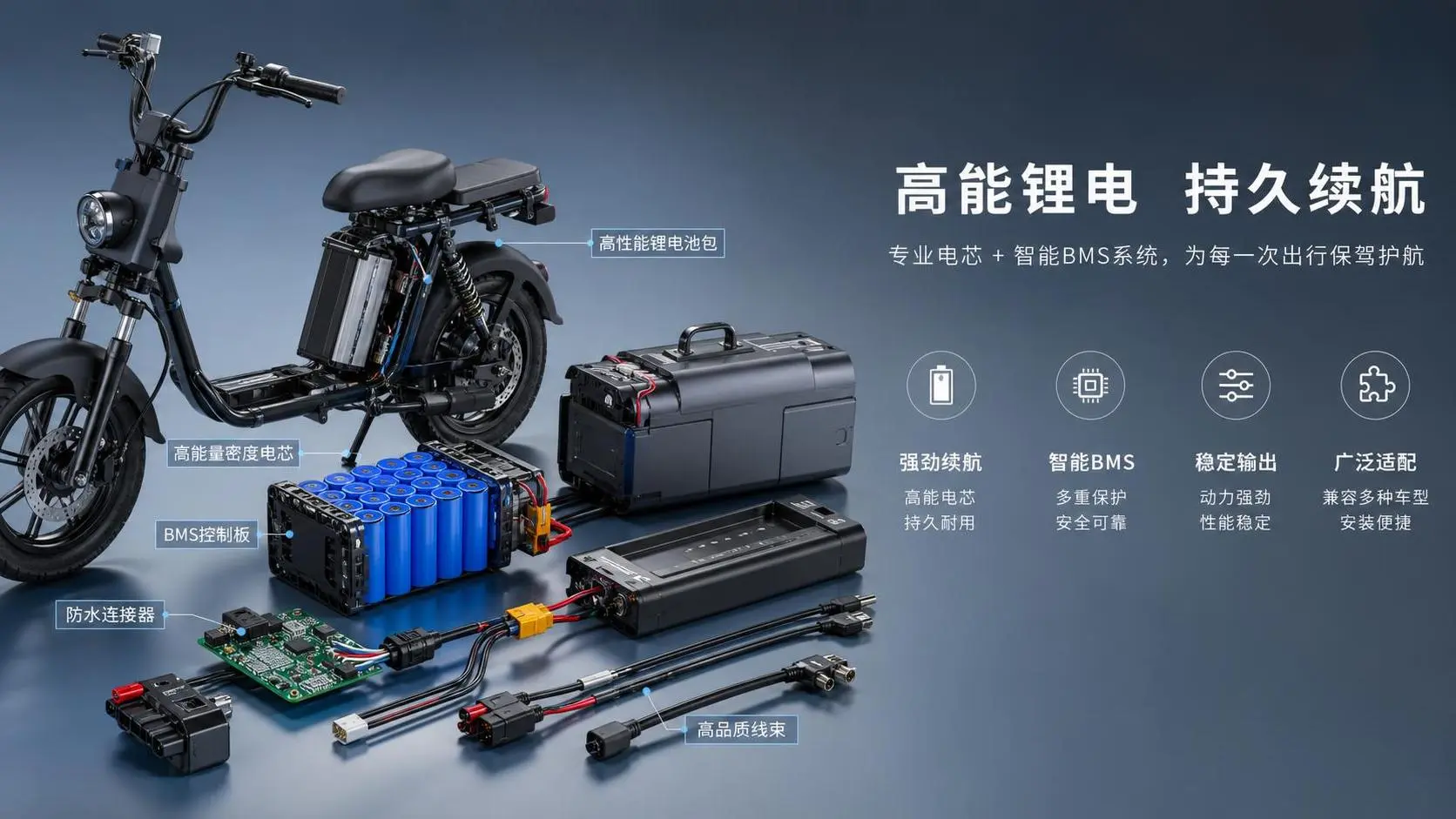
How to Select the Right E-Bike Battery Components for Range, Safety, and Fit?
E-bike component selection battery guide: learn how to choose the right battery components for better range, stronger safety, and perfect fit across modern e-bike platforms.
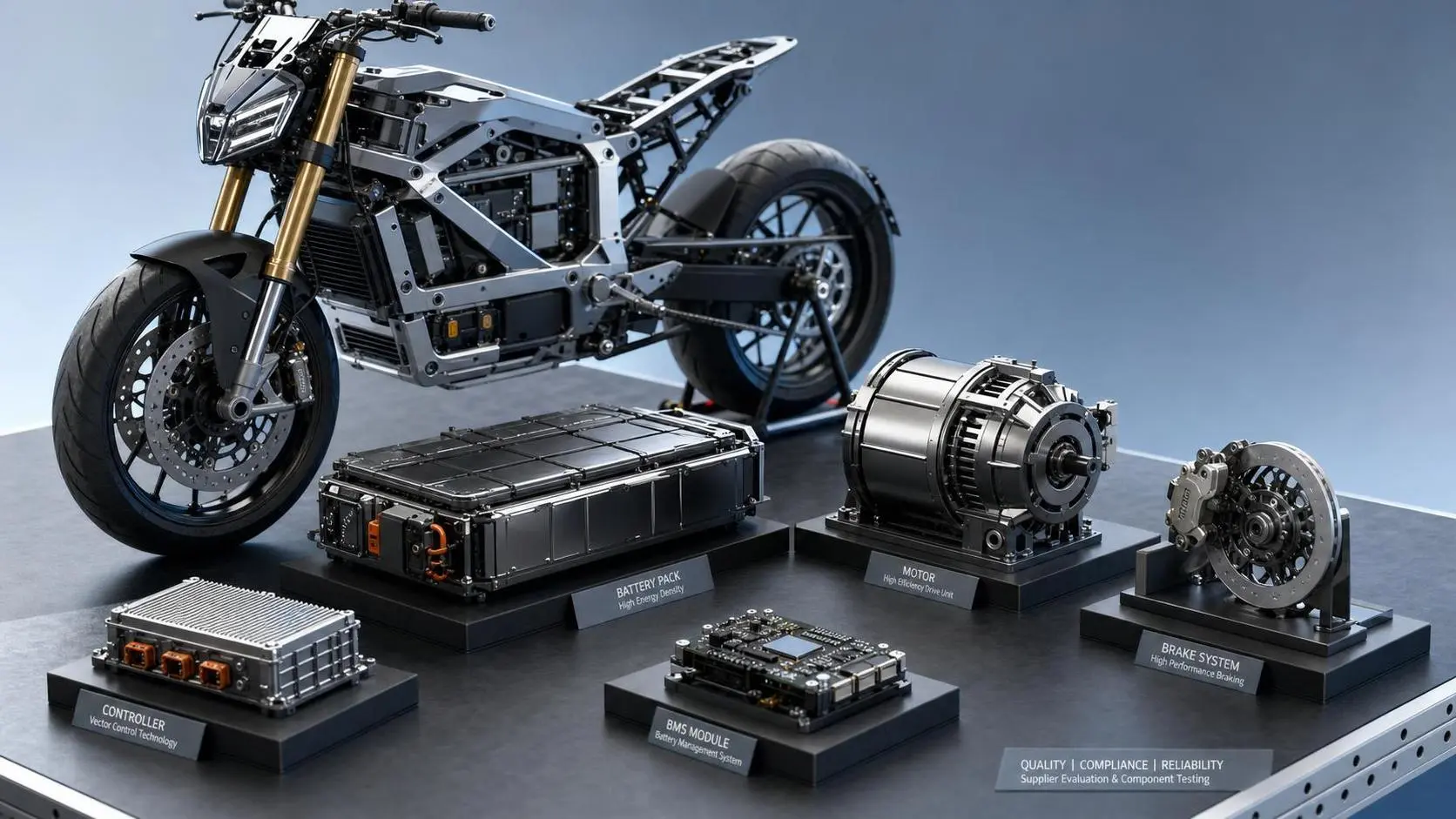
How to Evaluate Core Component Suppliers for Electric Motorcycles Before Sourcing?
Core component suppliers for electric motorcycles can make or break safety, compliance, and delivery. Learn how to assess technical strength, certifications, quality control, and hidden sourcing risks before you buy.
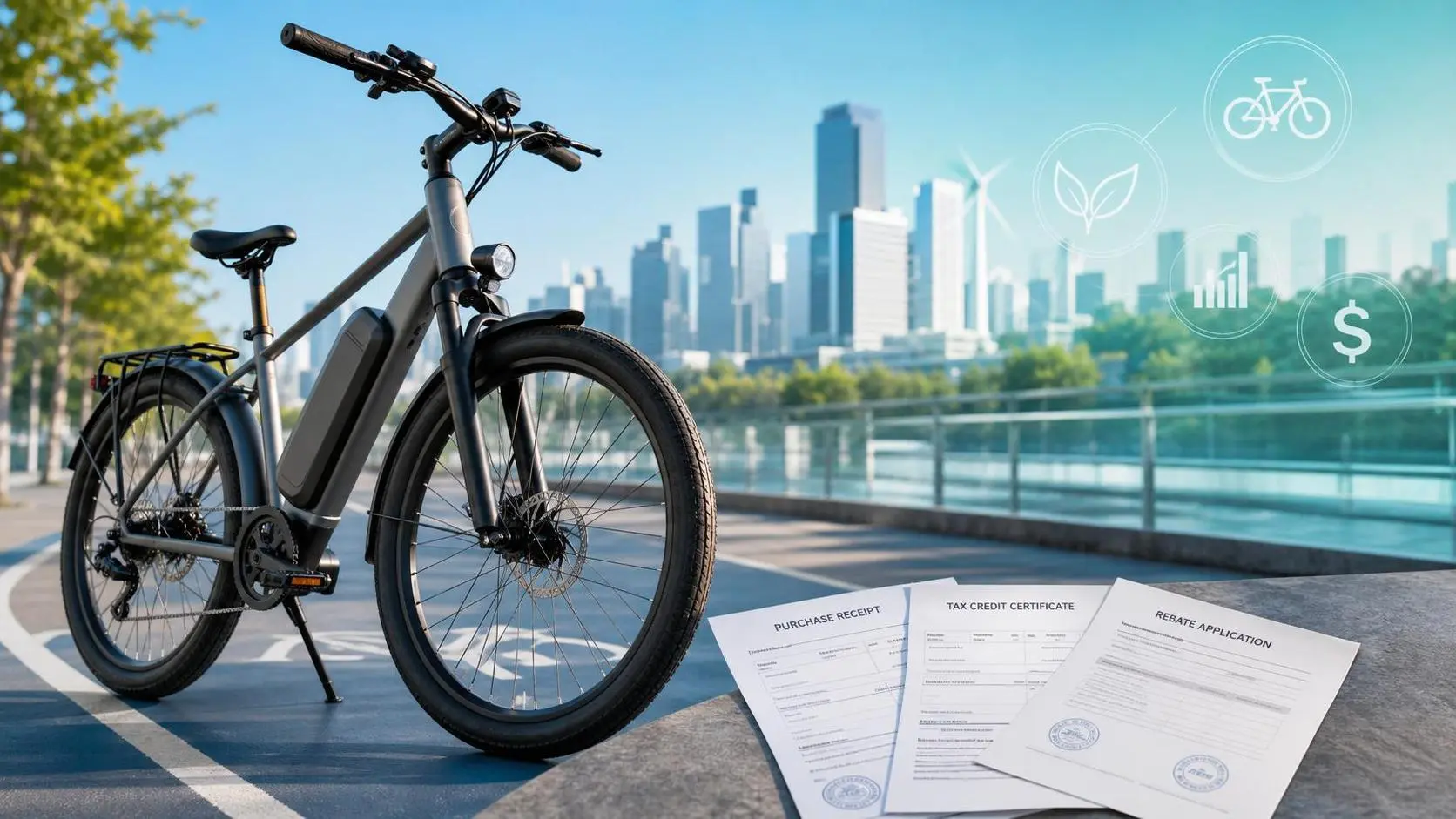
E-Bike Incentives Explained: How Riders Can Find Local Rebates and Tax Credits
E bike incentives explained: learn how to find local rebates, tax credits, and utility offers, avoid common mistakes, and cut the real cost of your next e-bike.
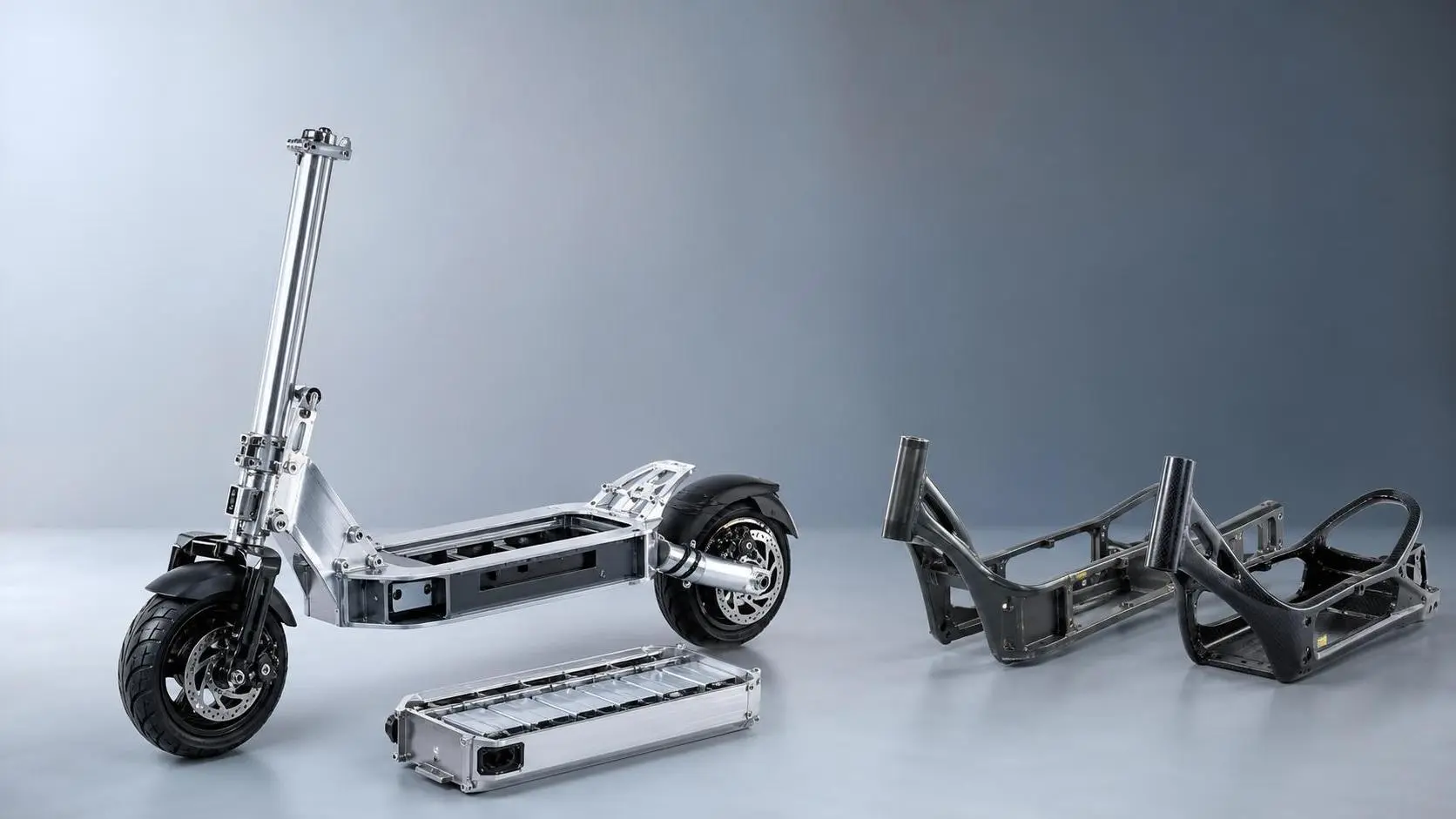
How to Choose Lightweight Scooter Frames in Europe: Materials, Standards, and Use Cases
Lightweight scooter frames Europe buyers need should balance materials, EN standards, durability, and real use cases. Discover how to choose safer, smarter, compliant frames.
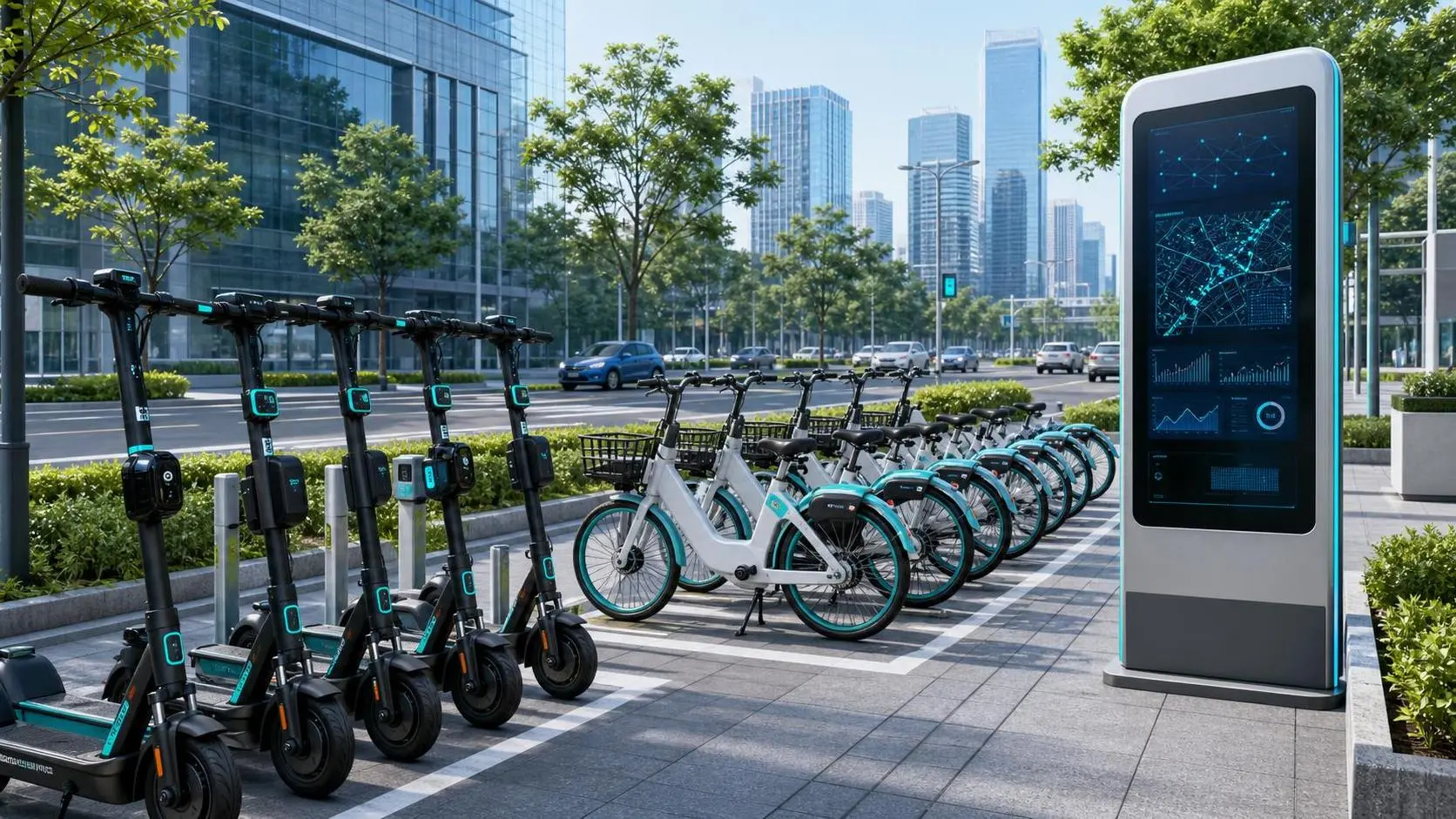
What Is the Intellectualization of Mobility Platform and How Is It Applied in Shared Fleets?
Intellectualization of mobility platform is reshaping shared fleets with real-time data, predictive maintenance, and smarter compliance—learn how it boosts safety, uptime, and urban mobility efficiency.
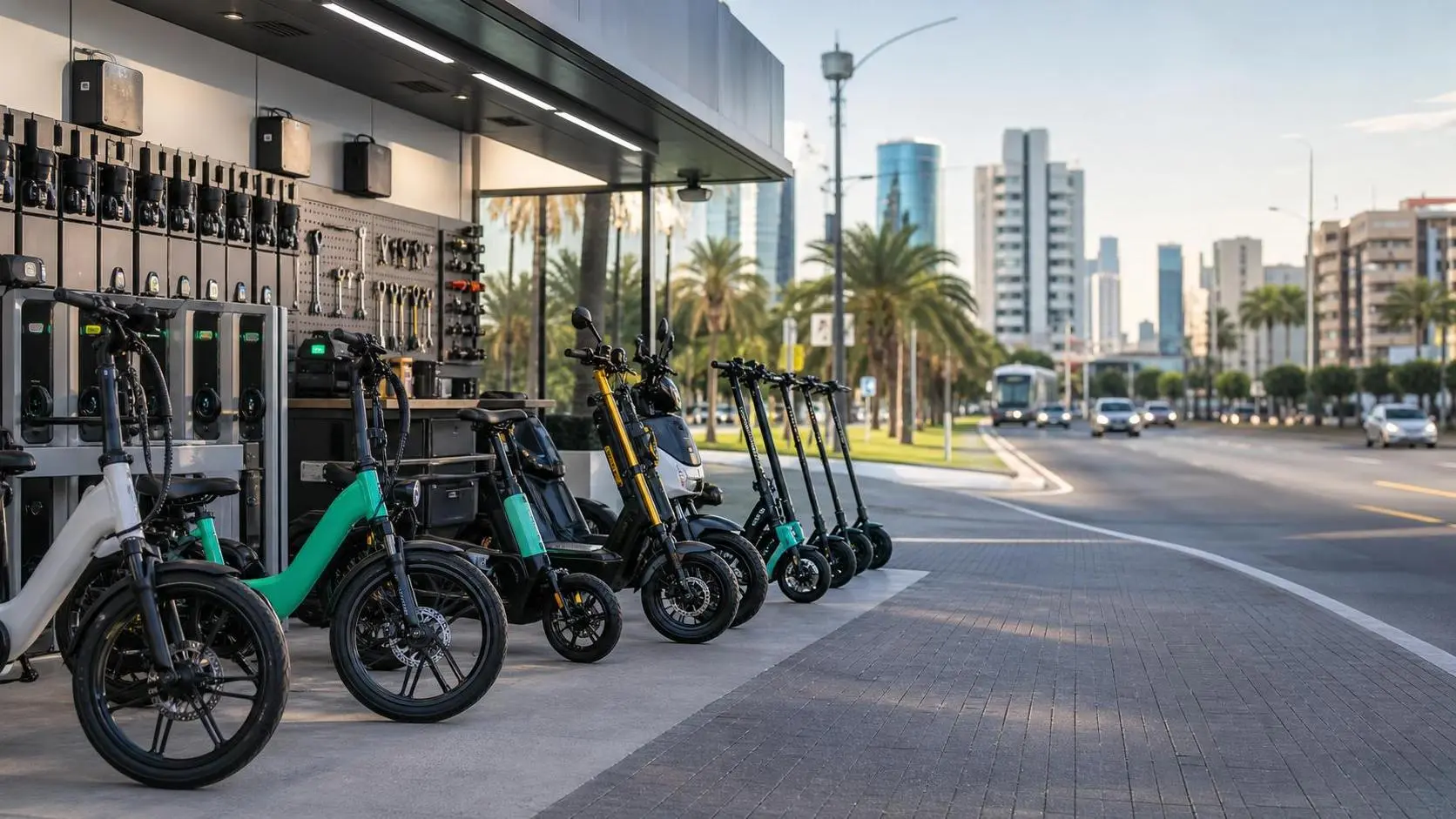
Urban Micro-Mobility Systems in Latin America: Key Market Drivers, Barriers, and Growth Segments
Urban micro-mobility systems Latin America are reshaping city transport. Explore key drivers, barriers, and high-growth segments to spot the region’s most investable opportunities.
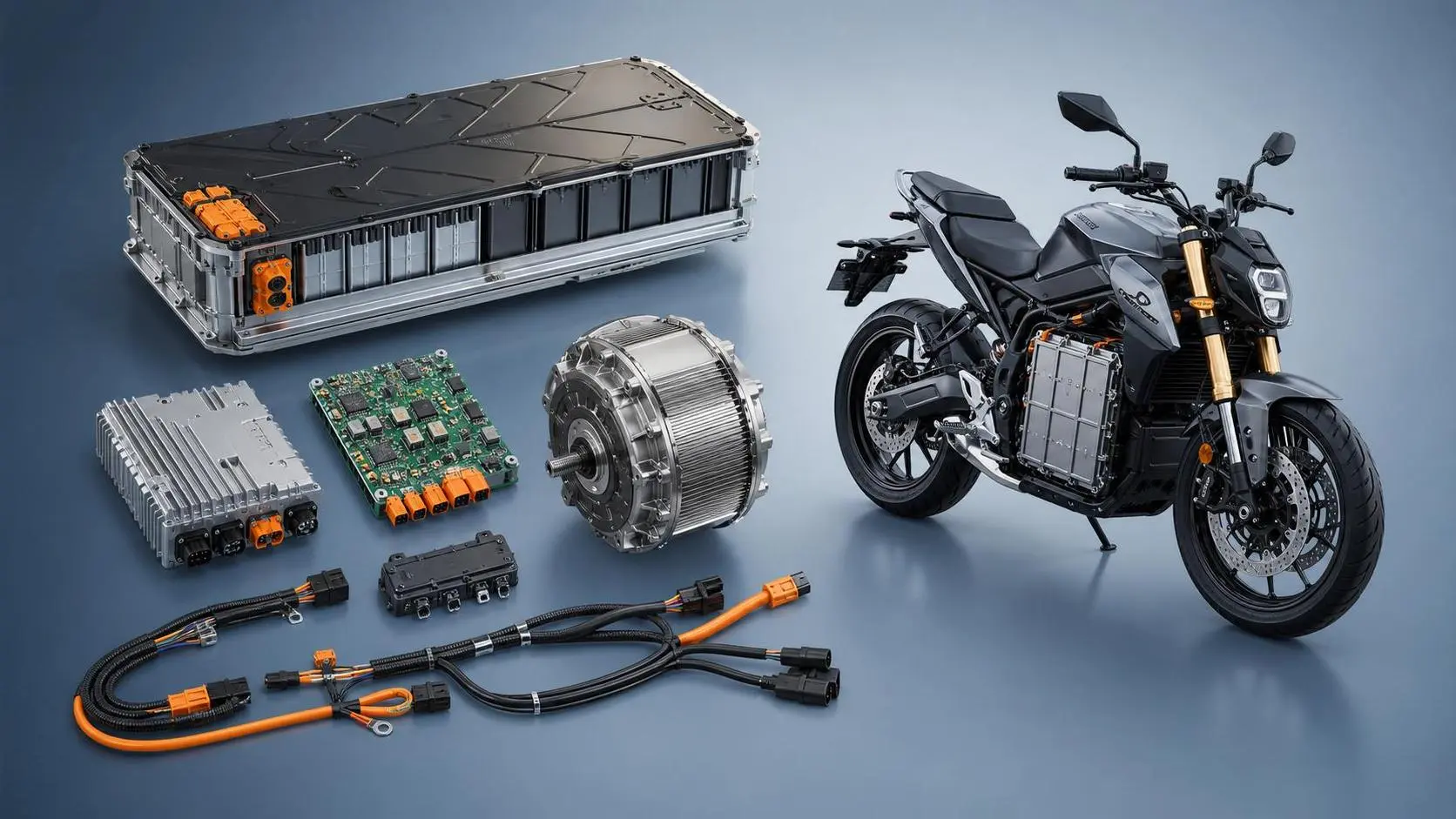
Electric Motorcycle Systems Price Breakdown: What Affects Cost From Battery to Controller?
Electric motorcycle systems price explained: see how battery, controller, motor, BMS, and wiring affect total cost, reliability, and sourcing value before you buy.
72V Electric Motorcycle Technology Explained: Motors, Controllers, Range, and Charging
Electric motorcycle technology 72V explained clearly: compare motors, controllers, range, battery design, and charging to choose a smoother, stronger, and smarter electric ride.