
Related News
- 00
0000-00
Electric Drivetrain Systems Factory Audit Checklist: Key Quality Points Before Sourcing - 00
0000-00
Electric Drivetrain Components Explained: Key Parts, Functions, and Failure Points - 00
0000-00
How to Evaluate a Drivetrain Architecture Provider for E-bike and Scooter Programs - 00
0000-00
Precision Drivetrain Tuning Explained: Key Adjustments for Smoother Shifting - 00
0000-00
Powertrain Heat Management Explained: Key Design Factors for EV Efficiency and Battery Life
Precision Drivetrain Architect
Weekly Insights
Stay ahead with our curated technology reports delivered every Monday.
How a precision drivetrain cuts hidden service costs





For micro-mobility platforms, component cost is no longer measured only at purchase. A precision drivetrain reduces hidden service costs through cleaner shifting, lower wear, longer intervals, and fewer warranty events.
As e-bikes, smart scooters, and performance bicycles scale globally, uptime becomes a measurable business advantage. Drivetrain reliability now shapes efficiency, retention, and total ownership cost.
How a precision drivetrain changes the real cost equation
The visible price of a drivetrain is easy to compare. The invisible cost is harder, because it appears later in service logs, returns, complaints, and downtime.
A precision drivetrain limits those delayed costs by keeping torque transfer stable under mixed loads, urban vibration, frequent starts, and inconsistent rider habits.
In micro-mobility, the drivetrain is not an isolated mechanical group. It connects motor output, human input, gear control, battery demand, and riding confidence.
When alignment is poor, every ride creates small losses. Chains stretch faster, cassettes wear unevenly, motors draw harder, and service intervals shrink.
A precision drivetrain turns mechanical accuracy into operating savings. The effect is gradual, but it becomes significant across large fleets or export programs.
Trend signals show service cost is moving upstream
Urban micro-mobility is entering a stage where reliability is assessed before deployment, not after complaints accumulate in the field.
E-bike usage has expanded beyond leisure. Daily commuting adds rain, dust, heavy cargo, hill starts, and repeated acceleration cycles.
Smart scooters face a different pressure. Shared-use behavior creates high abuse rates, making drivetrain tolerance and sealed assemblies more important.
Performance bicycles are also changing. Electronic shifting, wider-range cassettes, and lightweight chains raise expectations for immediate and silent gear changes.
These signals point toward one conclusion. The precision drivetrain is becoming a cost-control system, not just a performance feature.
Why hidden service costs rise without drivetrain precision
Hidden cost usually begins with small deviations. A delayed shift or slight chainline error can multiply wear across the complete transmission path.
The issue becomes larger when electric assist enters the system. Motor torque amplifies poor engagement and accelerates damage during loaded shifts.
A precision drivetrain does not remove maintenance. It makes maintenance more predictable, which is where many long-term savings are created.
Electric assist makes drivetrain accuracy more valuable
On traditional bicycles, rider power is limited and variable. On e-bikes, a motor can repeatedly apply high torque at low cadence.
That torque improves climbing and acceleration, but it also punishes weak engagement. The precision drivetrain must manage force without unstable chain movement.
Mid-drive e-bikes are especially sensitive. Motor force passes through the same chain, cassette, pulley, and derailleur path as rider input.
If shifting accuracy is poor, the motor may magnify grinding, overshifts, and chain slap. Service visits then rise quickly.
A precision drivetrain with stronger indexing, refined tooth profiles, and stable chain control helps keep electric torque productive instead of destructive.
Battery efficiency is also affected
Mechanical friction forces the battery to work harder. The energy loss may seem small, but repeated cycles reduce range consistency.
A cleaner drivetrain line supports smoother cadence, lower resistance, and steadier motor output. This improves perceived range and rider trust.
For connected fleets, these differences appear in data. Energy use, fault reports, and maintenance tickets reveal drivetrain quality over time.
Service intervals become a strategic performance metric
Short service intervals create labor pressure, spare-part complexity, and asset downtime. These costs often exceed the original saving from cheaper components.
A precision drivetrain extends useful life by reducing the rate of stretch, tooth wear, pulley degradation, and adjustment drift.
The improvement is not only mechanical. It also simplifies planning because service cycles become more uniform across similar vehicles.
- Fewer emergency repairs caused by skipping chains or missed shifts.
- Lower replacement frequency for chains, cassettes, cables, and pulleys.
- More predictable technician time per unit.
- Reduced rider complaints linked to noise or hesitation.
- Improved resale value through documented maintenance stability.
The precision drivetrain therefore supports both technical quality and operational discipline. That combination is increasingly decisive in crowded mobility markets.
Different mobility segments feel the impact differently
The same drivetrain failure does not create the same consequence in every segment. Context determines the real cost of downtime.
In every segment, the precision drivetrain protects value by reducing uncertainty. The form of the benefit changes with the use case.
What separates a cost-saving precision drivetrain from a decorative upgrade
Not every premium-looking component lowers service cost. True value comes from measurable control over movement, friction, tolerance, and durability.
A precision drivetrain should be evaluated through engineering evidence, not only through catalog language or visual finishing.
- Shift repeatability under load, not only on workshop stands.
- Chainline tolerance across frame sizes and motor layouts.
- Wear performance after contamination, washing, and temperature shifts.
- Compatibility with electronic shifting and torque-sensing systems.
- Availability of replacement parts across export markets.
- Diagnostic data that links faults to real mechanical causes.
These factors determine whether the precision drivetrain actually reduces ownership cost after thousands of kilometers.
Electronic shifting raises the next standard of drivetrain reliability
Wireless and semi-wireless shifting systems are moving from elite sport into broader premium mobility categories.
This transition changes service logic. Mechanical cables lose importance, while firmware stability, actuator accuracy, and battery management gain influence.
A precision drivetrain in this environment must coordinate hardware geometry with digital control. Fast movement alone is not enough.
Anti-interference protocols, shift mapping, crash protection, and calibration recovery become part of the total reliability picture.
When electronic shifting is stable, service teams spend less time correcting drift. Riders experience fewer unresolved performance complaints.
The strongest buying logic moves from lowest price to lifecycle risk
The lowest unit price can look efficient during sourcing. It may become expensive once warranty exposure and field service are counted.
A precision drivetrain supports lifecycle-based evaluation. The question becomes how many reliable kilometers each dollar can protect.
This approach is especially relevant when products enter regions with strict consumer expectations, dense commuting patterns, and expensive labor.
The precision drivetrain fits this lifecycle logic because its benefits appear in fewer interruptions and better retained performance.
Key indicators to monitor before scaling a drivetrain platform
Before large deployment, drivetrain validation should reflect actual riding conditions. Laboratory smoothness is useful, but field behavior decides service cost.
- Shift accuracy after repeated hill starts and loaded acceleration.
- Noise growth after wet riding and dust exposure.
- Chain elongation rate compared with expected mileage.
- Cassette tooth wear under motor-assisted torque.
- Calibration stability after transport, impact, and vibration.
- Repair time needed for common service events.
A precision drivetrain should show stable results across these indicators. One excellent metric cannot compensate for repeated field weakness.
Practical response: build drivetrain choices around data
The next step is to connect drivetrain selection with usage data, warranty records, and maintenance planning.
A precision drivetrain should be tested against the duty cycle of the final vehicle, not a generic benchmark.
- Define the expected load, terrain, weather, and service interval.
- Compare drivetrain options through cost per kilometer.
- Run accelerated wear tests under electric assist torque.
- Track early field failures by exact component location.
- Adjust gearing, lubrication, sealing, and calibration rules.
- Standardize spare parts before regional expansion.
This method turns the precision drivetrain into a managed reliability asset. It also supports clearer supplier comparison and better product planning.
A precision drivetrain is becoming a hidden margin protector
The micro-mobility market is moving toward smarter, lighter, and more connected vehicles. That shift increases pressure on every mechanical interface.
A precision drivetrain reduces hidden service costs by preventing small mechanical errors from becoming repeated operational losses.
Its value appears in longer part life, steadier battery efficiency, fewer warranty claims, and more predictable maintenance schedules.
For any platform entering demanding mobility markets, drivetrain accuracy deserves early attention. The cheapest component rarely creates the lowest lifecycle cost.
Start by mapping service data against drivetrain behavior. Then choose a precision drivetrain that protects uptime, efficiency, and long-term user confidence.
Related News
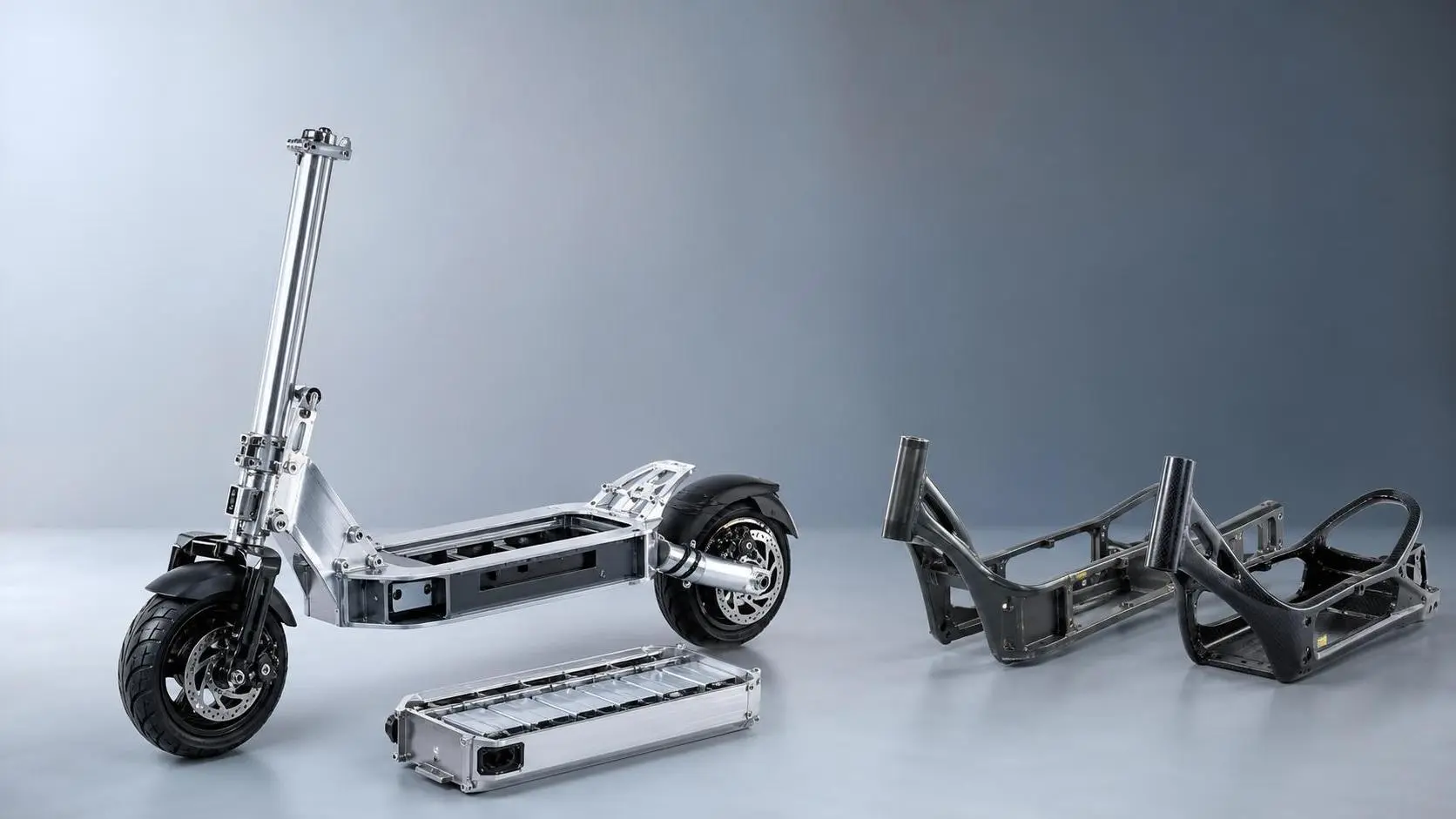
How to Choose Lightweight Scooter Frames in Europe: Materials, Standards, and Use Cases
Lightweight scooter frames Europe buyers need should balance materials, EN standards, durability, and real use cases. Discover how to choose safer, smarter, compliant frames.
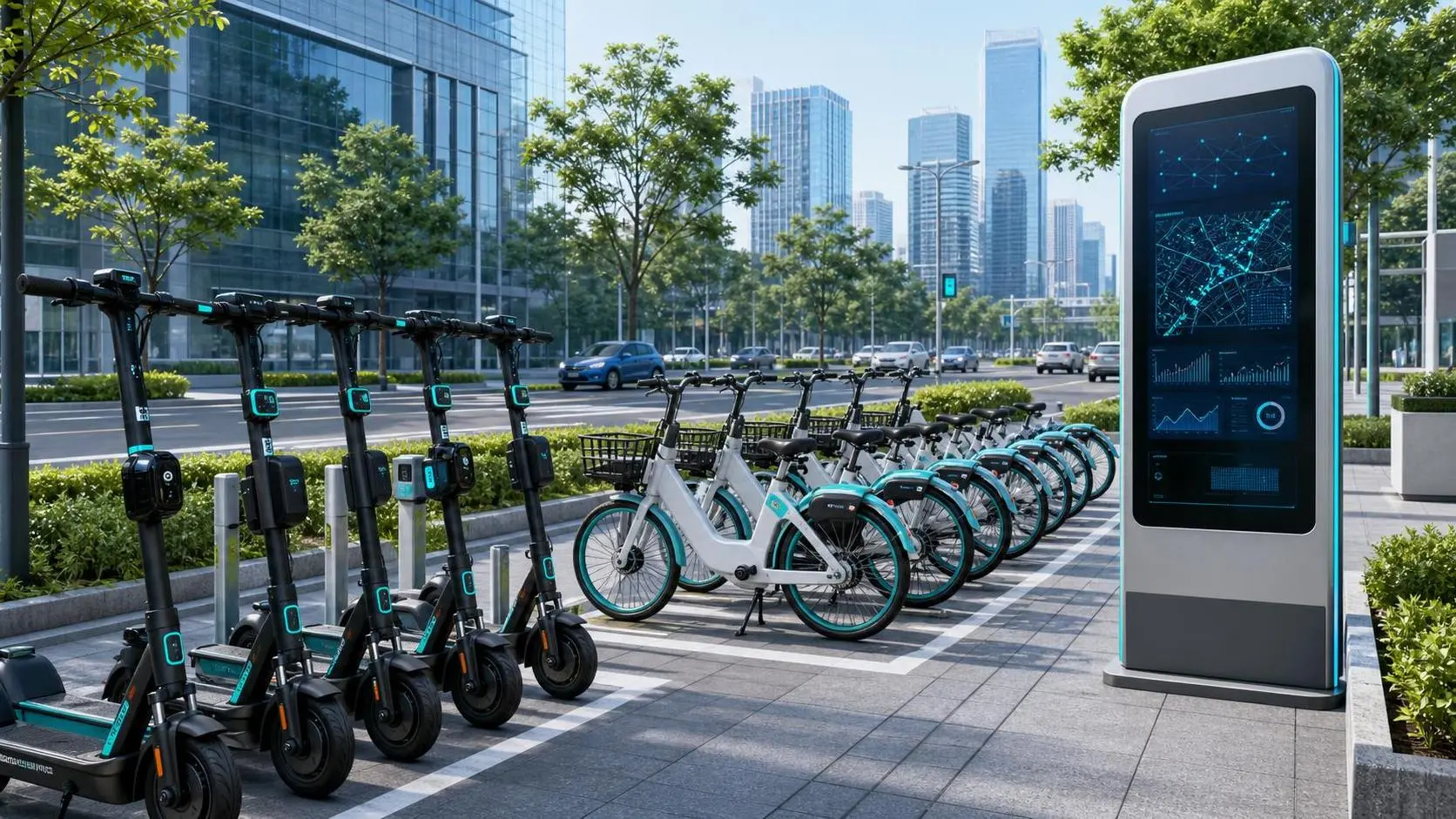
What Is the Intellectualization of Mobility Platform and How Is It Applied in Shared Fleets?
Intellectualization of mobility platform is reshaping shared fleets with real-time data, predictive maintenance, and smarter compliance—learn how it boosts safety, uptime, and urban mobility efficiency.
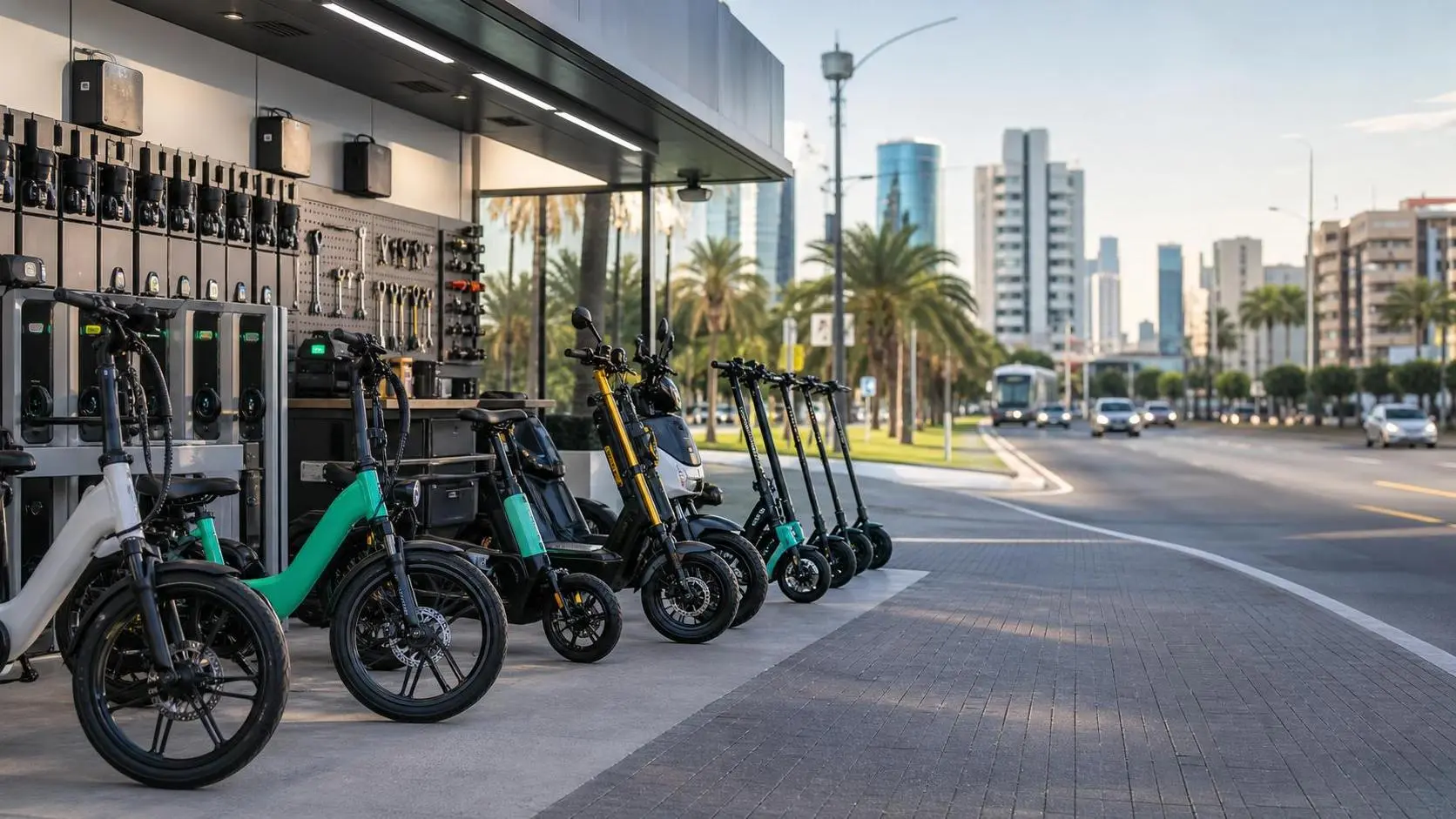
Urban Micro-Mobility Systems in Latin America: Key Market Drivers, Barriers, and Growth Segments
Urban micro-mobility systems Latin America are reshaping city transport. Explore key drivers, barriers, and high-growth segments to spot the region’s most investable opportunities.
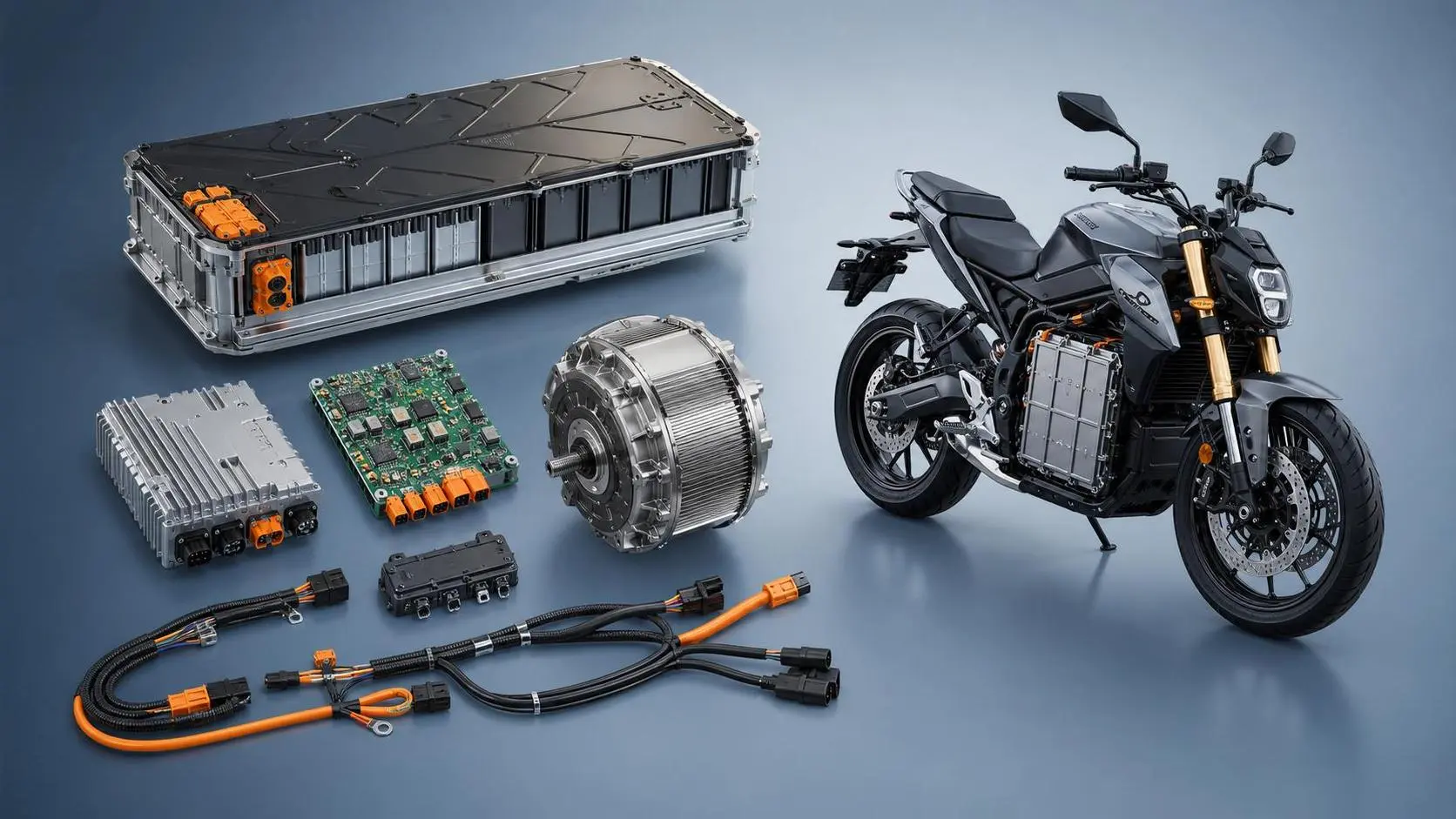
Electric Motorcycle Systems Price Breakdown: What Affects Cost From Battery to Controller?
Electric motorcycle systems price explained: see how battery, controller, motor, BMS, and wiring affect total cost, reliability, and sourcing value before you buy.
72V Electric Motorcycle Technology Explained: Motors, Controllers, Range, and Charging
Electric motorcycle technology 72V explained clearly: compare motors, controllers, range, battery design, and charging to choose a smoother, stronger, and smarter electric ride.

Where LED Urban Visibility Safety Systems Fit Best in Shared Scooters and City E-bikes
LED urban visibility safety systems deliver the most value in shared scooters and city e-bikes by improving multi-angle safety, fleet durability, and urban compliance across real-world routes.

Intellectualization of Mobility in North America: What Is Driving Adoption Across Urban Transport?
Intellectualization of mobility North America is reshaping urban transport through data, smart fleets, and battery intelligence. Explore what is driving adoption and why cities and operators are accelerating now.
How to Choose a Compact Battery Pack: Size, Energy Density, Thermal Design, and Cycle Life
Compact battery pack selection starts with more than size. Learn how energy density, thermal design, and cycle life shape range, safety, and long-term value.
What Is Driving Green Two-wheelers Demand in Europe? Policy, Fuel Costs, and Buyer Segments
Green two-wheelers demand Europe is rising as policy support, fuel cost pressure, and diverse buyer segments reshape urban mobility. Explore the trends driving the next growth wave.