
Related News
- 00
0000-00
Electric Mobility for Logistics: How to Choose the Right Vehicle for Last-mile Delivery - 00
0000-00
Electric Torque for Ebikes Explained: What Power Delivery Means for Climbing and Cargo - 00
0000-00
Electric Powertrain vs Hub Motor: Which Setup Fits Cargo E-bikes Better? - 00
0000-00
What last mile logistics needs from electric fleets - 00
0000-00
High-Density Battery Trade-Offs for Cargo E-Bikes
Micro-Mobility Strategist
Weekly Insights
Stay ahead with our curated technology reports delivered every Monday.
Global Expansion Strategy for Cargo E-bike Brands





For cargo e-bike brands, a strong global expansion strategy starts with scenario judgment, not simple geographic reach. Urban delivery, family mobility, tourism, and municipal fleets each require different product logic, compliance planning, and channel design.
As electrified last-mile transport scales worldwide, the most effective global expansion strategy combines policy awareness, localized value propositions, service readiness, and supply chain resilience. Brands that align these factors early gain faster adoption and lower market-entry risk.
Why scenario-based planning defines a better global expansion strategy
Cargo e-bikes are not sold into one universal market. They serve different urban realities, street rules, rider expectations, and payload patterns. A scenario-first global expansion strategy improves product-market fit from the beginning.
In Europe, cycle lanes and subsidy frameworks support family and commercial use. In North America, larger distances and mixed road conditions raise concerns about power, safety, and service access.
In Southeast Asia and Latin America, demand may grow faster in delivery use cases. Price sensitivity, battery theft concerns, and road durability become more important than premium lifestyle positioning.
This is where UMMS-style strategic intelligence matters. Tracking regulation, drivetrain trends, battery logic, and urban mobility demand helps turn a broad global expansion strategy into a practical expansion roadmap.
Scenario 1: Urban delivery fleets need compliance, uptime, and fleet economics
For parcel, grocery, and food delivery, cargo e-bikes succeed when total operating cost beats vans and scooters. The global expansion strategy here should prioritize fleet uptime, repair speed, and route efficiency.
Core judgment points include payload stability, swappable or fast-charging batteries, weather protection, and telematics integration. Fleet buyers also evaluate brake wear, tire replacement cycles, and component standardization.
Key market signals for delivery-focused expansion
- Local rules for motor power, speed limits, and bike-lane access
- Density of delivery platforms and urban warehouse networks
- Availability of maintenance partners and spare parts logistics
- Battery certification requirements and fire safety standards
A weak global expansion strategy often ignores after-sales capacity. For delivery fleets, poor service response can damage utilization rates faster than any initial pricing advantage.
Scenario 2: Family and lifestyle mobility depend on trust and localized positioning
In many European cities, long-tail and front-box cargo e-bikes are replacing second cars. Here, the global expansion strategy should emphasize safety, comfort, design language, and family utility.
Core judgment points include child seating options, frame accessibility, parking practicality, anti-theft systems, and battery range under mixed loads. Buyers compare ride stability more than technical specifications alone.
Retail and direct-to-consumer channels both matter in this scenario. Physical test rides build trust, while digital education explains ownership savings, sustainability benefits, and daily convenience.
Positioning themes that support family-market entry
- School runs and weekly shopping without car dependence
- Safe riding geometry for loaded urban trips
- Low running cost compared with private vehicles
- Clean mobility aligned with low-carbon city lifestyles
A successful global expansion strategy in this segment adapts not only language, but also urban imagery, accessories, financing, and warranty promises to local expectations.
Scenario 3: Tourism, campus, and municipal use require durable system thinking
Cargo e-bikes also fit resorts, university campuses, parks, and municipal operations. In these settings, the global expansion strategy should focus on durability, controllable deployment, and simplified operator training.
Judgment points differ from consumer retail. Operators need stable procurement, easy battery management, predictable maintenance intervals, and accessories for cleaning, tools, patrol, or light cargo transport.
Public-sector or institutional buyers may also require formal tenders, local assembly options, or documented ESG alignment. Those factors should be integrated into the global expansion strategy before market launch.
How scenario needs differ across international markets
This comparison shows why a single message rarely supports an effective global expansion strategy. The product may be similar, but purchase logic changes by application and region.
Practical recommendations to strengthen a cargo e-bike global expansion strategy
1. Build market entry around regulation first
Map local e-bike classes, speed thresholds, battery transport rules, and lighting requirements. A global expansion strategy should begin with legal fit, because redesigns after entry are expensive and slow.
2. Segment the product platform by scenario
Use modular design for boxes, racks, child seats, weather covers, and battery sizes. This allows one engineering base to support several markets without creating uncontrolled SKU complexity.
3. Localize channel strategy, not just branding
Fleet tenders, distributor models, dealer networks, and DTC sales should be chosen by scenario. The right channel mix is a central part of a scalable global expansion strategy.
4. Make service capability visible before scaling
Service quality influences reputation quickly in mobility markets. Spare part availability, technician training, and battery diagnostics should be presented as expansion assets, not backend details.
5. Use intelligence signals to prioritize countries
Track subsidy programs, congestion policy, cycling infrastructure, and corporate sustainability demand. Data-led sequencing improves the return profile of a global expansion strategy.
Common mistakes that weaken global expansion strategy execution
- Assuming successful home-market positioning will transfer unchanged
- Overemphasizing motor power while ignoring legal category limits
- Entering multiple markets before service systems are stable
- Neglecting battery certification, shipping, and storage requirements
- Failing to separate family, fleet, and institutional buying criteria
Another frequent issue is underestimating component strategy. Precision drivetrains, braking systems, and battery controls affect reliability, maintenance cost, and customer confidence in every market.
Next steps for a more resilient global expansion strategy
A high-quality global expansion strategy for cargo e-bike brands should now move from broad ambition to scenario-based execution. Start by selecting priority applications, then match them with compliant product variants and realistic channel paths.
Next, validate service readiness, battery logistics, and local partner strength before full launch. Finally, use ongoing market intelligence to refine country sequencing, pricing, and product adaptation as demand evolves.
In a fast-changing micro-mobility market, the best global expansion strategy is precise, flexible, and grounded in real operating scenarios. That approach creates stronger international relevance and more durable growth.
Related News
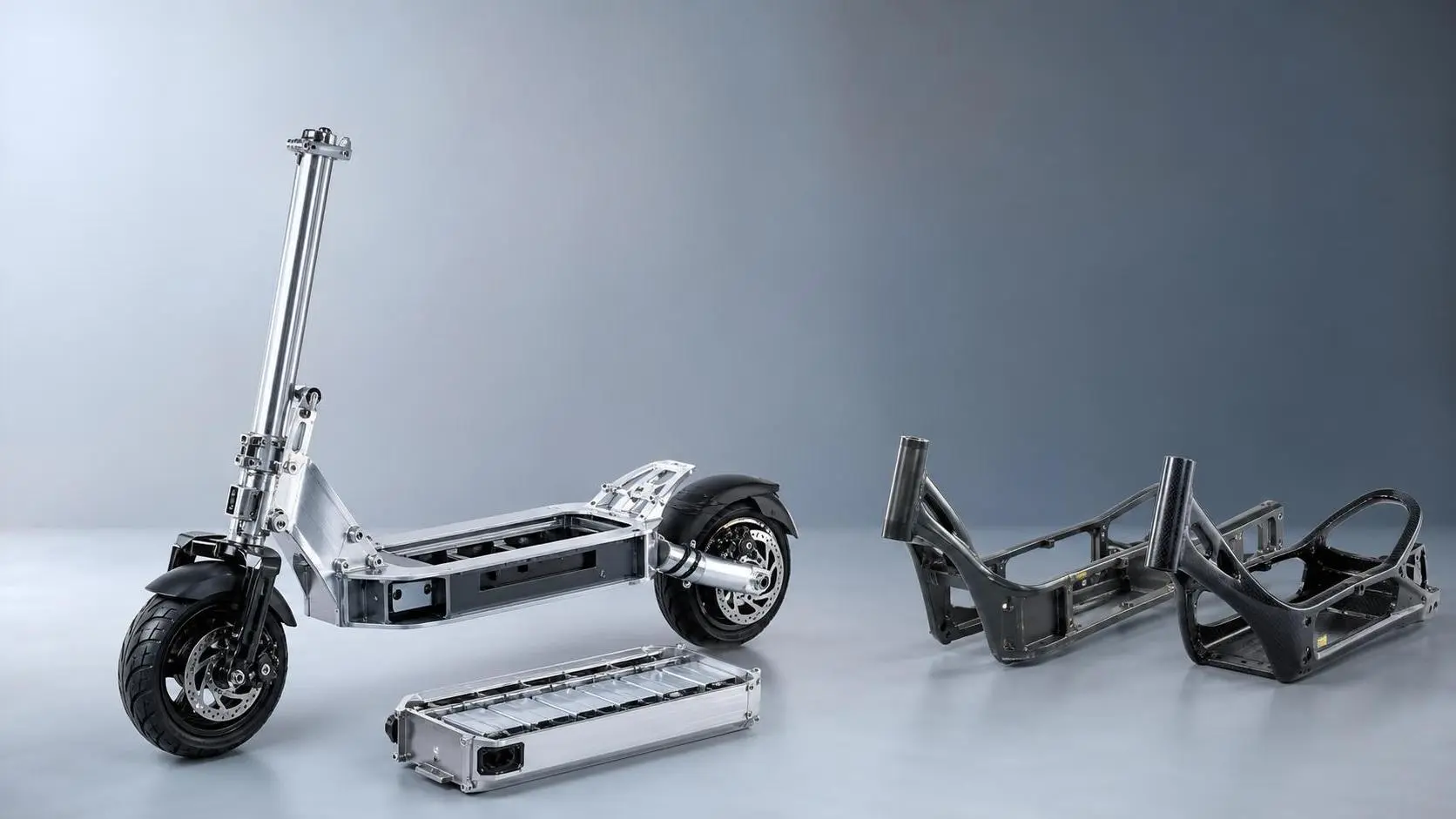
How to Choose Lightweight Scooter Frames in Europe: Materials, Standards, and Use Cases
Lightweight scooter frames Europe buyers need should balance materials, EN standards, durability, and real use cases. Discover how to choose safer, smarter, compliant frames.
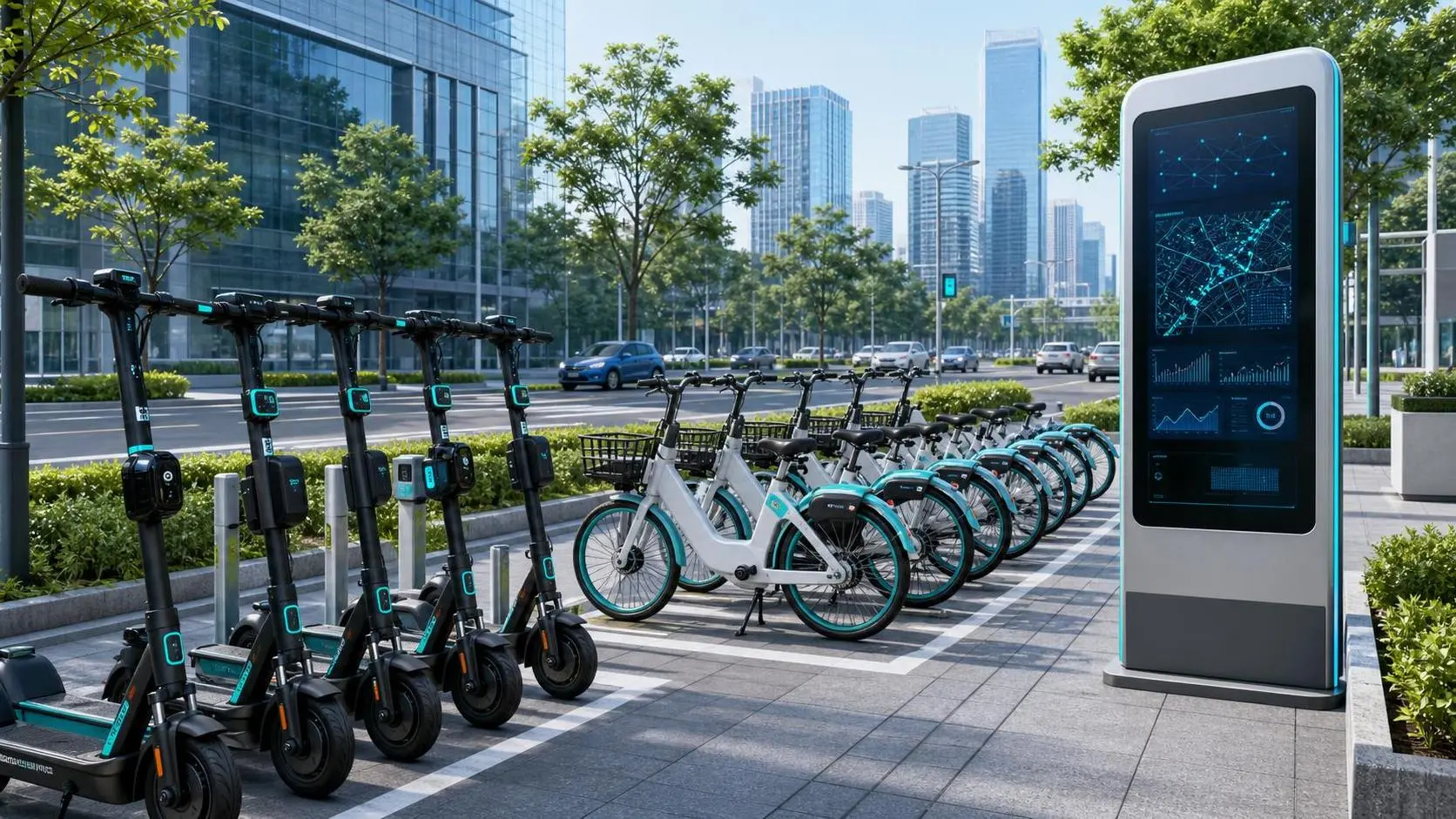
What Is the Intellectualization of Mobility Platform and How Is It Applied in Shared Fleets?
Intellectualization of mobility platform is reshaping shared fleets with real-time data, predictive maintenance, and smarter compliance—learn how it boosts safety, uptime, and urban mobility efficiency.
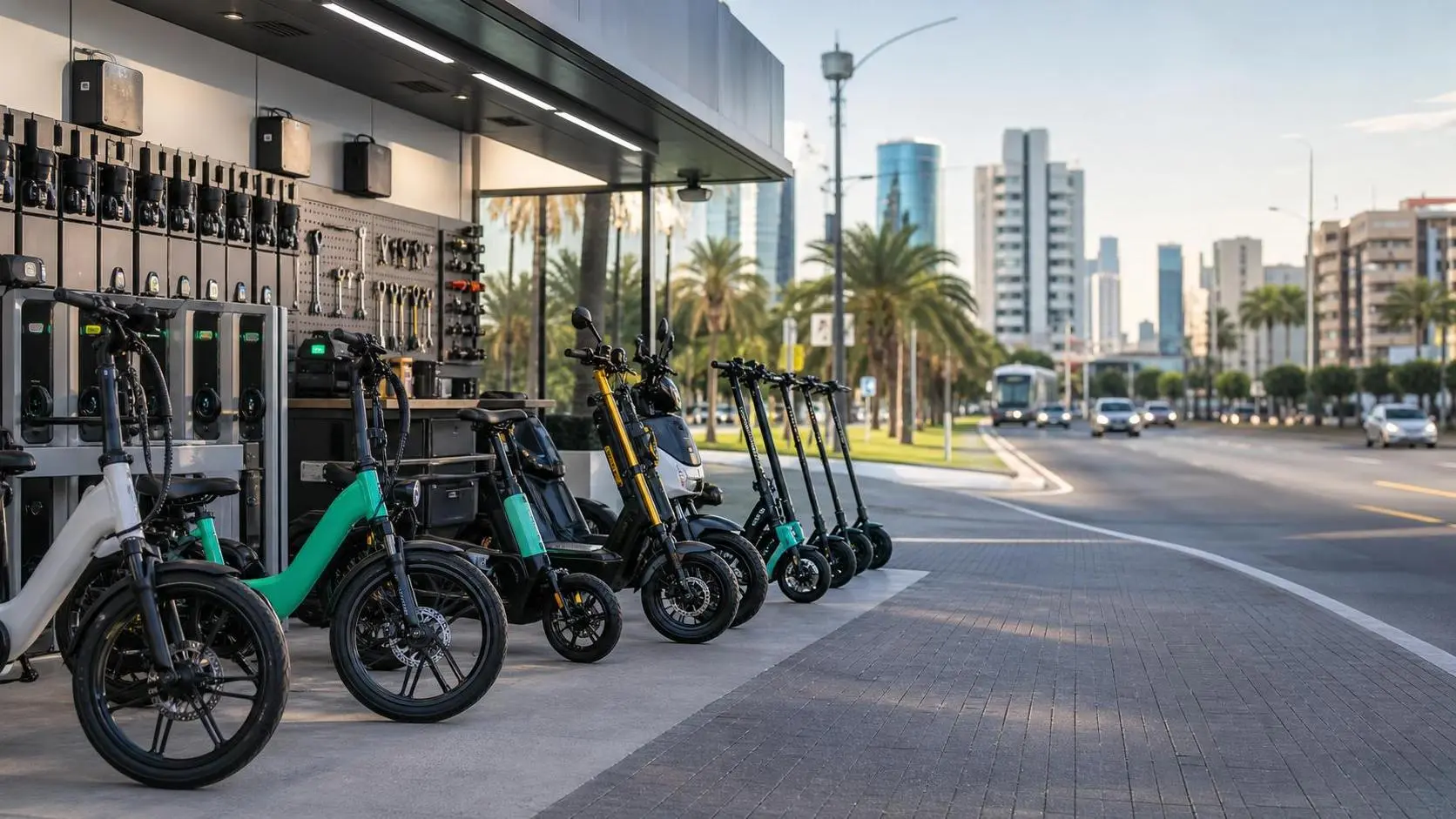
Urban Micro-Mobility Systems in Latin America: Key Market Drivers, Barriers, and Growth Segments
Urban micro-mobility systems Latin America are reshaping city transport. Explore key drivers, barriers, and high-growth segments to spot the region’s most investable opportunities.
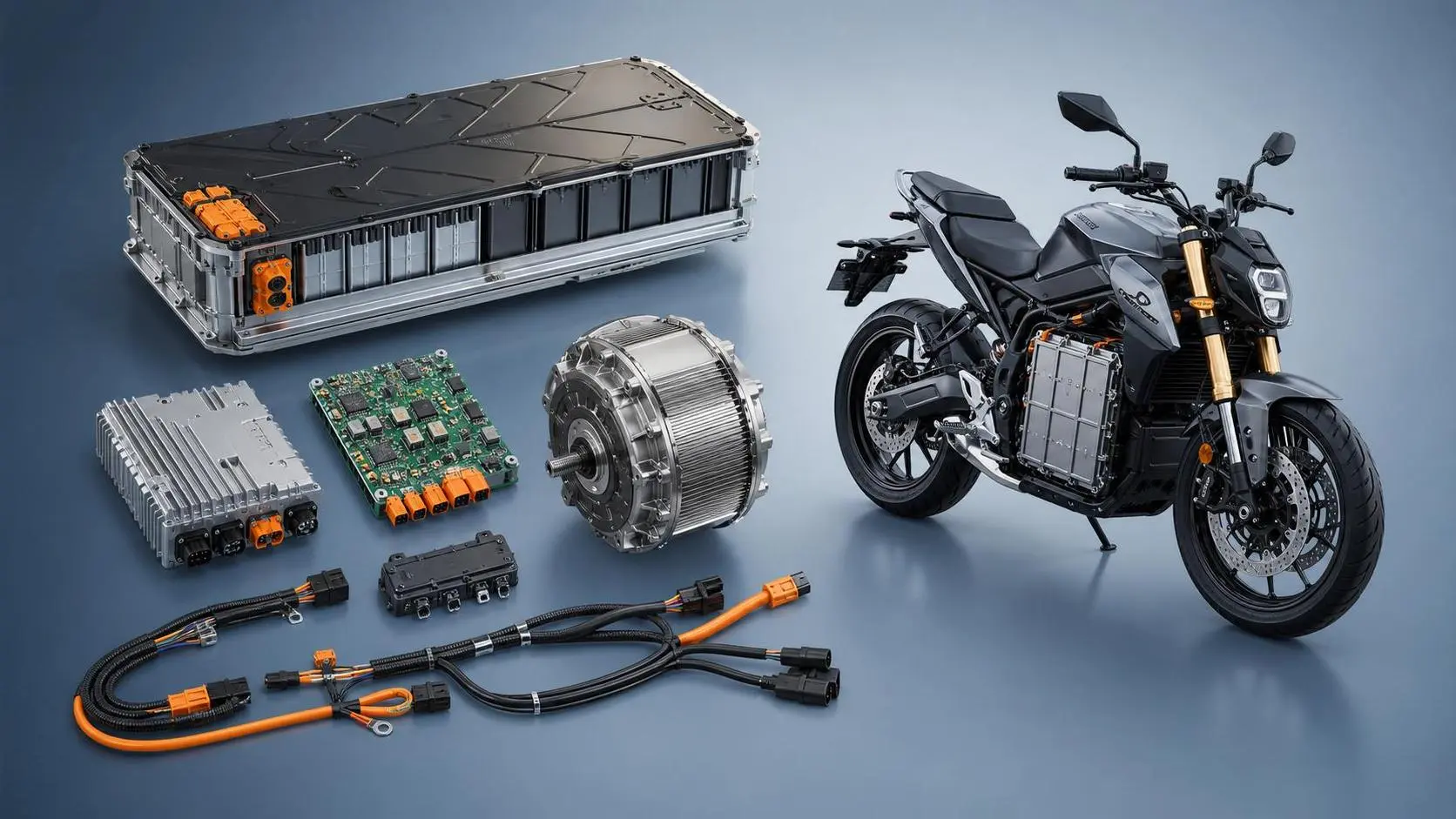
Electric Motorcycle Systems Price Breakdown: What Affects Cost From Battery to Controller?
Electric motorcycle systems price explained: see how battery, controller, motor, BMS, and wiring affect total cost, reliability, and sourcing value before you buy.
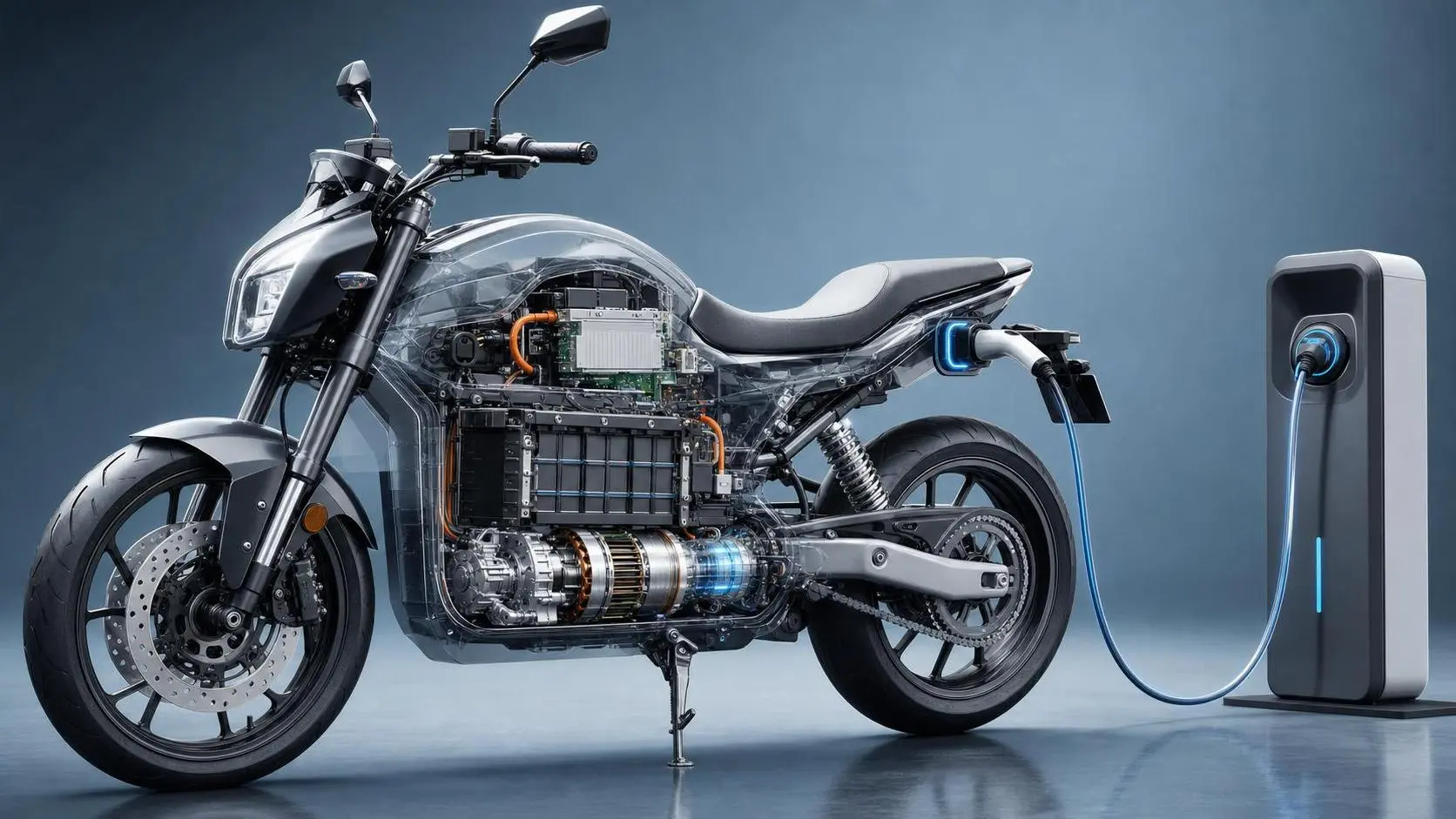
72V Electric Motorcycle Technology Explained: Motors, Controllers, Range, and Charging
Electric motorcycle technology 72V explained clearly: compare motors, controllers, range, battery design, and charging to choose a smoother, stronger, and smarter electric ride.
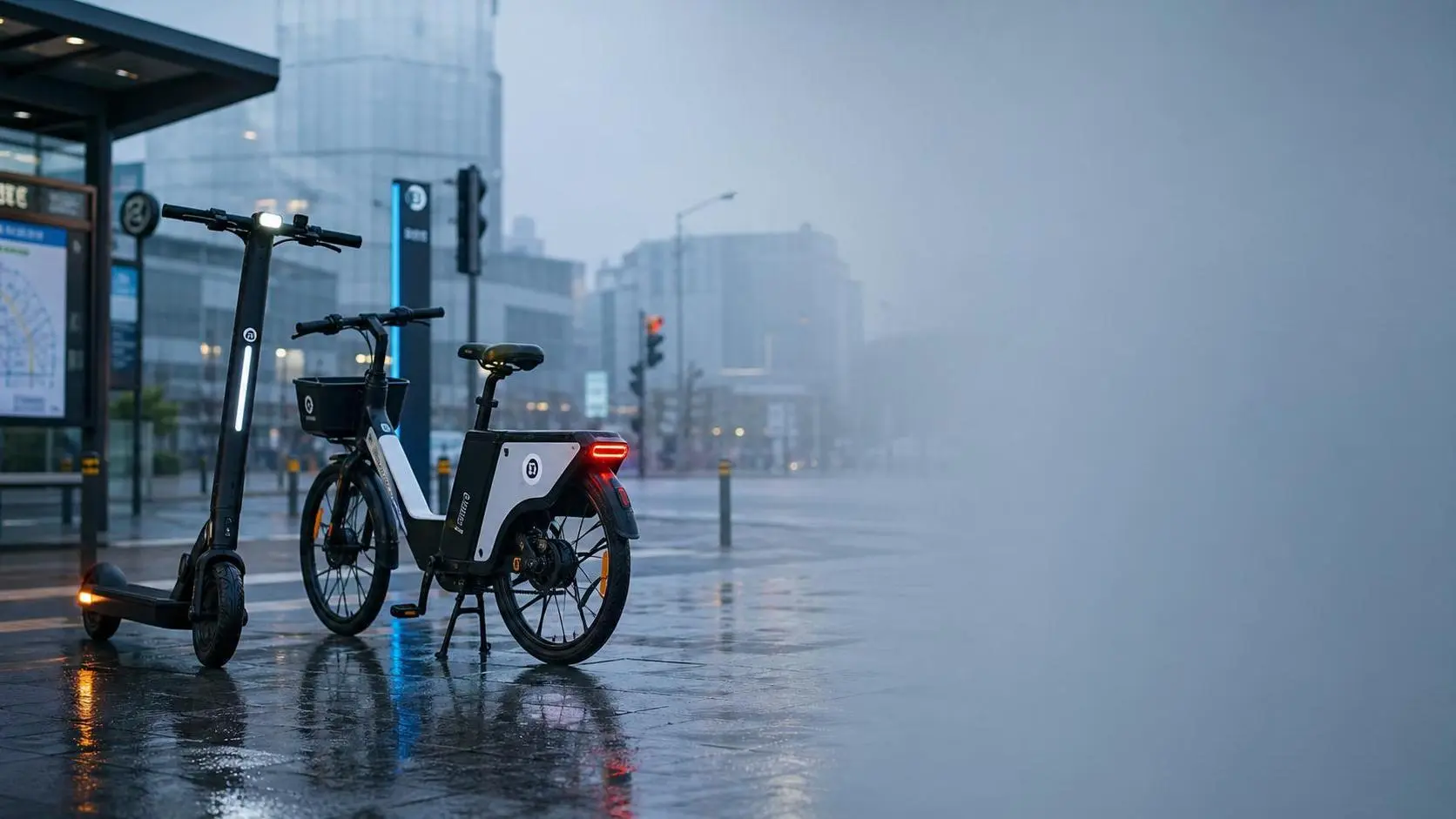
Where LED Urban Visibility Safety Systems Fit Best in Shared Scooters and City E-bikes
LED urban visibility safety systems deliver the most value in shared scooters and city e-bikes by improving multi-angle safety, fleet durability, and urban compliance across real-world routes.
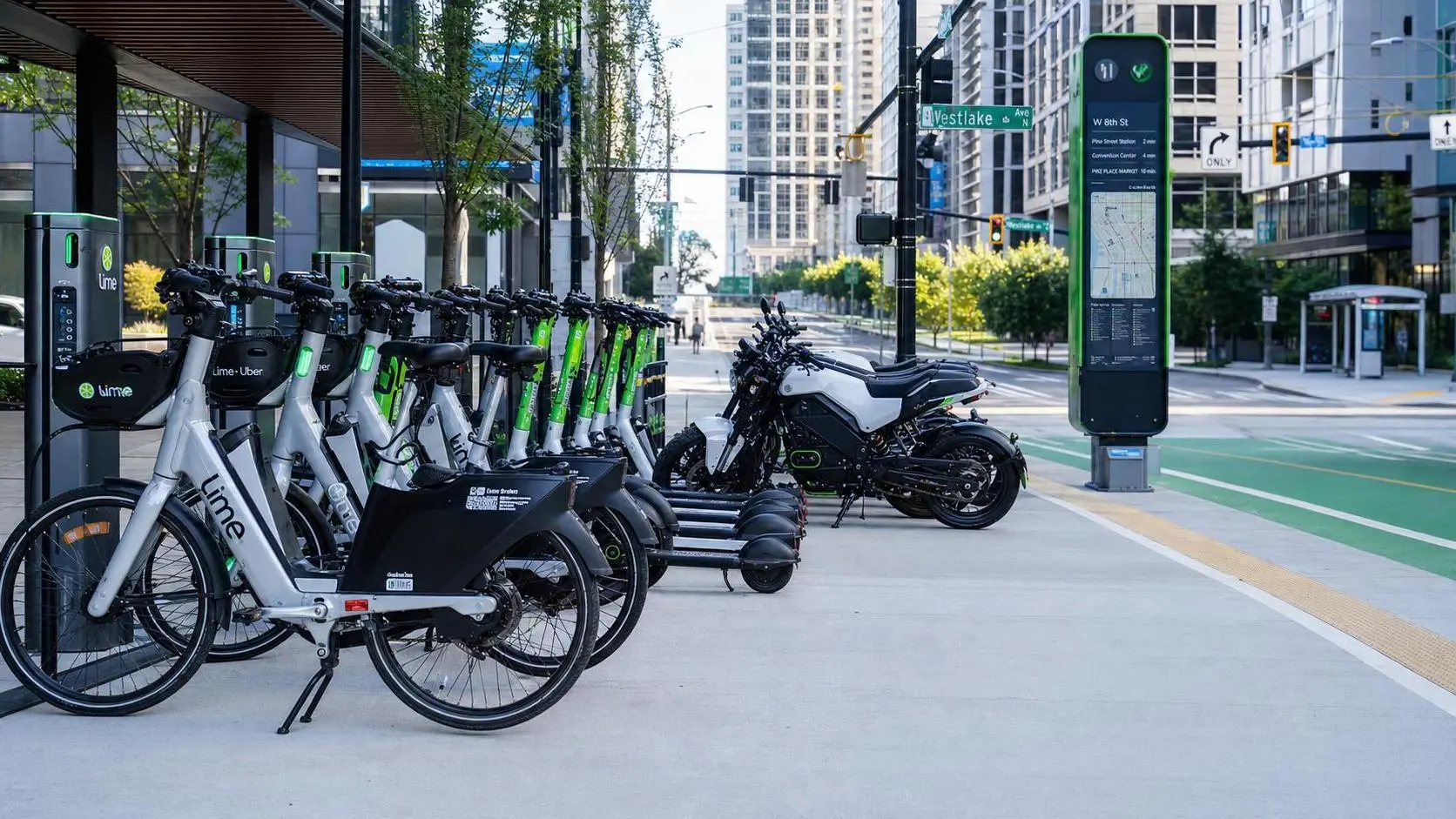
Intellectualization of Mobility in North America: What Is Driving Adoption Across Urban Transport?
Intellectualization of mobility North America is reshaping urban transport through data, smart fleets, and battery intelligence. Explore what is driving adoption and why cities and operators are accelerating now.
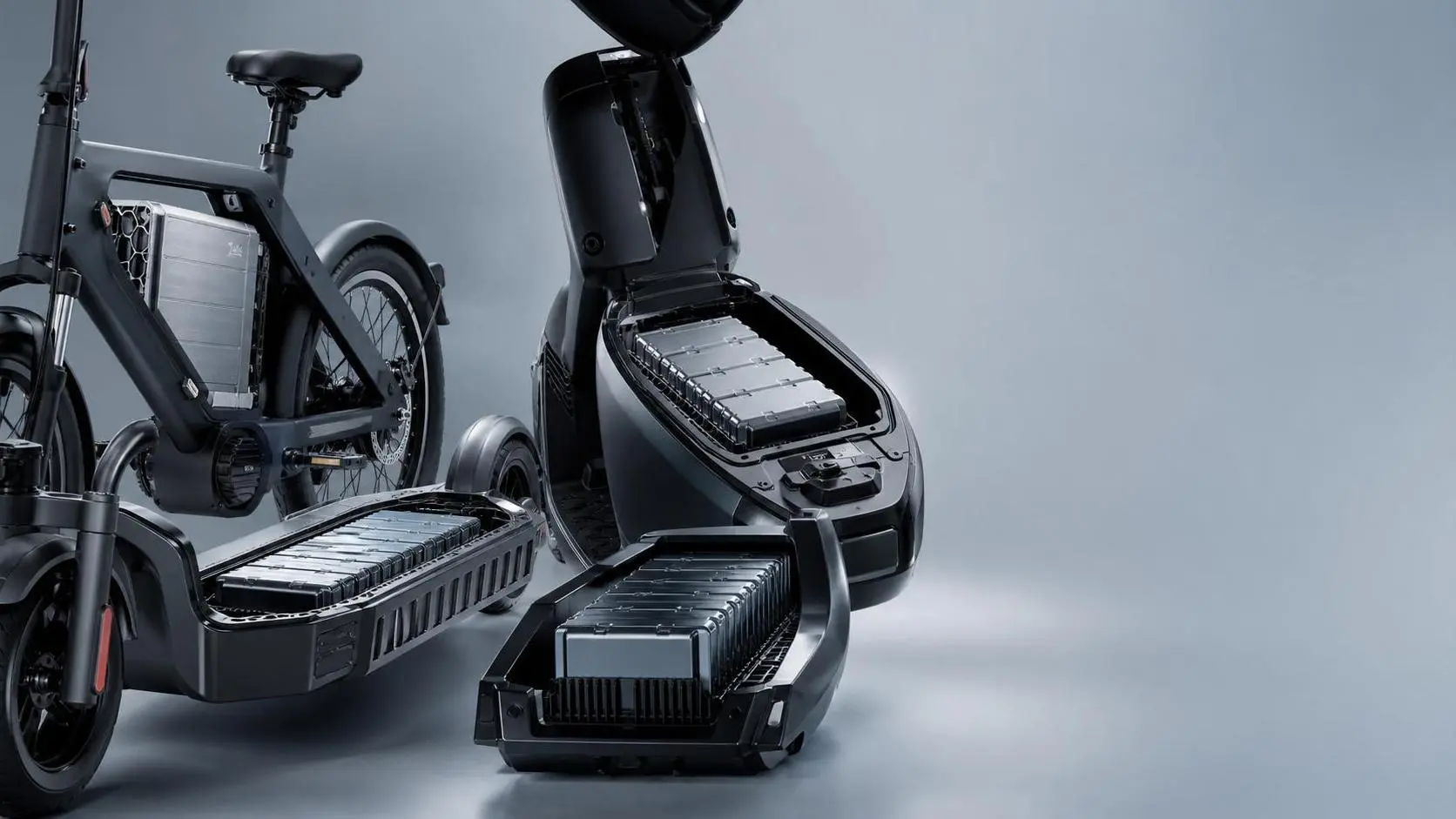
How to Choose a Compact Battery Pack: Size, Energy Density, Thermal Design, and Cycle Life
Compact battery pack selection starts with more than size. Learn how energy density, thermal design, and cycle life shape range, safety, and long-term value.
What Is Driving Green Two-wheelers Demand in Europe? Policy, Fuel Costs, and Buyer Segments
Green two-wheelers demand Europe is rising as policy support, fuel cost pressure, and diverse buyer segments reshape urban mobility. Explore the trends driving the next growth wave.