
Related News
- 00
0000-00
Electric Torque for Ebikes Explained: What Power Delivery Means for Climbing and Cargo - 00
0000-00
Electric Powertrain vs Hub Motor: Which Setup Fits Cargo E-bikes Better? - 00
0000-00
What last mile logistics needs from electric fleets - 00
0000-00
High-Density Battery Trade-Offs for Cargo E-Bikes - 00
0000-00
Decarbonization Technology and the Future of Cargo E-bikes
Micro-Mobility Strategist
Weekly Insights
Stay ahead with our curated technology reports delivered every Monday.
Last Mile Logistics: When E-Bikes Beat Vans on Urban Routes





In dense urban networks, last mile logistics is increasingly a contest between speed, cost, and sustainability. For business decision-makers evaluating delivery efficiency, e-bikes are emerging as a practical alternative to vans on short city routes, offering faster curb access, lower operating costs, and reduced emissions. This article explores when and why that shift creates measurable competitive advantage.
Why last mile logistics is shifting inside major cities
Urban delivery economics have changed. Congestion, parking restrictions, low-emission zones, and rising driver costs are making van-based last mile logistics less efficient on dense routes with frequent stops and light payloads.
For executives, the key question is no longer whether e-bikes can support delivery operations. It is where they outperform vans, how to deploy them, and what operating model produces the best return.
This is where micro-mobility intelligence matters. UMMS tracks the electrification of two-wheelers through battery logic, drivetrain efficiency, urban regulation, and route suitability, helping decision-makers connect transport technology with commercial outcomes.
- Short urban drops often involve more time lost to stopping, parking, and walking parcels than to actual travel distance.
- Many deliveries do not require the payload capacity of a van, especially food, pharmacy, documents, retail replenishment, and spare parts dispatch.
- City governments increasingly favor low-carbon and compact vehicles through access policies, curb management, and sustainability reporting pressure.
The real bottleneck is stop density, not road speed
A van may travel faster between intersections, but last mile logistics performance in city centers is heavily shaped by dwell time. Double parking, searching for curb space, and elevator access can erase any cruising-speed advantage.
E-bikes reduce those penalties. They can use bike infrastructure, access tighter streets, and stop closer to the delivery point. On routes with high stop density, this changes daily route productivity in practical, measurable ways.
When do e-bikes beat vans in last mile logistics?
The answer depends on route design, parcel profile, and city rules. The table below helps compare common urban conditions where e-bikes or vans tend to perform better in last mile logistics planning.
The strongest e-bike business case appears when routes are short, payloads are light to moderate, stop frequency is high, and city friction is high. In those conditions, last mile logistics is won by access efficiency, not vehicle size.
Best-fit urban scenarios
- Same-day retail replenishment in dense shopping districts.
- Food, pharmacy, and small parcel delivery within narrow delivery windows.
- Campus, hospital, and industrial park internal logistics where access points are restricted.
- Service parts distribution for technicians who need speed, not large cargo volume.
Comparison analysis: cost, productivity, and sustainability
A fleet decision should not be based on vehicle price alone. Last mile logistics leaders should compare total operating cost, route productivity, regulatory exposure, and emissions implications over the life of the asset.
The comparison below summarizes typical business considerations when evaluating e-bikes against vans for urban routes.
The takeaway is not that vans are obsolete. Rather, mixed fleets often outperform single-vehicle fleets. E-bikes can take over urban micro-routes, while vans handle line-haul, bulky loads, and outer-zone deliveries.
What enterprise buyers often underestimate
Decision-makers commonly focus on nominal payload, then miss the larger cost drivers in last mile logistics: route idle time, missed delivery windows, rider utilization, and local access constraints.
That is why urban fleet planning needs system intelligence, not just vehicle procurement. UMMS follows drivetrain developments, battery management trends, and city-use conditions that affect real deployment performance.
Technical performance factors that determine success
An e-bike program for last mile logistics succeeds only when the vehicle specification matches the route profile. Battery size alone is not enough. Motor efficiency, cargo geometry, thermal behavior, and serviceability matter just as much.
Key specification areas to review
- Battery system: Assess usable range under stop-start conditions, charging time, cycle life, and whether battery swapping is operationally justified.
- Motor and drivetrain: Look for efficient torque delivery on gradients, stable power output under repeated starts, and low maintenance architecture.
- Cargo integration: Check rack design, box stability, weight distribution, and how loading affects braking and rider control.
- Connectivity: Fleet telemetry, route data capture, battery health monitoring, and theft management are increasingly relevant for scale operations.
- Weather readiness: Lighting, braking consistency, tire selection, and visibility components become critical in all-season city use.
Why systems thinking matters
UMMS covers more than e-bikes in isolation. Insights into battery thermal management, electronic control reliability, component precision, and adjacent safety systems help enterprises judge whether a platform is robust enough for urban commercial duty.
For example, a strong city-delivery vehicle is not defined only by peak motor output. It also depends on how well the system manages energy, wear, uptime, and rider confidence during repeated daily cycles.
How to choose the right last mile logistics fleet model
Procurement errors usually come from buying too early or buying too narrowly. Before committing to a fleet mix, enterprises should test route clusters, load profiles, and staffing assumptions against a clear evaluation framework.
The table below can be used as a practical selection guide for last mile logistics planning and vendor discussions.
This framework helps reduce the risk of overbuying vans for routes that do not need them or under-specifying e-bikes for demanding commercial duty cycles.
A practical rollout sequence
- Map delivery zones by stop density, distance, parcel weight, and time sensitivity.
- Identify routes where vans spend excessive time idling, searching for parking, or waiting at access points.
- Pilot e-bikes on a limited cluster with measurable KPIs such as stops per hour, delivery success, energy cost, and rider uptime.
- Scale only after validating maintenance workflow, battery turnaround, and local compliance requirements.
Compliance, risk, and operational blind spots
Not every city supports the same model of last mile logistics. Rules on speed class, cargo dimensions, battery handling, right-of-way, and rider obligations can vary across markets and even districts.
Enterprises should review local transport rules, battery safety practices, product conformity expectations, and insurance requirements before large-scale deployment. Generic vehicle selection without local legal review creates avoidable risk.
Common mistakes in urban fleet transition
- Assuming all e-bikes are suitable for commercial loads when many are designed for consumer commuting.
- Ignoring battery replacement economics and focusing only on first purchase price.
- Deploying in cities without evaluating road access rules, weather exposure, and theft risk.
- Treating the vehicle as the whole solution instead of building an operating system around charging, routing, and service support.
This is another area where UMMS adds value. The portal’s intelligence approach links product technology, policy signals, and market deployment logic, which is especially useful for OEMs, fleet operators, and supply-chain decision-makers entering new regions.
FAQ: what decision-makers ask about last mile logistics and e-bikes
Are e-bikes suitable for all last mile logistics operations?
No. E-bikes are strongest in dense urban routes with shorter distances, frequent stops, and relatively light payloads. Vans remain better for larger loads, outer-zone service, and routes where weather protection or cargo security is critical.
What should buyers prioritize first: range, speed, or cargo capacity?
Start with route reality. If the operation is stop-heavy, cargo stability, braking, uptime, and battery turnaround may matter more than top speed. For last mile logistics, the best vehicle is the one that completes daily cycles reliably within local regulations.
Can e-bikes lower total cost quickly?
They can, but only in the right use case. Savings usually come from lower energy cost, fewer parking delays, reduced access friction, and improved urban productivity. If routes are too long or loads are too heavy, the economics weaken.
How long does implementation typically take?
That depends on fleet size, route complexity, and local approval needs. A pilot can begin relatively quickly if vehicles, charging practices, and route data are ready. Full rollout takes longer because service routines, rider training, and compliance checks must be aligned.
Trend and insight: the future of urban last mile logistics is mixed and intelligent
The future is not a simple replacement of vans with e-bikes. It is a more segmented fleet architecture where each vehicle type serves the route it fits best. Urban hubs, battery-aware planning, connected vehicles, and policy-driven access models will accelerate that shift.
As cities push toward lower emissions and smoother micro-circulation, companies that understand two-wheeler electrification will have an operational advantage. That includes not only delivery operators, but also OEMs, component suppliers, and platform providers.
Why choose us for last mile logistics intelligence and planning support
UMMS helps business decision-makers evaluate last mile logistics through a sharper lens: route economics, micro-mobility technology, battery logic, drivetrain performance, and market regulation. That combination is valuable when a standard fleet comparison is not enough.
You can contact us for practical support on route-fit analysis, e-bike and two-wheeler solution selection, component and system direction, delivery cycle planning, policy and compliance review, sample evaluation priorities, and market-focused quotation discussions.
If your team is comparing urban delivery models, preparing a pilot, or assessing supplier strategy in micro-mobility, a focused conversation can clarify parameter choices, implementation risks, expected operating trade-offs, and the most viable deployment path for your city network.
Related News
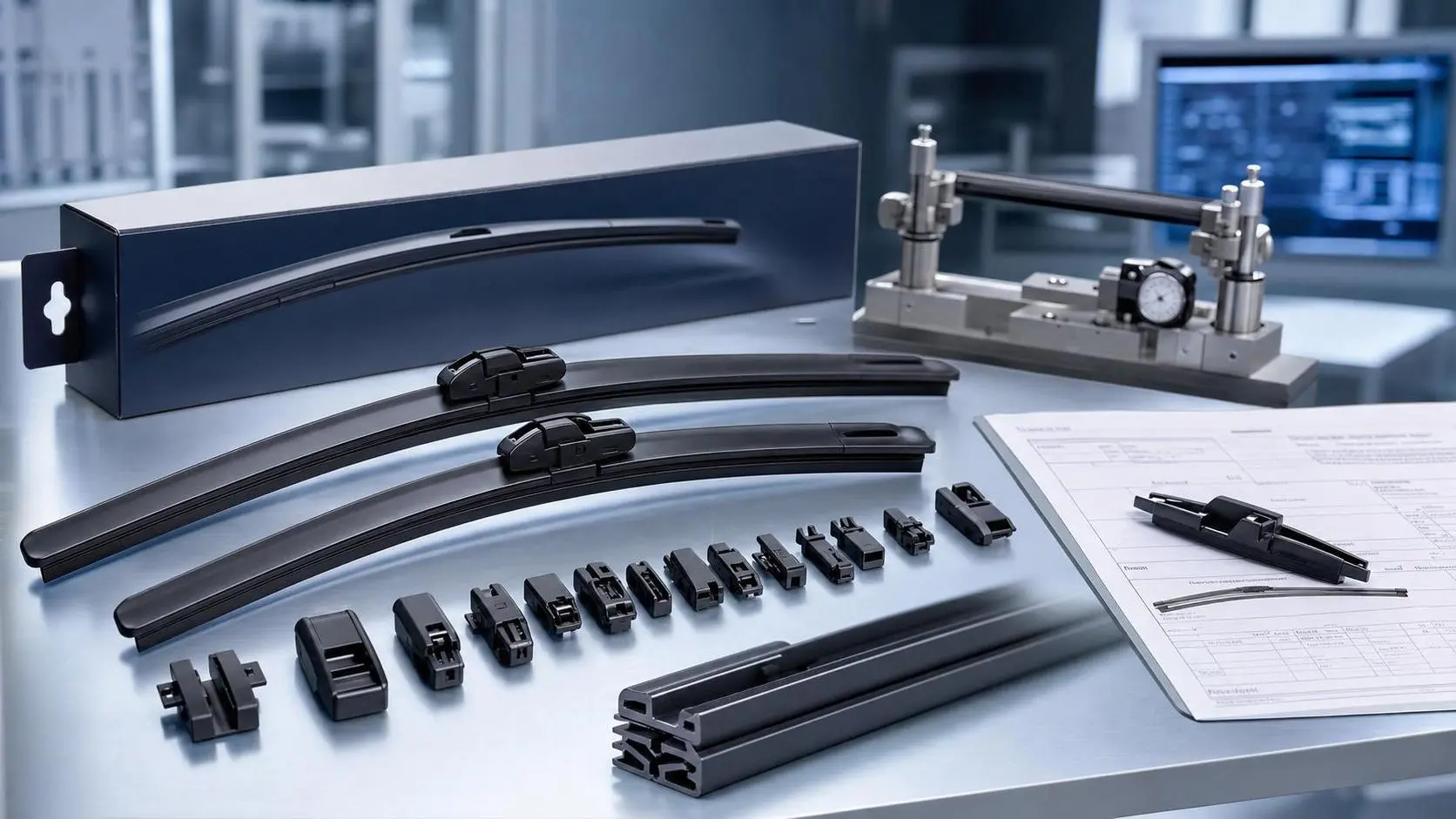
Flat Wiper Blades Wholesale Buying Guide: MOQ, Rubber Quality, Fitment, and Supplier Checks
Flat wiper blades wholesale buying guide covering MOQ, rubber quality, fitment accuracy, and supplier checks to reduce risk, improve margins, and choose reliable bulk partners.
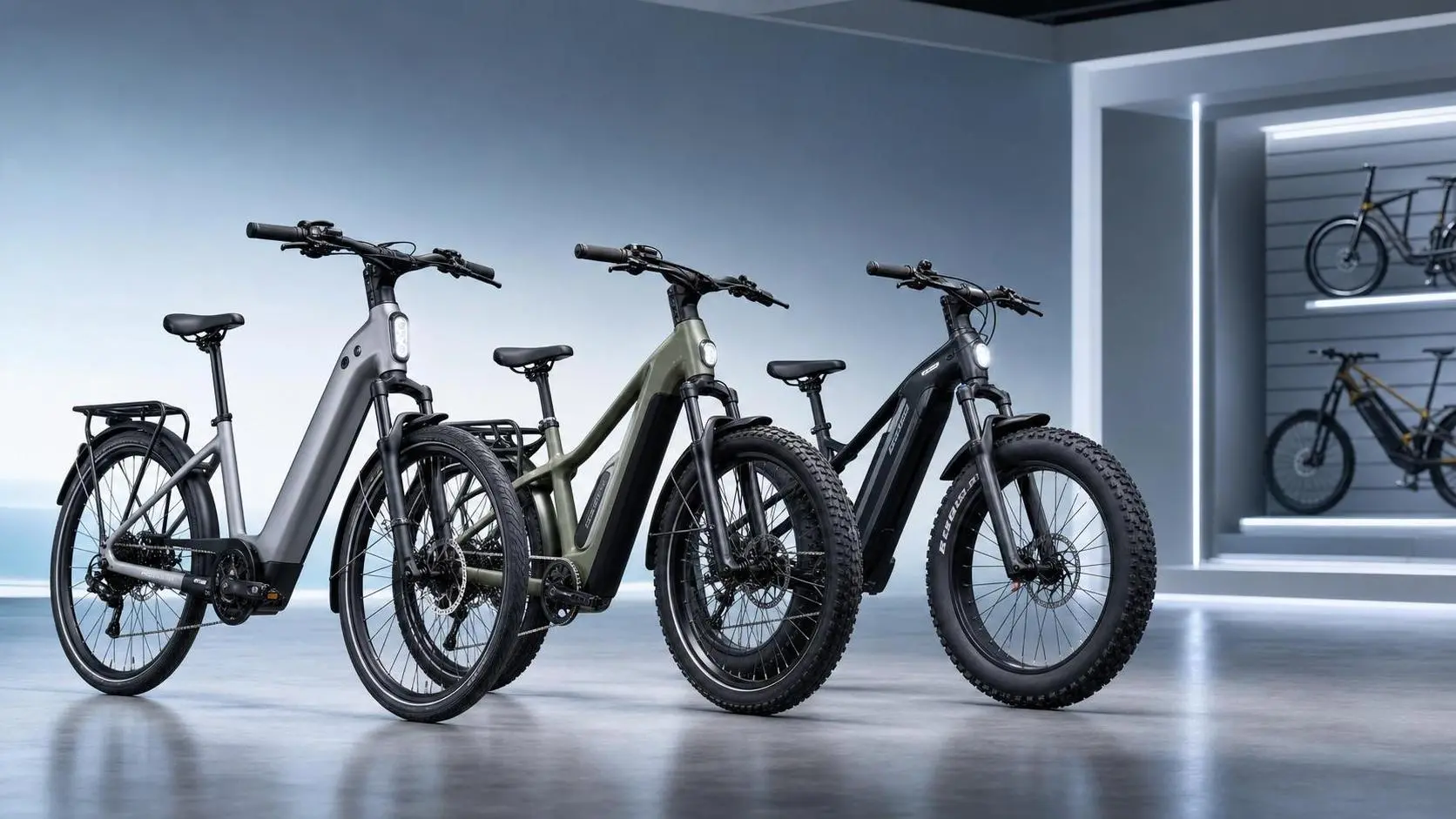
Ebike Market USA: What Dealers Should Know About Demand Shifts, Pricing, and Product Mix
ebike market USA is shifting fast. Discover how demand segmentation, pricing pressure, and smarter product mix decisions can help dealers protect margins and grow.
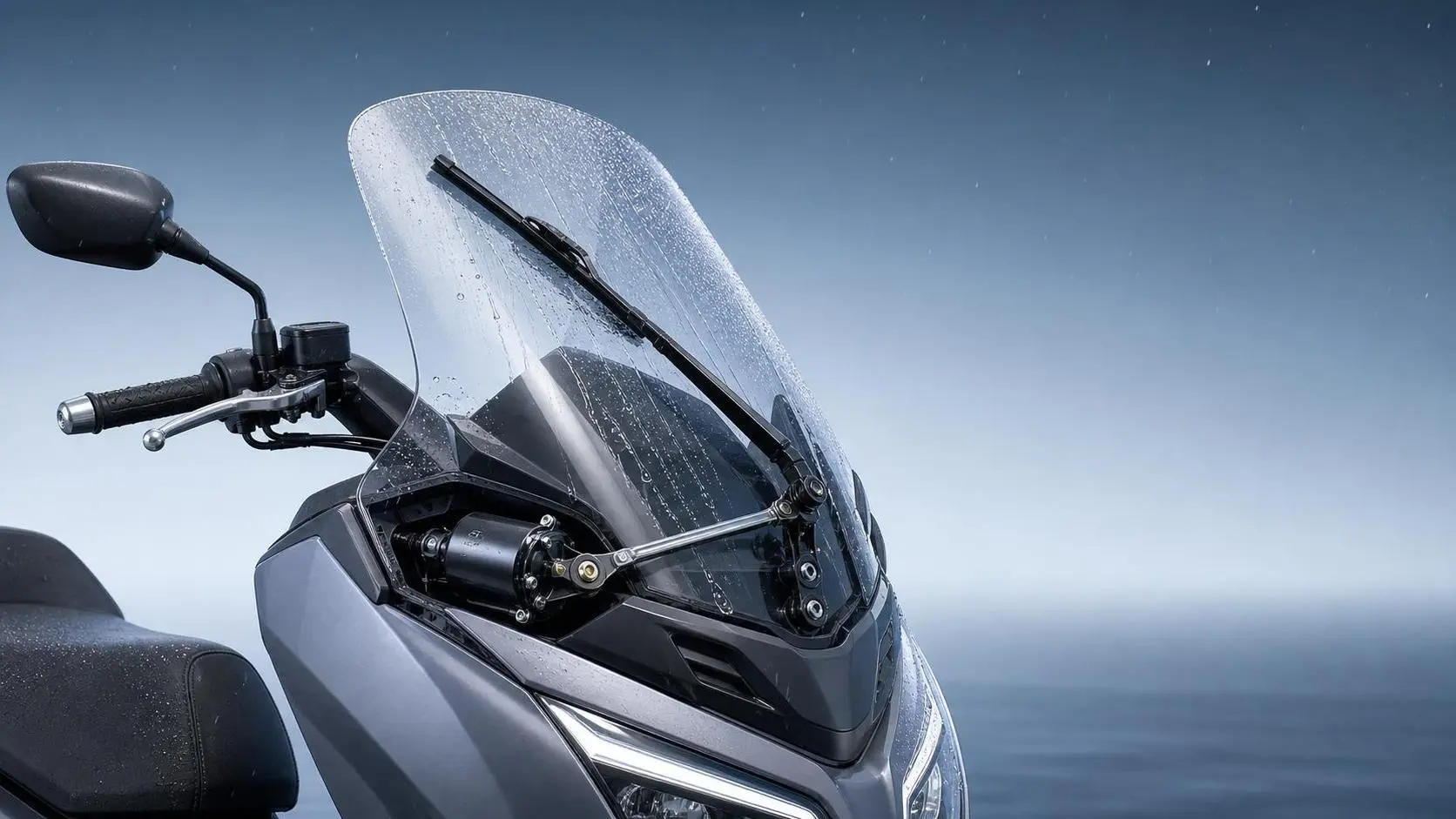
Wiper Systems for Scooters: Common Failure Points, Maintenance Tips, and Replacement Signs
Wiper systems for scooters: learn the most common failure points, smart maintenance tips, and clear replacement signs to improve visibility, reduce repeat repairs, and keep riders safer.
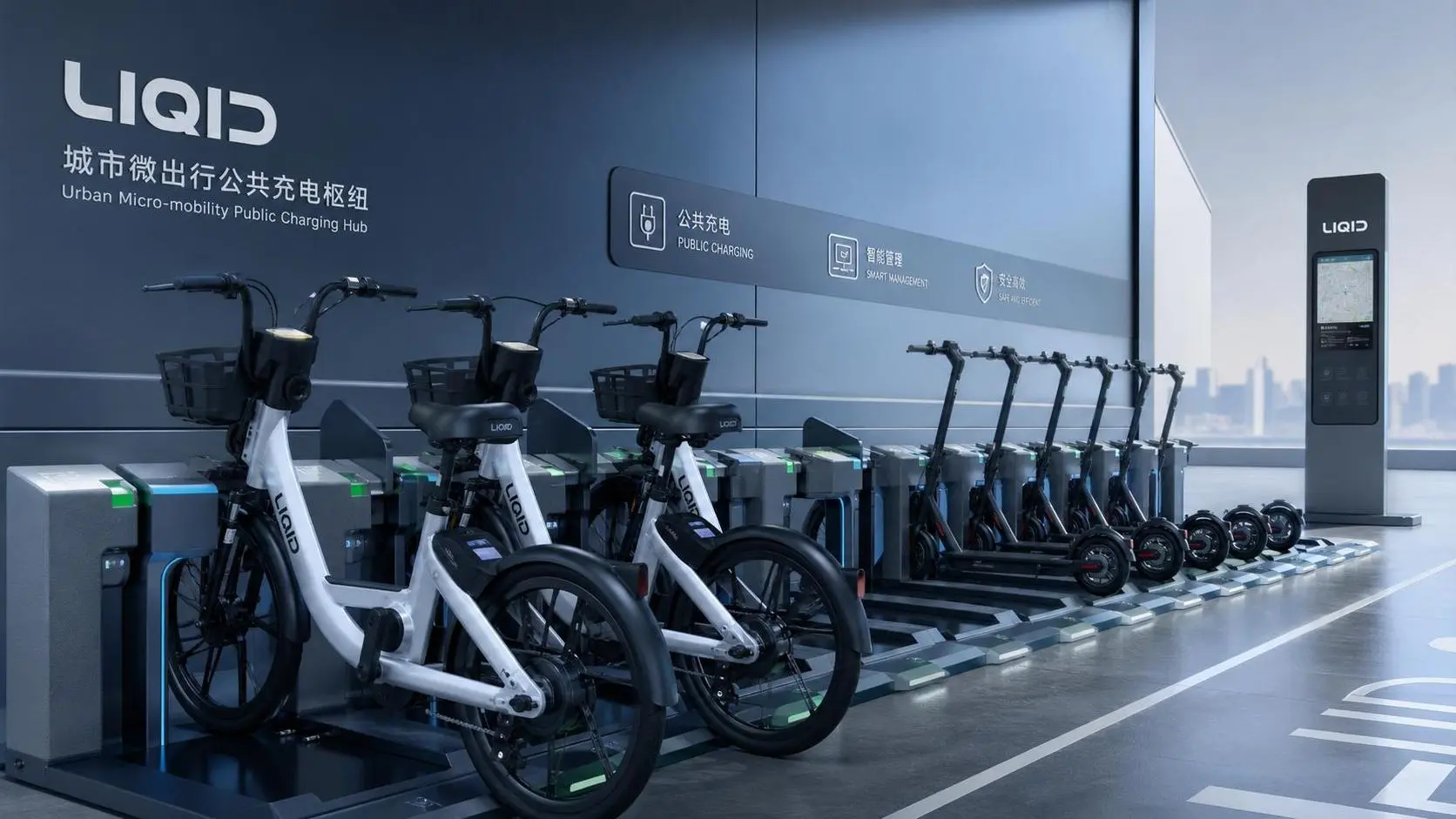
How to Choose Micro-Mobility Docking Stations for Shared Fleets and Public Charging Hubs
Micro-mobility docking stations: learn how to compare charging, locking, software, and site-fit factors to choose safer, smarter hubs for shared fleets and public use.
Powertrain Heat Management Explained: Key Design Factors for EV Efficiency and Battery Life
Powertrain heat management explained for EVs: discover how thermal design boosts efficiency, protects battery life, improves safety, and sustains real-world performance.
Urban Mobility Market Analysis: Demand Drivers, Policy Risks, and Revenue Models Compared
Urban mobility market analysis compares demand drivers, policy risks, and revenue models across e-bikes, scooters, and e-motorcycles to reveal where growth is durable.
Shared Mobility Compliance Checklist: Permits, Safety Rules, and Fleet Data Requirements
Shared mobility compliance made simple: explore a practical checklist for permits, safety rules, and fleet data requirements to launch faster, reduce risk, and stay audit-ready.
What Affects Ebike Energy Efficiency? Battery Size, Rider Weight, Terrain, and Speed
Ebike energy efficiency explained: learn how battery size, rider weight, terrain, and speed shape real-world range, lower Wh/km, and smarter buying or commuting decisions.
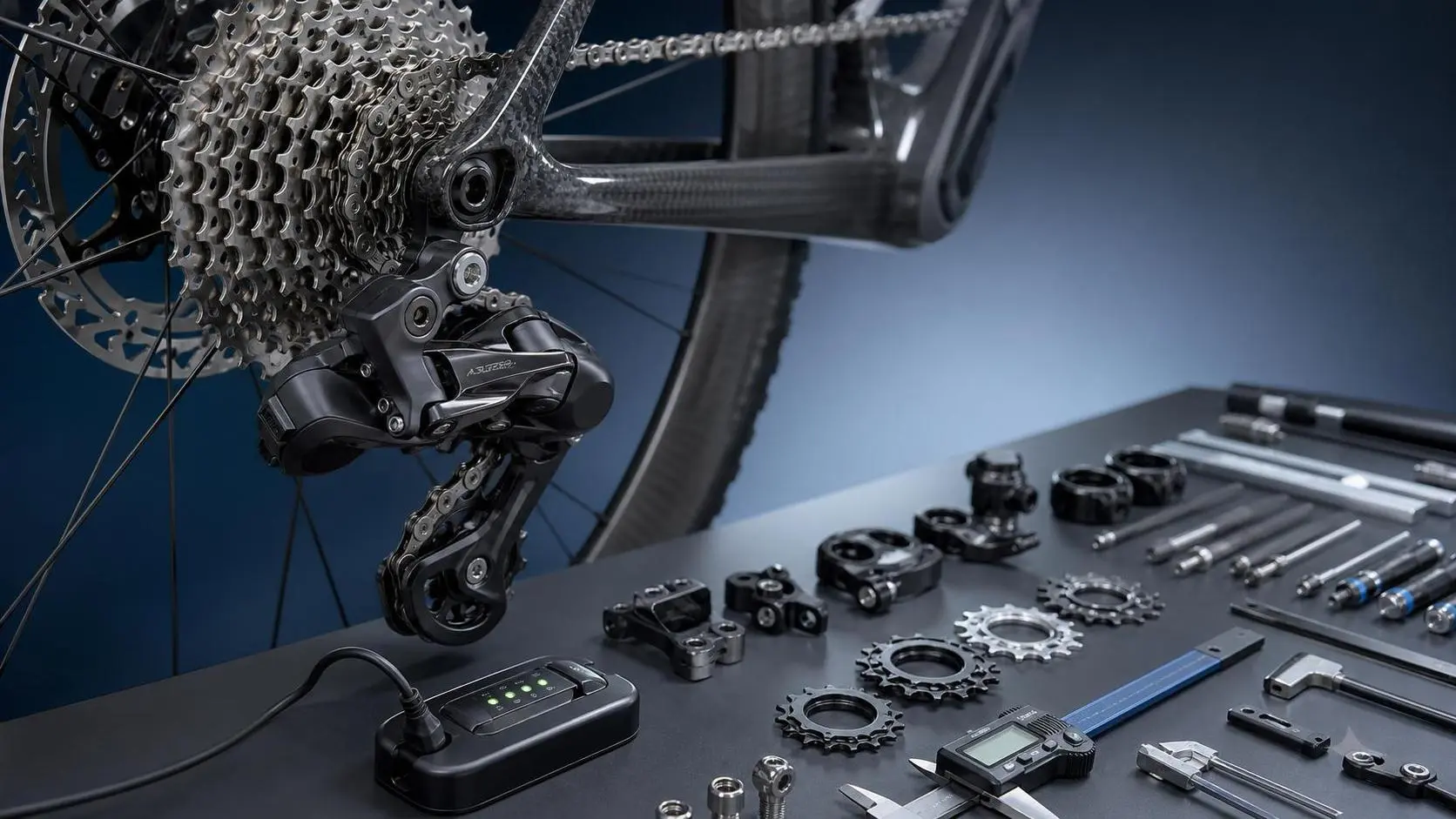
Wireless Electronic Shifting in North America: Compatibility, Standards, and Upgrade Limits
Wireless electronic shifting North America explained: compare compatibility, FCC/ISED standards, retrofit limits, and upgrade risks before choosing the right platform.