
Related News
- 00
0000-00
Electric Torque for Ebikes Explained: What Power Delivery Means for Climbing and Cargo - 00
0000-00
Electric Powertrain vs Hub Motor: Which Setup Fits Cargo E-bikes Better? - 00
0000-00
What last mile logistics needs from electric fleets - 00
0000-00
High-Density Battery Trade-Offs for Cargo E-Bikes - 00
0000-00
Decarbonization Technology and the Future of Cargo E-bikes
Micro-Mobility Strategist
Weekly Insights
Stay ahead with our curated technology reports delivered every Monday.
Urban Transportation Shifts Reshaping Local Delivery





Urban transportation is rapidly shifting as cities demand faster, cleaner, and smarter local delivery systems. For project managers and engineering leaders, this transition is more than a logistics trend—it is a systems challenge involving micro-mobility integration, battery efficiency, infrastructure readiness, and regulatory alignment. Understanding these changes is essential to designing resilient delivery networks that meet sustainability goals and rising urban service expectations.
For B2B decision-makers, the real issue is not whether local delivery will electrify, but how fast networks can be redesigned without creating bottlenecks in charging, maintenance, fleet uptime, or compliance. In dense urban corridors, delivery performance is now influenced by vehicle class, route length, curb access, payload limits, rider safety systems, and data visibility across the fleet.
This is where micro-mobility intelligence becomes practical. E-bikes, smart e-scooters, high-speed e-motorcycles, precision drivetrain components, and safety subsystems such as smart wiper systems all affect the operating economics of urban transportation. For project leaders responsible for deployment, vendor selection, and implementation planning, a systems view is essential.
Why Urban Transportation Is Changing Local Delivery Models
Local delivery used to depend mainly on vans, motorcycles, and fixed dispatch zones. Today, urban transportation is shifting toward smaller electric platforms because city centers are becoming more congested, emission-sensitive, and time-critical. In many delivery environments, the most efficient vehicle for a 3 km route is no longer the best option for a 15 km route, and project teams must build mixed fleets accordingly.
A typical urban delivery operation now evaluates at least 4 variables at the planning stage: average trip distance, stop density, battery turnaround time, and regulatory access. If a fleet handles 40 to 80 drops per rider per day, even a 3-minute delay at each curbside stop can add 2 to 4 hours of lost service capacity across one shift.
The five technical pillars influencing last-mile performance
Urban transportation is not being reshaped by vehicles alone. It is being restructured by integrated technical layers. UMMS tracks five pillars with direct relevance to local delivery engineering: e-bikes, smart e-scooters, high-speed e-motorcycles, bicycle derailleur components, and advanced wiper systems for weather resilience and visibility safety.
- E-bikes support 5 km to 25 km daily route clusters with low operating cost and moderate payload demand.
- Smart e-scooters improve ultra-short last-mile access, especially in campus, retail, and mixed-use districts.
- High-speed e-motorcycles suit time-sensitive routes above 20 km where acceleration and swap-ready batteries matter.
- Precision derailleur systems reduce drivetrain losses and improve rider efficiency on stop-and-go delivery cycles.
- Smart wiper systems become critical for visibility on enclosed or semi-enclosed delivery vehicles in heavy rain or winter use.
Why this matters for project managers
Engineering leaders rarely fail because a vehicle is underpowered on paper. They fail when deployment assumptions ignore battery degradation, route variability, servicing intervals, or local right-of-way rules. A fleet that performs well in dry weather and flat terrain may lose 15% to 30% of practical range under cold temperatures, repeated hill starts, or overloaded cargo use.
The table below compares common micro-mobility options used in urban transportation projects for local delivery. It can help project teams align route planning with payload, speed, and infrastructure constraints before procurement begins.
The key takeaway is that no single platform solves every route. Urban transportation planning for local delivery increasingly depends on hybrid fleet architecture. Matching the wrong vehicle to the wrong route can raise maintenance frequency, reduce shift utilization, and increase rider fatigue within the first 60 to 90 days of operation.
Core Design Factors for Resilient Delivery Networks
Project teams evaluating new delivery models should think in terms of system resilience rather than individual unit cost. In urban transportation, the lowest purchase price does not automatically produce the lowest operating cost. Battery life, charging logic, drivetrain efficiency, component interoperability, and weather performance all shape total ownership over 12 to 36 months.
Battery efficiency and charging strategy
Battery planning is often the first hidden risk. A vehicle with nominal range of 60 km may deliver only 40 km to 50 km in high-frequency stop conditions. For fleets running 2 shifts per day, charging downtime must be balanced against route turnover. Some operators prefer fixed charging windows of 4 to 6 hours, while others need battery swapping completed in under 5 minutes.
Engineering teams should assess at least 5 battery variables: pack capacity, cycle life, thermal behavior, charge time, and replacement workflow. In high-speed e-motorcycle projects, thermal management becomes especially important because repeated fast acceleration and warm-weather operations can shorten effective battery performance if cooling logic is weak.
Mechanical efficiency and component durability
Precision drivetrain components matter more than many procurement teams expect. In delivery fleets, repeated starts, shifting under load, and poor road conditions stress chains, cassettes, and derailleur systems. Over a 6-month period, even small inefficiencies in chain drive performance can translate into higher rider effort, increased battery draw, and more maintenance interventions.
Wireless or electronically assisted shifting systems are gaining attention in premium applications because they reduce shift lag and improve consistency. However, project managers should also evaluate interference protection, serviceability, spare parts availability, and technician training time before specifying advanced drivetrains.
Visibility and weather-readiness
Urban transportation projects often underestimate poor-weather exposure. Rain, road spray, fogging, and reduced visibility can affect rider safety, sensor accuracy, and scheduling reliability. In enclosed delivery platforms or electric utility trikes, smart wiper systems with brushless motors and adaptive wipe logic can reduce visibility risk in heavy-weather cycles.
For project teams operating in regions with seasonal extremes, weather-readiness should be reviewed at 3 levels: component sealing, braking response, and visibility support systems. This is especially relevant where fleet service targets require over 95% daily availability throughout the year.
Implementation Priorities for Project Managers and Engineering Leaders
A successful urban transportation shift requires more than buying electric vehicles. It needs cross-functional implementation across procurement, operations, facilities, compliance, and maintenance. Most failures appear during scaling, not during pilot launch. A 10-unit trial may perform well, while a 100-unit rollout exposes weak charging layouts, spare part shortages, and dispatch software gaps.
A practical 5-step rollout framework
- Map route profiles by distance, payload, stop density, and terrain over a 2 to 4 week observation period.
- Select vehicle classes by use case rather than by brand preference alone.
- Test charging or battery swap operations under peak demand, including backup scenarios.
- Define maintenance intervals, spare inventory levels, and technician responsibilities before fleet launch.
- Review local regulations on lane access, parking, speed thresholds, and fleet safety obligations.
Procurement and engineering checkpoints
Before issuing a sourcing decision, project leaders should validate whether each supplier can support the operating model for at least 12 months. Delivery success depends on response time for replacement parts, firmware updates for connected devices, battery handling procedures, and practical field service support. Fast lead times are useful, but unsupported fleets become expensive very quickly.
The following table outlines common selection criteria used in urban transportation procurement for local delivery systems. It is designed to help engineering and project teams compare suppliers on operational fit, not only on unit price.
This comparison shows that implementation strength comes from predictable support systems. In urban transportation, procurement mistakes usually stem from underestimating service workflows. A vehicle that looks efficient on a specification sheet may still disrupt delivery if parts availability stretches beyond 2 weeks or if charging throughput is poorly matched to shift cycles.
Common Risks, Misjudgments, and How to Avoid Them
As local delivery networks evolve, project teams often repeat a few avoidable mistakes. These issues are not usually technical in isolation. They emerge when planning, infrastructure, and operating assumptions are disconnected. Urban transportation projects benefit when risk is identified early at the route, asset, and policy levels.
Three common planning errors
- Using nominal range instead of real delivery range, especially in cold weather, high payload, or high-stop cycles.
- Choosing one vehicle type for all routes, even when service areas differ by 3x or more in density and speed demand.
- Ignoring maintenance touchpoints such as brake wear, drivetrain contamination, or sensor recalibration after repeated daily use.
Operational risk controls
A practical risk-control plan should include 4 elements: route-based vehicle assignment, battery reserve policy, parts stocking thresholds, and seasonal readiness checks. For example, maintaining a 10% to 15% battery reserve can help absorb delays caused by detours, rider reassignment, or weather impacts without forcing emergency charging mid-shift.
Project leaders should also define inspection intervals. High-usage fleets may require drivetrain and braking checks every 2 to 3 weeks, while lower-intensity fleets may work on a monthly cycle. Smart connected vehicles can reduce surprise failures when fault alerts, battery status, and utilization data are monitored centrally.
Why intelligence platforms matter
The complexity of urban transportation is increasing because technical selection now intersects with policy shifts, subsidy structures, safety requirements, and evolving buyer expectations. That is why intelligence platforms such as UMMS are valuable to project managers and engineering leads. They connect component-level knowledge with market-level change.
When a team needs to compare e-bike demand patterns in Europe, scooter access regulations in city centers, battery thermal management considerations for high-speed e-motorcycles, or wireless shifting reliability trends, the decision process becomes faster and less speculative. Better intelligence reduces redesign cycles and supports more stable rollout planning.
Building the Next Phase of Local Delivery
Urban transportation is moving toward smaller, connected, and more energy-efficient delivery systems, but the transition only works when technology choices align with operational reality. Project managers need route-specific vehicle planning, disciplined battery strategy, durable components, weather-aware safety design, and compliance-ready implementation from day one.
For organizations involved in e-bikes, smart e-scooters, high-speed e-motorcycles, wiper systems, or precision bicycle components, the strongest commercial position comes from solving real deployment problems rather than offering isolated hardware. That is the space where strategic intelligence, engineering detail, and procurement clarity create lasting value.
If your team is evaluating how urban transportation shifts will affect local delivery strategy, component selection, or rollout planning, now is the right time to review the system as a whole. Contact us to discuss your project priorities, request a tailored solution, or explore deeper micro-mobility insights for your next delivery network upgrade.
Related News
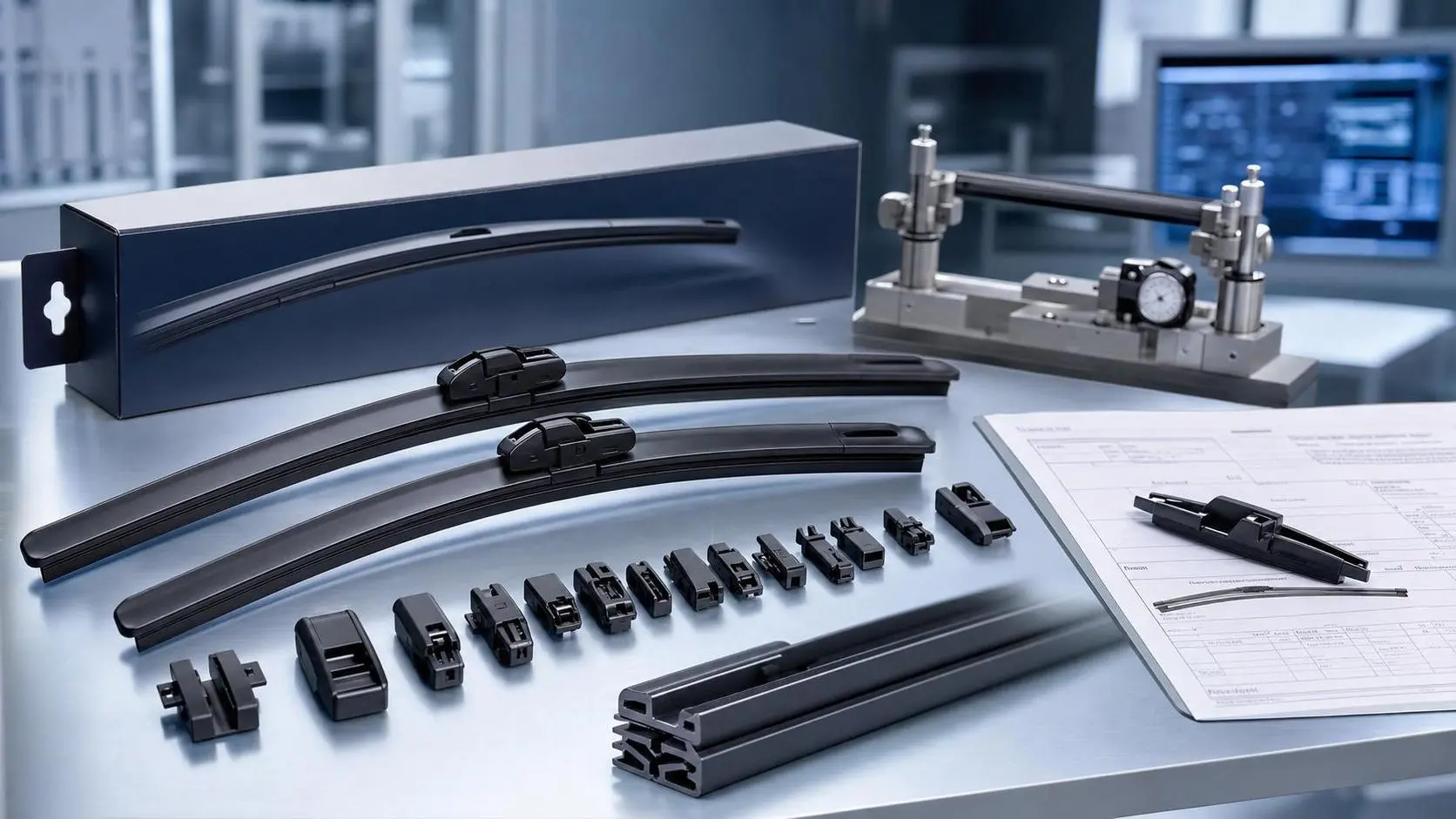
Flat Wiper Blades Wholesale Buying Guide: MOQ, Rubber Quality, Fitment, and Supplier Checks
Flat wiper blades wholesale buying guide covering MOQ, rubber quality, fitment accuracy, and supplier checks to reduce risk, improve margins, and choose reliable bulk partners.
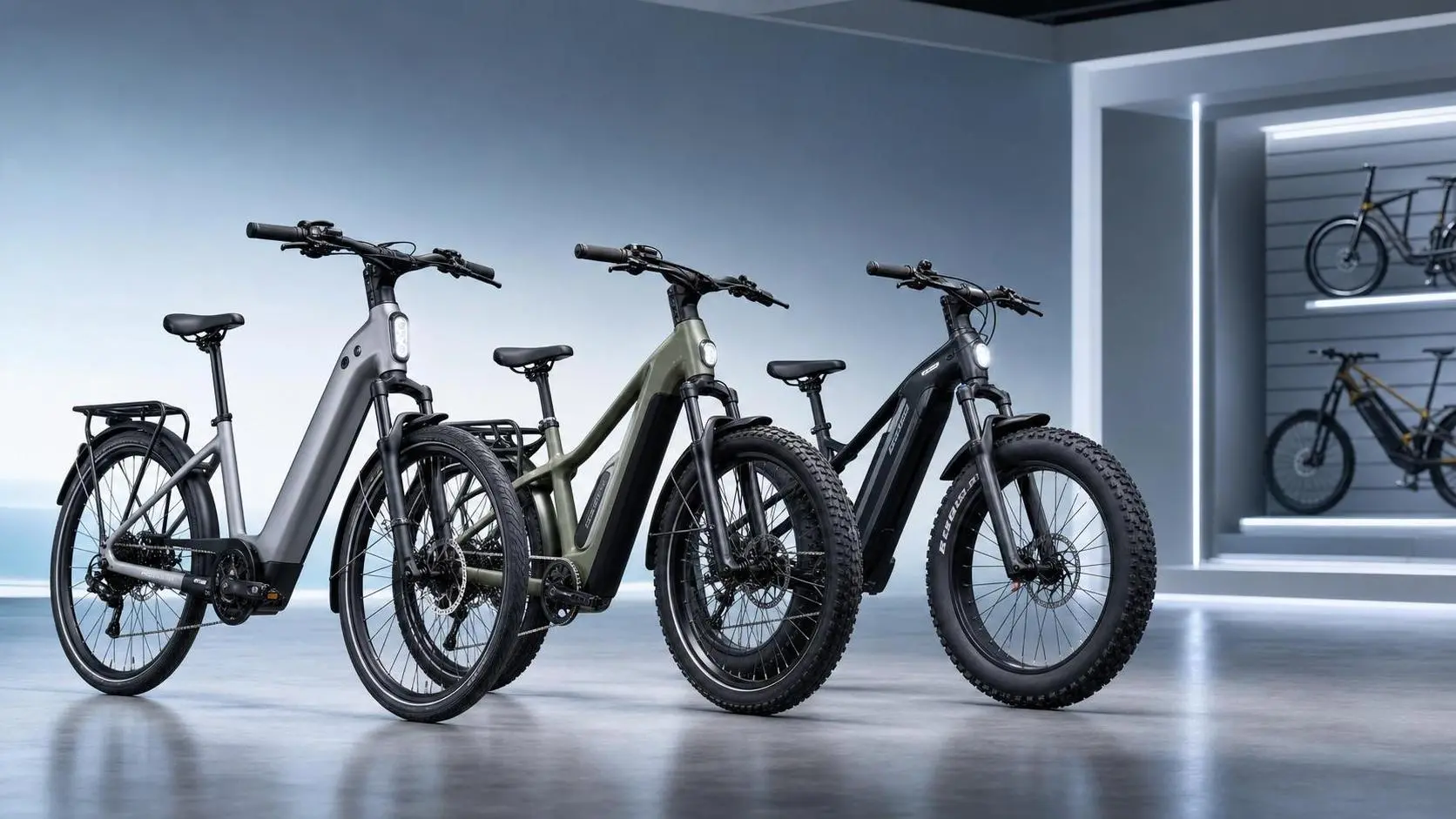
Ebike Market USA: What Dealers Should Know About Demand Shifts, Pricing, and Product Mix
ebike market USA is shifting fast. Discover how demand segmentation, pricing pressure, and smarter product mix decisions can help dealers protect margins and grow.
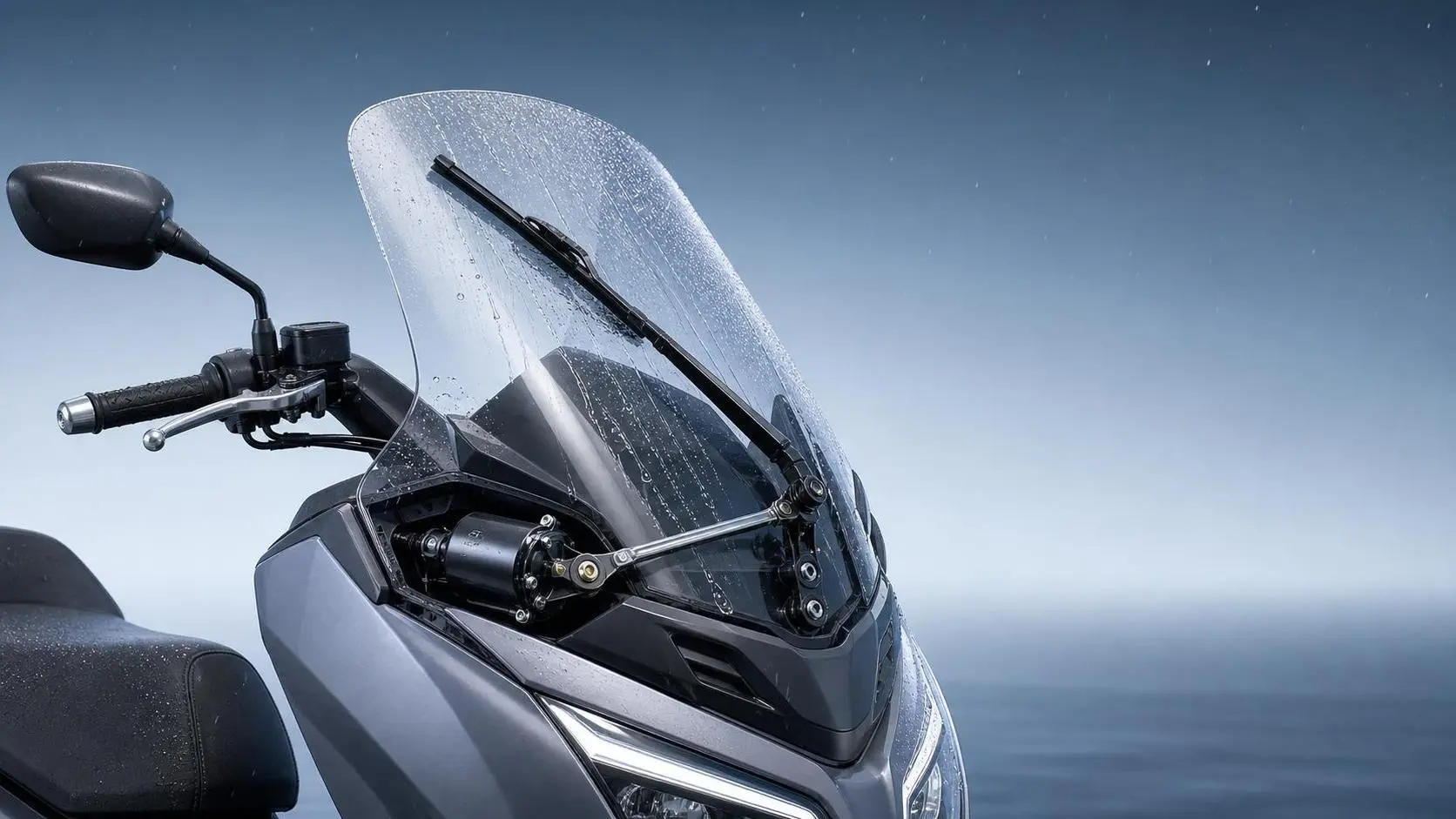
Wiper Systems for Scooters: Common Failure Points, Maintenance Tips, and Replacement Signs
Wiper systems for scooters: learn the most common failure points, smart maintenance tips, and clear replacement signs to improve visibility, reduce repeat repairs, and keep riders safer.
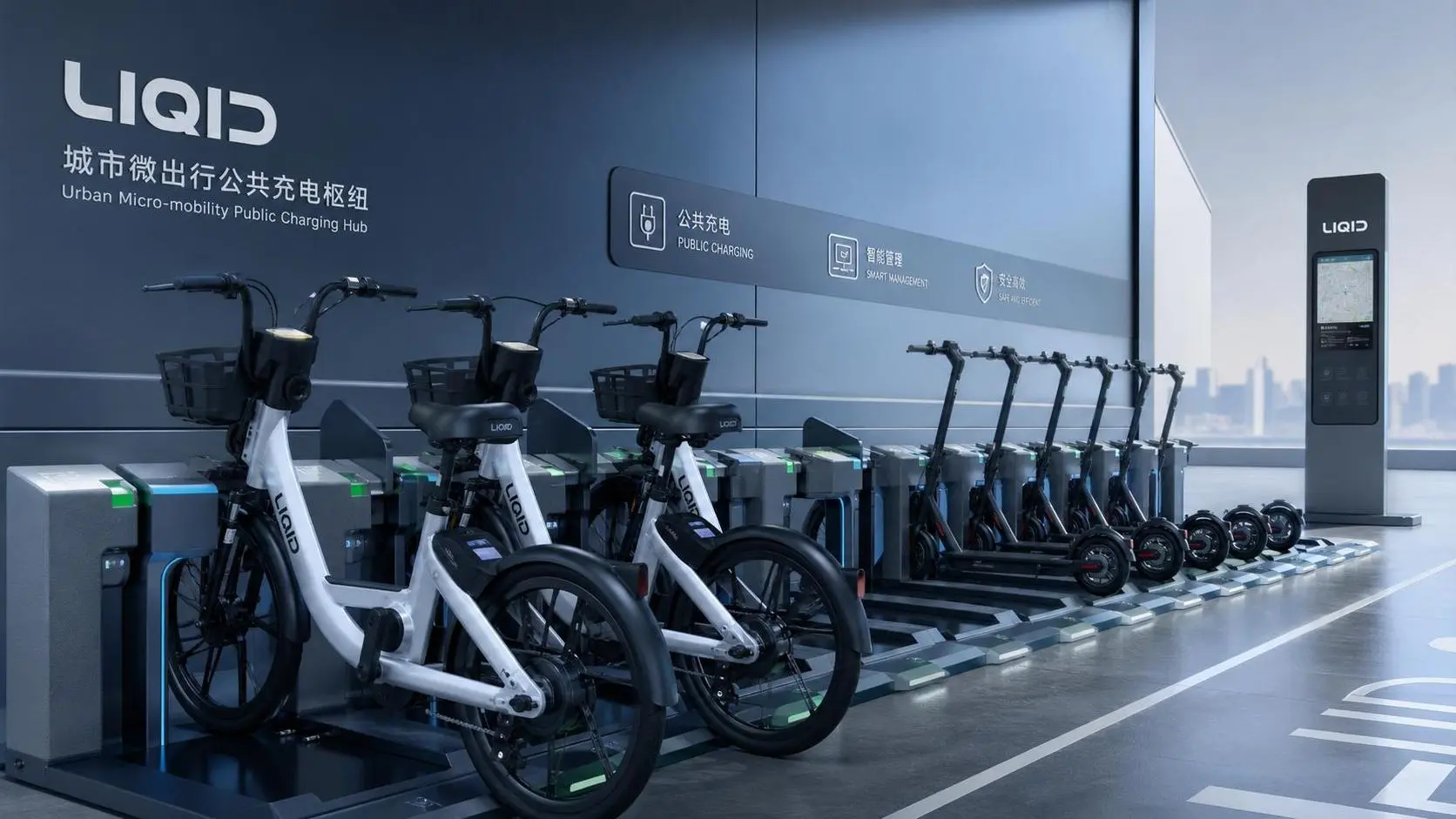
How to Choose Micro-Mobility Docking Stations for Shared Fleets and Public Charging Hubs
Micro-mobility docking stations: learn how to compare charging, locking, software, and site-fit factors to choose safer, smarter hubs for shared fleets and public use.
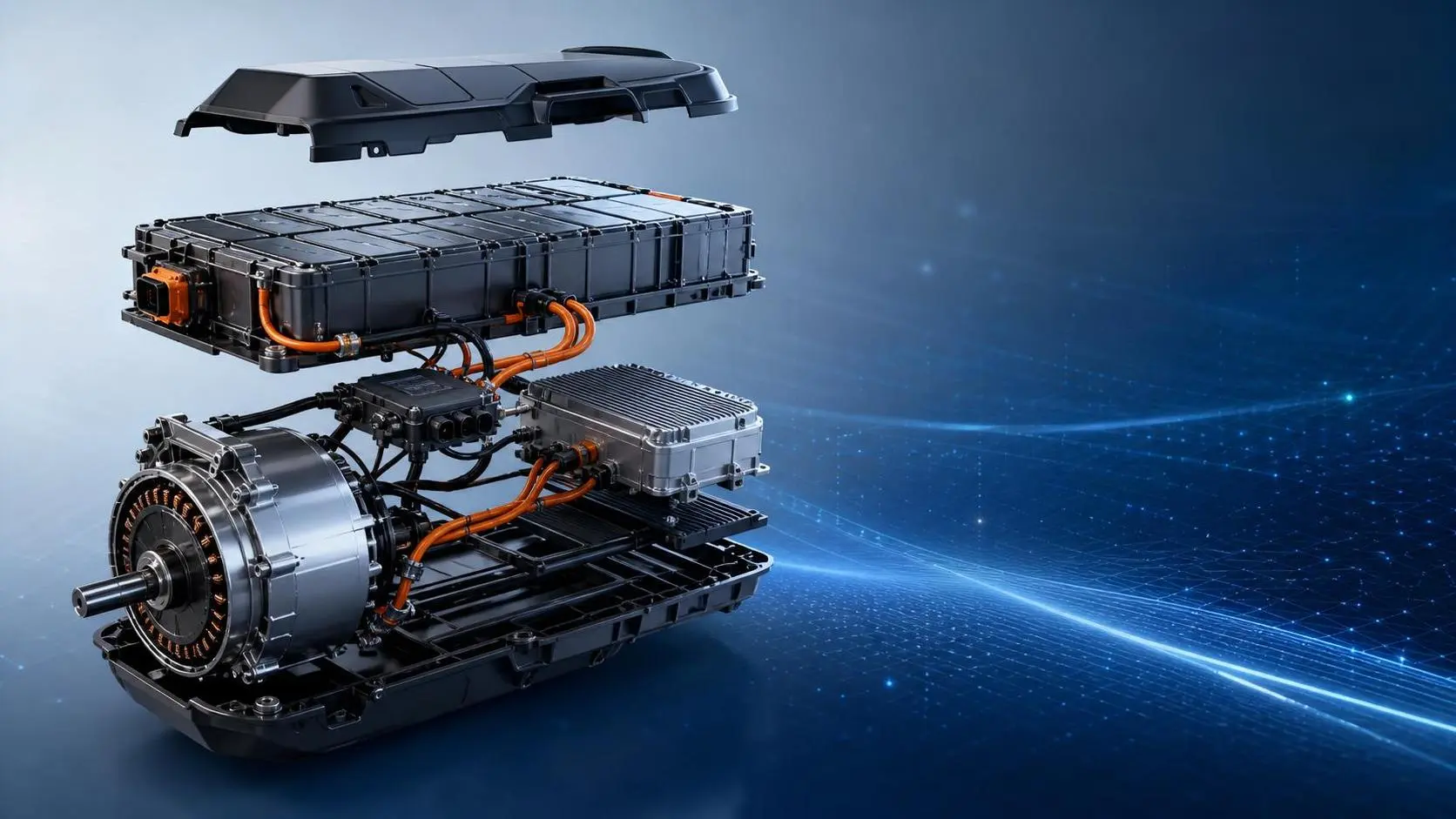
Powertrain Heat Management Explained: Key Design Factors for EV Efficiency and Battery Life
Powertrain heat management explained for EVs: discover how thermal design boosts efficiency, protects battery life, improves safety, and sustains real-world performance.
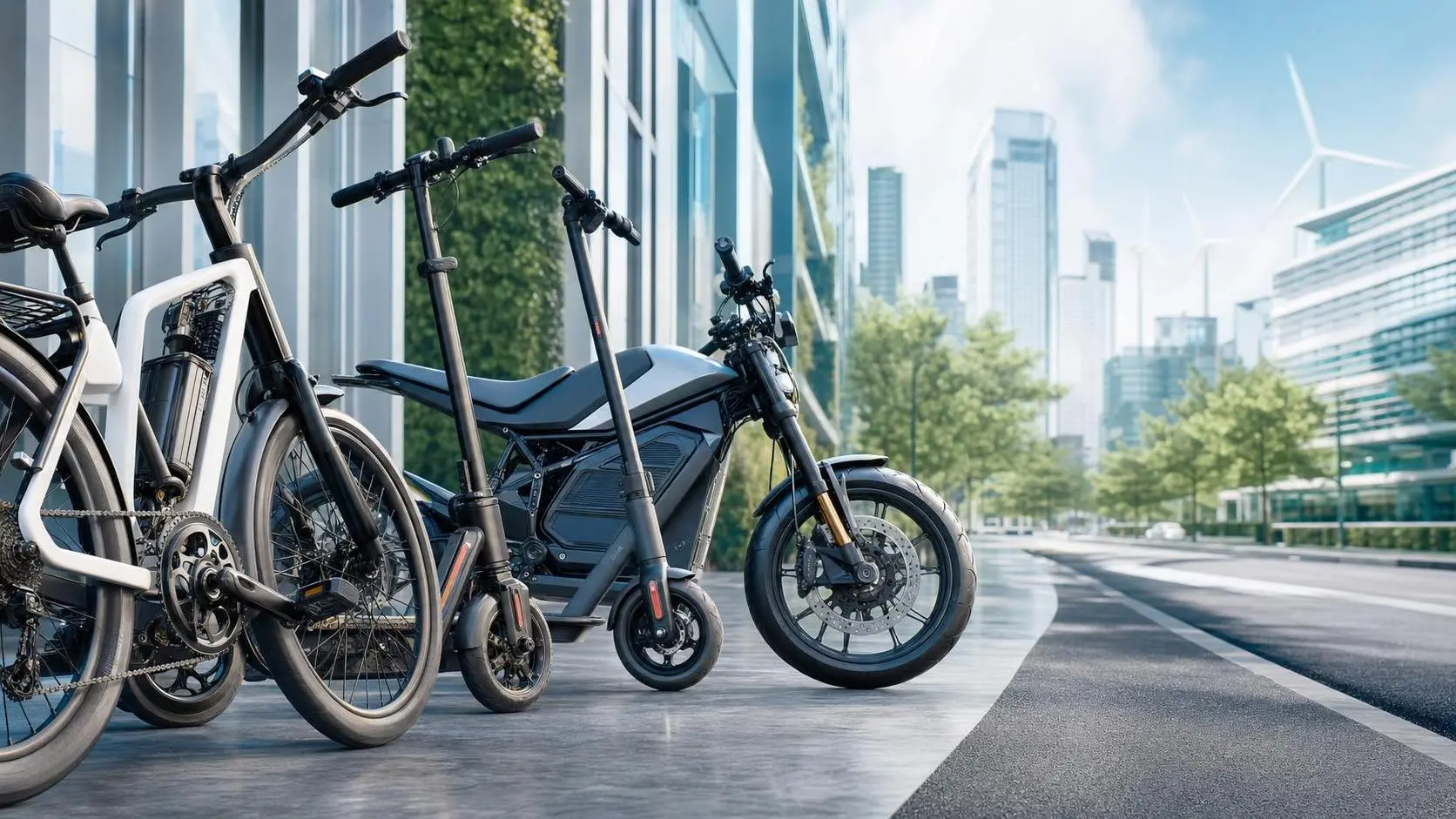
Urban Mobility Market Analysis: Demand Drivers, Policy Risks, and Revenue Models Compared
Urban mobility market analysis compares demand drivers, policy risks, and revenue models across e-bikes, scooters, and e-motorcycles to reveal where growth is durable.
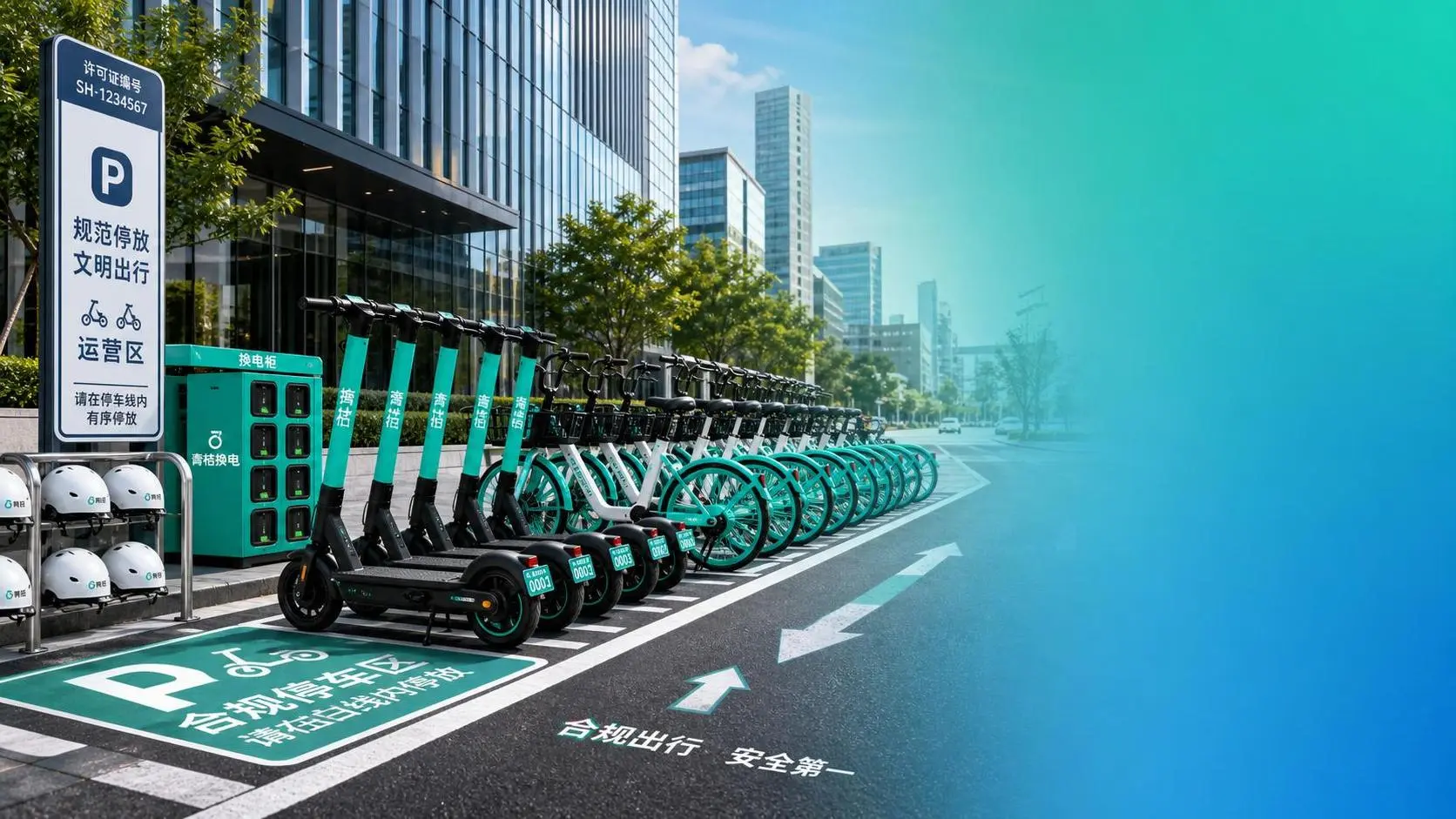
Shared Mobility Compliance Checklist: Permits, Safety Rules, and Fleet Data Requirements
Shared mobility compliance made simple: explore a practical checklist for permits, safety rules, and fleet data requirements to launch faster, reduce risk, and stay audit-ready.
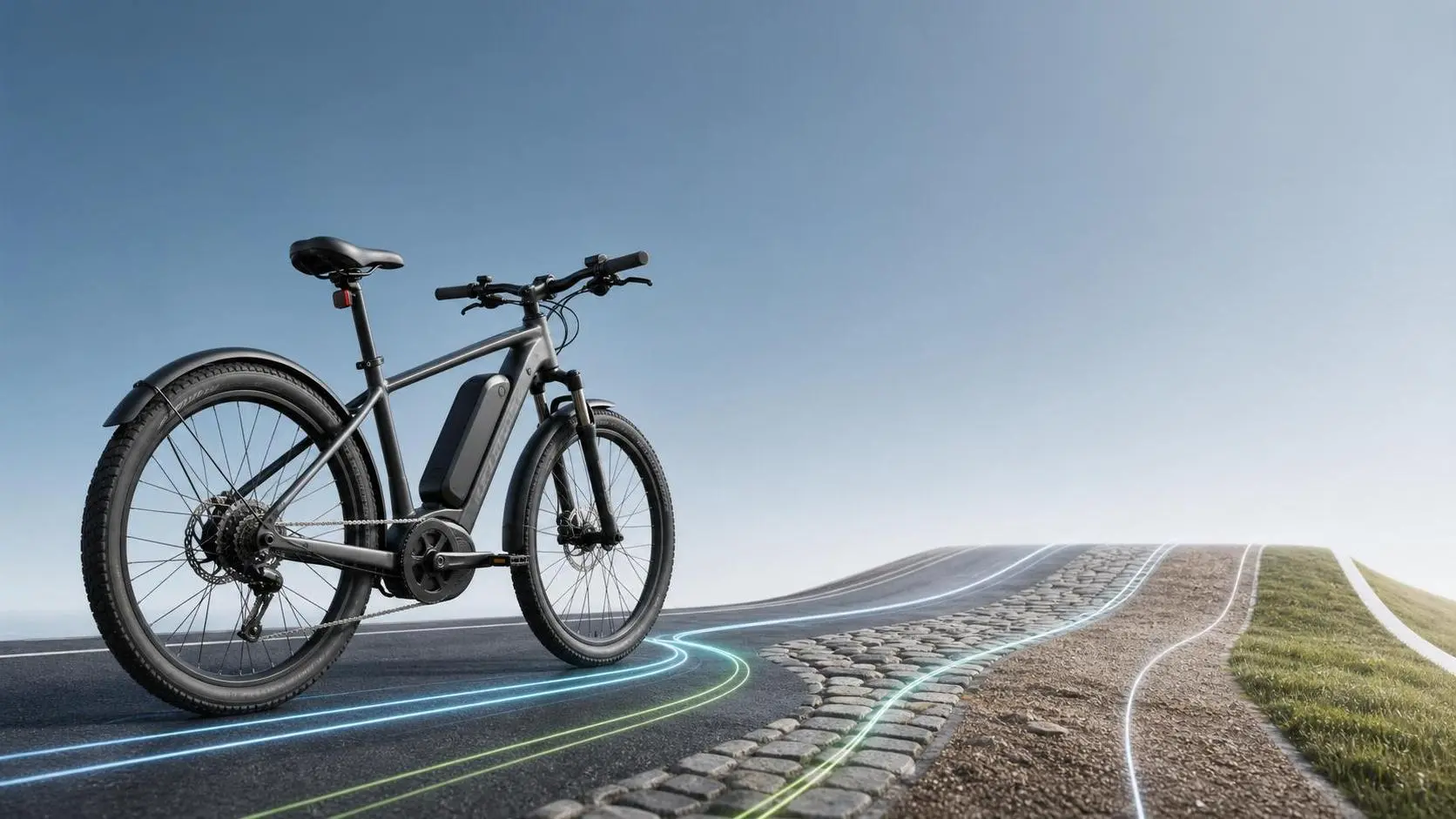
What Affects Ebike Energy Efficiency? Battery Size, Rider Weight, Terrain, and Speed
Ebike energy efficiency explained: learn how battery size, rider weight, terrain, and speed shape real-world range, lower Wh/km, and smarter buying or commuting decisions.

Wireless Electronic Shifting in North America: Compatibility, Standards, and Upgrade Limits
Wireless electronic shifting North America explained: compare compatibility, FCC/ISED standards, retrofit limits, and upgrade risks before choosing the right platform.