
Related News
- 00
0000-00
E-Bike Incentives Explained: How Riders Can Find Local Rebates and Tax Credits - 00
0000-00
How to Choose Urban Commuting E-bikes for Rental Fleets by Range, Durability, and Serviceability - 00
0000-00
E-Bike Component Selection: How to Evaluate a Torque Sensor for Commuting and Cargo Use - 00
0000-00
What Drives Low Carbon E-bike Price: Materials, Battery Specs, and Compliance Costs - 00
0000-00
Utility Maximization in E-bikes: Which Motor, Battery, and Range Trade-offs Matter Most?
Micro-Mobility Strategist
Weekly Insights
Stay ahead with our curated technology reports delivered every Monday.
Brushless Motors Explained: Key Performance Specs for E-bike and Scooter Selection





Selecting between motor platforms for an e-bike or scooter is rarely about headline wattage alone. In urban micro-mobility, brushless motors are judged by how they deliver torque at launch, hold efficiency through stop-and-go traffic, manage heat under repeated loads, and integrate with controllers, batteries, and vehicle software. That is why performance specs matter far beyond a brochure line, especially as cities, fleets, and OEM programs demand quieter, cleaner, and more dependable two-wheeler systems.
Why brushless motors sit at the center of micro-mobility
Brushless motors have become the default drive choice for modern e-bikes and smart e-scooters because they combine compact packaging, high controllability, and low maintenance.
Unlike brushed designs, they eliminate mechanical commutators. That reduces wear, limits sparking, and supports smoother electronic control.
For the broader UMMS view of electrified two-wheelers, this matters in several ways. Reliable drive efficiency supports low-carbon mobility goals, while consistent motor behavior improves safety, range prediction, and system-level optimization.
The same logic appears across related categories as well. From e-bike drivetrains to smart scooters and even specialized wiper systems, brushless motors are increasingly preferred when precision and durability are both required.
The core idea: motor performance is a system result
A motor never works alone. Real-world output depends on controller tuning, battery voltage stability, current limits, gearing, wheel size, vehicle mass, and cooling conditions.
This is where many comparisons go wrong. Two brushless motors with similar rated power can feel completely different once installed in separate vehicle architectures.
In practice, the most useful evaluation question is not “Which motor is stronger?” It is “Which motor performs better within this exact use case, regulation limit, and duty cycle?”
Hub motor or mid-drive context
For e-bikes, brushless motors often appear as hub drives or mid-drive units. Hub motors simplify packaging and reduce drivetrain complexity.
Mid-drives usually offer better climbing leverage through the bicycle transmission, but add integration and wear considerations.
For scooters, hub-based brushless motors dominate because of packaging efficiency, direct wheel torque, and reduced mechanical losses.
The performance specs that actually influence selection
Some specifications shape daily performance more than others. A useful screening framework is shown below.
Rated power versus peak power
Peak power is easy to market. Rated power is more useful for comparison.
A brushless motor may briefly produce strong output during launch or climbing, but sustained operation depends on thermal capacity and controller limits.
For commuting platforms, repeated acceleration and long inclines reveal far more than a short peak figure.
Torque delivery and gradeability
Torque determines how the vehicle feels at low speed. That is critical in start-stop city riding, cargo loading, and hill starts.
However, torque claims need context. Wheel torque, motor torque, gear ratio, and tire diameter can all change the actual result.
A stronger low-end torque profile often matters more than higher top speed for practical urban use.
Efficiency across the real operating window
Efficiency is not a single number. Brushless motors have an efficiency map, and the best zone may not match the vehicle’s normal riding speed.
An e-scooter used for short urban trips may spend much of its time in low-speed partial-load operation. An e-bike may sit in a moderate cadence and assist band.
If the motor’s sweet spot sits elsewhere, range and thermal behavior both suffer.
Thermal behavior is often the hidden decision factor
Thermal performance is one of the most overlooked brushless motor criteria in e-bike and scooter evaluation.
A compact motor can look excellent on paper, then lose output after repeated hill climbs, warm-weather riding, or high payload operation.
This matters even more in fleet or sharing scenarios. Duty cycles are less forgiving, charging intervals are tighter, and user behavior is less predictable.
Motor heat comes from copper losses, iron losses, switching effects, and mechanical drag. Once temperatures rise, insulation life, magnet stability, and controller reliability all come into play.
What to check in thermal evaluation
- Continuous operation limits at different ambient temperatures
- Derating behavior after repeated acceleration cycles
- Temperature sensor strategy and controller protection logic
- Cooling path design, especially in enclosed hub layouts
- Performance under payload, incline, and low-speed stress
Control quality shapes the riding experience
When comparing brushless motors, ride feel is largely a control issue rather than a magnet or winding issue alone.
The controller decides how precisely current is delivered, how quietly the motor runs, and how smoothly power arrives during launch and deceleration.
For e-bikes, pedal assist behavior, torque sensing calibration, and cut-off timing strongly affect perceived quality.
For scooters, throttle linearity, anti-slip calibration, and regenerative braking blending deserve close review.
In other words, a capable brushless motor paired with poor software can still deliver a weak platform.
Application differences between e-bikes and scooters
The same family of brushless motors can serve both products, yet the selection priorities are not identical.
This is where UMMS-style intelligence becomes useful. Selection is not only a component question, but also a market and platform question.
Regulations, subsidy rules, vehicle category limits, and expected service environments all shape the right motor decision.
Common mistakes when comparing brushless motors
- Using peak figures without checking continuous operating conditions
- Comparing motors without matching voltage, controller, and wheel setup
- Ignoring thermal derating in warm climates or high-load routes
- Assuming efficiency claims apply across the full riding envelope
- Treating software calibration as secondary to hardware selection
- Overlooking sealing, vibration resistance, and connector reliability
A practical way to evaluate the next candidate motor
A useful assessment path starts with the route, payload, target speed, assist style, and ambient conditions.
Then compare brushless motors against the real duty cycle, not a generic benchmark.
Ask for torque curves, efficiency maps, temperature rise data, controller logic details, ingress protection information, and integration references.
If the platform supports connected diagnostics, include fault logging and remote calibration capability in the review.
That approach reflects where the micro-mobility sector is heading: tighter electromechanical integration, smarter software behavior, and stronger evidence behind component selection.
For the next comparison cycle, it helps to build a short matrix around torque, efficiency zone, thermal resilience, control quality, and system compatibility. That will reveal which brushless motors fit the platform, and which only look attractive on paper.
Related News
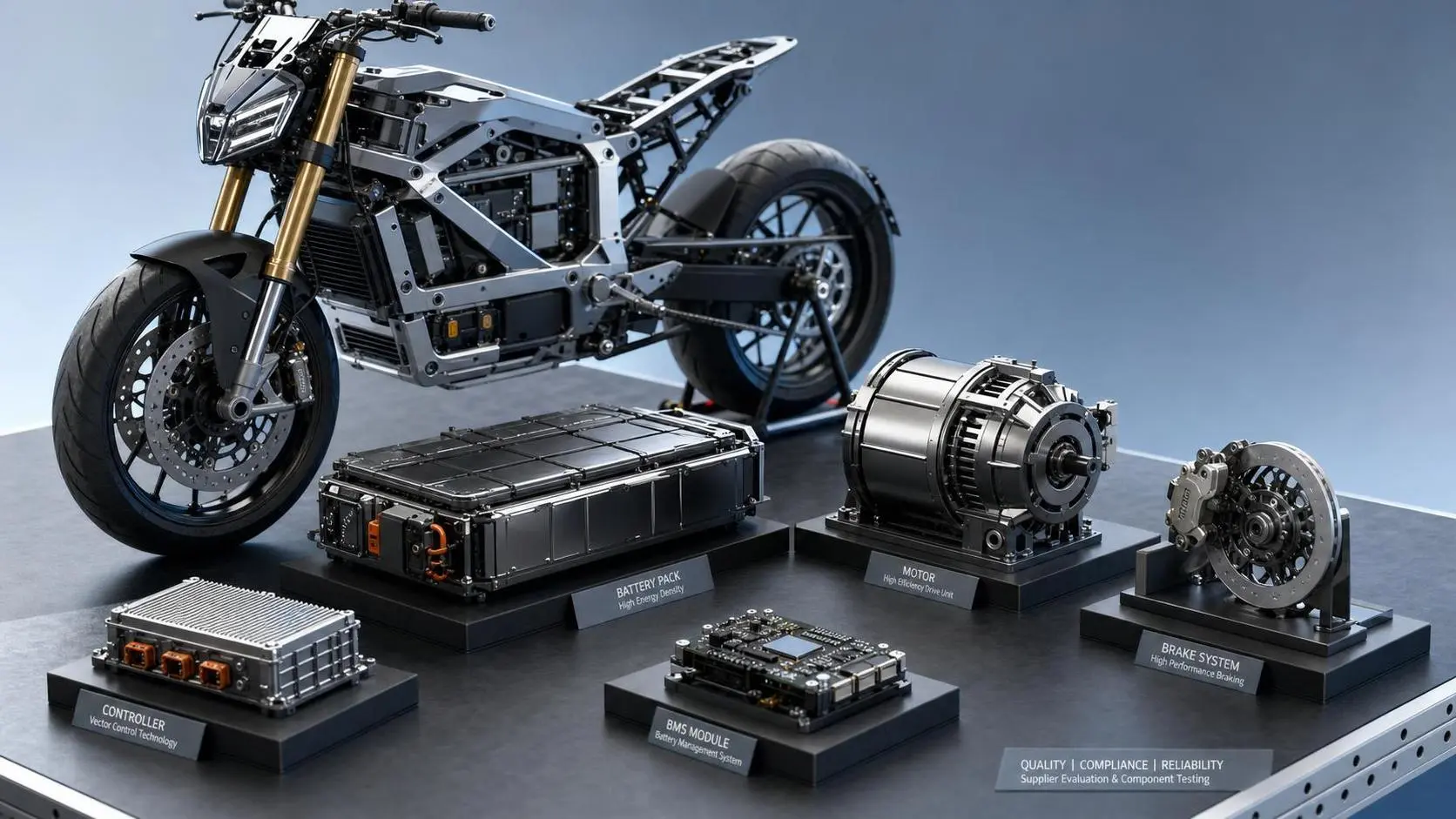
How to Evaluate Core Component Suppliers for Electric Motorcycles Before Sourcing?
Core component suppliers for electric motorcycles can make or break safety, compliance, and delivery. Learn how to assess technical strength, certifications, quality control, and hidden sourcing risks before you buy.
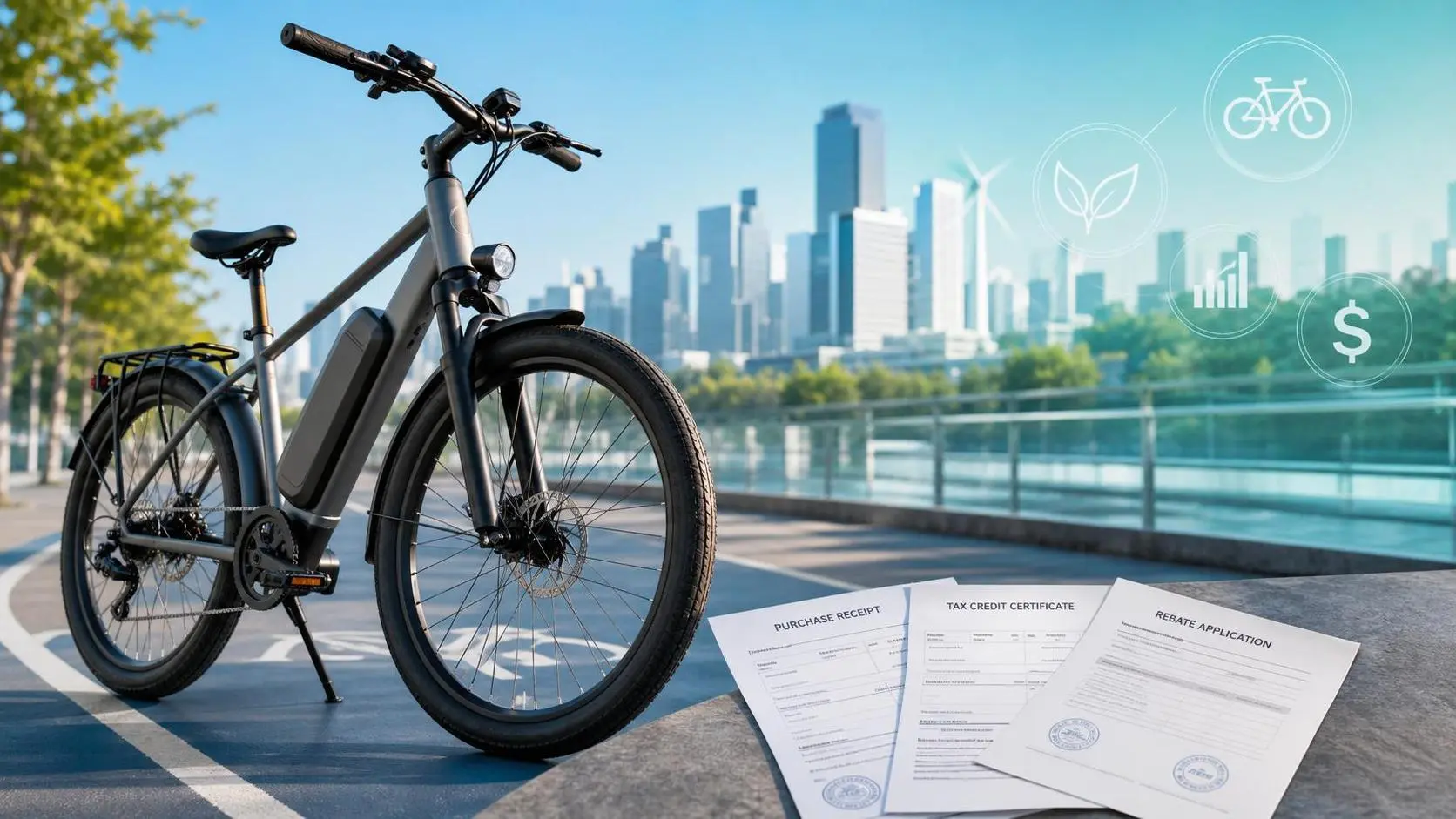
E-Bike Incentives Explained: How Riders Can Find Local Rebates and Tax Credits
E bike incentives explained: learn how to find local rebates, tax credits, and utility offers, avoid common mistakes, and cut the real cost of your next e-bike.
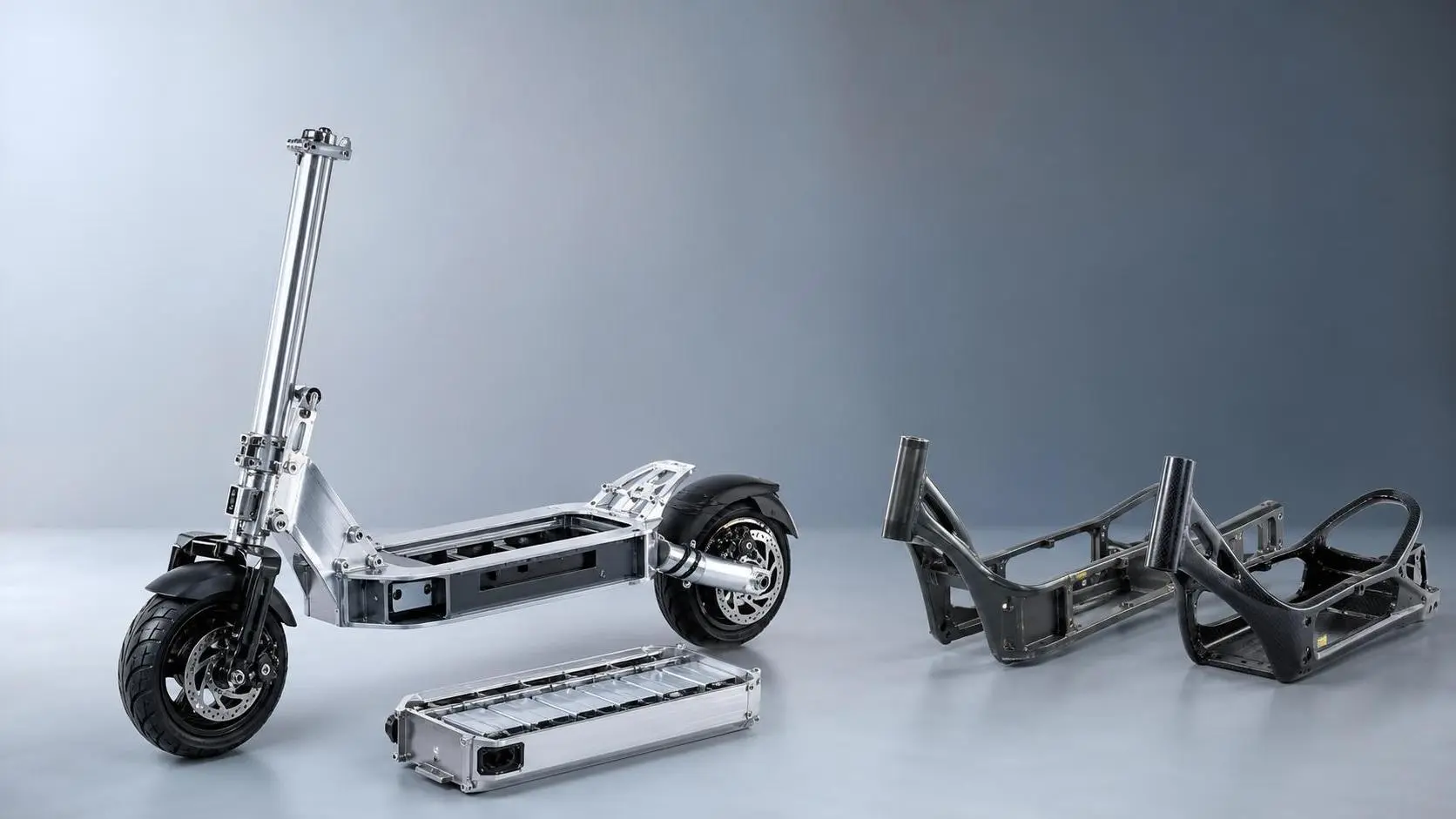
How to Choose Lightweight Scooter Frames in Europe: Materials, Standards, and Use Cases
Lightweight scooter frames Europe buyers need should balance materials, EN standards, durability, and real use cases. Discover how to choose safer, smarter, compliant frames.
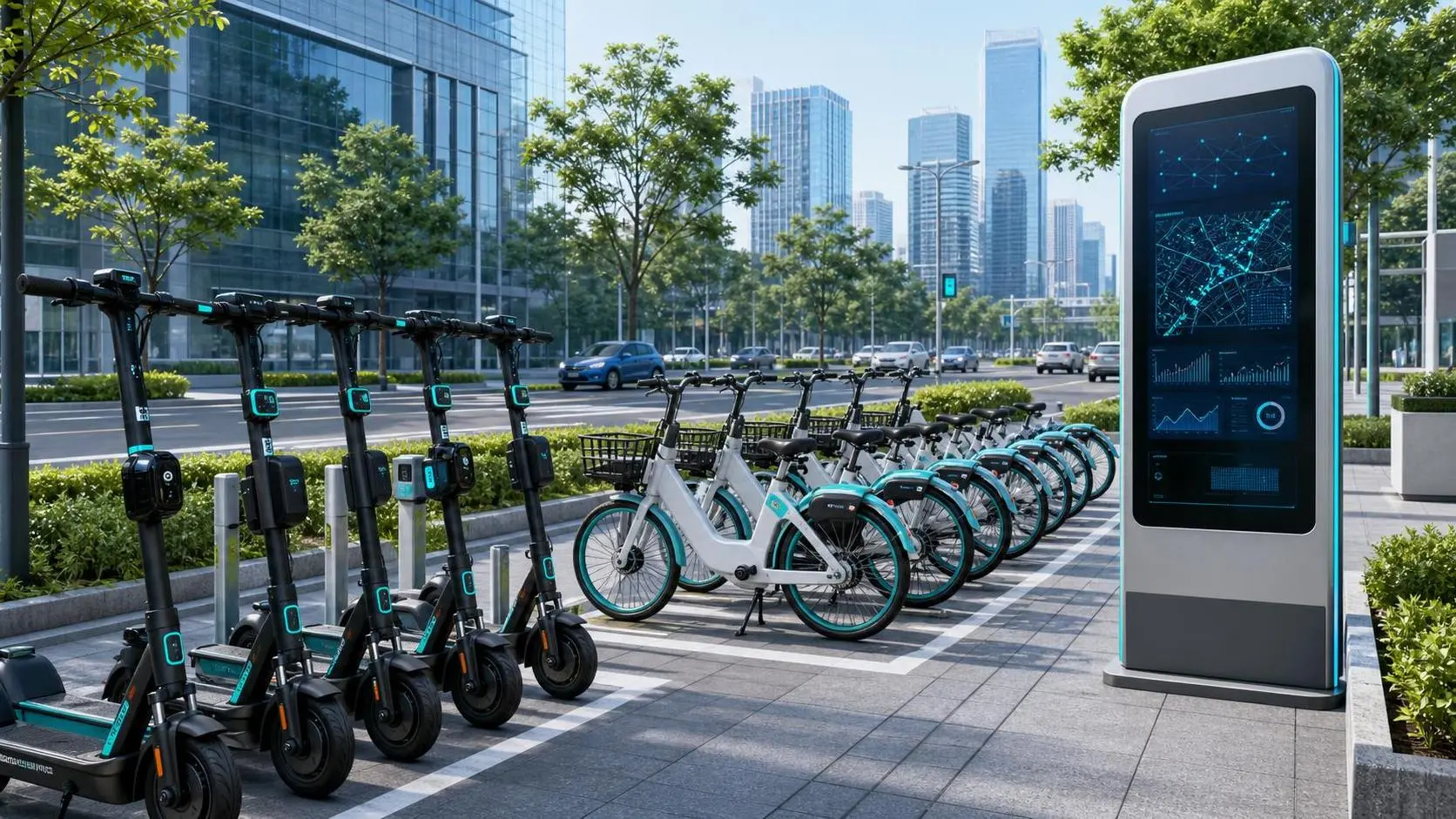
What Is the Intellectualization of Mobility Platform and How Is It Applied in Shared Fleets?
Intellectualization of mobility platform is reshaping shared fleets with real-time data, predictive maintenance, and smarter compliance—learn how it boosts safety, uptime, and urban mobility efficiency.
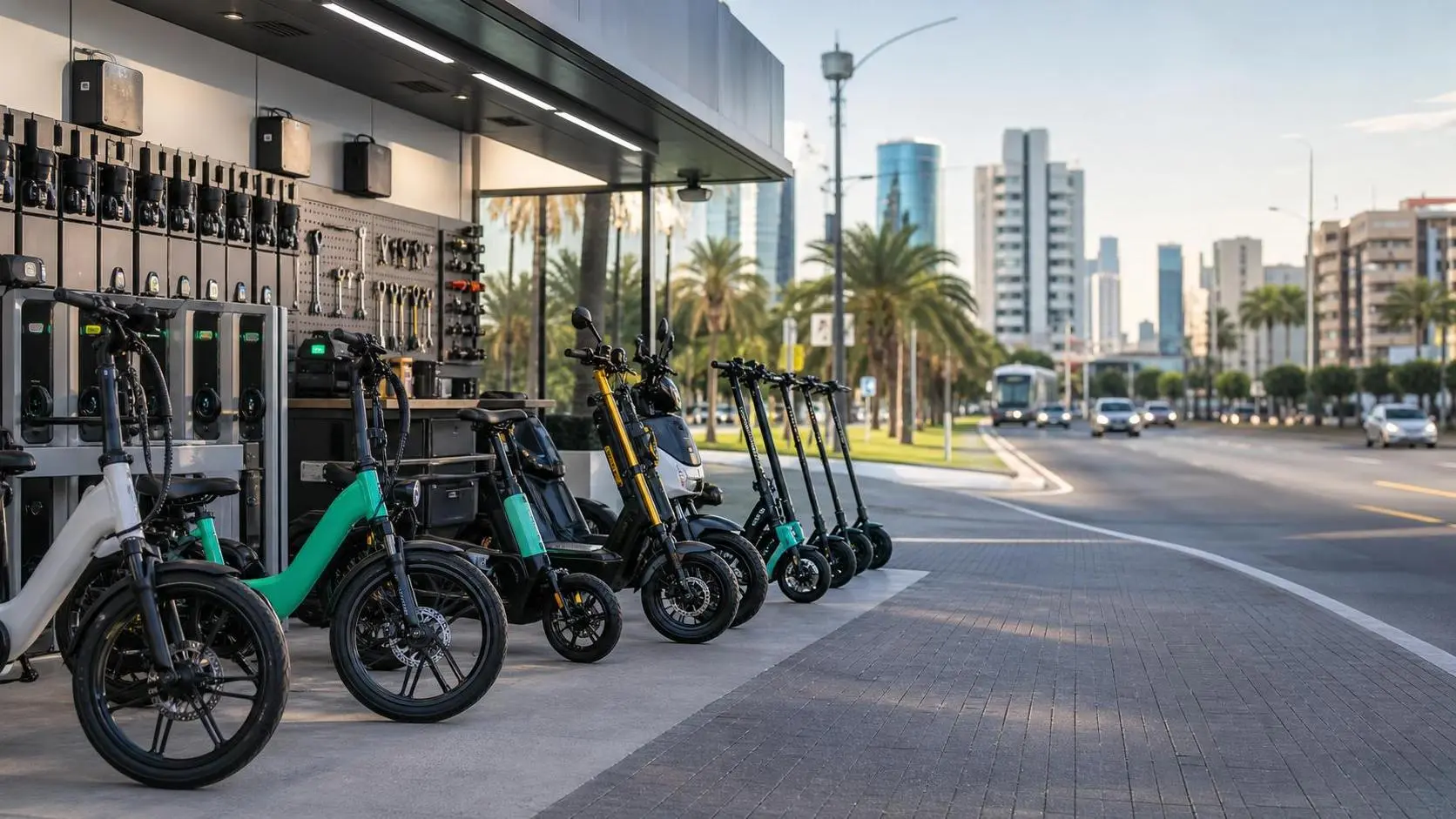
Urban Micro-Mobility Systems in Latin America: Key Market Drivers, Barriers, and Growth Segments
Urban micro-mobility systems Latin America are reshaping city transport. Explore key drivers, barriers, and high-growth segments to spot the region’s most investable opportunities.
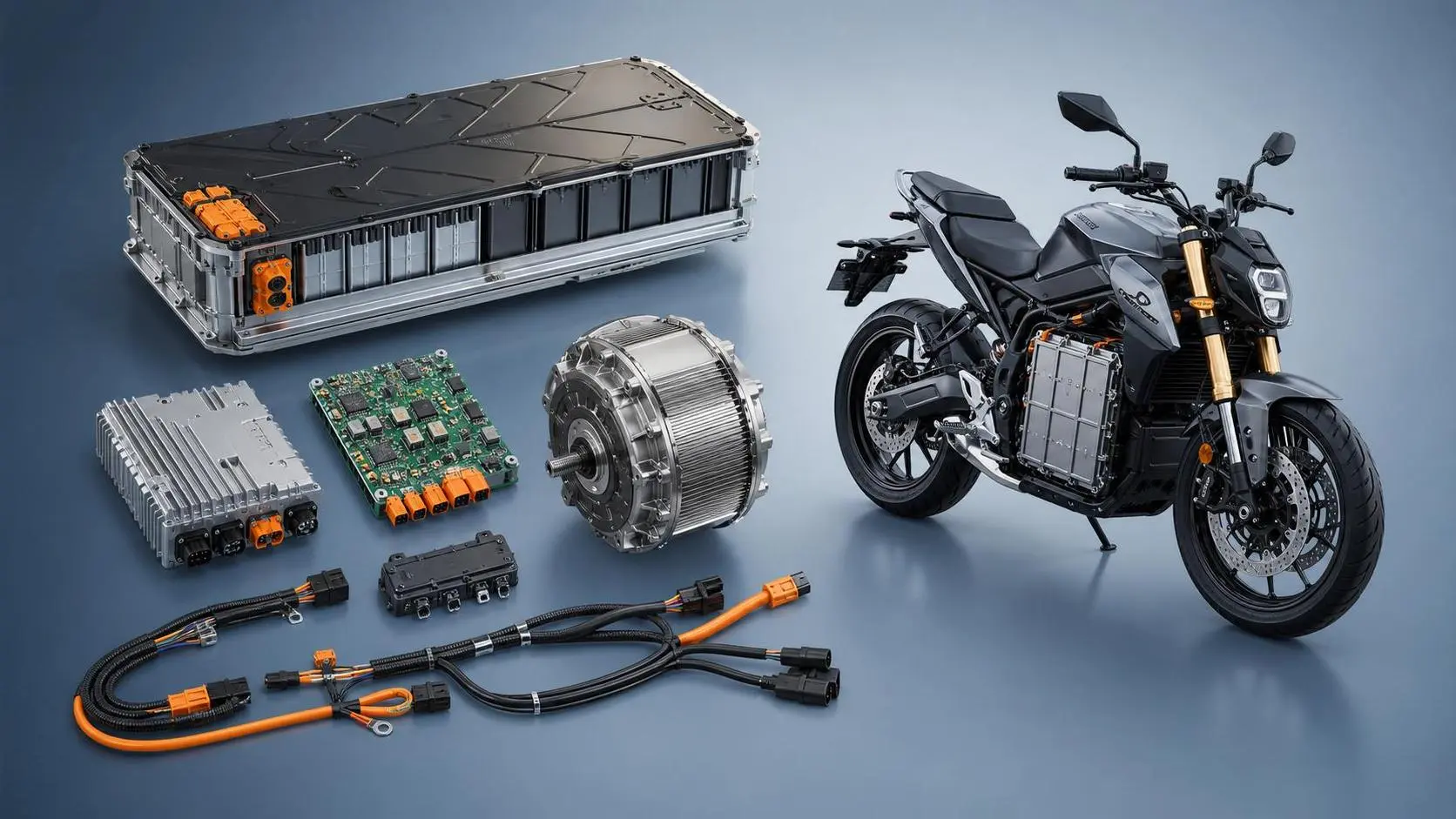
Electric Motorcycle Systems Price Breakdown: What Affects Cost From Battery to Controller?
Electric motorcycle systems price explained: see how battery, controller, motor, BMS, and wiring affect total cost, reliability, and sourcing value before you buy.
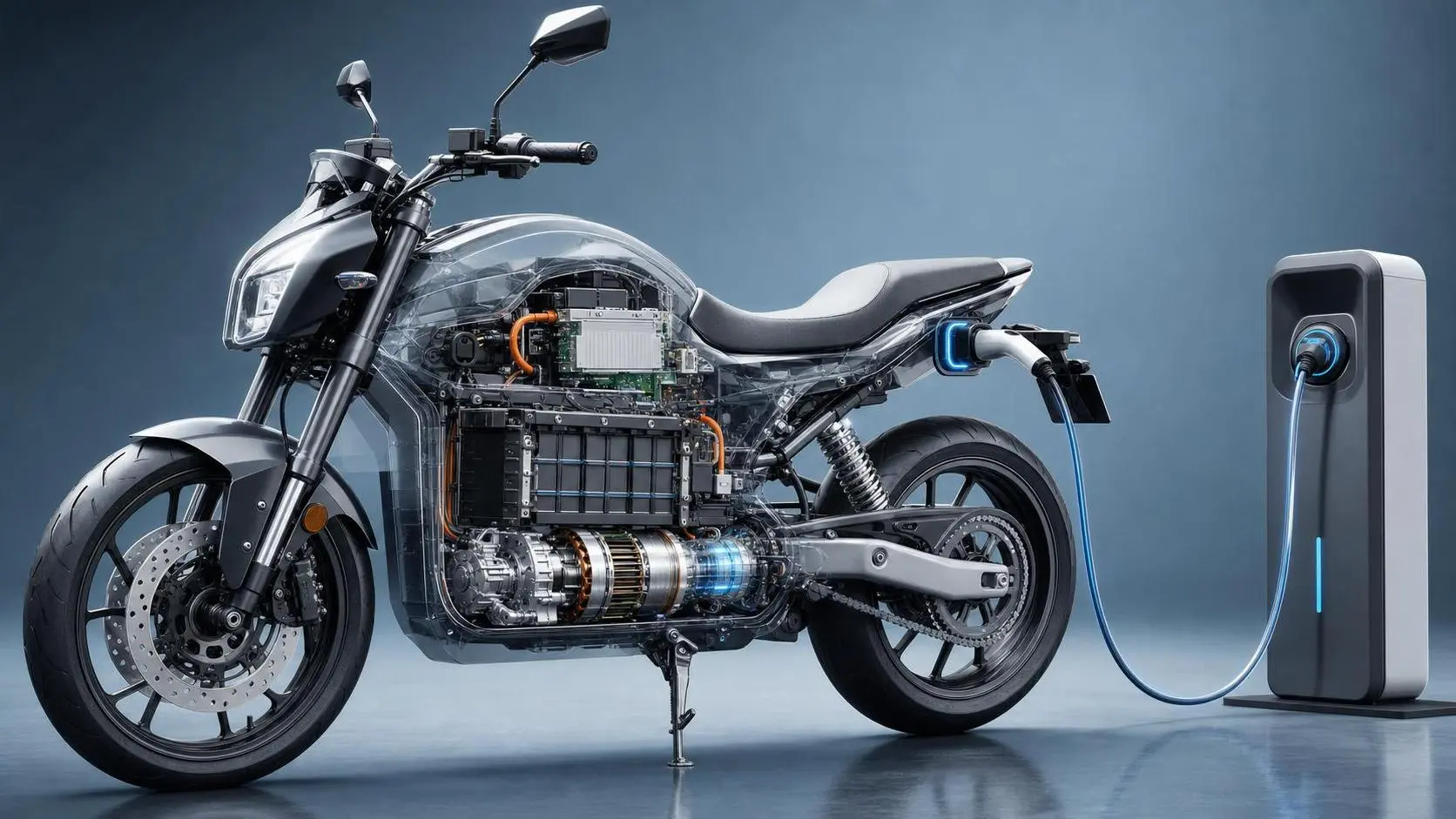
72V Electric Motorcycle Technology Explained: Motors, Controllers, Range, and Charging
Electric motorcycle technology 72V explained clearly: compare motors, controllers, range, battery design, and charging to choose a smoother, stronger, and smarter electric ride.

Where LED Urban Visibility Safety Systems Fit Best in Shared Scooters and City E-bikes
LED urban visibility safety systems deliver the most value in shared scooters and city e-bikes by improving multi-angle safety, fleet durability, and urban compliance across real-world routes.
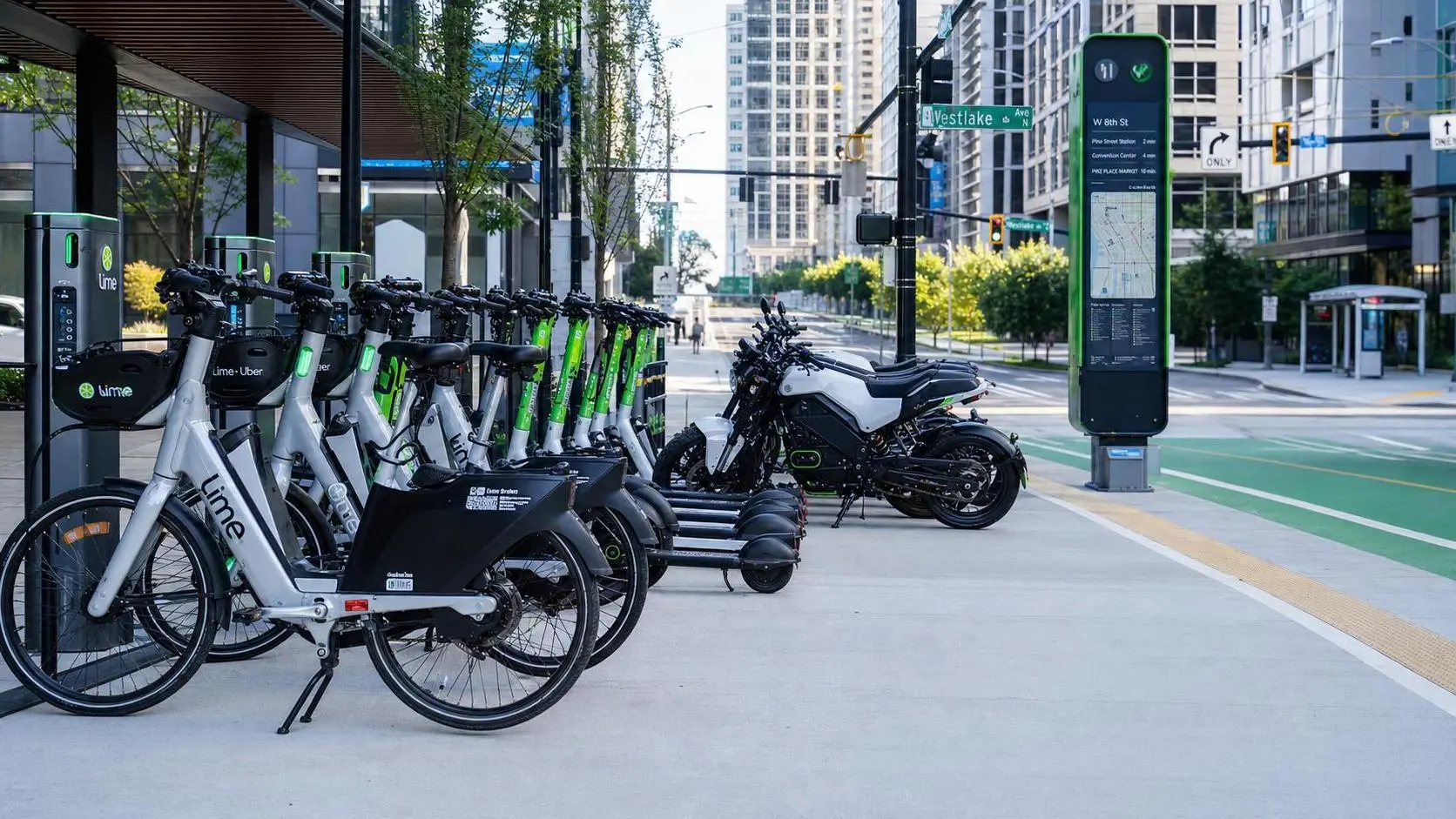
Intellectualization of Mobility in North America: What Is Driving Adoption Across Urban Transport?
Intellectualization of mobility North America is reshaping urban transport through data, smart fleets, and battery intelligence. Explore what is driving adoption and why cities and operators are accelerating now.